
When the Great East Japan Earthquake hit on March 11, 2011, at exactly 2:46 PM, I was in Tokyo with my 10-month-old son. Like Americans with "9/11," we Japanese simply call it "3.11" - a date permanently etched in our national memory.
At magnitude 9.0, it was the most powerful earthquake ever recorded in Japan.
Here's a video where I share my memories of that day as they come to mind. The content I discuss in this video is also transcribed in text form further down in this article.
Tokyo Shaken: My Personal Account of 3.11's Powerful Tremors
·
March 20, 2025
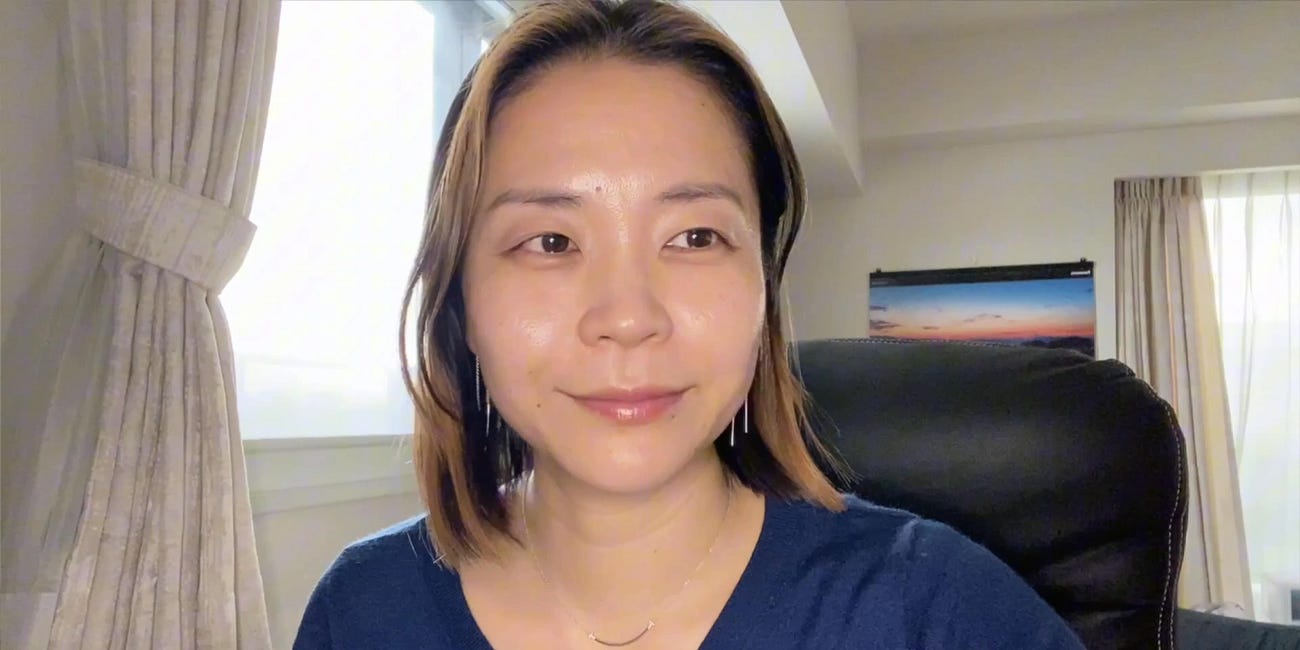
Today, I'm sharing something deeply personal with you—my recollection of the Great East Japan Earthquake that struck on March 11, 2011. What you'll find here is a video where I simply talk about my experience, unscripted and from the heart.
Watching my own video, I realized something: there I was, a mom with a baby feeling guilty about not ordering enough at a cafe during a disaster (that's me), and there were the cafe staff — who probably couldn't get home themselves and were worried about their own families — telling customers to take their time and relax. Japan's habit of prioritizing the group over individuals really shows its strength during disasters like this. Or maybe... did we develop these traits because Japan has so many disasters? These same social patterns can make daily life feel restrictive sometimes, but honestly, as a Japanese person myself, I'm amazed at how incredible Japan is during times like these.
Even though the phones were down and everything was chaotic, people still followed instructions from police and station attendants.
And of course, not a single store was looted during the earthquake.
In the middle of such a massive disaster, I doubt any country besides Japan could maintain that level of order.
That said, I should mention the historical fact that right after the Great Kanto Earthquake of 1923, baseless rumors spread during the chaos claiming "Koreans are poisoning wells" or "starting riots," which resulted in the massacre of many Korean residents by military, police, and some civilians (vigilante groups).
When I write it this way, Japan seems like such a complicated country...
*This part was added on March 28, 2025.
After watching the NHK documentary on 3.11, I was left speechless—but I feel the need to write this down as a personal record.
The disaster response building in Minamisanriku has now been officially preserved as a tsunami memorial site. Photographs remain showing the moment the tsunami engulfed the rooftop, where town officials and nearby residents had fled. 54 people fled to the rooftop, which was 12 meters high—only 11 survived. The documentary followed both survivors and the families of those who lost their lives.
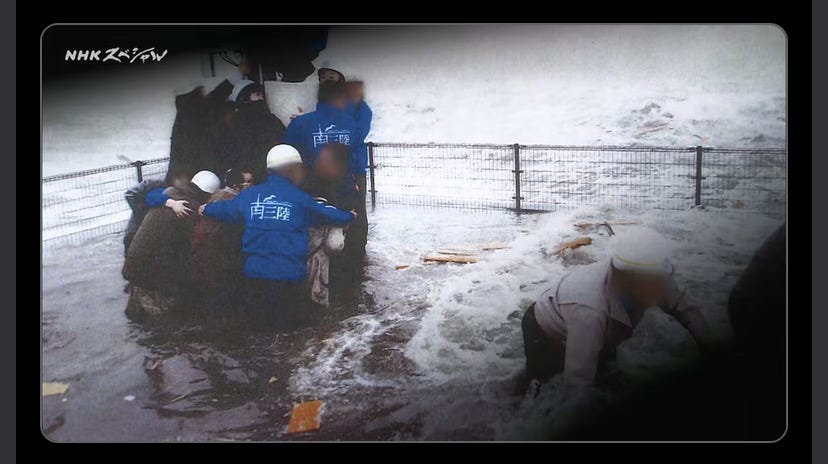
During disasters, especially in Japan, municipal workers are expected to act as part of the group. There’s an unspoken understanding that they cannot make individual decisions to flee. One man, whose son died because he stayed behind, expressed his deep conflict—anger toward the municipality for not allowing someone to say, “Run,” and pride in his son for dying in the line of duty. He is still trapped in that painful space between grief and pride. He ultimately concluded, as if persuading himself, that “I have to be proud of him, right?”
A woman who lost her in-laws—ordinary citizens who had taken shelter on that same rooftop—saw a photo of a town official holding them tightly as the wave approached. She felt immense gratitude for that final act of care, but also an overwhelming guilt: “If they hadn’t been there, maybe the officials could have escaped.”
A surviving municipal worker who was on that rooftop has lived with deep survivor’s guilt ever since. Despite the emotional burden, he continued to dedicate himself to the town’s recovery and often met with the bereaved at public. Watching him carry that pain was heartbreaking.
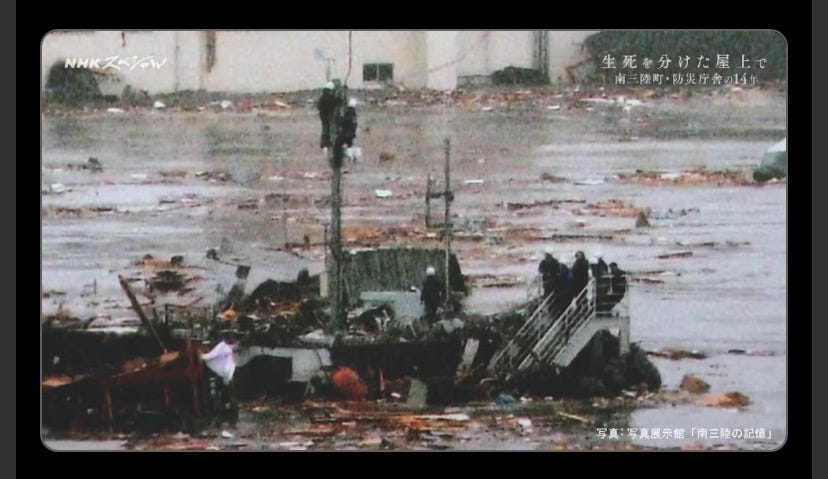
The idea that “you need permission to escape” or that, even in a catastrophic disaster, people prioritize the group over themselves might seem incomprehensible from an outside perspective. But watching this, I deeply felt—that’s what it means to be Japanese. I don’t say this to glorify it. This mindset, after all, was also deeply visible during wartime.
It made me think about so many things.
This video appears to only be available on YouTube, but I really want people who don't know about the extent of damage to watch it. Be careful though, as it's shocking right from the beginning.
This NHK site also provides accurate information and uses videos and images to show what happened from various angles, so please take a look. Again, be careful, as it contains many tsunami videos.
I'll summarize the content I talked about in the video here.
That day found me in Omotesando, an upscale area near Shibuya in central Tokyo. I was on maternity leave and had arranged to meet two friends - also coworkers and new mothers - for a rare day to ourselves.
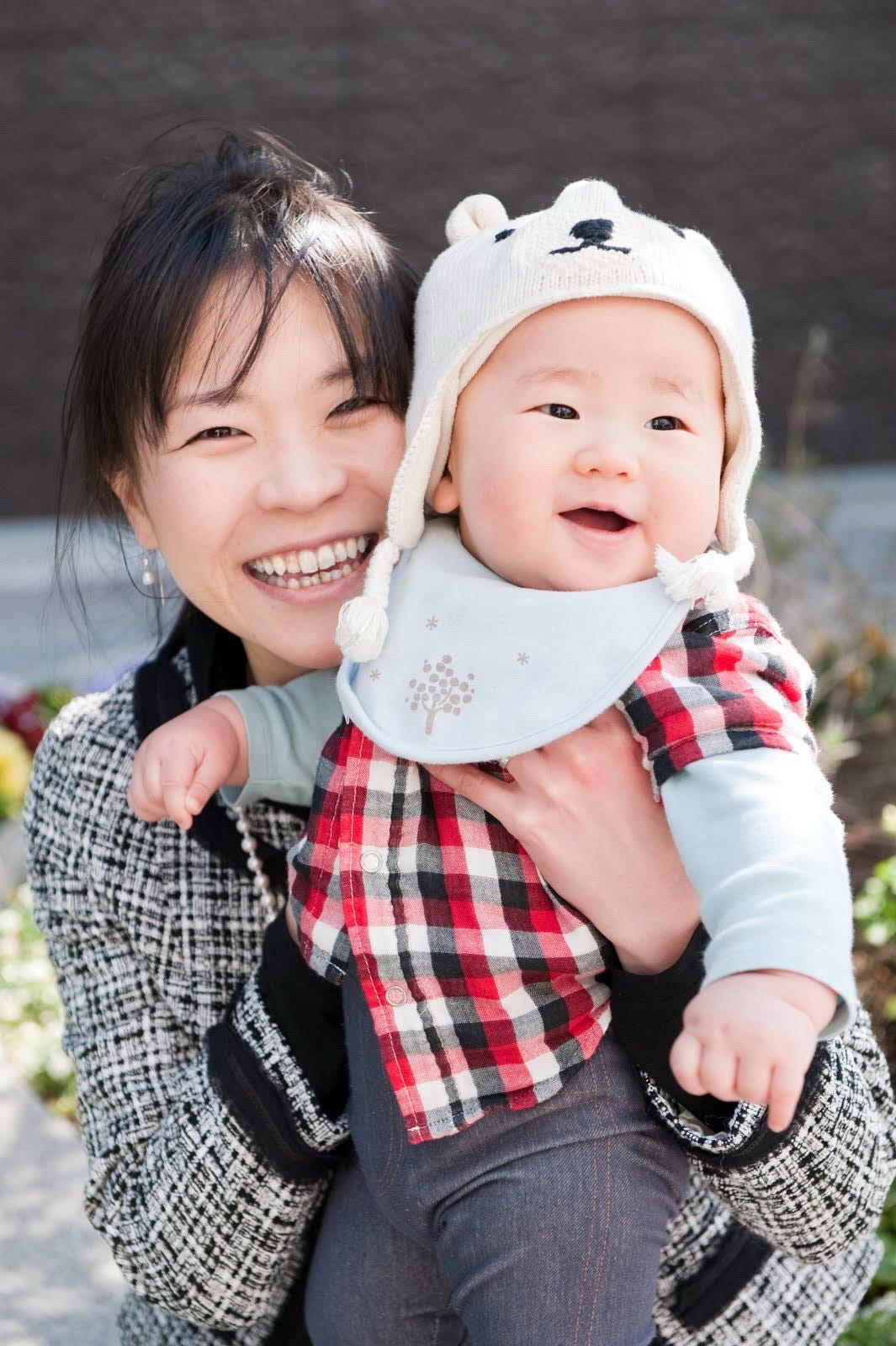
We had just finished a professional photo shoot with our babies. Our next stop: massages at a salon nearby. We'd even arranged childcare for our infants - something that runs counter to the Japanese expectation that mothers should be with their babies 24/7 until they're at least three years old. Small rebellion, big treat.
It's strange to think about now - how concerned we were about such normal things just hours before disaster struck.
I remember the exact instant. We'd dropped our babies at the childcare service and were heading to our appointment. It was almost 3 PM, and I was reaching for the glass door of the salon when it began.
The ground started shaking.
As Japanese, we're conditioned to respond to earthquakes from childhood. We have regular drills. The first rule: stay away from glass during tremors. Instinctively, I stepped back.
But this was different from any earthquake I'd experienced before. The shaking wouldn't stop. I watched in disbelief as the asphalt road before me rippled like water. Overhead, electrical cables swung violently.
One thought crystallized in my mind: "This is massive. If the epicenter isn't Tokyo, somewhere else just got devastated."
When the shaking finally subsided, we rushed back to our babies. They were playing contentedly, oblivious to what had happened. Japanese buildings are engineered to withstand earthquakes - most don't collapse completely like some did during the 1995 Kobe earthquake.
Within thirty minutes, I was checking Twitter on my smartphone (the fastest source of information) and seeing the first tsunami videos. The epicenter was indeed far from Tokyo - in the northeast - yet even at this distance, Tokyo had experienced severe shaking.
The footage was apocalyptic: massive waves were already swallowing coastal communities.
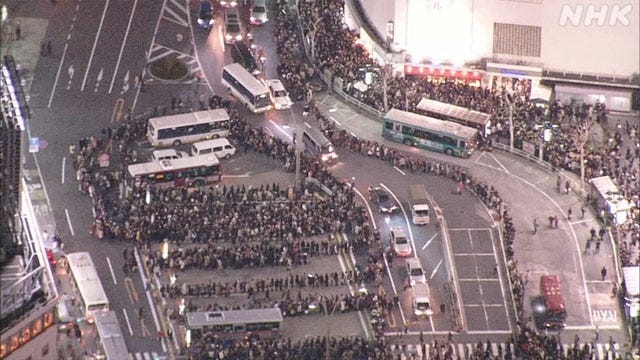
All trains stopped immediately. Our only option: walk.
I felt unexpectedly grateful for a small decision I'd made that morning. While dressing for our photo shoot, I'd initially chosen purple heels but switched to flat shoes at the last minute for no particular reason. That casual choice saved me considerable pain during what became a seven-kilometer trek to my friend's house - the closest of our homes.
As we pushed our strollers through Tokyo, the cityscape had transformed. Salon customers stood outside with dye still in their hair. Showcase windows lay shattered. Foreign tourists looked particularly lost, lacking both earthquake experience and language skills.
We walked for hours, occasionally resting at cafes where staff kindly let us stay as long as needed. By the time we reached my friend's apartment, night had fallen.
When we turned on the TV, what we saw resembled scenes from a disaster movie. The dark waters off northeastern Japan were filled with debris and people. An oil refinery in neighboring Chiba Prefecture was engulfed in flames. Concerns about nuclear power plants were already emerging.
We sat in stunned silence, staring at the screen. No words seemed adequate. Eventually, my then-husband drove to collect us, and we returned to our home near Yokohama in the early morning hours.
The statistics tell part of the story: 15,895 confirmed deaths, 3,156 injured, and 2,539 people missing - a figure that remains particularly heartbreaking. For these families, there's no closure, no certainty, no final goodbye.
Beyond the human cost, 4.4 million households lost electricity and 1.5 million lost water access. The earthquake and tsunami devastated infrastructure across northeastern Japan, while the Fukushima nuclear disaster was just beginning to unfold.
What I witnessed that day changed my perspective permanently. Like many Japanese after 3.11, I now maintain an emergency backpack with essentials: portable toilet supplies, non-perishable food, water, flashlights, chargers, and other survival necessities.
This isn't paranoia - it's pragmatic. In Japan, earthquakes aren't a matter of "if" but "when." Remembering is painful but necessary. It reminds us to be prepared and to value each ordinary day with those we love.
Because sometimes, an ordinary moment - like a simple photo shoot with friends - becomes the dividing line between before and after.
No posts
Comments
Nothing yet. Say the first thing.
Sign in to join the conversation.