
Dear subscribers, welcome back to Universal-Sci Weekly!
In this issue:
“Dark stars” that wouldn’t be dark at all - three faint James Webb smudges that could be powered by dark matter annihilation, and why that would rewrite the universe’s earliest chapter.
Why your brain lets some memories last for years (and deletes others fast) - a new Nature study reframes what “makes a memory stick.”
How a nearby supernova might boost the odds of Earth-like planets - and why that quiet cosmic nudge could be more common than we assumed.
Why stretching is (still) important for weight loss and exercise - what stretching actually does (and doesn’t) do for recovery and performance.
Have we finally “seen” dark matter for the first time? - a tantalizing signal from the Milky Way’s core.
Our Book of the Week is Avi Loeb’s Extraterrestrial: The First Sign of Intelligent Life Beyond Earth - a provocative case that ‘Oumuamua might not have been natural at all.
As always, enjoy the read!
Three faint smudges in James Webb’s data may be pointing to something astronomers have argued about for years: “dark stars.” The name sounds like science fiction, and it’s misleading. These objects wouldn’t be dim, and they wouldn’t be stars in the usual sense. If they exist, they’d shine for a stranger reason: not from nuclear fusion, but from dark matter annihilating deep inside them.
That idea doesn’t just tweak a detail in star formation. It could rewrite the opening chapter of cosmic history - how the first starlike objects grew, why some early structures look too bright, and even how the universe managed to build monster black holes so quickly.
In this article, physicist Alexey A. Petrov explains why these “dark stars” could be hiding in plain sight and the strange process that could make them shine. - (Read more)
Enjoy 74% off + 3 extra months free, backed by a 30-day money-back guarantee.
Why use a VPN?
Access online services securely. Whether it’s using social media or catching up on your favourite show while traveling abroad, a VPN helps you access all these services safely by encrypting your connection.
Securely connect to public Wi-Fi. Hackers can set up fake public hotspots to steal credit card details, passwords, and sensitive information. A VPN secures your traffic on public Wi-Fi, keeping you safe from hackers.
Save money when shopping online. Some sites offer different prices to customers from different countries. With VPN, you can change your location and hop to look for the best price.
Keep your data private. A VPN helps keep your online activity and data private and secure, which is what internet freedom is all about.
Benefit via our affiliate link!
(The discount also applies to their enhanced plan, which gives you additional benefits such as 1TB of encrypted cloud storage at a very low price)


Some memories vanish by dinner time. Others stay with us for decades. What decides which is which?
A new study published in Nature suggests the answer is not a single “save” button in the brain and offers a fresh way of thinking about how long a memory lasts and why some are more fragile than others. (Read more)
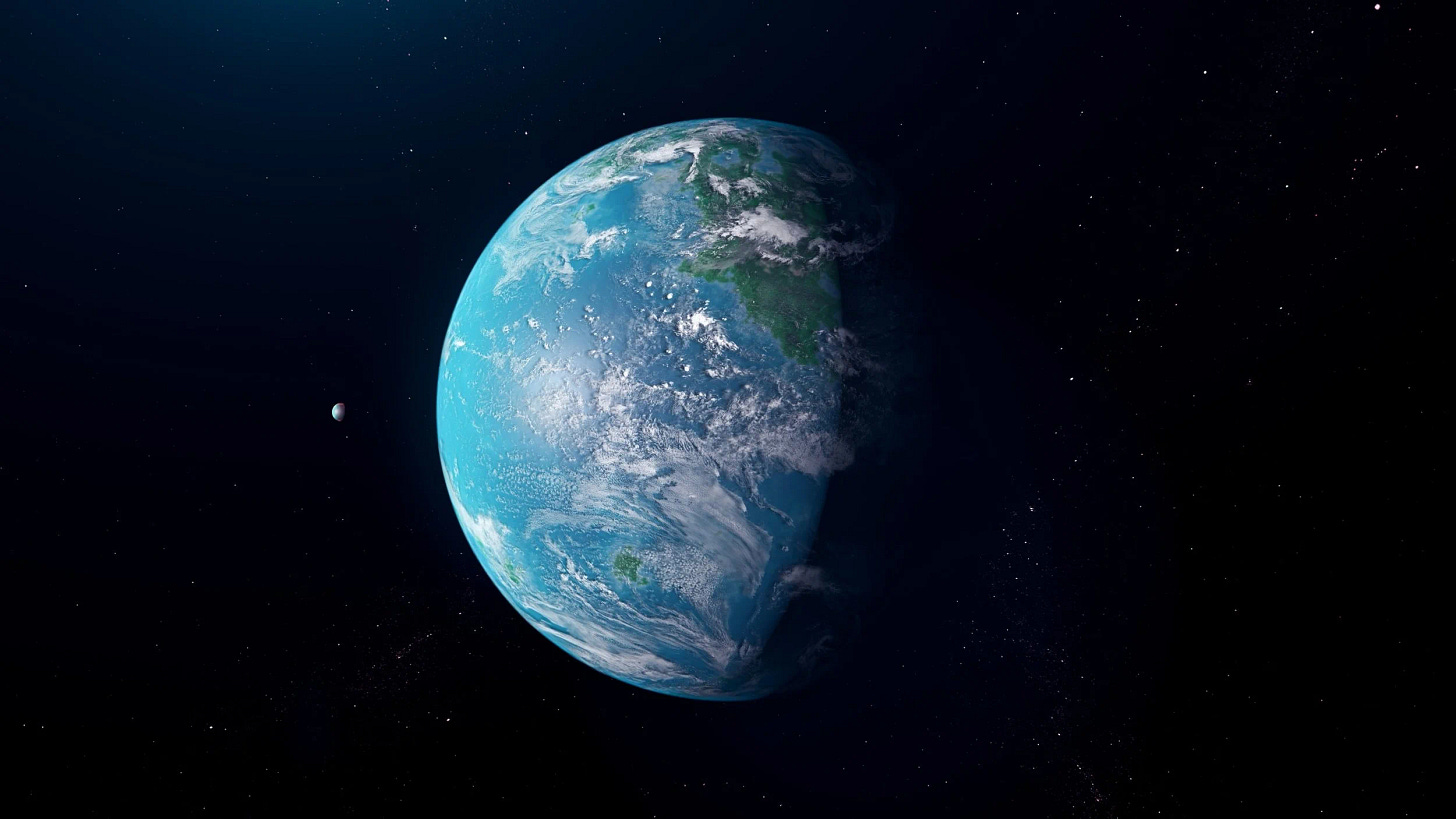
A young solar system does not just build planets from dust and gas. It can also be shaped by what happens nearby, including the death of a massive star. New research suggests that a supernova at the right distance could quietly change a planet’s ingredients from the start, and that this setup may be more common than scientists once assumed.- (Read more)

There seems to be a lot of confusion regarding the value – or lack thereof – of muscle stretching to accelerate recovery after exercise. “Stretching clears out your lactic acid,” and other similar claims abound. Is any of this true?
Sort of: (Read more)
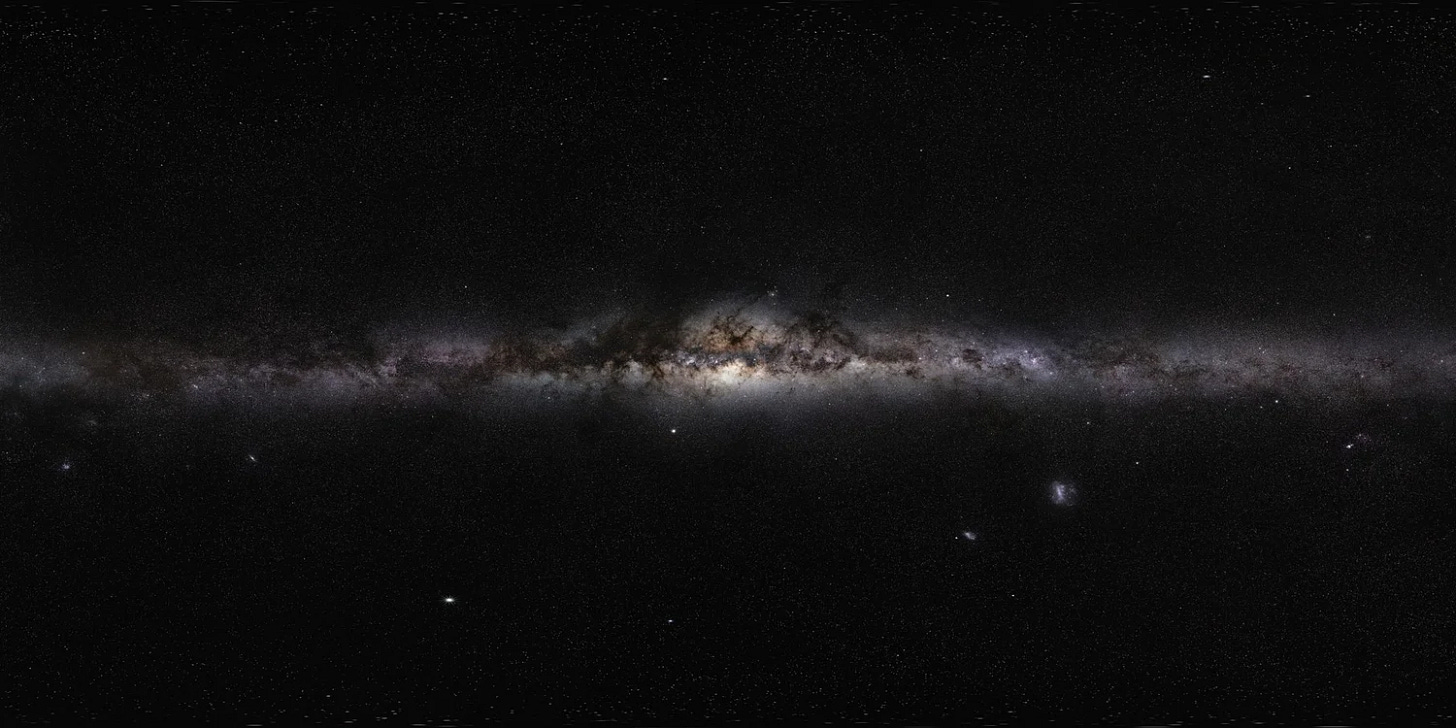
For nearly a century, astronomers have been convinced that most of the universe is made of something we can’t see. This invisible “stuff” seems to glue galaxies together and shape the cosmos, yet it doesn’t shine, reflect, or block light.
Now, fresh analysis of data from a NASA space telescope suggests we may have caught our first real glimpse of it, not directly, but through a very specific kind of high-energy light coming from the heart of our own Milky Way.
If this result holds up, it could tell us what dark matter is actually made of. But before we jump to conclusions, it’s worth slowing down and asking: What exactly did astronomers find, why is it so interesting, and what still needs to be checked? - (Read more)
Our pick this week is: Extraterrestrial: The First Sign of Intelligent Life Beyond Earth
Avi Loeb’s Extraterrestrial (a multi-award and bestseller-honoured boo) argues that the 2017 interstellar object ‘Oumuamua may have been advanced alien technology visiting our solar system. Blending scientific detective work with big questions for humanity, Loeb presents a provocative case that challenges readers to rethink what might be out there.
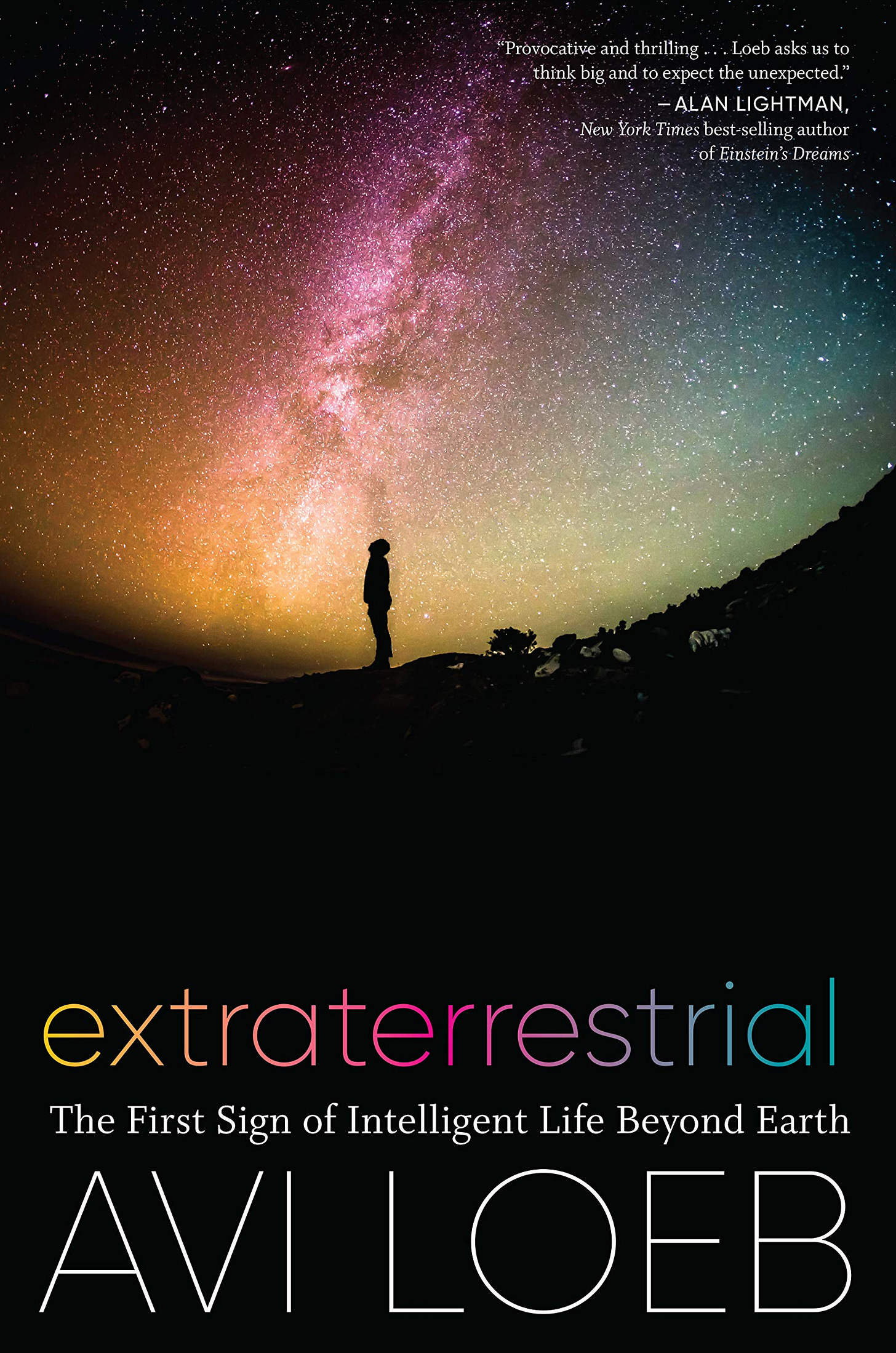
Purchasing through our affiliate link supports Universal-Sci Weekly - Thank you!
Thanks for reading, we hope to see you next time!
Comments
Nothing yet. Say the first thing.
Sign in to join the conversation.