
Dear subscribers, welcome back to Universal-Sci Weekly!
In this issue:
Shape-shifting “DNA flowers” that fold, unfurl, and spark reactions - hinting at future drug delivery, environmental sensing, and even data storage.
A laser-pushed, paperclip-sized probe aimed at a nearby black hole - and a roadmap for making it real
Surprising links between gum disease and changes in the brain’s white matter - plus what you can do now
Why “hovering” costs fish nearly twice the energy of real rest - and what that means for biology and bio-inspired robots.
The science-backed case for scheduling exams (and interviews) around noon.
Our Book of the Week is Dan Hooper’s At the Edge of Time: Exploring the Mysteries of Our Universe’s First Seconds - a lucid tour of the Big Bang’s opening moments and how they’re reshaping today’s cosmology.
As always, enjoy the read!
Get 74% off + 3 extra months free, backed by a 30-day money-back guarantee.
Why use a VPN?
Access online services securely. Whether it’s using social media or catching up on your favourite show while traveling abroad, a VPN helps you access all these services safely by encrypting your connection.
Securely connect to public Wi-Fi. Hackers can set up fake public hotspots to steal credit card details, passwords, and sensitive information. A VPN secures your traffic on public Wi-Fi, keeping you safe from hackers.
Save money when shopping online. Some sites offer different prices to customers from different countries. With VPN, you can change your location and hop to look for the best price.
Keep your data private. A VPN helps keep your online activity and data private and secure, which is what internet freedom is all about.
Benefit via our affiliate link!
(The discount also applies to their enhanced plan, which gives you additional benefits such as 1TB of encrypted cloud storage at a very low price)

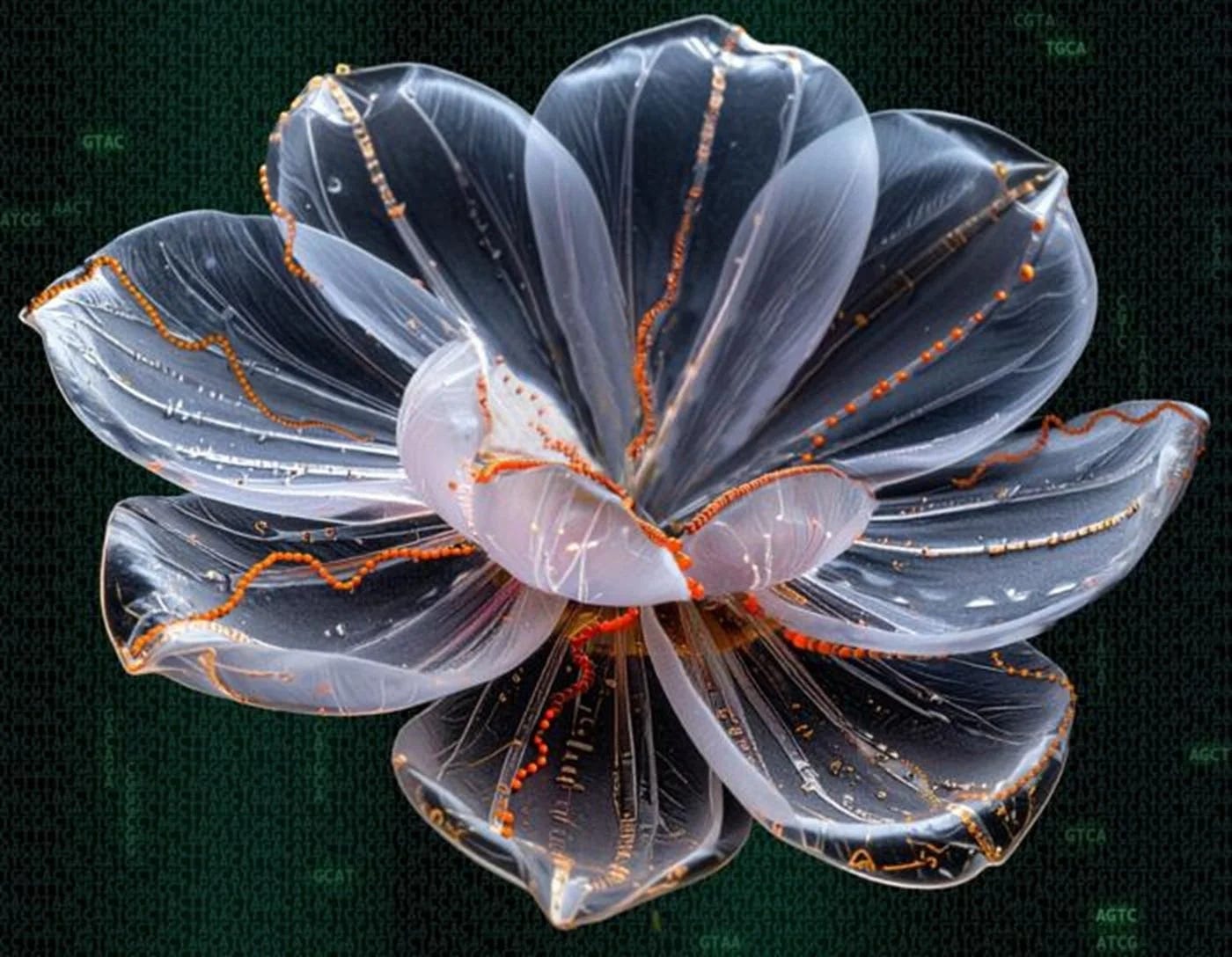
Imagine a field of microscopic flowers that can fold, unfurl, and even kick off a chemical reaction without a gardener in sight. Researchers at the University of North Carolina have at Chapel Hill built just such shape-shifting “soft robots,” and the most interesting part isn’t what they are, but what they might be able to do.
In this article we’ll cover how these tiny petals learn to move, and why that could matter for health, the environment, and even data storage.- (Read more)
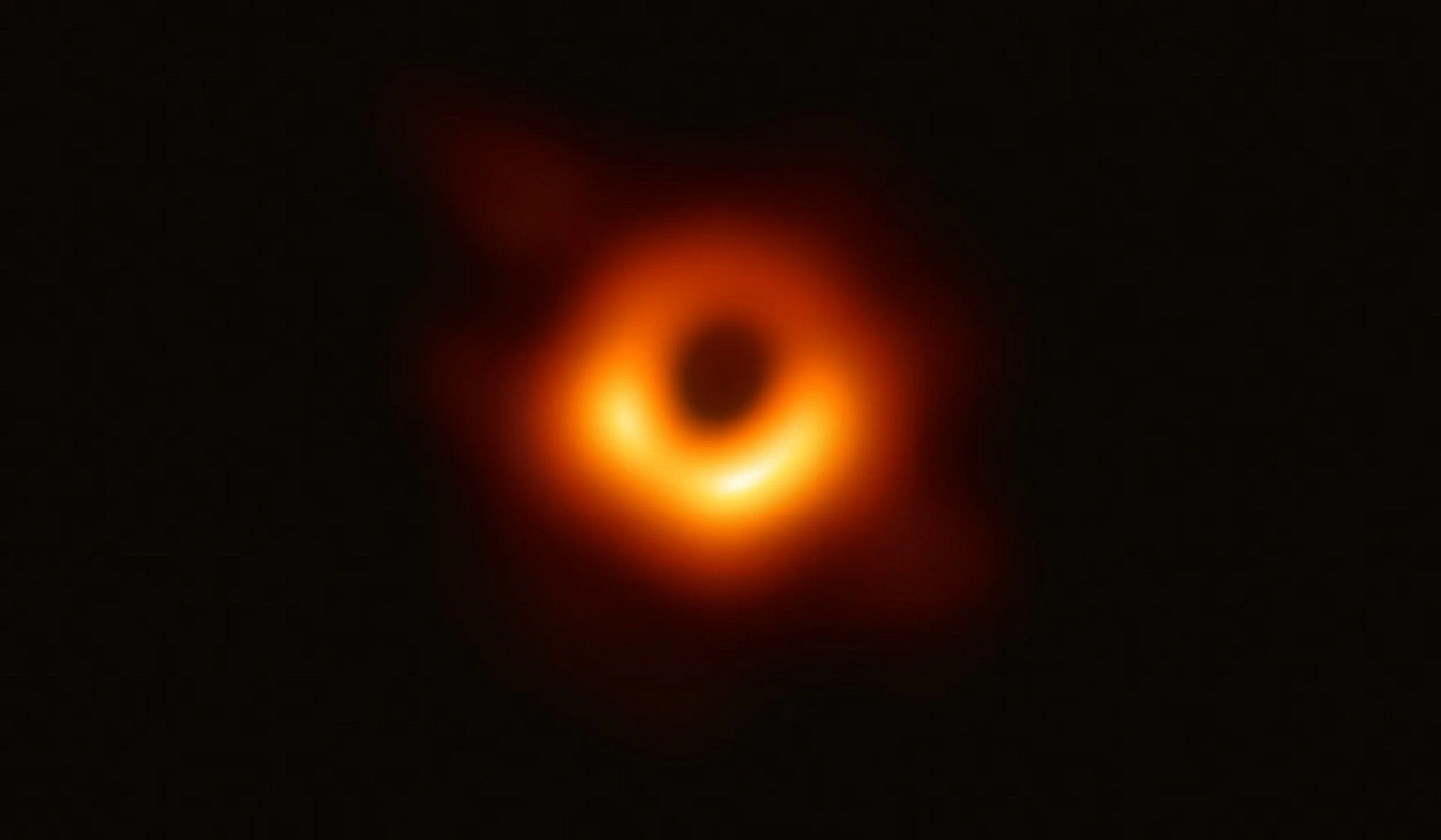
It may sound like the plot of a sci-fi film: a tiny spacecraft, no heavier than a paperclip, fired through space by a powerful laser, headed toward a mysterious black hole.
But for Cosimo Bambi, an Italian cosmologist at Fudan University in China, this idea isn’t so far off. He recently outlined a step-by-step plan for this kind of mission, raising the possibility that, within our lifetimes, humanity might be able to probe the universe’s greatest mysteries directly. (Read more)

Most of us think of dentists when our gums are sore, not brain scans. Yet a new study hints that what’s happening along the gumline may show up deep inside the brain.
In this article we’ll cover what the scientists measured, what it could mean, and how to protect yourself while we wait for more answers.- (Read more)
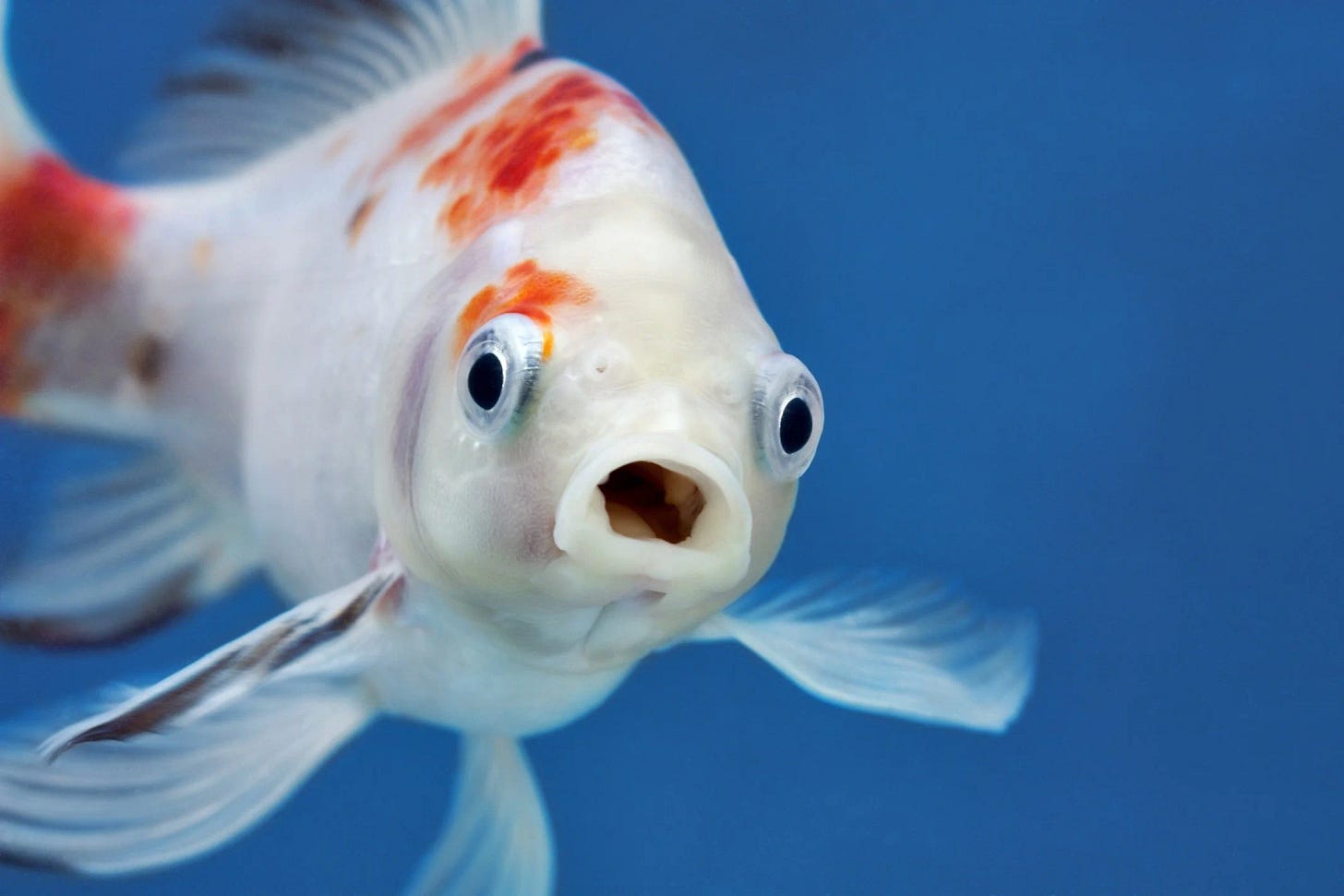
You have probably seen fish calmly hanging in the water, seemingly motionless. For a long time, scientists thought this was their way of resting. Surprisingly, a recent study shows that this seemingly effortless action actually costs fish nearly twice the energy compared to real rest. - (Read more)

If you’re a student who struggles with morning exams or feels exhausted by late-afternoon tests, it might not just be your imagination. Research from the University of Messina suggests that the timing of your exam can significantly impact your chances of passing, and the same might hold true for job interviews. - (Read more)
Our pick this week is: At the Edge of Time: Exploring the Mysteries of Our Universe’s First Seconds
This book by American cosmologist offers Dan Hooper offers a fascinating look at the first few seconds after the Big Bang - and how research into these moments continues to revolutionize our understanding of our universe!
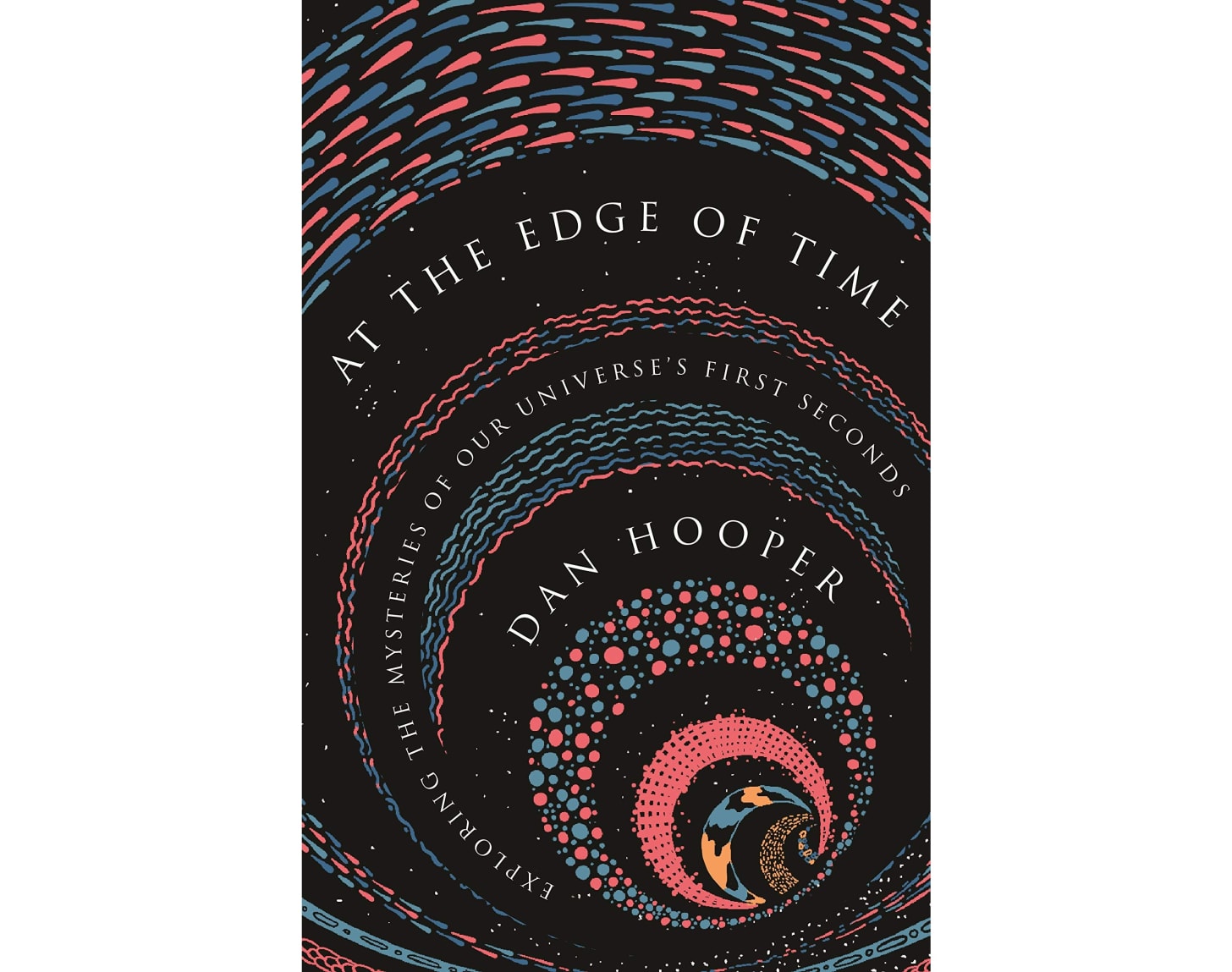
Purchasing through our affiliate link supports Universal-Sci Weekly - Thank you!
Thanks for reading, we hope to see you next time!
Comments
Nothing yet. Say the first thing.
Sign in to join the conversation.