
3D images are easy to generate. Distinctive 3D images are much harder.
Without a strong art direction, glossy materials, dramatic lighting, and dimensional forms can quickly become generic. The result may look technically impressive but still lack personality.
This week, we selected three 3D SREF codes that solve that problem in very different ways: one is playful and commercially clean, one is soft and atmospheric, and one turns every surface into a neon-lit dream.
🌟🌟🌟🌟🌟
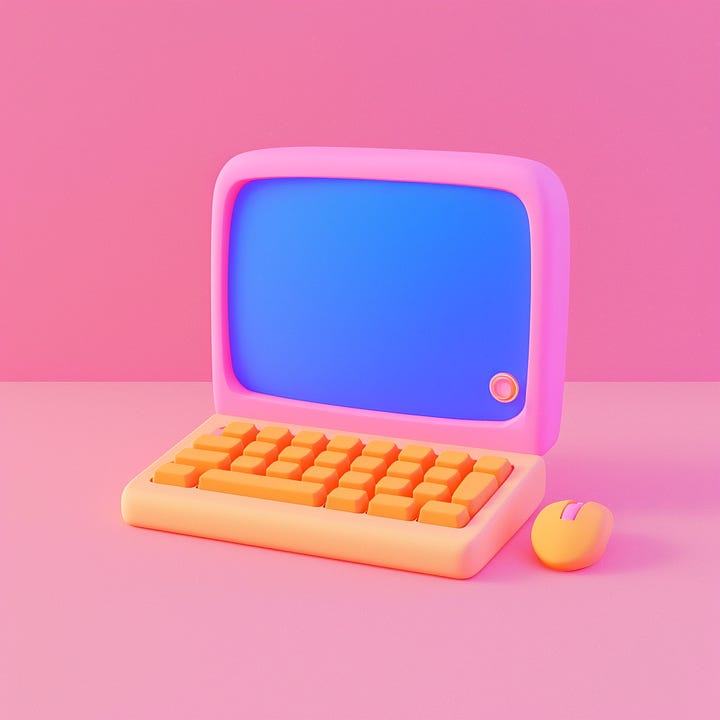

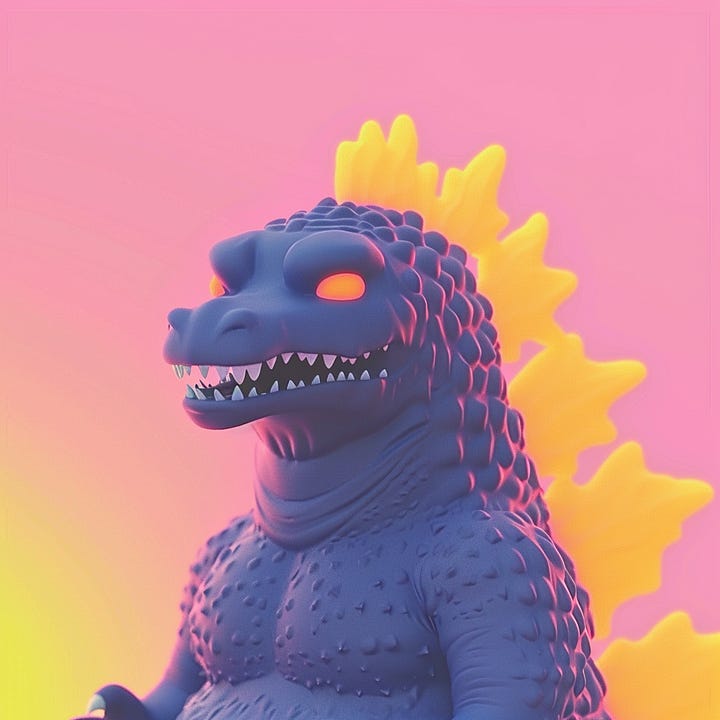
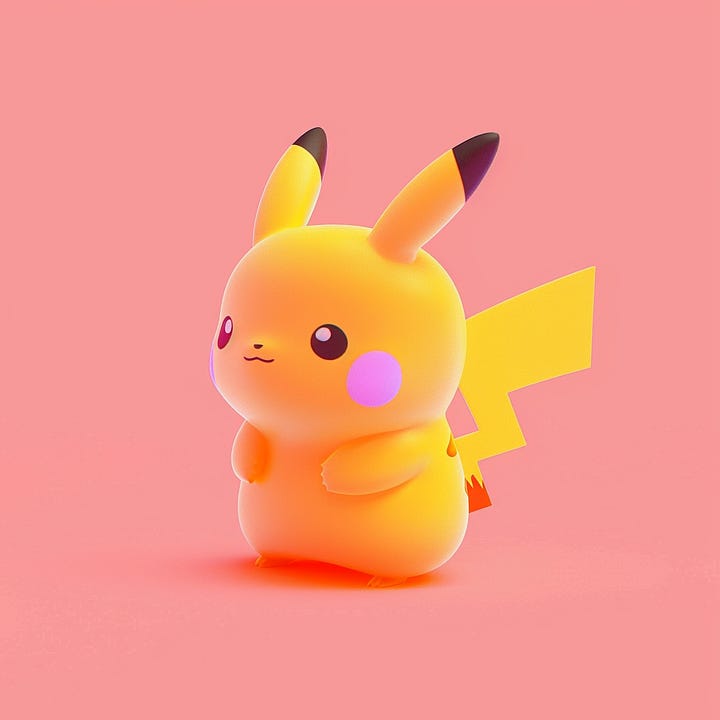
This SREF creates a soft, approachable form of 3D built around rounded geometry, pastel pink gradients, and carefully simplified compositions. Surfaces feel smooth and tactile—somewhere between molded plastic, polished clay, and contemporary product rendering.
Its real strength is restraint. Instead of filling every scene with detail, it uses clean silhouettes, generous negative space, and gentle lighting to make the subject instantly readable. The pink palette adds warmth, while subtle gradients keep the images dimensional without making them visually noisy.
Try it for playful product launches, app illustrations, social posts, cosmetic packaging, UI assets, character mascots, or any brand campaign that needs to feel friendly, modern, and highly polished.
🌟🌟🌟🌟
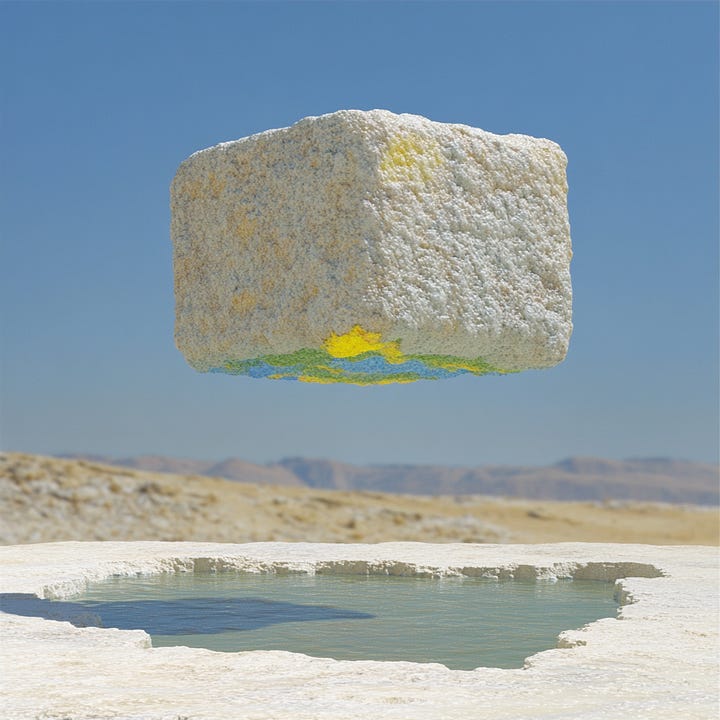
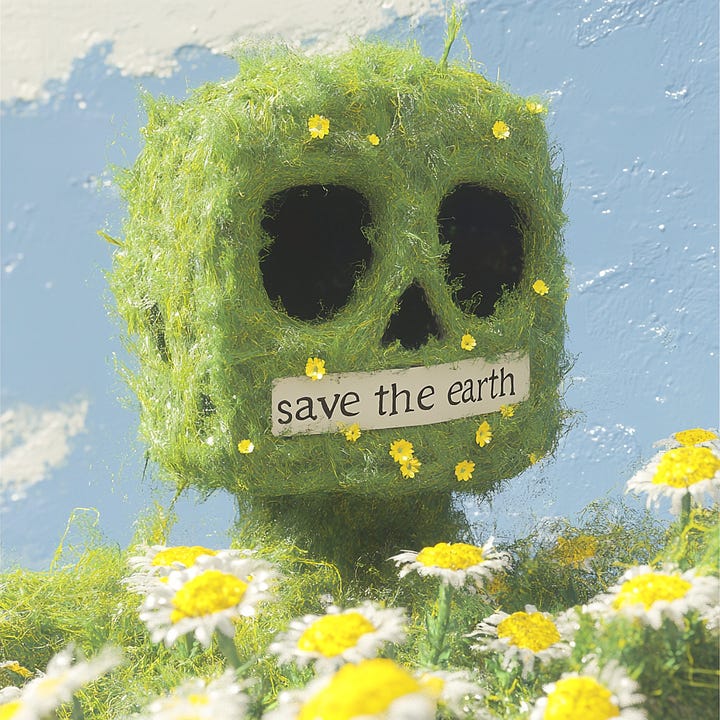
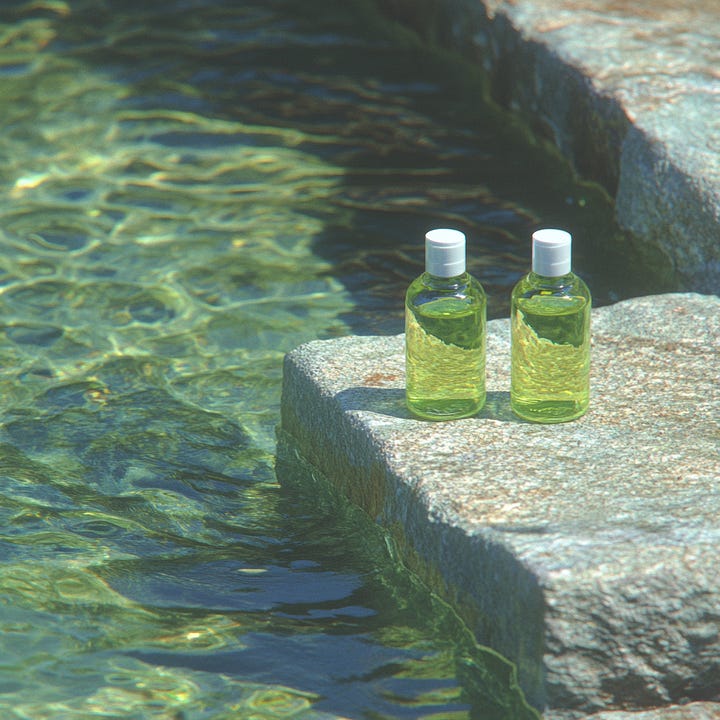
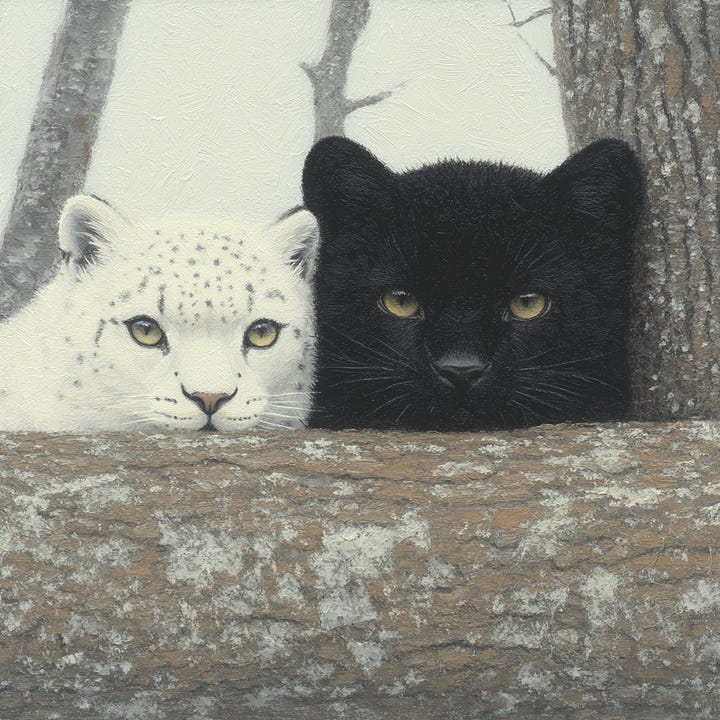
This code sits in an unusual space between photography, magical realism, and Scandinavian minimalism. It preserves believable materials and natural textures, then softens them with translucent light, restrained colors, and an almost weightless atmosphere.
The compositions remain minimal but never static. Negative space gives the subject room to breathe, while soft focus and delicate tonal transitions produce depth without relying on hard contrast. The result feels elegant, fresh, and quietly cinematic.
Use this SREF for environmental campaigns, premium skincare imagery, nature-inspired products, editorial photography, wellness branding, architectural concepts, or advertising that needs to communicate calmness and refinement.
🌟🌟🌟
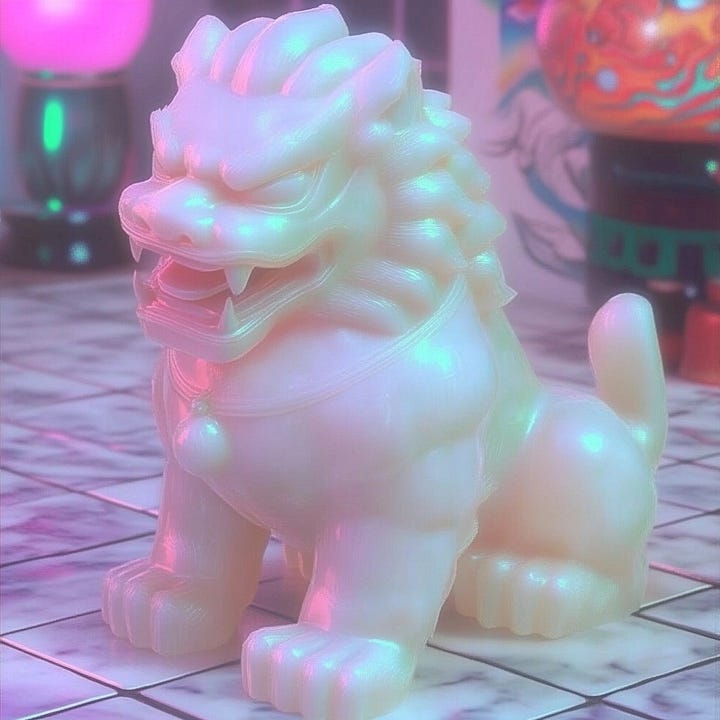
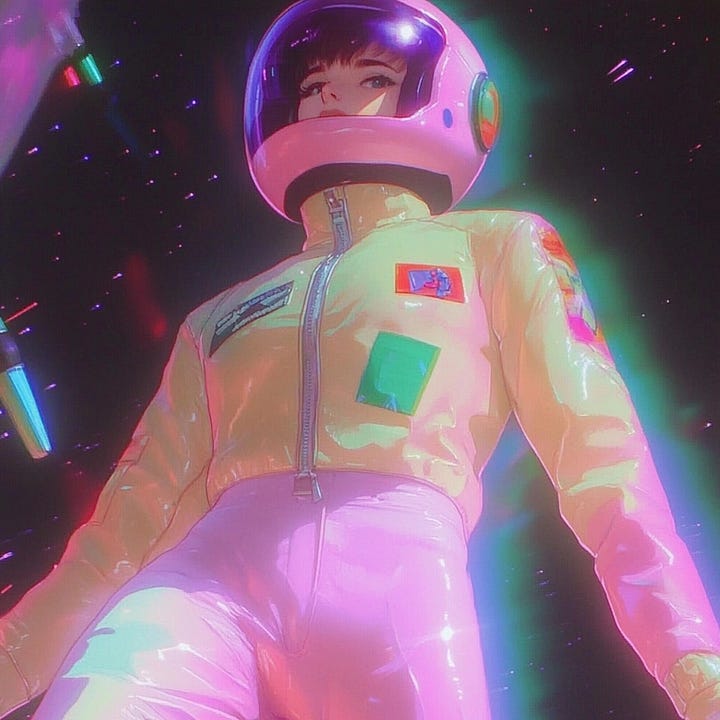
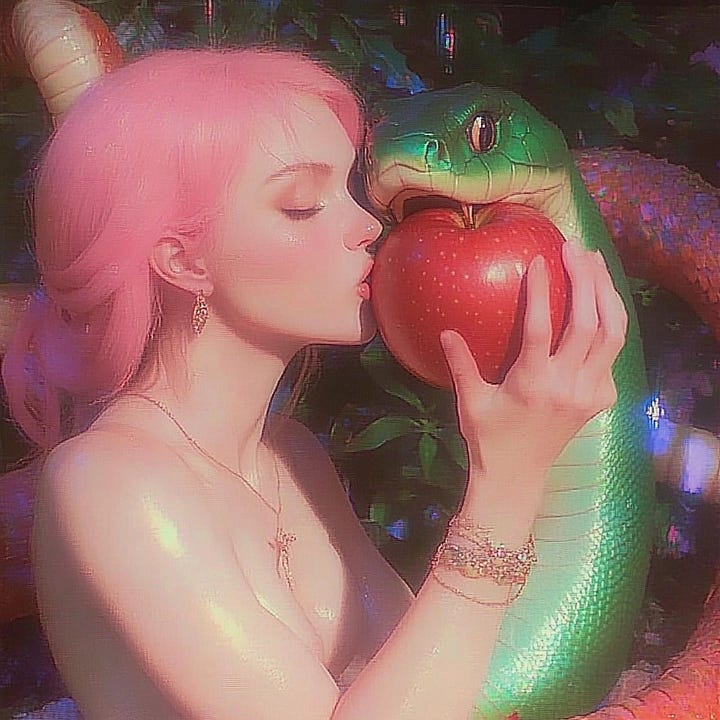
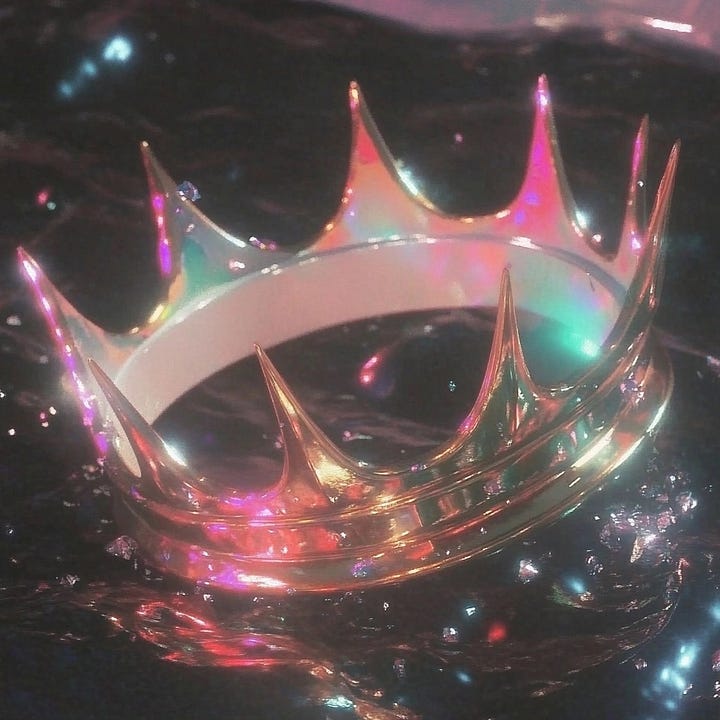
This SREF blends cyberpunk, vaporwave, and dreamy surrealism into a richly dimensional visual language. Pink, blue, and purple light moves across objects like a holographic coating, producing pearlescent reflections and spectral color shifts.
A slight grain and atmospheric blur prevent the surfaces from feeling sterile. Dramatic neon lighting gives each object a sculptural presence, while the nostalgic color treatment makes the images feel suspended somewhere between an imagined 1980s future and contemporary digital art.
It is especially effective for album covers, fashion editorials, festival posters, sci-fi illustrations, title sequences, nightlife campaigns, game concept art, and futuristic product visuals.
A strong SREF gives your work a recognizable visual language. The next step is carrying that language across new compositions—and eventually into motion.
Promptsref now includes two tools that can help turn a successful 3D render into a more complete creative workflow.
Once you have generated a strong image with one of these SREF codes, you do not have to rebuild every variation from scratch.
With the Image-to-Image AI Generator, you can upload your preferred render and describe what should remain consistent and what should change. Keep the subject, composition, pose, or overall style while experimenting with new colors, materials, outfits, environments, and campaign formats.
This is especially useful for turning one successful 3D direction into:
Multiple product colorways
A consistent character series
Square, portrait, and landscape campaign assets
Alternative materials and lighting treatments
New backgrounds built around the same central subject
The generator lets you compare supported reference-image models in one workflow. Available controls vary by model, with common aspect ratios and resolutions up to 4K on supported options. Finished images can be downloaded without a visible watermark.
Create a new image from your reference
A polished still image can establish the world—but motion is what makes that world feel alive.
The AI Depth Video Generator converts a short source clip into a depth video that preserves its timing, body position, camera movement, and near-to-far scene structure.
Instead of carrying over the original face, clothing, and location as the main reference, the depth video focuses on movement and spatial relationships. You can then combine that structural reference with a new character, outfit, setting, or 3D visual direction.
It works particularly well for:
Dance and performance clips
Character animation references
Martial arts, fitness, and action sequences
Cinematic camera movements
Reusing one performance across several visual styles
For the cleanest result, start with a short clip that has a clearly visible subject, continuous movement, and few cuts. The tool accepts MP4, MOV, and WebM videos up to 30 seconds and 100 MB.
Turn a source clip into a depth video
Together, these tools create a practical progression: use a SREF code to establish the art direction, generate controlled image variations, and then carry that same visual identity into motion.
Get full access to exclusive SREF styles, 7,000+ curated prompts, and daily creative upgrades on Promptsref.com — crafted to help you create stunning Midjourney art effortlessly.
✅ Full access to 7,000+ premium prompts
Create faster with professionally-crafted prompts designed for consistent, high-quality results.
✅ Member-only SREF codes & style combos (view here)
Exclusive SREF styles & unique combinations to give your art a signature look.
✅ Continuous new drops
New SREFs, prompt packs & inspiration added regularly — we’ve been updating for over a year, and we’re just getting started.
No posts
Comments
Nothing yet. Say the first thing.
Sign in to join the conversation.