
Few Americans of the nineteenth century experienced as much of the expanding frontier as the son of Sacagawea and Toussaint Charbonneau.
For most of his 61 years, Jean Baptiste Charbonneau lived where maps were unfinished and opportunity lay just beyond the next mountain. Born during the Lewis and Clark Expedition in 1805, he grew up under the care of William Clark in St. Louis, traveled through Europe as a young man, trapped beaver in the Rocky Mountains, guided emigrants west, interpreted among diverse cultures, and joined the California Gold Rush.
When California’s great gold rush began to mature, Jean Baptiste once again looked toward the next opportunity.
This time, the frontier was Idaho.
Beginning with the discovery of gold in Boise Basin in 1862, followed by spectacular silver strikes in the Owyhee Mountains, southwestern Idaho became one of the fastest-growing mining regions in the American West. Thousands of miners, merchants, stage operators, freight companies, ranchers, and entrepreneurs poured into the territory seeking fortunes. Boomtowns appeared almost overnight. Wagon roads pushed across deserts and mountains. Stage lines connected California with the newest mining camps, while Boise rapidly emerged as the commercial center supplying the entire region.
Jean Baptiste joined the flow of people headed toward this newest frontier.
He never arrived.
Stricken with pneumonia while traveling the stage route through Owyhee Country, he died at Innskip Station on May 16, 1866, only a few miles from where he is buried today.
For travelers approaching his gravesite from the north, this journey offers much more than a visit to a historic grave. It follows the transportation corridor that connected one of the richest mining regions in the West—a landscape of river crossings, military outposts, ghost towns, mining camps, and expansive high desert that remains remarkably unchanged since Jean Baptiste’s final journey.
This is not an interstate road trip.
Once you leave the Treasure Valley, services become increasingly scarce. Fuel stations become fewer, cell service disappears in places, and the landscape becomes wonderfully remote. Summer temperatures often exceed 100 degrees while winter storms can quickly make travel hazardous.
Several optional stops follow portions of the historic Idaho-Oregon-Nevada (ION) Highway, much of which parallels the route used by stagecoaches and freight wagons during the 1860s. Although portions remain well-maintained gravel roads, travelers should carry extra water, allow additional travel time, and be prepared for remote travel.
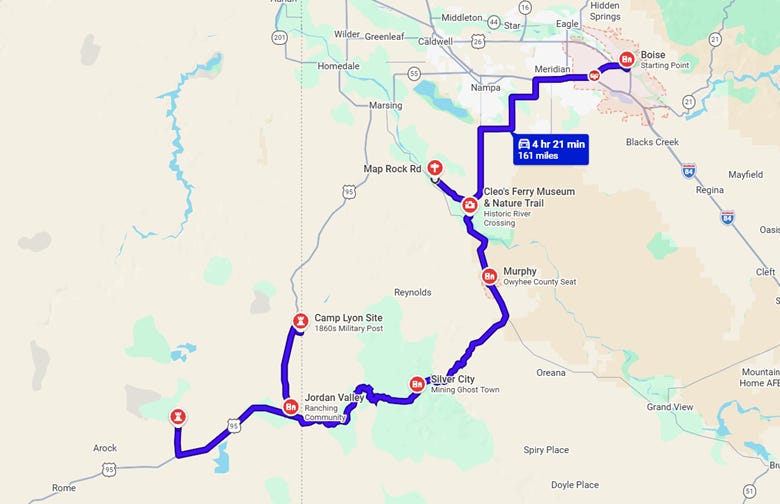
161 Miles
4.5 Hours Driving Time
Every journey has a fitting beginning.
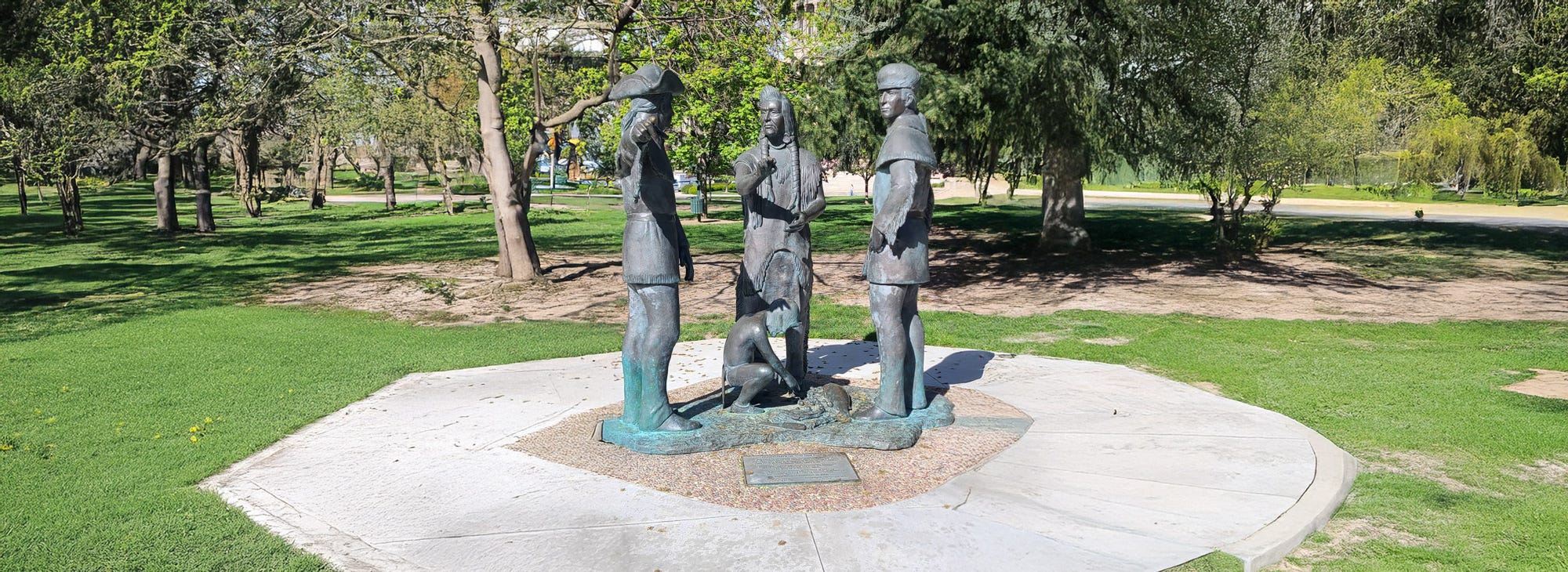
On the Idaho State Capitol grounds stands Hospitality of the Nez Perce, sculpted by Doug Hyde. The bronze memorial commemorates the friendship between the Corps of Discovery and the Nez Perce people during the difficult autumn of 1805, when the expedition emerged exhausted from crossing the Bitterroot Mountains. Chief Twisted Hair—Walamottinin—offers guidance while his young son examines the explorers’ trade goods.
For those following Jean Baptiste’s final journey, it is a symbolic place to begin. The son born during the Lewis and Clark Expedition would spend the rest of his life following the ever-moving frontier his parents helped introduce to the nation.
Before bridges crossed the Snake River, ferries carried emigrants, freight wagons, livestock, miners, and stage passengers across one of the West’s great transportation corridors.
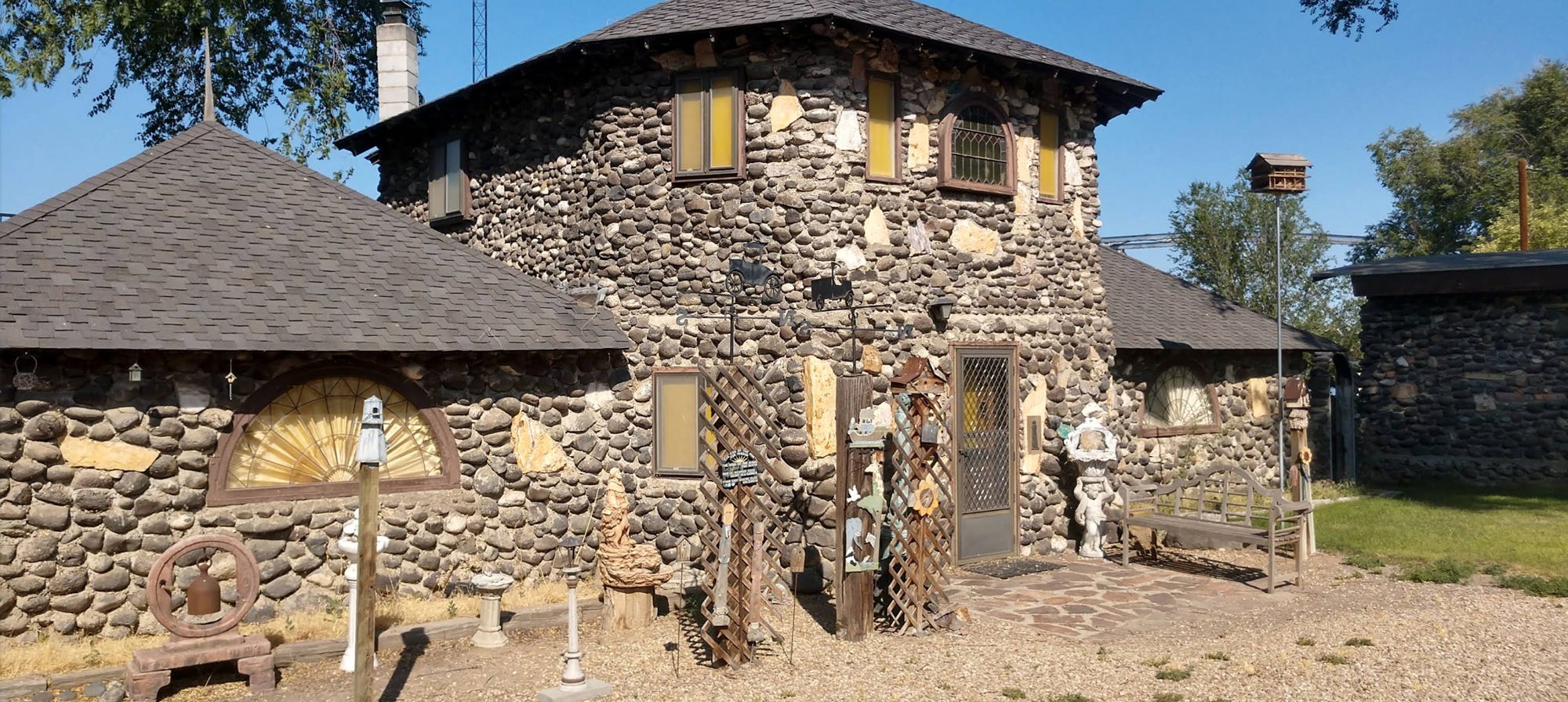
Today Cleo’s Ferry Museum preserves that history with an eclectic collection of exhibits, sculptures, and walking trails. Even when the museum is closed, the grounds provide an enjoyable stop and a reminder that rivers often determined the success or failure of western travel. As of this writing, the museum is open Thursdays. (208) 495-2688
Long before prospectors searched these valleys for gold, Indigenous peoples traveled and interpreted this landscape.
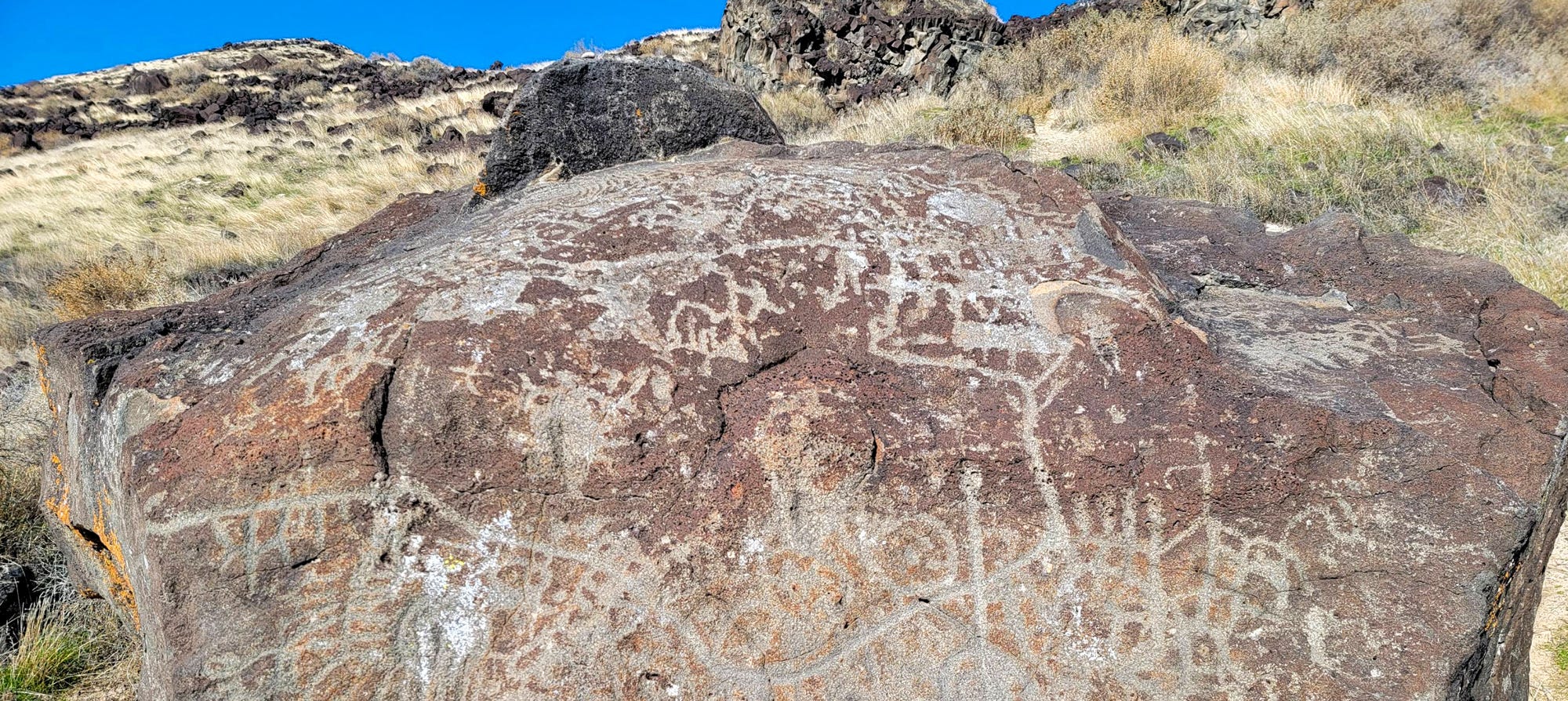
Map Rock is among Idaho’s best-known petroglyph sites. Carved into a prominent basalt outcrop overlooking the Snake River, many researchers believe its images represent rivers, trails, wildlife, and important landmarks used by Native peoples for generations.
Standing here reminds visitors that the mining frontier arrived in a landscape already rich with thousands of years of human history.
If you make only one museum stop on this trip, make it here.
The Owyhee County Museum tells the story of the mining frontier Jean Baptiste hoped to reach. Exhibits explore the lives of miners, ranchers, merchants, stage drivers, and families who transformed this isolated country into one of the West’s busiest mining districts.
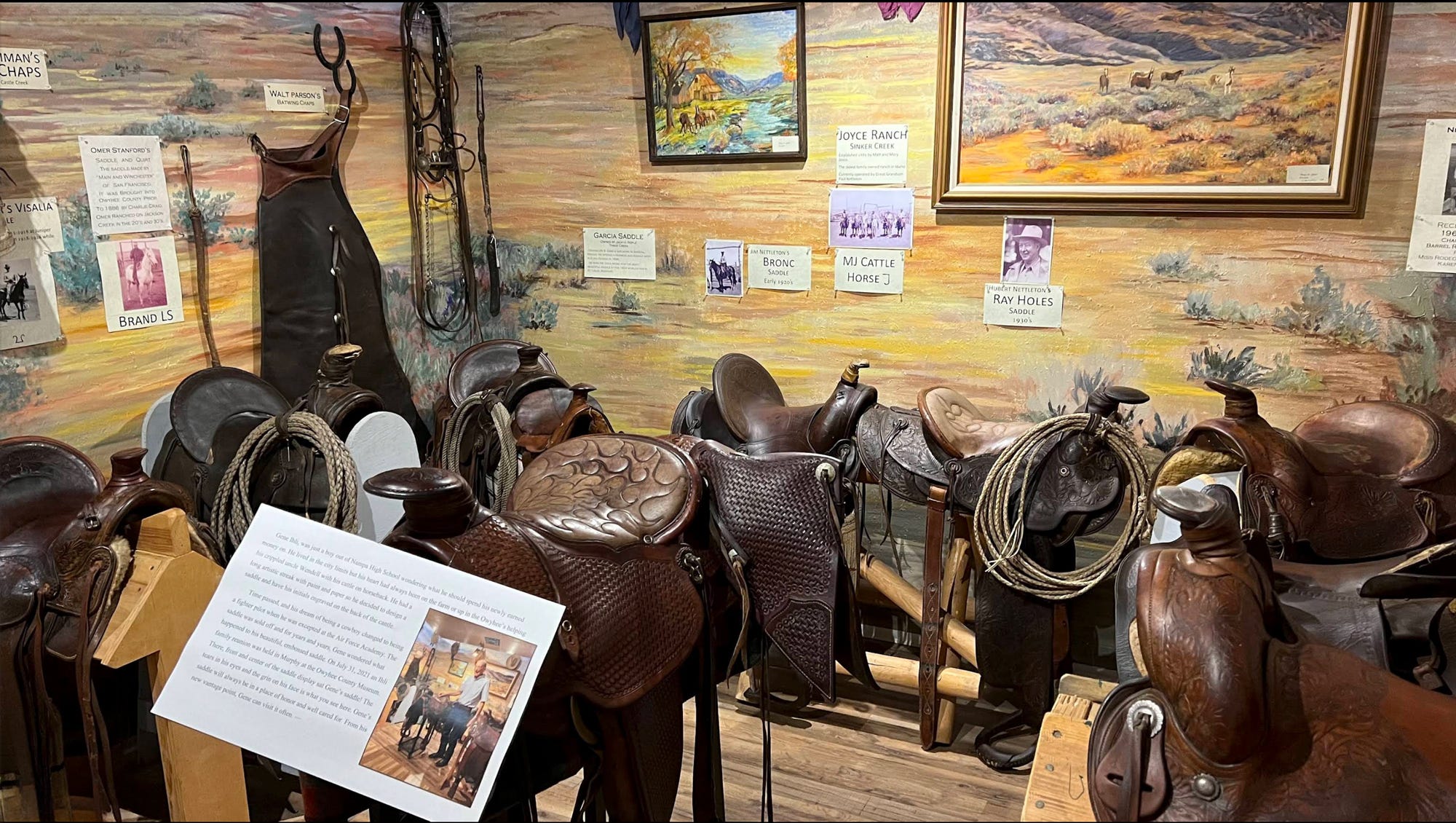
Don’t miss the Mike Hanley Wagon Barn, housing dozens of original freight wagons, buggies, and stagecoaches that once traveled these same roads. It offers perhaps the closest connection to the transportation network Jean Baptiste himself would have recognized.
California may dominate popular memory, but by the early 1860s another rush was underway.
Gold discoveries in Boise Basin triggered an extraordinary migration into what was then Idaho Territory. Within months, mining camps became towns, towns became cities, and Boise grew into the commercial hub supplying the entire region. Contemporary accounts described Boise Basin as one of the richest placer mining districts in North America, with a population estimated between 20,000 and 25,000 people during its peak years.
Prospectors soon spread into the Owyhee Mountains, where rich silver discoveries near Ruby—later renamed Silver City—created another boom. Hundreds of mines opened throughout the district. Stage lines connected California, Oregon, Nevada, and Idaho while freight wagons hauled machinery, food, mail, and passengers across the sagebrush deserts.
This was the frontier drawing Jean Baptiste Charbonneau northward in the spring of 1866.
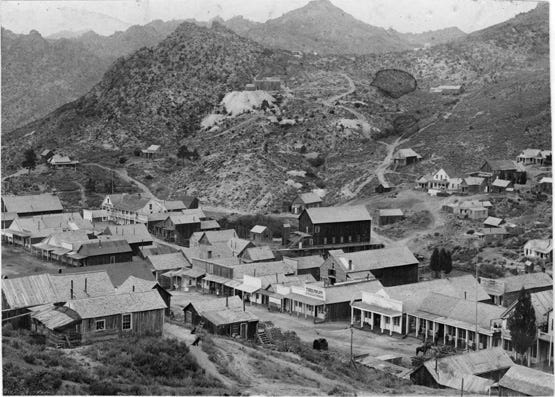
Few western mining towns survive as authentically as Silver City.
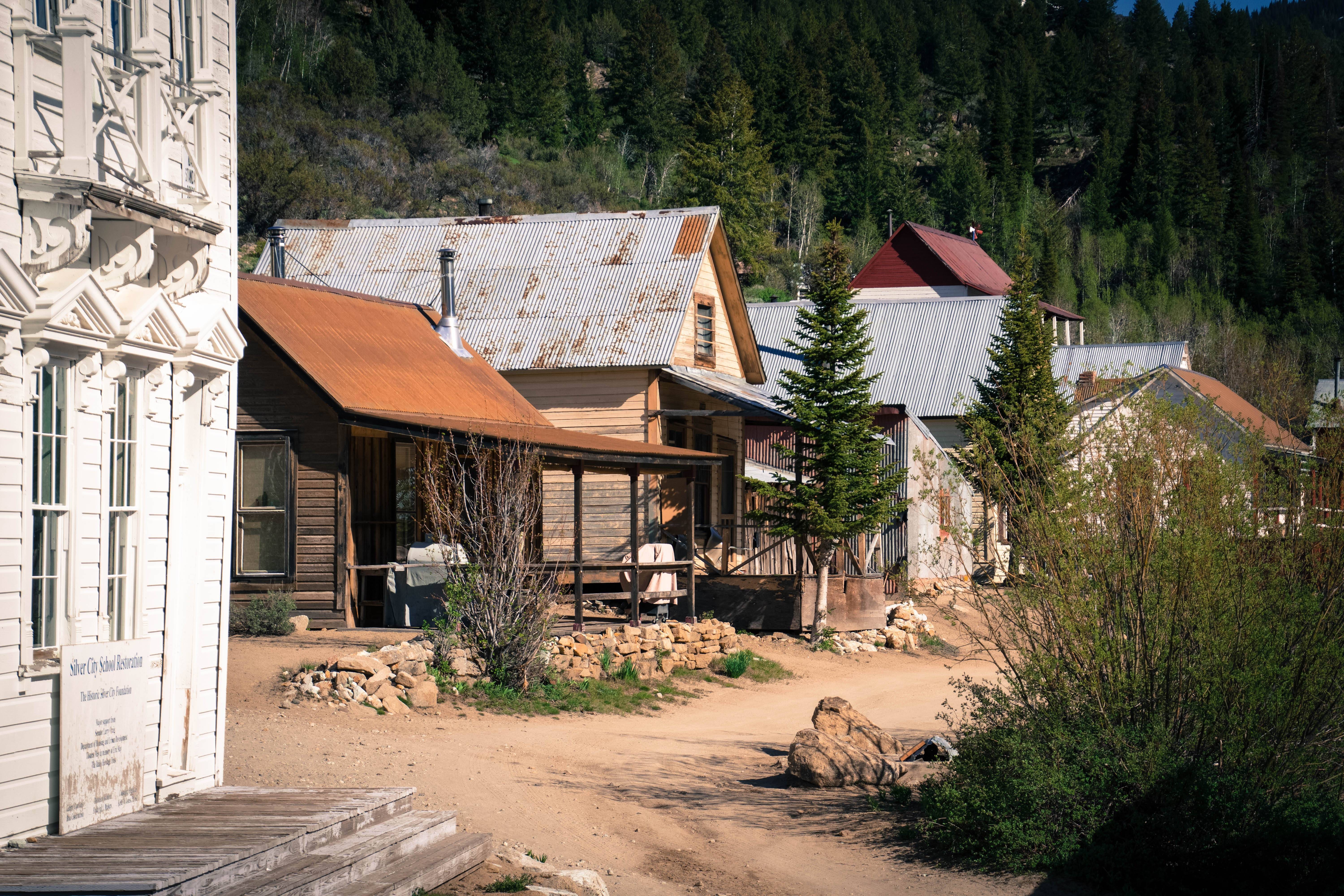
Unlike many famous boomtowns that burned, modernized, or disappeared altogether, Silver City remains remarkably intact. More than seventy historic buildings line its streets, including Idaho’s oldest continuously operating hotel.
During its heyday, Silver City bustled with newspapers, telegraph service, ore mills, churches, merchants, saloons, and nearly 2,500 residents. Rich silver deposits made the district second only to Nevada’s Comstock Lode among western silver producers during its peak years.
Walking its streets today offers perhaps the closest opportunity to experience the world Jean Baptiste expected to find at the end of his journey.
Few viewpoints better explain the vastness of the American frontier.
Interpretive signs describe how the region received its unusual name from Hawaiian fur trappers—known during the nineteenth century as “Owyhees”—who disappeared while trapping in this country in 1818.
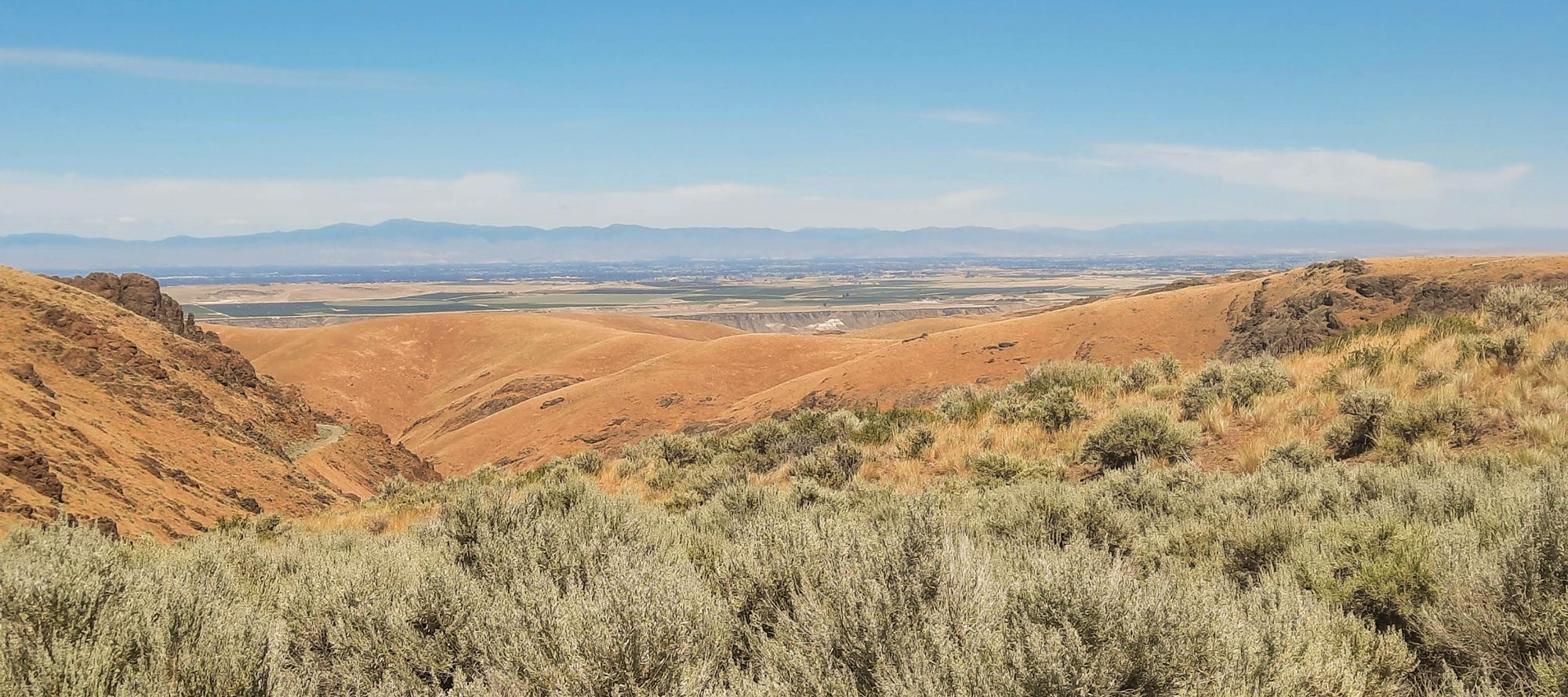
The expansive view reveals why this landscape challenged emigrants, miners, freighters, Native peoples, and soldiers alike. Distances remain immense. Water remains scarce. Even today, the country feels wonderfully untamed.
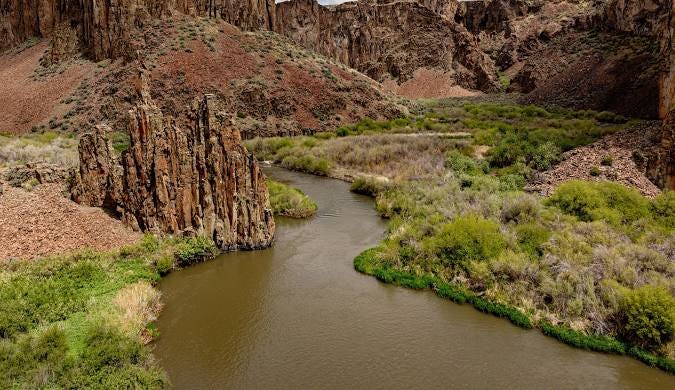
History enthusiasts should consider several worthwhile side trips.
A short drive reaches the site of Camp Lyon, established during the Snake War to protect freight wagons and stage lines traveling through Owyhee Country. Although little remains beyond interpretive signs and a small cemetery, the site reminds visitors that Jean Baptiste entered this region during one of the West’s longest and least understood conflicts.
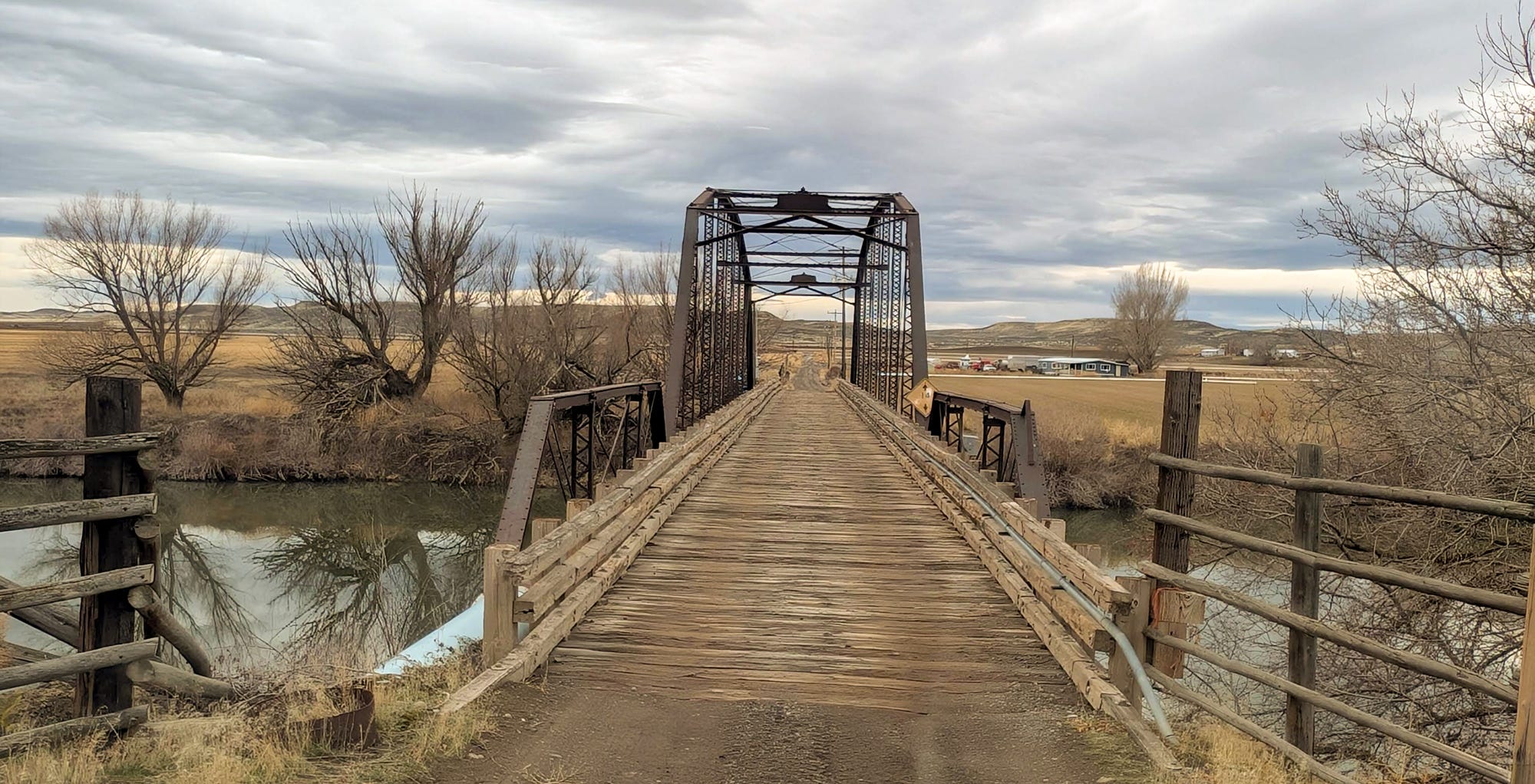
Nearby, portions of the historic Idaho-Oregon-Nevada Highway remain drivable. Crossing Cow Creek on the original iron bridge provides a tangible connection to nineteenth-century travel. These roads require preparation but reward visitors with an experience remarkably similar to that of stage travelers more than 160 years ago.
Only fragments of stone walls remain today.
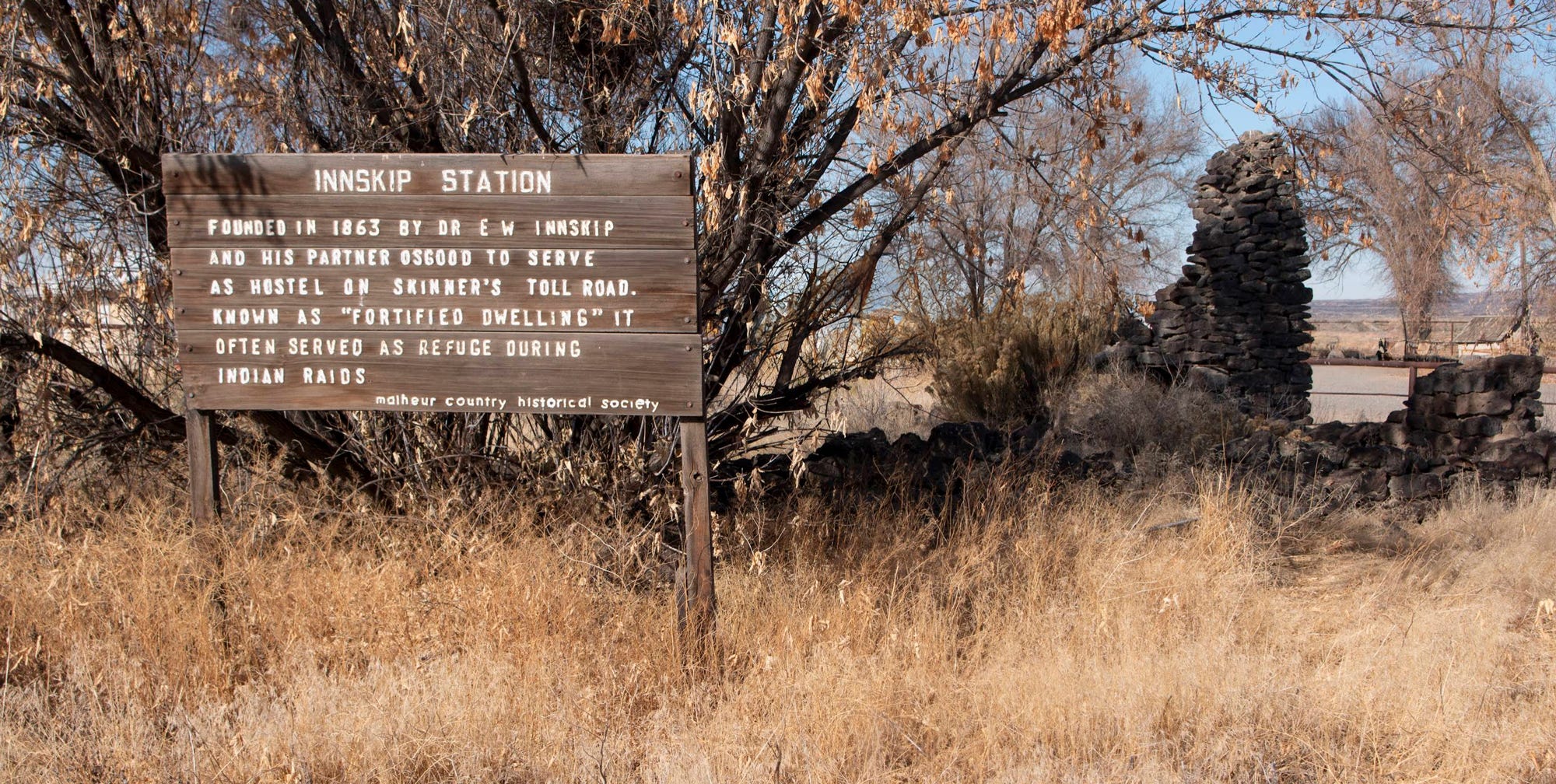
In 1866, however, Innskip Station provided food, water, shelter, fresh horses, and a measure of security for travelers crossing this isolated country. Stage stations like this formed the lifeline of the mining frontier, allowing passengers and freight to move between California and Idaho’s booming camps.
It was here that the exhausted Jean Baptiste Charbonneau was brought after illness overcame him.
He never recovered.
The final destination is quiet.
A simple monument marks the resting place of the youngest member of the Corps of Discovery, a man whose extraordinary life carried him farther across the American West than almost anyone of his generation.
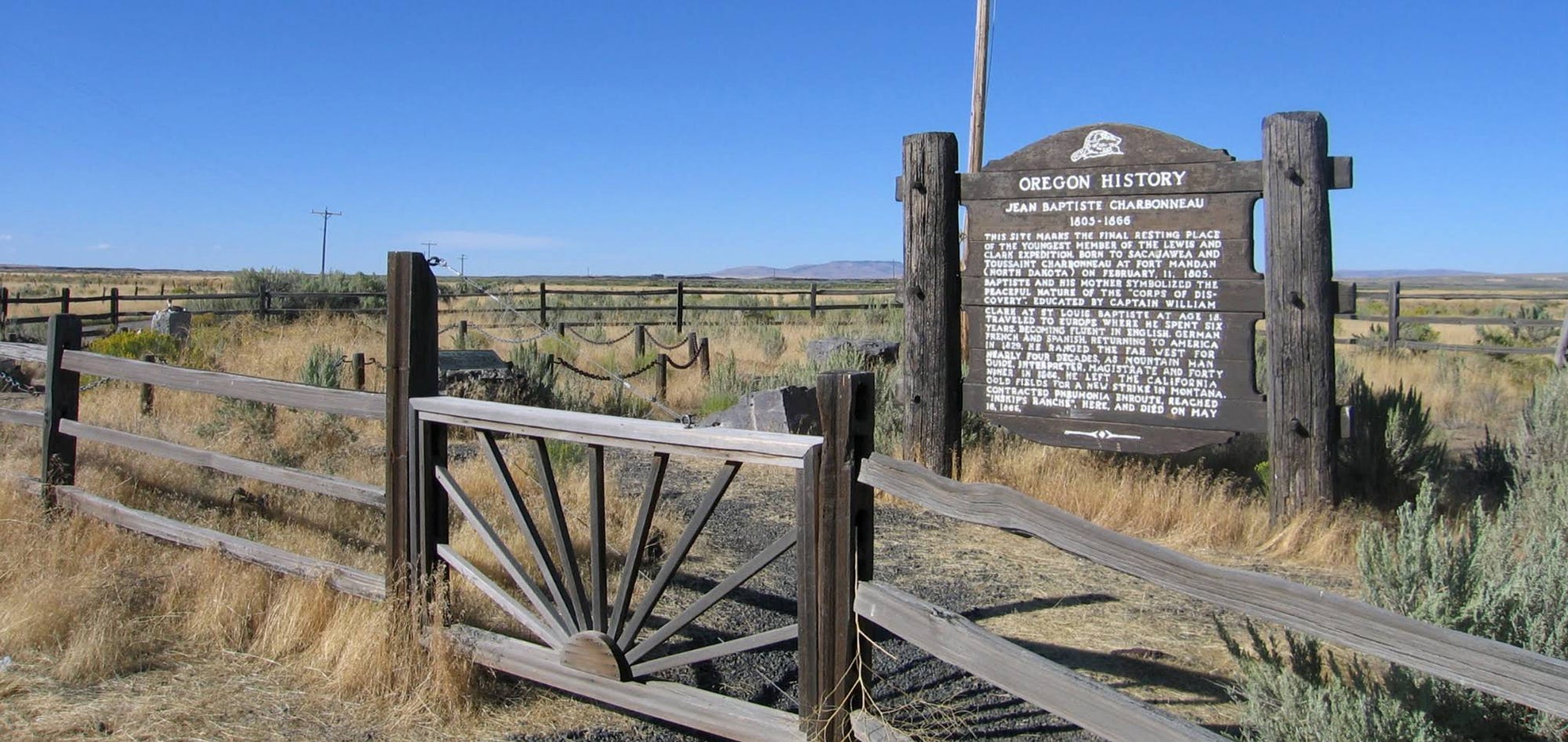
Standing beside his grave, it is tempting to think only about endings.
Instead, look toward the surrounding hills.
Beyond them lay the mines of Silver City, the gold fields of Boise Basin, and the newest frontier of the American West. Freight wagons continued to roll. Stagecoaches continued to arrive. Prospectors continued searching for the next strike.
Born on one frontier and buried on another, he spent six decades following opportunity wherever it appeared. Perhaps that is the greatest lesson of his remarkable life. The story of Jean Baptiste Charbonneau is not simply about where he died—it is about a lifetime of curiosity, resilience, and an enduring willingness to follow the next horizon.
For those who make this pilgrimage today, the road from Boise to Danner is more than a scenic drive. It is an opportunity to experience the landscapes that shaped the final chapter of one of the most extraordinary lives connected to the Lewis and Clark Expedition. As the miles unfold across Idaho’s mining country and Oregon’s lonely sagebrush, travelers discover that the frontier is not merely a place. It is a journey—and Jean Baptiste Charbonneau never stopped pursuing it.
We are grateful for the generous support of our corporate and travel partners whose sponsorship helps make this work possible. When planning your travels along the Lewis and Clark Trail, we encourage you to support the businesses and organizations that invest in preserving and sharing these stories—your patronage helps sustain both the trail and the experiences that bring its history to life.


No posts
Comments
Nothing yet. Say the first thing.
Sign in to join the conversation.