
Buying doubanjiang is admittedly confusing. It’s in a foreign language that doesn’t have standardized translations, and comes in all sorts of containers from glass to paper to plastic.
The best way to choose quality doubanjiang is by looking at the label—ingredients don’t lie.
As discussed in my previous post on doubanjiang, Pixian douban is like the Champagne of doubanjiang. In my household the Lee Kum Kee version doesn’t cut it— not even close. While I love Lee Kum Kee for soy sauce and other condiments, using their toban djan to make mapo tofu is the equivalent of using Heinz Ketchup for a marinara that calls for San Marzano tomatoes. If that wasn’t enough reason, authentic Pixian douban is generally more affordable than the Lee Kum Kee version. If we just skim the ingredients of Pixian vs. non-Pixian doubanjiang options you’ll quickly see a difference in the number of ingredients and the types of ingredients.
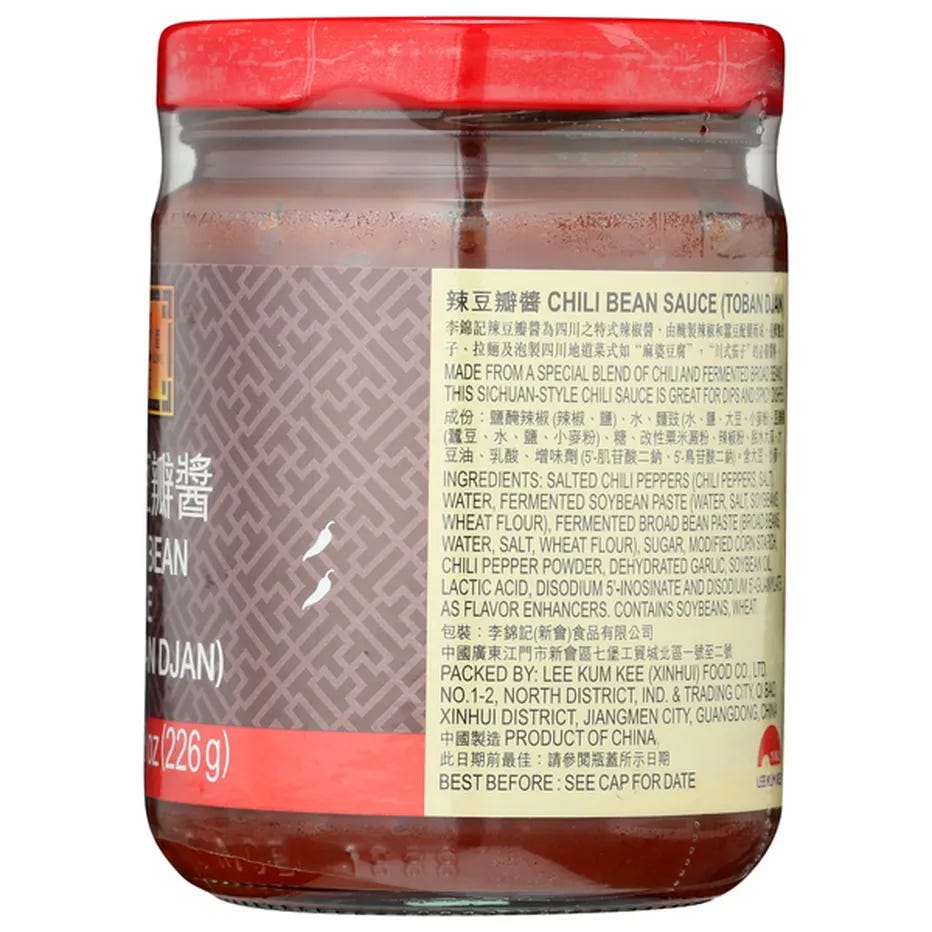
Lee Kum Kee Toban Djan Ingredients
Salted chili peppers (chili peppers, salt), water, fermented soybean paste (water, salt, soybean, wheat flour), fermented broad bean paste (broad beans, water, salt, wheat flour), sugar, modified corn starch, chili pepper powder, dehydrated garlic, soybean oil, lactic acid, disodium 5'-inosinate and disodium 5'-guanylate.
Juan Cheng Pixian Douban Ingredients (Link to Purchase)
Broad beans, red chili, wheat flour, salt.
When purchasing doubanjiang, seek out the shortest list of ingredients. Authentic Pixian douban will typically only contain: broad beans, chili, wheat flour, salt, and occasionally sodium benzoate where required as a preservative.
One popular variation of Pixian Douban is 红油 (hóngyóu), meaning red oil. Red oil douban includes the addition of oil and is typically a younger ferment. It’s typically sold in plastic or glass jars instead of pouches or boxes.
Juang Cheng Red Oil Pixian Douban Ingredients (Link to Purchase)
Red chili, broad bean, salt, wheat flour, rapeseed oil, spice, potassium sorbate (preservative).
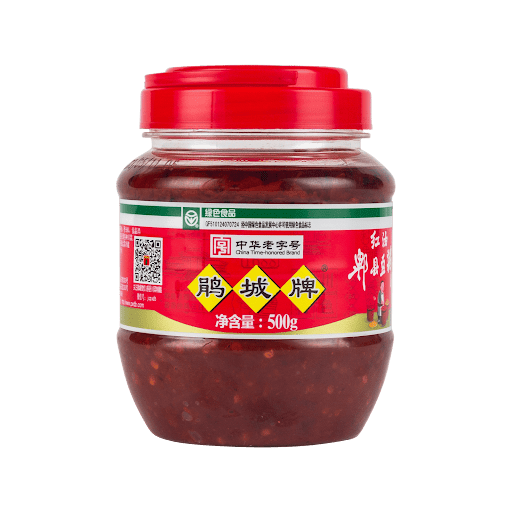
The intended use for red oil Pixian Douban is primarily stir-fries, where the bright red color of the oil is on display. You’ll also notice many are pre-chopped into a fine texture for convenience.
If you only keep one type of doubanjiang on hand, I recommend using this one. It’s typically aged in the mixed fermentation stage for three to six months, not years, so it retains some of the fruity and bright characteristics of the chilis. While it’s intended for stir fries, it also puts in the work for braises and stews.
Another way of authenticating whether you’re getting the right doubanjiang is to play a little pictionary.
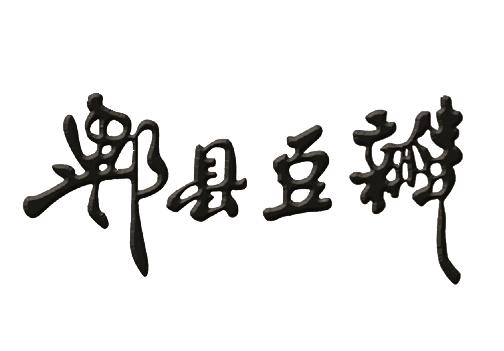
In order to the use the trademarked cursive label “郫县豆瓣“, manufacturers must meet stringent requirements related to the location, sourcing, and fermentation process. If you see a label with this specific trademark, you can guarantee the following process was upheld:
Produced within the geographical boundary of Pixian
Fava bean fermentation of at least 6 months
Mixed fermentation of at least 3 months
You may also see a tagline that reads China Time-honored Brand on some Pixian douban labels. This simply means the Chinese company has been in business since before 1956.
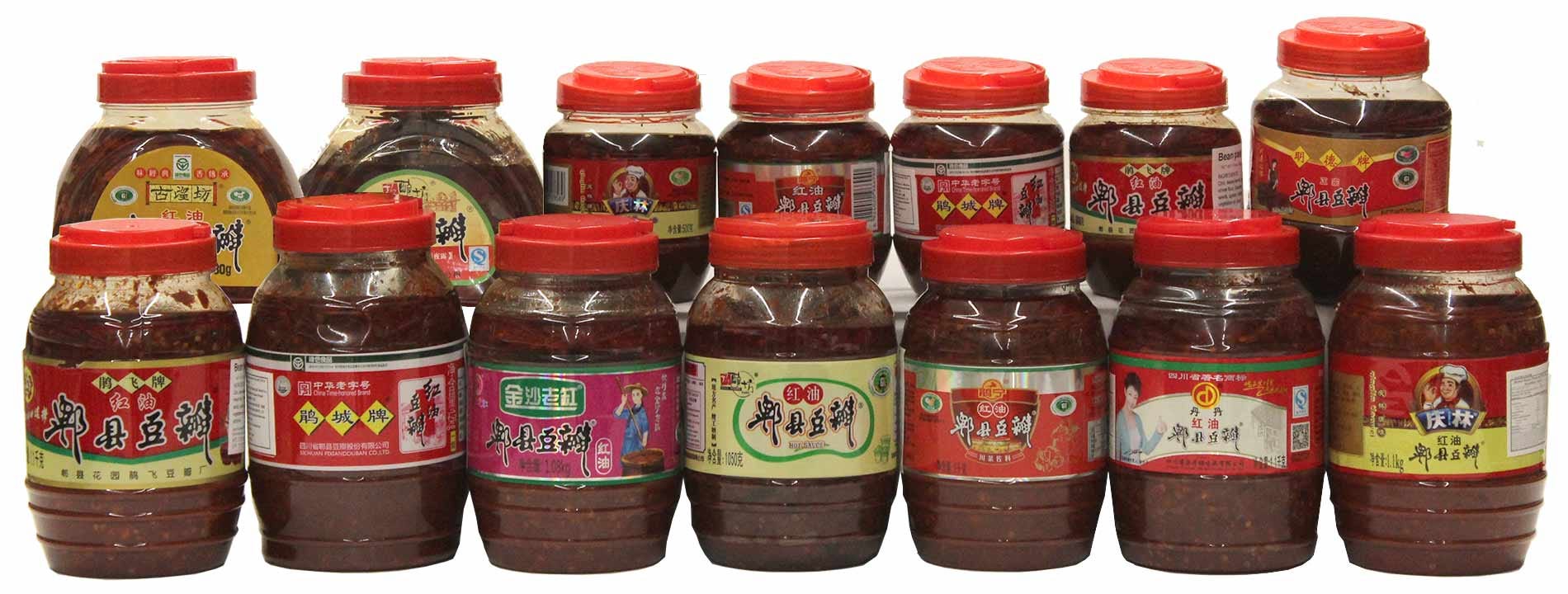
MalaFood published a doubanjiang guide that specifically calls out the list of registered Pixian douban trademarked products available in the US.1
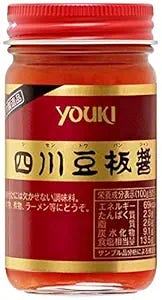
Since the traditional process in Pixian calls for wheat flour specifically, you won’t find gluten-free Pixian doubanjiang, though there are a couple gluten-free options from outside of Pixian (Yuki doubanjiang is a gluten-free option).
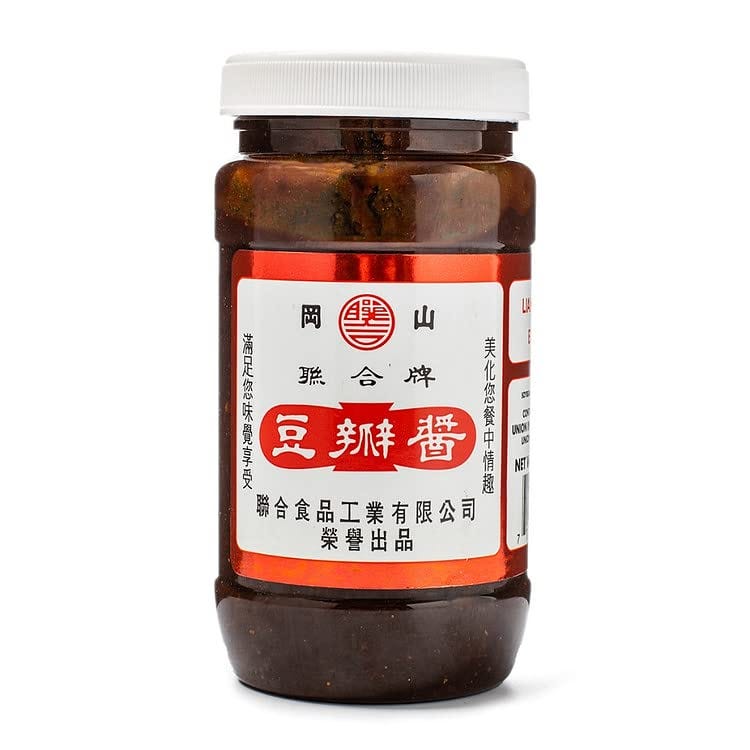
You may also encounter the product pictured above, which is in fact labeled 豆瓣酱 (doubanjiang) in Chinese characters, but bears little resemblance to the doubanjiang we’ve been discussing thus far.
The ingredients are: soybeans, salt, preservative (sodium benzoate). This is a fermented soybean (not fava bean) product that is used in dishes like zhajiangmian.
As a general rule of thumb, the older the doubanjiang the darker and funkier it will be.
3-6 Months (红油 Red Oil Variety)
Flavor: pungent chili flavor, fruity, slightly sweet, mild funk
Color: vibrant red
Uses: its bright red color and chili flavor is ideal for stir-fries like twice-cooked pork and
1 Year (一级 Grade 1)
Flavor: pungent chili flavor, fruity, slightly sweet, mild funk
Color: reddish-brown
Uses: the higher concentration of amino acids and umami flavor make it a versatile flavor booster for simmered classics like mapo tofu and fish fragrant eggplant
3 Years
Flavor: pungent chili flavor, fruity, slightly sweet, mild funk
Color: vibrant red
Uses: its bright red color and chili flavor is ideal for stir-fries
5 Years
Flavor: deeply savory, funky, earthy, mild sodium
Color: purplish-brown, almost black
Uses: its bright red color and chili flavor is ideal for stir-fries
In the context of Chinese cuisine, doubanjiang is a relatively recent invention. According to Mr. Wang, the story goes that an immigrant named Chen Yi was traveling to Sichuan in the early Qing Dynasty during the reign of Emperor Kangxi (1662 to 1723). In the process, the fava beans he was carrying became damp and moldy, but he refused to throw away the food. In a last ditch attempt, he tried to salvage them by mixing with chili peppers, leading to the delicious creation of doubanjiang. The first doubanjiang production was recorded in 1666, marked by the founding of 邵峰和 (Shao Feng He). Today, Chen Yi’s descendants still operate the doubanjiang business in Pixian.
One of the most common questions I receive about Sichuan cuisine is: when did Sichuan cuisine become known for chilis? Chilis didn’t make their way to China until after the Columbian Exchange in the late 16th century. Fava beans are thought to have originated from the Mediterranean, meaning they were likely introduced through land-routes as early as the 13th century. As an inland province, chili peppers didn’t become fashionable in Sichuan until much later, first recorded in Sichuan in the 19th century.
While the exact timeline of when chili peppers, fava beans, and doubanjiang itself became established in Sichuan cuisine is still a subject of debate, it's clear that the province's reputation for its bold, spicy flavors is a relatively modern phenomenon.
In Sichuan cuisine doubanjiang is almost always bloomed in hot oil, with very few exceptions for dipping sauces and dressings for cold dishes. There’s a few key reasons for frying doubanjiang in hot oil:
Aroma Intensifies – The heat releases its deep, fermented fragrance, making it more complex and pronounced. The savory notes become richer and more integrated.
Color Deepens – The oil helps extract and distribute the red hues from the chilies, giving the dish a more vibrant, glossy red appearance.
Flavor Rounds Out – The sharp saltiness and raw fermented edge (beaniness) mellow out, and the umami becomes more pronounced. It takes on a deeper, roasted richness as its fat-soluble compounds dissolve into the oil.
While gochujang and miso are more forgiving in their use, doubanjiang is best when properly cooked. I don’t recommend dissolving it directly into water or using it raw, as its fermented flavor will be overpowering.
For the best results, bloom doubanjiang in oil to unlock its depth. Use about two tablespoons of neutral oil (such as canola or avocado oil) for every tablespoon of doubanjiang. Heat the oil over medium heat, then add the doubanjiang, stirring continuously for one to two minutes, until it becomes fragrant and the oil takes on a deep, vibrant red hue. Avoid high heat, as doubanjiang can burn quickly, and keep it moving to ensure even cooking.
A little goes a long way—just a tablespoon will do for most recipes. Some dishes (like mapo tofu) may use more, but balance it based on other ingredients.
Because doubanjiang is best bloomed in oil, it should be added early in the cooking process. Unlike soy sauce or miso, it doesn’t blend seamlessly into a dish when added at the end. Adding it too late can leave an unpleasant raw fermented edge rather than the rich umami you want. If you find your dish needs more, try adjusting with other seasonings like soy sauce, broth, or a touch of sugar rather than adding extra doubanjiang at the last minute.
While doubanjiang is a Sichuan staple, its rich umami and spicy depth make it a great ingredient to experiment with in other cuisines. Just remember to fry off the doubanjiang in fat before incorporating it into your recipes, I would think of the doubanjiang infused fat as the ingredient rather than doubanjiang alone.
Some ideas:
Blend bloomed doubanjiang oil with mayo, yogurt, or tahini
Fry off a tablespoon of doubanjiang in butter and stir in pasta with a splash of its cooking water
Add a small spoonful of doubanjiang to your oil when browning the meat or aromatics at the start of a braise
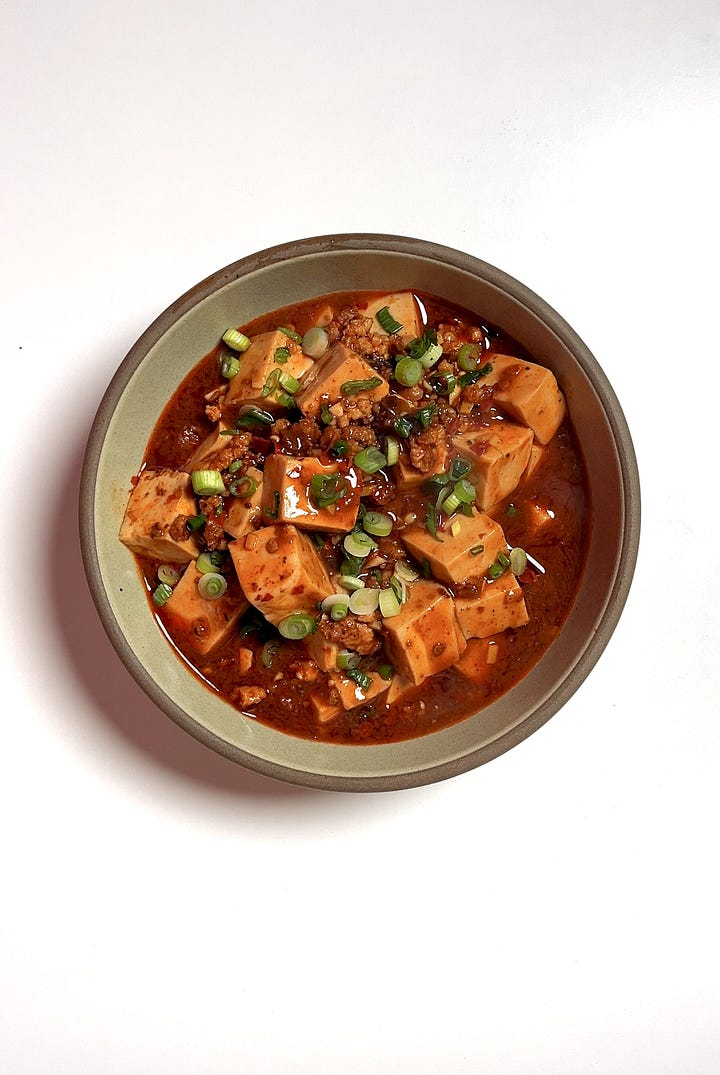
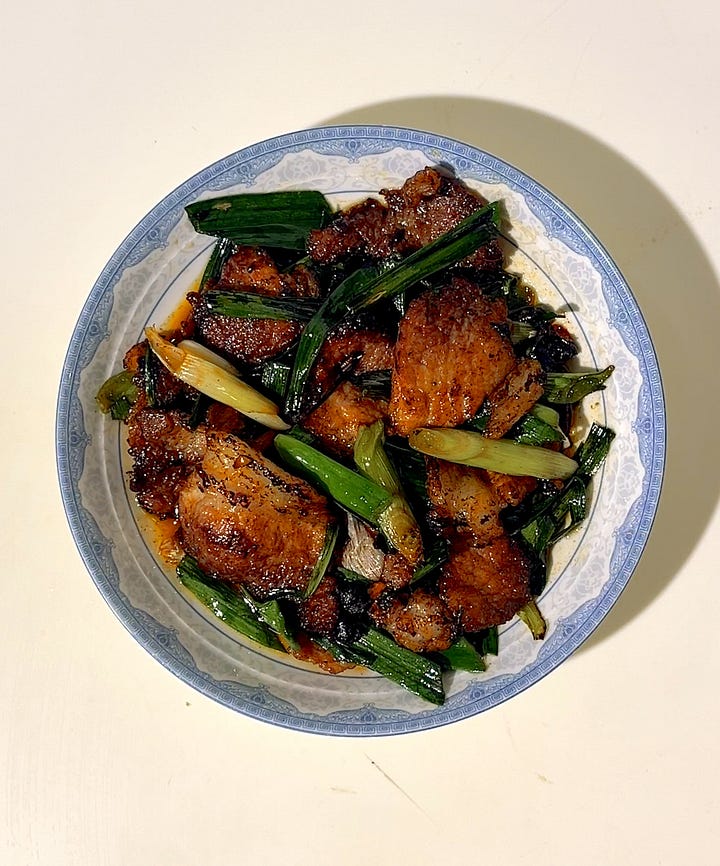
Mastering doubanjiang is all about understanding its depth and knowing when to let it shine. I hope these shopping and cooking tips give you a starting point to incorporate doubanjiang into your cooking, no matter the style or cuisine.
If you’re looking to start cooking with doubanjiang, I recommend starting with my Sichuanese classic recipes for Mapo Tofu and Salt-Fried Pork.
Comments
Nothing yet. Say the first thing.
Sign in to join the conversation.