

Hello, hello there! I hope you’re having an amazing start to your week! ☺️ I’m so excited to continue our conversation around food and true, lasting nourishment.
By the end of our food series, my hope is that you’ll feel more confident navigating food choices, with a clearer understanding of the science, and equipped with tools that truly support your T1D warrior and your whole family in thriving together.
Before we dive into specifics, let’s return to the basics and understand what’s happening inside our bodies when we eat.
When we know the why behind our food choices, we can make better decisions to support balanced blood sugar, steady energy, and overall well‑being.
And when Type 1 Diabetes is part of your family’s story, understanding food becomes even more important. Food plays such a meaningful role, but it shouldn’t be something we fear.
You deserve to understand how your body, and the body of your T1D loved one, works. When we understand how amazing and resilient our bodies are, food choices feel less overwhelming and more empowering. So let’s dive in!
One of my favorite health and wellness leaders, Shawn Stevenson, puts it perfectly: “Your cell membranes are made from your menu.”
What we consume doesn’t just fill our plates. It literally becomes part of who we are! The food we eat shapes how we feel, function, and thrive.
Macronutrients, micronutrients, phytonutrients, and water all support our bodies in different ways. But for this series, we’re zeroing in on macronutrients and how they shape our health. Think of this as a quick trip back to science class… but the fun kind, I promise!
There are three main macronutrients: carbohydrates, protein, and fats. Together, they shape how our bodies function, feel, and thrive.
Some foods are rich in just one macronutrient, like pecans, which are predominantly fat, while others offer a mix. For example, a medium avocado contains about 22 grams of fat, 13 grams of carbohydrates, and 3 grams of protein.
Each macronutrient plays a unique role in the body, and today we’re starting with the one most T1D families think about first: carbohydrates.
For families navigating Type 1 Diabetes, carbohydrates often become a key focus because of their direct impact on blood sugar levels.
When we eat carbs, our bodies break them down into glucose. Glucose is the form of sugar our cells use for energy.
Before we dive deeper, it helps to understand the two main types of carbohydrates: simple and complex.

Simple carbohydrates, also known as simple sugars, break down quickly into glucose once they enter our bloodstream. When you think of simple sugars think cookies, white bread, candy, fries, soda, and donuts. They hit our bloodstream fast.
When my T1D husband eats simple sugars, we often see an immediate impact on his blood sugar, often leading to a noticeable spike or the need for a larger insulin dose to stay steady.
Even though I don’t have diabetes, I’ve had the opportunity to wear a Continuous Glucose Monitor and use a glucose meter to better understand how my body reacts to food. When I eat simple carbohydrates, my blood sugar also rises rapidly because there’s nothing slowing the digestion.
This firsthand experience has given me a deeper appreciation for how challenging blood sugar management can be and how impactful our food choices are for everyone.

Complex carbohydrates are just that… a little more complex! They take longer to digest because they’re wrapped in fiber, a key nutrient for vibrant health.
Fiber slows digestion, helping to prevent sharp blood sugar spikes while supporting more stable energy levels. You’ll find complex carbohydrates in vegetables, fruits, and whole grains. For whole grain examples, think whole‑grain pasta, whole‑grain bread, brown rice, and even popcorn.
While complex carbohydrates are gentler on blood sugar than simple carbs, they still break down into glucose and can cause rises. This is why it can be helpful to notice how different foods affect your family’s blood sugar patterns, especially for your T1D warrior.

Carbohydrates are a key energy source. Our bodies break them down into glucose, which fuels our cells, including the brain. When we understand how simple and complex carbohydrates work, we can make food choices that feel more supportive and less stressful for our families.
And in a T1D home, this understanding becomes even more meaningful. Carbs aren’t something to fear. They’re simply one piece of the puzzle, and learning how they work can bring so much clarity and confidence to your daily rhythms.
What’s beautiful is that this awareness naturally begins to shape the choices you make as a family. Maybe you notice you’d like to bring snacks to a birthday party instead of navigating all the sugary treats, or you find small ways to bring more balance to weeknight meals.
In our own T1D home, we eventually realized that bread didn’t feel great for us, so we started leaning into lighter, more refreshing sides instead.
Every family discovers their own rhythms, and the more you understand carbs, the more empowered and confident those decisions begin to feel.
As we wrap up, here’s a gentle tip to help support steadier blood sugar.
Try pairing carbohydrates with protein, fiber, or healthy fats to help slow digestion. This can support steadier energy and more balanced blood sugar levels.
For example, maybe you try:
adding avocado slices to your morning toast
pairing apple slices with almond or peanut butter for a bonus protein kick!
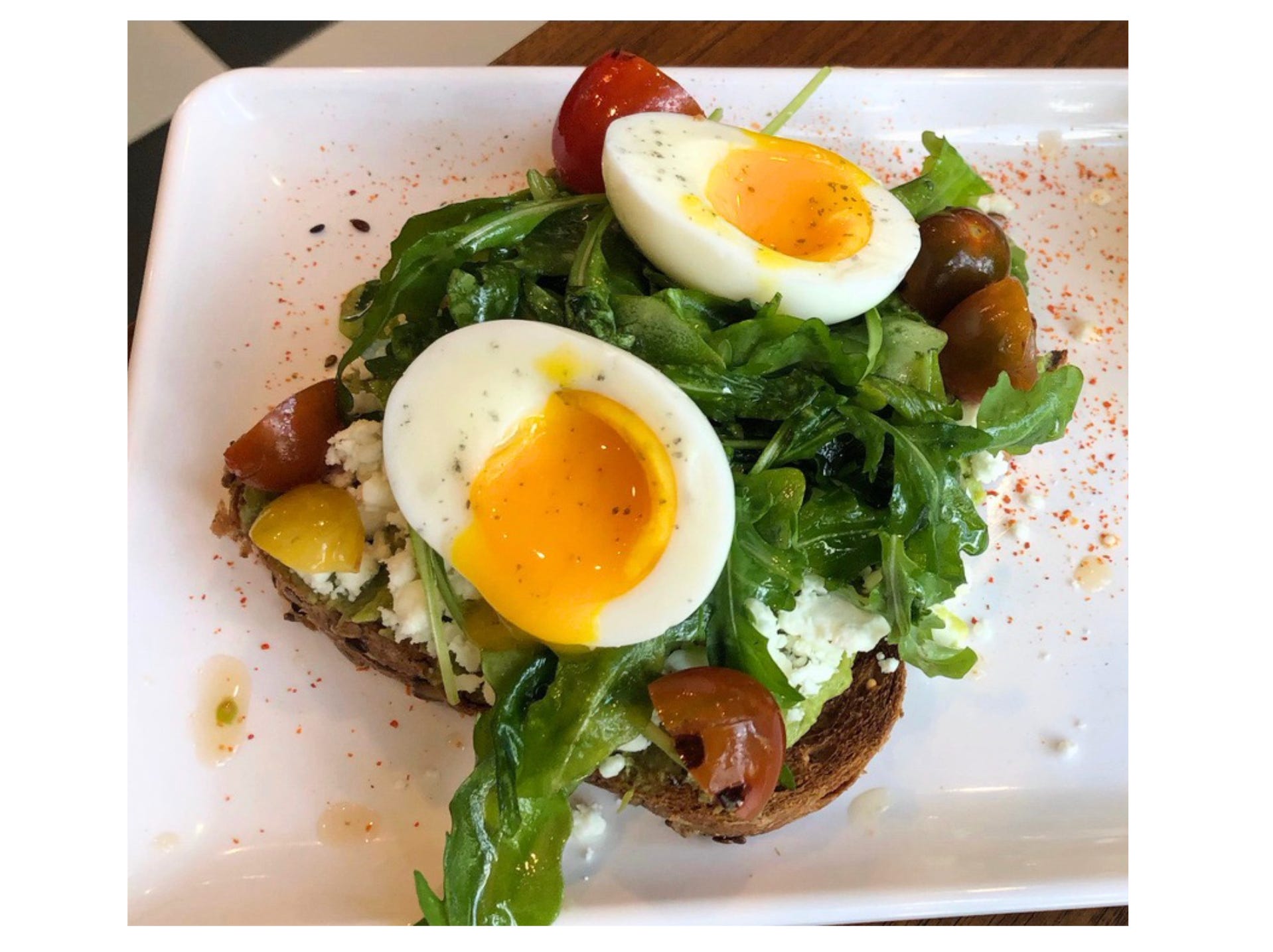
Small tweaks like these can make a meaningful difference. This was a breakfast plate I ordered recently at brunch. Even though I knew I’d be having bread (carbs), I loved that is was served with avocado (healthy fat), egg (protein), and fresh arugula (fiber) to support my body from the inside out. 💪🏻
Amazing work diving into our first macronutrient, carbs! Understanding how carbohydrates affect blood sugar is a powerful step in supporting your family’s health.
Next week, we’ll explore the second macronutrient: protein. Have fun experimenting this week, and notice what feels good for your family! ☺️ Maybe you try the peanut butter trick with fruit, or you add a healthy fat to your plate and see how your energy feels.
And as always, whenever you’re making any dietary changes, it’s important to consult with your trusted healthcare provider for guidance and support.
In our own T1D home, we noticed that insulin dosages shifted once we lessened our carbohydrate intake. That was something we talked through with our provider, and it’s something I always encourage families to explore with their care team as well.
Until next time, sending tons of love to you and your family.
Allee
Disclaimer: The content shared in this post is for informational and educational purposes only and does not substitute for medical advice, diagnosis, or treatment. Always consult with your healthcare provider or your child’s healthcare provider before making changes to diabetes management or overall health routines. As a National Board Certified Health & Wellness Coach, my role is to support, guide, and educate, not to diagnose or treat medical conditions. Thank you!
No posts
Comments
Nothing yet. Say the first thing.
Sign in to join the conversation.