
Welcome to This Week in Social Science. Over the past few weeks, I have seen many teams that I supported bounced from World Cup competition, including Cape Verde, Uzbekistan, and, of course, the good old US of A. And we’re in the final stretch now, with Spain and Argentina going head to head in only a few days.
In 2018, former President Barack Obama argued in favor of diversity by noting something about the World Cup winning French team: “[diversity] delivers practical benefits… because not all these folks look like Gauls to me…”. He’s not the first person to notice that some of the most successful teams seem to be diverse, but is there something to that? Today, we look into the impact of diversity on football success.
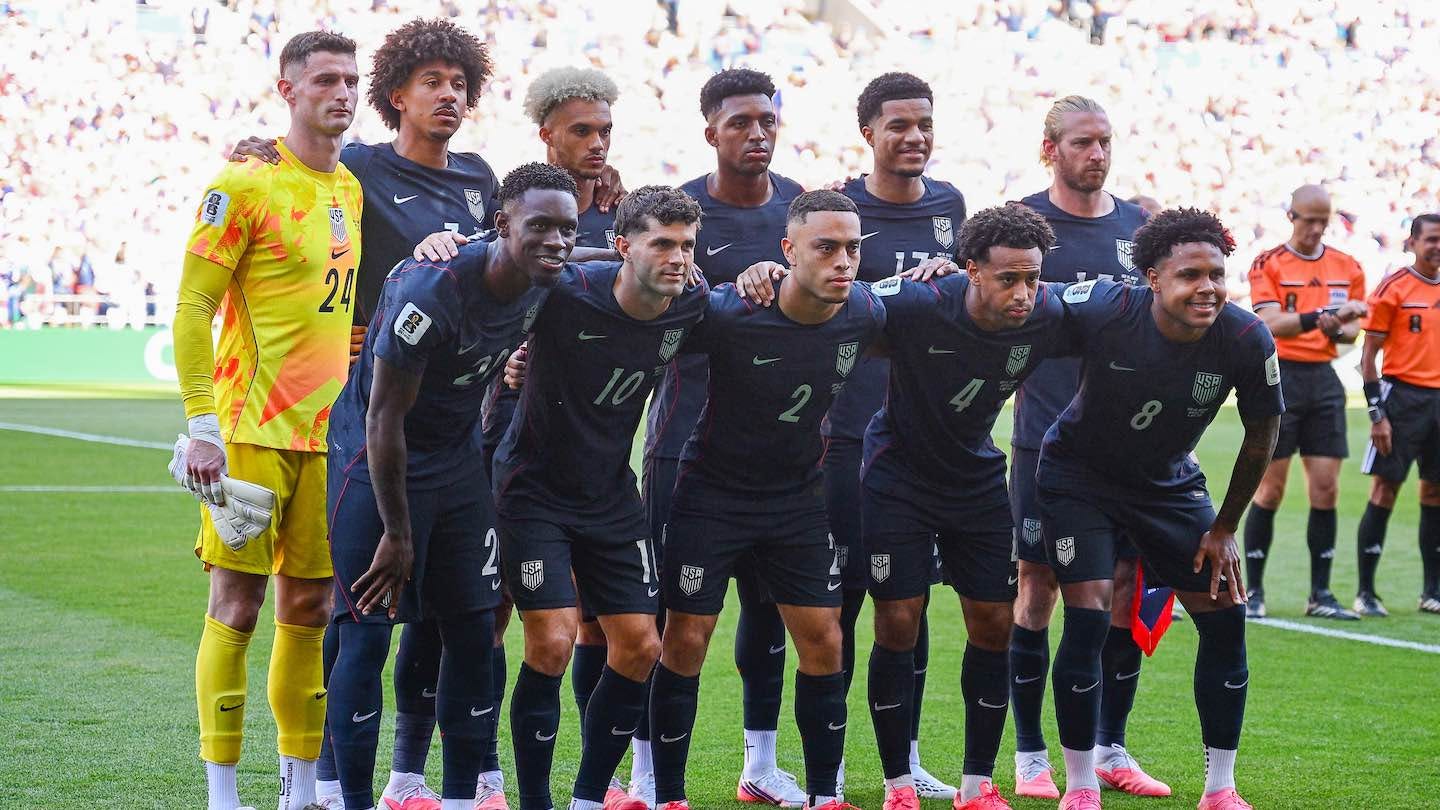
When we take a step back, the best national football teams don’t necessarily seem to be the most diverse. The 2022 winner (and competing for the final on Sunday this year) is the more homogeneous Argentina, and other relatively homogeneous countries like Croatia and Japan have also seen great success. Not to mention the success of Norway this year, led by Erling Braut Haaland, who made his mark on the national stage in many ways, including over 550 Peruvian babies being registered with the name “Haaland” or “Erling Haaland”.
Researchers from the University of Luxembourg created a dataset of European national teams from 1970-2018, and calculated a diversity score for each team based on the ancestral diversity implied by the range of surnames of the teams’ players. To measure how successful teams are, the researchers used the Elo scoring system, which dynamically tracks the strength of teams based on who they play and how well they perform.
The results showed that ancestral diversity predicted greater team success, with one standard-deviation increase in the team diversity score being associated with an increase of 20-32 points in the Elo scoring system, which the researchers note is enough to move teams up 2-3 spots in overall Elo rankings. The researchers also found that increased national immigration in the previous generation also can predict increased national team success.1
If diverse national football teams really perform better, why is that? What about ancestral diversity can explain increased success?
A study from 2007 compared the FIFA ratings of 201 men’s national teams and looked at predictors of national team success, including the number of men who regularly play football, how long it has been associated with FIFA as a measure of the national football tradition, the percentage of expatriate players in the national team, and the wealth of its population.
These variables combined to explain over 50% of the variance in national team success, with the total number of men who regularly play football being the single strongest predictor of national team success. This helps explain why many of the world’s most populous countries are not the most successful at football. India and China are perfect examples: The overall national talent pool isn’t predictive of football success if they’re playing other sports or not playing sports at all.2
So are more ancestrally diverse teams more successful? The research suggests that yes, they are, but for a slightly complicated reason. In many cases, immigrant families bring a culture of valuing and playing football with them. This increases the overall number of people choosing to play football, greatly increasing the talent pool. And especially when developed through better opportunities and facilities in high-GDP countries, these players can drive greater national football success.
Comments
Nothing yet. Say the first thing.
Sign in to join the conversation.