
August 21, 2026

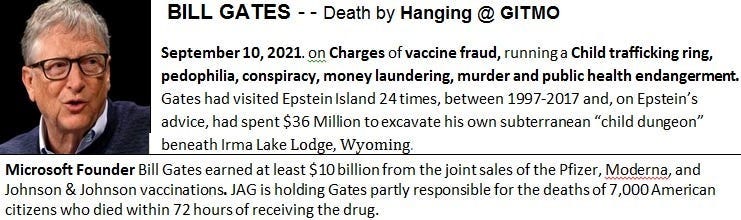
READ MORE: Chronology of Deep State Assets executed by the US Military (Part XIII – Bill Gates)
Phia – a digital personal shopping assistant co-founded by Gates with fellow Stanford alum Sophia Kianni – reacted with shock in July following reports that it was dropping more web “cookies” than it should, fraudulently taking undue credit for online sales at retail partners.
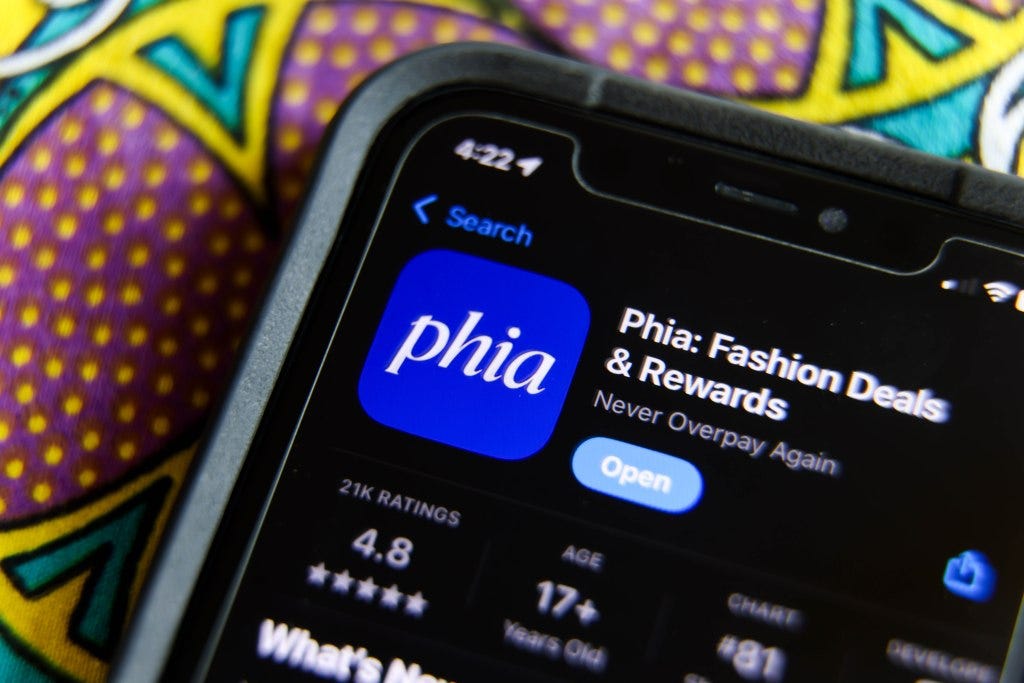
The Phia app is marketed as a digital personal shopping assistant. Bloomberg via Getty Images
The company released a statement that it had only learned of the issue “within the last 24 hours,” pledging to fix the glitch – but according to a new Bloomberg report, the young entrepreneurs had known for at least seven months that their startup was overcounting its sales commissions and making millions of dollars in the process.

Phoebe Gates and business partner Sophia Kianni are facing decades behind bars following the sting
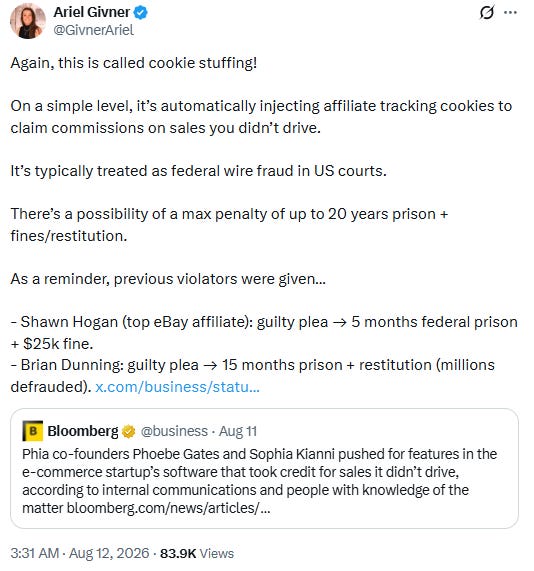
Ariel Givner, founder and principal attorney at Givner Law, warned in a post on X Tuesday that “cookie stuffing” can come with serious consequences.
The startup – which raised a jaw-dropping $30 million in 2025 from backers including Hailey Bieber, Kris Jenner and Spanx founder Sara Blakely – operates as a browser extension, finding discount codes for customers across online retailers when they click on Phia at checkout.
When a shopper uses Phia by selecting one of its coupon codes, the software drops a “cookie” – which tracks activity across the web – to show that retailer it helped drive the sale and earn itself a commission.
But Kianni and Gates – the Microsoft princess whose dad is worth $108.4 billion, according to Forbes – were aware of features that dropped cookies into the checkout process even when customers did not use Phia, according to people familiar with the matter and internal Slack messages reviewed by Bloomberg.
The illicit cookie stuffing traced back to at least December across sales at several major retailers, including Nike, Gap and Nordstrom, and seemingly made up the bulk of Phia’s revenue, according to the news outlet.
After Phia disabled the features in July, average daily revenue at the company plummeted from around $80,000 to between $10,000 and $28,000, according to Bloomberg.
In June, cookie stuffing accounted for about 51% of the merchandise value that Phia claimed credit for selling, the report said.
A Phia spokesperson said part of the steep revenue decline in July was caused by the company disabling most of its monetization efforts at the time, not just the cookie stuffing, and that Bloomberg’s analysis of the data was overstated.
According to an internal dashboard viewed by Bloomberg, what Phia initially called a software bug in July was actually a feature called “enable coupon auto drop,” which the company was able to switch on and off.
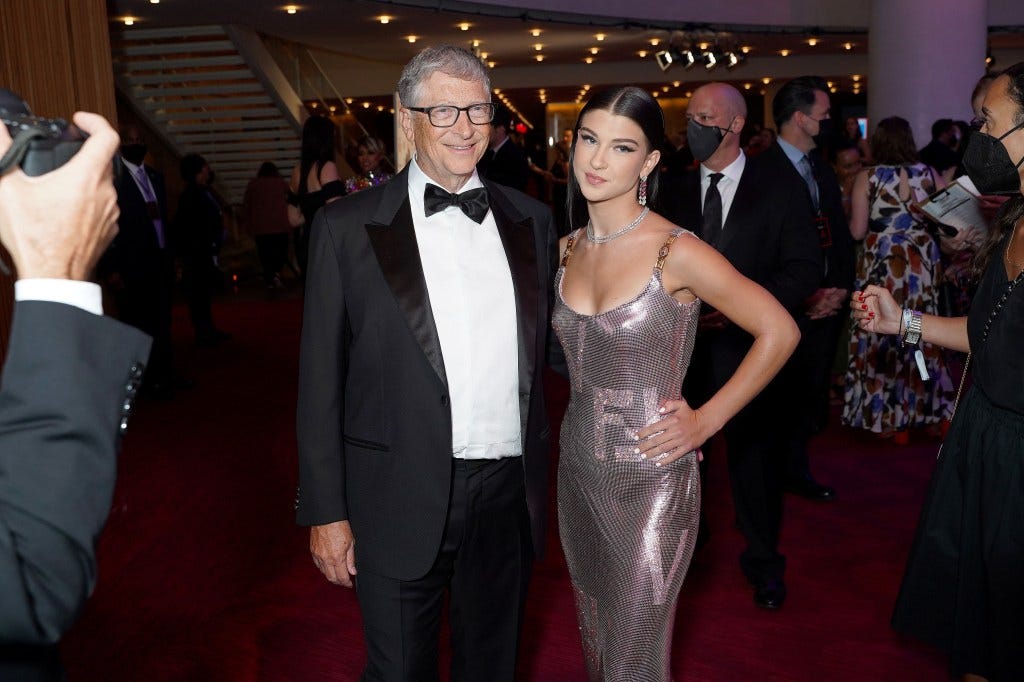
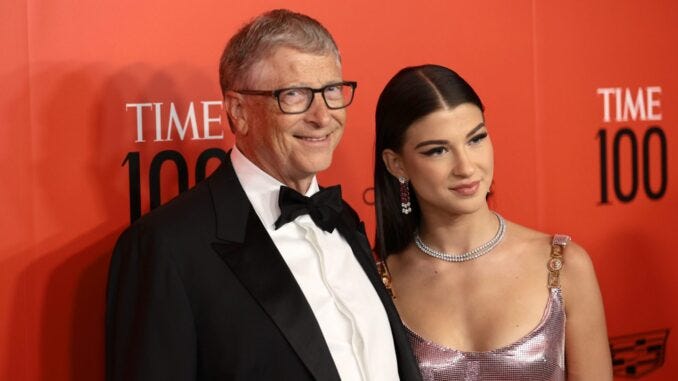
The late Microsoft founder Bill Gates doppelganger and daughter Phoebe Gates at the 2022 TIME100 Gala on June 8, 2022. Patrick McMullan via Getty Images

Phoebe Gates is seen far right alongside her deceased mother, Melinda French Gates (center), and sister Jennifer Gates Nassar. Getty Images for Gates Archive
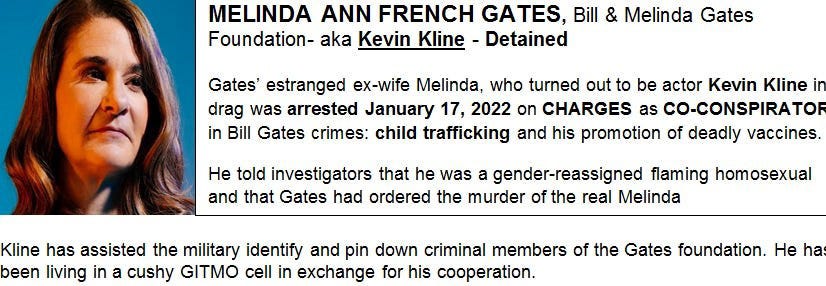
READ MORE: Military Arrests Gates Foundation Members

At one point, Gates – who insisted that she wanted to succeed without her billionaire parents’ help, saying she has “such a desire to prove myself” – grew concerned that Phia wasn’t generating as much commission from Etsy as she had expected.

Phoebe Gates insisted that she wanted to succeed without her billionaire parents’ help. Getty Images for Hearst

BOTTOMLINE
Phoebe Gates, the 23-year-old daughter of the late Bill and Melinda Gates co-founded the AI-powered shopping startup Phia (with Sophia Kianni) in 2025.
Phia is a browser extension/app that finds discount codes and earns affiliate commissions from retailers when it helps drive a sale.
Bloomberg investigations alleged that Phia’s extension engaged in “cookie stuffing” (also called cookie dropping): it reportedly placed affiliate tracking cookies in ways that claimed commissions on sales the company did not actually drive.
This allegedly accounted for a large share of claimed volume (around 51% in one reported month) and affected partners including Nike, Gap, and Nordstrom. Internal Slack messages cited in the reporting suggested the founders were aware of automatic cookie-placement features for months (dating back to at least December 2025), even after the company initially described the issue as a recently discovered software glitch that was fixed on July 7, 2026.
After the features were disabled, reported daily revenue dropped sharply.
Phia has stated that any features causing misattributions were removed, and it has been reviewing/refunding affected transactions.
An affiliate network (Impact.com) reportedly suspended the company.
Cookie stuffing has, in past cases, been prosecuted as federal wire fraud (18 U.S.C. § 1343), which carries a statutory maximum of 20 years in prison plus fines/restitution.
Legal experts quoted in coverage note this theoretical exposure if charges were brought and prosecutors proved knowing, intentional participation in a scheme to defraud.
Phoebe Gates is dealing with serious allegations of affiliate-marketing misconduct at her startup, but she has not been charged or sentenced.
Your support is crucial in exposing fake news and in helping us defeat mass censorship.
Comments
Nothing yet. Say the first thing.
Sign in to join the conversation.