
The first page of a novel has one job: convince you to keep reading.
The first page of an interactive adventure has an even harder job. It has to make you want to keep reading... and make you excited to make your first choice.
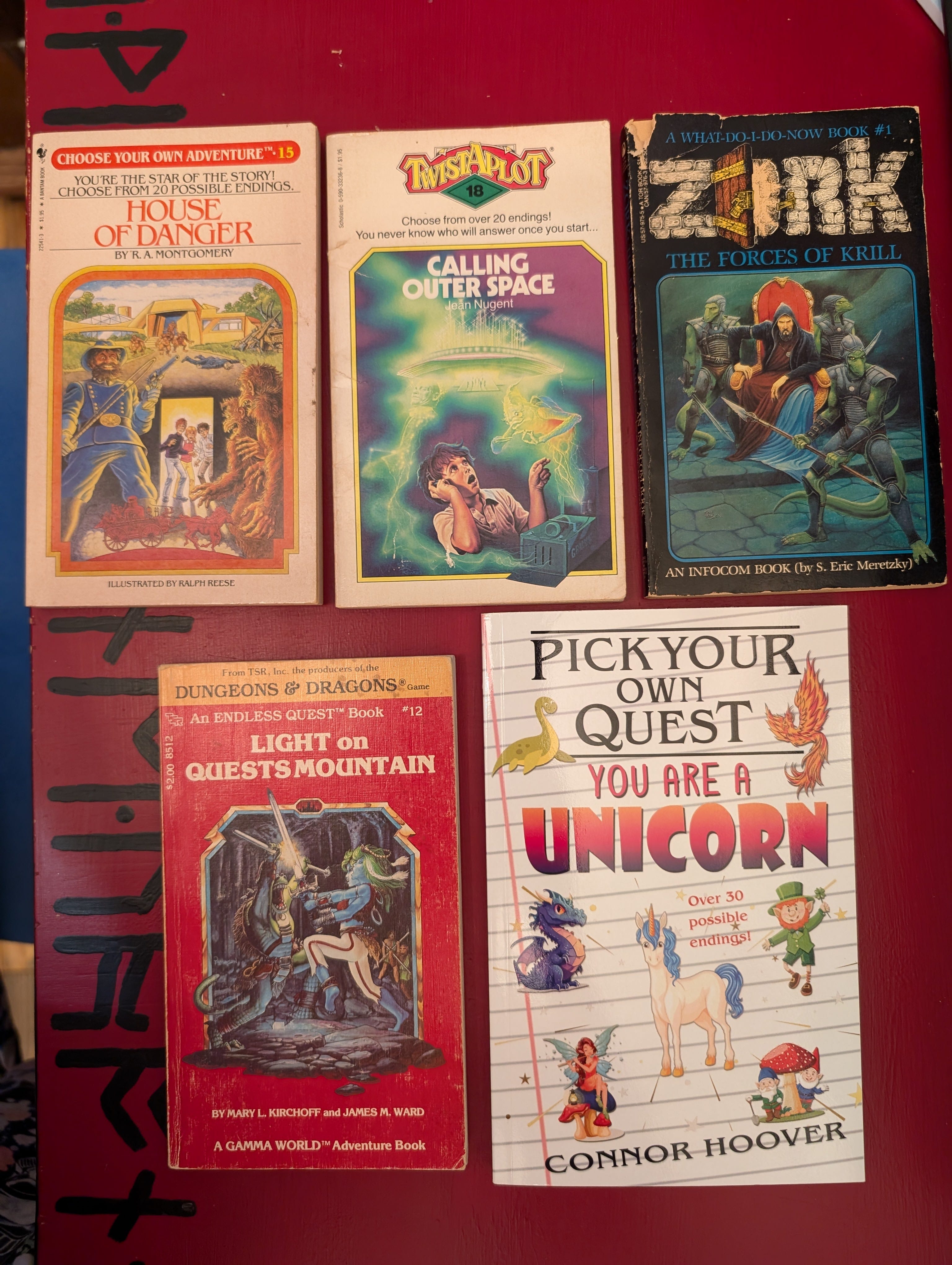
After reading tons of interactive adventures over the years (and writing a few of my own), I’ve noticed something interesting.
There isn’t one perfect way to begin.
Some books throw you straight into danger. Others introduce a mystery. Some promise wonder. Others quietly invite you into a world you can’t wait to explore.
Here are five opening pages that capture the attention—not because they all follow the same formula, but because each one makes a different promise to the reader.
One of the quickest ways to hook a reader is to make them ask a question.
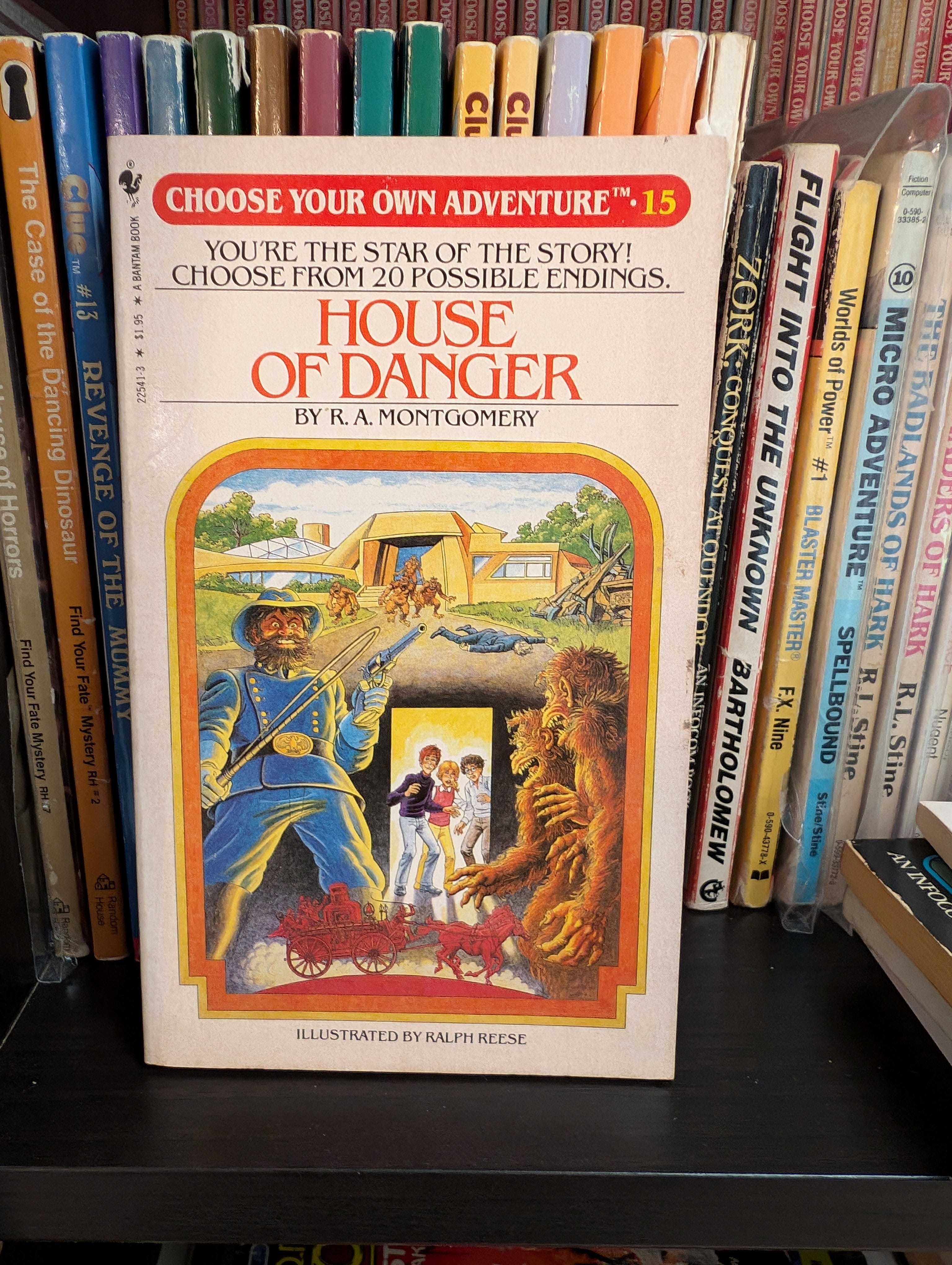
House of Danger (Choose Your Own Adventure #15) does exactly that.
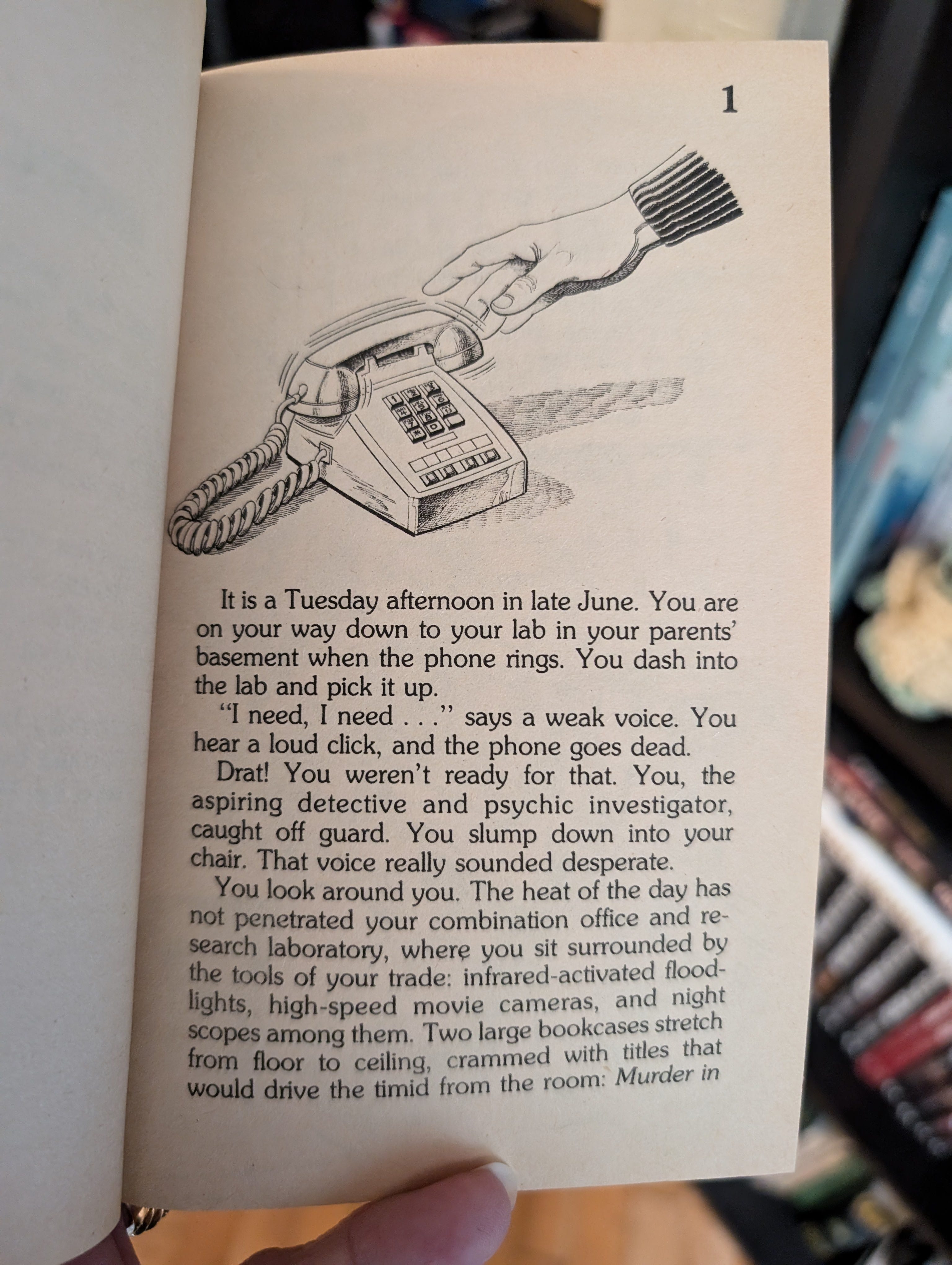
The story opens with a frantic phone call that suddenly cuts off before anyone can explain what’s happening. You don’t know who the caller is. You don’t know what’s the matter. You only know something has gone terribly wrong.
Before the first choice ever appears, you’re already asking yourself, “What happened?”
That curiosity pulls you forward.
Great mysteries don’t begin with answers. They begin with questions. And a note that this one was so popular that it went on to become one of the Choose Your Own Adventure board games (which yes, I own).
I wonder, if this book were being updated for today, would it be a cell phone ringing? A mysterious email? A text message from an unknown number?
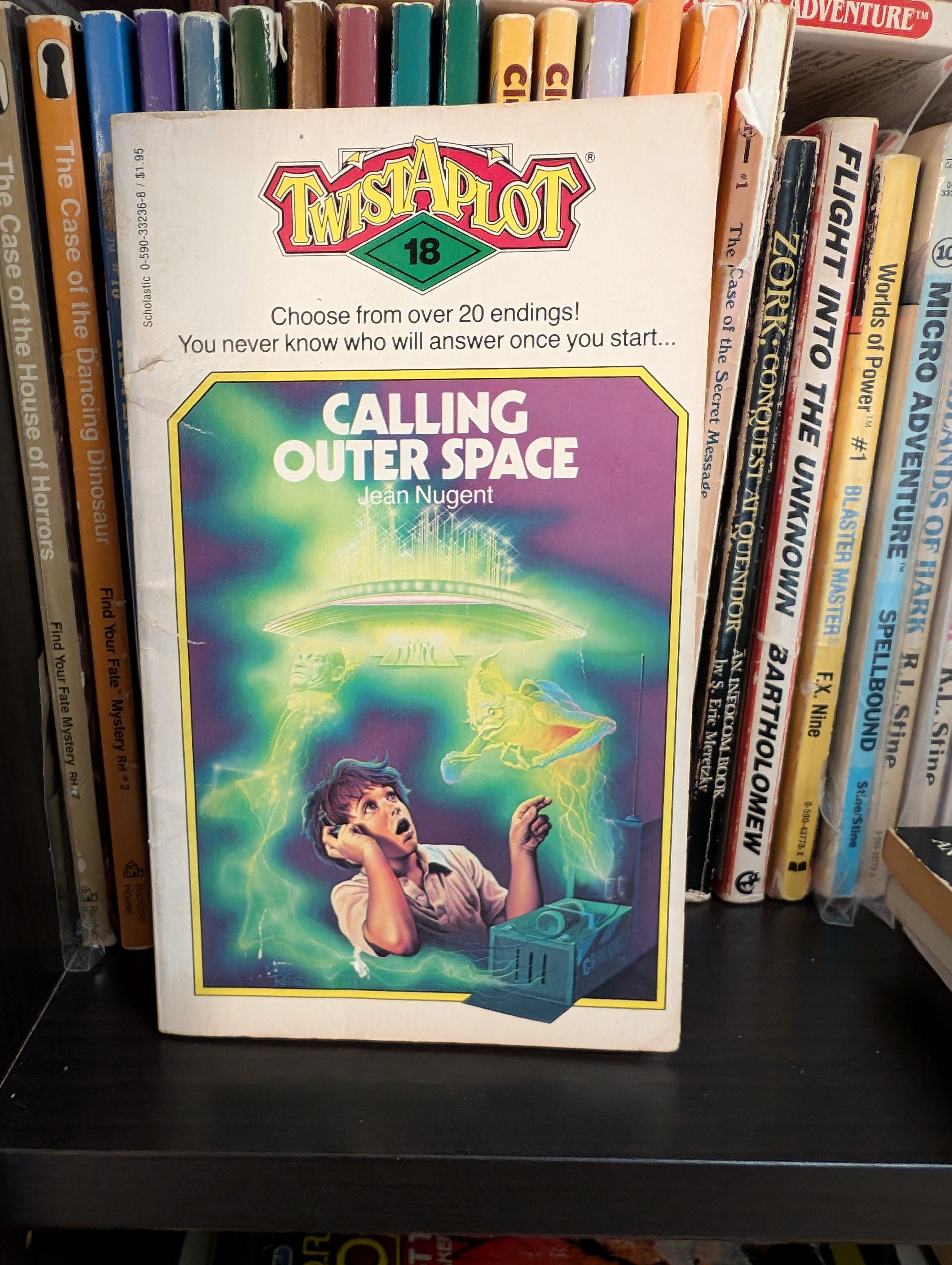
Calling Outer Space (TwistAPlot #18) takes a completely different approach.
Instead of opening with aliens or spaceships, it introduces a young protagonist who dreams of making contact with intelligent life beyond Earth.
There’s something wonderfully relatable and timeless about that. Also relatable is the science fair. We’ve all been there (although my first science fair project involved demonstrating the greenhouse effect, not building a radio telescope!).
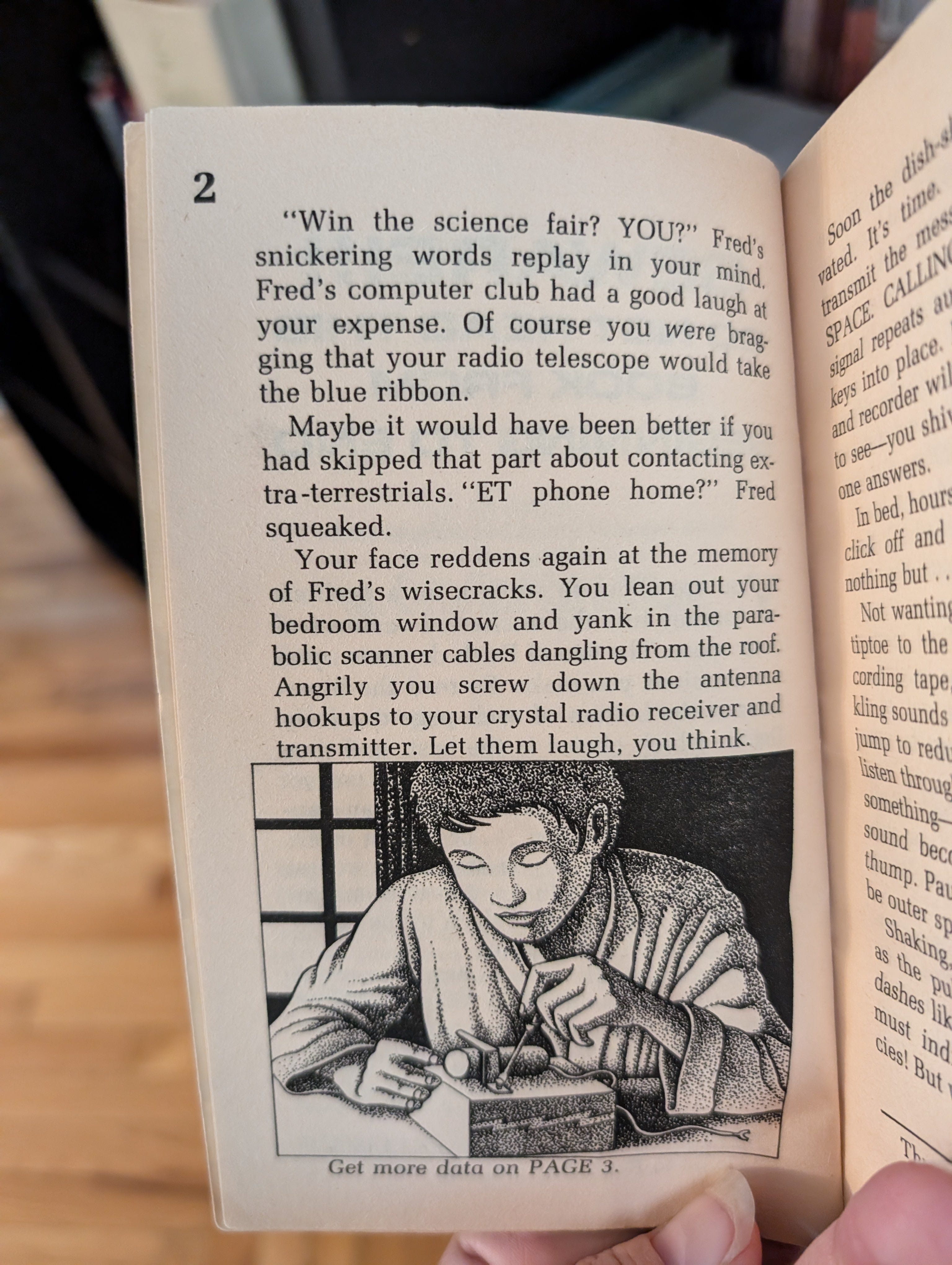
Before anything extraordinary happens in the book, we understand who this character is and what they hope to accomplish.
The adventure isn’t simply about meeting aliens. It’s about proving that impossible dreams might actually come true.
That’s a powerful promise to make on page one because it makes the reader want to keep going.
Some adventures begin with an ordinary day.
Then something impossible happens.
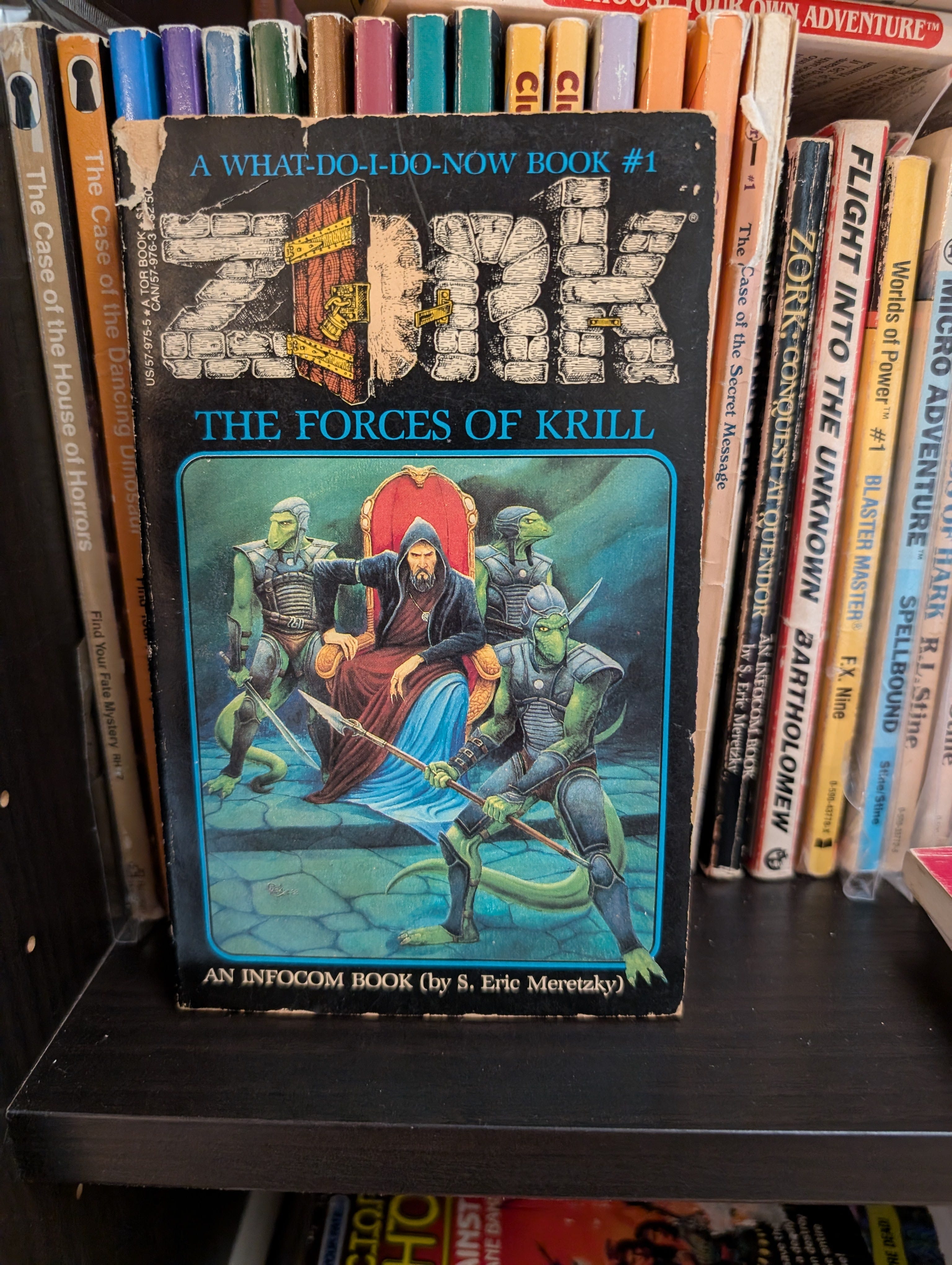
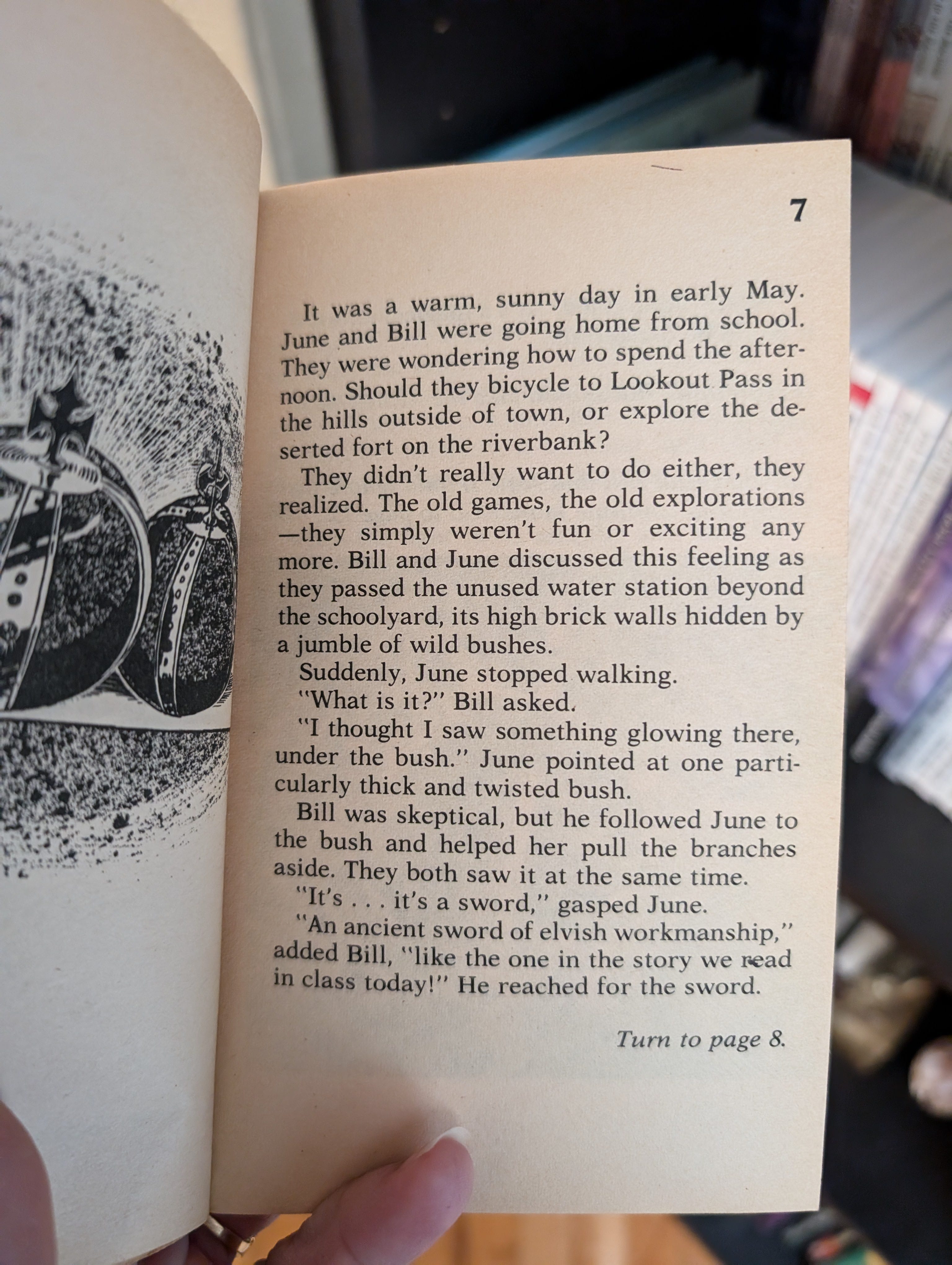
That’s exactly what Zork: The Forces of Krill (What-Do-I-Do-Now #1) does.
A couple of kids are wandering around, looking for something interesting to do, when they discover an ancient Elvish sword hidden beneath a bush. You know, just your regular Monday: bike home from school, eat a snack, make plans to meet up at the park, find an Elvish sword.
Suddenly an ordinary afternoon isn’t ordinary anymore.
Fantasy often works best when it gently opens a door between the familiar and the impossible.
Once that door opens...
...you have to know what’s on the other side.
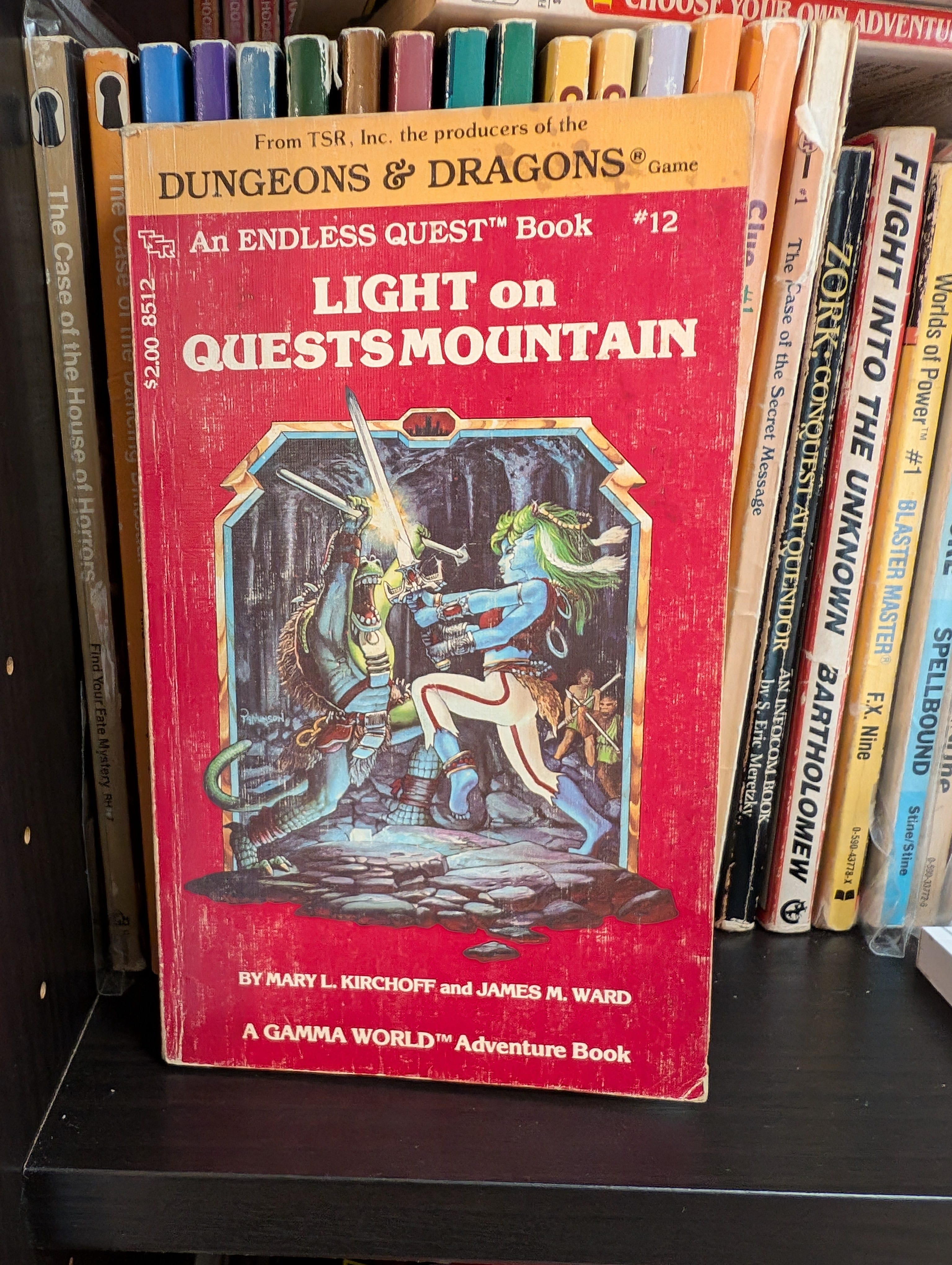
One of my favorite openings comes from Light on Quests Mountain (Endless Quest #12).
Unlike the previous books, this one doesn’t wait for adventure to find you. Adventure is expected.
Graduation means leaving home and beginning your quest.
That immediately tells readers something important about this world: adventure isn’t unusual. It’s part of life.
Then, just as you’re settling into that idea, the mysterious light on Quests Mountain appears.
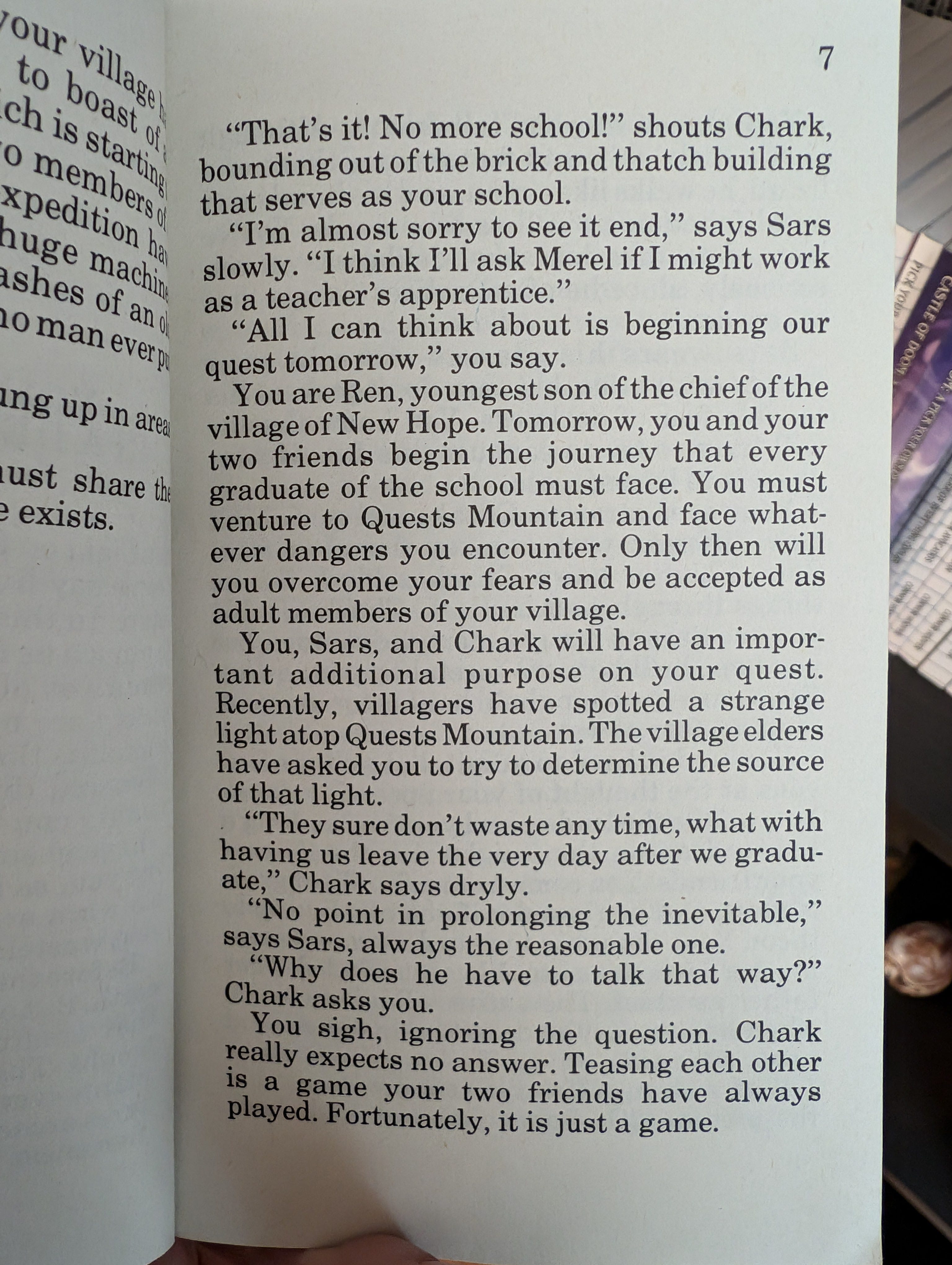
These characters are looking for adventure, and they’ve found it. The journey now has a purpose.
The opening promises an epic fantasy adventure perfect for Dungeons & Dragons fans—complete with dragons, quests, and mystery—and immediately delivers on that promise.
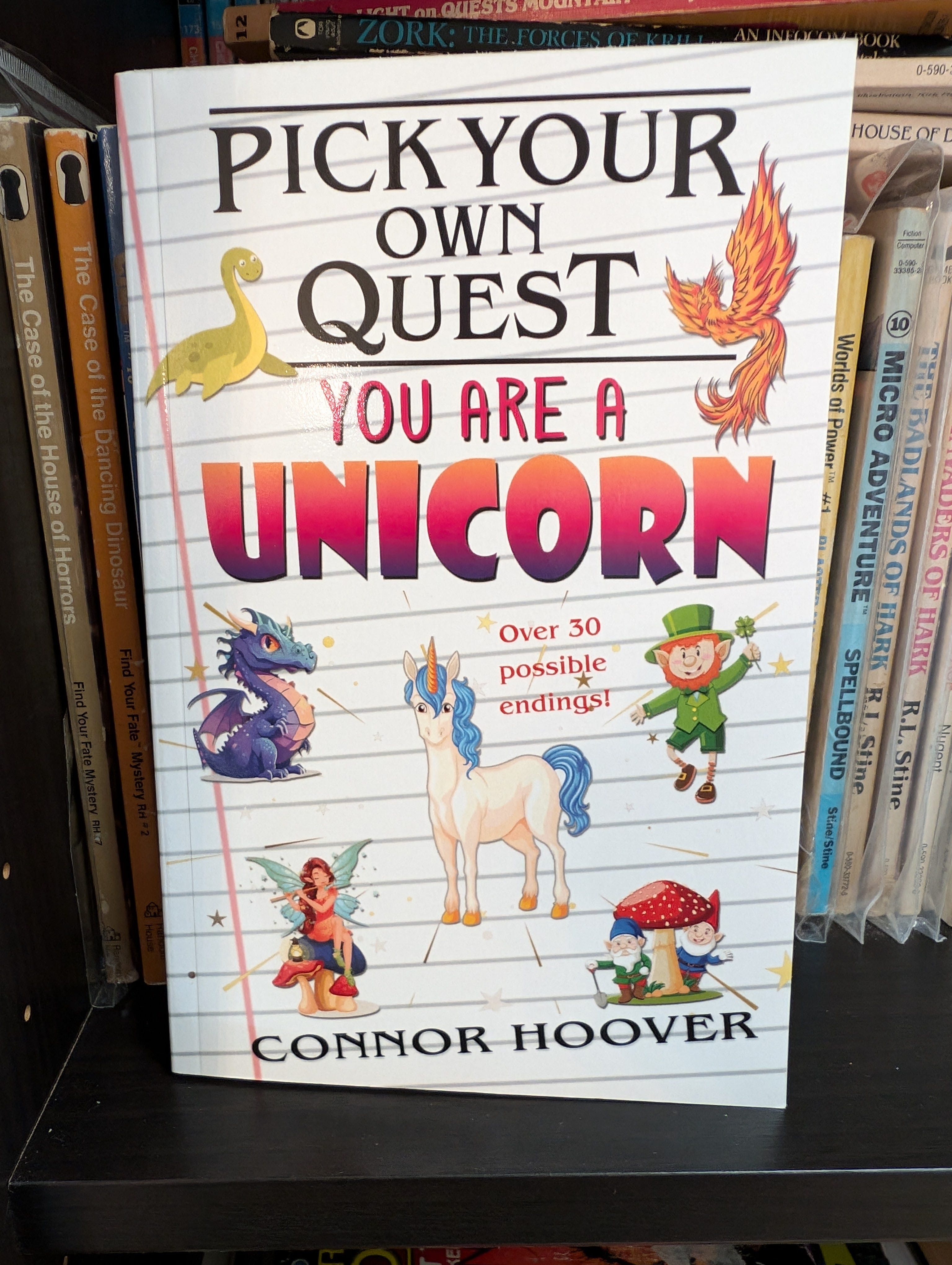
When I wrote Pick Your Own Quest: You Are a Unicorn (Pick Your Own Quest #11), I wanted to waste as little time as possible. Also, I wanted to set it in a place I’d always wanted to go—but had never been.
You’re already in England. You’re already headed toward Stonehenge. You’re already hearing whispers about mysteries older than history itself.
Rather than slowly introducing the setting, I wanted readers to feel like they’d stepped directly into the middle of the adventure.
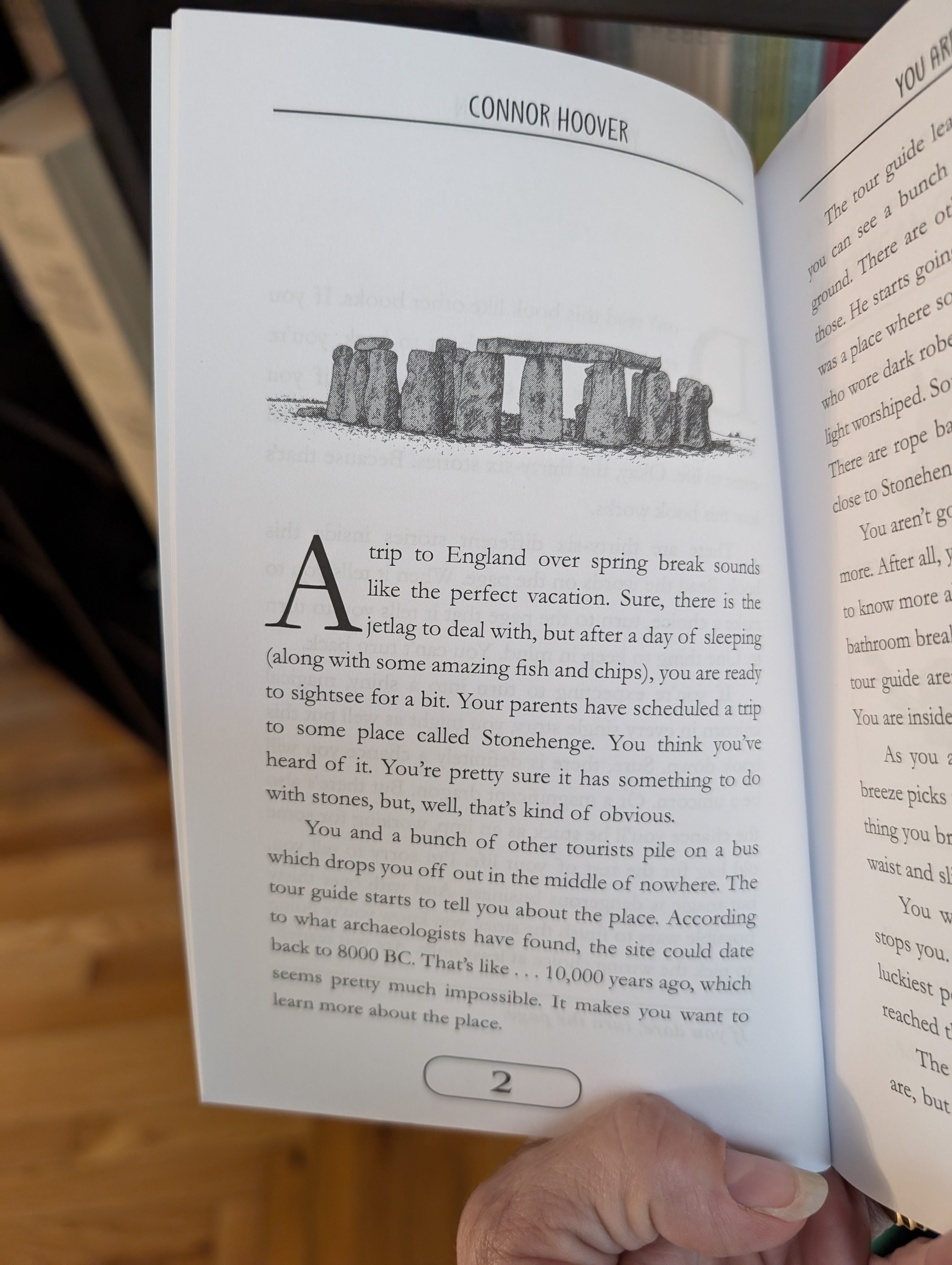
The first page pulls in elements that have always fascinated me. Archaeological site? Druids? Fish and chips? Yum! And yes, please.
Let’s have that adventure. And maybe the reader will ask the very important question:
“What will we find at Stonehenge?”
If readers want the answer...
I’ve done my job.
Looking at these books together reminds me that there isn’t a single correct way to begin an interactive adventure.
One starts with mystery.
One begins with a dream.
One introduces the impossible.
One promises destiny.
One drops you directly into the action.
Every opening feels different. Yet every one accomplishes the same thing. It makes you eager to turn the next page.
As both an editor of speculative fiction and the author of the Pick Your Own Quest® series, I find that encouraging.
Great first pages aren’t about following a formula. They’re about making a promise—a promise that somewhere ahead lies a mystery worth solving...
...a world worth exploring...
...or an adventure worth choosing.
And if a reader opens the book, reads the first page, and can’t wait to make that first choice, then the adventure has already begun.
Comments
Nothing yet. Say the first thing.
Sign in to join the conversation.