
Subscribe to follow my little world of gardening, cooking, art, and simple routines that make me who I am. I write from my garden in Bavaria, Germany, USDA hardiness zone 7a. I share what I learn, what I create, and the small joys that keep me inspired.
Not so long ago, I started my gardening journey. It has been a path full of joy, excitement, a few disappointments, and a lot of learning. I still consider myself a relatively new gardener, but I have reached the point where I can grow many things successfully and harvest food that makes me proud.
Of course, failures still happen. They happen to every gardener, no matter how experienced they are. But every season teaches me something new, and today I want to share some of the lessons I wish I had known when I first started.
I will skip some of the standard advice that you hear everywhere, such as choosing the right planting time, improving your soil, watering properly, and making sure your plants receive enough sunlight. Those things are extremely important, but today I want to focus on a few lessons that I had to learn along the way.
Many of us start gardening on a balcony, patio, or in a greenhouse where containers are often the only option. Growing in pots is absolutely fine, but make sure they are large enough.
A plant can only grow as well as its root system allows. If the roots have no room to expand, the plant will struggle no matter how much you care for it. Container-grown vegetables also need more feeding because their roots cannot travel deeper into the soil searching for nutrients.
Small pots often lead to small harvests.
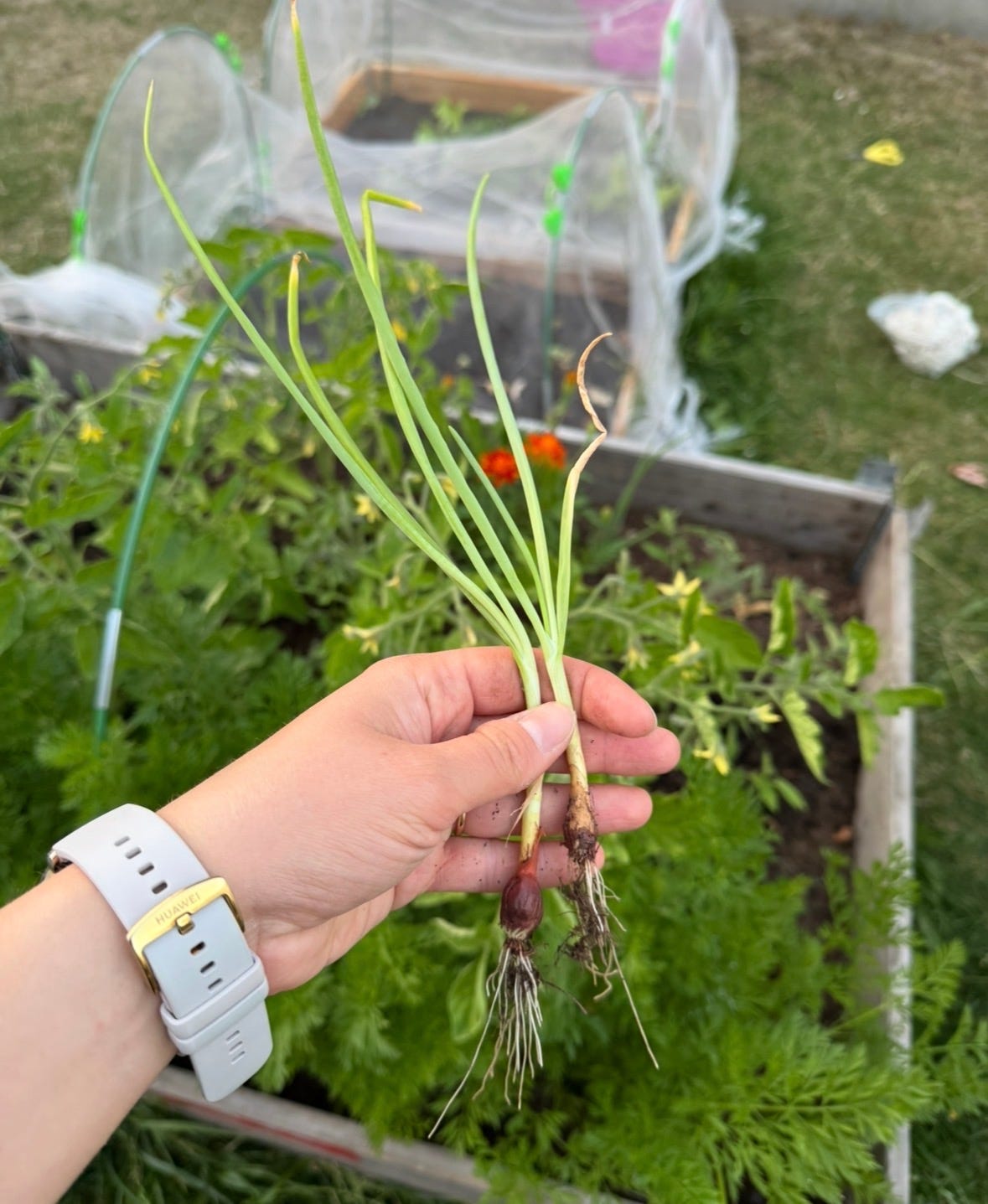
A lot of gardening advice says you should only grow vegetables you already enjoy eating. I understand the logic, but I do not completely agree.
Of course, you should focus on crops that can grow in your climate. Beyond that, I think experimenting is one of the most enjoyable parts of gardening.
For example, I never ate much beetroot before I started gardening. Yet it was one of the first vegetables I managed to grow successfully. Because of that, I started looking for recipes and discovered many delicious ways to use it.
July Garden Notes
·
July 17, 2025

My favorite discovery was beet brownies. I never made brownies this rich and delicious before. The beets add a deep flavor and keep the brownies moist, while making them healthier at the same time. You can taste the beets a little, but in a way that works beautifully with cocoa and dark chocolate.
Growing something yourself can completely change how you feel about it.
Pests and diseases can spread surprisingly quickly.
If you notice a problem early, you can often remove a few leaves or a single affected plant and save the rest of the garden. If you ignore it for too long, you may lose an entire crop.
I learned this lesson the hard way. After several dry weeks, we suddenly had a rainy period. I became busy and stopped checking my garden as closely as usual. The slugs took advantage of that and completely destroyed my thriving bush tomatoes.

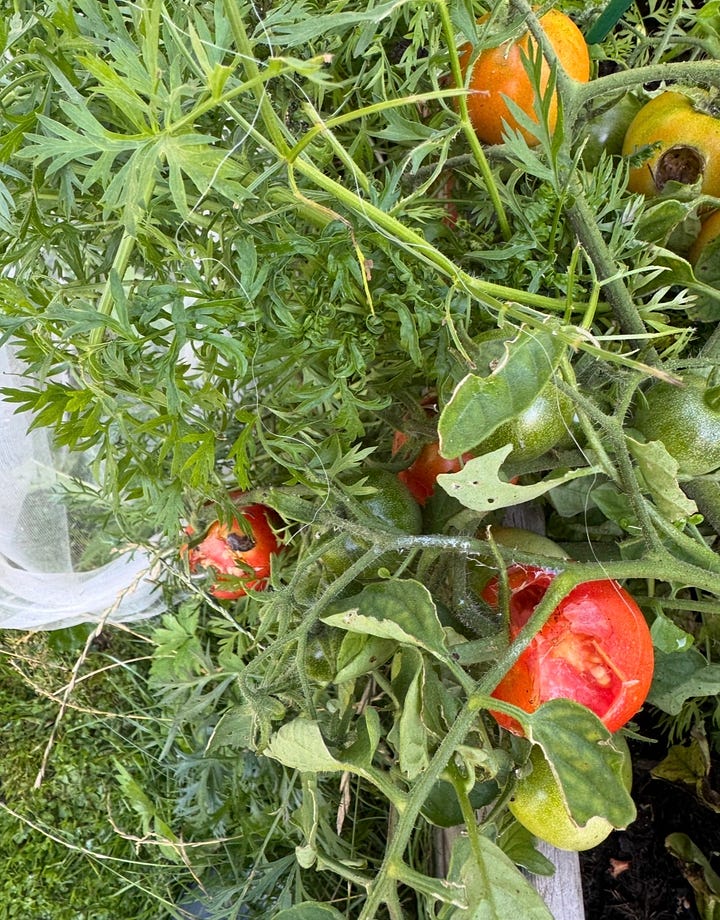
If slugs are a problem where you live, check your garden early in the morning or after dark with a flashlight.
Young seedlings are like babies.
Mature plants can handle a little stress, but seedlings need extra attention. Make sure they do not dry out, protect them from pests, and give them the best possible start.
A few days of neglect can make a huge difference when plants are still tiny.
When I first started gardening, seed packets made me anxious. Every crop seemed to require huge amounts of space, and I had a small garden.
Over time, I learned that spacing recommendations are helpful guidelines, not strict rules.
Good airflow is important, and some crops definitely need more room than others. But many vegetables can grow closer together than the packet suggests, especially if you prune appropriately and keep the plants healthy.
My tomatoes certainly do not stand one meter apart from each other, and they are doing just fine.
I no longer use cellulose pots or special seedling mixes.
The cellulose pots often stay too wet and seem to absorb water and nutrients that I would rather have available for my seedlings. As for seedling mix, I find it so nutrient-poor that seedlings germinate well but then struggle to grow strongly.
I now start most of my seeds in regular, rich soil and have had excellent results.
When space is limited, it is tempting to dedicate every corner of the garden to food production.
I still encourage you to make room for flowers.
Flowers attract pollinators, support beneficial insects, help deter certain pests, and make the garden feel alive. They can fit along borders, between vegetables, or in small gaps throughout your beds.
My personal favorites are marigolds, calendula, and zinnias.
Marigolds, especially, have earned a permanent place in my garden.
One of the simplest tricks I use is soaking seeds in water for a few hours before planting them.
I do this with most larger seeds and have noticed much better germination rates. The seeds absorb moisture before they even reach the soil and often emerge more quickly and reliably.
It is such a simple step, but it can make a big difference.
Most gardeners know that tomatoes and pole beans can grow vertically, but many other vegetables can as well.
Cucumbers, pumpkins, and even some zucchini varieties can be trained upward using supports or trellises.
Growing vertically saves space and improves airflow, which can help reduce disease problems.
It also makes harvesting much easier.
If I had to choose between strict spacing rules and good companion planting, I would choose companion planting every time.
Mixing flowers, herbs, and vegetables together creates a healthier and more diverse environment. It attracts pollinators and beneficial insects while helping reduce pest pressure.
My garden is far from perfectly organized, but the combination of vegetables and flowers seems to work beautifully.
This is probably the most important lesson of all.
Do not spend too much time comparing your garden to the perfect gardens on Pinterest or Instagram.
Focus on learning. Focus on growing food. Focus on enjoying the process.
You will make mistakes. You will lose some plants. Every gardener does.
The beautiful thing is that every season gives you another chance to improve.
And honestly, I think gardens look best when they have a little personality. Perfectly straight lines and flawless layouts are nice, but a slightly wild, productive garden has its own special charm.
Gardening is supposed to bring joy, not stress.
So plant something, learn something, and enjoy the journey.
Talk soon,

Take a peek at my painting gallery if you are curious: My Art Gallery
Comments
Nothing yet. Say the first thing.
Sign in to join the conversation.