
I recently read a post from Sama Hoole on X, where he observed:
“The animal fat was never what made America sick. The seed oil, the sugar, the packet, and the sofa did that, and the Amish skipped all four.”

Sama Hoole@SamaHoole
The most metabolically ill country on Earth has a control group living right inside it, and the results are deeply inconvenient. The Amish eat butter, lard, eggs, meat, and raw milk straight from their own cows, by the bucket. They cook in animal fat. They eat the saturated fat

7:31 AM · Jun 29, 2026 · 170K Views
335 Replies · 4.14K Reposts · 13.3K Likes
By “packet” he means ultra-processed foods that you buy in a plastic container at the store.
It’s a pretty great observation, but not the sort that you’re going to read in the obesity literature from a PhD.
Does Sama’s recipe work to cause obesity? Seed oils, sugar, inactivity, and processing?
In 1949 Dwight Ingle, a scientist at the Upjohn pharmaceutical company (yes, Big Pharma!) published a paper describing how to make rats obese.
“A Simple Means of Producing Obesity in the Rat.” (Ingle, 1949)
“The effects of overfeeding and of obesity have been little studied in the laboratory.” (All subsequent quotations from Ingle, 1949 will be bold-text.)
He describes how force-feeding will produce obesity, not surprisingly. “Voluntary hyperphagia” (over-eating) can be caused by insulin injection (see Gary Taubes), or injuring the part of the brain that controls eating, the hypothalamus (see Stephan Guyenet), will also produce a degree of obesity.
But if you want the epic obesity we see in modern America, the sort of widespread, massive overweight we see today, you need something more.
“Insofar as we are aware, this is the greatest weight that has been reported for an albino rat.”
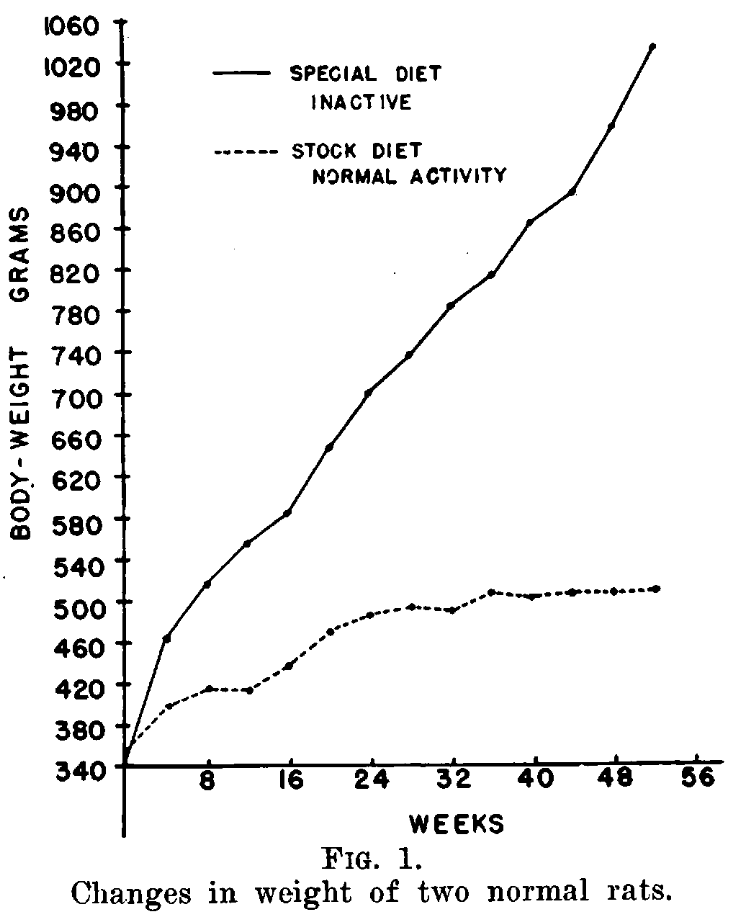
So what is the “special diet”? They don’t make it easy on me!
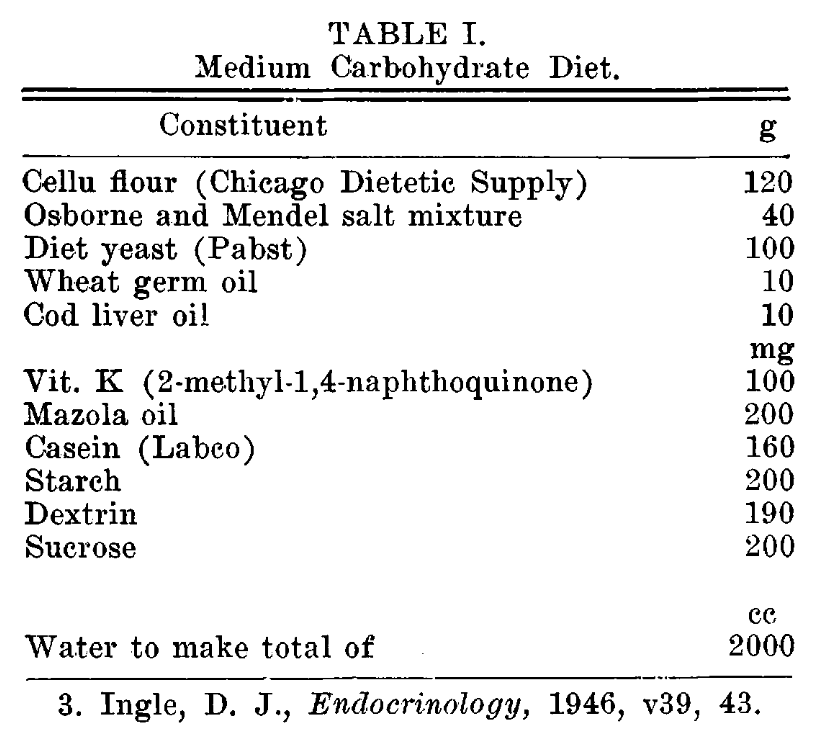
The main ingredients are Cellu Flour and nutritional yeast (what’s now called “nooch”. Cellu Flour is no longer on the market, but I was able to find some images of cans of the stuff, so I could get the nutritional breakdown.
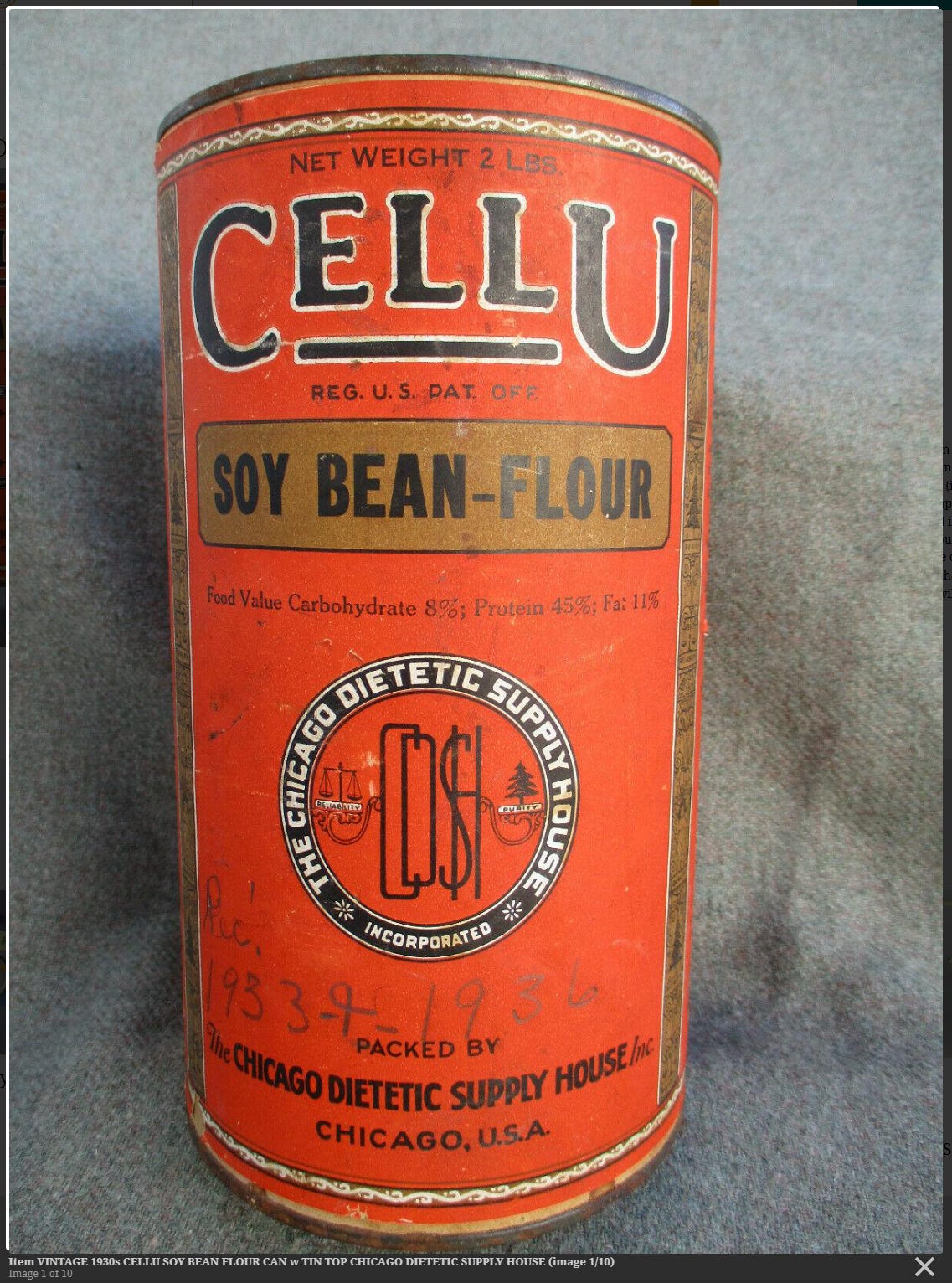
I’m assuming those values are by weight, as they’re similar to the nutritional breakdown of a soybean.
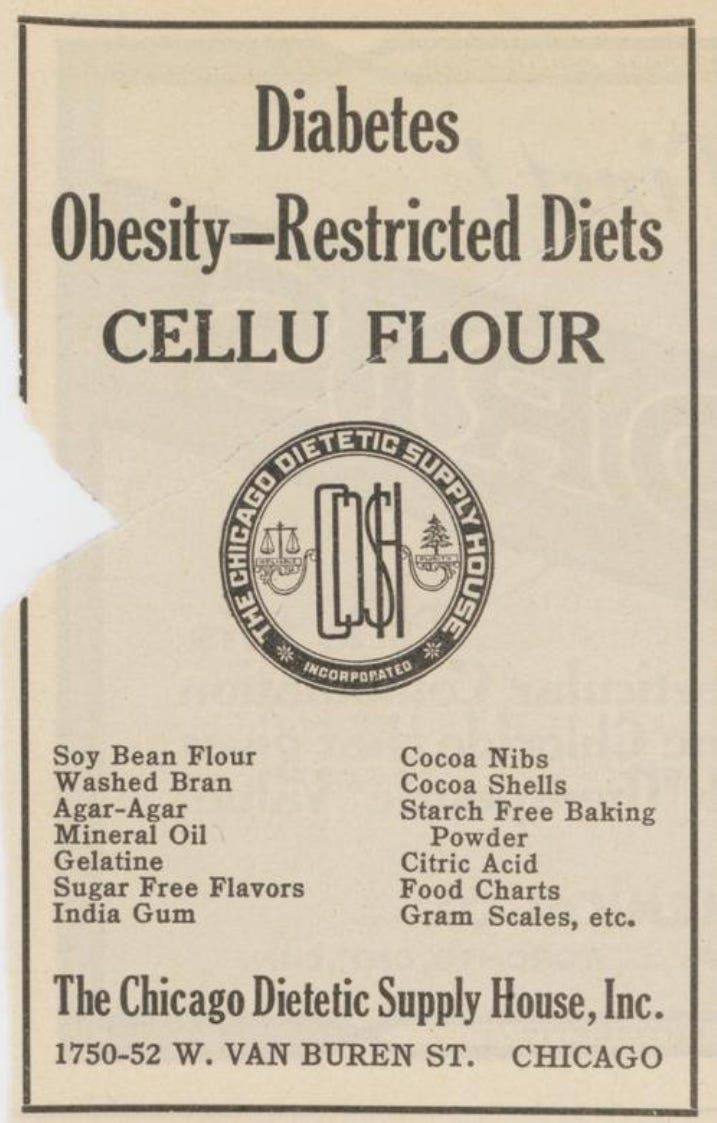
Amusing that the Chicago Dietetic Supply House advertises soy bean flour as part of their Diabetes/Obesity solutions! They didn’t make it, in part because they got into a massive legal battle over a knock-off of Kool-Aid, which they lost.
Archeological posts like this are essential, but we don’t really have an idea of what the control “stock” diet looked like, it’s listed as being “Archer Dog Pellets”, which was apparently a staple of the rat colony at Upjohn. I’m not going to go figure out what’s in those. My question is more specific. I don’t really care what doesn’t cause obesity.
So here’s the breakdown.
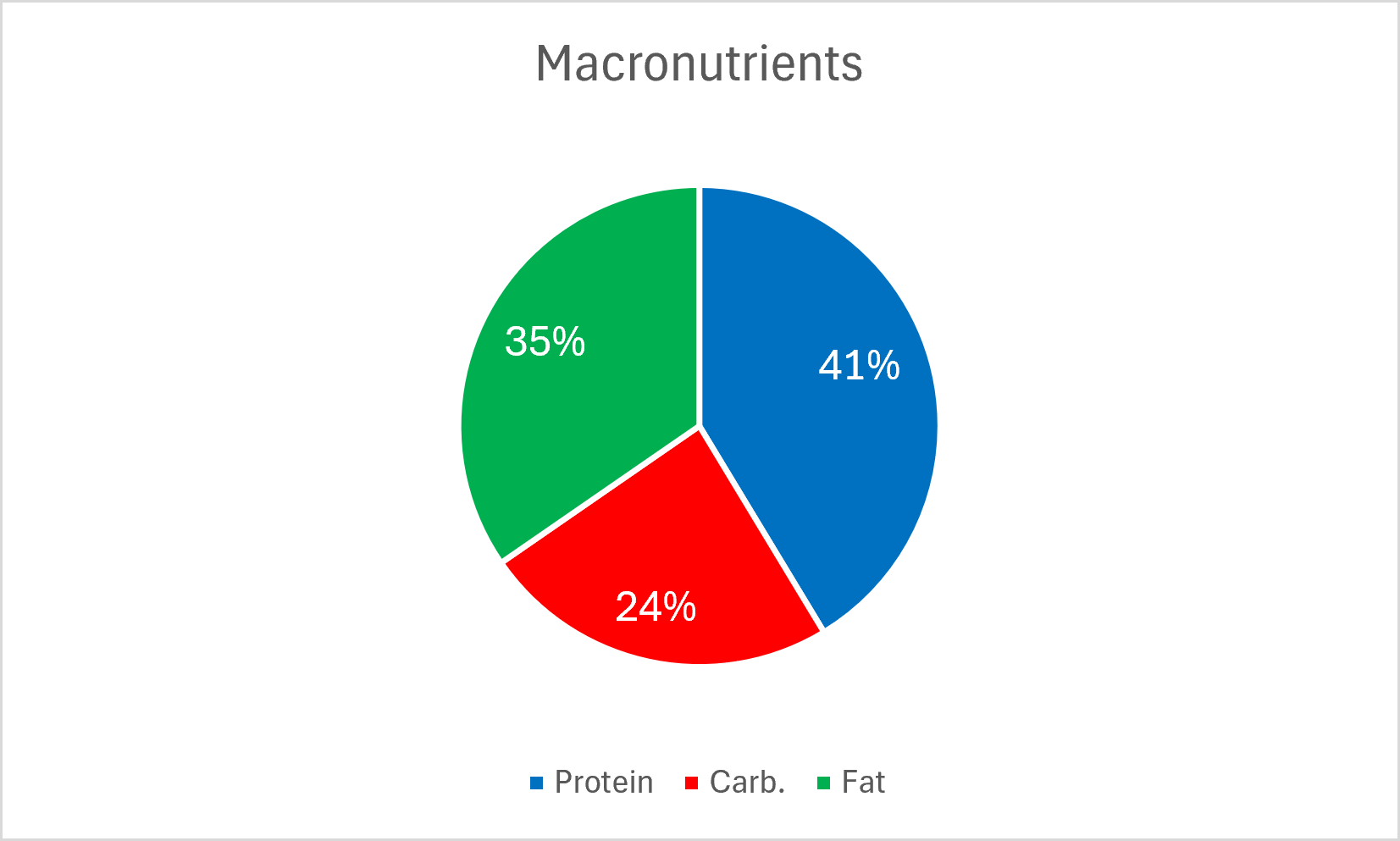
Surprisingly high in protein, and pretty much a fairly even split between carbs and fat.
Gary Taubes can note that this diet contains a meager 200 milligrams of sugar (sucrose). Like all of these rodent diets, sugar doesn’t have anything to do with obesity, it’s actually protective.
See here for more on that topic.
And here’s the breakdown of the fat content.
As one would expect, it’s pretty heavy on the Ω-6 PUFAs, the ones that are now known to be obesogenic.
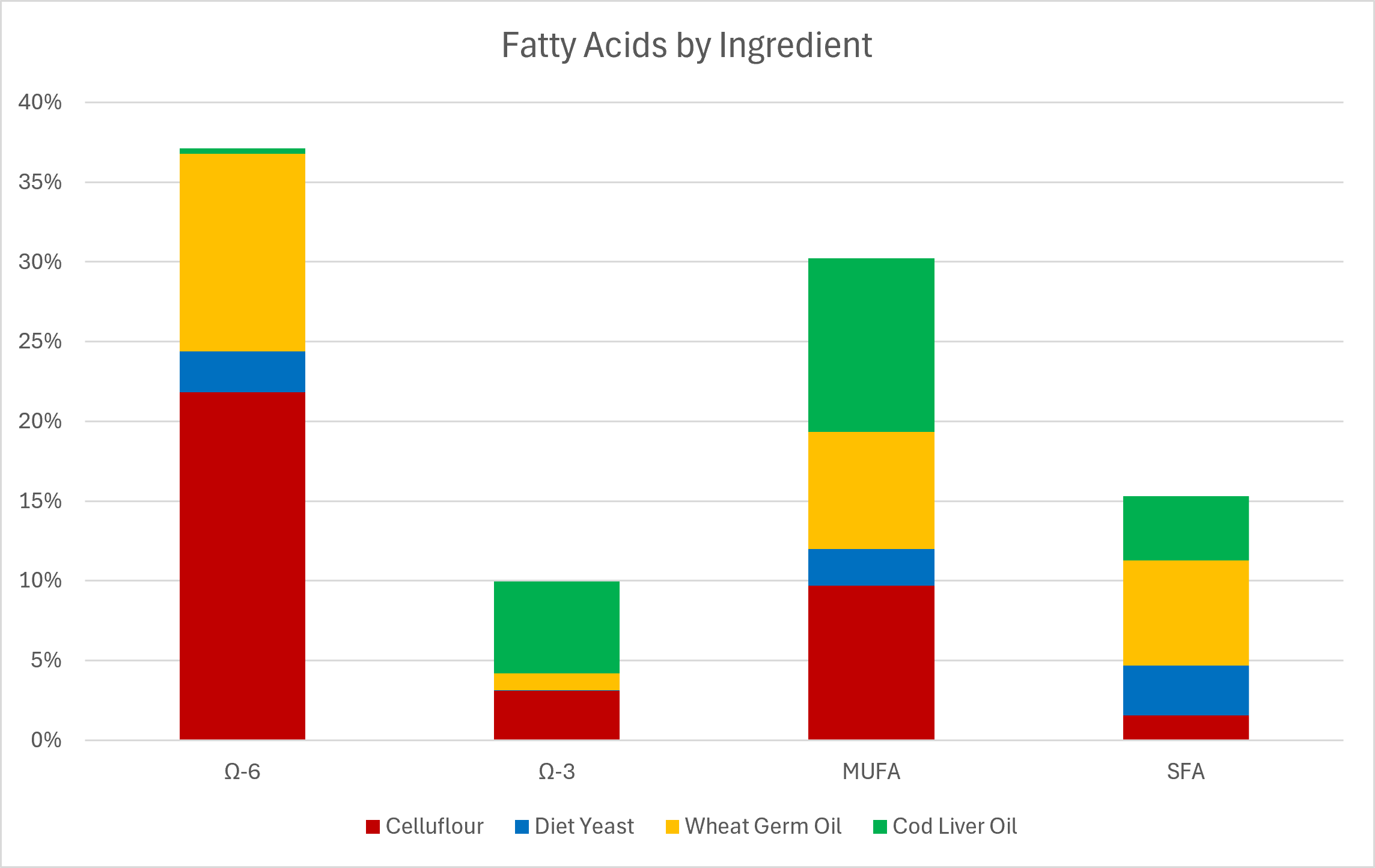
This diet has five ingredients that contain fat, in order: Cellu flour (soybean flour), 37% of the fat in the diet; wheat germ and cod liver oils, each 27%; dietary yeast, 9%; and corn oil, 1%. To simplify things, I’m using the fats in soybean oil as a proxy for Cellu Flour, I’ve looked up some data for the others. I’m ignoring all the fatty acids that are less than 5% of each ingredient, which mainly affects cod liver oil (CLO), which has lots of annoying little fats that aren’t in the others. This category adds up to 15% of the fats in CLO. But I’m including fats in CLO that are in the other oils; for instance, CLO has only 1.26% linoleic acid (LA), but it’s a major component of soybean and wheat germ, so it gets broken out of “other”. CLO has small quantities of all sorts of fats, PUFA, MUFA, and SFA. So this makes CLO and the Ω-3 PUFAs look a bit worse, but I don’t think it’s material.
For more on the obesogenic effects of soybean oil, I highly recommend this interview.
The Omega Balance of the diet is 21%, which is surprising. It’s well above the obesogenic level of 4-7% which is typical of such diets, as we discussed here:
It’s also above the level of the obesity-protective diet described in the important Alvheim paper of 2012. 2% Ω-3 in that paper protected against obesity, but those were mice, these are rats. It’s a very interesting question why the difference, but it’s outside the scope of this post.
However I’d be careful about thinking Ω-3 can protect against Ω-6 until we better understand this.
Within a few years of the publication of this diet, a product called Wate-On had appeared. Here’s an advertisement for it from the British Medical Journal of 1958.
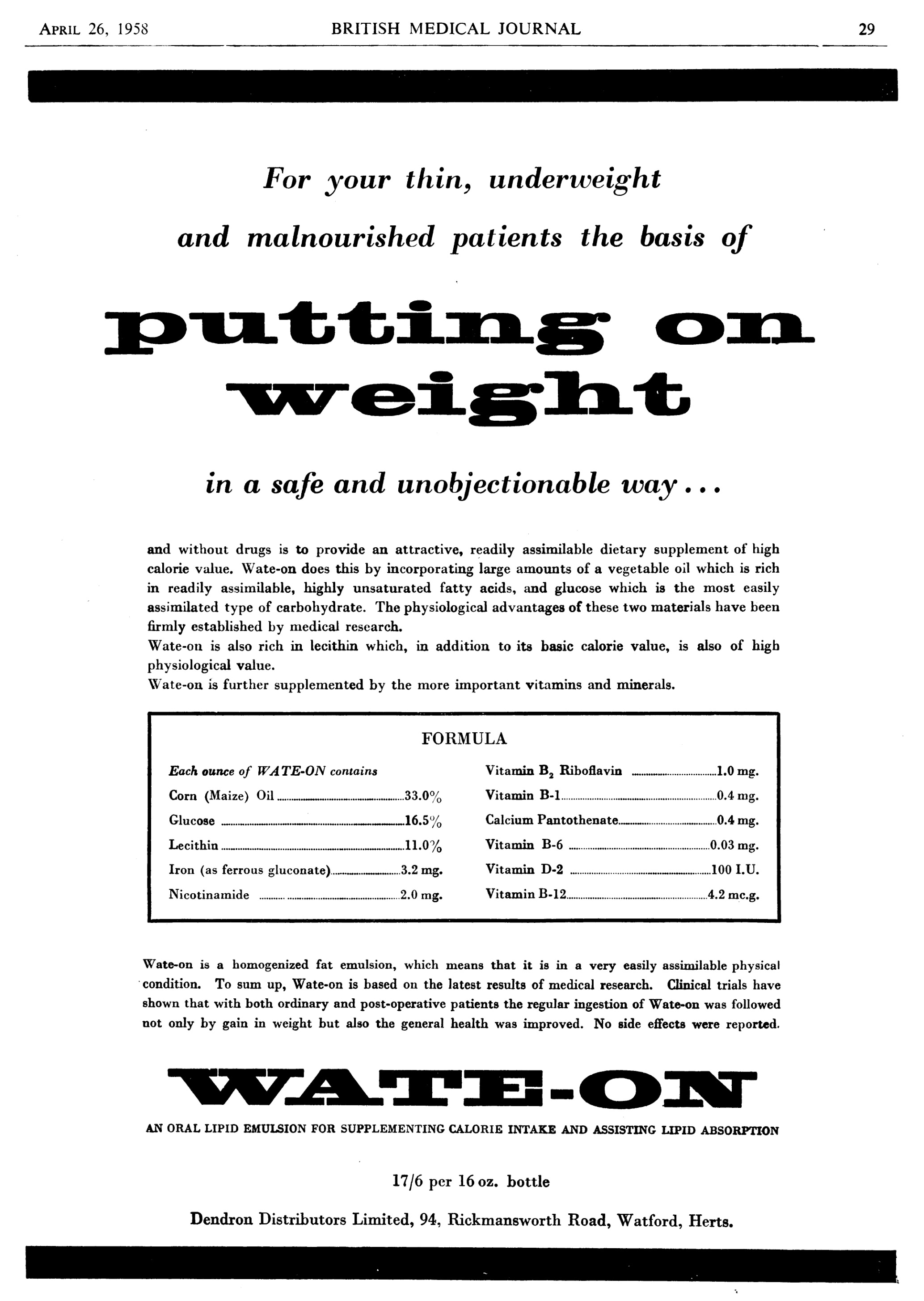
Thoughtfully, they include all the ingredients. The notable ones are corn oil and glucose, the rest are vitamins and lecithin to keep the oil and water from separating.
“Wate-on does this by incorporating large amounts of a vegetable oil which is rich in readily assimilable, highly unsaturated fatty acids, and glucose which is the most easily assimilated type of carbohydrate. The physiological advantages of these two materials have been firmly established by medical research.” (Various, 1958)
Nota bene Gary Taubes, no sugar. Glucose doesn’t cause obesity.
Here’s another ad. Yes, Raquel Welch got her start advertising how to gain weight.
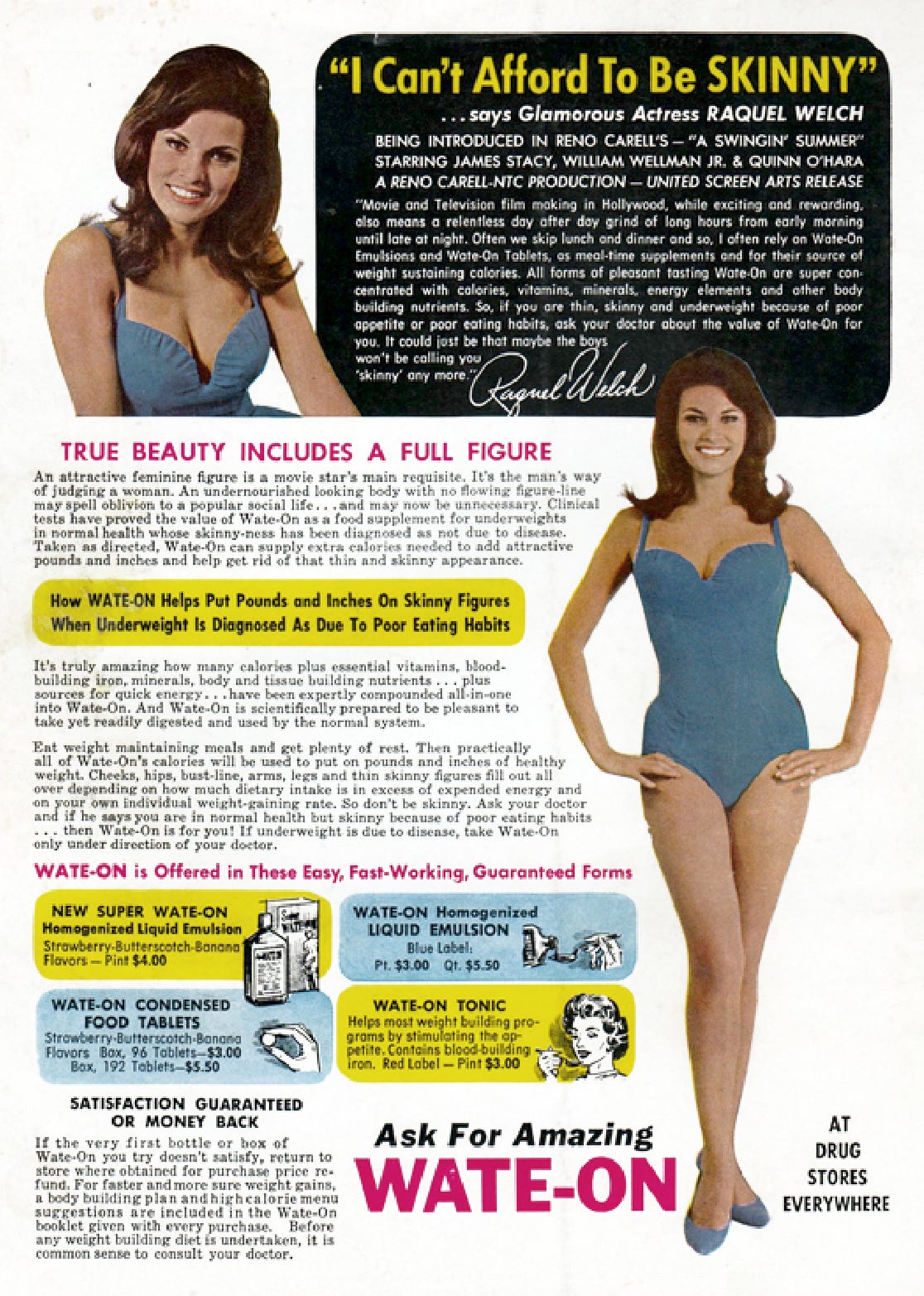
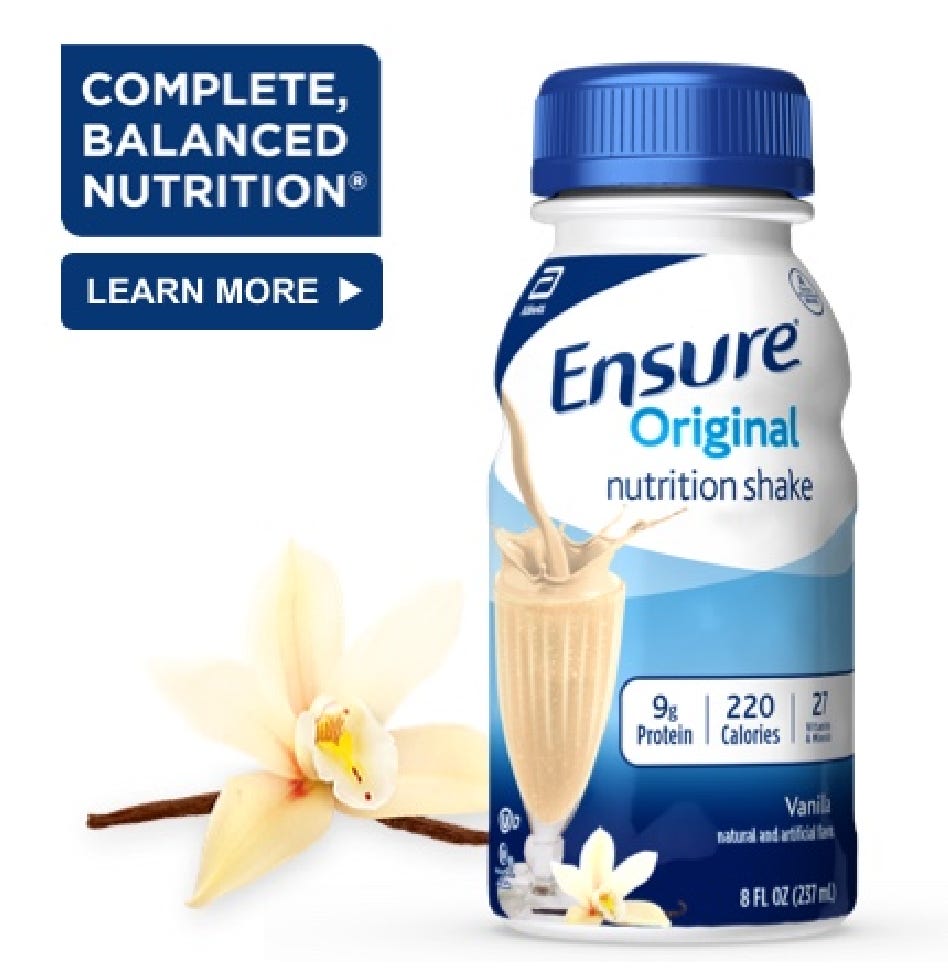
Today, physicians still prescribe seed oils for weight gain. Abbott Pharmaceuticals sells Ensure, which you can get at any hospital. Wate-on, like Chicago Dietetics, didn’t make it, sadly.
“Different Ensure products are designed to meet different nutrition needs. Some Ensure Products (Ensure Original, Ensure Plus, and Ensure Complete) are designed to provide complete, balanced nutrition to help people gain or maintain healthy weight, particularly for patients who are at risk of malnutrition or are experiencing involuntary weight loss.” (Abbott, 2020)
They also thoughtfully include the ingredients:
“Water, Corn Maltodextrin, Sugar, Milk Protein Concentrate, Blend of Vegetable Oils (Canola, Corn), Soy Protein Isolate, Nonfat Milk.” (Abbott, 2020)
Finally some sugar!
“A Randomised Controlled Trial Evaluating the Use of Enteral Nutritional Supplements Postoperatively in Malnourished Surgical Patients”
“We studied 101 patients: 52 were randomised to the treatment group (TG) and prescribed a 1.5 kcal/ml nutritional supplement; 49 patients were randomised to the control group (CG) and continued with routine nutritional management….
“Group TG was provided with an oral dietary supplement (Ensure Plus, Ross Laboratories, UK) which provided 1.5 kcal and 0.06 g/ml protein….
“Results—Patients in the control group lost a maximum mean (SD) of 5.96 (4.21) kg in weight over a period of eight weeks while patients in group TG lost less weight overall (maximum mean (SD) 3.40 (0.89) kg (p<0.001) occurring at four weeks and progressively regained weight from week 4).” (Beattie, 2000)
Careful readers will note that seed oils + carbohydrates is the very definition of the American Dietary Guidelines. Is it any surprise we have an obesity epidemic?
“Summary. Obesity can be produced in the albino rat by restriction of activity and by the ad libitum eating of a diet which is appetizing to the animal.”
So know you know more about how to cause obesity in humans that any PhD studying obesity in humans.
Abbott Laboratories, Inc. 2020. “Ensure® Original Vanilla Meal Replacement Shake.” Advertisement. Ensure®: Strength and Energy, November 9. https://ensure.com/nutrition-products/ensure-original/vanilla-shake.
Alvheim, Anita R., Marian K. Malde, Douglas Osei‐Hyiaman, et al. 2012. “Dietary Linoleic Acid Elevates Endogenous 2-AG and Anandamide and Induces Obesity.” Obesity 20 (10): 1984–94. https://doi.org/10.1038/oby.2012.38.
Beattie, A. H., A. T. Prach, J. P. Baxter, and C. R. Pennington. 2000. “A Randomised Controlled Trial Evaluating the Use of Enteral Nutritional Supplements Postoperatively in Malnourished Surgical Patients.” Nutrition. Gut 46 (6): 813–18. https://doi.org/10.1136/gut.46.6.813.
The Chicago Dietetic Supply House, Inc. 1930. “Vintage 1930s Cellu Soy Bean Flour Can W Tin Top Chicago Dietetic Supply House | #3939057707.” Advertisement. Worthpoint. https://www.worthpoint.com/worthopedia/vintage-1930s-cellu-soy-bean-flour-3939057707.
Ingle, Dwight J. 1949. “A Simple Means of Producing Obesity in the Rat.” Proceedings of the Society for Experimental Biology and Medicine 72 (3): 604–5. https://doi.org/10.3181/00379727-72-17513.
Paśko, Paweł, Agnieszka Galanty, Emilia Ramos-Zambrano, et al. 2025. “Molecular Profiling and FTIR Characterization of Wheat Germ Oil, Supported by the Screening of Its Anti-Inflammatory and Cytotoxic Properties.” Biomolecules 15 (4): 464. https://doi.org/10.3390/biom15040464.
Various. 1958. “Advertising Section.” British Medical Journal, April 26. https://europepmc.org/backend/ptpmcrender.fcgi?accid=PMC2028440&blobtype=pdf.
No posts
Comments
Nothing yet. Say the first thing.
Sign in to join the conversation.