
The Pulse by Tryon Elevation Group
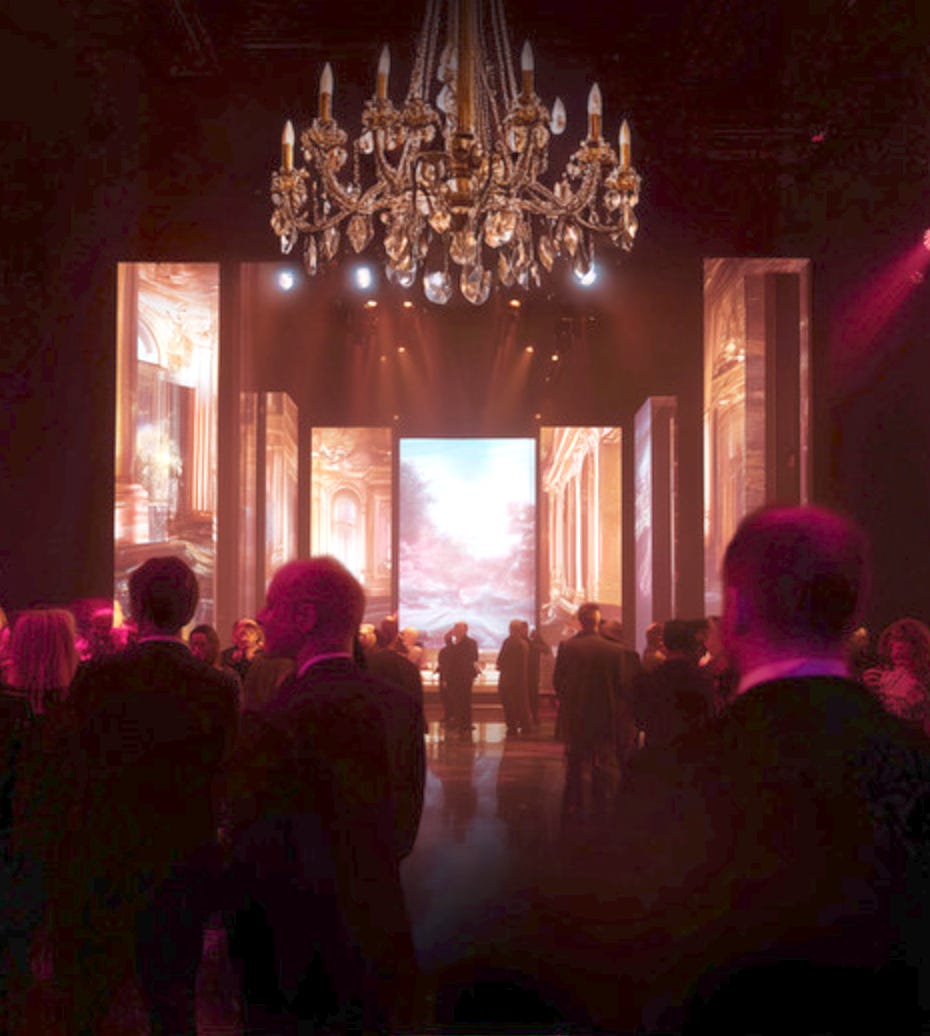
Beyond Entertaining: The Evolution of the Host
There was a time when hosting meant logistics. A well-set table, a timely invitation, a thoughtfully prepared menu. The role was practical, sometimes decorative, occasionally strategic. But rarely was it recognized as cultural authorship.
That era is quietly shifting.
In a world saturated with digital interaction and algorithmic connection, the person who gathers people in physical space carries a new kind of influence. The host is no longer simply coordinating an event. The host is shaping atmosphere, curating social chemistry, and influencing the emotional architecture of a room.
Modern hosting has evolved beyond entertaining. It has become a form of cultural design.
When people enter a thoughtfully designed gathering, they are stepping into a temporary ecosystem. Lighting, music, pacing, spatial layout, and guest composition all interact to create a living environment. The host determines the tone before the first conversation even begins.
This is no small responsibility.
The future host is not simply a facilitator of hospitality. They are a cultural architect.
Designing Social Energy
Every room has energy, whether intentionally designed or not. Most people sense it immediately upon arrival, even if they cannot articulate why. The tension or ease, the warmth or formality, the invitation to linger or the impulse to exit — all of these impressions are formed within moments.
The cultural architect understands that energy does not appear accidentally. It is shaped by deliberate choices. Guest lists are curated not for status alone, but for conversational chemistry. Seating arrangements are considered for natural flow rather than rigid structure. Music is selected not to impress but to regulate emotional rhythm.
Modern hosts must become students of human psychology. They must understand how people enter spaces socially guarded and how environment can gently dissolve that guard. They must recognize that the first fifteen minutes of any gathering set the emotional trajectory for the rest of the evening.
In the next cultural era, the most respected hosts will not necessarily be those with the grandest spaces. They will be those who understand how to create coherence. Guests should feel held within an intentional environment, not overwhelmed by spectacle.
The Responsibility of Influence
Gathering people is not neutral. When individuals come together, perspectives shift, ideas circulate, and identities subtly evolve. A single evening of meaningful conversation can recalibrate someone’s worldview more effectively than months of passive consumption.
This is where the role of the host expands into cultural responsibility.
The cultural architect considers what kind of dialogue the environment encourages. Does the room invite intellectual curiosity? Does it allow vulnerability? Does it stimulate creativity? Or does it reward performance and competition?
In cities like New York, where social life can often become transactional, the intentional host becomes increasingly valuable. The ability to create a room where people feel seen rather than assessed, inspired rather than compared, is a form of social leadership.
The future of influence may not belong solely to public figures with mass visibility. It may belong equally to private hosts who quietly shape circles of thought and creativity.
Hospitality as Emotional Infrastructure
Hospitality in its highest form is not about service alone. It is about emotional infrastructure. Guests should feel psychologically safe within the environment. They should sense that the experience is unfolding with care.
This does not require extravagance. It requires attention.
Attention to lighting that softens rather than exposes. Attention to pacing that allows conversations to deepen organically. Attention to transitions between phases of the evening so that energy rises and falls naturally.
The host as cultural architect understands that gatherings have narrative arcs. There is an opening moment of arrival and adjustment. There is a middle phase of immersion and connection. There is a closing period where energy settles and memory begins to crystallize.
When these arcs are respected, the gathering feels complete.
From Event Planning to World-Building
The language of event planning often emphasizes execution. Timelines, vendors, budgets, and logistics dominate the conversation. While these elements remain necessary, they are not the essence of cultural architecture.
World-building is different.
World-building requires intention beyond coordination. It asks what emotional atmosphere the host wants guests to inhabit. It considers how sensory elements reinforce a cohesive theme. It ensures that the experience feels immersive rather than assembled.
Guests rarely remember exact schedules. They remember how they felt in their body. They remember whether the room felt electric or calm, expansive or intimate.
The cultural architect designs for memory.
The Quiet Power of the Modern Host
The most influential hosts of the next era may not seek visibility. Their power will often be subtle. They will cultivate circles where ideas evolve, collaborations begin, and personal growth accelerates.
This quiet power reflects a broader cultural shift toward intentional living. As society becomes more digitally connected, the hunger for meaningful in-person environments intensifies. People are searching for spaces that feel curated but authentic, refined but human.
The host who understands this balance becomes indispensable.
They become known not for spectacle, but for atmosphere. Not for scale, but for depth.
Closing Reflection
Perhaps the future of culture will not be shaped solely on stages or screens.
Perhaps it will be shaped in living rooms, private salons, intimate dinners, and thoughtfully curated gatherings where people feel both inspired and at ease.
The host who gathers with intention becomes more than a social organizer. They become a steward of conversation, a curator of connection, and an architect of shared experience.
In an age of constant noise, the ability to design a room where presence feels sacred may be one of the most powerful cultural contributions of all.
And the question that remains is not simply who will attend the next gathering.
It is who will have the vision to design it.\
Thanks for reading — stay curious.
The Pulse by Tryon Elevation Group
No posts
Comments
Nothing yet. Say the first thing.
Sign in to join the conversation.