
The Pulse by Tryon Elevation Group
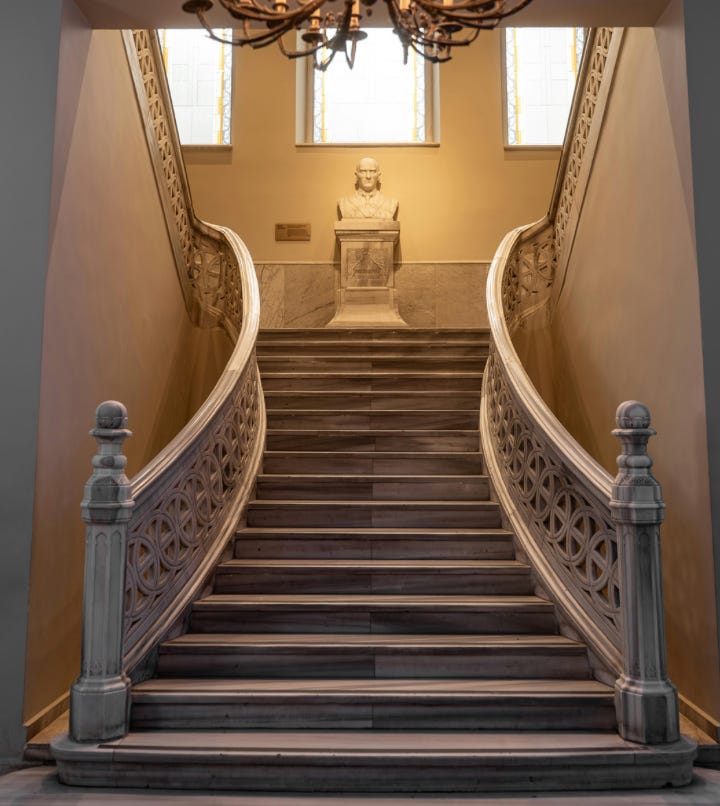
There is a moment just before a door opens when the city seems to hold its breath. The traffic hum fades into the background, your reflection steadies in polished glass, and you feel the subtle shift from public chaos to curated calm. After forty years living in New York, I have come to believe that the true story of this city does not unfold on the sidewalks. It begins the second you cross a threshold. Lobbies, interiors, and architectural marvels are not decorative afterthoughts; they are psychological invitations. They tell you who you are allowed to be inside them.
When you step into The Carlyle, A Rosewood Hotel, the elegance is immediate but never loud. The symmetry, the softened lighting, the way the staff seems to glide rather than walk all signal that you have entered a different tempo. The room does not demand attention; it commands composure. In spaces like this, social architecture replaces small talk. You feel taller without understanding why, more deliberate in your gestures, more attuned to nuance. That is not accidental design; it is cultivated atmosphere.
Similarly, walking into The Plaza Hotel feels less like entering a building and more like stepping into a collective memory of glamour. The marble floors and gilded details hold decades of celebration, negotiation, and spectacle. The ceilings stretch high above you, subtly reinforcing scale and legacy, and you sense that you are participating in a lineage of arrival. A lobby at this level does not function as a waiting room; it operates as a filter. It signals who belongs and what is expected once you do.
This is the language of interiors that understand power. The layered atrium at The Beekman Hotel spirals upward in cast iron lacework, each balcony framing the next like a theatrical set. When you stand at its center and look up, the architecture elongates your perspective and your posture at the same time. The room quietly directs your behavior, encouraging you to linger, to look up, to participate in its vertical drama. Great interiors choreograph emotion long before a host offers a welcome.
Restaurants, too, understand this dance when they are designed with intention. At The Grill, the lighting flatters without obscuring, and the seating arrangements balance privacy with performance. You can conduct a discreet conversation or allow yourself to be seen in full confidence. The room makes space for both authority and playfulness, acknowledging that modern power often lives in duality. This is not about décor trends; it is about orchestrating desire and discretion within the same square footage.
Then there are civic marvels like Grand Central Terminal, where the celestial ceiling turns daily transit into something mythic. As commuters cross beneath painted constellations, their routines are reframed as part of a grander narrative of movement and destiny. The architecture expands the emotional scale of the everyday, reminding you that transcendence can exist inside practicality. When interiors are built with this level of awareness, they do more than impress; they recalibrate.
Through the lens of Tryon Elevation Group, these spaces become case studies in experiential authority. We are not interested in decoration for its own sake. We are interested in the invisible choreography that shapes how someone feels about themselves the moment they enter a room. Marble underfoot, scent in the air, acoustics that soften laughter, and sightlines that frame encounters all contribute to an emotional arc. New York excels at this layering, pairing industrial beams with velvet drapery, heritage with edge, restraint with seduction.
Ultimately, lobbies and interiors are not static backdrops; they are active participants in the story unfolding within them. They prepare you for intimacy, negotiation, celebration, or introspection without announcing their intentions. When done well, they create a subtle but undeniable elevation. You do not simply walk through them; you are shaped by them. That is the marvel hidden in plain sight, and it is why the threshold remains one of the most powerful spaces in the city.
Thanks for reading — stay curious.
The Pulse by Tryon Elevation Group
No posts
Comments
Nothing yet. Say the first thing.
Sign in to join the conversation.