
I once worked with a woman who was considered one of the most expensive clients in Oregon’s behavioral health system. She routinely exceeded 100 emergency room visits a year and had countless contacts with police because of disruptive and sometimes destructive behavior. In locked programs, she frequently got into physical altercations. She worked with an Intensive Case Management team six to seven days a week, one of the highest levels of community-based care available, and one of their primary goals was getting her into housing. Housing was not difficult to find. Getting her to accept it was.
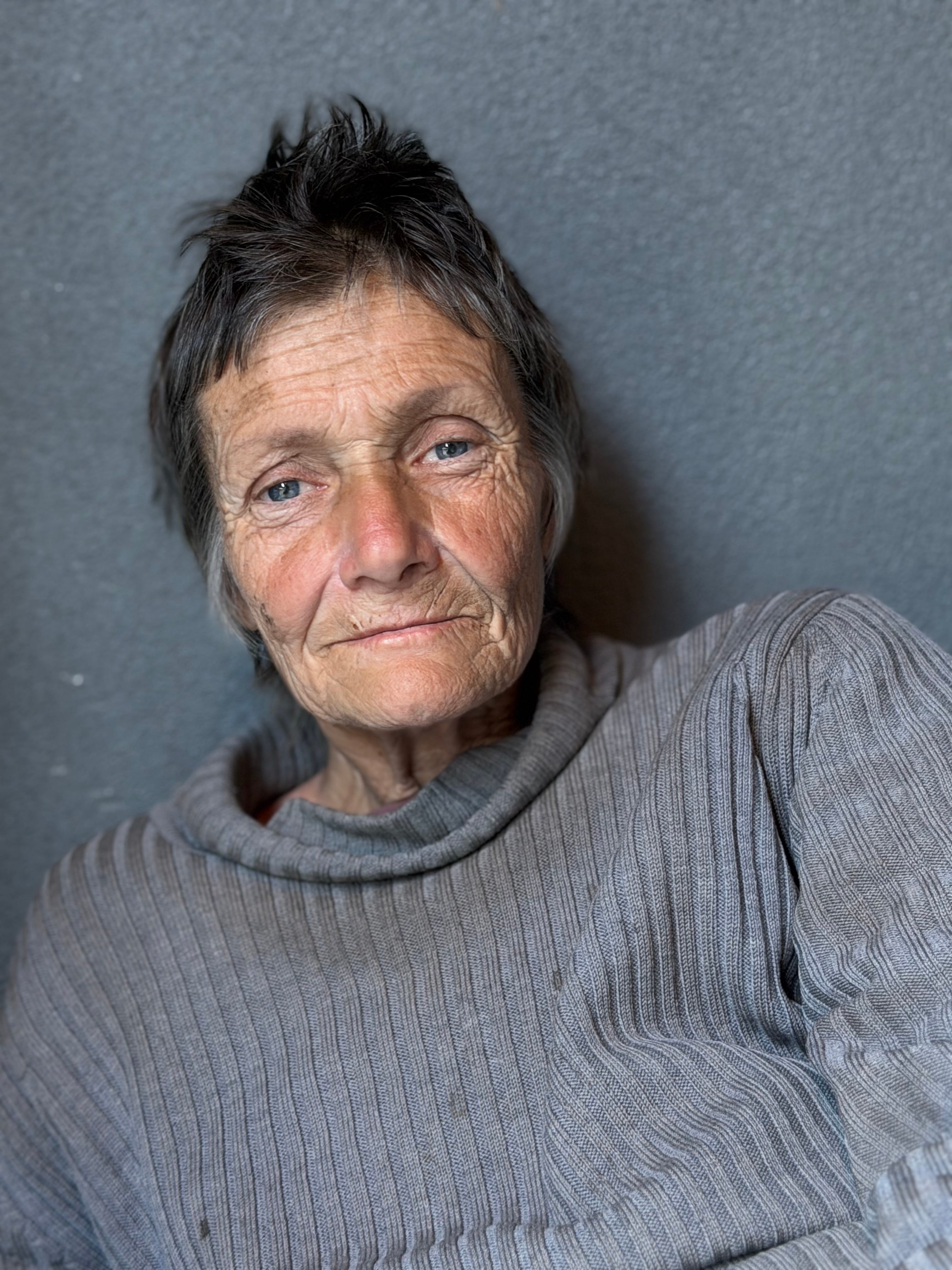
She had access to federal funding for people discharged from the State Hospital, along with Social Security income. She was offered supportive housing, subsidized housing, apartments, transitional housing, and rooms for rent. She rejected nearly everything. Whenever I brought up housing, she would often yell, “No!” At the time, I did not really hear her.
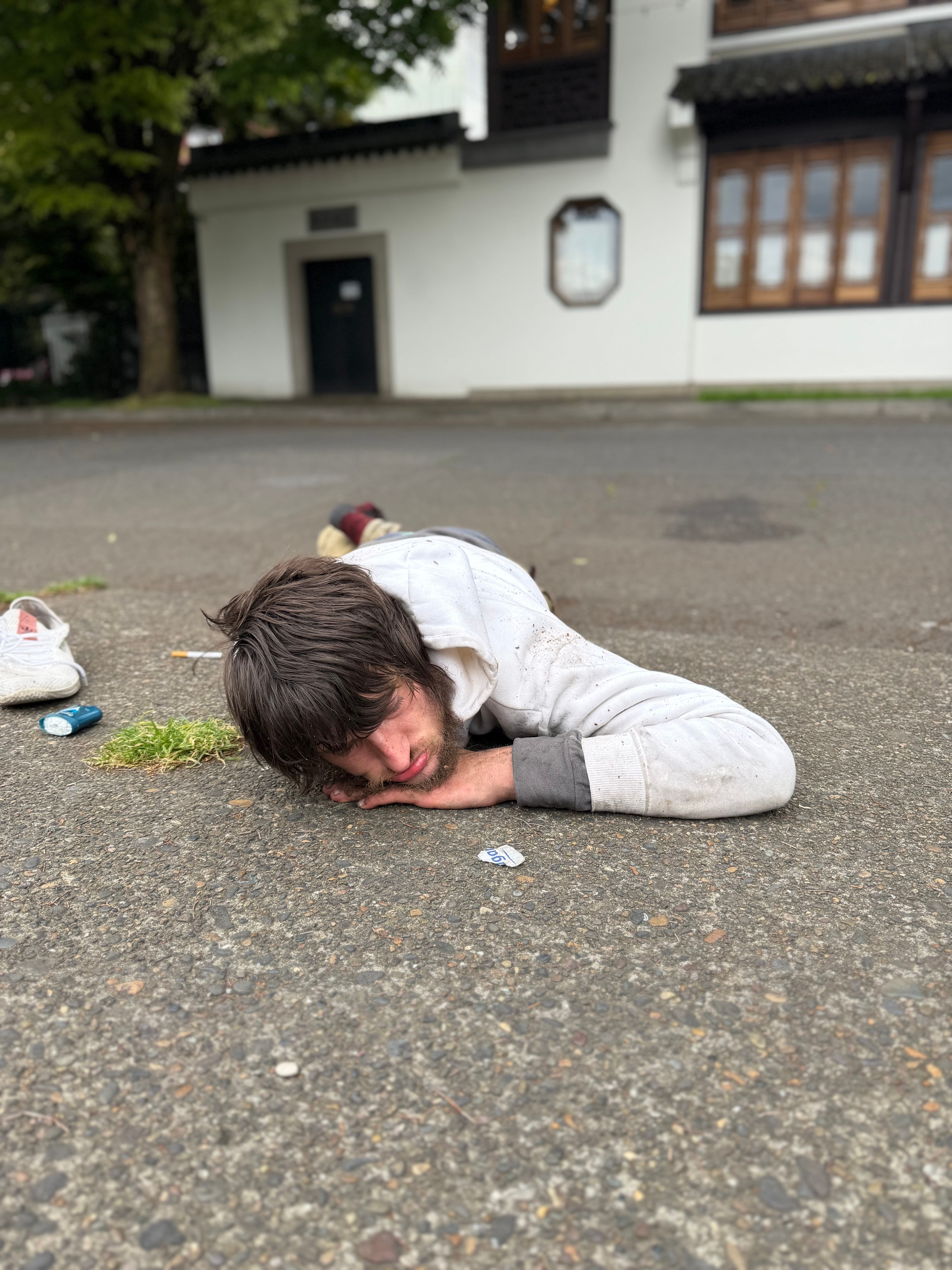
One day, after she chased me, screamed at me, and assaulted me, I met with my supervisor. We were frustrated. The treatment plan clearly was not working, and we decided to try something different. She had repeatedly told us she wanted to leave. Her friends lived on the streets, she said, and that was where she wanted to be. She knew she had resources available to live indoors. She simply did not want what we were offering.
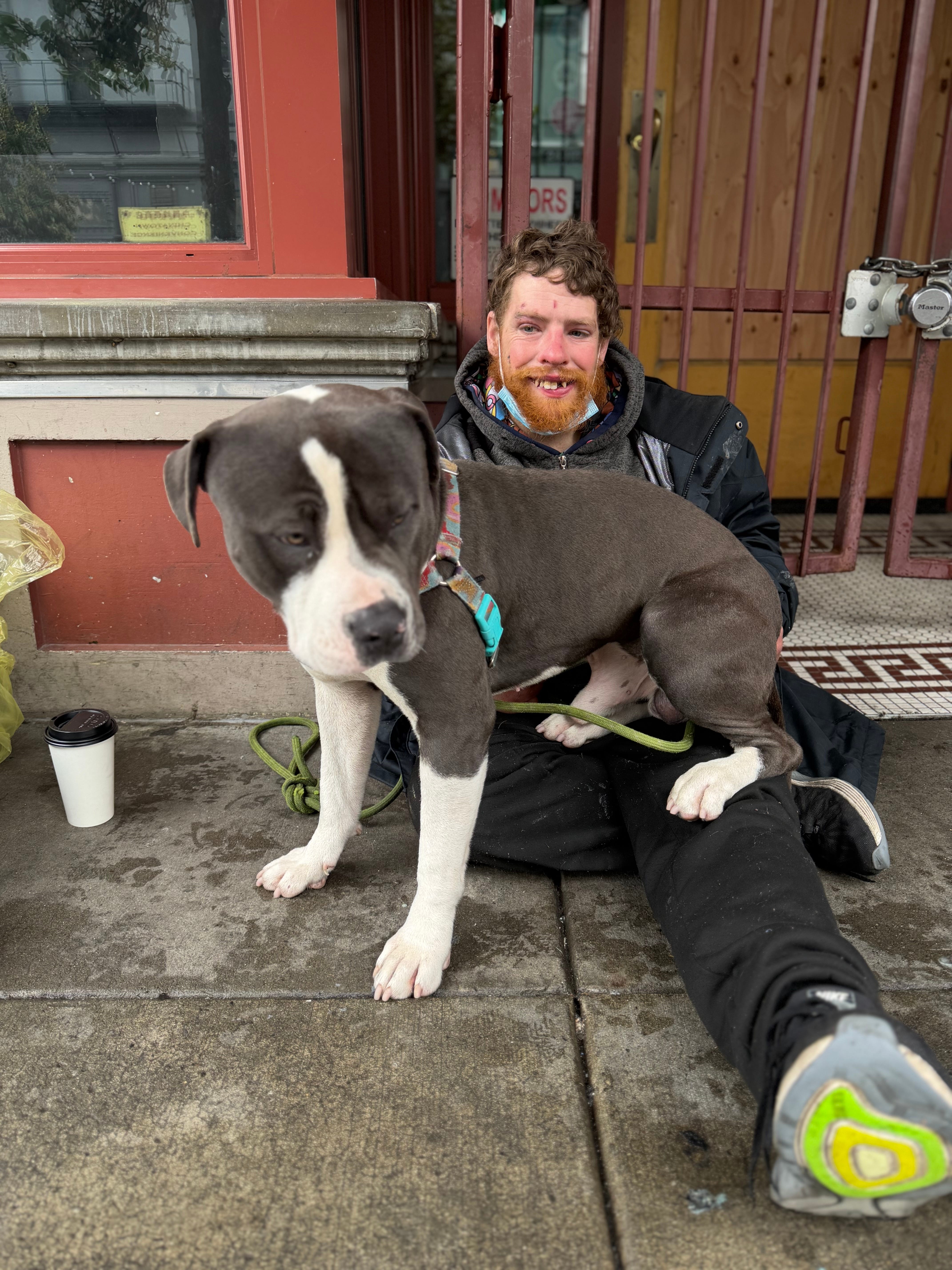
So we listened. Against much of our training, we discharged her to the streets. I arranged a shelter bed in case she changed her mind. She smiled, left our building, sat outside for about an hour, and walked away. Then something happened almost nobody expected. Her emergency room utilization dropped dramatically. Her visits to our program also declined. When she did return, she often stayed for shorter periods before leaving again. Months later, I ran into her. She was still living outside—and she was happy.
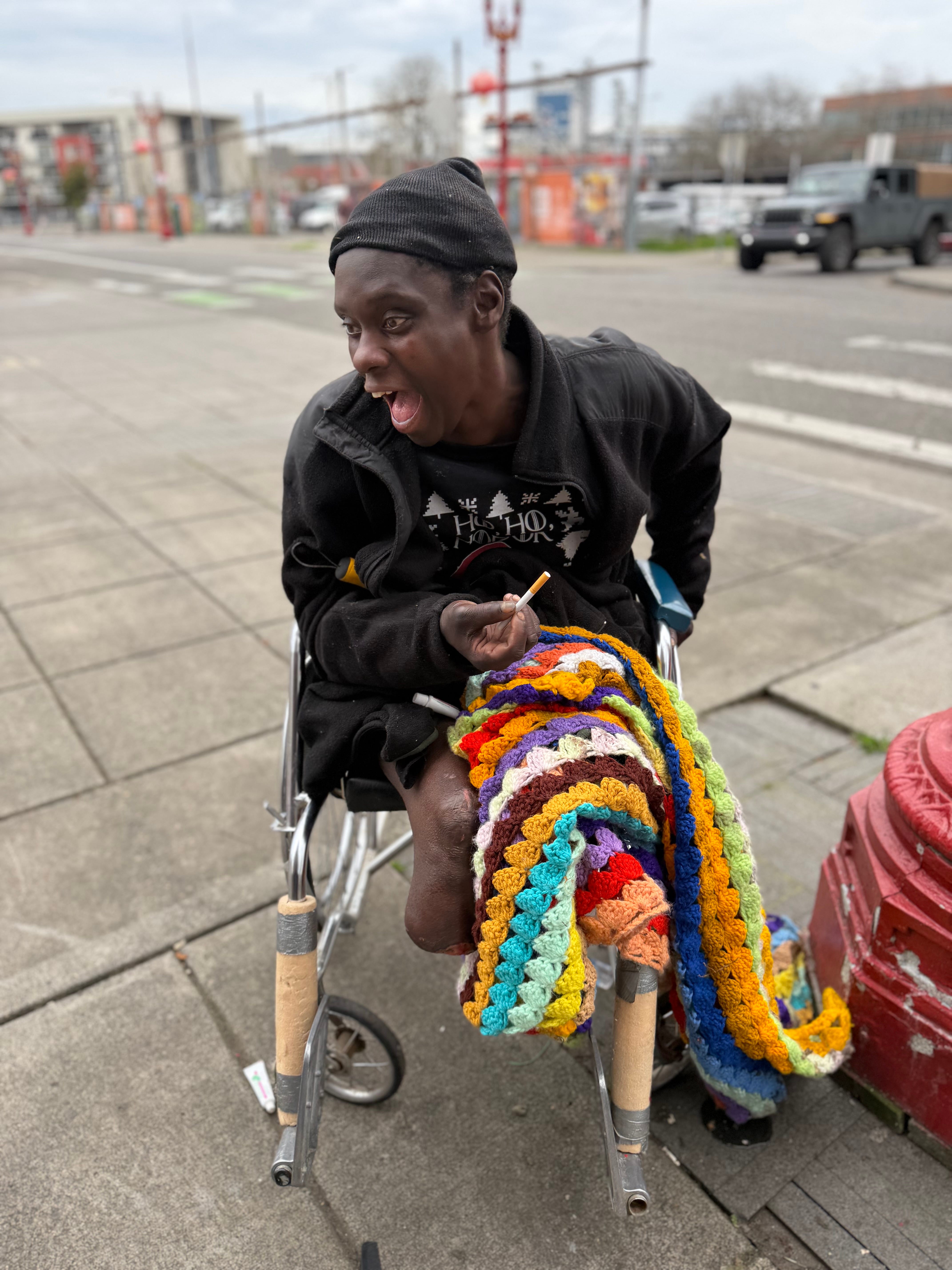
That experience forced me to confront something I had resisted for years: she had been telling me what she wanted all along. I had simply translated her words into the outcome I believed she was supposed to want. When she said, “I want to live outside,” I heard, “I want housing, but I still want to spend time outside.” When she said, “I want to be with my friends,” I heard, “Once she is housed, she can visit them.” I was not listening. I was interpreting.
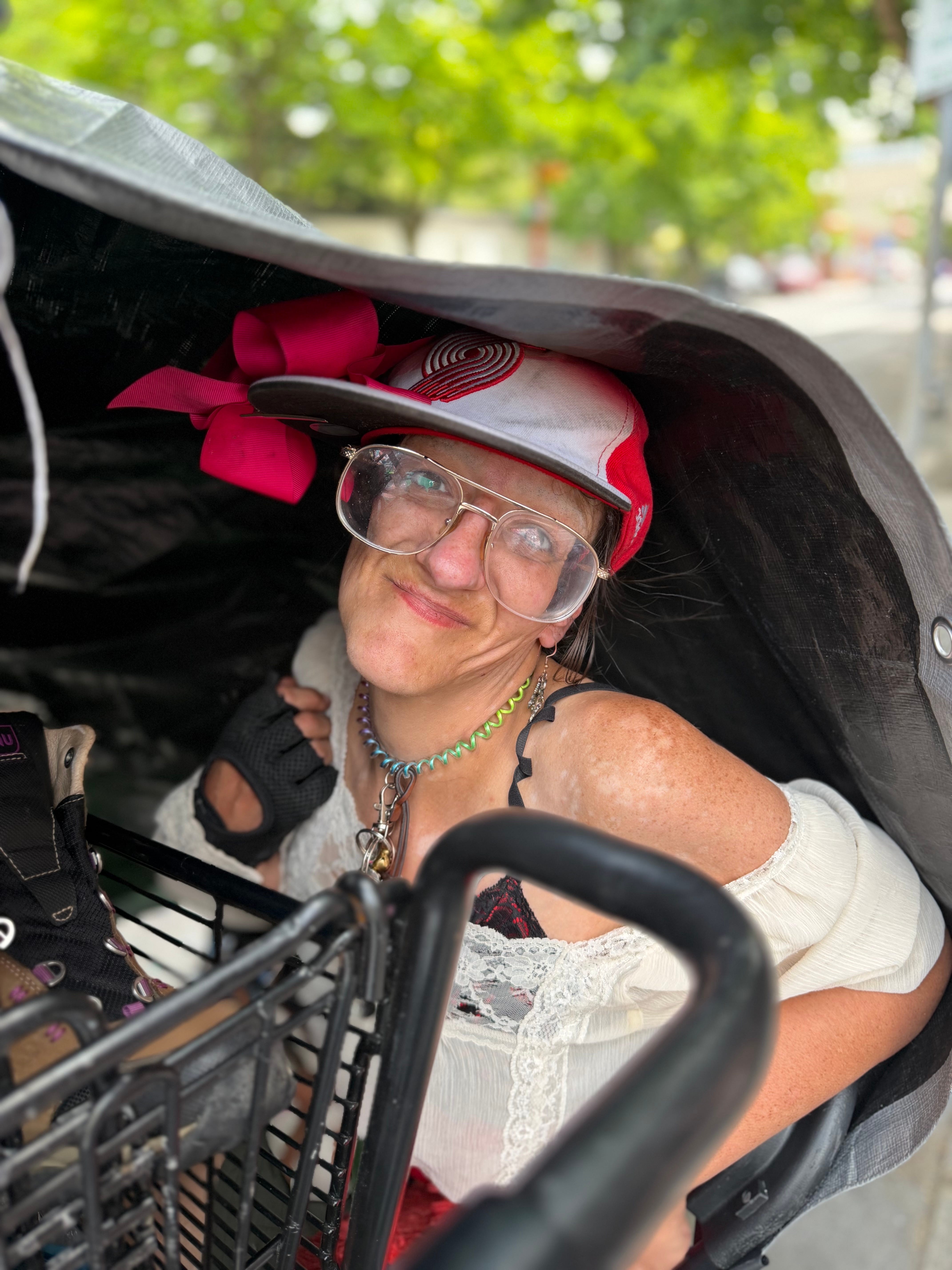
Over decades of working with and talking to thousands of homeless people, I have learned she was far from unique. I have met many people who knowingly chose to remain outdoors even when alternatives existed. In some periods of my fieldwork, a substantial portion of the unsheltered people I encountered—sometimes approaching half—were not simply waiting for an apartment. They described outdoor living as a lifestyle. Some valued the freedom, the community, or the lack of rules. Others repeatedly rejected shelter, housing, treatment, recovery programs, or family reunification.
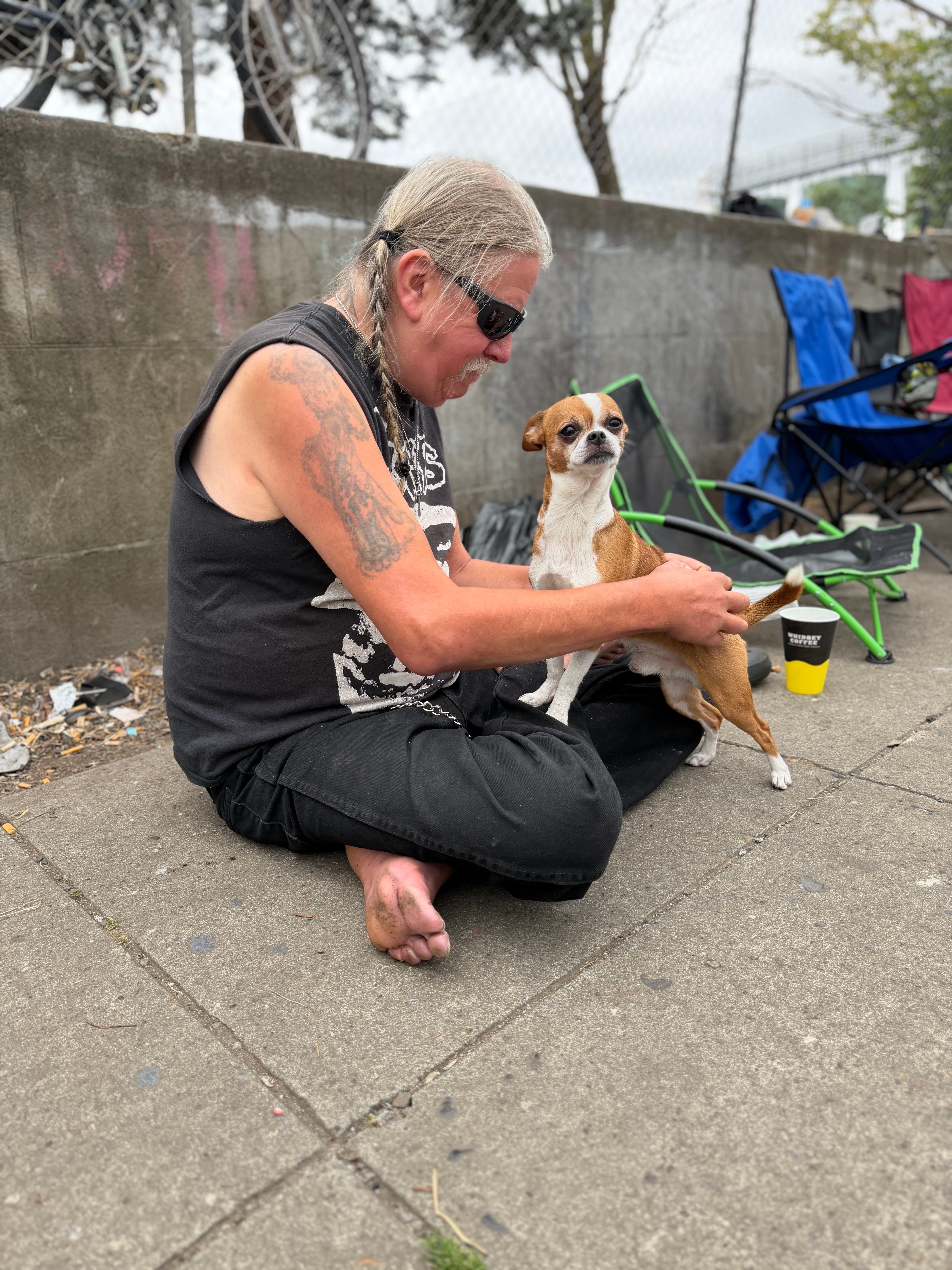
That reality makes people uncomfortable because it conflicts with one of the most repeated messages in modern homelessness policy: housing ends homelessness. Housing absolutely matters. For many people, it is exactly what they need and can be life-changing. But housing is not a diagnosis, and a key is not a cure. An apartment does not automatically treat addiction, psychosis, trauma, destructive behavior, social isolation, or years of adaptation to street life. And housing cannot solve the problem when someone repeatedly says they do not want to live indoors.

That does not mean half of every homeless population has freely chosen homelessness. Choice can be complicated by addiction, mental illness, trauma, cognitive impairment, abusive relationships, institutionalization, and years of survival behavior. But acknowledging those complexities should not require pretending choice never exists.
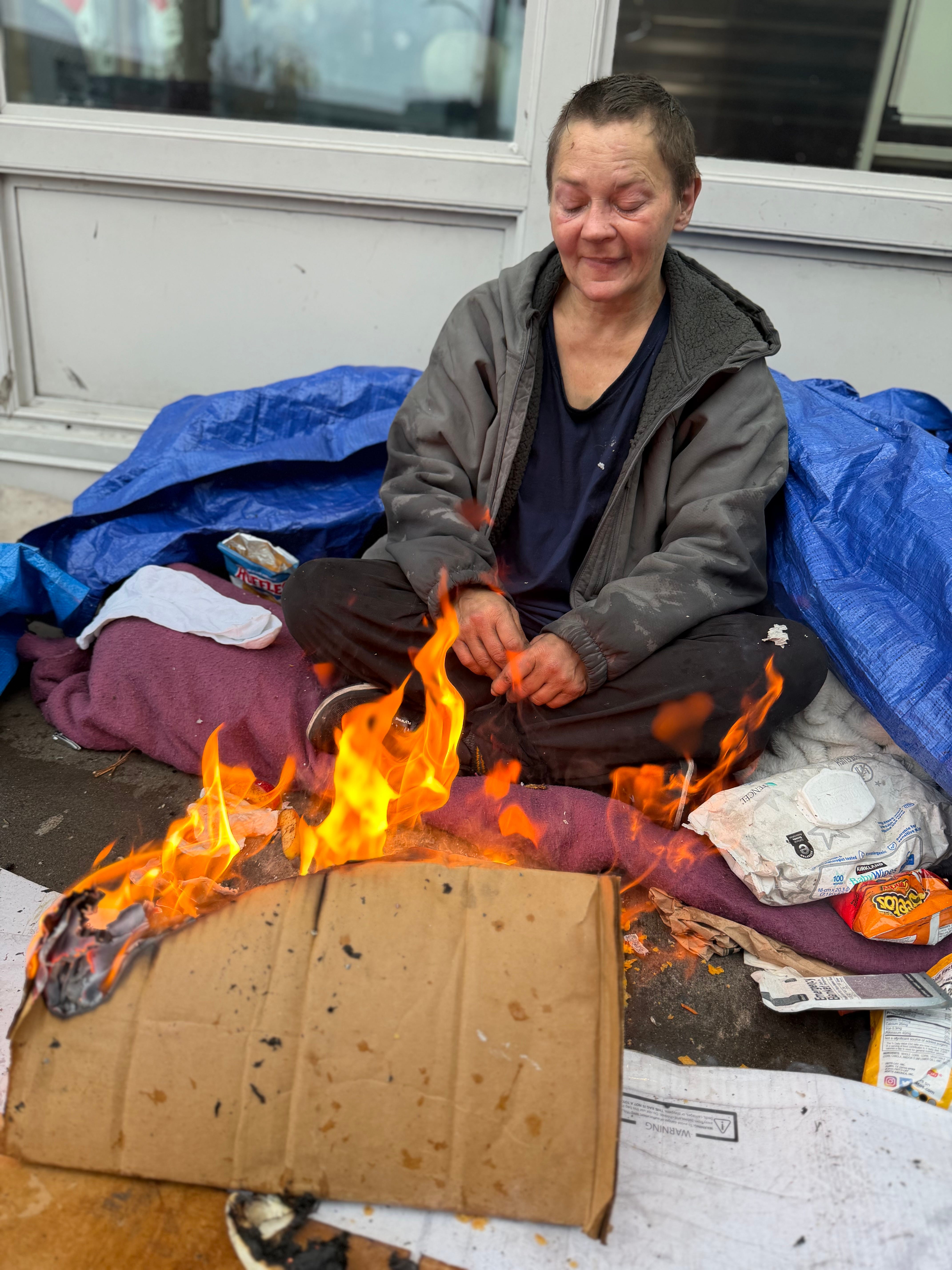
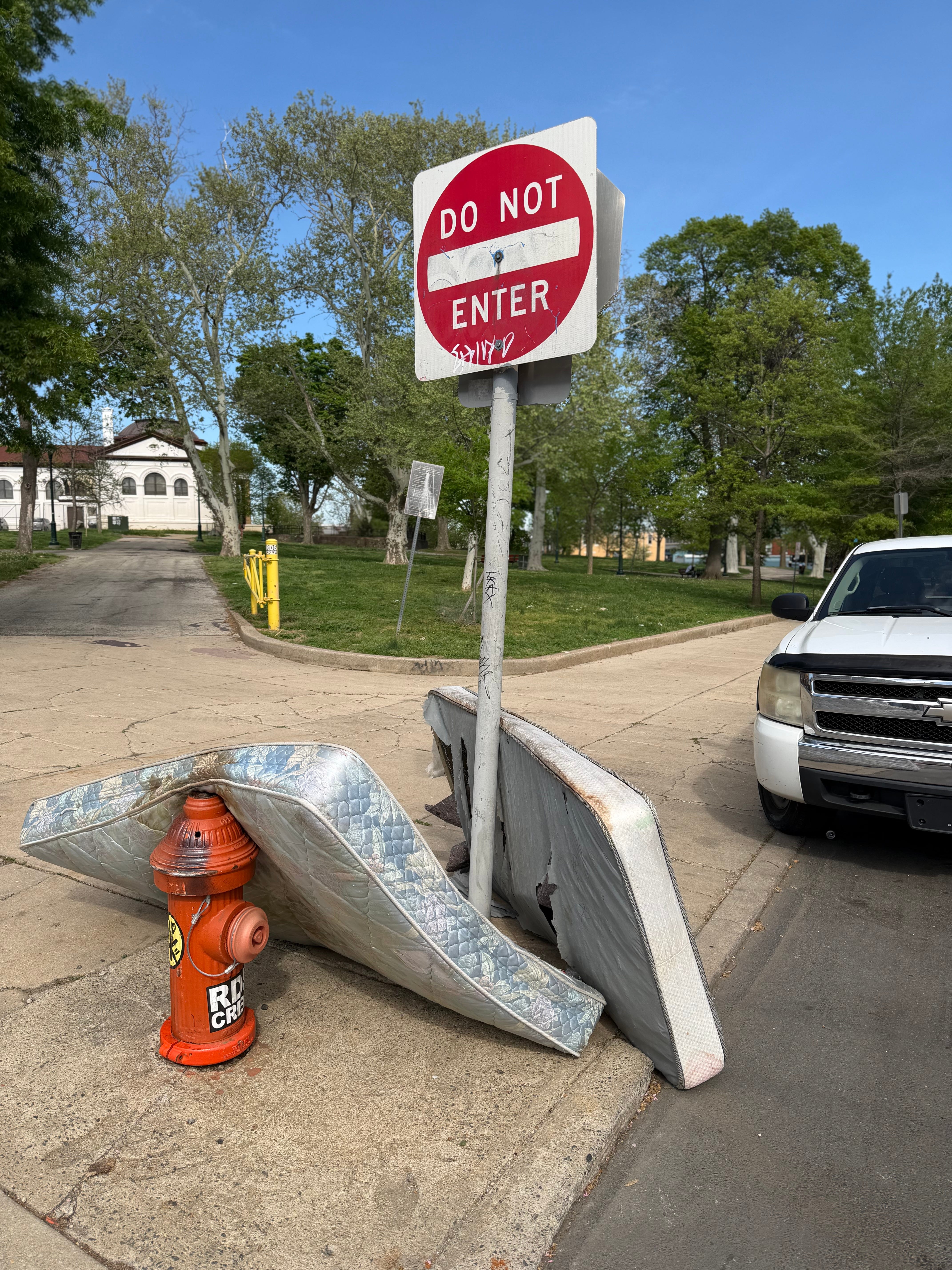
Too often, our system explains away every refusal. If someone rejects an apartment, we say it was not the right apartment. If they reject shelter, we say the shelter had too many barriers. If they decline treatment, we say they were not ready. Sometimes those explanations are true. Sometimes a person is simply saying no. I have sat across from people with income, housing vouchers, case managers, family willing to take them in, treatment programs ready to accept them, or shelter beds available—and they still chose to remain outside.
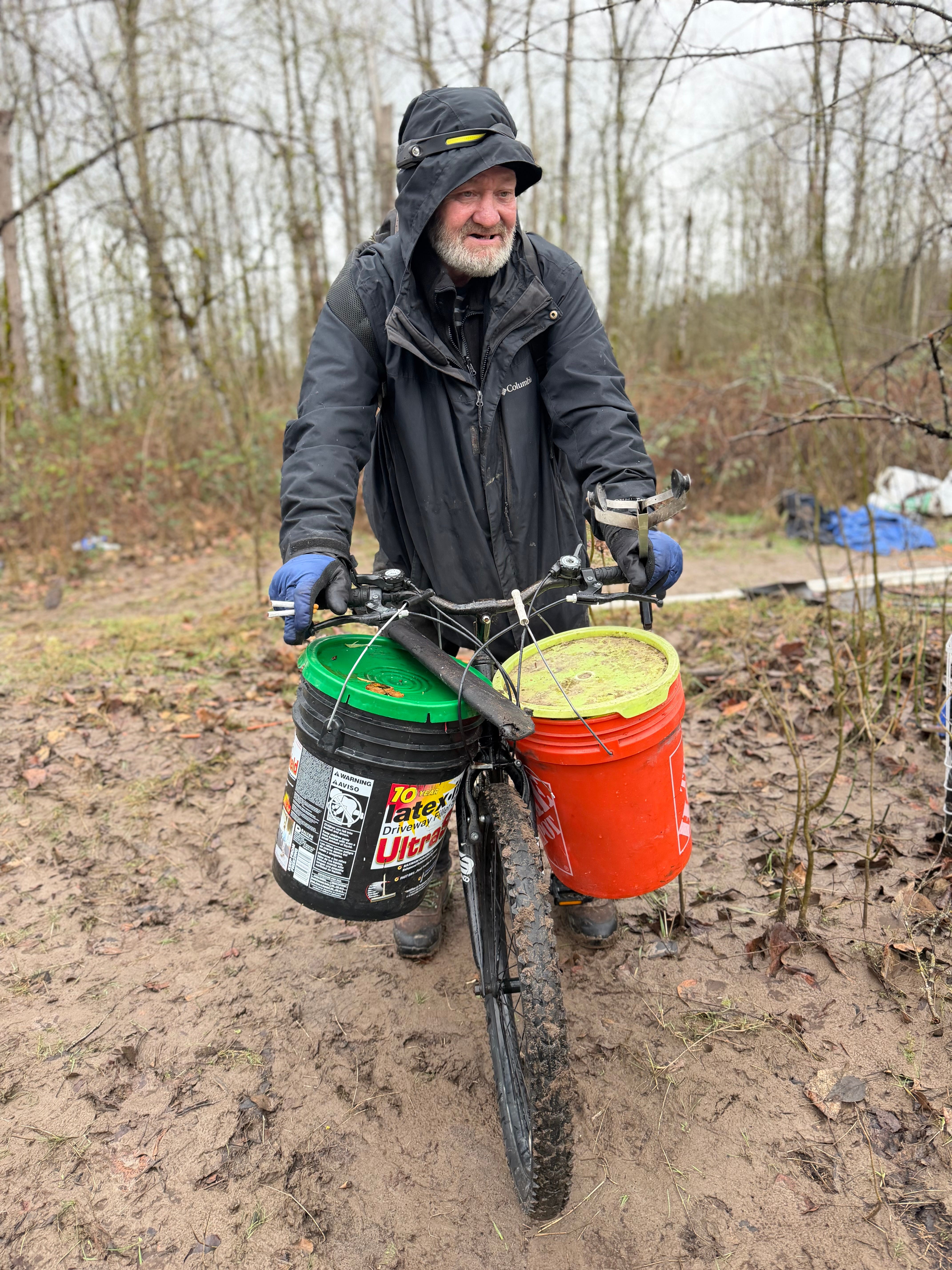
For years, that conflicted with everything I had been taught. Social-service systems often begin with predetermined outcomes: housing is success, remaining outside is failure. Treatment is success, refusal is failure. But real people do not always fit our program models. Being truly client-centered sometimes means hearing the answer a person is actually giving you.
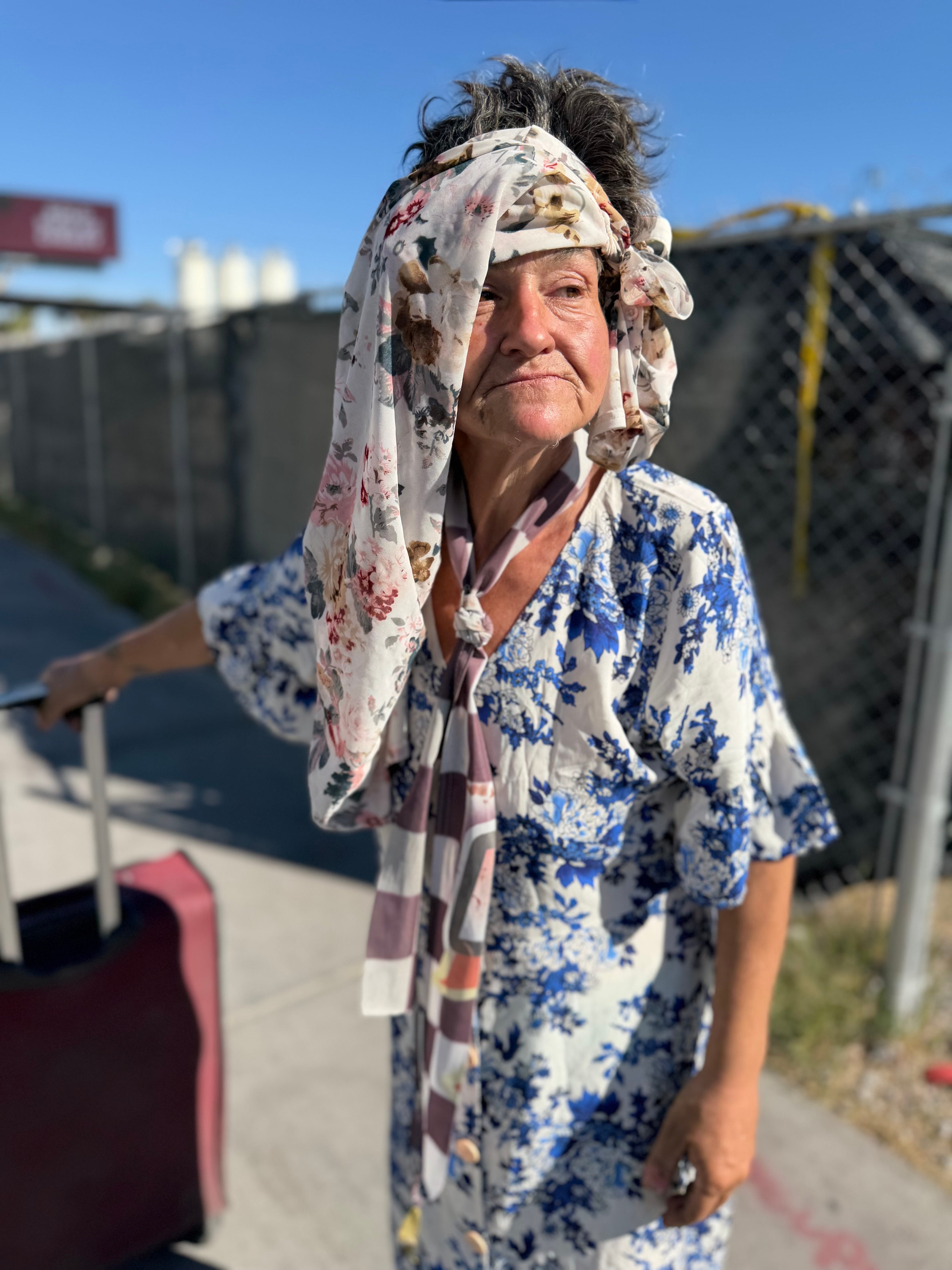
That does not mean abandoning people. It does not mean stopping outreach, building less housing, or giving up after someone refuses help. It means abandoning the idea that one intervention can solve every form of homelessness. People whose primary barrier is housing need housing. People trapped in addiction may need detox, residential treatment, and long-term recovery support. People whose serious mental illness prevents them from functioning safely on their own may need psychiatric stabilization and structured care. Others may need employment, family reunification, transitional housing, shelter, or intensive case management.
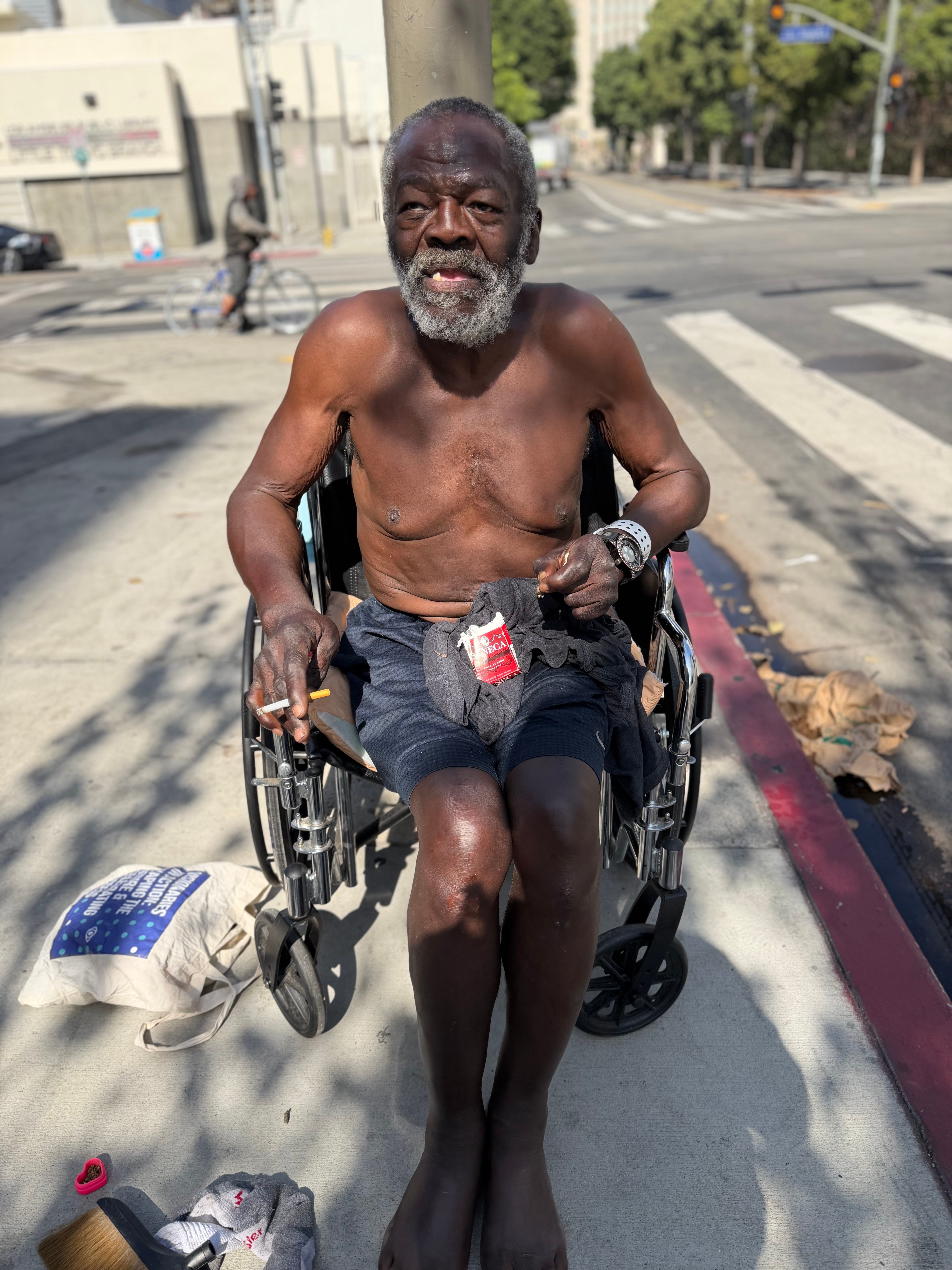
For competent adults who knowingly choose to remain outdoors, we should continue offering alternatives while also maintaining reasonable rules about where camping is permitted and what behavior society will tolerate. The answer is not Housing First versus no housing. The answer is a true continuum of care. Instead of beginning every case with, “How do we get this person into permanent housing?” we should ask: Why is this person homeless? What is keeping them there? What do they actually want? And what intervention gives them the best chance of becoming healthier and more stable?
Years after I first worked with that woman, I randomly ran into her again. She was still living on the streets and appeared happy and healthy. She had a boyfriend and told me she was considering getting an apartment with him—but she wanted to wait. That detail has always stayed with me. She had not rejected housing forever. She wanted to make the decision on her own timeline.
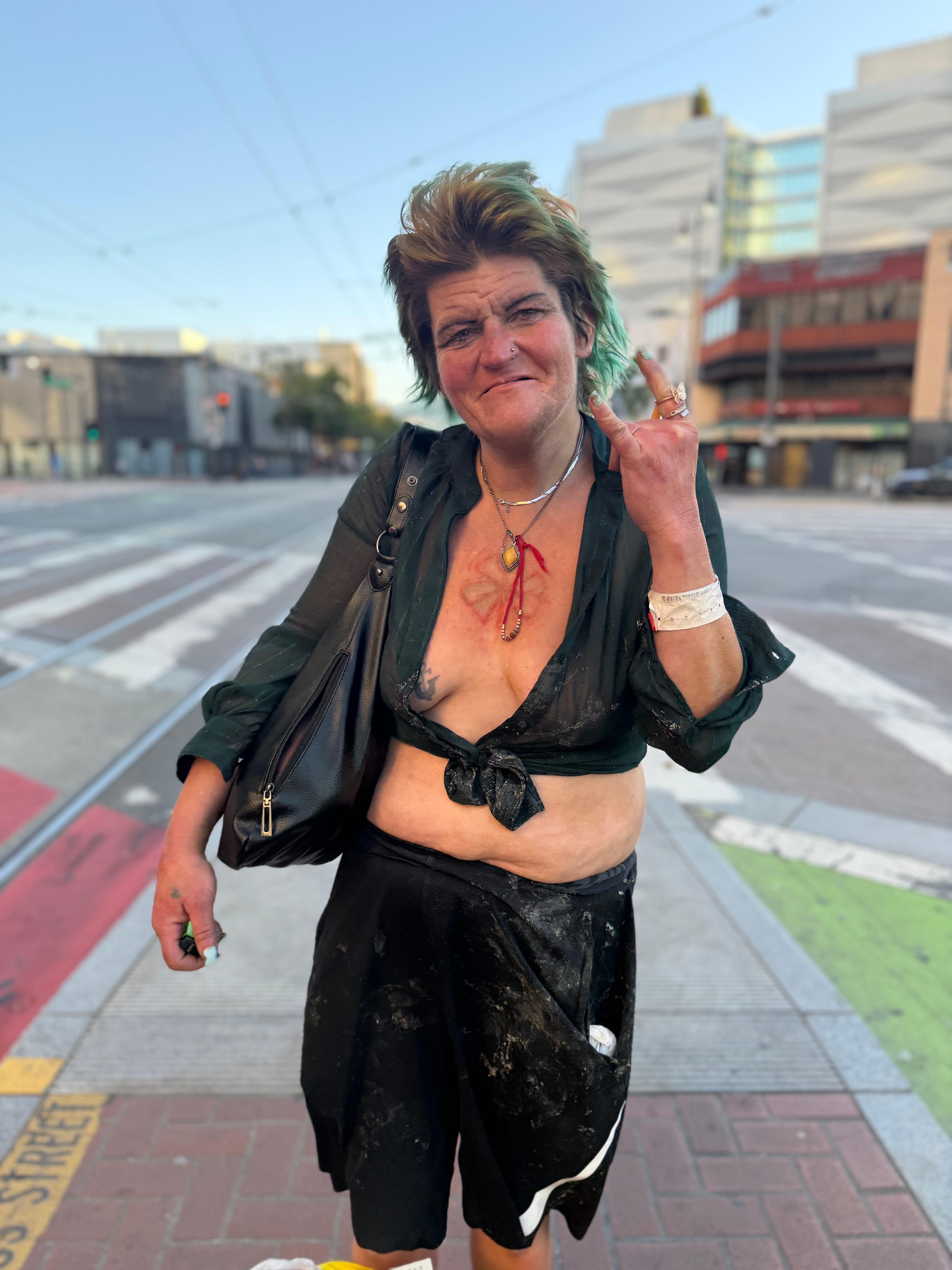
By then, I understood something I had missed years earlier: my job was not to rewrite her answer for her. My job was to listen, offer options, establish reasonable boundaries, remain available, and recognize that her life belonged to her.
After decades in this work, I no longer believe homelessness can be explained by one cause or solved through one model. Sometimes housing comes first. Sometimes treatment comes first. Sometimes trust comes first. Sometimes accountability comes first. And sometimes a person simply does not want the outcome the system has decided they should want.
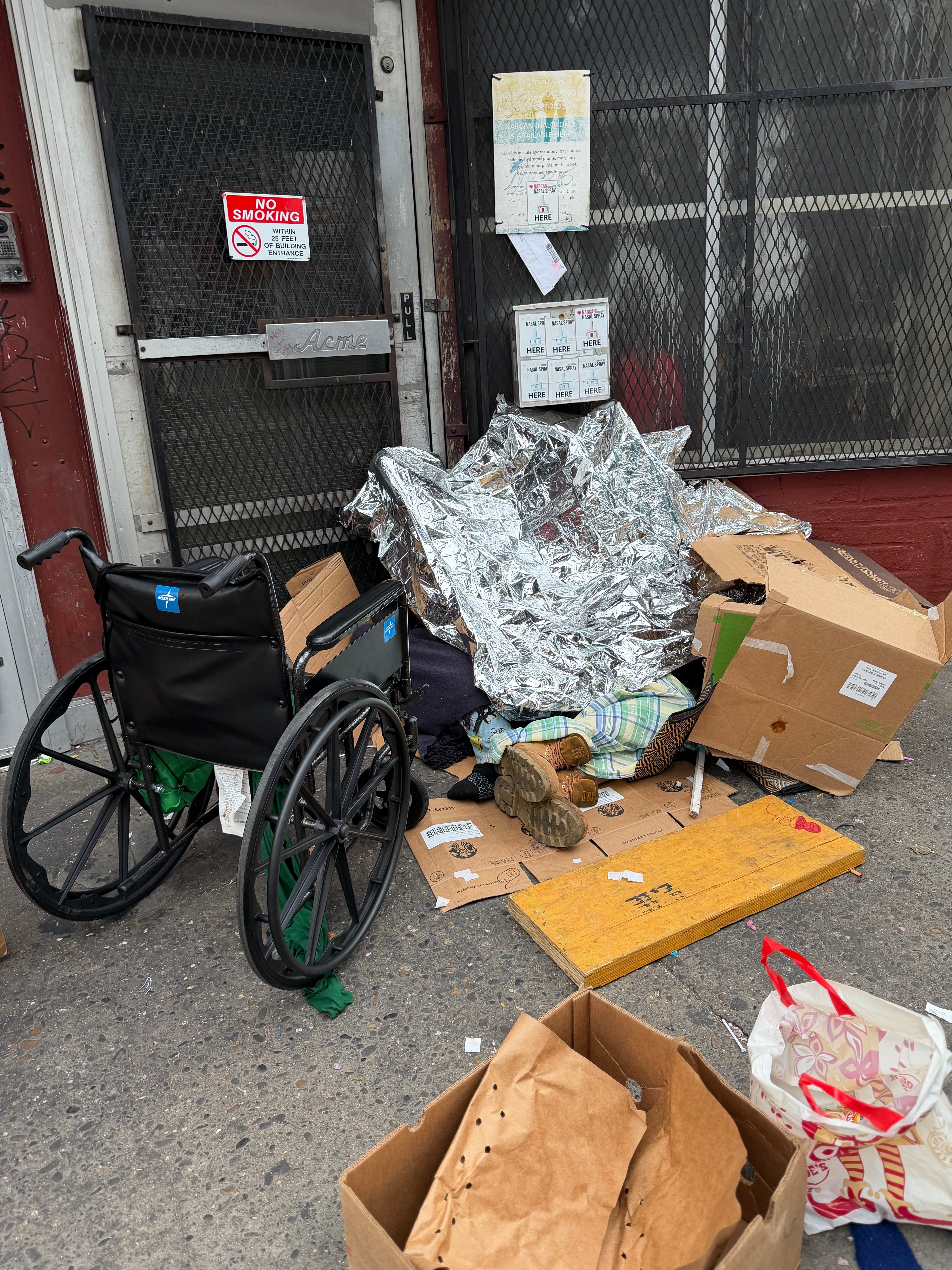
We do not need less compassion. We need a more honest form of compassion—one that listens to what people are actually saying, confronts addiction and mental illness when necessary, establishes boundaries, provides multiple paths forward, and never confuses handing someone a key with solving everything that brought them to the streets.
Please share this post to help it gain a wider audience and consider becomming a paid subscriber to help support my independent journalism.
Comments
Nothing yet. Say the first thing.
Sign in to join the conversation.