
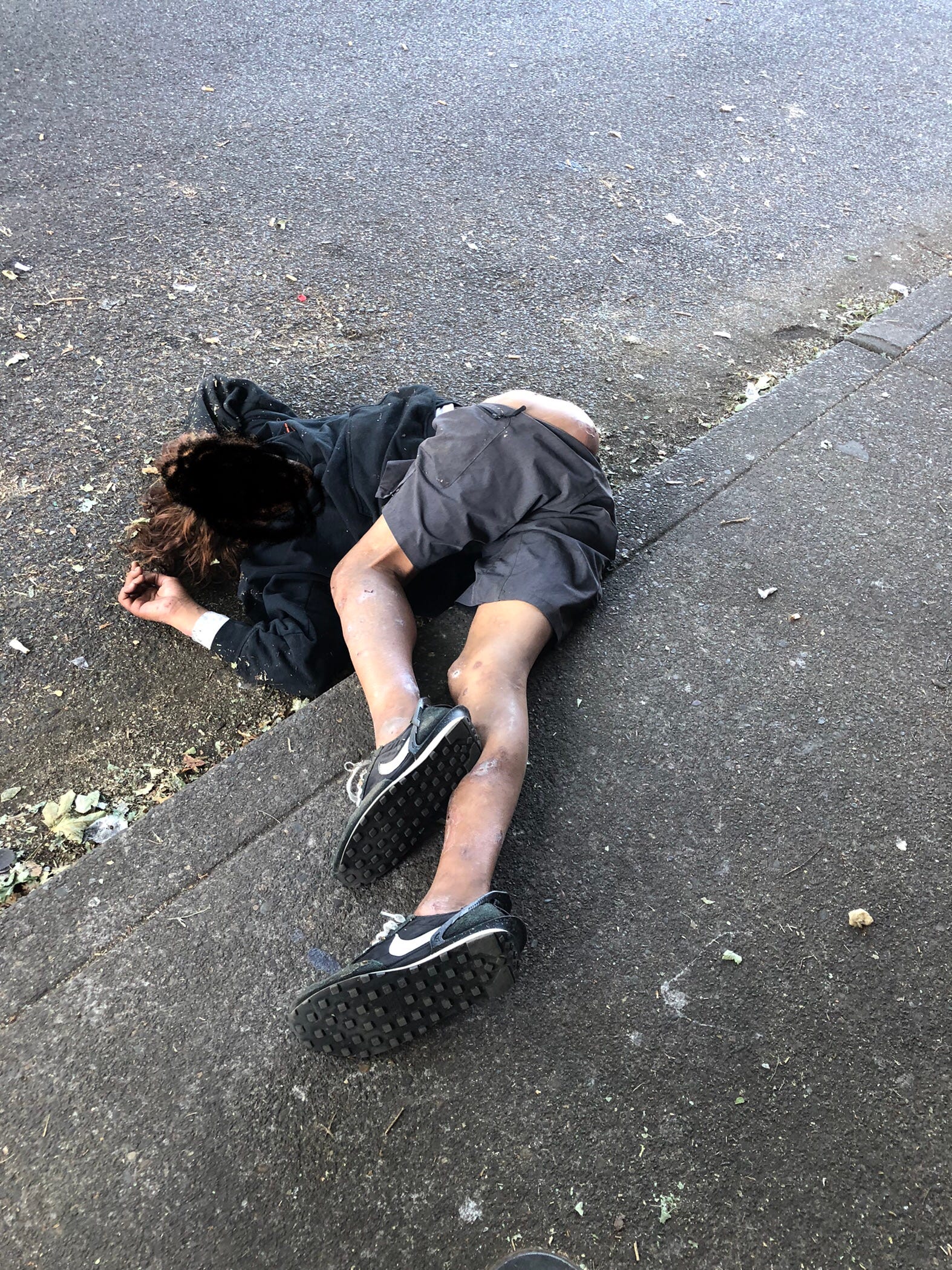
When you step into Old Town Portland, you can feel the atmosphere change immediately. The streets seem heavier. The noise is different. Within minutes, you may hear someone screaming at nobody in particular, another person crying on a sidewalk, or see someone folded over from fentanyl. People wander into traffic, argue with unseen voices, collapse in doorways, or sit motionless beside piles of belongings. Familiar groups gather throughout the neighborhood—using drugs, recovering from them, searching for them, or simply passing the hours together. Calling it a “Third World country” is an imperfect comparison, but I understand why
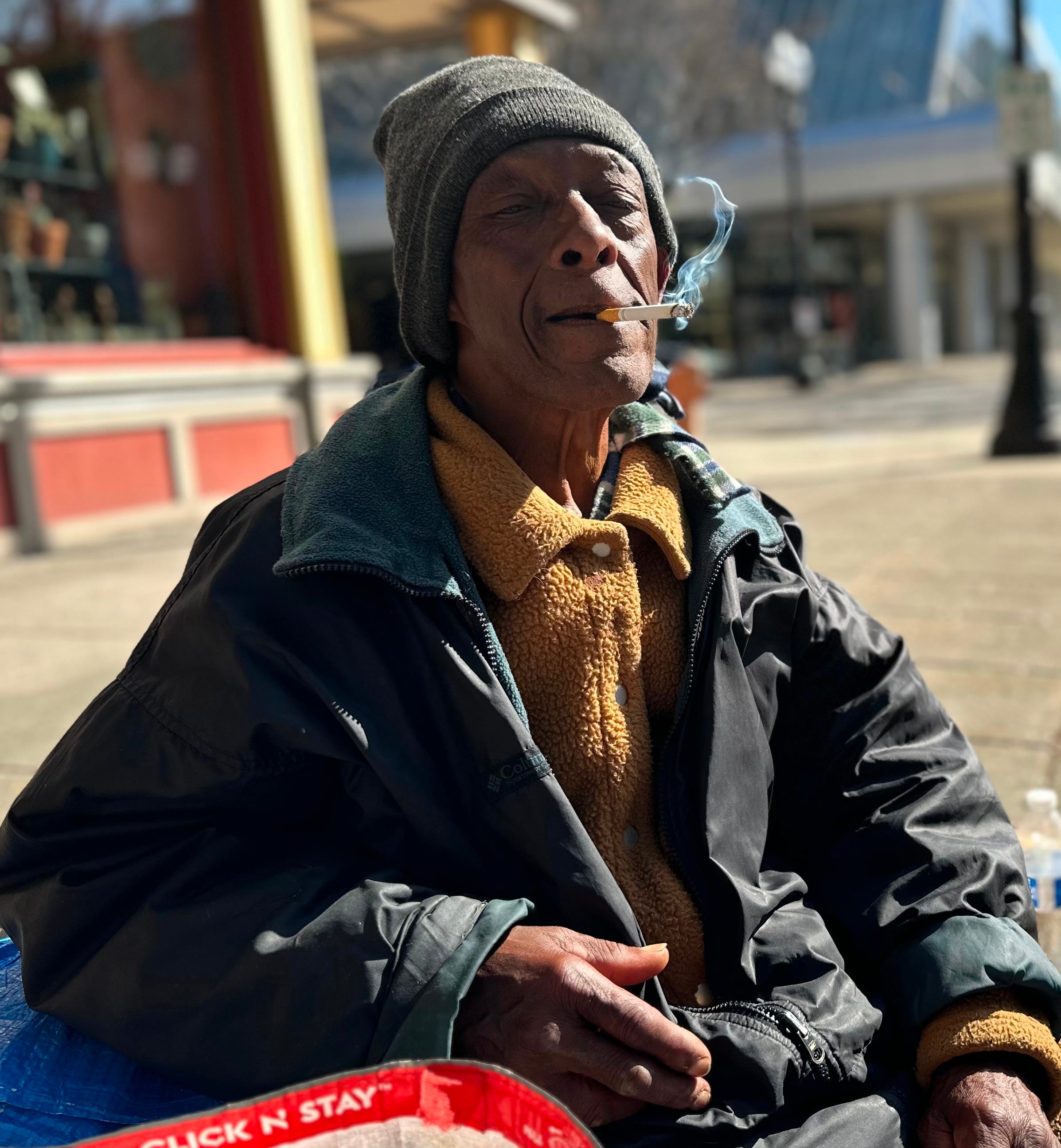
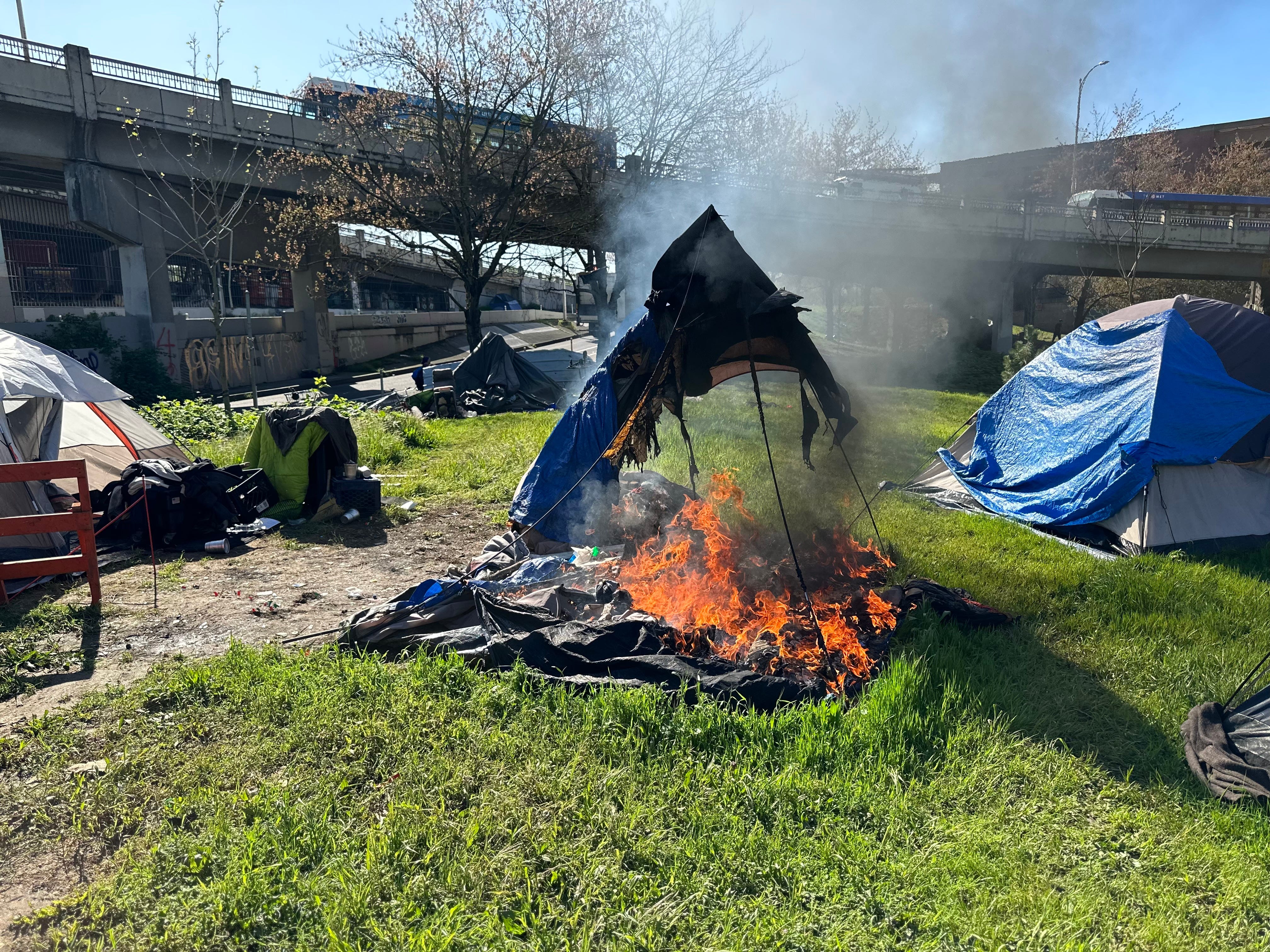
people reach for language that dramatic. It is the feeling of walking into a neighborhood where many of the normal expectations of an American city seem to have disappeared. Sidewalks become bedrooms, bathrooms, drug markets, and emergency rooms. Human waste, discarded clothing, broken glass, needles, burned
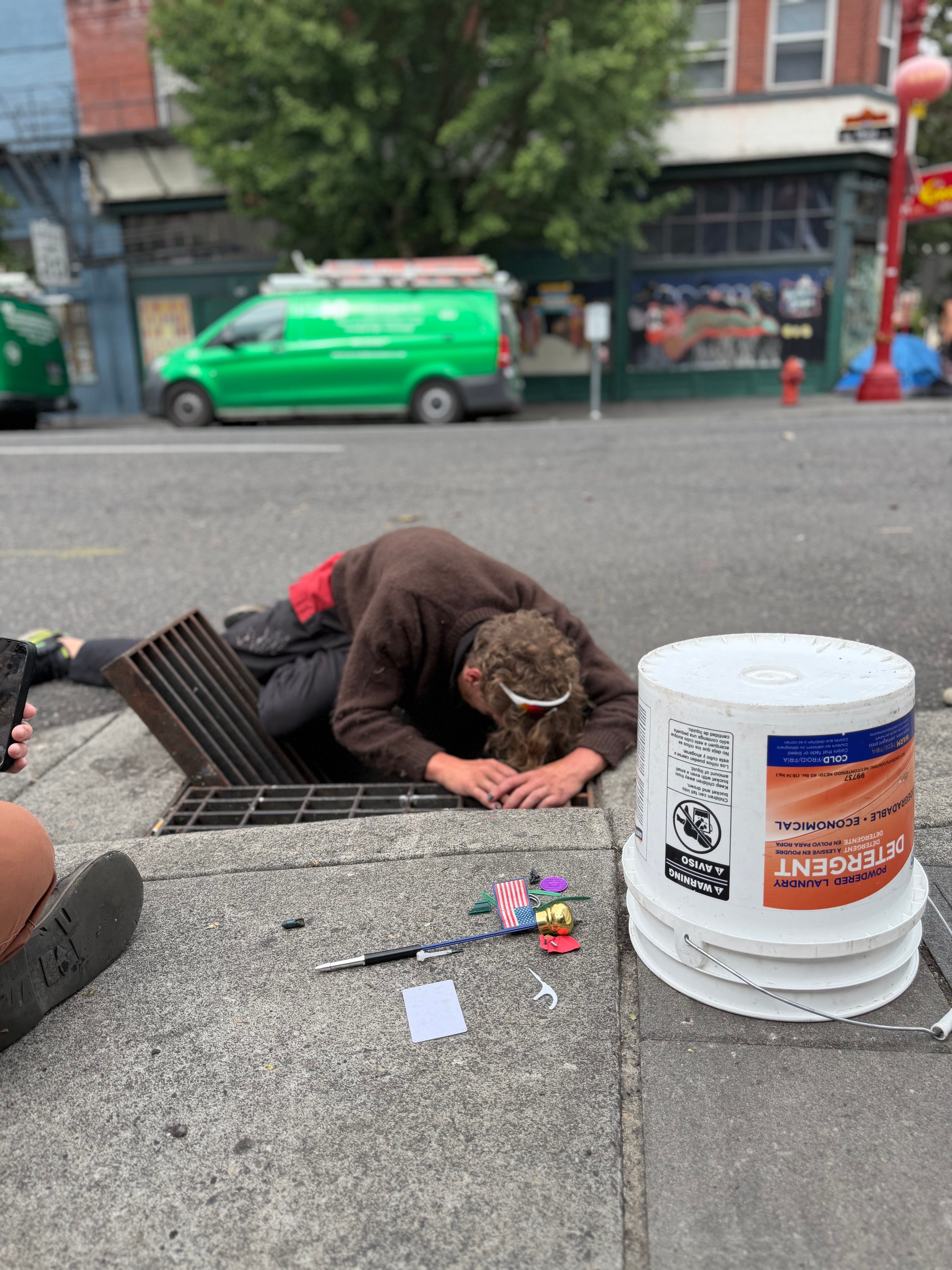
foil, and piles of trash can appear alongside restaurants, historic buildings, and businesses trying to remain open. Ambulances and police cruisers are routine. Shop owners deal with theft and vandalism, while residents and visitors walk around people unconscious on the pavement without knowing whether they are sleeping, intoxicated, overdosing, or dead.
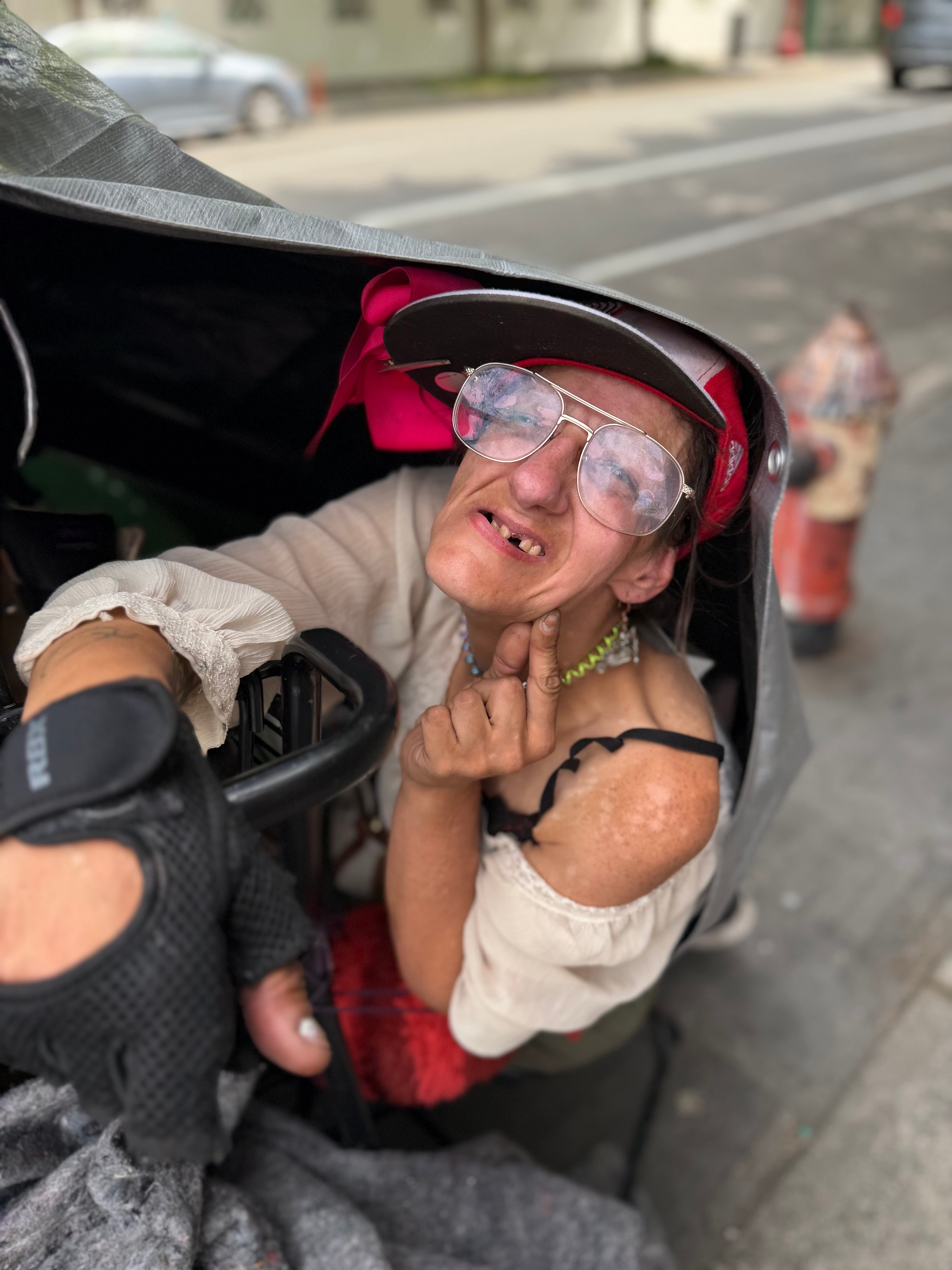
What strikes me most is the hopelessness. Addiction can reduce life to the next pill, the next piece of foil, the next few dollars. Severe mental illness plays out publicly because the street has effectively become the treatment center, the waiting room, and sometimes the final destination. You see untreated wounds, people talking to themselves for hours, people bent over in the fentanyl posture, and others who appear to have accepted that this is simply where they live now. Yet Old Town is not
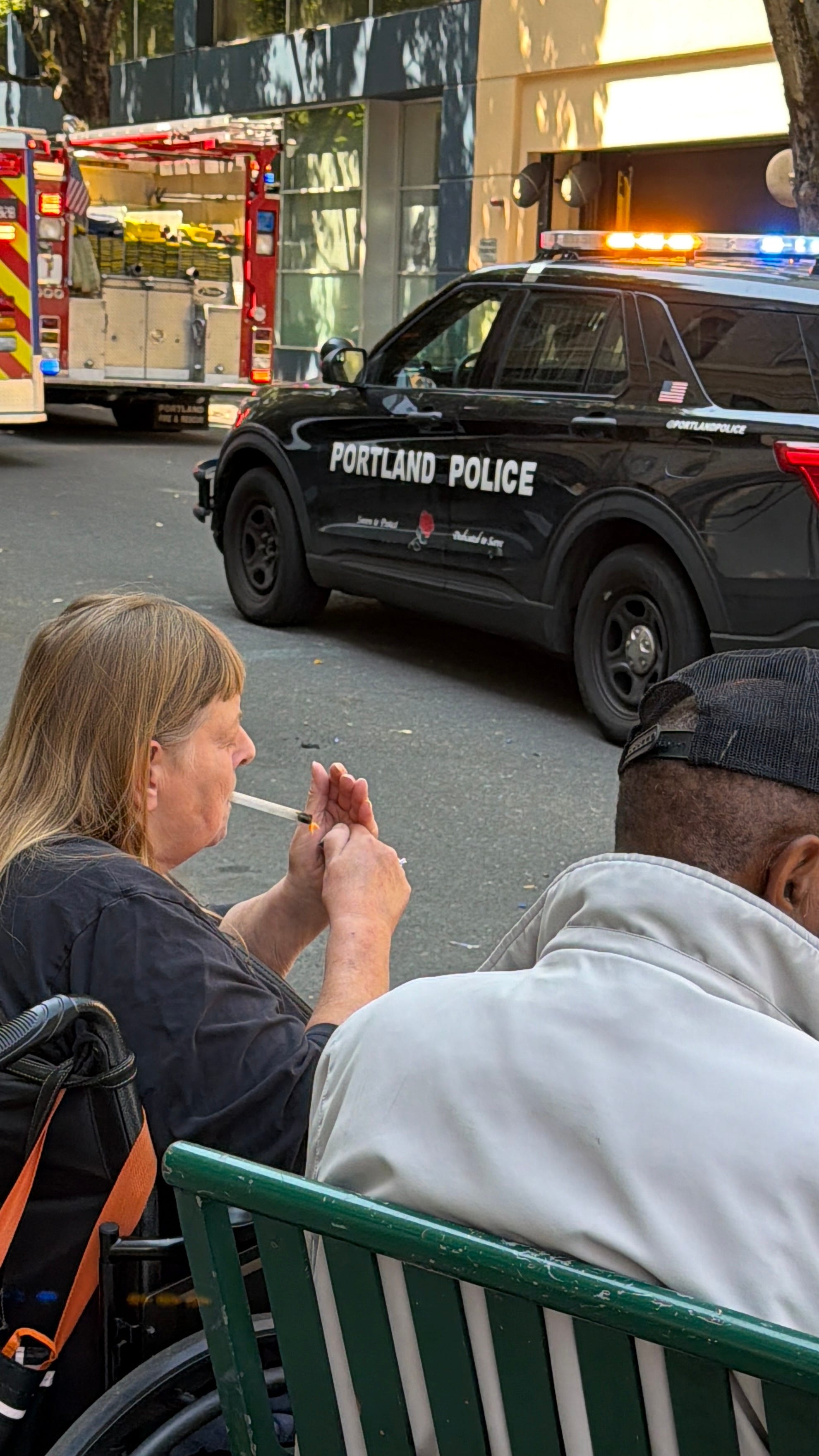
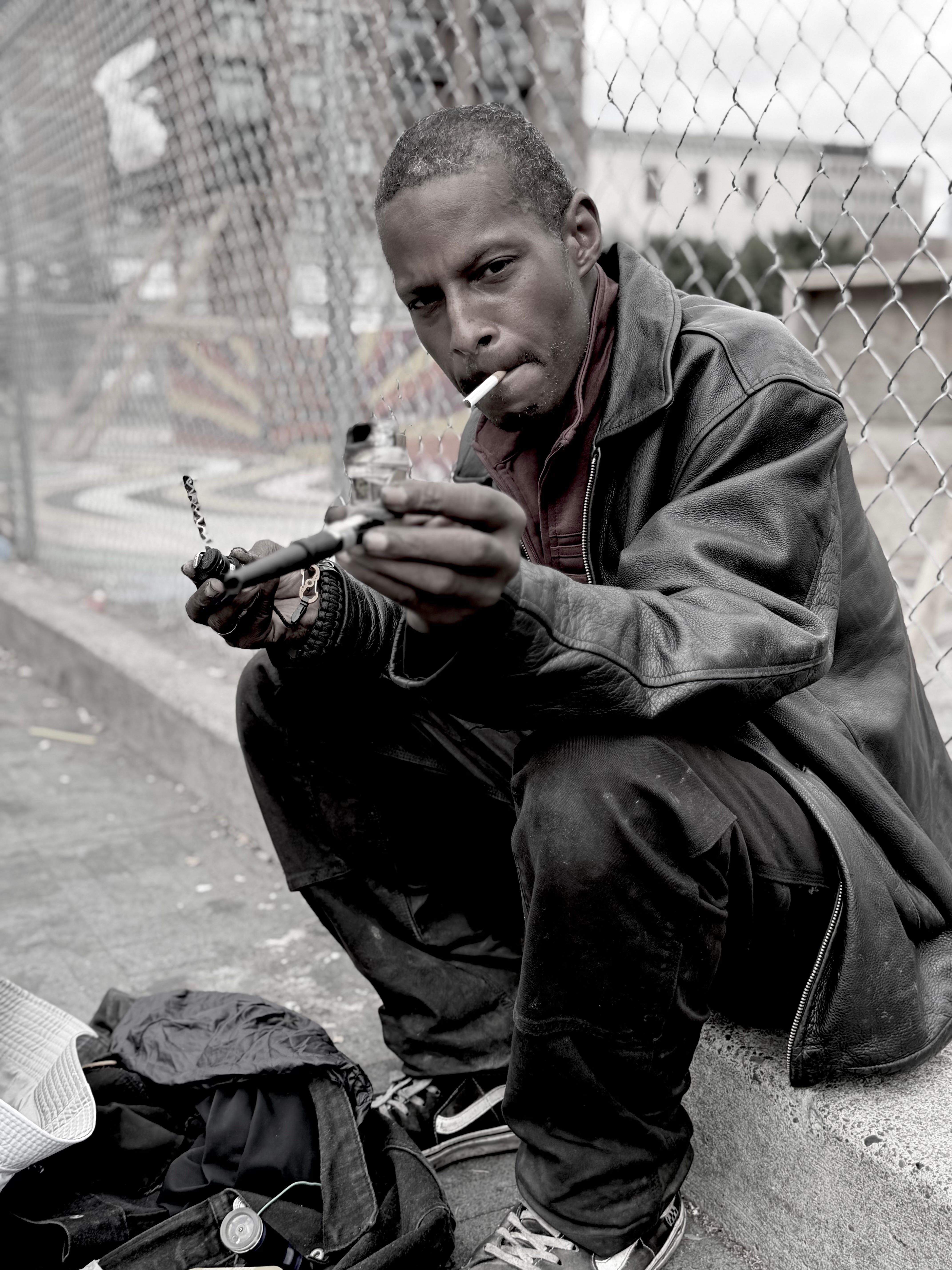
simply chaos. There is also an unusual sense of community among the homeless population. People know one another. They share food, cigarettes, information, tents, and drugs. They warn each other when police are coming. They administer Narcan when someone overdoses. They watch belongings and sometimes protect one another. In a neighborhood where many feel abandoned by the rest of society, they have created their own social structure, one that can be caring and protective at one moment and deeply dangerous at another.
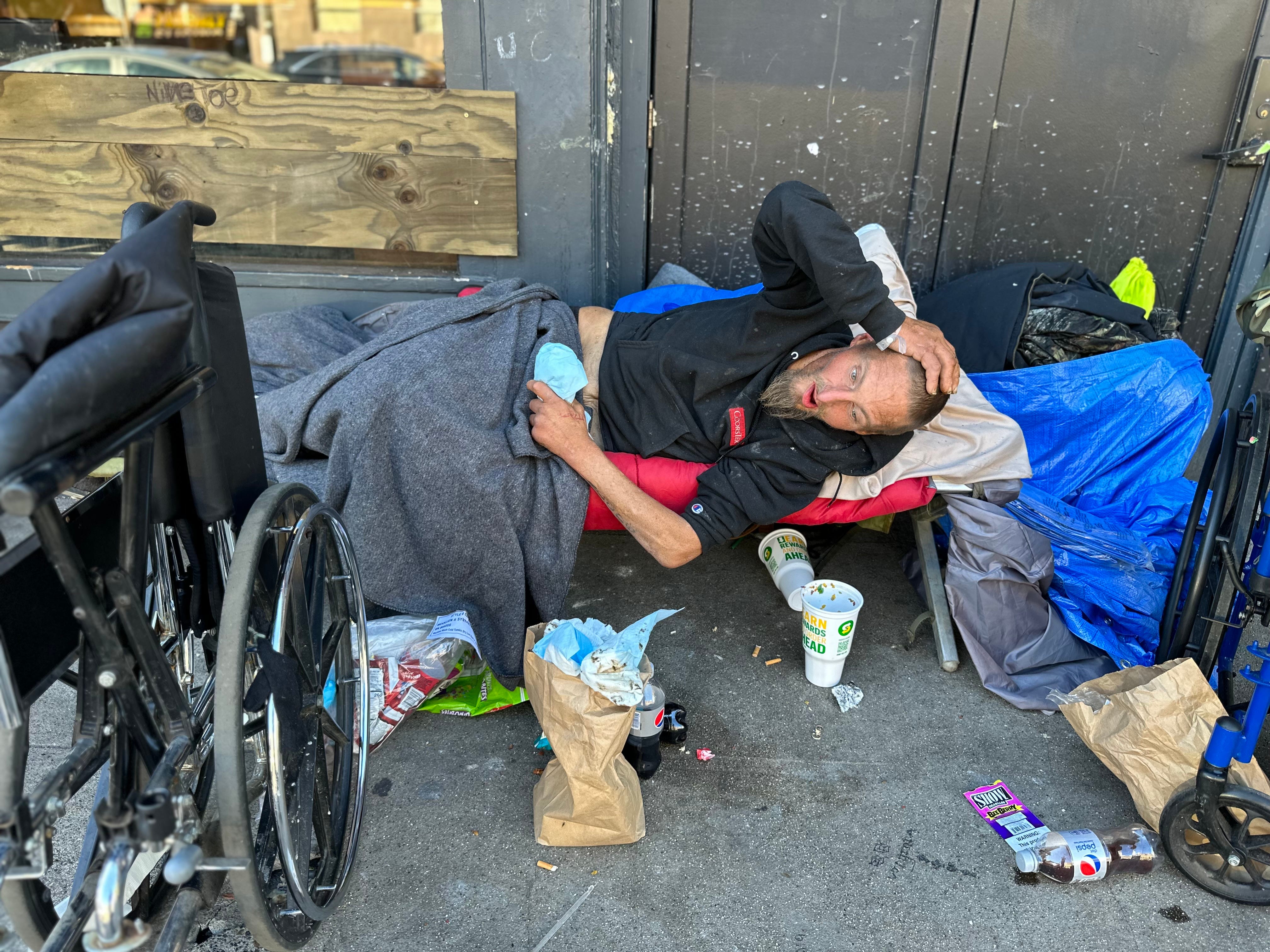
What makes Old Town so overwhelming is the concentration. You don't see one person in crisis and then walk several blocks before encountering another. The crises overlap. Addiction, mental illness, homelessness, crime, victimization, and extreme poverty can all be happening within yards of one another. One person may be overdosing while another is screaming through a psychiatric crisis, while a few feet
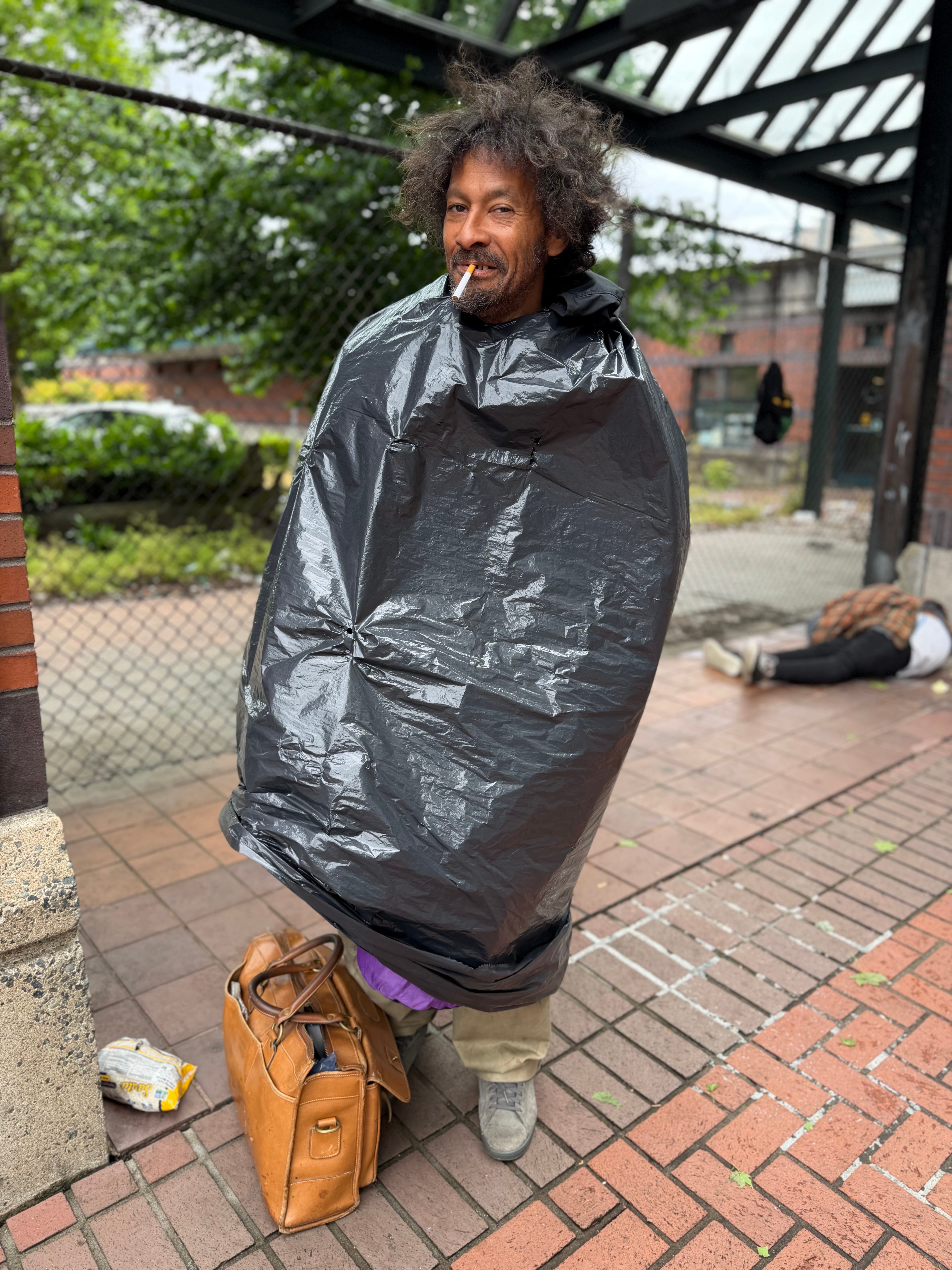
away someone is selling fentanyl and a business owner is cleaning up after another break-in. There are places in Old Town where I have personally witnessed more overdoses than anywhere else in Portland. One block in particular, directly in front of Darcelle’s, stands out. The club itself has nothing to do with the problem. What matters is the surrounding environment. Nearby are low-barrier housing, a convenience store selling drug paraphernalia, a major homeless meal provider, heavy foot traffic, and a concentration of people living outside and using drugs. Together, those factors make this tiny area a gathering point for overlapping crises.
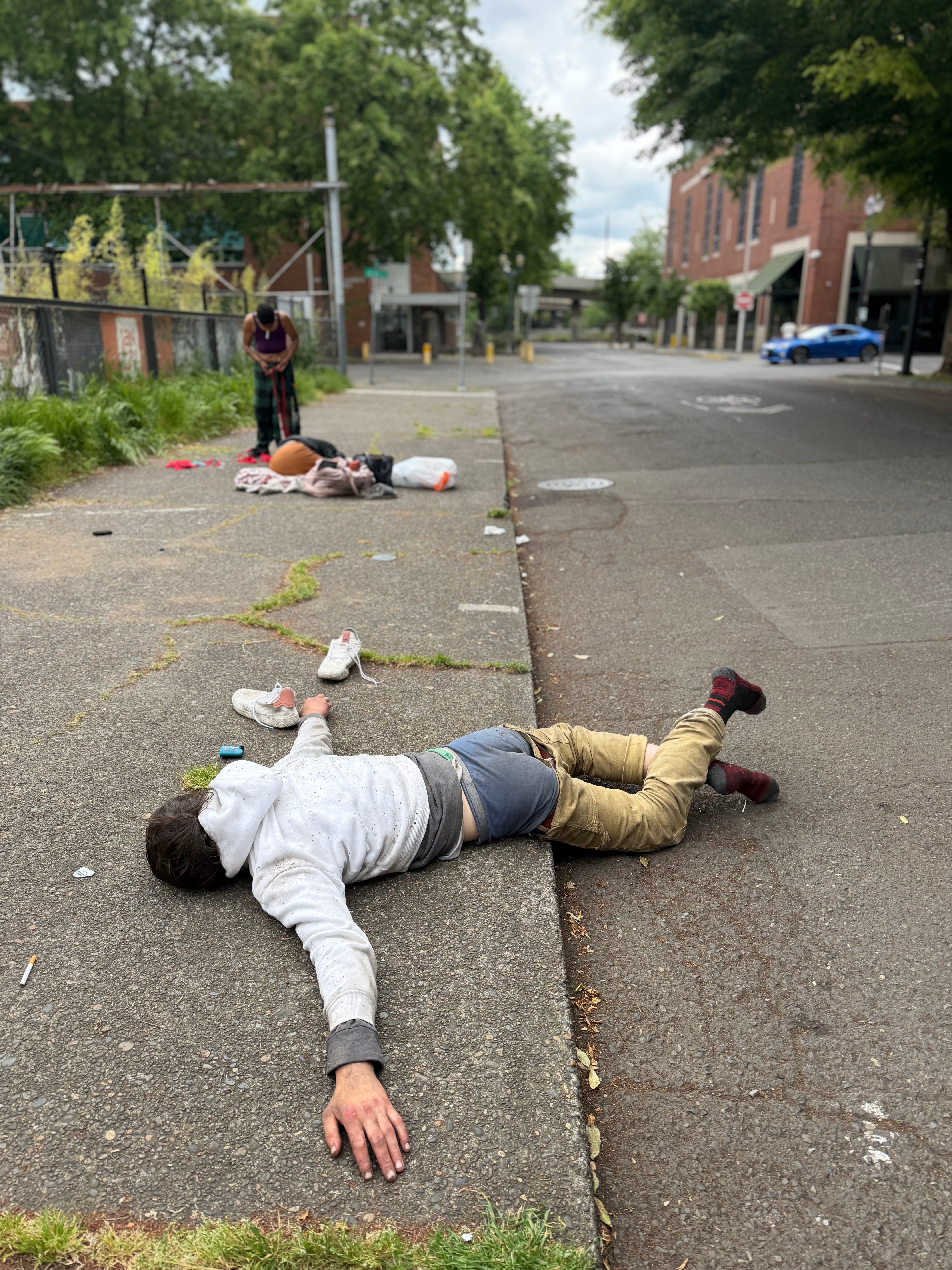
After decades of working around homelessness and spending countless hours on Portland’s streets, I have watched overdose after overdose occur in this small area. That is what makes Old Town difficult to adequately describe. It is not simply homelessness. It is not simply addiction or crime. It is the concentration of human
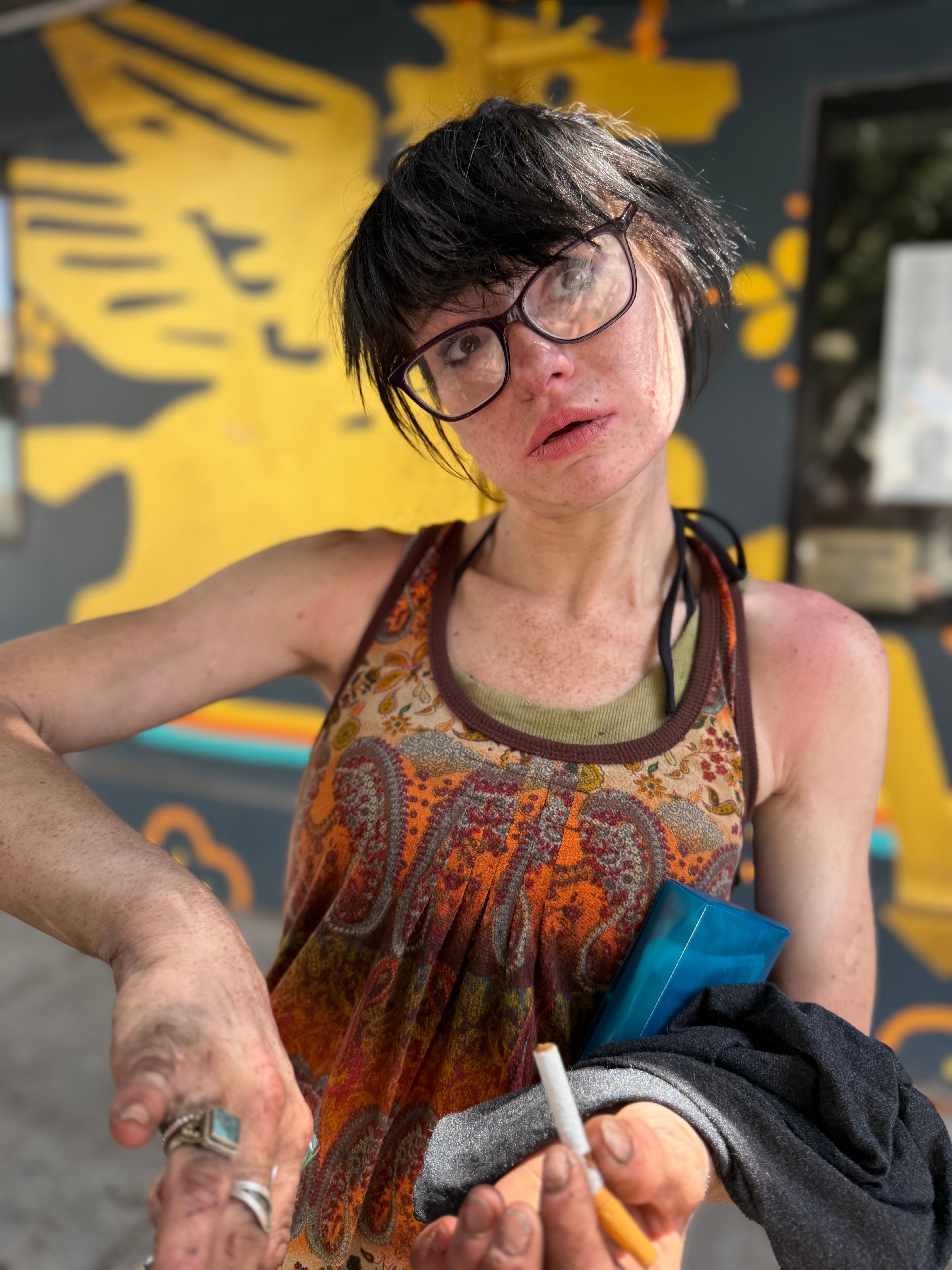
suffering—the sense that multiple social systems have broken down in the same few blocks, leaving people to survive amid addiction, mental illness, violence, desperation, and hopelessness. But it does not have to remain this way. Old Town did not become this chaotic overnight, and it will not be fixed overnight. But there are immediate steps that could begin moving the neighborhood toward recovery and stability.
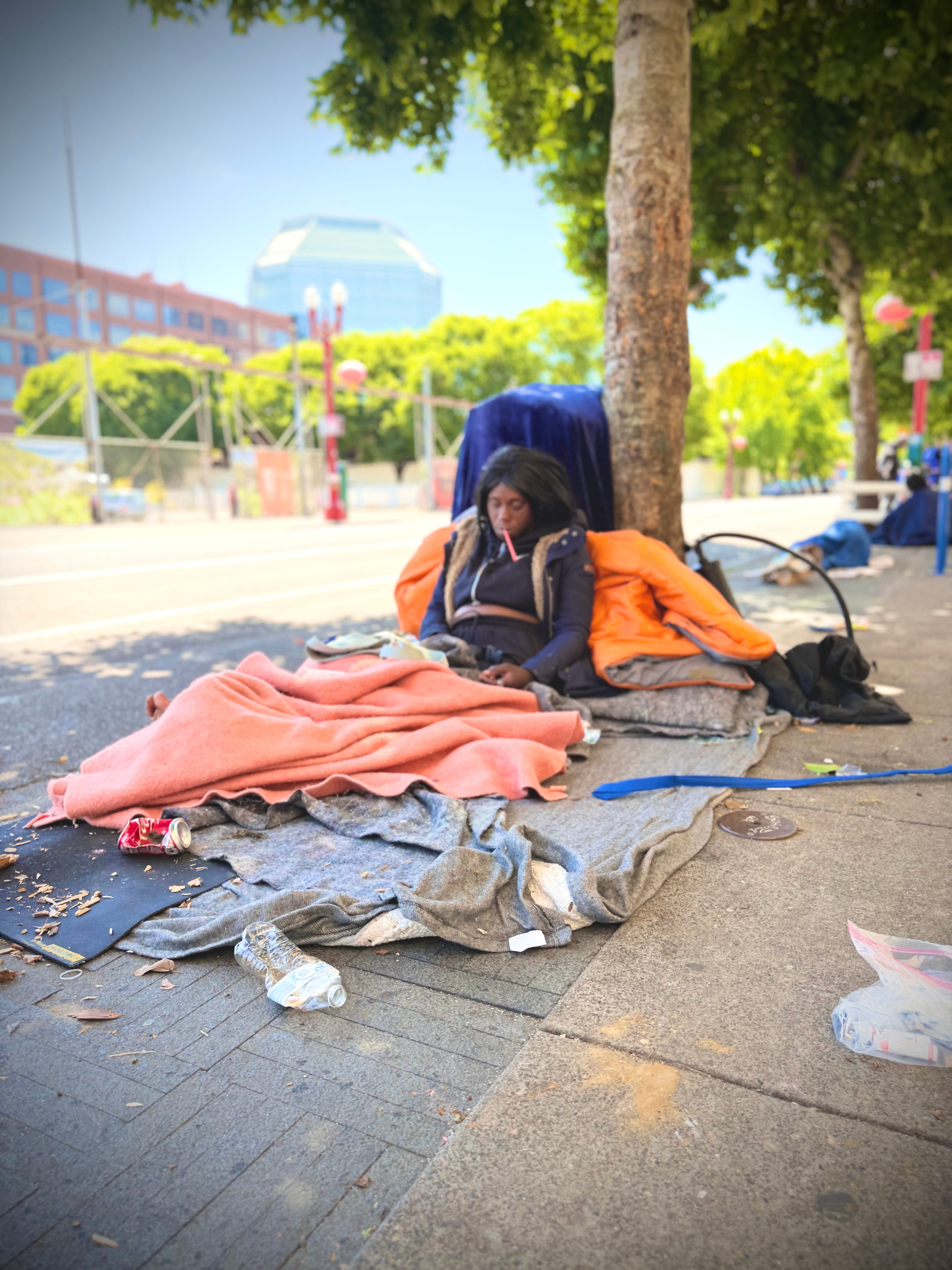
Portland’s mayor has made substantial progress on one of his central campaign promises by significantly expanding shelter capacity, including more than 1,500 new beds. That matters, because for years one of the most common explanations for why people remained on the streets was that there simply was nowhere for them to go. But adding beds is only one part of the equation. Someone still has to engage the
people living outside, build trust, identify what they need, and connect them to those available spaces. Much of that responsibility falls on Multnomah County and county-funded programs that oversee large portions of the region’s homeless outreach and behavioral-health response. These programs operate multiple outreach teams and receive substantial public funding. Yet after spending countless hours on the streets of Old Town, I rarely see the kind of consistent, visible outreach presence that the scale of the crisis demands.
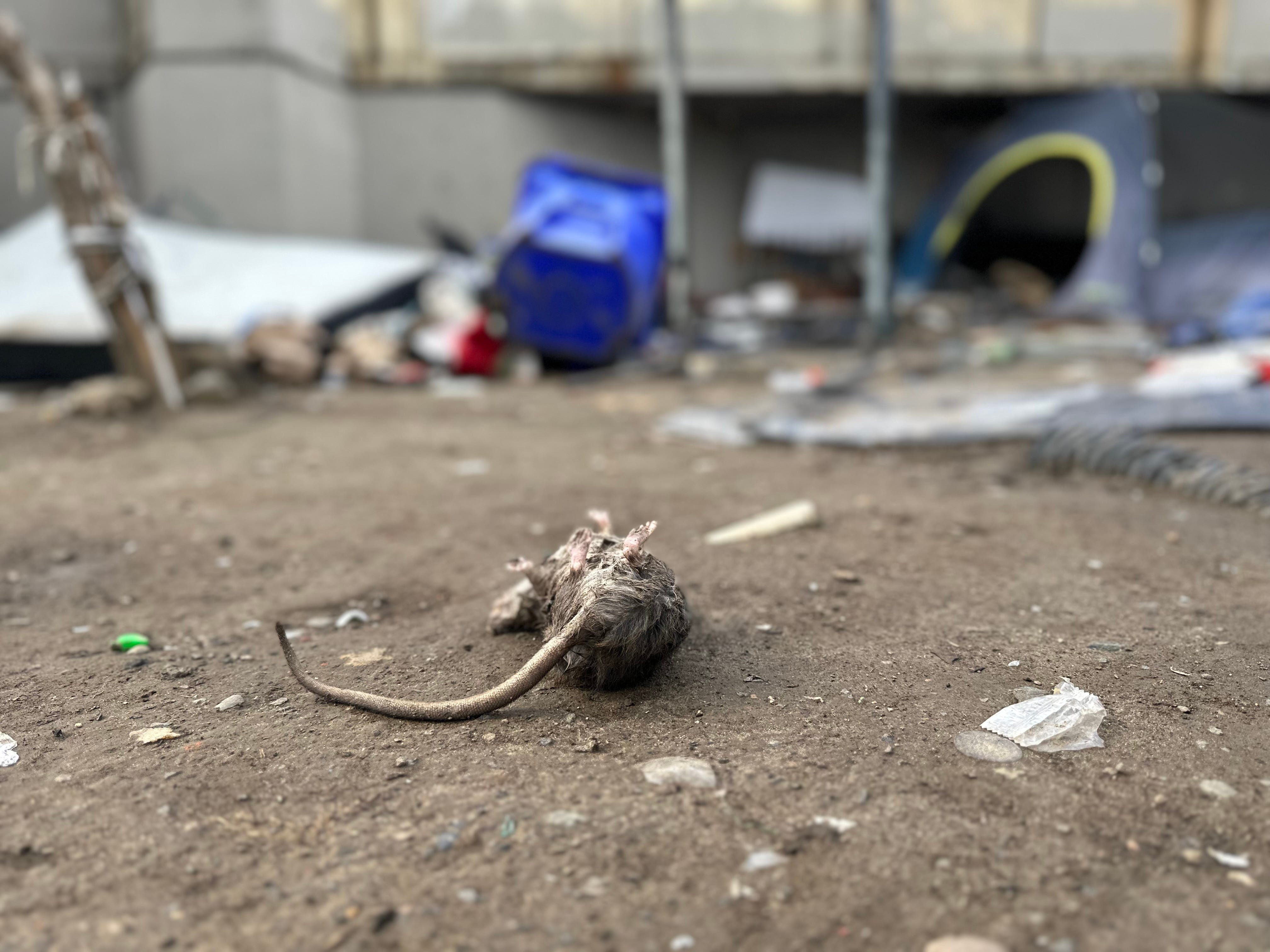
That is the gap Portland now has to confront. Shelter beds mean little if the people most in need are never successfully connected to them. Portland Metro spends hundreds of millions of dollars every year responding to homelessness. A relatively small portion of that money could fund a permanent, highly visible outreach presence directly in the heart of Old Town—not several blocks away, but where people are actually living, using drugs, overdosing, and experiencing psychiatric crises. Urban
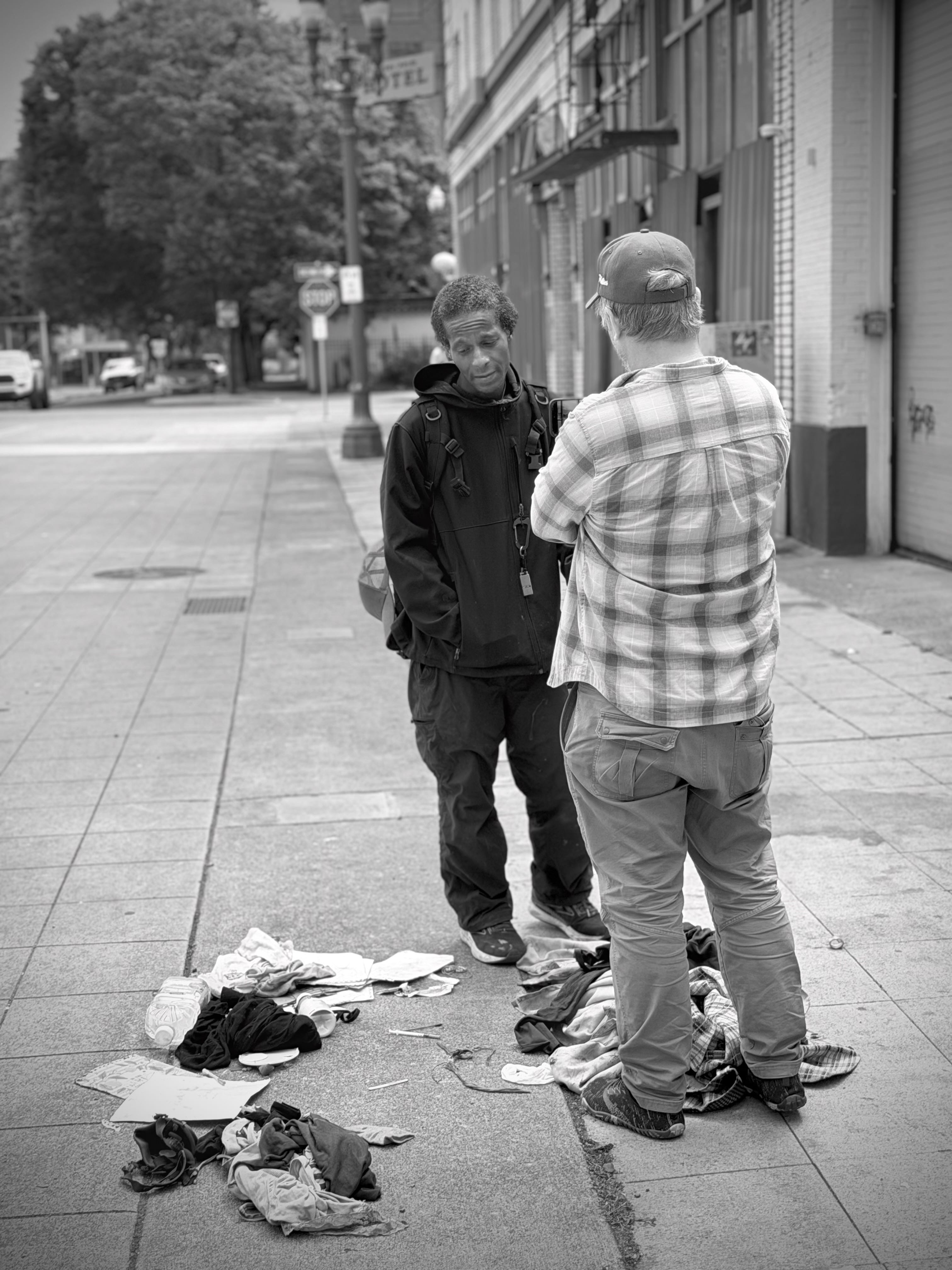
Alchemy opened the Oasis nearby, and programs like it can play an important role. But distance matters more than policymakers sometimes understand. For someone living on the street, five blocks can feel like another neighborhood entirely. People tend to remain where they know others, where their belongings are, where they obtain drugs, and where they feel comfortable. If services expect the most impaired people to navigate a complicated system on their own, many never will. That is why outreach must come to them.
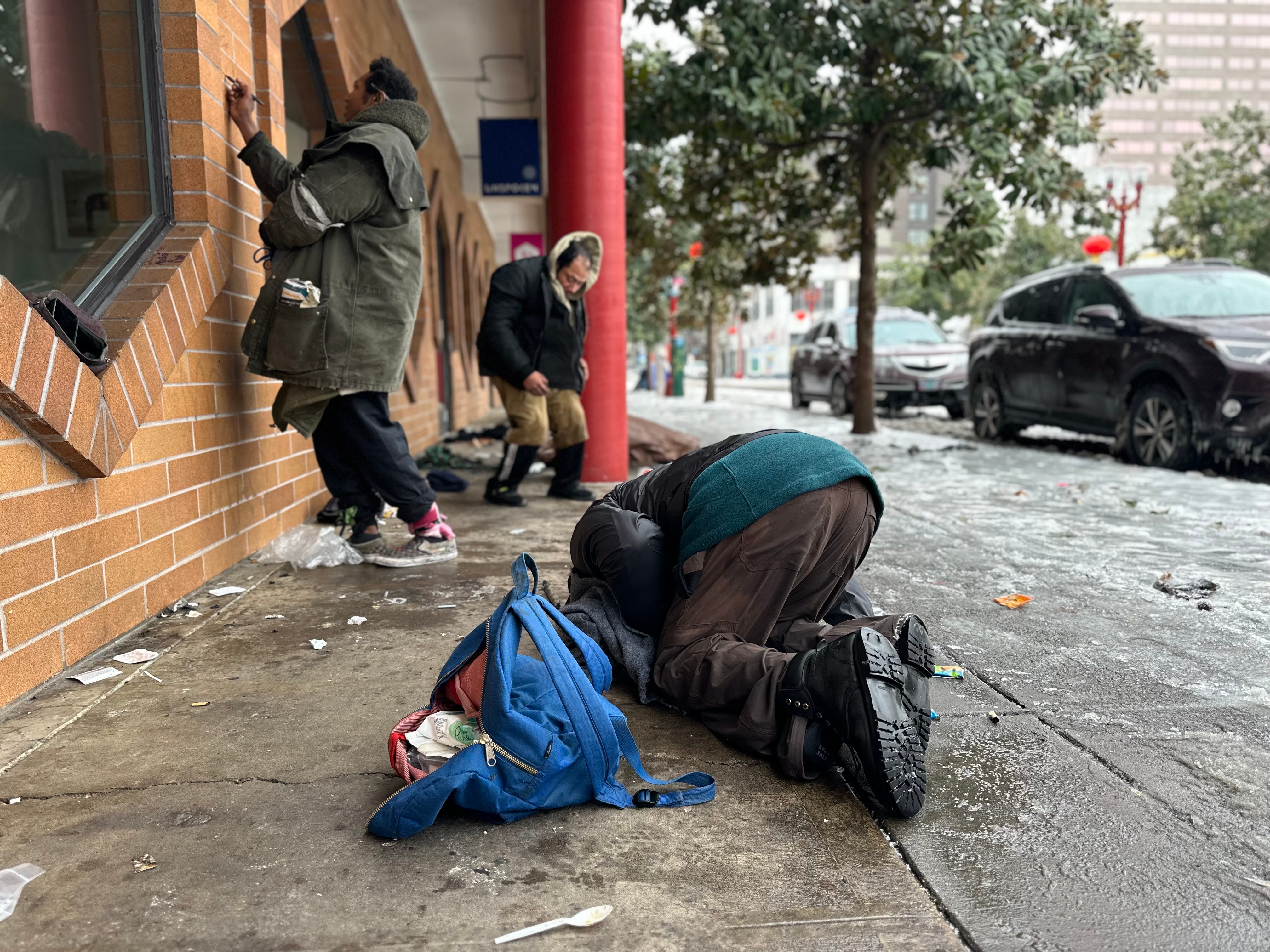
Effective outreach should mean daily, persistent contact. Workers should know people’s names, histories, addictions, mental-health struggles, benefits, identification problems, previous housing experiences, and the barriers keeping them on the street. The goal cannot simply be making contact. It should be understanding what it will realistically take to move each person toward treatment, shelter, housing, recovery, psychiatric care, reunification with family, or another appropriate option. After
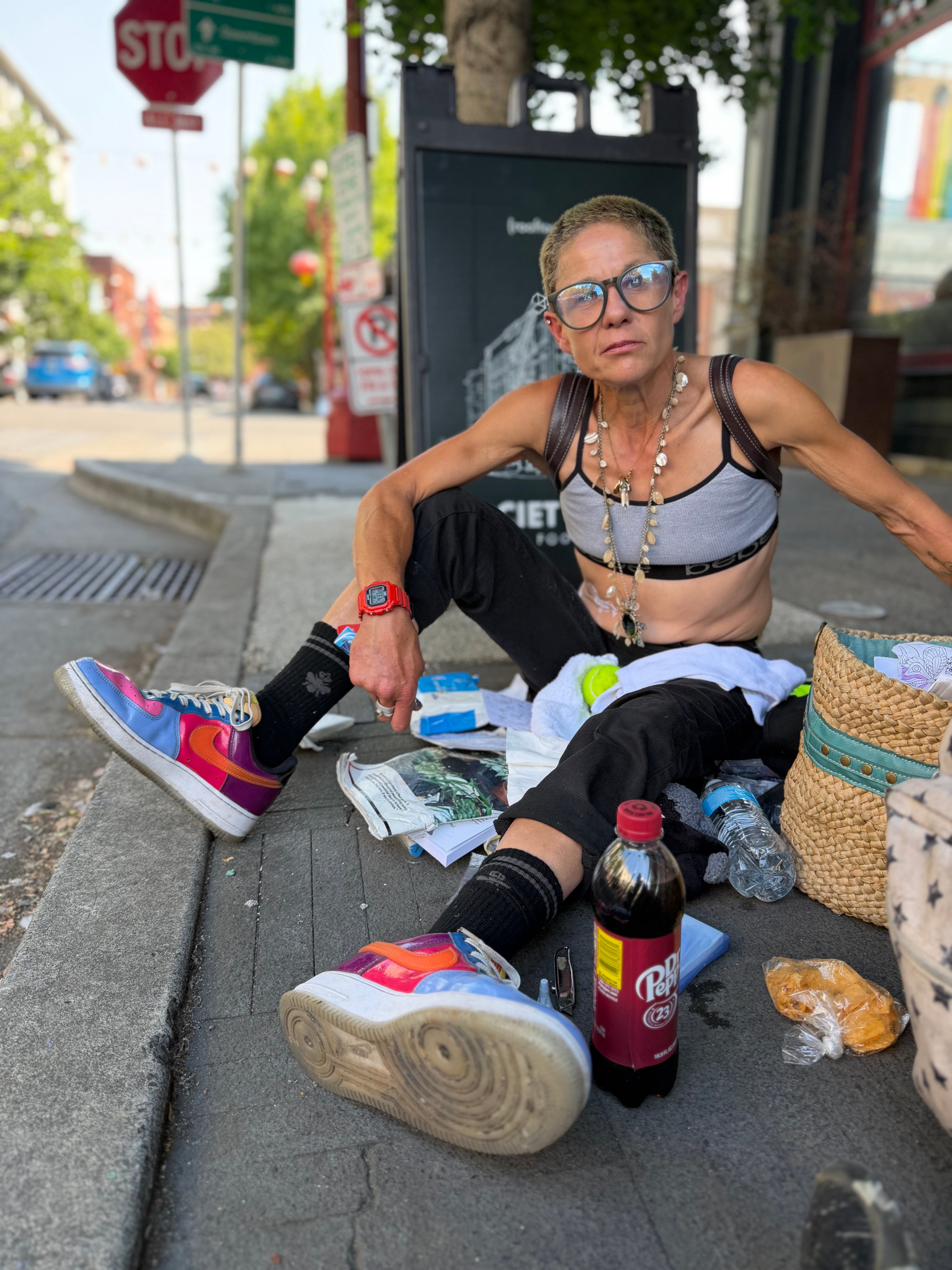
spending countless hours in Old Town, I have had repeated conversations with many of the people who consider this neighborhood home. Those conversations matter because eventually you begin to understand not simply that someone is homeless, but why they are homeless and what is keeping them there. Homelessness is not one problem requiring one solution. One person may need detox and residential treatment. Another may need psychiatric stabilization. Someone else may need identification and Social Security benefits restored. Some could return to family in another city. Others may need long-term supportive housing or recovery housing. And some will initially refuse everything.
That refusal does not mean the work ends. Not everyone is ready to leave the streets today. Persistent outreach means continuing to build trust so that when someone’s moment of willingness arrives—after an overdose, an assault, a freezing night, the death of a friend, or simply exhaustion—the system is prepared to act immediately. This is where I believe the current model often falls short. Much of what I observe being called outreach in Old Town is sporadic and brief. A worker may stop, exchange a few words, hand someone supplies, and move on. Those contacts can have value.
Relationship-building can have value. Harm-reduction supplies can have value. But they should be tools used to reach an outcome, not the outcome themselves. There is an important difference between outreach that maintains contact and outreach designed to change someone’s trajectory. If a person remains in the same doorway, suffering from the same addiction and experiencing the same crises month after month, the system should not declare success simply because workers contacted that person 50 times.
Imagine several teams assigned specifically to this small section of Old Town every day of the year. Their mission would be straightforward: know everyone, identify barriers, build trust, connect people with appropriate services, follow them through the system, and continue returning to those who initially say no. At the same time, the
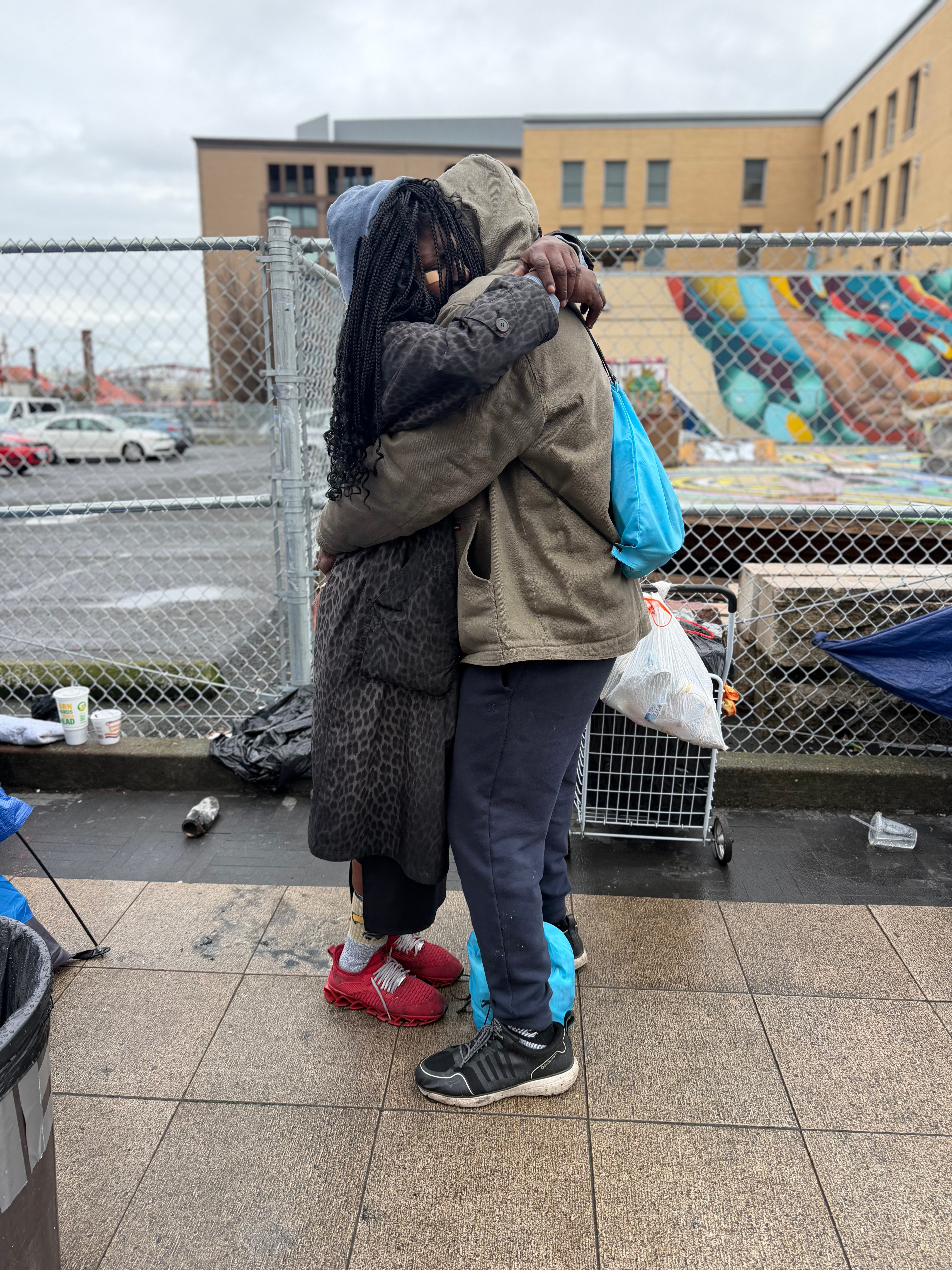
city has to restore basic expectations for public space. Sidewalks cannot permanently function as bedrooms, bathrooms, drug markets, psychiatric wards, and emergency rooms. Treatment, shelter, recovery programs, psychiatric care, and other meaningful alternatives must exist. But once those alternatives are available, remaining indefinitely in a tent while openly using fentanyl cannot be accepted as the final outcome.
Old Town does not need another study explaining that people are suffering. Anyone who spends an hour here can see that. It needs presence. It needs persistence. It needs treatment. It needs accountability. And above all, it needs a system whose definition of success is not how many contacts were made, supplies distributed, referrals offered, or dollars spent, but how many human beings actually made it off these streets. That is how Old Town begins moving from managing homelessness to actually helping people escape it.
Comments
Nothing yet. Say the first thing.
Sign in to join the conversation.