
AN INTRODUCTION TO THE INNER WORK SERIES -
Two years ago, I took a step away from my work, the business I had painstakingly co-founded and built-up for fifteen years, supporting social purpose organisations to achieve their impact and strengthen their organisational capacity. As it was for many people, the pandemic shone a light on what felt out of touch. It was time to take stock. The strategies I had been implementing were not working. The models I had been using felt outdated, rooted in performance and were too attached to upholding harmful systems, instead of questioning them. This was a painful realization. At the time, it felt almost impossible to imagine how to change. How could I move away from “stuckness” towards adaptability, and ignite my imagination?
As concerned as I was about economic and structural inequities, divisiveness, and ecological degradation, it was the fear of what happens if the structures within us started to crumble that really touched me. What happens when there is a loss of heart? When our inner strength & resilience is broken down? In my mind, these losses could do us in long before the collapse of our planet, and may in fact be a precursor to it. It felt like this journey was going to ask something of me, a deeper dive, an inner journey where the real change had to happen from within.
The Inner Work Series is about this process of change. At the heart of this inquiry is an exploration of the possible pathways, the inner work that it takes to process grief and disillusionment, to move towards transformation and healing, and weave my way back into healthier and generative relationships both in my work and my personal life. I welcome you on this journey and am grateful for your presence.
“Some say the soul informs the body. But what if we were to imagine for a moment that the body informs the soul.”
Clarissa Pinkola Estés, Women Who Run with the Wolves.
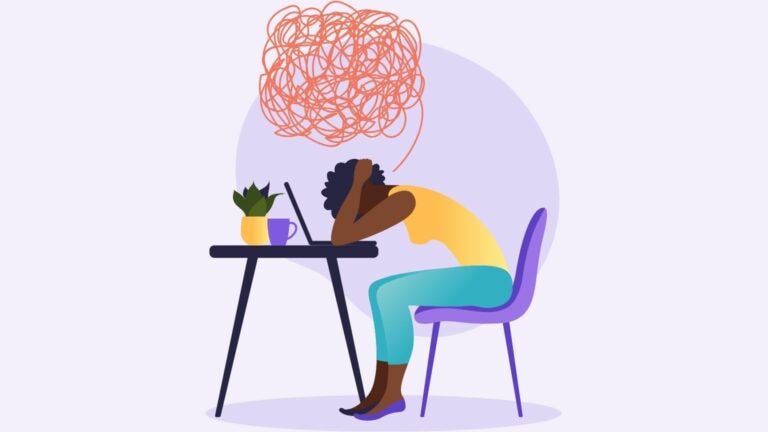
One of the difficulties that I have faced over the years has been learning how to manage stress. It has been a constant battle. I’m a single mom. I run my own business. The work I do is interesting, but challenging, and I am constantly adapting to meet the needs of the people I work with, and the complexity of the situations people are facing in their workplaces. At the end of the day, it often feels like my brain has done the work of an aerial gymnast. I pulled this entry out of my journal as an example:
“I had a very intense day. It is a test in endurance working with a government agency that spans international borders and multiple languages. They have hired me to them strengthen collaboration, and in the same breath set out unrealistic expectations, constantly changing and contradictory guidelines, all performed under very tight and unduly restrictive timelines, with an inadequate budget.”
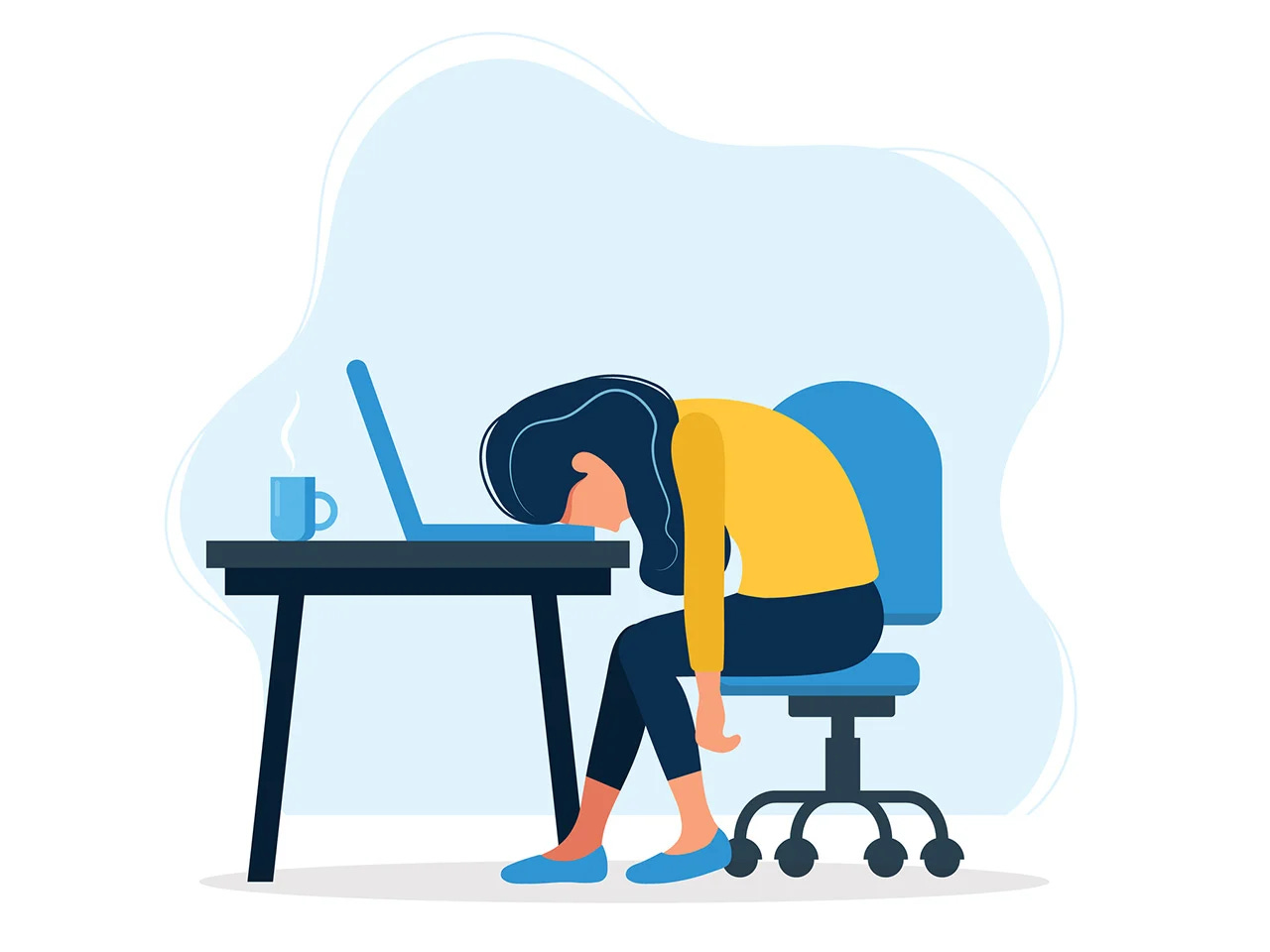
Unfortunately, this is not a one time experience. I wouldn’t even say that it is unusual, and most people working in the community and social purpose sectors these days can relate. I have noticed a pattern: The more I am engaged in and care about an issue, the more pressure I put on myself to dig deeper to find a solution or at least improve the situation. This might make me good at my job, but I also end up working longer hours, under strenuous circumstances, and feel physically exhausted, as well as emotionally drained. And over the years, this has taken its toll on the body.
Tricia Hersey is a Minister and artist. She founded an intriguing initiative called The Nap Ministry - just the title is enticing. She puts it bluntly, arguing that capitalism has cornered people into thinking that they need to work “at a machine level, from a disconnected and exhausted place.” To counter this, she has designed sacred spaces for the community to rest via the Collective Napping Exercise. In her book, Rest as Resistance, she writes:
“What we have internalized as productivity has been informed by a capitalist, ableist patriarchal system. Our drive and obsession to always be in a state of productivity leads us to a path of exhaustion, guilt, and shame. We falsely believe we are not doing enough and that we must always be guiding our lives toward more labour.”
What her initiative makes me realize is the importance of caring and connecting with my body, and how essential this is to support healing and repair. I think this is a lifelong process, and needs to be taken slowly, not rushed. This isn’t self-indulgence, but can actually be risky.
In fact, few skills have been more essential to me than the ability to settle my own body. I have found that I needed to experiment with this; practicing my way towards feeling more calm, alert, and fully present, no matter what is going on around me. Learning to become attuned to my body and practicing wise and compassionate self-care didn’t necessarily reduce the amount of stress around me, because this was often out of my control. But, it did allow me to increase my body’s ability to be present with what is difficult and learn to better manage stress.
Bessel van der Kolk, founder and medical director of the Trauma Center, has been studying the effects of stress and trauma for over 30 years. In his book, The Body Keeps the Score: Brain, Mind, and Body in the Healing of Trauma, he talks about adopting a “the bottom up” approach to reverse the damage of stress. This method introduces the body to experiences that deeply and viscerally contradict the helplessness, rage, or collapse that result from the body being under stress. He argues that we can develop methods and experiences that use the brain’s own neuroplasticity to help us recalibrate the brain’s alarm system to decrease stress hormone activity and hypervigilance. Instead, creating more room for our nervous system to find coherence and flow, where our bodies can become a gateway to our inner lives: our emotions, dreams, and aspirations.
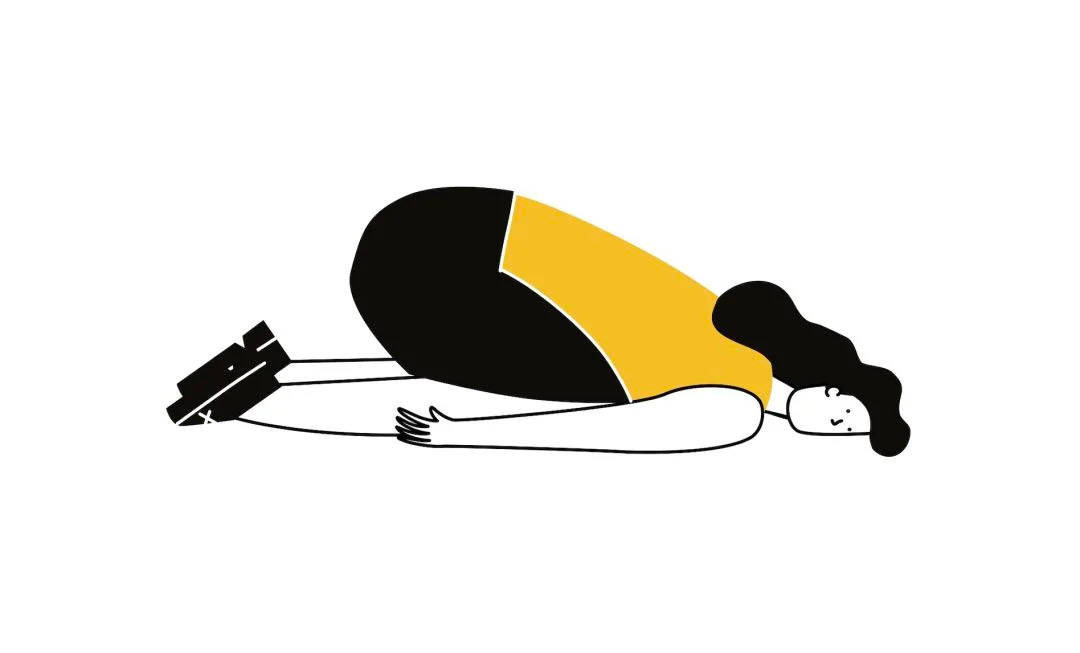
Our bodies require safeguarding, self-regard and soft, wise and compassionate self-care. Most people I know are subjected to the opposite message, which dictates that the body be ignored, tamed, or sculpted to fit external and unrealistic expectations. Unearthing models, and exploring methods and experiences that help us feel fully alive in the present and able to move with our lives is one of the key goals of the Inner Work Series. Practices that suggest that the body is a pathway toward healing and understanding our intrinsic worth are called somatic, and this is something I will explore in a future post. In the meantime, I leave you with Clarissa Pinkola Estés’ explanation of what she sees as the body’s purpose. As you read it, take it in. Let the words land in your body, and notice what you feel…
“[The body’s] purpose is to protect, contain, support, and fire the spirit and the soul within it, to be a repository for memory, to fill us with feeling. It is here to lift us and propel us, to fill us with feeling to prove that we exist, that we are here, to give us grounding, heft, weight. It is wrong to think of it as a place we leave in order to soar to the spirit. The body is the launcher of those experiences. Without body, there would be no sensations of crossing thresholds, there would be no sense of lifting, no sense of height, weightlessness. All that comes from the body.”
If you are interested in the Inner Work Series, please see these PREVIOUS POSTS:
CROSSROADS explores the dilemma of searching for more thoughtful approaches to work, deeper relationships and connection.
LOOKING AT TRAUMA, AND HEALING TRAUMA from a “non-expert” lens and personal experience.
We need to imagine a practice that is able to perform a ‘certain kind of’ ACUPUNCTURE on a system.
Comments
Nothing yet. Say the first thing.
Sign in to join the conversation.