
The other evening, I went to see a friend do a storytelling performance he called “The Drunken Rabbit”.
The program featured such not-quite-only-for-children animal stories and ditties as The Marabou by the Berlin caberetist Jodok, Manfred Kyber’s The Patented Crocodile and Soviet poet Sergey Vladimirovich Mikhalkov’s The Drunken Rabbit, a hilarious piece of rhymed and hollow bravado that I’d never heard of and that lent its name to the show.
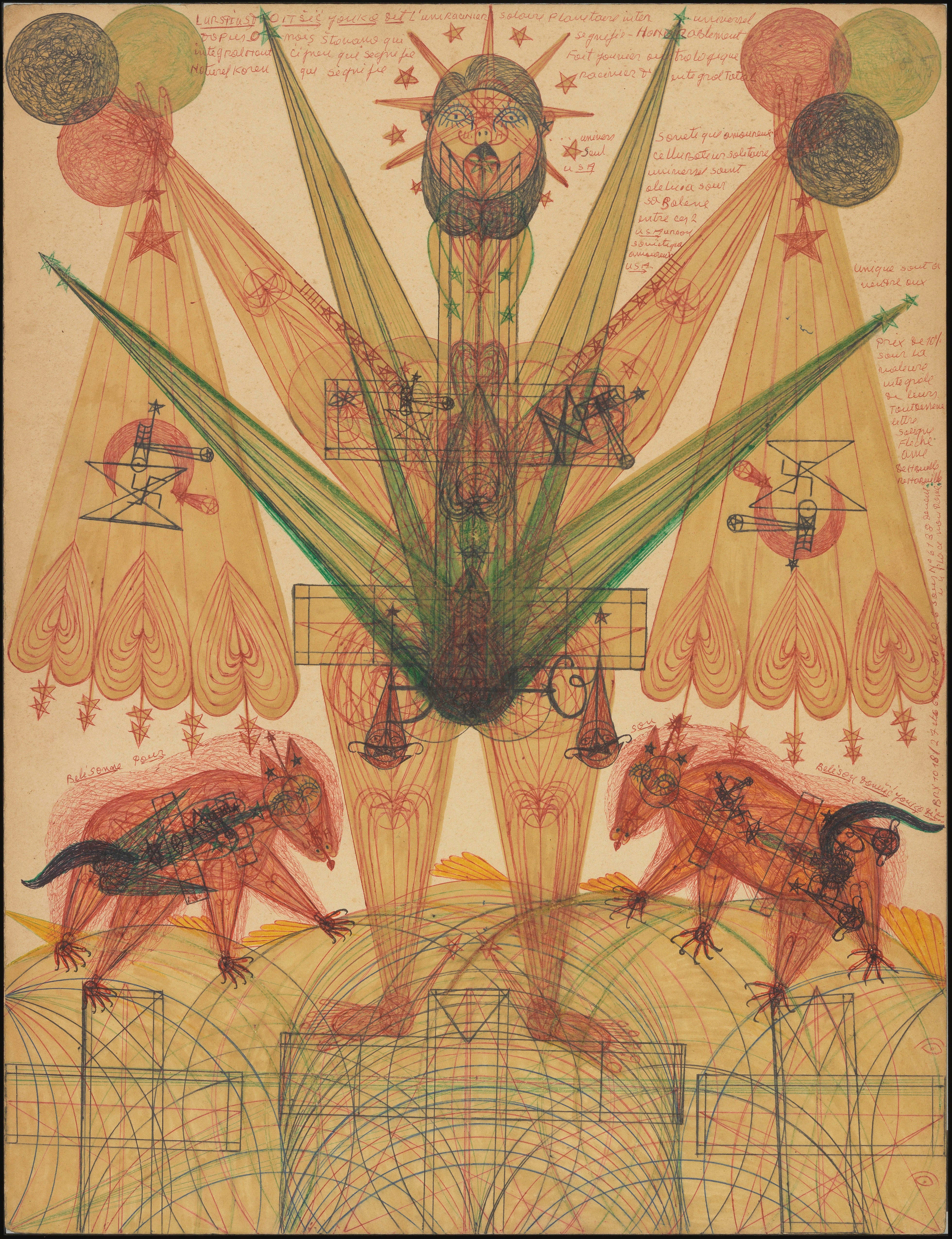
How The Camel Got Its Hump, from Kipling’s “Just So” stories was the last tale of the night.
My friend, tall and rangy, sporting a cloud of coarse hair and a natty salt-and-pepper goatee, is, in ordinary life – if you can believe it, and I hardly can and I have known him for some years now – an official church musician, a paid player of one of those gigantic pipe organs and a remunerated singer of songs of praise.
Because of that – I come from a place where religion is definitely not a public service – there’s something of a Brothers Grimm exoticism in having him as a friend. Somehow or another, the exoticism roots him in The Town Musicians of Bremen, still and forever my favorite Brothers Grimm story.
Amiable and easy, well-fit in his boots, a Married Man, Father to three excellent Sons and in his ways a scientist, a physician, a thespian, my friend, whom I determined to meet when I saw him dealing with the youngest one of his sons on a train, makes a truly magnificent Storyteller for Rabbit: Big Bird, saint and shaman, all three.

It’s near last call, the exasperated Djinn is already saying something to the effect of “If ‘Humpf’ is all you can say, O! Uncooperative Camel, ‘Hump’ is what you shall have!”.
When we were kids my mother use to read us “How the Camel Got its Hump” with mocking brio before bedtime.
One of my brothers was an Uncooperative Camel.
As a little kid, he would shout “Bulldozer!” to approve, and “Humph!” to disapprove, of something. A particularly volatile, determined and brilliant personality, this little brother was then and grew to be fearless, infinitely and usefully curious.
But sarcastic. And utterly devoid of the sweet cream of sympathy, ‘though not, I think, of the milk of kindness, though I’ve steered well-clear of trying to confirm that.

Kipling’s story was an easy tease against him – a significant glance in his direction when my mother intoned “Hump it shall be” could even be seen as a hint as to the possible consequences to his unkempt temper.
My brother took the tease badly. Not so much because he felt vexed by the moralizing – he was, grew to be impervious to moralizing. Rather, even at a tender age, he valued his temper as his own, fuck-you-thanks-buddy, temper.
“Humph” was just his personalized way of saying “No” as “Bulldozer” was for “Yes”. Nothing special. In fact, a tease just reminded him that Kipling’s tale was purest distilled idiocy. After all, why should a camel – a camel! – be accommodating or even polite? Would that make the thorns he ate more tender? The brackish water more plentiful? The rock less venomous?
And, as to exasperated but supposedly powerful Djinns, from that day to this, my brother believes in phenomena: “Bulldozer!”. Hocus pocus? No, thanks.
A warm August night, a glass of wine, good company, good fun and a reflective spirit go together like housework and a BBC podcast.

My friend’s storytelling had got me thinking about humans and the other animals, not just camels and djinns and my brother.
Sadiah Qureshi, who holds the chair in Modern British History at the University of Manchester, was talking to a BBC History Extra interviewer about her book, Vanished: An Unnatural History of Extinction while I was washing wine glasses and emptying the dishwasher this morning.
Before getting into the details of notions of “extinction” and the story of the Dodo bird, the island of Mauritius, Georges Cuvier and Charles Darwin, Qureshi caught my attention by insisting on first defining “species” as “way of being”.
It’s certainly true that the headline “Biologists warn the planet is undergoing an unprecedented loss of species” takes on a new heft when it’s written “Biologists warn the planet is undergoing an unprecedented loss of ways of being”.
Qureshi’s saying something like Read my story of “extinction of the dodo” as a loss of natural, moral and cultural as well as biological way of being.
And come to think of it, didn’t my own brother with his own unkempt temper intuit that the camel’s “Humph” and his own “Bulldozer!” above all mark the individual way of being for each of them?
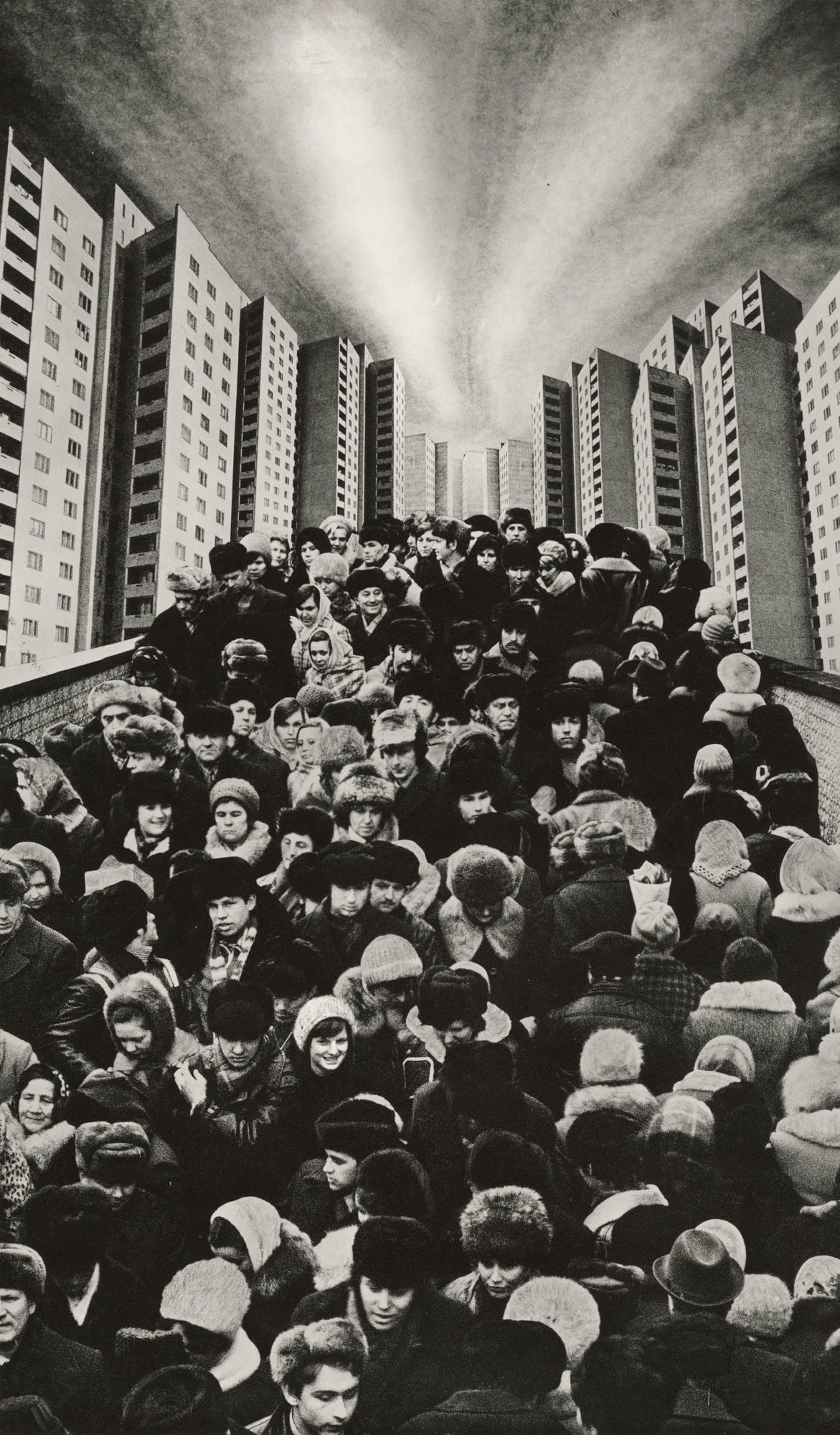
And, what I really admire in the good, amiable and easy friend who put on the “Drunken Rabbit” is not his many qualities, which in others and other combinations might bore me, but the unique triple folding of them in him, just like the Trinity or the genetic code of the Brothers Grimm: both the only ones and the models for everybody else.
A unique way of being is a daily and panoramic miracle.
And, underneath underlining that complex, instructive and entertaining uniqueness of ways of being in others and Other, Sadiah Qureshi also underlines the dangerous limits to which humans are lately pushing the bittersweet Tragedy of Life on the World Stage.
“Extinction of a way of being” gets beyond the biological and the necessary, is not just another sad but inevitable Story showing that, when the cryin’s done with, death is really birth of possibilities.
In fact, possibilities are narrowing.
The Tragedy that by its banality has been until now almost comic is more and more the bitterest goodbye. Something like this tenor, I mean:
Only blood red plums and hardy dwarf goats survived the long drought and the arrival of strangers. They had only white beans in the market. And, as I do not gain new ones, sadly, as I grow older, I lose friends and their inimitable ways of being.
_____
Notes on the Essay
According to Wikipedia, and I pretty much agree, “The Town Musicians of Bremen (German: Die Bremer Stadtmusikanten) is a German fairy tale collected by the Brothers Grimm and published in Grimms’ Fairy Tales in 1819 (KHM 27). It tells the story of four aging domestic animals who, after a lifetime of hard work, are neglected and mistreated by their former masters. Eventually, they decide to run away and become town musicians in the city of Bremen. Contrary to the story’s title, the characters never arrive in Bremen, as they succeed in tricking and scaring off a band of robbers, capturing their spoils, and moving into their house.”: https://en.wikipedia.org/wiki/Town_Musicians_of_Bremen
BBC History Extra: https://www.historyextra.com/podcast/
Vanished: An Unnatural History of Extinction (Penguin, 2025): https://www.penguin.co.uk/books/309254/vanished-by-qureshi-sadiah/9780141988566
“Only blood red plums and hardy dwarf goats survived the long drought and the arrival of strangers. They had only white beans in the market. And, as I do not gain new ones, sadly, as I grow older, I lose friends and their inimitable ways of being”. Unfortunately, I lost the attribution for this. Amin Maalouf, perhaps? If anyone recognizes it, let me know.
No posts
Comments
Nothing yet. Say the first thing.
Sign in to join the conversation.