
It is the 1st of March, and by rights it should be spring. The calendar says one thing; the early morning air says another, still holding on to winter. After a good night out with my son, we cross town to Waterloo, tripod in hand, jacket zipped against the cold, ready to shoot some new footage for Tracing London.
The footage is still sitting in the edit: cut, spliced, chopped and colour graded, and still not quite right. The photographs are a different matter. Those, I am pleased with.
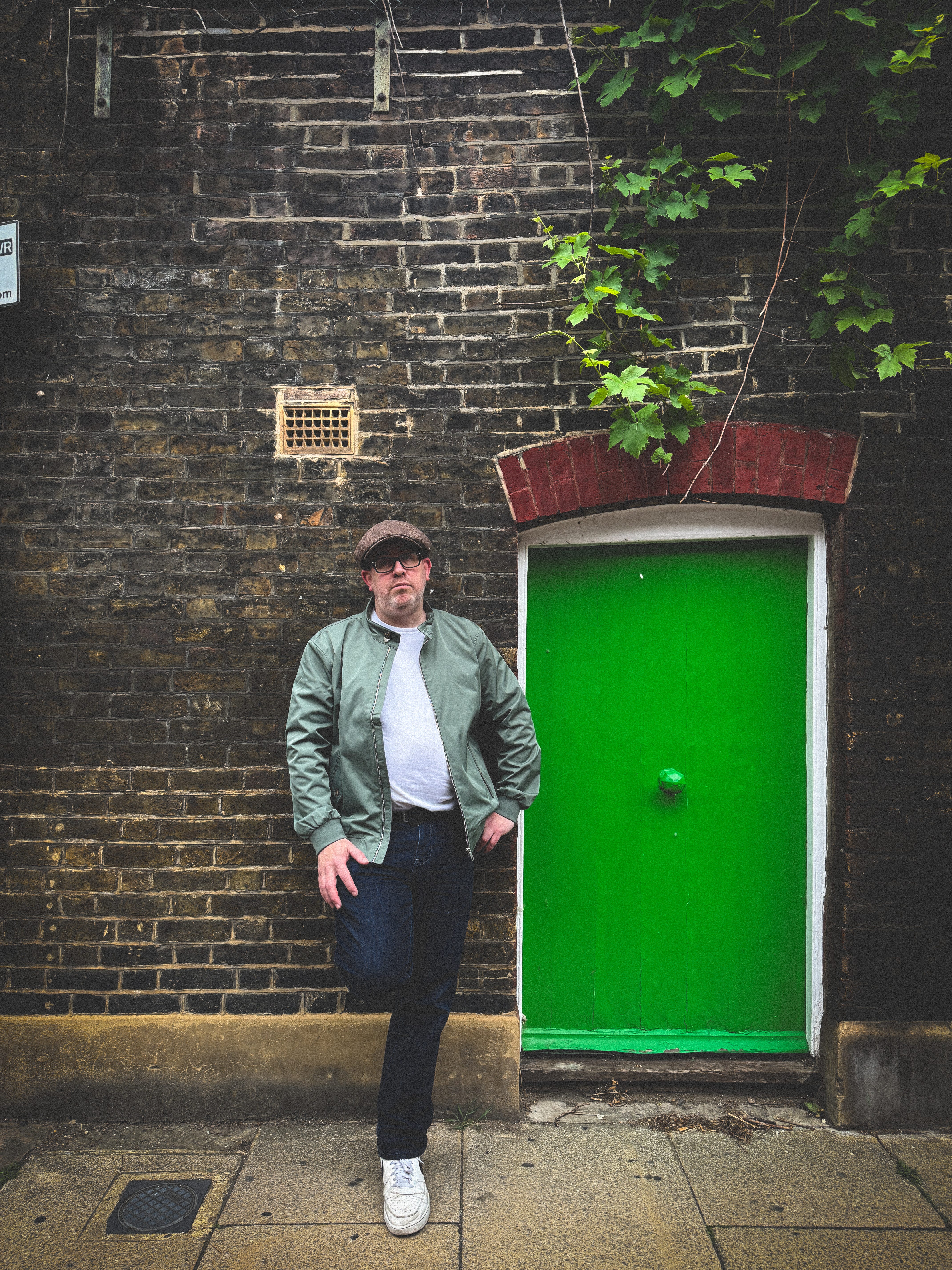
We have made it to Roupell Street, one of London’s genuine hidden gems. You will have seen it without knowing it. You won’t know it by name, and you almost certainly couldn’t place it on a map. So let me show you exactly where it is.Turn off the roar of Waterloo Road, thread through a gap between two buildings barely wide enough to notice, and London changes gear. The traffic falls away. The pavement narrows. Rows of two-storey brick cottages close in on either side, their doors painted in the muted colours of another century, their chimney pots crowding a sky that suddenly feels lower and closer. This is Roupell Street, and it has been quietly resisting the twentieth and twenty-first centuries for nearly two hundred years.
It sits only a few hundred yards from one of the busiest railway termini in Europe, yet it is easy to walk straight past without knowing it exists. That is part of its enduring appeal, and part of how it has survived at all.
Marsh Land and a Metal Merchant
Before Roupell Street existed, this was Lambeth Marsh: low, damp ground on the south bank of the Thames, cut through with ditches and used for market gardens. The construction of Waterloo Bridge in 1817 changed everything. Suddenly this unglamorous stretch of Lambeth was within easy reach of the City and the West End, and the land became valuable almost overnight.
John Roupell, a wealthy metal merchant, had already bought seven acres of this marsh back in 1792, sensing the potential long before the bridge made it obvious. In the 1820s his family began laying out a grid of modest workers' terraces across the site: solid, unpretentious brick cottages built for the clerks, tradesmen and labourers pouring into the area as Waterloo Station and its surrounding streets took shape.
Comments
Nothing yet. Say the first thing.
Sign in to join the conversation.