
If you open our fridge at home, you’ll quickly find that we are condiment hoarders. Hot sauces, fishy pastes, and jars of questionable looking fermented curiosities encompass more than half of the real estate. We wouldn’t have it any other way. These little jars hold the key to many dishes, either forming the base or used as the finishing touch. Doenjang and gochujang (Korean fermented soybean paste & chilli paste respectively) are always within arms reach for us. These pastes are not supporting actors; they make their presence known.
Harissa is one of those main character multi-use condiments. There’s no hiding behind its smoky, fiery taste. The flavours of smoked baklouti chilies, garlic, and Tabil (caraway seeds, coriander seeds, cumin seeds, red chilli flakes), are unmistakable when added to marinades, salad dressings, pasta sauces, or used as a dip with olive oil. Sam Lamiri, founder of Lamiri Harissa, a London-based brand with Tunisian roots, walks us through some valuable lessons he’s learned from dealing in the goods. In 2022, UNESCO appointed Tunisian harissa to the list of Intangible Cultural Heritage of Humanity.
My name’s Sam and although I was raised in South London, very often I find myself wandering around Tunisian chilli farms. Reason: In 2021 I launched “Lamiri Harissa” as a reaction to brands butchering our national condiment, using none of the right ingredients and then making it the wrong way. So with the help of my auntie in Tunis I started importing and delivering “real” Tunisian harissa by bike to friends, with the goal to give back to Tunisian communities and promote something they could be proud of. Over the past five years I’ve learned a lot about doing business in Tunisia, and chilli farming, mostly the hard way.
So here are a few of those lessons. Probably useless for readers of a London based food magazine, but hopefully somewhat interesting none the less.
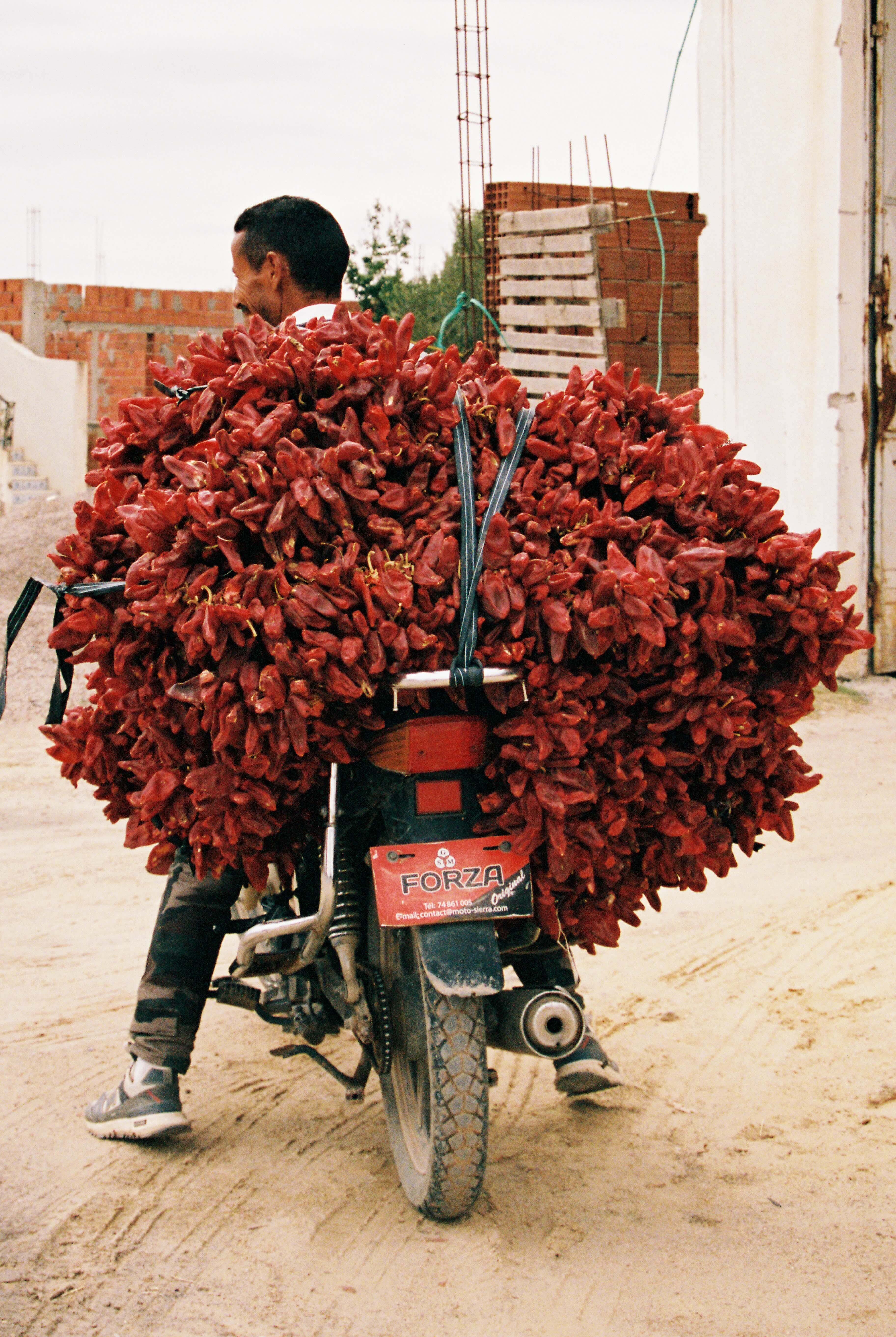
As someone who didn’t grow up in Tunis, farmers are always a bit wary when a tatted up Londoner arrives, asking to buy a couple tons of chillies. Forget my green (Tunisian) passport - to them I’m a gringo and the prices they offer reflect it. However I often find myself walking through a field where I’ll be offered a chilli to try…. Now, taking a bit of a fresh, deep red, 30k Scoville chilli in 35 degree heat may not sound like a good idea but in this very unique situation, do it. After munching on next 3-4 varieties they offer up, your mouth now unable to distinguish the flavour of anything, you’ll have earned the farmers respect and potentially even unlocked “local prices”.
There are a few factors determine the heat of a a chilli, such as variety, or how it’s grown. For example, farmers will sometimes stress the plant, reducing water before harvest to increases the heat. One way I’ve found to determine the heat of a Baklouti is to rip it open and see how yellow/orange the gills inside are. Compare that to a bell pepper, where those same pale lines carry no heat at all.
Due to the huge demand for Baklouti as the main ingredient in harissa, it supports families across Tunisia and you’ll often see homes covered with drying chillies whilst kids play amongst them. Most of the Tunisian chilli farms are run by 3-4 generations of one family, growing various crops throughout the year. They’re way ahead when it comes to biodiversity and you’ll usually end up leaving with a boot full of pumpkins, corn or whatever else is in season.
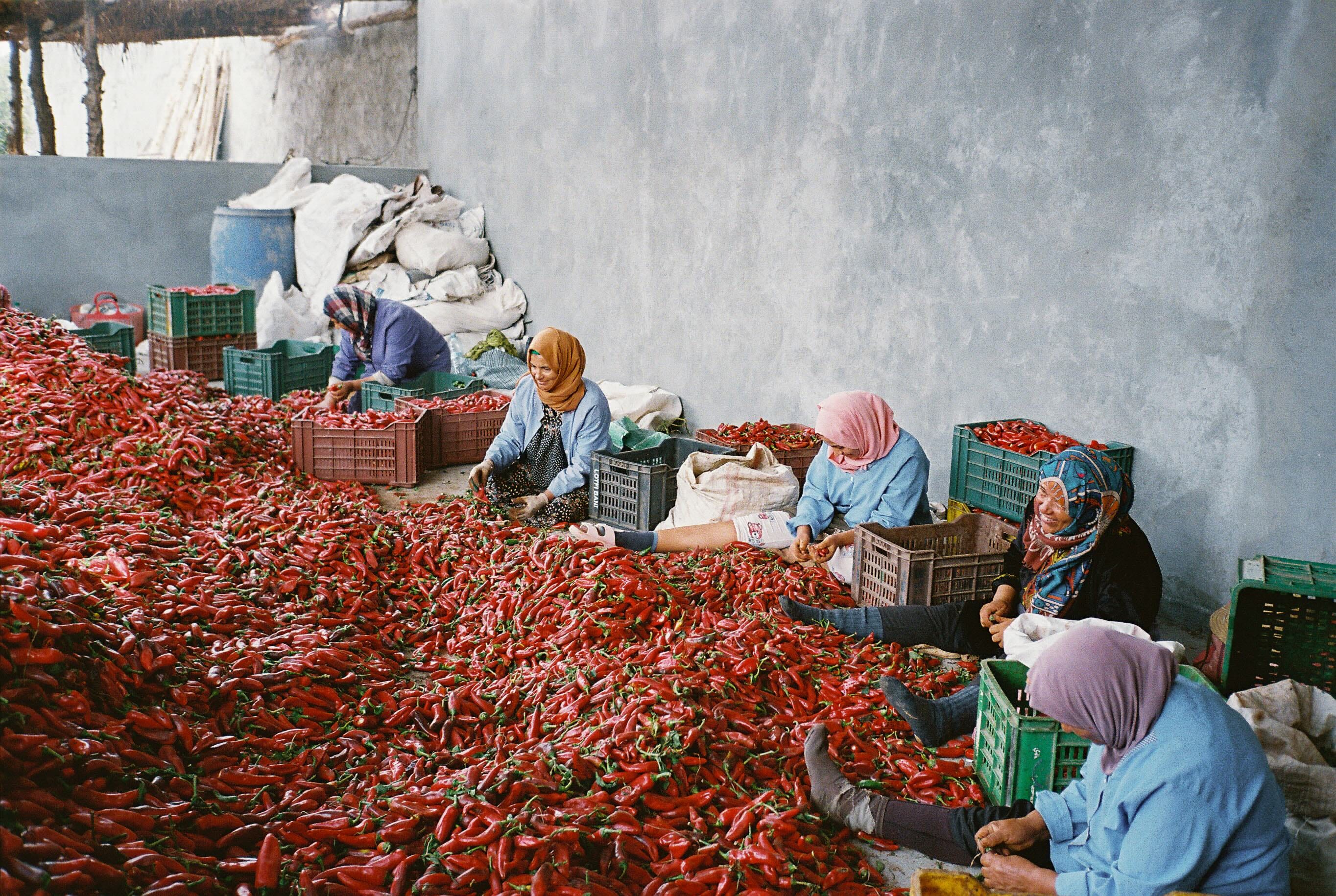
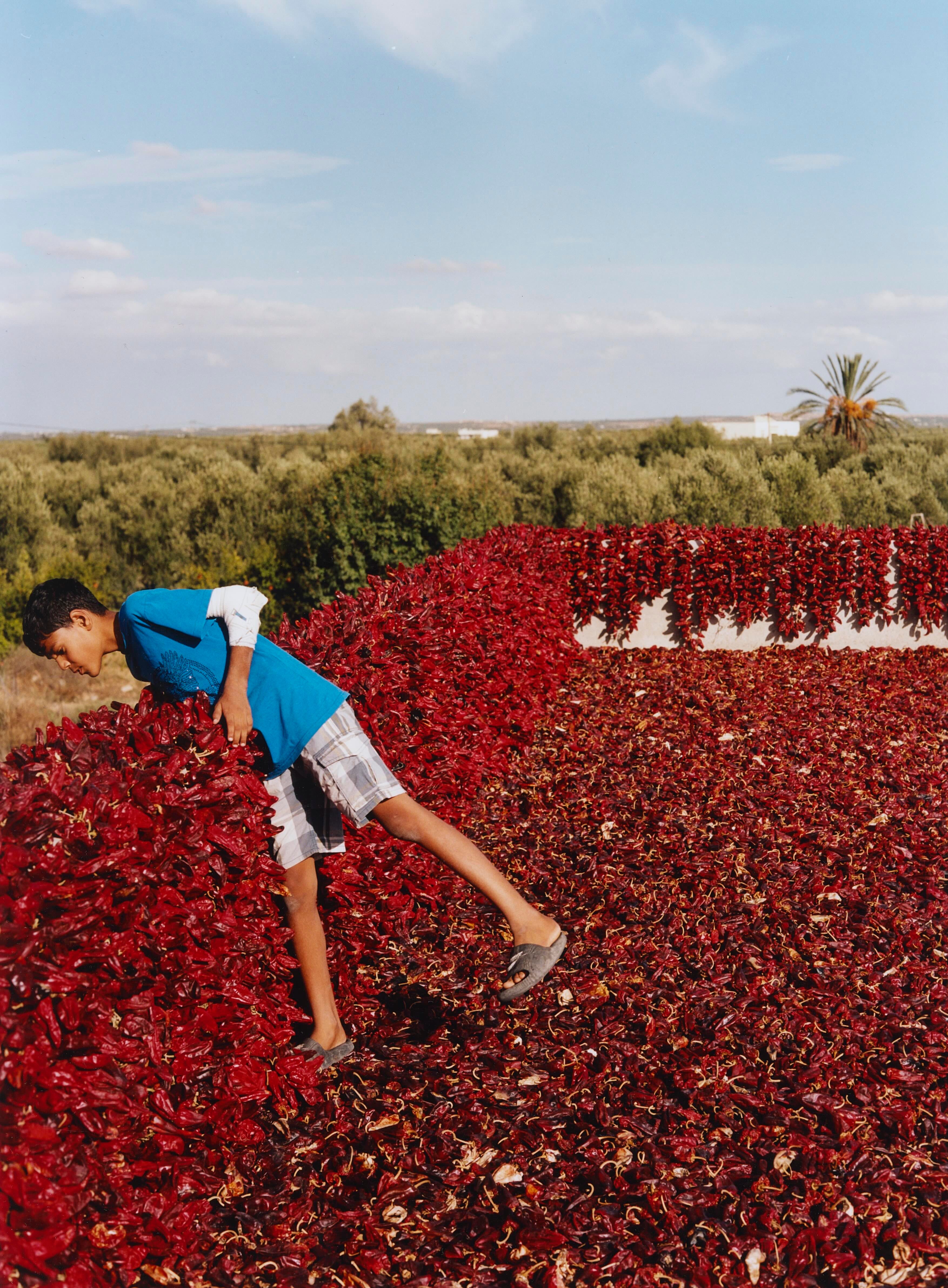
Forget emails or phone calls. You wanna talk business with your chilli supplier? You better hop in your car, oh and be ready to buy on the spot. I once made the mistake of calling a chilli farmer/smoker suggesting that I’d found other chillies at a good price, asking if he could smoke them for a fee. His response (between the swearing) “you’re cutting me out over the phone!” and “you don’t deserve my chillies”. One long trip in my friends 4X4 and we were back to being best friends.
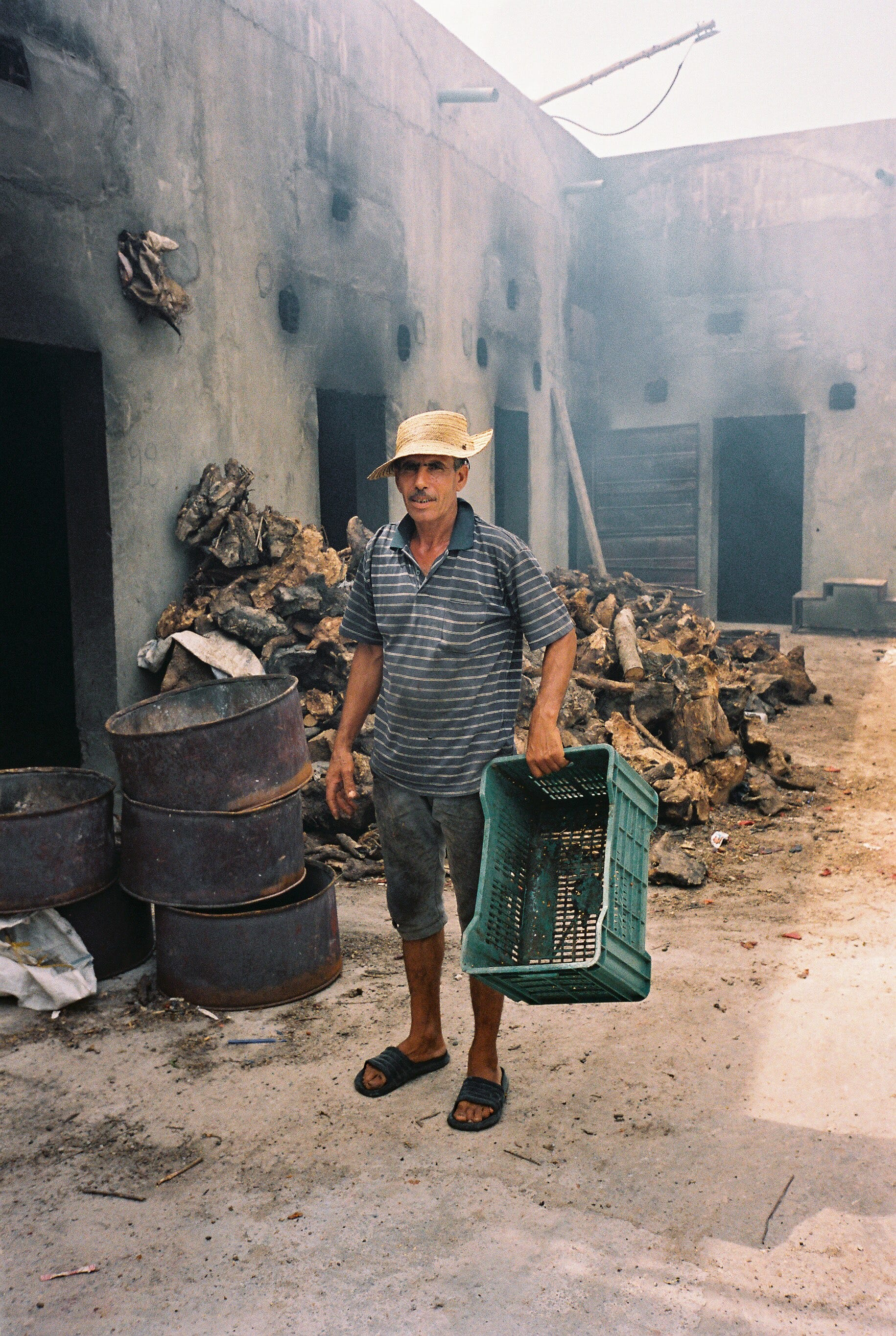
There are two ways to make traditional Harissa “Arbi” - smoking chillies or sun-drying them. The smoked version we make involves hanging Baklouti over burning olive and eucalyptus wood for 48 hours and is arguably the most important part of in the process. We work closely with all the people who smoke our chillies, some may say too close as I once walked into a live smoker, attempting to get some cool IG content. I can only describe the experience of standing in a smoke filled room with thousands of chillies as getting pepper sprayed in a sauna.
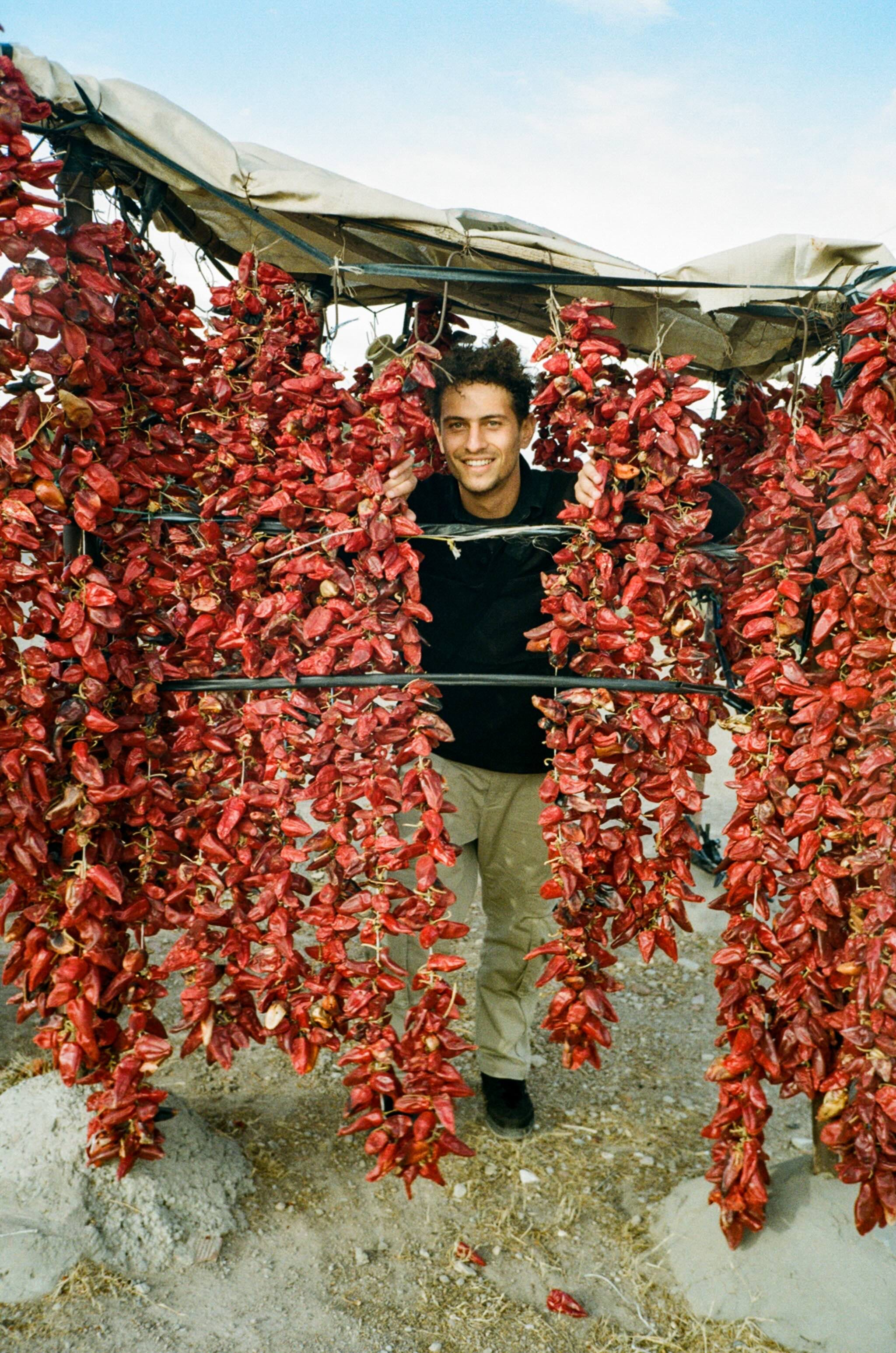
Sam Lamiri is the founder of Lamiri Harissa
ICYMI, we published our call for pitches for Issue 03 — From Ancient to Modern. You can find the full details here. The deadline is 29 April 6pm BST for both written and visual pitches.
No posts
Comments
Nothing yet. Say the first thing.
Sign in to join the conversation.