
It’s funny how life so often brings you full circle. Practices come and go, seasons shift, relationships begin and end and sometimes you find yourself right back where you started.
That’s been happening to me a lot lately.
As I near the end of my MFA journey, I’ve been immersed in looking at art, speaking with artists, listening to talks, giving talks, learning a language I didn’t even know existed. And somehow, through all of it, I’ve been returned to the beginning.
But this time, with a deeper understanding of the why and the how.
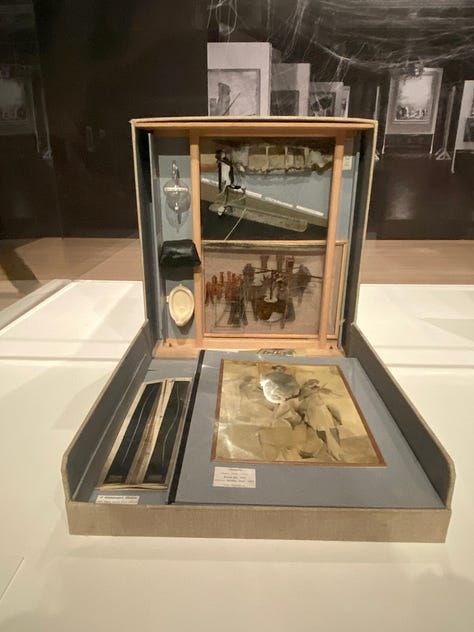
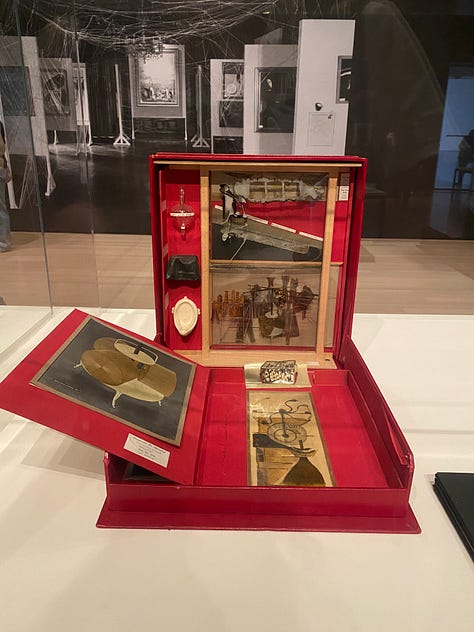
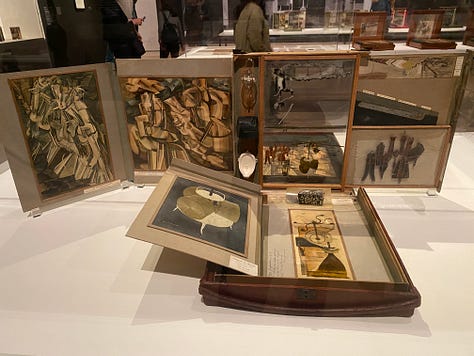
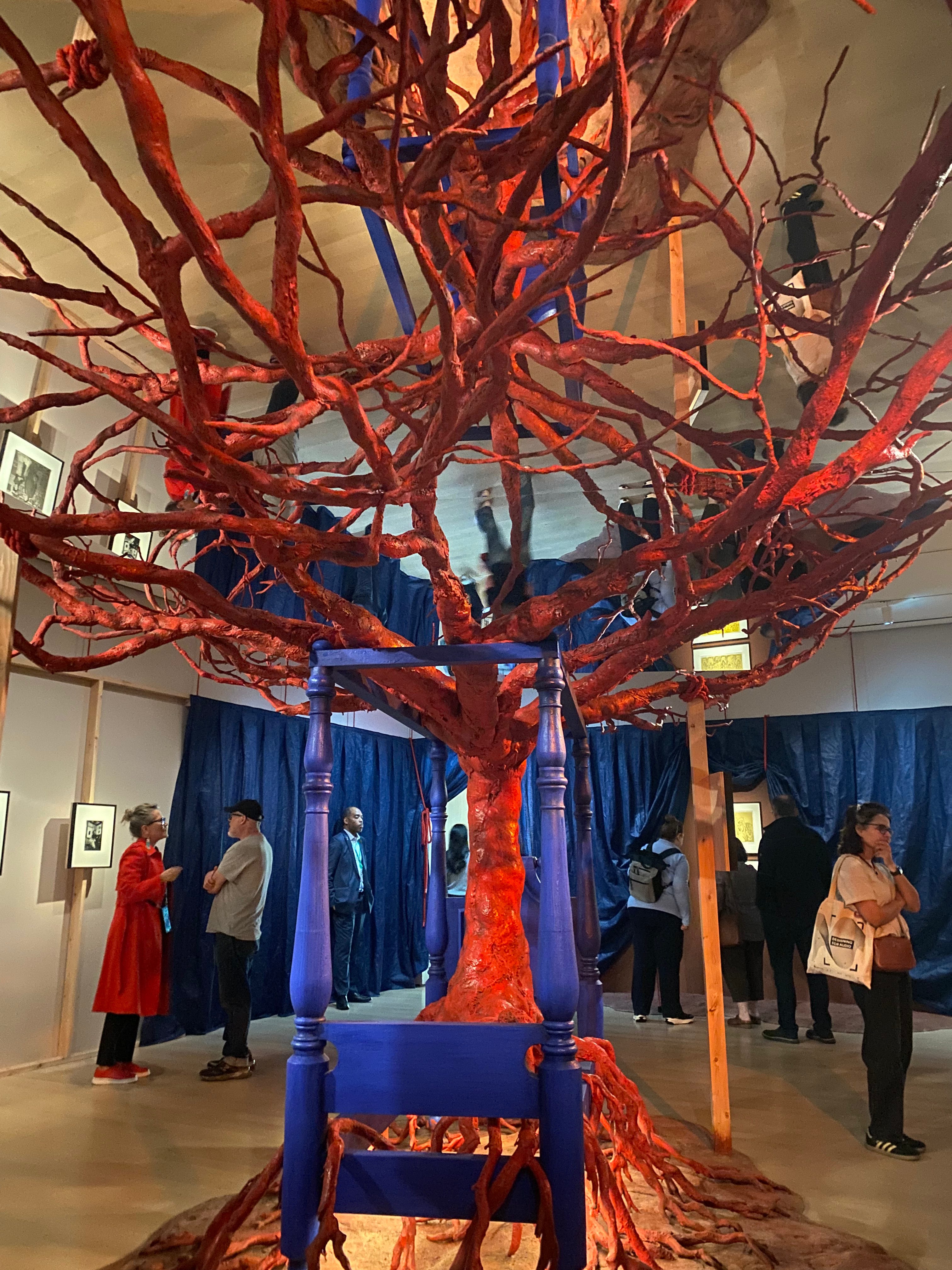
In the past few weeks, I’ve been moving through a kind of immersion. I went to the New Museum’s newly expanded opening show (not for me, though the space is impressive), spent a day on a gallery tour through TriBeCa (so many strong shows), and visited the Museum of Modern Art for the Marcel Duchamp retrospective—his Boîte-en-valise pieces were incredibly inspiring
—as well as Frida and Diego: The Last Dream.
I’ve listened to artist talks by Jean Shin and Dannielle Tegeder (of Hilmas Ghost),
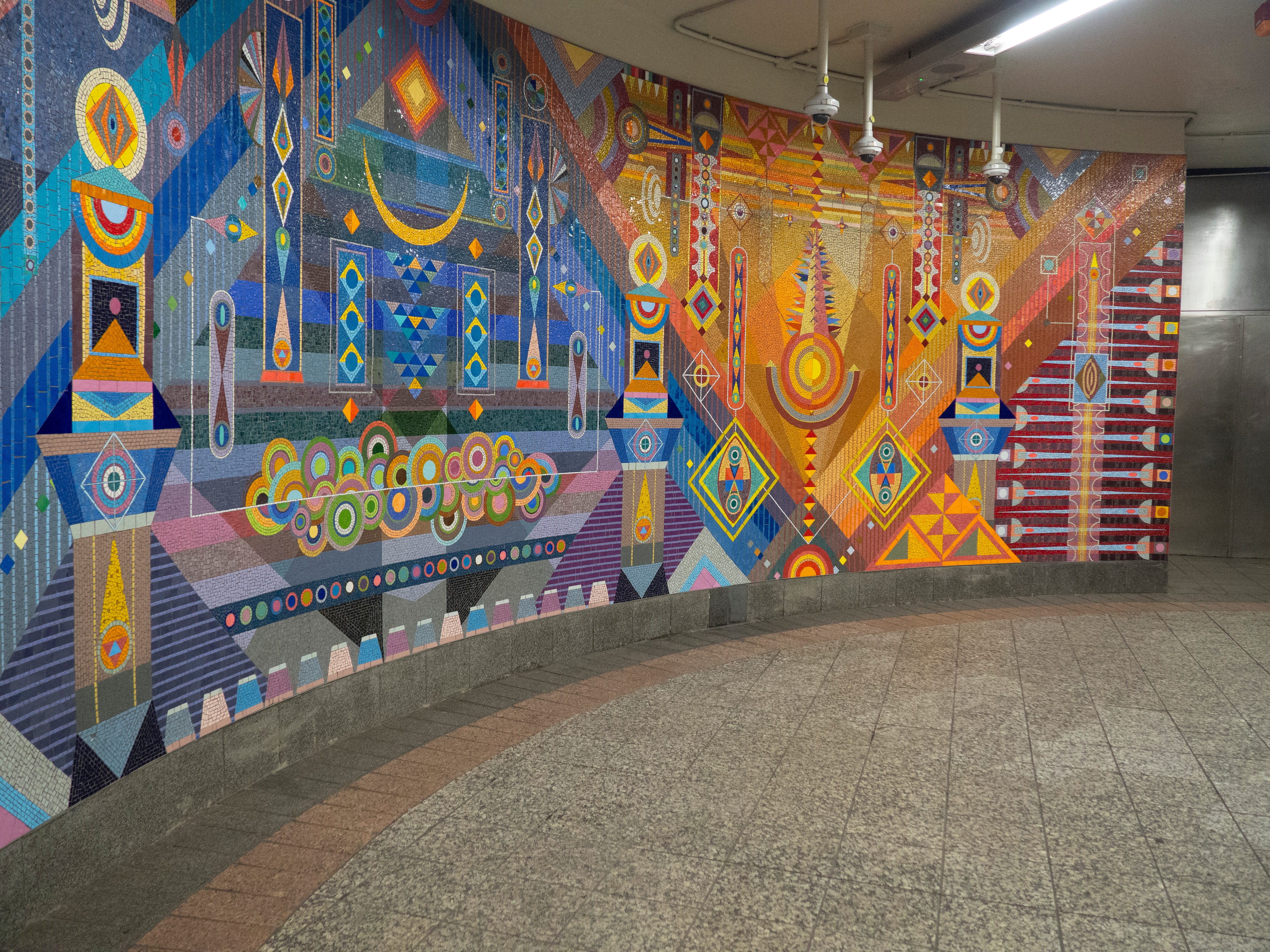
(check out Dannielle Tegeder’s substack The Conjurors Studio)
and most recently spent time with the retrospective at the Whitney Museum of American Art. A lot has already been said about that show—you can read about it elsewhere (here and here)
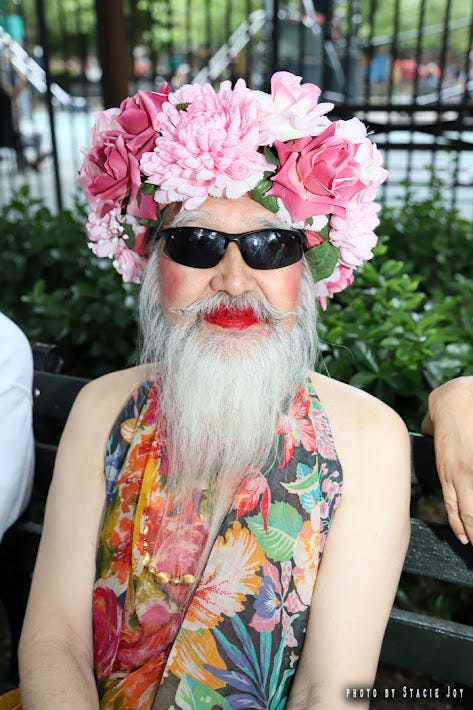
But for me, this was where I encountered (or perhaps re-encountered) the work of Agosto Machado, who sadly passed away last month.
My academic advisor recently tasked me with narrowing down my artistic lineage (a future post on this coming soon), the artists who feel like immediate family to my work. Enter Agosto.
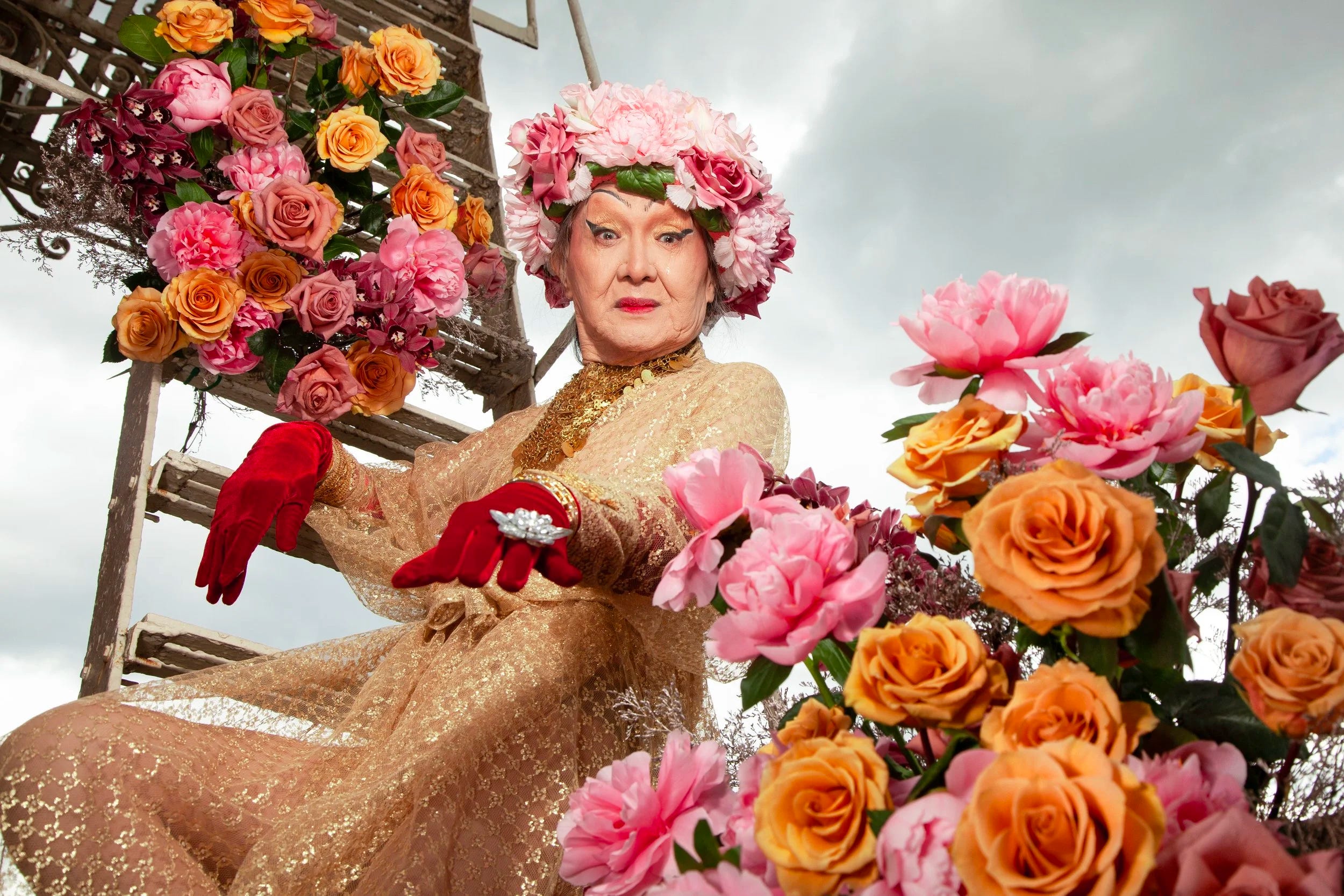
Agosto Machado was a Chinese–Spanish–Filipino American performance artist, activist, and archivist, who was a vital presence in downtown New York’s queer and avant-garde art scenes from the 1960s onward. A participant in the Stonewall riots and a member of the Gay Activists Alliance, his life and work were deeply embedded in the histories he helped shape. A performer, writer, and keeper of memory whose work moved fluidly between life and art. Deeply embedded in queer cultural communities, he gathered the traces of lived experience such as objects, photographs, fragments, and transformed them into intimate installations that felt both like shrines and acts of remembrance.
(Don’t you want him at a family dinner!)
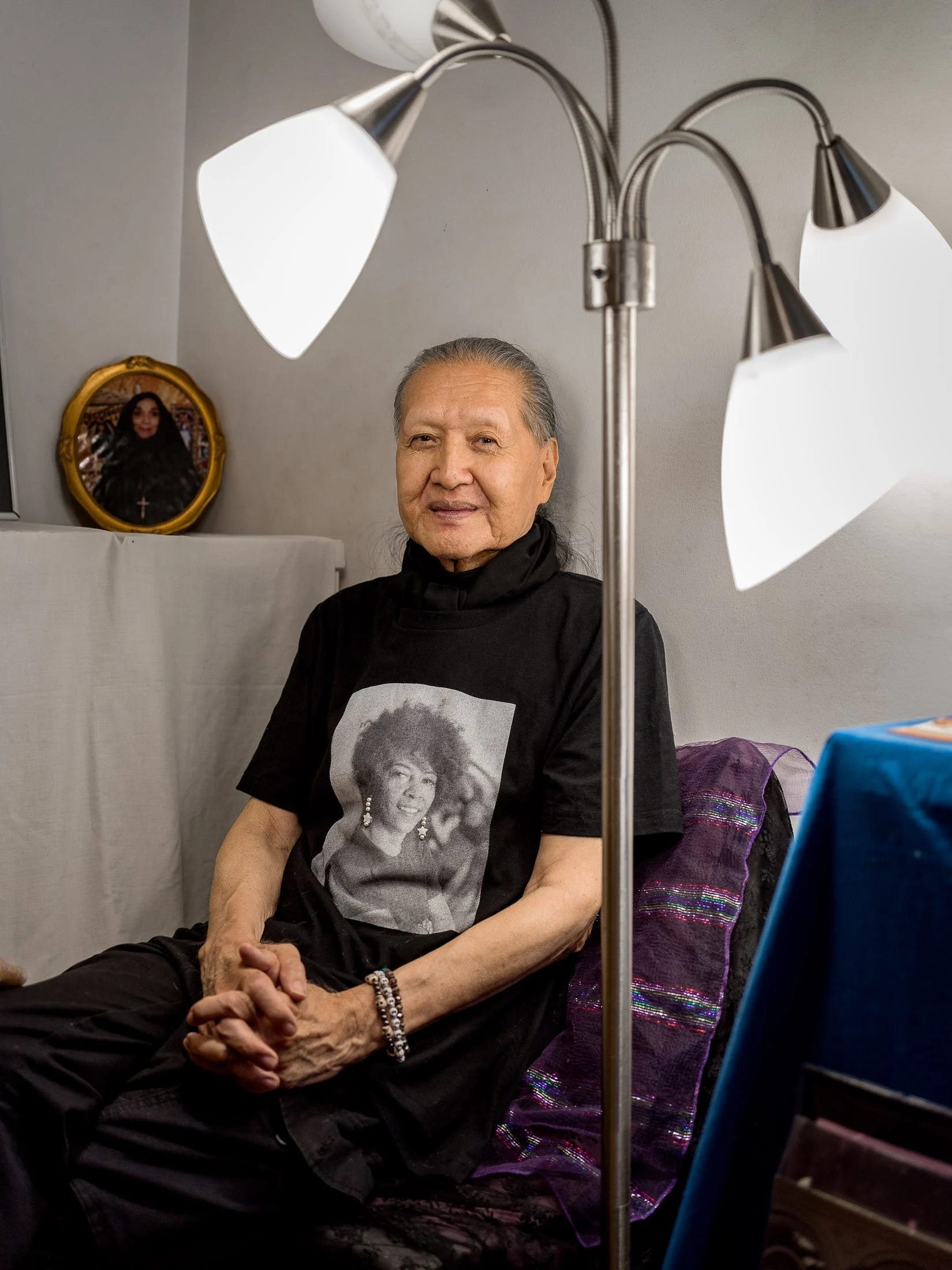
I’ve been thinking about the altar not just as a site of devotion, but as a form of archive.
Not the institutional kind (catalogued, fixed, preserved behind glass)
But something closer to a living record. A place where memory is held through attention, through material, through care.
A quick note on terminology: While the terms are often used interchangeably, an altar and a shrine carry slightly different energies. An altar is a site of action where offerings are made, relationships are tended, and something is actively in process. A shrine, by contrast, is a site of holding where memory, presence, and reverence gather and remain. In practice, most spaces move between the two. My work lives in that threshold: beginning as an altar rooted in exchange and becoming, and over time, quietly shifting into a shrine that holds the traces of what has passed through it.
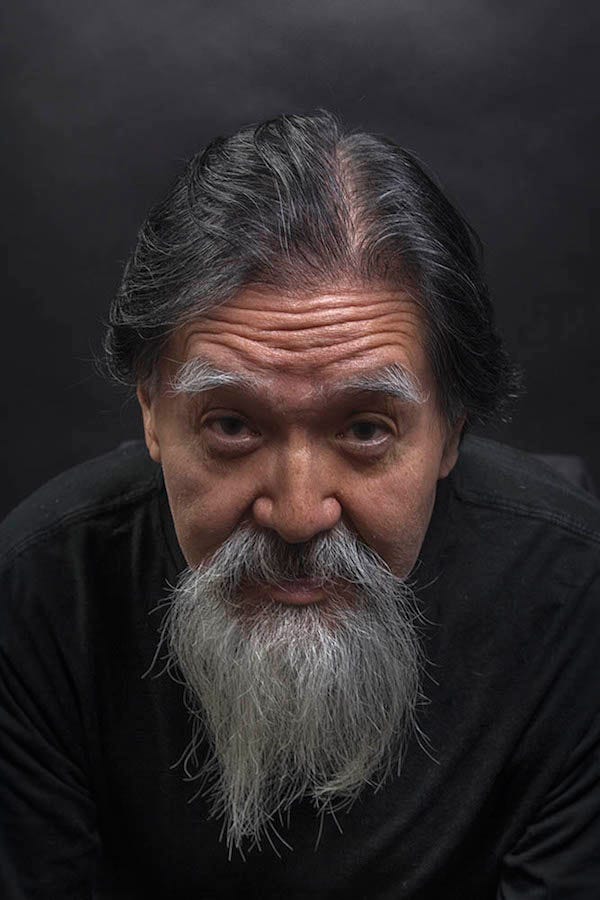
In the work of Agosto the altar becomes a cultural archive, one that gathers the traces of queer life in downtown New York: photographs, objects, fragments of performance, the residue of presence. His altars hold what might otherwise disappear, ephemeral histories, chosen families, lives lived intensely and often outside official record.
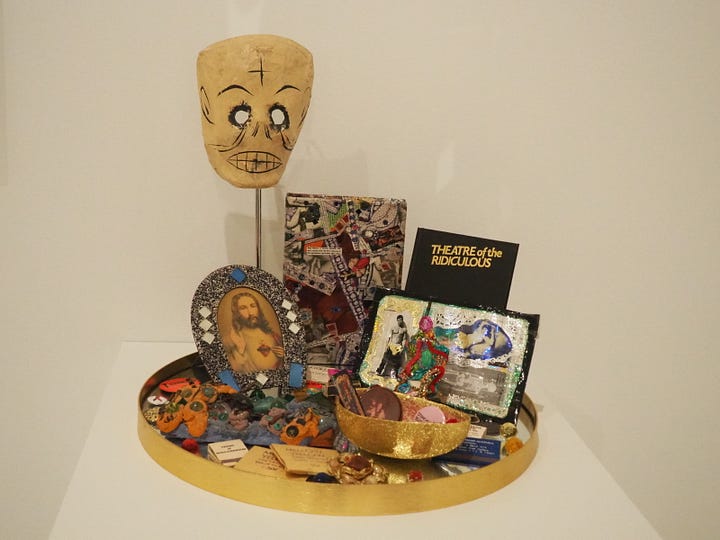
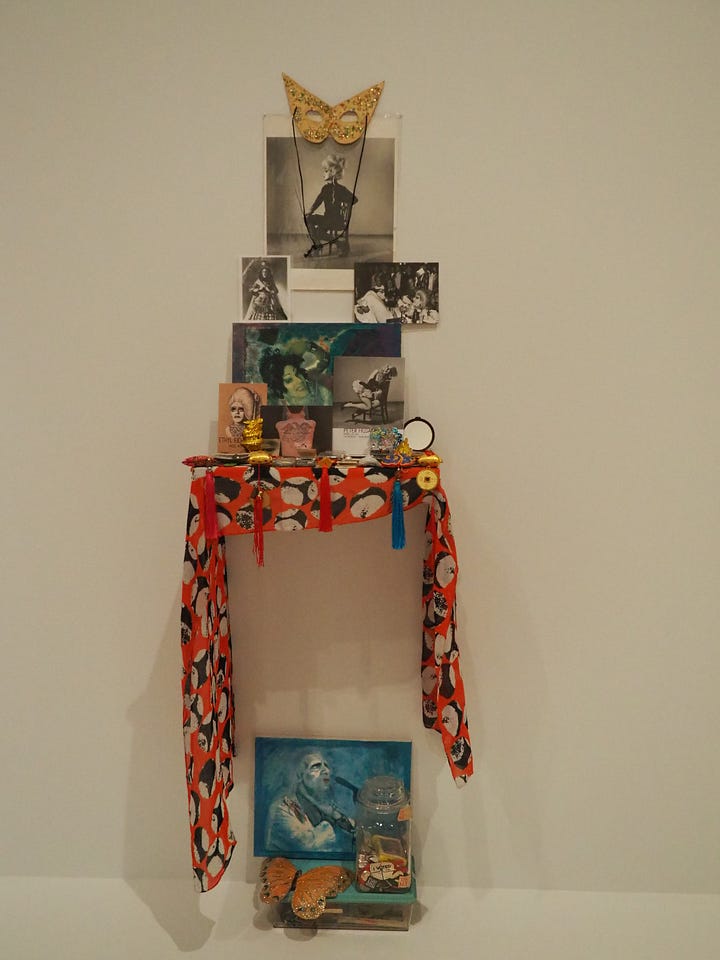
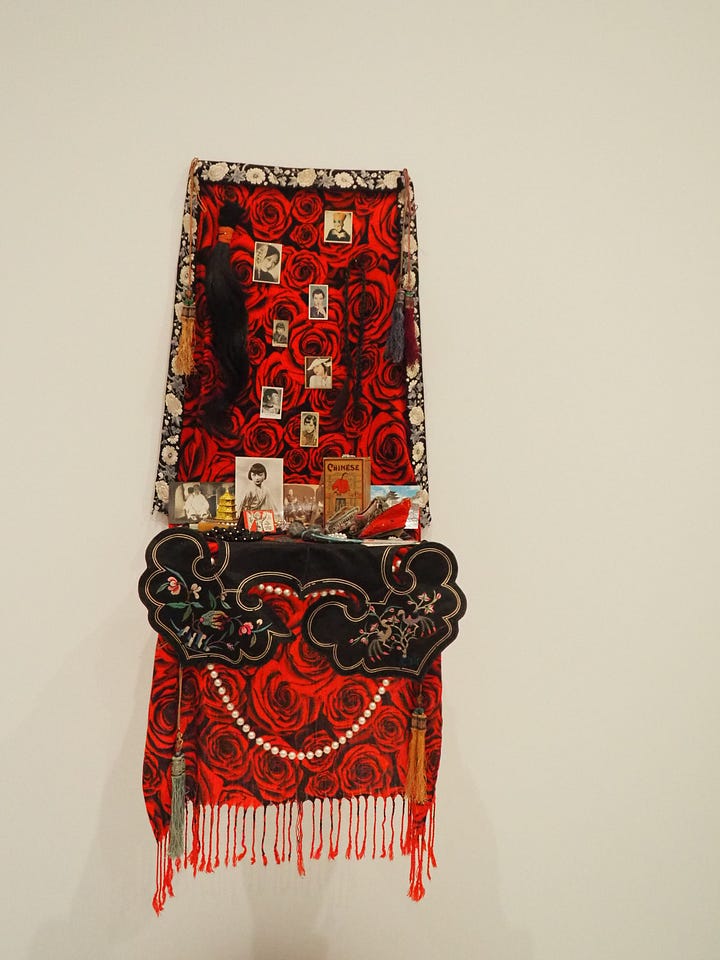
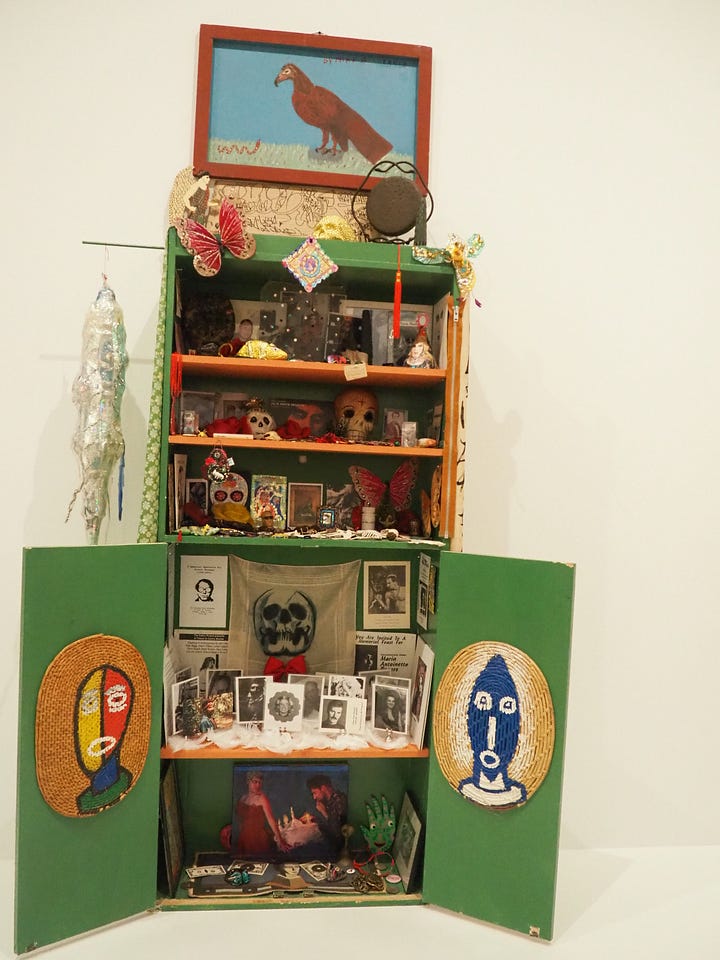
They are acts of refusal.
They say: this mattered. These lives mattered. This will not be forgotten.
Enter another “family member” Amalia Mesa-Bains
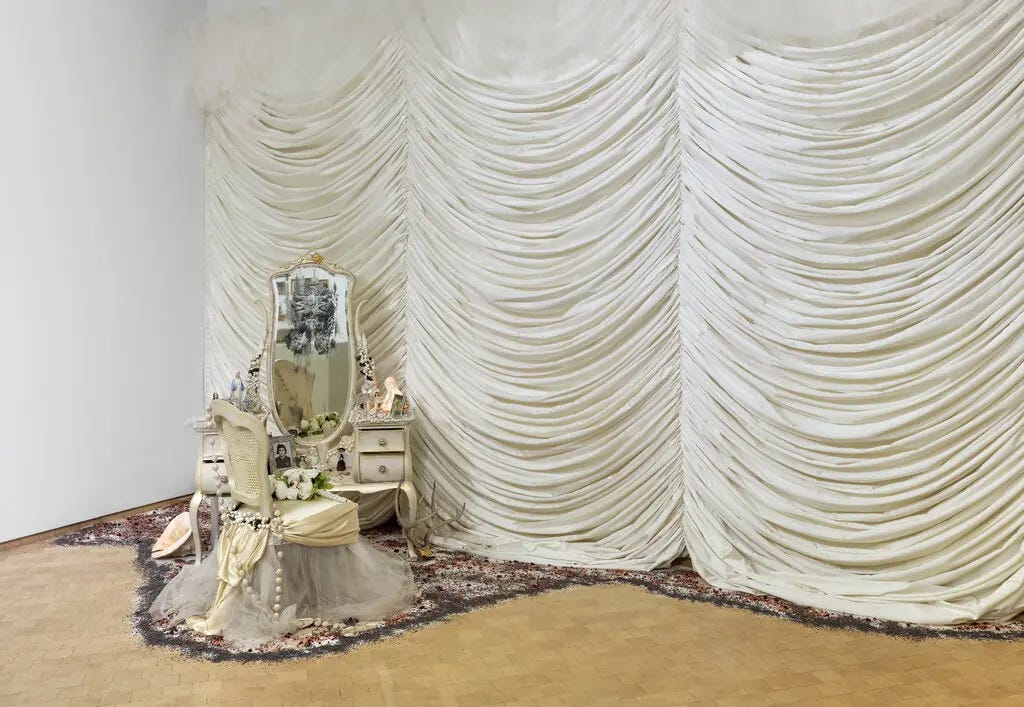
Amalia Mesa-Bains is a pioneering Chicana artist, curator, and cultural theorist whose work centers on altar-making as a form of cultural memory and feminist practice. Drawing from the traditions of the ofrenda, she creates immersive installations that weave together domestic space, spirituality, and identity. Her work reclaims and rearticulates histories that have been marginalized or erased, positioning the altar as both a site of remembrance and a space of critical reflection.
In a different but deeply resonant way, Amalia Mesa-Bains also works with the altar as archive deeply rooted in Chicana feminist practice, domestic space, and ancestral memory. Her installations draw from the visual language of the ofrenda, but expand it into complex environments where identity, spirituality, and cultural history converge.
In her In New World Wunderkammer (2013–2014), Amalia Mesa-Bains reimagines the early cabinets of curiosity—those dense, collected displays through which European collectors once tried to contain and make sense of the world. But instead of reinforcing that impulse to possess, she unravels it.
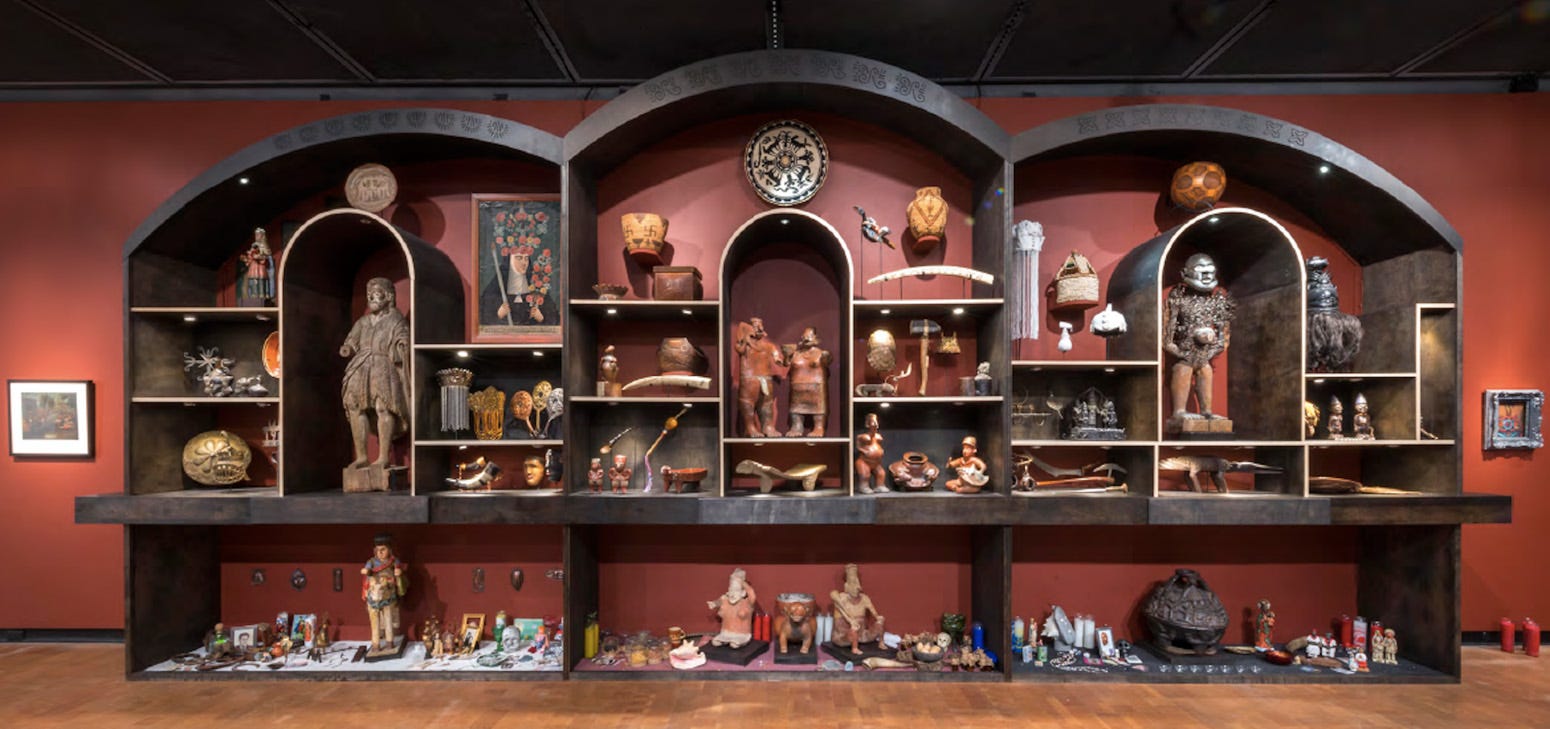
The installation returns us to the moment of collision in 1492—the convergence of Indigenous, African, and European worlds—and traces how that history lives on in the objects held within museum collections, including those from the Fowler Museum at UCLA. Through a deeply intentional, feminist, and decolonial approach, Mesa-Bains shifts the narrative: she invokes Lucumí spiritual practice, not as reference but as living presence, and creates a space where viewers are not just observers but participants—drawn into processes of reckoning, relation, and, potentially, healing.
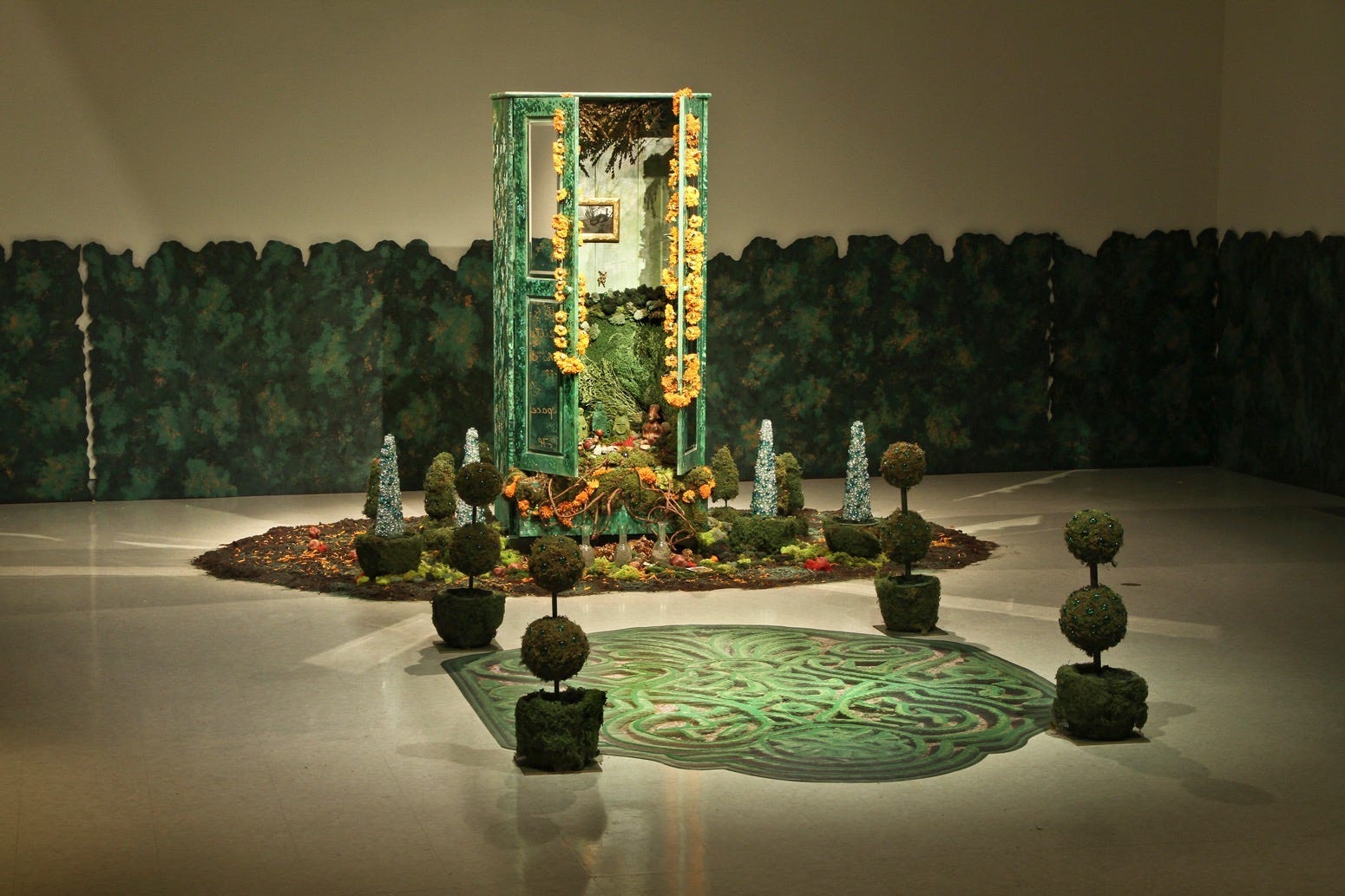
Her altars are not only commemorative but they are restorative.
They reclaim what has been fragmented or erased, especially within diasporic and colonial histories. The domestic becomes sacred space. The personal becomes political. The altar becomes a site where memory is both held and re-authored.
Both Machado and Mesa-Bains understand the altar as a structure that can carry what dominant systems cannot (or will not) hold.
And this is where I begin to locate my own work in relation to theirs.
If Machado’s altars function as cultural archives of queer life, and Mesa-Bains’ altars hold ancestral, feminist, and cultural memory, my work proposes the altar as an ecological archive one that does not fix memory in place, but keeps relationships with the more-than-human world in motion through materials that breathe, decay, and transform.
I am not preserving objects.
I am tending relationships.
The materials I work with plants, natural pigments, ephemeral forms refuse permanence. They shift, dry, fade, return to soil. They do not stabilize memory; they enact it. They ask: what does it mean to remember something that is still alive, still changing?
In this way, the altar becomes less a container and more a field.
A place where:
attention becomes a form of care
gathering becomes a form of listening
making becomes a form of reciprocity
If Machado’s work resists cultural erasure, and Mesa-Bains restores ancestral continuity, then my work asks:
What is being lost in our relationship to the living world?
And how might the act of making; slowly, attentively , and in relations with the green world become a way of remembering how to be in relation again?
This is not an archive of the past maybe It is an archive of possibility? one that is always in the process of becoming.
____________________________________________________________________
* ** JUST ONE OPENING LEFT ***
The fully revamped 🌿Botanical Art Apprenticeship 2026🌿- where plants become pigment, paper, and prayer. This program begins on Sat April 25th
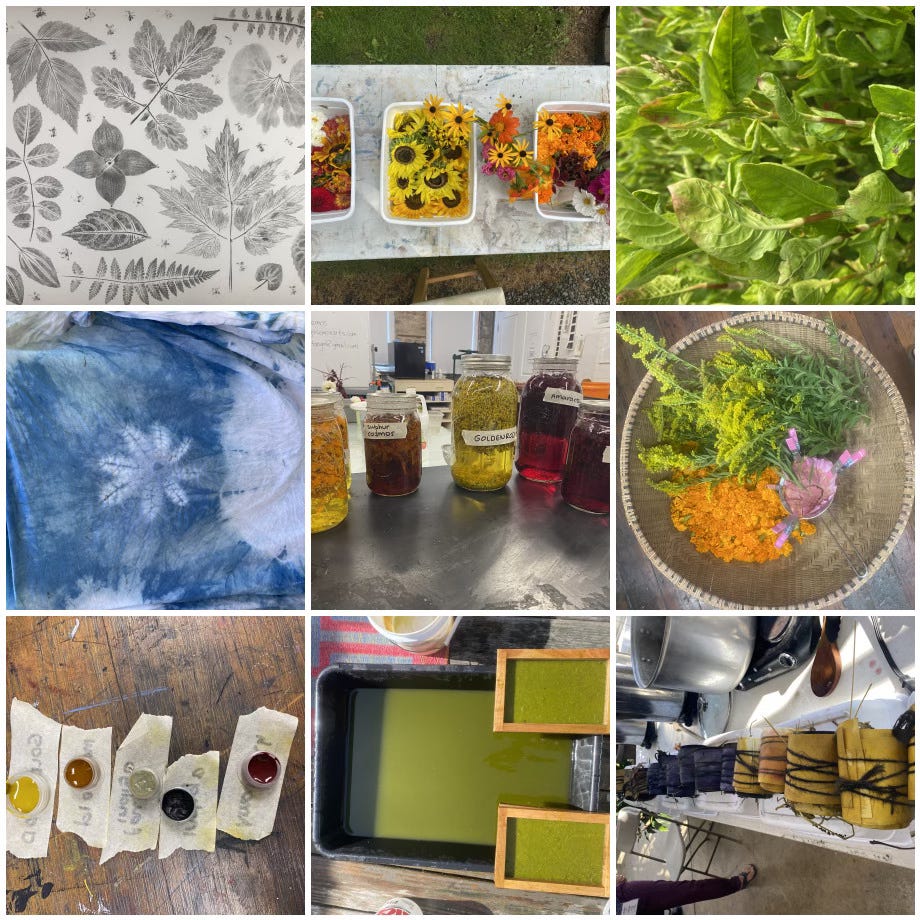
A slow, earth-rooted program for those wanting to work with plants on paper or fabric—dyeing, ink and pigment making, plant-based paper making, and exploring alternative photo methods like cyanotype, lumen prints, and anthotypes. A long term journey through botanical craft from plant to page.
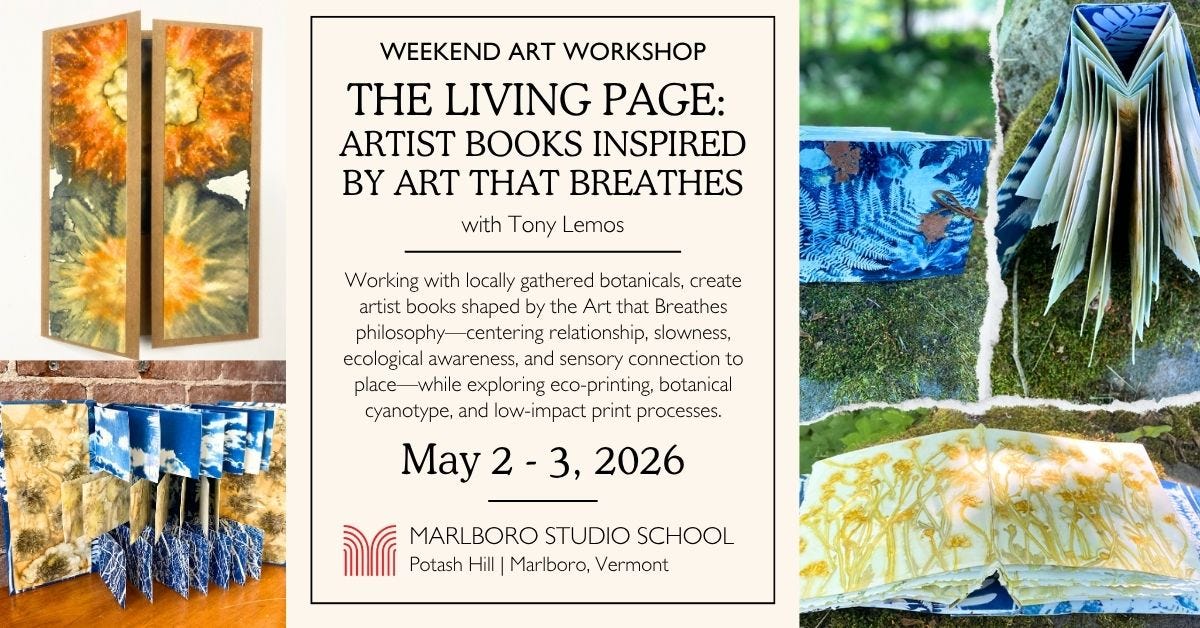
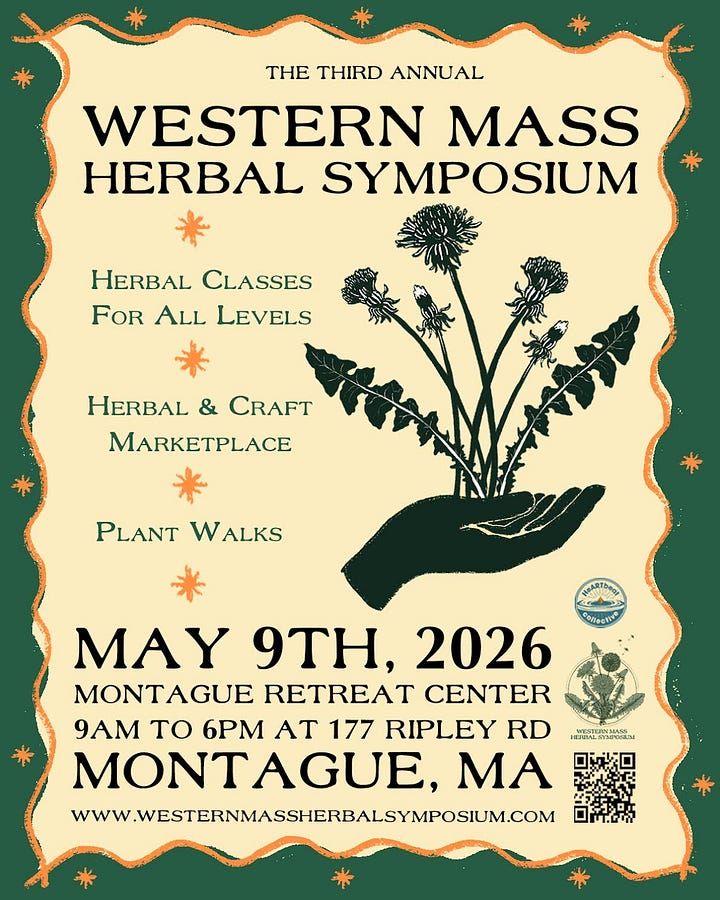
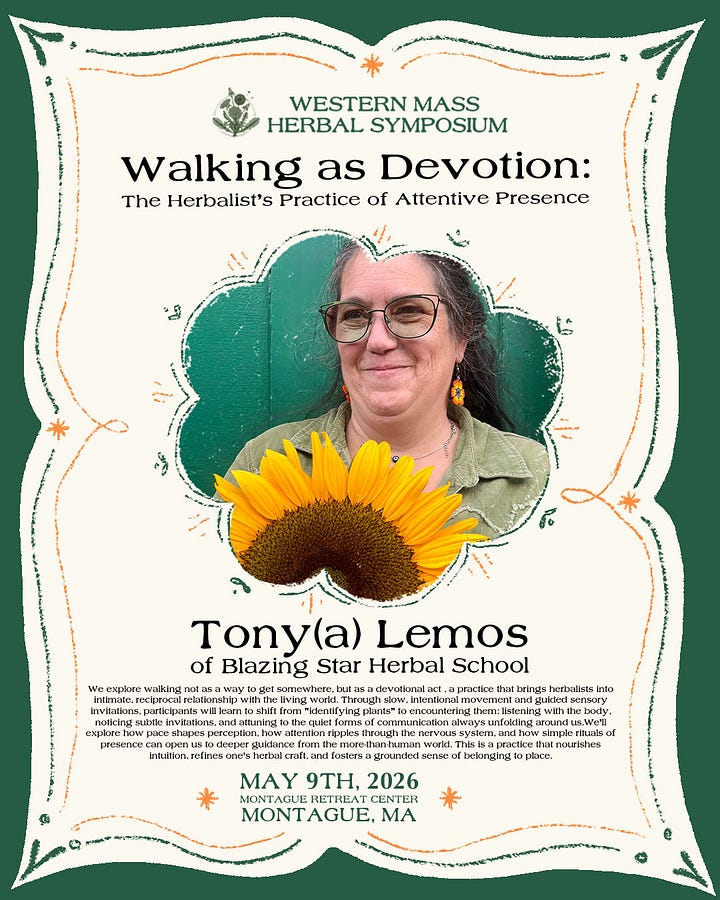
____________________________________________________________________________
If you are in easy access of PA I highly recommend this unique offering from my dear friend Jen Frey Author of Communicating with Plants; Heart-Based Practices for Connecting with Plant Spirits
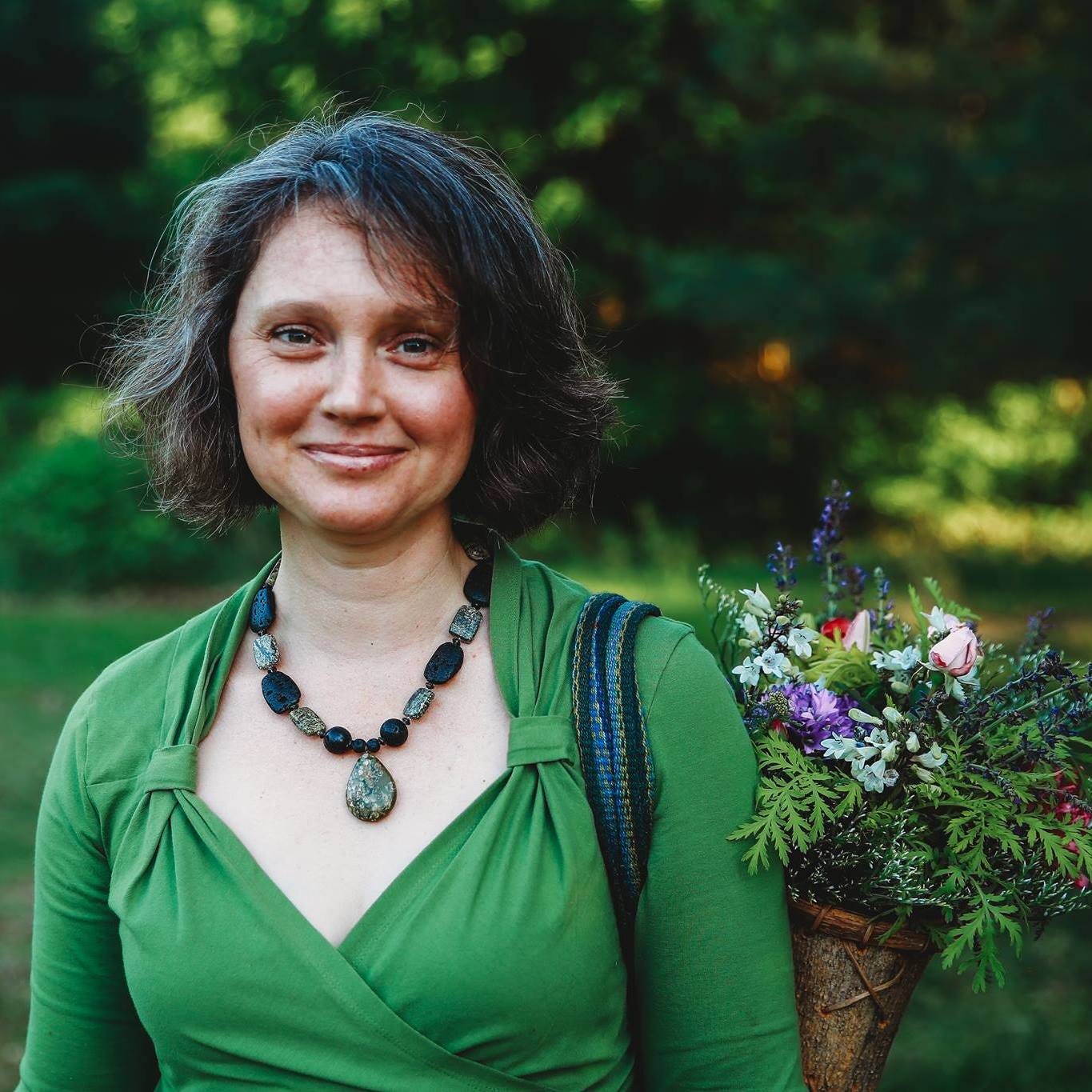
HEARTransformation apprenticeship. Making Plant communication and advanced healing techniques accessible for anyone who wants to work intimately with Nature for healing - for themselves, for their clients, and the collective.
HEARTransformation 2026 is a combination of live online classes and ceremonies as well as three in-person weekends. This format enables you to have deep, profound experiences with Plant Spirits and Shamanic energies directly while strengthening your foundational understanding and expanding your ability to work with healing energy as you go on your own journey of discovery.
____________________________________________________________________________
No posts
Comments
Nothing yet. Say the first thing.
Sign in to join the conversation.