
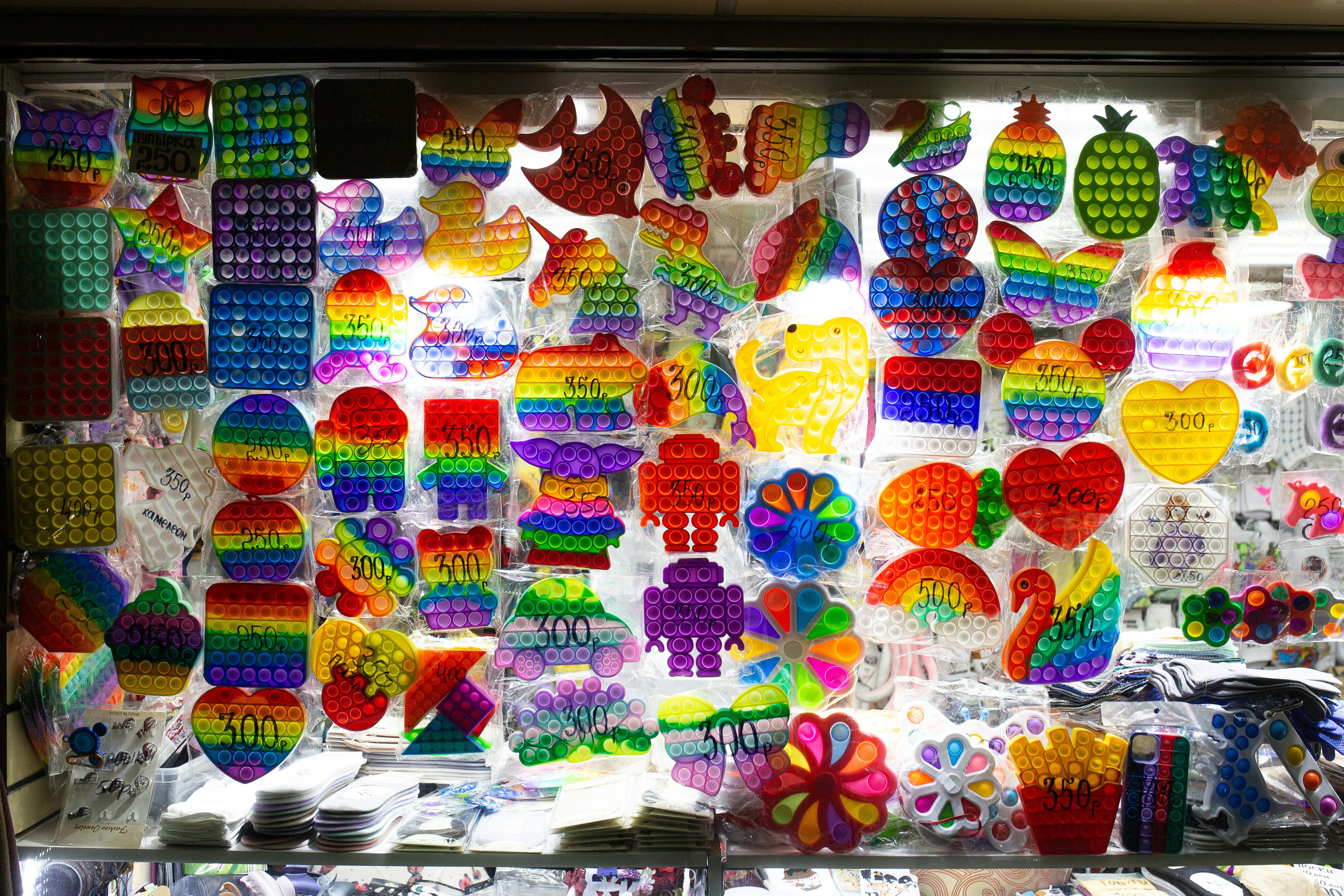
I’ve been thinking a lot about noticing, how our worlds are shaped by what we see and what we don’t see, what we actively look at and what we try to ignore. There’s an entire psychology of character in what we take for granted and what we pour our attention into. Writing, storytelling, or narrative in particular, depending on the form or length, is often about what is said or left unsaid, what is provided or left out. The shorter the length, the more that has to be left out, but that doesn’t mean that the deepest thing isn’t said. We can reveal characters’ barest selves, their essential soul or psychologies or rationalizations in less than one thousand words, or we can find this in 500 pages, and I find this fascinating, that less can be more and more can be less, and that somewhere in between the story shows the writer a perfect length through drafts and revisions, and the mighty work of the subconscious.
What I’m really trying to say is that details, descriptions using all five senses, visuals and sounds, and smells, and the most difficult, tastes, create swaths large and small of worlds we know or have forgotten, or can only now dream up with the help of the author, mix with the unknown reader, andeverything they bring to the page, through their unknown lives, to instigate a story world that is vibrant and dangerous, and pleasurable, and perplexing—alive.

That it is the writers job to notice, often through the lens of our point of view characters, to imagine not only the world that we can sense while focusing on the blank page, but a world that teems with objects, with buildings and people, and weather, and all the minutia that conjures live around us, and make all of it seamless, and intangible, and important, and part of a background, a set, a stage, where these characters can live, can fuck up, and make discoveries, and triumph, and love and lose. And if we don’t see this world through these characters’ perspectives, then we’re not giving our readers the full advantage of the power of stories.
We recently adopted a cat from a shelter. We’ve never had a pet in our home before, and because I work from home, I spend a lot of time with this new cat, and I’m noticing things about my house that I hadn’t thought about in years, maybe ever, not since my kids were babies and then toddlers. Cats, though, can hear and see things we can’t. They are finely attuned to a world full of prey and predators, a sensory arousal that we get to take for granted most of the time. I have begun to notice things that I had become complacent about
. We forget as our kids age the amount of time we spent trying to keep them safe from choking, from electrical outlets, from picking up germs off the floor, to fingers in hinges, or falls, and other minor safety hazards. The twist tie from the bread falling underneath the lip of the cabinet, settling among the dust, and fallen bits of onion or garlic from last night’s dinner, a stray paperclip, or the half-plugged-in charging cable, and so many other minor or major dangers I must be forgetting. We’re all readjusting our world, our noticing, to invite in this new pet, to thinking not just about ourselves, but of his well-being as well.
Our characters, though just marks on the page, need this adjusting as well, need the writer to pay attention to what they’re paying attention to, that they come alive when they fully engage with the setting, with the objects and their senses, and the other people around them. We also need to allow them to change, not just in temperament or psychology, but in what they notice or ignore, what they say or don’t say, what they refuse to do, or what they are open to as the story progresses.

Movement in narrative is often dictated by a character seeing or believing the world is one way and changing that outlook by the end of the story. We can signal these changes, subtly, deeply, by how the character notices new things, how they shift their perspective not just in their mind, but in what they perceive through their senses as well. Allow your characters to engage with their worlds, show their emotional state through these interactions, and then when the shift in their psyche or their emotional state comes, you’re ready for it, ready to show the reader the change, the movement, because you’ve developed a unique sense of awareness that has made, created this specific and unique character.
Show us the world that only your character experiences, their finely-tuned noticing and ignoring, and obliviousness, so we can relate or disagree with their observations, their choices, their reckonings.
Prompt: Imagine you’re cleaning your house for a visit from a relative, one you want to impress or one you want to ward off their snide comments about something you’re lacking in. What parts of the house do you notice? What could be cleaner? What should you have fixed or gotten rid of? What cleaning or task makes you irate or run out of energy doing? What do you forget to clean or fix, or put away? What does the relative focus on when they arrive? What task are you proud of completing? That you hope they mention? In your rush or obsession to fix X, what Y do you forget about or don’t notice? What does their carping show us about the relative’s character? How do you or the character respond to the criticism? What does this reveal about you or them?
Or what item or place would your character keep hidden or secret? Would they ever reveal it? To who? In what scenario? What place would your character never imagine they could go to? What place would they never go to that you could put them in?
What does your character notice when they are happy or mad or sad? How does this change based on their mood? Do they notice different things when they are interacting with different characters? Their mother, a religious figure, the principal, an old enemy or classmate?

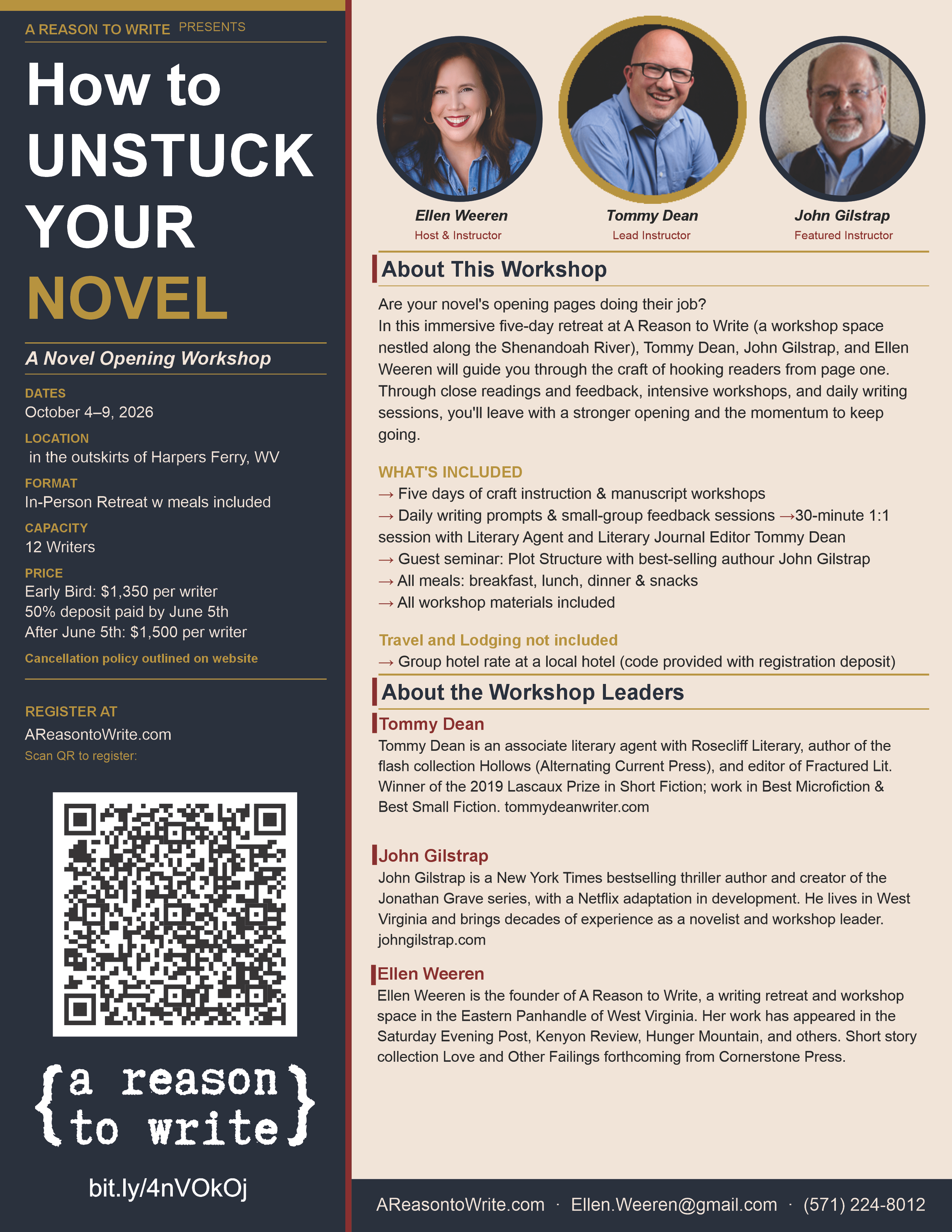
Have you checked out my editing services? I’ve added some discounts to help writers start the new year with agent-ready queries and novel openings!
If you enjoy what I do, consider supporting me on Ko-fi! Every little bit means the world! https://ko-fi.com/tommydeanwriter
This Substack is reader-supported. To receive new posts and support my work, consider becoming a free or paid subscriber.
Select Upcoming Appearances
The 2025 Writing Workshop of Chicago
June 20, 2026 9:00-5:00 Central Chicago, IL
July 16-18, 2026
2 teaching sessions
Query/1st 5 pages reviews
JULY 23-25, 2026
2 Teaching Sessions
Pitch Sessions
Pitch Sessions/Panels
August 20-23, 2026
November 6-8, 2026 Dedham, MA
Pitch Sessions
Comments
Nothing yet. Say the first thing.
Sign in to join the conversation.