
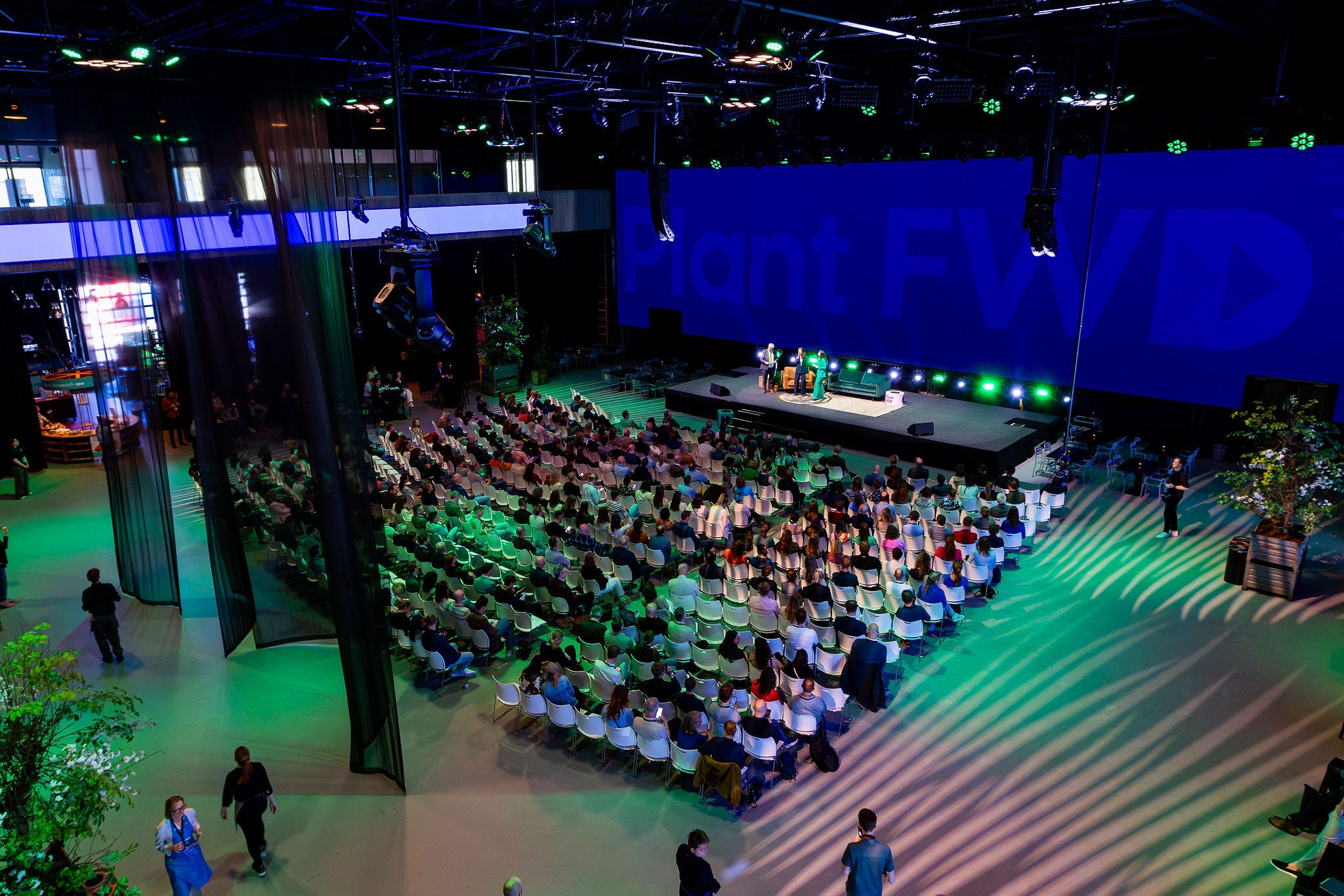
Plant FWD - a major alt-protein conference held annually in the Netherlands - almost did not happen this year.
The founders increasingly struggled to make the event financially viable. After announcing there would be no more editions, they found a buyer: a company that owns conference venues. As a result, this year it moved from Amsterdam to rural Barneveld - which apparently is the chicken capital of the world.
All of this is to say something we all already know: the climate around alt protein has shifted a lot lately. Maybe seven years ago, there was a sense that the revolution was imminent, that plant-based meat was ready to take off, following the smartphone’s trajectory, and that cultivated meat would land on supermarket shelves within a decade.
But the bubble burst, and we ended up disappointed. According to one analysis, most consumers started trying vegan burgers, nuggets, and sausages for health reasons. Then inflation hit, and at the same time the narrative spread that these products were ultra-processed and not healthier than meat. Consumers saw no reason to keep buying products that offered no clear health benefits, cost more, and tasted worse. Today, the crazy money that poured into alt food companies back then seems largely to have dried up.
Being less optimistic, however, does not mean we are dead. Quite the contrary. The vibe at the conference was great, and in the closing session most attendees said they left more optimistic than they arrived.
One of the reasons to be hopeful - and a topic of focus throughout the conference - is that hybrid meat seems to be doing well. It’s now also known as balanced meat: products like sausages, burgers or minced meat that are partly animal, partly something else (plant-based, fungi, or - hopefully soon - cultivated).
Hybrid products were in the talks and breakout sessions, and were offered as snacks to try (I didn’t). If - like me - you want to see an end to animal food production, you may be skeptical of these mixed products. They are at least half animal-based, so they still cause a lot of animal suffering. And what if they delay - possibly forever - the end goal by offering a moral loophole: a way for consumers to feel they are part of the change while still participating in the harm?
Here, however, are some reasons why I think (without being sure) that the animal movement should welcome the growth of hybrid meat:
These products reduce a lot of suffering, and right now have more potential to do so than vegan products. Look at this simple slide I made for a presentation. Suppose only 5% of a fast-food chain’s hamburger sales are vegan burgers (left). Now compare that to all their burgers being 25% plant-based (right). In reality, just 2% of Burger King US’s burgers sold are the vegan Impossible Burgers.

If hybrid is a winning category, it can help strengthen the economic viability of the alt protein sector, since many companies might produce both plant-based products and plant-based ingredients for hybrid products.
Success for the hybrid category should mean reduced meat sales, which may negatively impact the traditional meat industry.
I can imagine that getting used to hybrid products could shift people’s thinking. Meat might start to feel less like an all-or-nothing category, and the idea of plant-based meat could start to feel more normal.
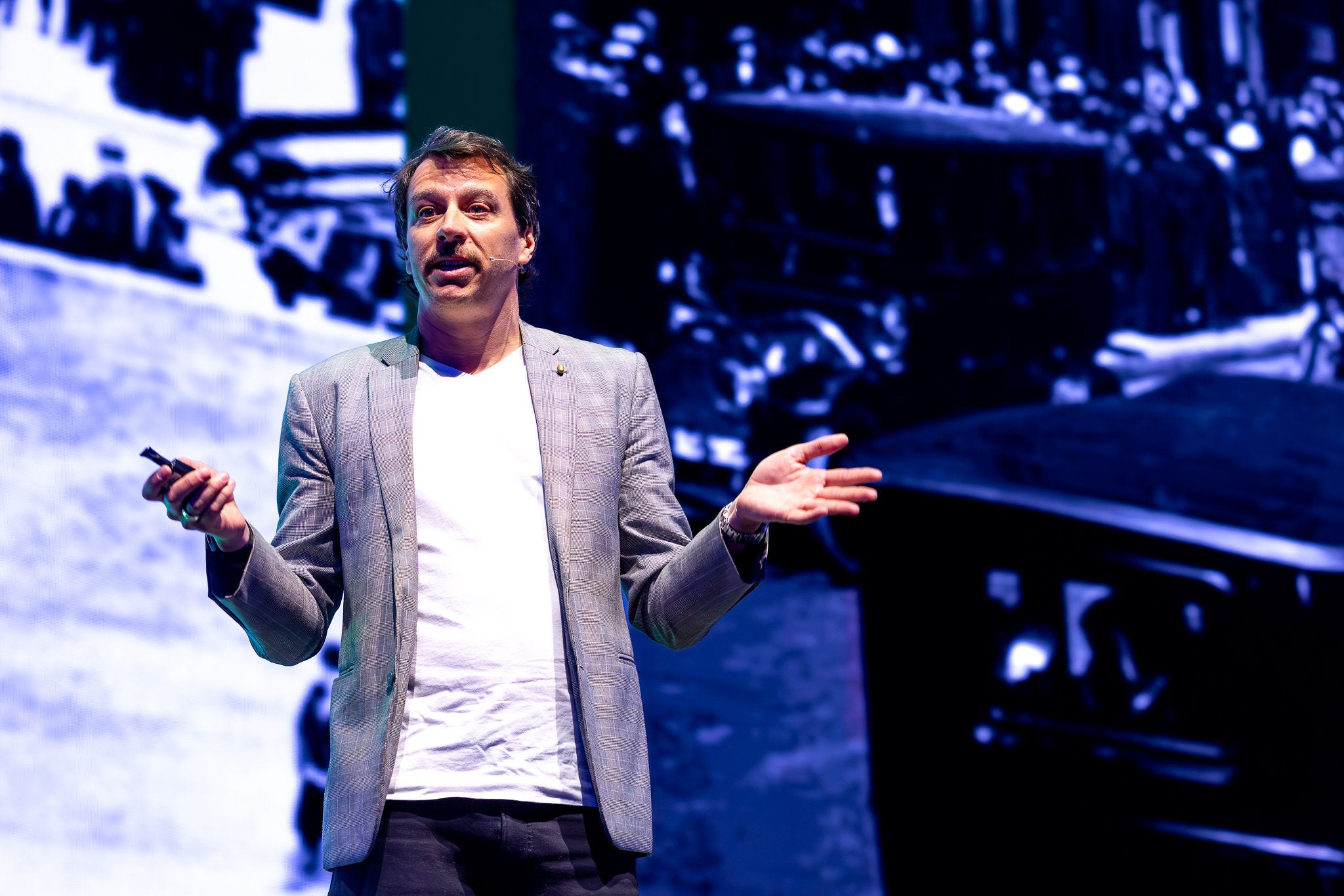
Michael Fox (middle initial actually J) from the Australian company Fable laid out a concrete case for hybrid products. As an ethical vegan, Fox started by creating a pulled shiitake mushroom product, but now focuses on developing minced shiitake ingredients to blend with minced beef.
The benefits of shiitake and other fungi are impressive. They’re exceptionally nutrient-dense and a great source of fiber (which meat lacks), vitamin D, iron, and protein. Fungi are closer to animal products than plants are, so they require less processing than, for example, legumes when they are turned into meat-like products. Shiitake are also excellent for boosting the umami taste, especially when combined with beef. In blind tastings, shiitake-beef products consistently win out over pure beef products and are often described as “more meaty” than meat, even when they contain 50% mushrooms. They can also be 20% cheaper.
The first successes for Fable are in. After very well-received trials, Compass Group, the world’s largest food service company, is working to replace 30% of its minced beef with a 50/50 blend, aiming to eventually reach 90%. JBS, the world’s largest meat company, launched a shiitake-infused burger in one of its brands in Australia.
Fox ended with some advice: alt protein companies must set the bar really high before launching products: inferior ones hurt the category and erode consumer trust. If your product doesn’t taste better than meat, Fox said, if it isn’t cheaper and healthier than meat, and if consumers don’t perceive it as better than meat, don’t launch it.
Another fungi enthusiast on stage was Paul Shapiro, CEO of The Better Meat Co, which grows mycelium, a fibrous, meat-like structure in close to its natural state. He explained that leafcutter ants have actually domesticated mycelium since many millions of years, long before human agriculture.
Shapiro framed fungi fermentation as an antidote to the problems that have plagued the alternative meat sector. It requires little processing, and turning low-value carbohydrates into high-value protein, from inoculation to harvest, takes just 17 hours (compared with 6 weeks for chickens, 5 months for pigs, and over a year for cows).
The good news is also that there are thousands of species of mycelium, each with different flavors, textures, nutritional profiles, colors, and smells. At the moment, Quorn, the OG of mycelium, uses just one species and is responsible for 99% of all mycoprotein sold. There is, in other words, still a whole world to explore.
In terms of impact: for seven years now, the Better Meat Co has been selling to Perdue Farms, which the poultry company uses in their Chicken Plus range (50% chicken, 50% plant-based). Shapiro estimates that this deal alone has resulted in approximately 600,000 fewer chickens being raised and slaughtered.
Paul Shapiro was an animal activist long before he became an entrepreneur (I remember doing protests with him in front of fur stores, over 25 years ago). After years of grassroots activism and congressional lobbying, he became a firm believer that technological innovation, rather than moral advocacy, will help wean the masses off animal-based meat. He points to inventions like fountain pens, cars, and kerosene, which replaced quill pens, horse-drawn carriages, and whale oil lamps, respectively, and spared countless animals.

For animal advocates, such pragmatism may feel both like a relief and a bit of an insult at the same time. A relief because it suggests a path that does not depend on mass moral awakening. And an insult because it reminds us of how limited moral persuasion can be. Indeed, we do wish the world would change through an endless series of individual conversions: the meat-eater sees the truth, feels the horror, becomes compassionate and joins Team Vegan.
But this approach fails more often than it succeeds. So we need products people can consume without changing their habits or even their values. It’s a less satisfying story, because it doesn’t flatter our sense of being right, and it does not reward the part of us that wants the public to finally “get it.” But perhaps it’s the story that moves the most animals out of the system in the shortest time.
Technological innovations do not render moral advocacy useless. They make it more likely to succeed. Once we’ve made ourselves less dependent on animal products, through plant-based, cultivated, or hybrid alternatives, we may finally be free to see meat and dairy, and our treatment of animals, for what they are.
Comments
Nothing yet. Say the first thing.
Sign in to join the conversation.