
“You’re good at it because it comes naturally to you.”
“You make it look so easy.”
“I just don’t have that skill, so it doesn’t work for me.”
In my career, I’ve heard comments like these dozens of times. After landing a major gift or hearing a “yes, let’s do it” to what seems like an unreasonable ask, people assume things just “happen” to me. The bigger the “yes,” the more they assume it’s because of my personality, my confidence or my connections.
But that is only part of the equation.
If someone watches me confidently ask for a million-dollar gift, it probably does look easy. What they do not see are the years of relationship-building, preparation, practice and lessons learned that led to that moment.
Picture this: I meet a donor for lunch. We spend about forty-five minutes catching up on our families, vacation plans, her daughter’s soccer tournament next weekend and the new coffee shop that just opened down the road. Then I gently transition into my fundraising agenda. This part only takes about fifteen minutes. She enthusiastically agrees to make a major gift. We decide to grab coffee next week at that new café, and I hug her goodbye.
From the outside, it looks like the ask only took fifteen minutes.
In reality, it took years.
Those forty-five minutes of conversation were possible because we had invested in our relationship over time. The confidence came from making difficult asks, hearing “no” more times than I can count and learning from each experience. The “easy” part was built on years of intentional work.
We often mistake what looks effortless for something that required little effort. But the truth is, the things that come most naturally to us are often the very things we have spent years developing.
As you may know from reading my Substack, I love Broadway. There is something magical about live theater, live music and live performances. They transport us to another world.
Now think about the performer on stage. That actor, singer, dancer or musician has spent years, maybe decades, mastering their craft. They have heard countless rejections, accepted feedback, refined their skills and kept showing up.
When they finally step onto the stage, they often look calm, confident and completely at ease.
But that confidence did not appear overnight.
And it certainly does not mean they are not nervous.
You know the feeling: butterflies.
You feel them in the pit of your stomach, fluttering aimlessly, looking for a place to land. I still get butterflies when I cultivate a major gift. I still get butterflies when I speak in front of a crowd. I still get butterflies when I have to give difficult feedback to an employee.
The difference is, I do not let those feelings keep me from moving forward. In fact, I have learned to use that energy.
One of my favorite performers, Hugh Jackman, has spent decades performing on Broadway and on stages around the world. Yet, he still gets nervous. In an interview, he said, “We so want to feel comfortable, but that doesn’t always bring the best results. If I look back, I think some of my more successful things have been the things that I have been most nervous about and unsure of when I began... It’s okay to be nervous; say you’re nervous.”
Think about that.
One of the world’s most accomplished performers still feels nervous before stepping on stage. He does not see those nerves as a weakness. He sees them as a sign that what he is about to do matters.
I think leadership is much the same.
People assume great leaders enjoy firing someone, giving difficult feedback, making unpopular decisions, standing in front of audiences and carrying the weight of responsibility.
I am here to tell you, most do not.
They simply understand those moments come with the job.
When I met with that donor, I knew there was a chance she would say no. My stomach reminded me of that. But I also knew what was possible if she said yes.
So I asked.
Not because I was fearless, but because the mission mattered more than my fear.
Maybe that is the lesson.
The things that look effortless are often built on years of practice. And the people who appear the most confident have simply learned that butterflies are not a signal to stop. They are often a reminder that what you are about to do matters.
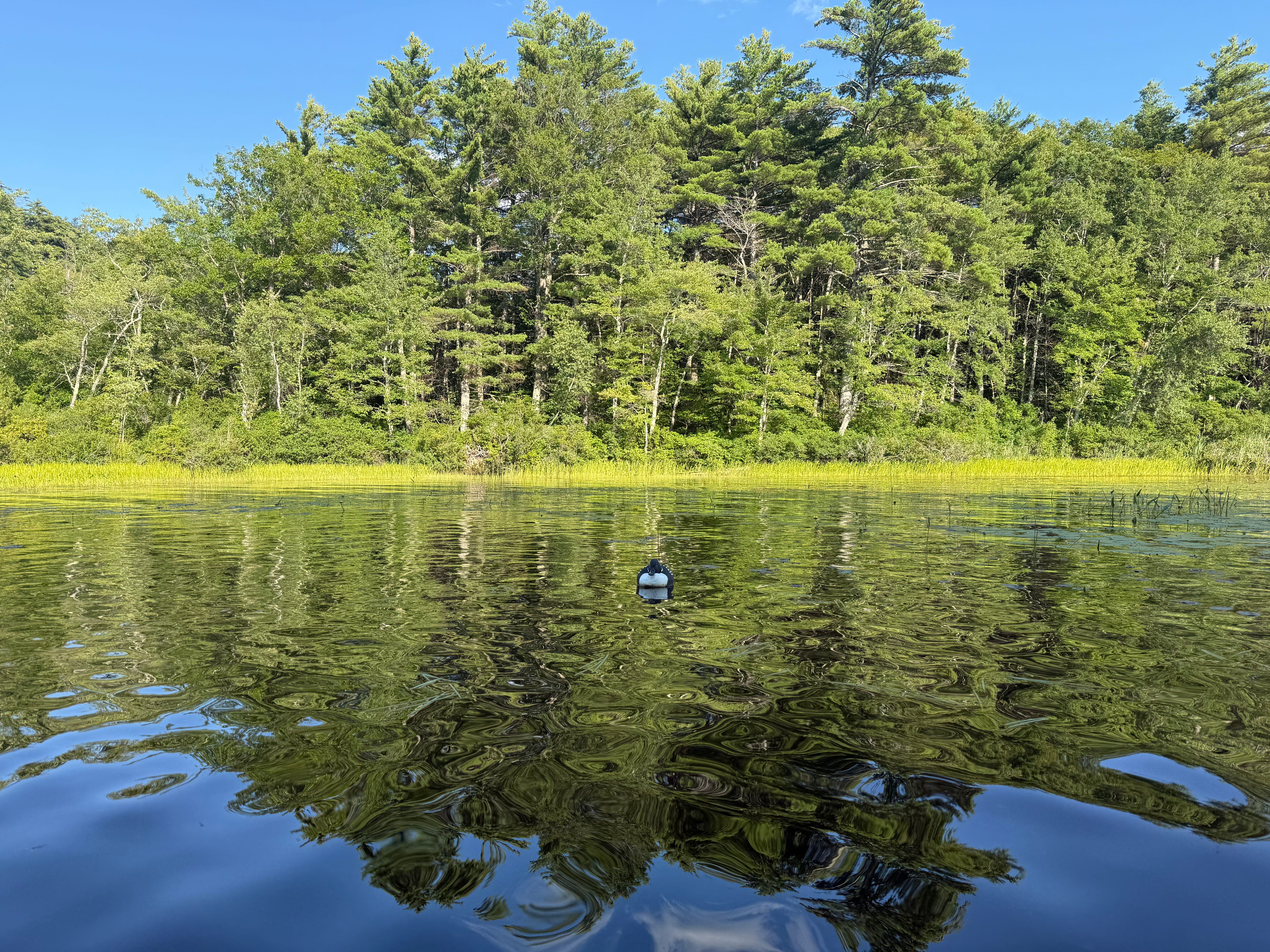
I will leave you with one final image: a duck.
When you watch a duck glide across the water, it looks peaceful, calm and effortless. What you do not see are its feet constantly paddling beneath the surface, keeping it moving forward.
The next time someone makes something look easy, remember the duck.
There is almost always far more happening beneath the surface than anyone else can see.
No posts
Comments
Nothing yet. Say the first thing.
Sign in to join the conversation.