
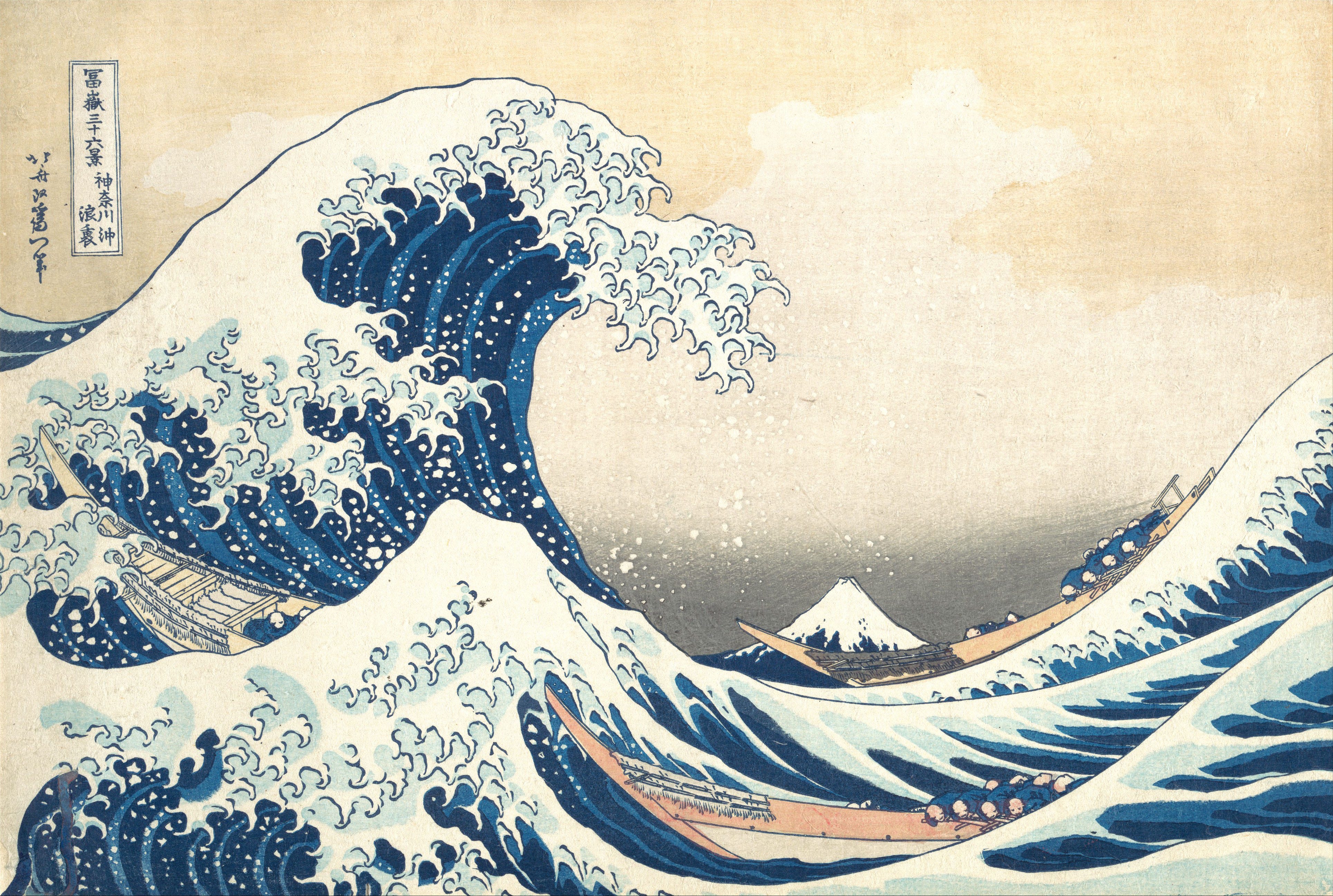
A lot of companies are in their “efficiency era”. They’re asking a single question:
How can we cut costs?
Rarely is it so transparent; it usually goes more like this:
How do we rightsize for sustainable growth? How do we deliver better value to our shareholders? How do we maximize EBITDA?
It all sounds smart, logical, responsible.
But don’t be fooled by the dulcet tones.
In the face of transformative, step-wise technology like AI, it is a mind-numbingly stupid question.
Imagine watching a teleportation demo… then running home to enthusiastically calculate how much you could save on postage.
It’s self-sabotage, cosplaying as fiduciary duty.
The leaders doing this are confusing the benefits of AI with how to actually win in the AI era. AI might usher in efficiency gains, but efficiency gains won’t make you a market leader - or even ensure your survival.
The same way “reducing headcount” wouldn’t have saved YellowPages in the advent of the internet, you can’t “rightsize” your path through AI.
The only way is to innovate. It's a tall order: leveraging AI in previously unimaginable ways, while being open to dismantling the fundamentals of your pre-AI business.

This kind of innovation is a lot harder to optimize for than EBITDA. Anyone can cut costs or demand that people simply put in more hours.
Creating cultures of creativity? Not so much. And for legacy organizations, with decades of status quo, quarterly earnings reports, and nervous shareholders, it can feel nearly impossible.
Innovation starts with technology, but adopting innovation is not a tech problem. Think of the common barriers I just mentioned: the status quo, short-term incentives, nervous stakeholders - none of them are technical.
But that’s where most orgs start and end. They buy ChatGPT licenses, then scratch their heads when it fails to magically transform them.
Instead, they need to start with culture.
Specifically: creating the infrastructure and circumstance for creativity to happen by default.
Culture flows downward. For leaders, that means two things:
Managing up: courage of conviction, powerful storytelling/long-term vision, and politicking to maintain momentum through setbacks.
Managing down: fostering an ironclad sense of psychological safety
When you don’t have psychological safety, a number of things happen - and they all work against creative thinking.
One study tested sugarcane farmers in India before and after harvest season. Before harvest, the same farmers scored significantly lower across every dimension - accuracy, response times, error count — the equivalent of losing 13 IQ points. Scarcity doesn’t just stress people out… it physically reduces their ability to think.
Fear also triggers another cognitive trap: threat rigidity. When groups perceive a threat, they reject outside information, centralize control, and retreat to previously successful behaviors. AKA: exactly what you don’t want when navigating the AI wave.
This is why the mass layoffs we’re seeing in Big Tech right now are so deeply misguided. Profitable firms, with the advantage of deep intellectual capital and abundant resources, are instead choosing artificial scarcity and fear.
To be clear, abundance and efficiency aren’t antonyms. The most innovative companies are often both abundant and efficient! But these companies make two clear distinctions:
Efficiency supports creativity, not the other way around
Efficiency ≠ low cost
Efficiency can mean cheaper, but hyper-focusing on saving money often has the opposite effect. A busy CEO who fires their executive assistant might lower costs, but raise toil.
Toil is often mistaken for hard work, when it's really just a subset. Hard work is often a good thing. Toil is always hard work, but only the bad kind: inefficient, menial, unrewarding.
One of the key benefits of AI is the reduction of toil.
As toil decreases, creativity thrives. Harvard's Teresa Amabile spent 15 years researching what actually drives creative output at work, analyzing 12,000 daily diary entries from 238 employees across 7 companies.
The most consistent killer of creativity? Being buried in what she calls "meaningless tasks". Cognitive science explains why: a meta-analysis of 117 studies found that creative insight requires unloaded cognitive bandwidth; mental slack that lets the brain make free associations.
When Newton discovered gravity, he wasn't speed-running his inbox between back-to-back Zoom calls. He was sipping tea in the garden of his childhood home… idly observing an apple tree.

Compare this to what some companies are doing today: slashing budgets, increasing workloads, and removing redundancy. Instead of re-investing their AI toil dividend to foster the ease and stillness that creativity requires, they’re doing everything they can to undermine it.
Companies like this are on borrowed time. They won’t survive the AI era because they’re trying to win the race by doggy-paddling really, really fast.
The winners of this era will recognize the value of unshackled human cognition. Instead of cheap gains, they’ll use AI to support creativity… and enable their teams to make the unimaginable.
It sounds lofty - but is neither expensive nor complex. Respecting the intellect of others is a simple baseline. Courage and creativity cost nothing.
What’s expensive is the alternative. Layoffs don’t just remove headcount; they remove the cognitive conditions for useful, insightful thought.
So the next time you hear a leader justify their efficiency era: “rightsizing”, “disciplined capital allocation”, and “shareholder value” - say a prayer for them.
They’re admitting that - in the face of the most transformative technology of our lifetimes - they decided to try and save on postage.
About the Author:
Christine Miao is the creator of technical accounting–the practice of tracking engineering maintenance, resourcing, and architecture. It visualizes the most complex technical problems - think: breaking up monoliths or cleaning up tech debt - in a way that anyone can understand.
Comments
Nothing yet. Say the first thing.
Sign in to join the conversation.