

Read more about it here and enjoy an excerpt from the book here.
Order 'An Anthropology of Wandering'
To learn more about the book, please visit here, and you can listen to my latest conversation about the book on a podcast with the New Books Network here and on Spotify:
Greetings,
Today, I am excited to introduce readers to Hilary Hirtle for this month’s Featured Wanderer. Hilary is a fellow Substack writer and author of Storybound, an enchanting Substack that details Hilary’s unique blending of story and travel.
As you will read, Hilary covers some of the most intriguing topics in anthropology—our connection to landscapes and sacred sites, the meaning of ancestry and history, the significance of pilgrimage, and the courage that can only arise after one has dared to venture and take on new challenges.
Please enjoy this interview and check out her Substack, Storybound, to learn more.
Previous and future guests of Featured Wanderers can be found here:
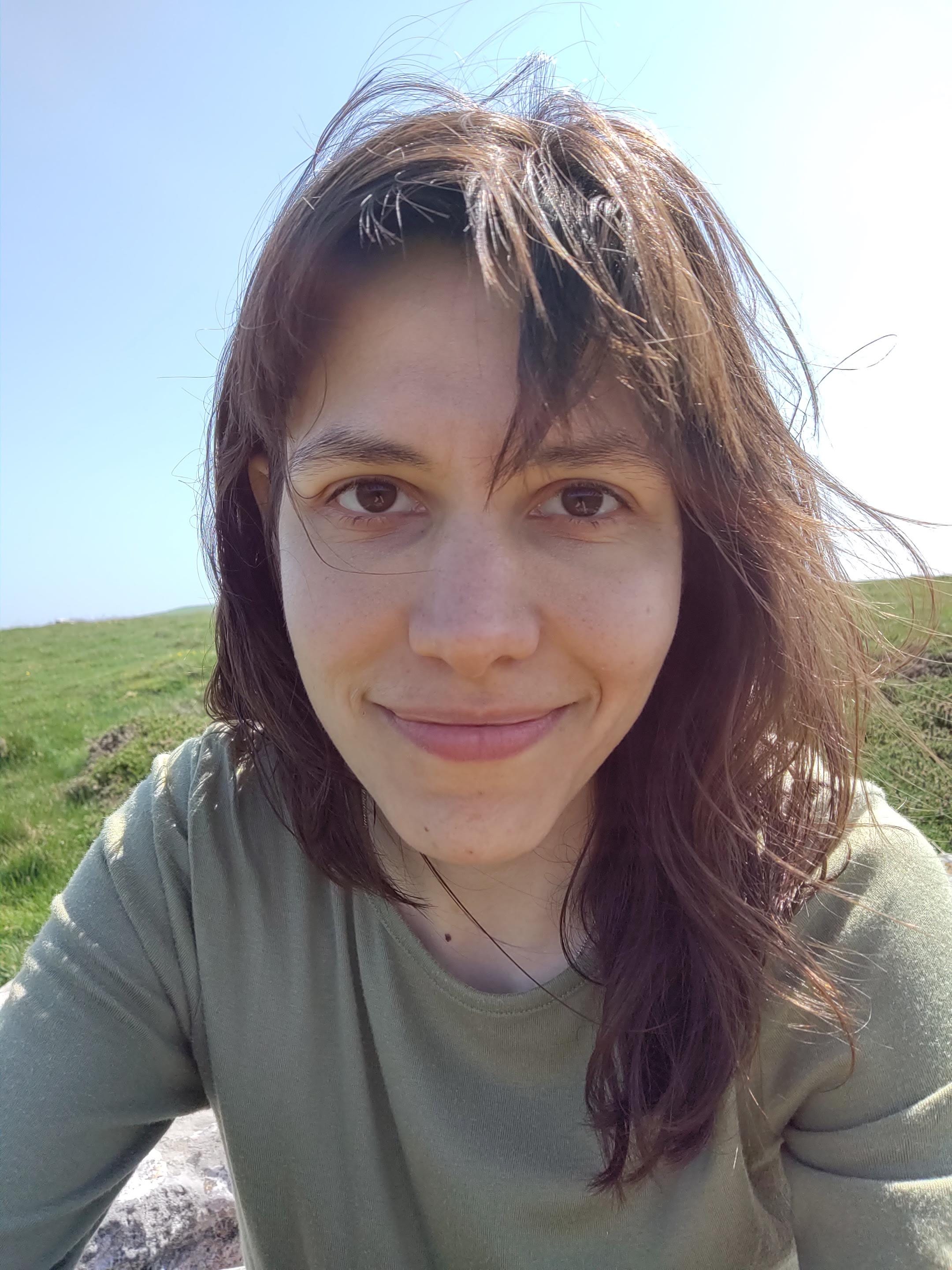
Hello, I'm Hilary. Over ten years ago, a novel inspired me to take a solo trip to Scotland, leading me on a journey through landscape, history, and heritage.
I believe there's a power to stories, whether they're written in the pages of a book or woven in the landscapes around us. Through StoryBound, I share the ongoing, unfolding journey of where books, creativity, and landscapes continue to take me.
Justin to Hilary: I’m always curious to know what the origins of people’s wanderlust are and what moves people to move. Also, it often makes for a great first question. So, Hilary, what inspired your initial wanderlust? Did this occur at an early age or more recently? What later compelled you to live abroad in Britain? Tell us, what was it that made you choose Britain above other countries?
Hilary to Justin: From a young age, I was always curious about travelling, but growing up, travel was unaffordable and out of reach. As a child, I satisfied my initial wanderlust by consuming the “Countries of the World” book series, learning about different countries and their cultures. I also watched a lot of Globe Trekker and Rick Steves’ Europe on PBS. There was also a National Geographic show called “Living Wild” that I watched faithfully as a kid. It featured these amazing wild places and their wildlife. So yeah, a lot of living vicariously through travel and wildlife shows or “visiting” places via books for most of my childhood and teenage years. It wasn’t until I left home that I satisfied my own wanderlust and actually travelled. The first place that I ever travelled to on my own was Chicago, which, to the 19-year-old me at the time, felt like it was a world away from the corner of Ohio that I grew up in. I just remember arriving there and being so overwhelmed by the size of the city and just feeling so small.
When I was an undergraduate student, I really wanted to study abroad, so I applied to study creative writing for a semester in Scotland, but the costs were just too much, and I couldn’t make it financially work. But I never forgot about that dream, both of travelling to Britain and of studying there as well. Britain has always been special to me, and it’s hard to give a single reason why. It’s given me some of my favorite books, and I was sort of always “there” in my imagination, if that makes sense. My world was very small growing up, but these books expanded it. I also partly lived with my grandparents growing up, and they were big consumers of BBC dramas, and so there was this huge cultural influence of British stories and storytelling that I grew up with. There was also the ancestral connection, as many of my ancestors immigrated from Britain to the United States, and I was always curious about my ancestral heritage.
I could never have guessed that I would eventually live there, even if it was just for a year. My dream of studying abroad came around again, and this time it worked out, and I found myself as a postgraduate student at the University of Manchester.
“My world was very small growing up, but these books expanded it.”
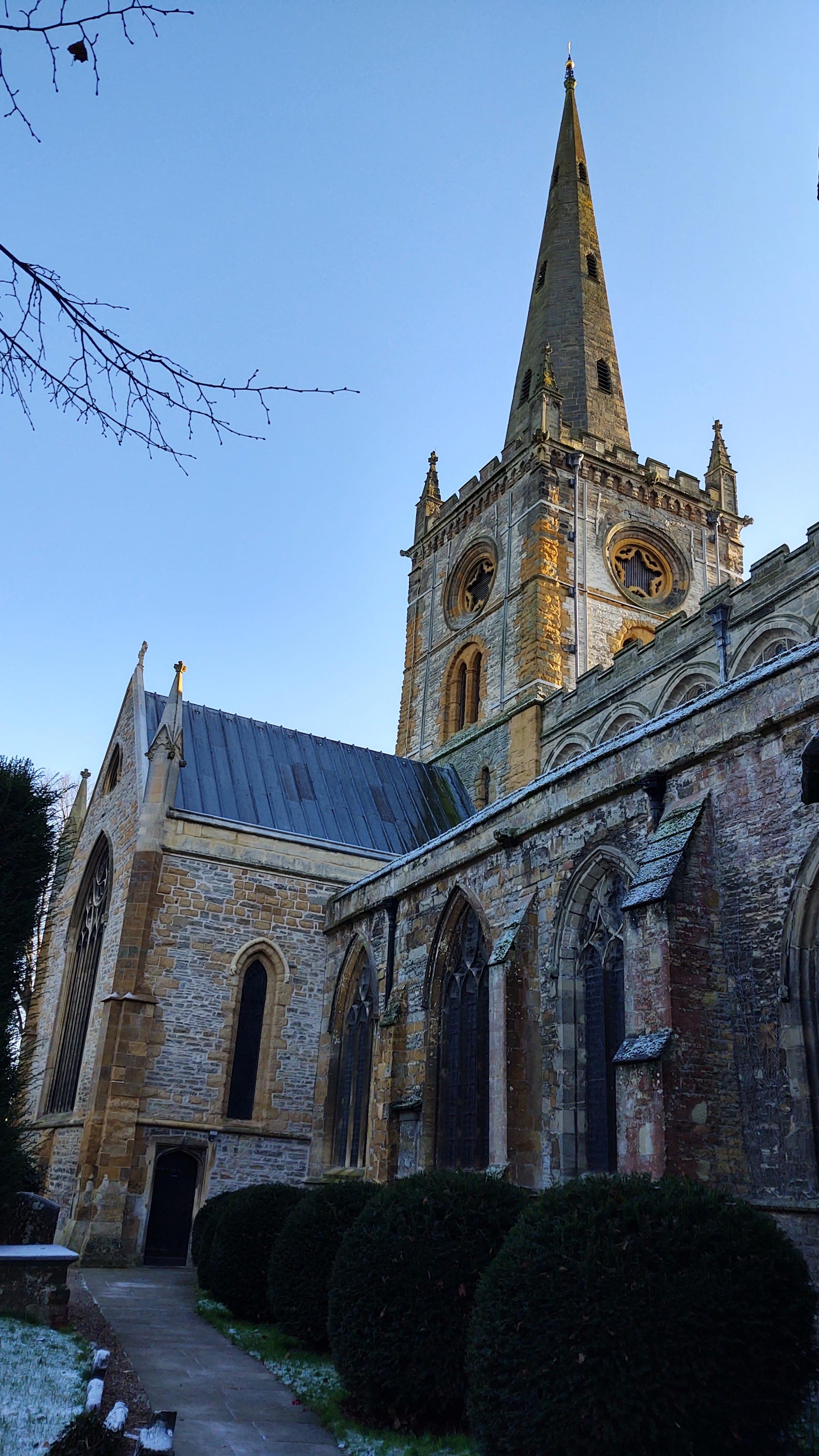
Justin to Hilary: Your writing is very sensory-based and homes in on things like the sounds of birds and the “chime and churr of cicadas” in the summer, the feeling of the elements, or the experience of walking through an old town. I especially enjoyed your article Communing With the Past: Walking in the Footsteps of William Shakespeare. It reminded me very much of a post of mine about how certain places have a remarkable power to not only inspire our thoughts but even change our personal histories or even the entirety of human history, as you illustrate so well in your piece.
What has inspired your writing style most? Is it the books you’ve read, the places you’ve traveled, your educational experiences, or a combination of these factors and more?
Hilary to Justin: I think it’s a combination of these factors and more. Books have always been faithful, influential companions. Education led me initially to study creative writing, and I entered a phase of consuming a lot of poetry and literature from the Romantic era, and also that of the classic Gothic genre. There are many layers to these works; a lot of focus on atmosphere and the psychological and emotional experience, tossed in with a bit of awe and melodrama here and there. I’m condensing for the sake of this article, but the emotionally-layered, symbol-heavy works that resulted from these movements hugely influenced my own approach to writing. My graduate studies also heavily influenced a practice of looking deeper, asking questions, making connections, and observing that has also shaped my writing.
Outside of academia, I’d always been scribbling something, even when I was a child. I’ve faithfully kept a journal for 26 years! That habit has really ingrained a practice of observation and reflection of my own life experiences that I’ve applied to writing outside of my journals.
And then, on a more personal note, about ten years ago, I suffered a loss that affected me deeply. I thought more about spirituality and became hyper-aware of the natural world. I began reading works that were more contemplative and reflective on the natural world, or ones that shed light on a new way of being. Some of the most influential books to me at the time that reshaped my thoughts but also my own approach to writing were Kathleen Jamie’s Sightlines, Helen MacDonald’s H is for Hawk, Robert Macfarlane’s The Old Ways: A Journey on Foot, David Abram’s Spell of the Sensuous, Sharon Blackie’s The Enchanted Life, and Clarissa Pinkola Estés’ Women Who Run With the Wolves.
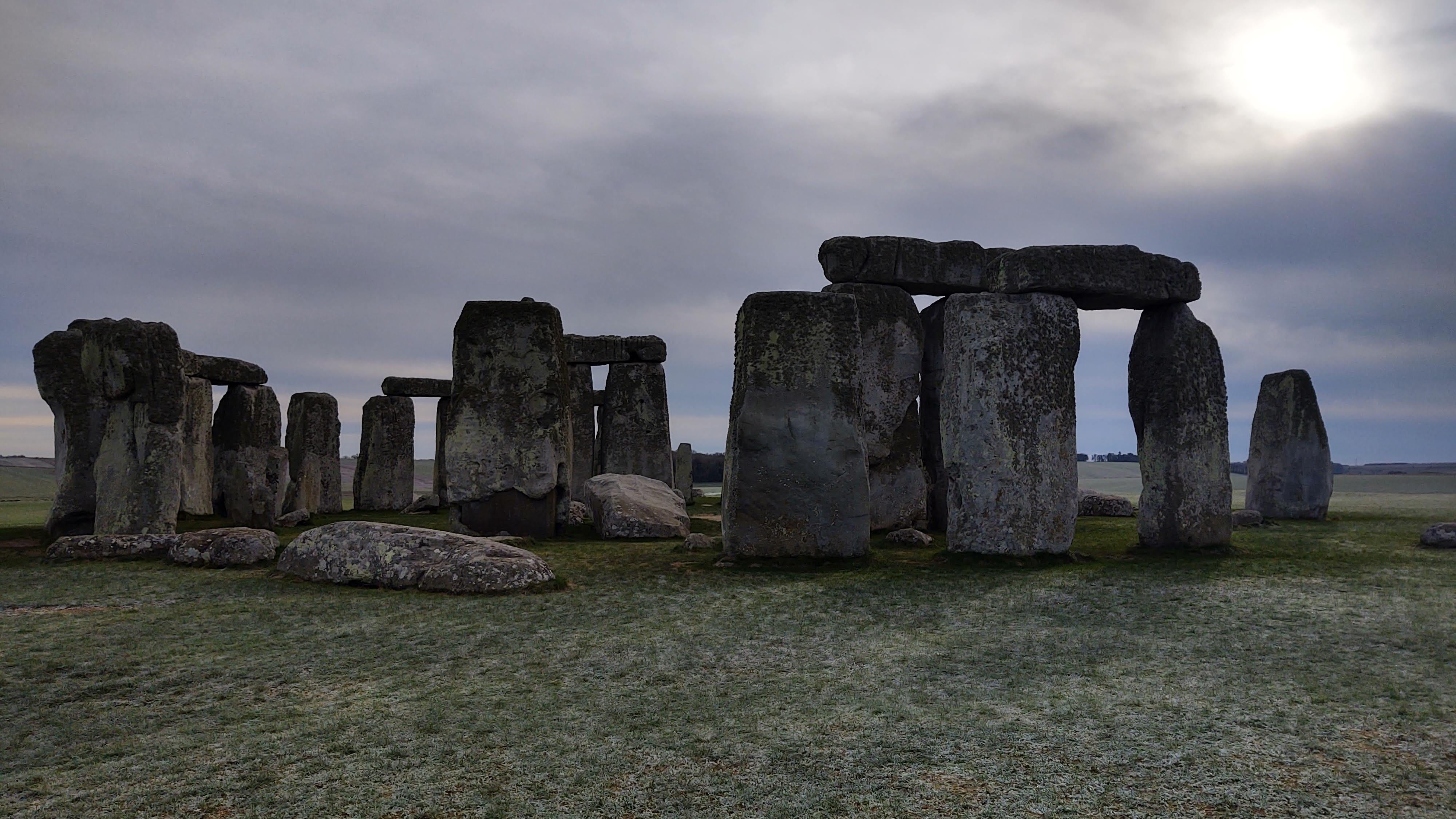
Justin to Hilary: Another post of yours I thoroughly related to was Where the Stones Speak: A Journey to Stonehenge. You mention how some people find such places as Stonehenge (of all places!) “dull,” yet you were overcome by emotion standing in the presence of these stone giants. I’m an archaeologist and have loved history since the third grade, so I’m completely enamored with historic places and archaeological sites as well, and often find myself emotional and enchanted at such sites, too. I, like you, find it perplexing how some of us have no interest in these kinds of places.
How do you explain such discrepancies in our reactions or attitudes toward such places? Why are some of us struck with awe and wonder while others are completely indifferent or find such things dull?
Hilary to Justin: This is a good question, and a potentially difficult one to answer. With the Stonehenge example, some of the indifferent responses I’ve heard focus on the commercialization aspect because it’s a “must-see” sight, there are probably a lot of tourists, and there’s an entry fee associated with it. So there’s this commercialization aspect that seems to be off-putting.
As for indifference and boredom, I think that it’s because some of these ancient sights are associated with the past (especially a distant past). I think to some, it’s just a site of history; something from the past and stuck in the past with no bearing on the present or future. Whereas, to others, I think this past is very relevant to how they see and interact with the world. It holds deep personal, cultural, and sometimes even religious value. In the modern Western world, there can be a cultural tendency to treat history as, well, "history." It's put in a neat box labeled "the past," but I personally don't see it that neatly. These places are the ancestors we can directly interact with. It’s tangible history that we’re still a part of.
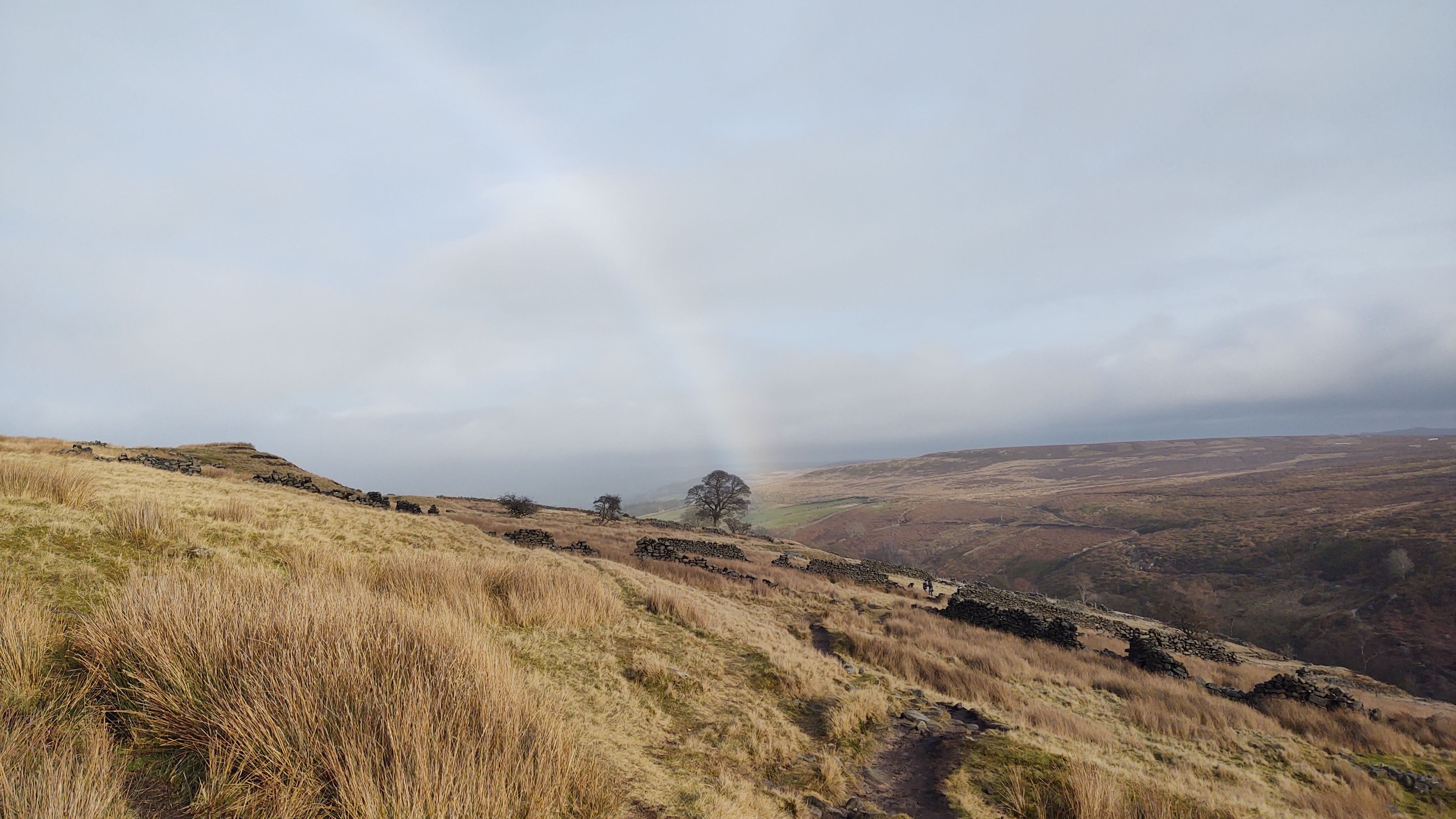
Justin to Hilary: Ancestry and heritage are deeply fascinating topics in anthropology. It seems universal that we all want to know where we come from. You briefly mention your Scottish ancestry in your article How One Book Took Me to Scotland. While you say in this post that Outlander had an outsized role to play in compelling you to travel to Scotland, do you think it was also your heritage that compelled you to travel here?
Also, in this piece, you mention something close to my research on fear and travel, which I discuss in my book An Anthropology of Wandering: How Adventure Can Alleviate a Fearful Culture. You mention that people thought you were “crazy” to want to travel alone here. How much do you think fear plays a role in our decisions to travel or not, and what did you learn traveling solo that you’d like to share with others who may be cautious to venture abroad by themselves?
Hilary to Justin: Years before I even encountered the Outlander series, I had tried to specifically study abroad in Scotland. The university I was interested in had a great creative writing program, but other countries with amazing universities had just as great programs, too. It was something about Scotland that just pulled me in and would not let go, even after I had to recognize that I couldn’t go there to study and really had no other financial means to get there at the time. I had to shelve the dream, but it never really went away, this pull to go there. It was like a repeated knocking on the door that sometimes would go quiet, and I would put it out of mind for a bit, but when I picked up Outlander, years after that failed attempt to study there, the knocking came back louder than ever, and I was like, “Right, I’m making this happen no matter what.”
It didn’t fully register within me until I got to Scotland that, to my knowledge at least, I was the first in my family to return to Scotland since that ancestral branch of my family came to the States. Maybe there was an ancestral pull taking me there. I like to think things happen for a reason, sometimes in ways I don’t understand. It’s interesting to think about, but there would be no journey to Scotland without that ancestor’s original journey from Scotland.
Travel always involves a certain level of uncertainty, and I think that uncertainty and the unknown can be uncomfortable and unsettling to people. Fear is a healthy response to those feelings. It’s okay to feel some fear when travelling to a place you’ve never been to before. It’s okay to fear getting lost. It’s okay to fear being lonely. But don’t fear learning. Don’t fear growth. That’s what comes with these experiences. It’s a journey. Embark on it.
Travelling solo gave me such a perspective on my own courage. And I’m coming at this from a woman’s perspective, where I’d repeatedly been warned not to travel solo for safety reasons. Fears around safety are valid. But what I also hope others see as valid is questioning this long-held narrative, often directed at women travelling solo. I will admit that I personally got tired of hearing all the warnings about safety and even loneliness. There are just constant unknowns in every choice you make. Risks exist everywhere, even at home. I can only logically prepare for so many. I just got to a point where I wasn’t going to wait around for others to grant me the life I wanted to live for myself, and so I just went for it. For anyone thinking about travelling solo, particularly women, all I can say is use common sense and go and do it. Also, I wholeheartedly believe that some solitude is a very good thing.
“Fear is a healthy response to those feelings. It’s okay to feel some fear when travelling to a place you’ve never been to before. It’s okay to fear getting lost. It’s okay to fear being lonely. But don’t fear learning. Don’t fear growth. That’s what comes with these experiences. It’s a journey. Embark on it.”
Justin to Hilary: Something I love about how you end each of your articles on Storybound is by showcasing a book you’ve read recently and one you are currently reading. They have all sounded so enchanting, and I’ve added several to my list to read. While I have not read them, they all seem to hover around this theme you write about of “stories that inspire journeys.”
Do you think stories are the primary means to inspire others to travel? What’s one book that you think any aspiring traveler should read?
Hilary to Justin: I don’t know if I would say primary, but I would say an integral part in inspiring travel. I think stories, whether that’s a book or even someone’s memory, allow us the gift to imagine what was, what is, and what could be in our own lives. We can step outside our own narrative and enter another. Through a story, we can start picturing ourselves in a place, and I think that’s where the magic begins.
So many books I could recommend! But I would have to say Robert Macfarlane’s The Old Ways: A Journey on Foot. To me, travel is not just about the outer journey, but the inner one as well, and this book beautifully captures that theme.
Another theme of Storybound is the pilgrimage. What makes pilgrimage important? What’s a future pilgrimage you’re dreaming of doing one day?
Hilary to Justin: To me, pilgrimage is important because it’s all about the inner and outer journey working in tandem (and when I mention “pilgrimage,” it’s in a more secular sense). A pilgrimage starts with a personal question or intention. And with this question or intention, you’re about to co-create a journey of personal meaning with the landscape you move through and the encounters you make along the way. You’re co-crafting a story through your journey every step of the way.
A future pilgrimage that I’m dreaming of doing would be to Yellowstone National Park. Excitingly, there’s a plan to make this happen this September, and I cannot wait. The landscape and wildlife of Yellowstone have captured my imagination since childhood, so it feels personally significant to me to be journeying there at last. Sometime in the future, I would like to undertake one of the ancient pilgrimage routes in Britain. Which one it would be and when, I will have to wait for that to be revealed to me in time.
Justin to Hilary: What’s a lesson you’ve learned in your travels so far that you couldn’t have learned if you’d never traveled?
Hilary to Justin: It’s honestly courage. Travel comes with many unknowns. It’s taught me that I can take risks and figure things out if things don’t go according to plan. It’s given me the courage to ask for help, to be vulnerable, and to connect with others. It’s given me the courage to challenge my perspective and to leave my comfort zone.
“Travel comes with many unknowns. It’s taught me that I can take risks and figure things out if things don’t go according to plan.”

Justin to Hilary: Is there anything else you’d like to share, highlight, or emphasize about your work?
Hilary to Justin: When I talk about travel, I’m not talking about vacationing at a resort or something similar. To me, it’s deeper, and it’s based on learning about the world, about yourself, and about others, both human and non-human. There’s a privilege to travel that I don’t take for granted, and there’s a responsibility that comes with it. I don’t travel all the time, but I travel a lot through stories. Landscape and nature, of finding yourself a part of a lineage and a cycle and circle of life, are something that I reflect a lot about. I’d love to connect on StoryBound if any of these thoughts and themes are resonating.
It’s been delightful to learn about Hilary and her writing. Many writers and readers have made the observation that books are a kind of simulator and one of the best mediums that allow us to momentarily step into the mind of another person. Stories often catapult us into travel and action, and Hilary perfectly embodies the idea of how books and stories can be those catalysts for our adventures.
I hope you will find some time to check out what she is writing at Storybound.
Previous and future guests of Featured Wanderers can be found here:
Read more about it here and enjoy an excerpt from the book here.
Order 'An Anthropology of Wandering'
Thanks for being a fellow traveller with me through this read. Please consider subscribing, sharing, and supporting this project—much more to follow.
Cheers!
-JSB
Comments
Nothing yet. Say the first thing.
Sign in to join the conversation.