
Here is a poem concerning war to spur the imagination for the poetry contest, The Root of War Is Fear which started on July 1, 2026
Here is the link to the Guidelines —> The Root of War Poetry Contest
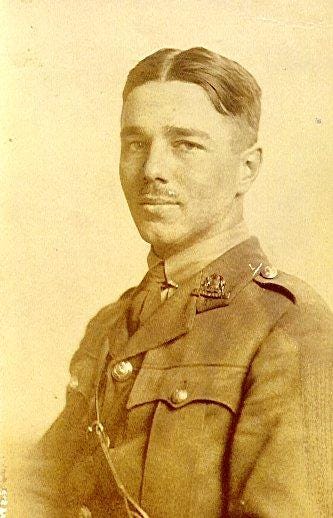
Many anti-war poems were written during and after the two world wars. The following poem was written by Wilfred Owen during the first World War and published posthumously in 1920. Owen derides the classical notion of “glory in the battle for one’s country” by mocking the adage of Horace. In the poem the theme of war is that it destroys the participants. 1
Bent double, like old beggars under sacks,
Knock-kneed, coughing like hags, we cursed through sludge,
Till on the haunting flares we turned our backs,
And towards our distant rest began to trudge.
Men marched asleep. Many had lost their boots,
But limped on, blood-shod. All went lame; all blind;
Drunk with fatigue; deaf even to the hoots
Of gas-shells dropping softly behind.
Gas! GAS! Quick, boys!—An ecstasy of fumbling
Fitting the clumsy helmets just in time,
But someone still was yelling out and stumbling
And flound’ring like a man in fire or lime.—
Dim through the misty panes and thick green light,
As under a green sea, I saw him drowning.
In all my dreams before my helpless sight,
He plunges at me, guttering, choking, drowning.
If in some smothering dreams, you too could pace
Behind the wagon that we flung him in,
And watch the white eyes writhing in his face,
His hanging face, like a devil’s sick of sin;
If you could hear, at every jolt, the blood
Come gargling from the froth-corrupted lungs,
Obscene as cancer, bitter as the cud
Of vile, incurable sores on innocent tongues,—
My friend, you would not tell with such high zest
To children ardent for some desperate glory,
The old Lie: Dulce et decorum est
Pro patria mori.
Notes
The last two verses are Latin verses from the Roman poet Horace.
“It is sweet and fitting to die for one’s country.”
Ode III, 2.13
Dylan Thomas spoke about Wilfred Owen on one his BBC radio broadcasts.
“Wilfred Owen was born in 1883 and killed in 1918. Twenty-five years of age, he was the greatest poet of the First Great War. Perhaps, in the future, if there are men, then, still to read, — by which I mean, if there are men at all — he may be regarded as one of the great poets of all wars. But only war itself can resolve the problem of the ultimate truth of his, or of anyone else’s poetry: war, or its cessation.”2
To be fair another commentator, William Butler Yeats, belittled Owen’s poetry. Yeats did not include Owen in his 1936 anthology3 and commented on omitting Owen’s poetry writing that …
Text within this block will maintain its original spacing when published
I have a distaste for certain poems written in the Great War...
Many years later General George Patton summarized this opinion with cruder words. In a speech to the troops toward the end of World War II Patton remarked that…
No bastard ever won a war by dying for his country. He won it by making the other poor dumb bastard die for his country.
More information at a site in the United Kingdom—> The Wilfred Owen Association
And a contemporary poet reflects on war…
Text within this block will maintain its original spacing when published
In order for me to write poetry that isn't political
I must listen to the birds
and in order to hear the birds
the warplanes must be silent.
   Marwan Makhoul, Verses the Poems Forgot With Me (2023), born: July 2, 1979
The Oxford Book of Modern Verse 1892 - 1935, Chosen by W. B. Yeats, Introduction - Part XV
Comments
Nothing yet. Say the first thing.
Sign in to join the conversation.