
In a 1985 article discussing Ken Kiff’s work, Martha Kapos used the phrase “realism of the psyche”, which she borrowed from Marc Chagall, to describe how Kiff’s radical approach to restructuring the painted image and his liberation of colour enabled him to expand and transform the representation of reality. Kiff (1935–2001) was indeed a singular figure in late 20th-century British painting, celebrated for his unique ability to fuse modernist pictorial values with a deeply personal mythology, offering a psychologically complex alternative to the conventional storytelling and Neo-expressionism of his time.
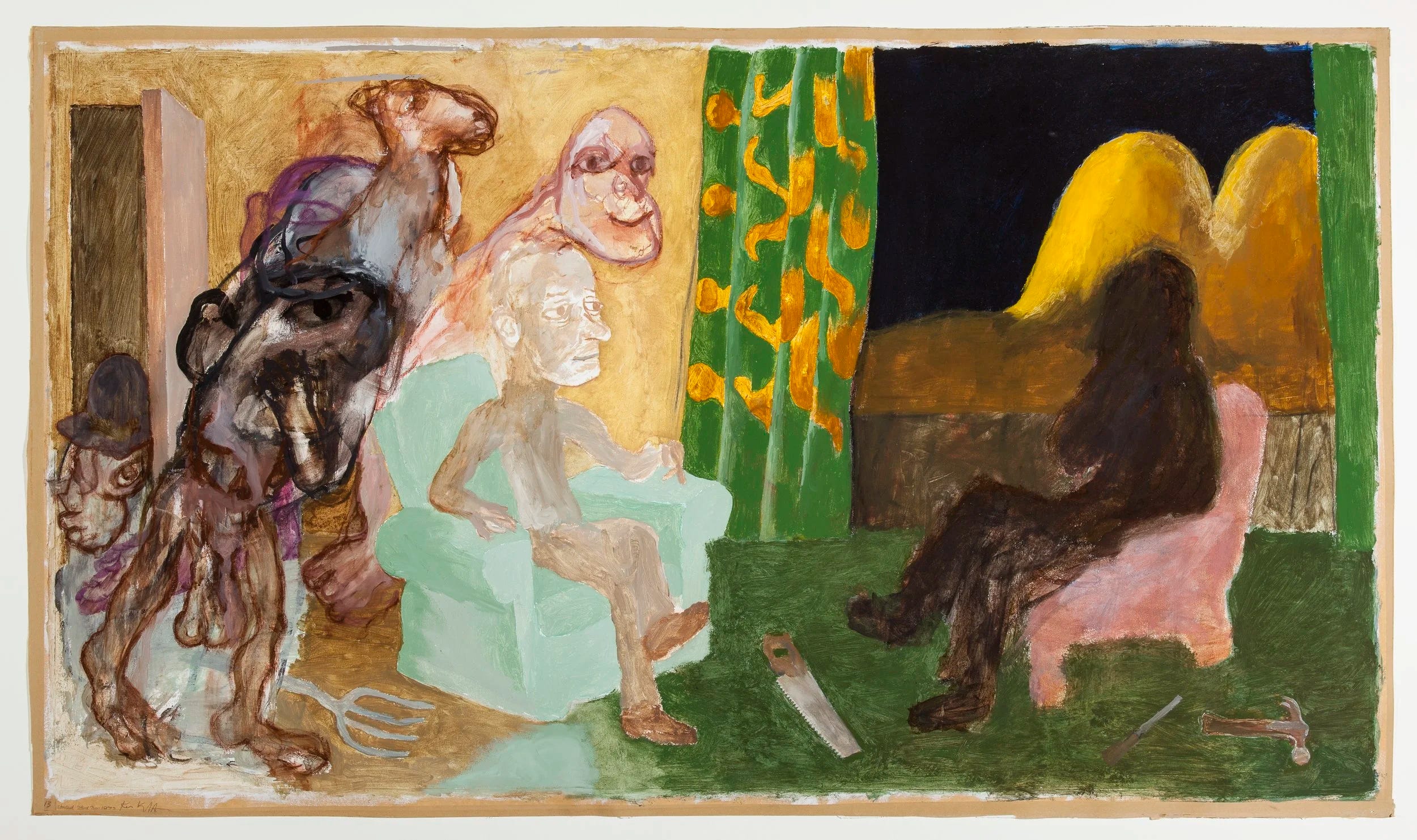
His artistic strategy relied on a seamless integration of the “inside” and “outside” worlds, where domestic and urban motifs—streets, houses, and trees—were repurposed to map the fluid currents of internal memory. He sought to map the internal movements of human thought through the lens of Jungian archetypes and Chinese philosophy, specifically through his devotion to heart-mind/body holism, which stood in direct opposition to the binary logic prevalent in Western intellectual traditions. By rejecting the “heroic progressivism” of the West, which often elevates the intellect over the sensory body, Kiff moved toward a more compassionate, inclusive way of knowing (Biggs, 2024).
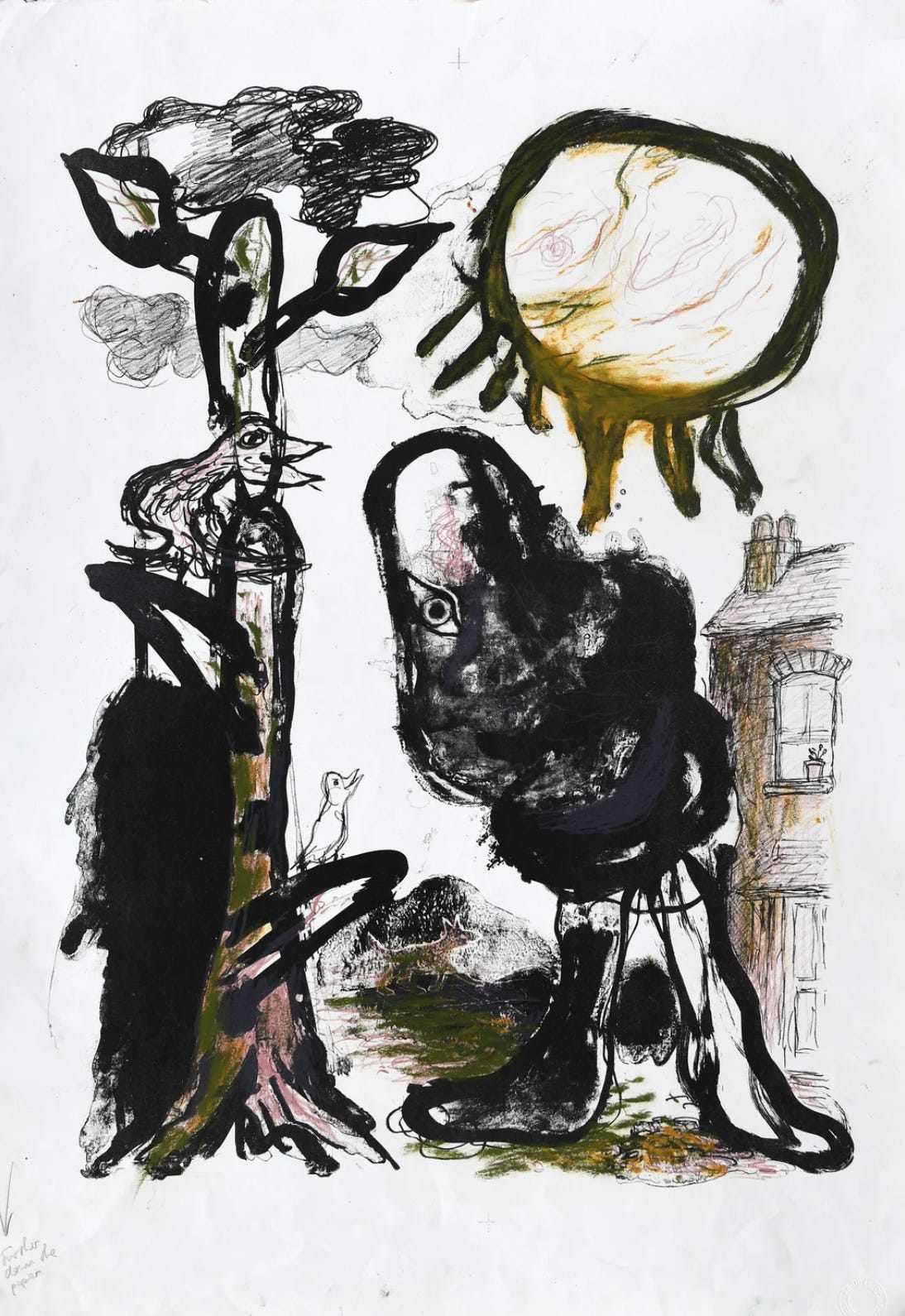
Kiff’s work features a recurring cast of “relational” symbols that act out psychic dramas across his canvases. Central to this iconography is the “Little Man” (or “The Pilgrim”), a naked, round-headed figure who serves as a proxy for Kiff himself. This figure is frequently depicted making his way through a world of marvels and dismay, occasionally beset by ominous forces. In contrast, the “Radiant Woman” (or “Goddess”) appears as an elemental and monumental figure, symbolising luminosity and power. These figures often appear as goddesses or earth nymphs, functioning as structural anchors that stabilise the painting’s composition through their vibrant pigment. This symbolic language extends to the anthropomorphic landscape, where sentient environments feature houses, stellar bodies and natural elements imbued with human qualities.
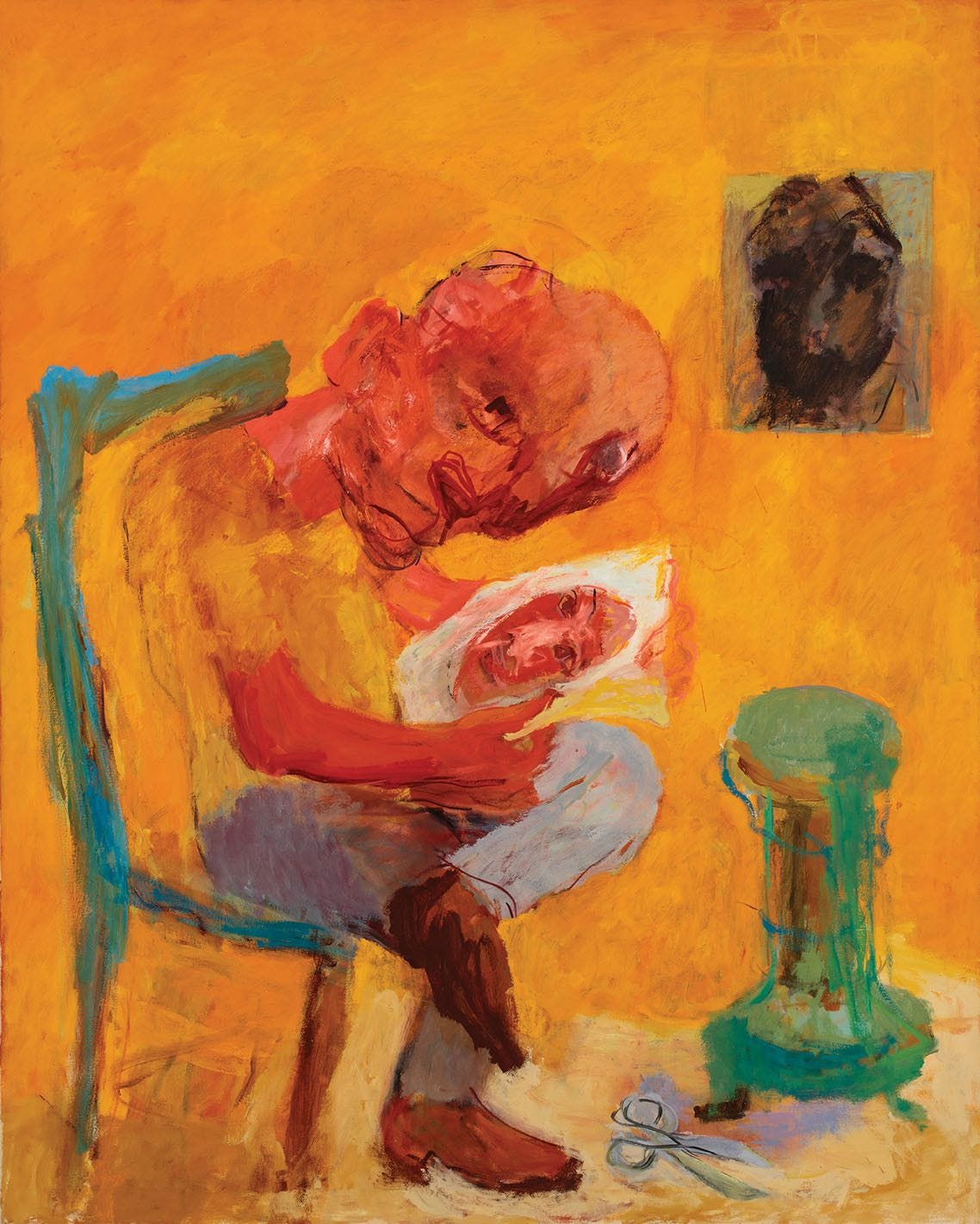
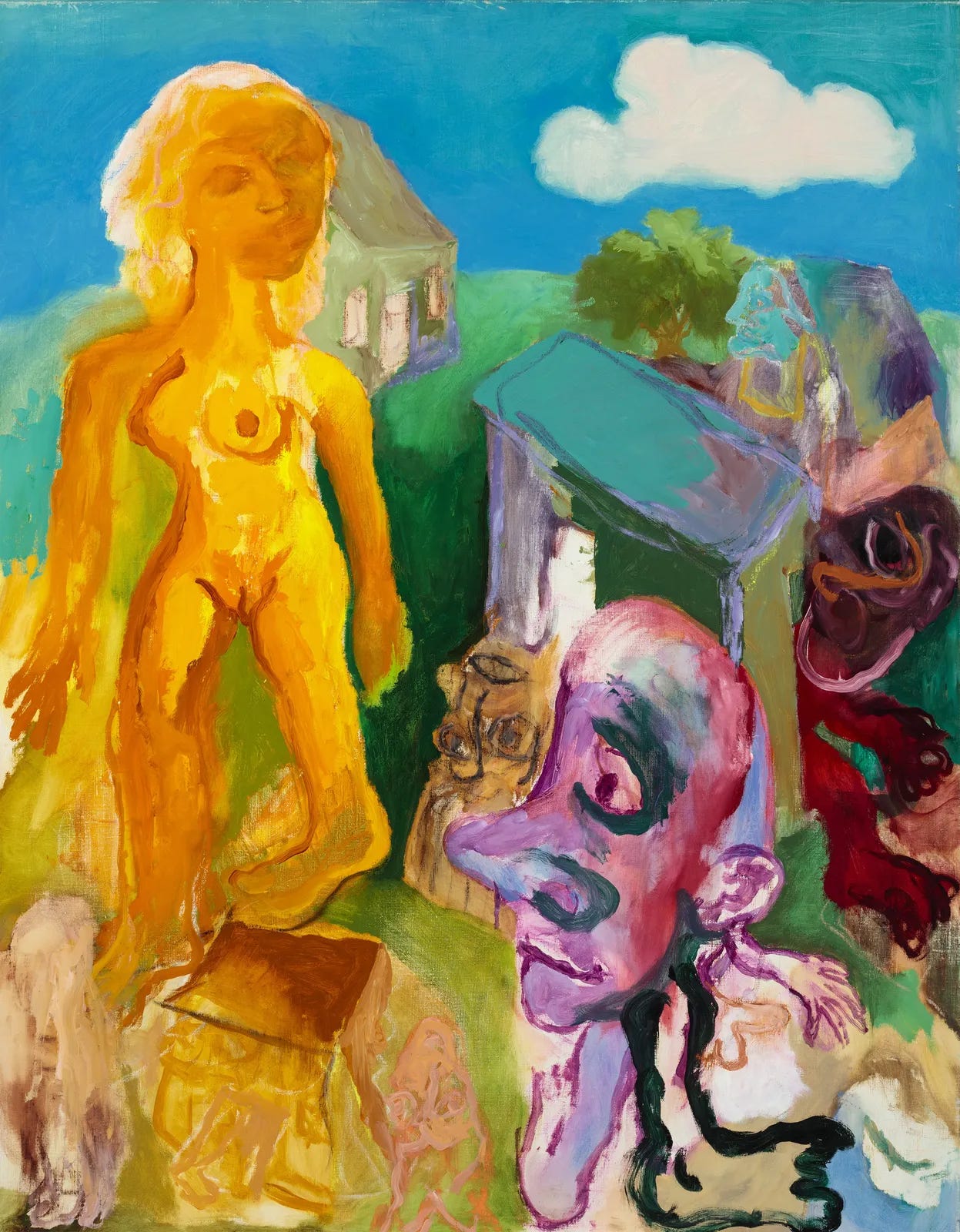
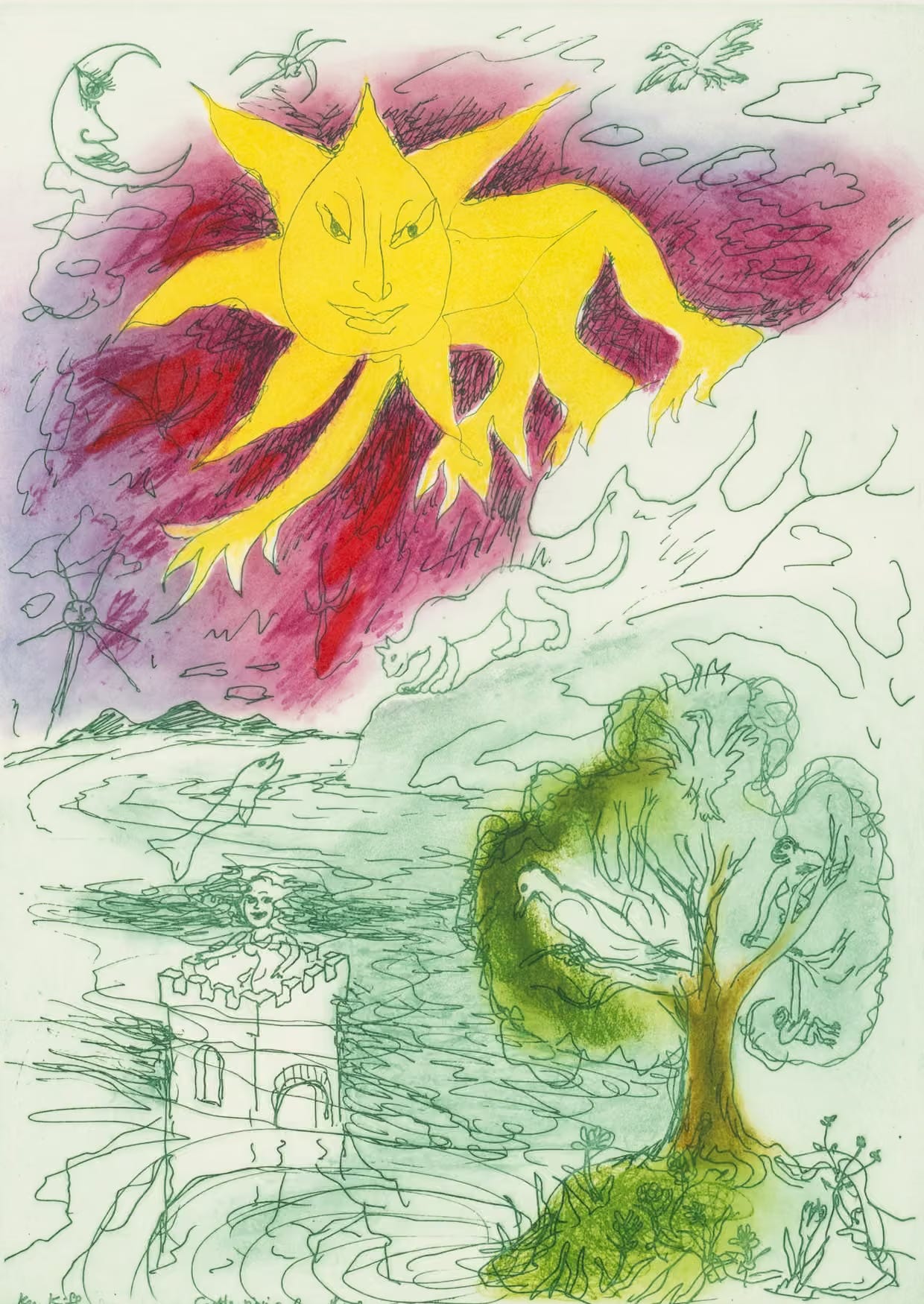
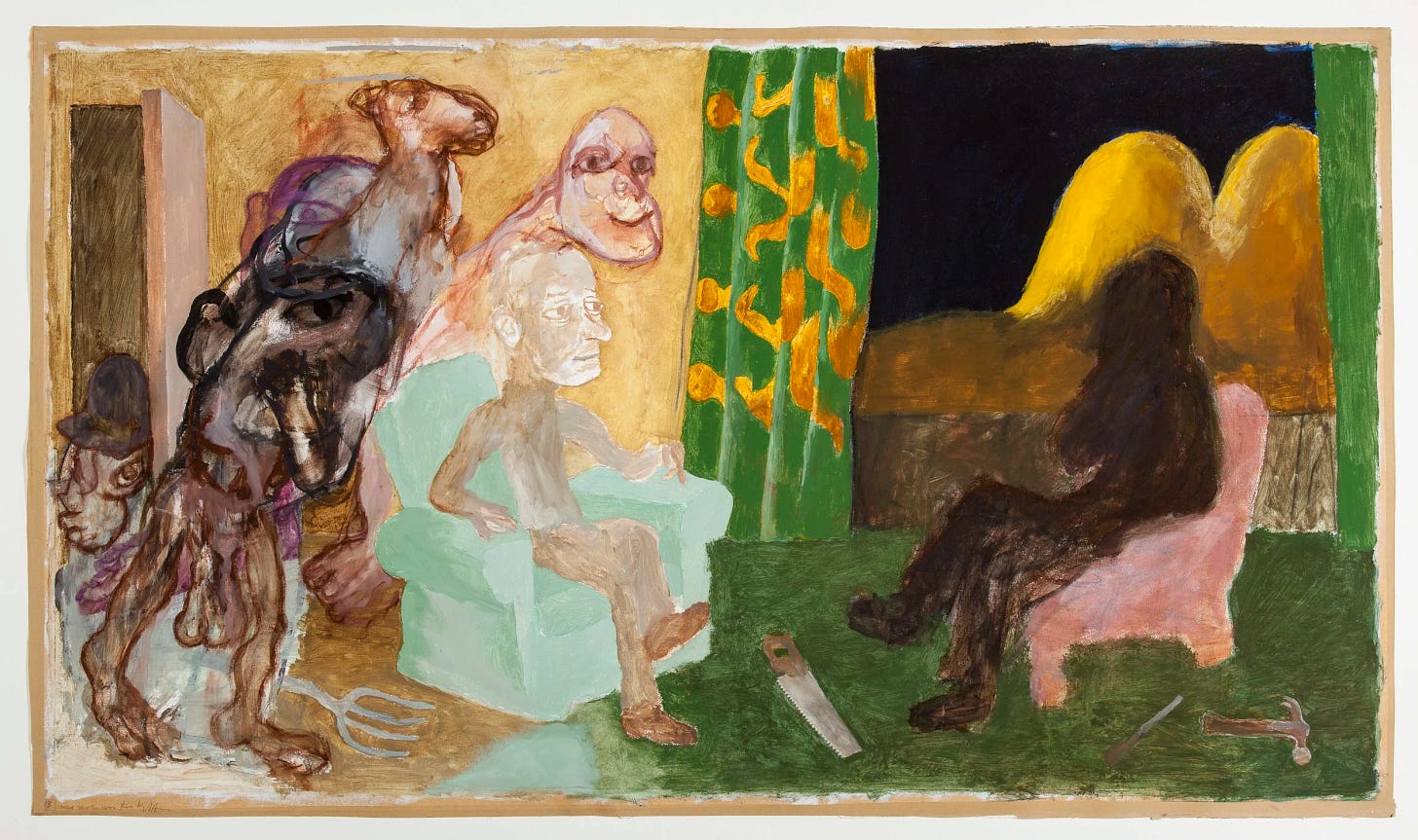
Constituting nearly 200 acrylic-on-paper paintings created over a 30-year period from 1971 until his death in 2001, Kiff regarded The Sequence as a single, continuous work. Rather than presenting a traditional linear plot, the paintings form a conceptual chain that allows networks of visual associations to develop laterally across multiple formats, propelled by a single driving energy. To comprehend the storytelling in The Sequence, the viewer must recognise the individual paintings as fragments of an unspecified narrative or journey, where a motif introduced in one work might find its emotional resolution ten paintings later.
Kiff achieved this narrative continuity through several radical techniques, starting with a symphony of recurring archetypes that unified the decades-long project through a pattern of recurrence. The narrative is anchored by the repeating cast of the “Little Man,” animals, and goddess-like women, which serve as consistent guides through an otherwise chaotic visual world. This was supported by merging external reality and the subconscious, a process that revolutionised narrative by overlapping everyday imagery with daydreams and folklore. Operating through a pseudo-Jungian lens, Kiff visually mapped the harmonies and discords of the mind, using fantasy as a robust, affirmative tool for understanding reality rather than as an escape from it.
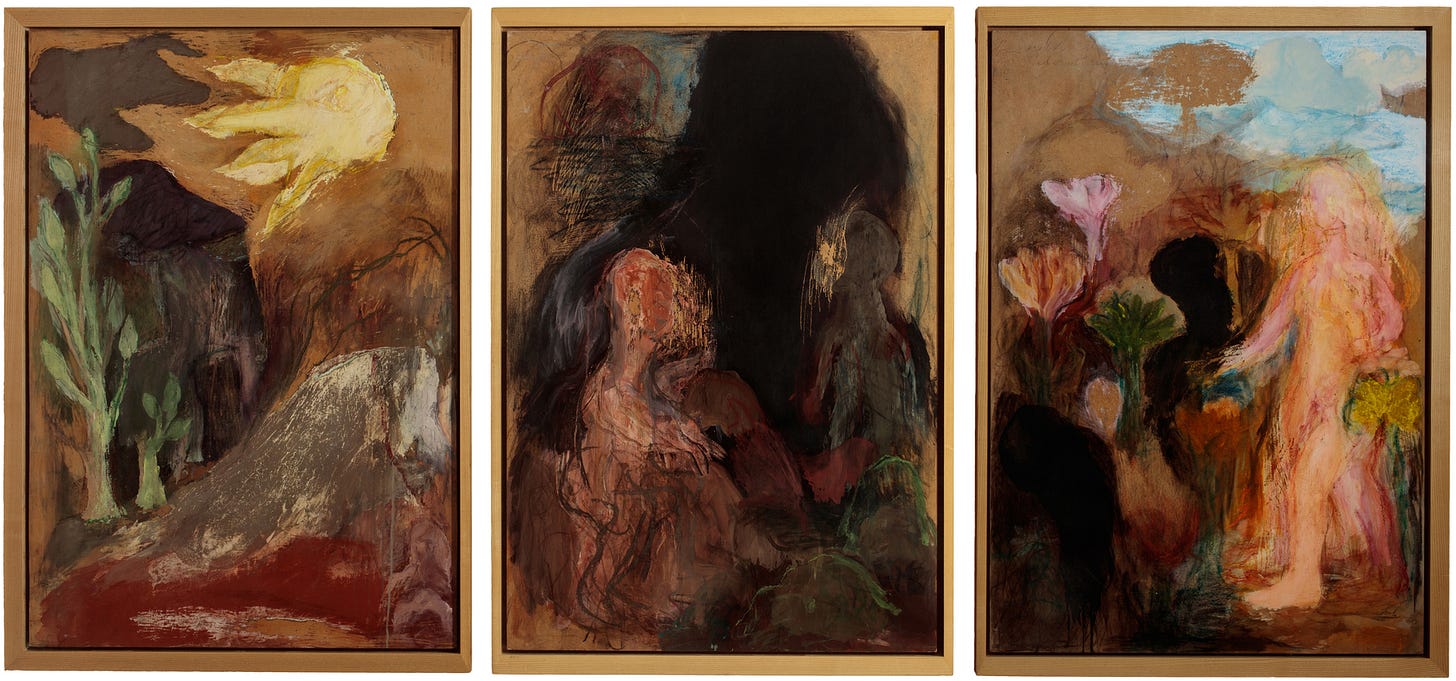
Furthermore, Kiff utilised colour as an emotional index; moving beyond mere ornamentation, he employed colour where pigment functions as the very architecture of the composition. In this system, colour serves as an active index of mood, with glowing yellow suns and hills conveying warmth and potential, while deep, saturated blues might signal a descent into the interior self. Finally, Kiff subverted straightforward storytelling by employing deliberately loose, improvised forms. This approach evokes a profound sense of human frailty and uncertainty, replacing easy recognition with unexpected moments of revelation and emotional connection.
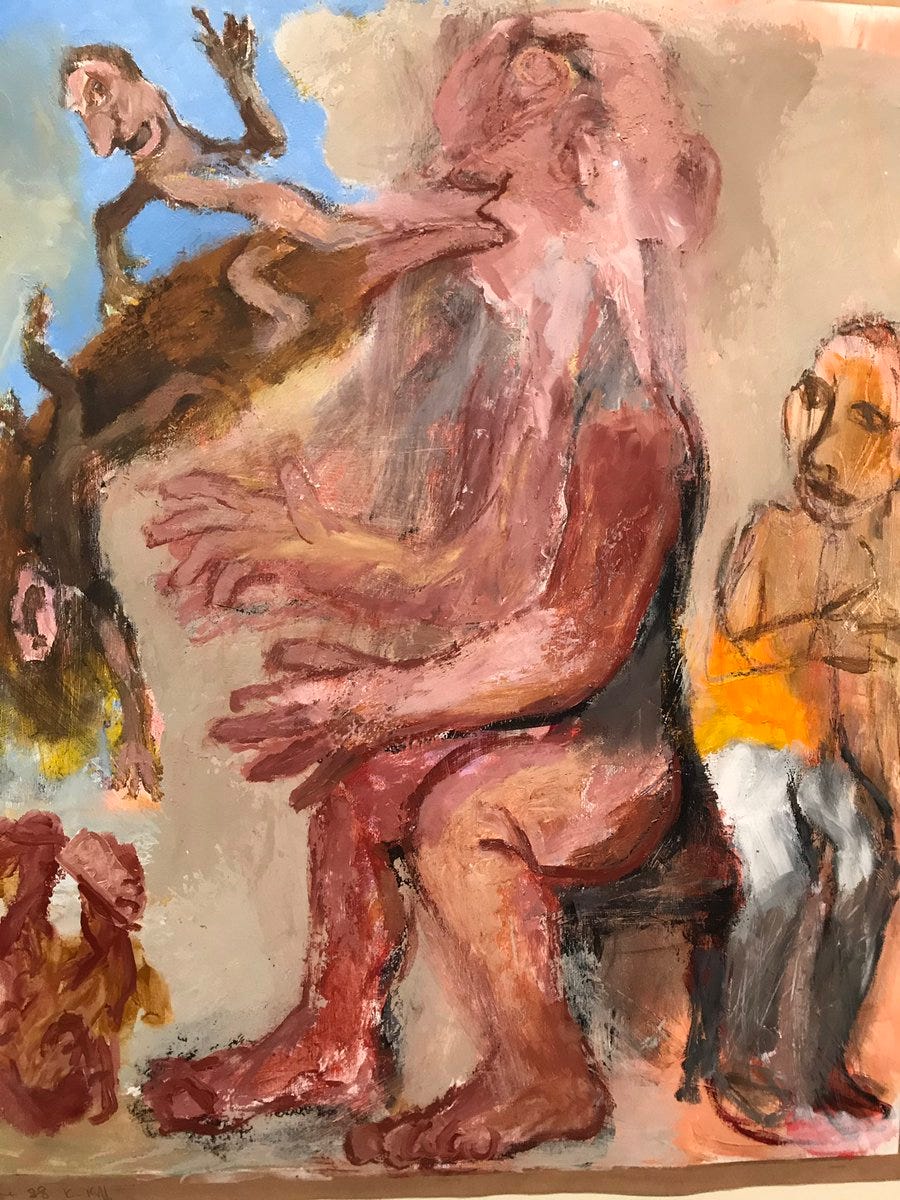
When Kiff was offered a residency at the National Gallery, the experience forced his solitary, visionary self to confront the foundations of the Western canon. Famously, he critiqued the National Gallery as a “museum of beiges and browns,” a rejection of centuries of masterpieces where he felt vibrant colour had been sacrificed to tonal modelling (The Fence, 2025). This prestigious yet "unsettling" residency required him to abandon his home studio and hundreds of works in progress, a move his daughter Anna describes as being outside his "comfort zone" as a working-class artist.
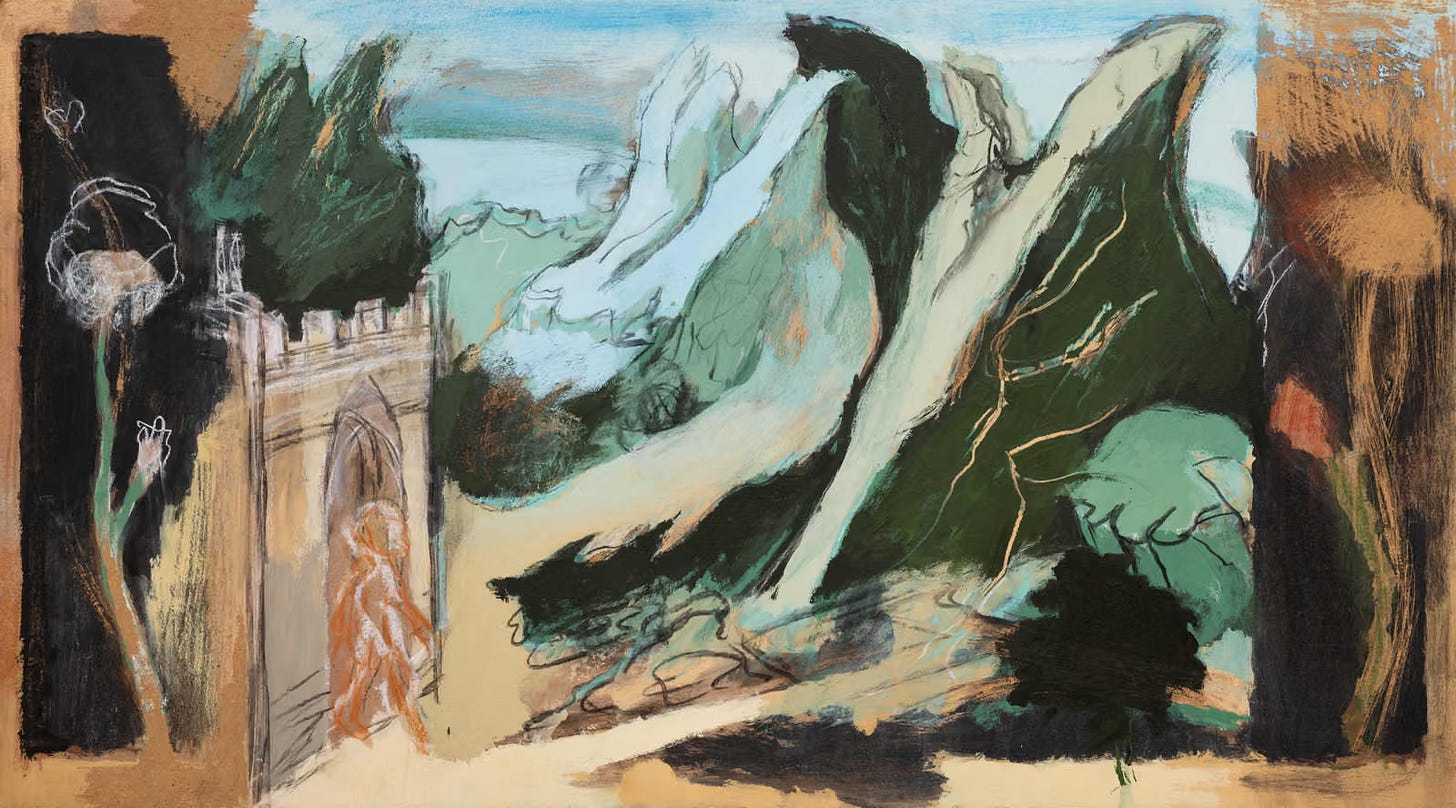
Working in a large basement studio, he spent eighteen months in intense"observation of the collection. Rather than literal transcription, he sought the essence of the Old Masters, famously stating he was "burning to get the colour moving" in a way that copying simply could not achieve. In After Giovanni di Paolo (1) (1993), Kiff’s engagement with the past reached a peak. He reimagined the 15th-century episodic journey of Saint John the Baptist through a secular lens, replacing the saint with his own "Little Man" archetype. By incorporating the naturalistic flora from the original frame’s side panels, Kiff melded Renaissance structure with his own visionary style.
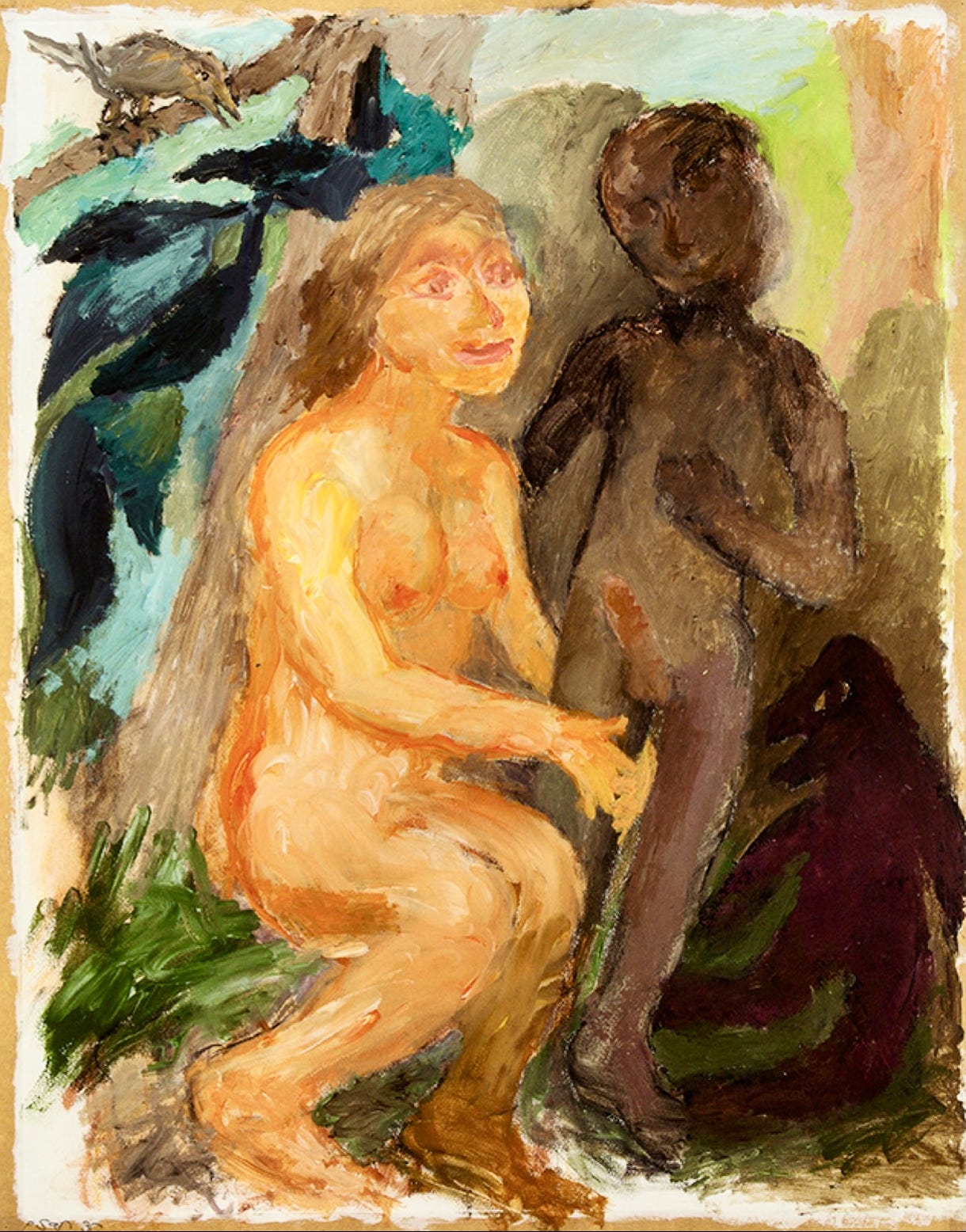
Kiff’s position was often uncomfortable, and he was frequently misread by critics through reductive lenses. Stuart Morgan dismissed the emotional weight of his work as sentimentality, famously likening the experience of viewing his paintings to “finding a grown man in tears at a bus stop”—a critique that perhaps says more about the clinical coldness of 1980s art criticism than Kiff’s imagery. Simultaneously, he faced accusations of regression from abstract painters like John Hoyland, who argued that Kiff’s focus on personal imagery was an idiosyncratic escape from the “advances” of modern art.
However, Kiff’s true impact lies in his role as a vital preservationist of figurative tradition and as a formative educator at the Royal College of Art. At a time when the “death of painting” was frequently debated, Kiff was a legendary tutor who gave a generation of artists permission to be idiosyncratic and grotesque. His “colour-first” pedagogy (the idea that images should arise from the “stuff of painting” rather than pre-planned sketches) influenced a generation of artists, including Tracey Emin, for whom, reportedly, Kiff was the primary reason to choose to study at the Royal College of Art.
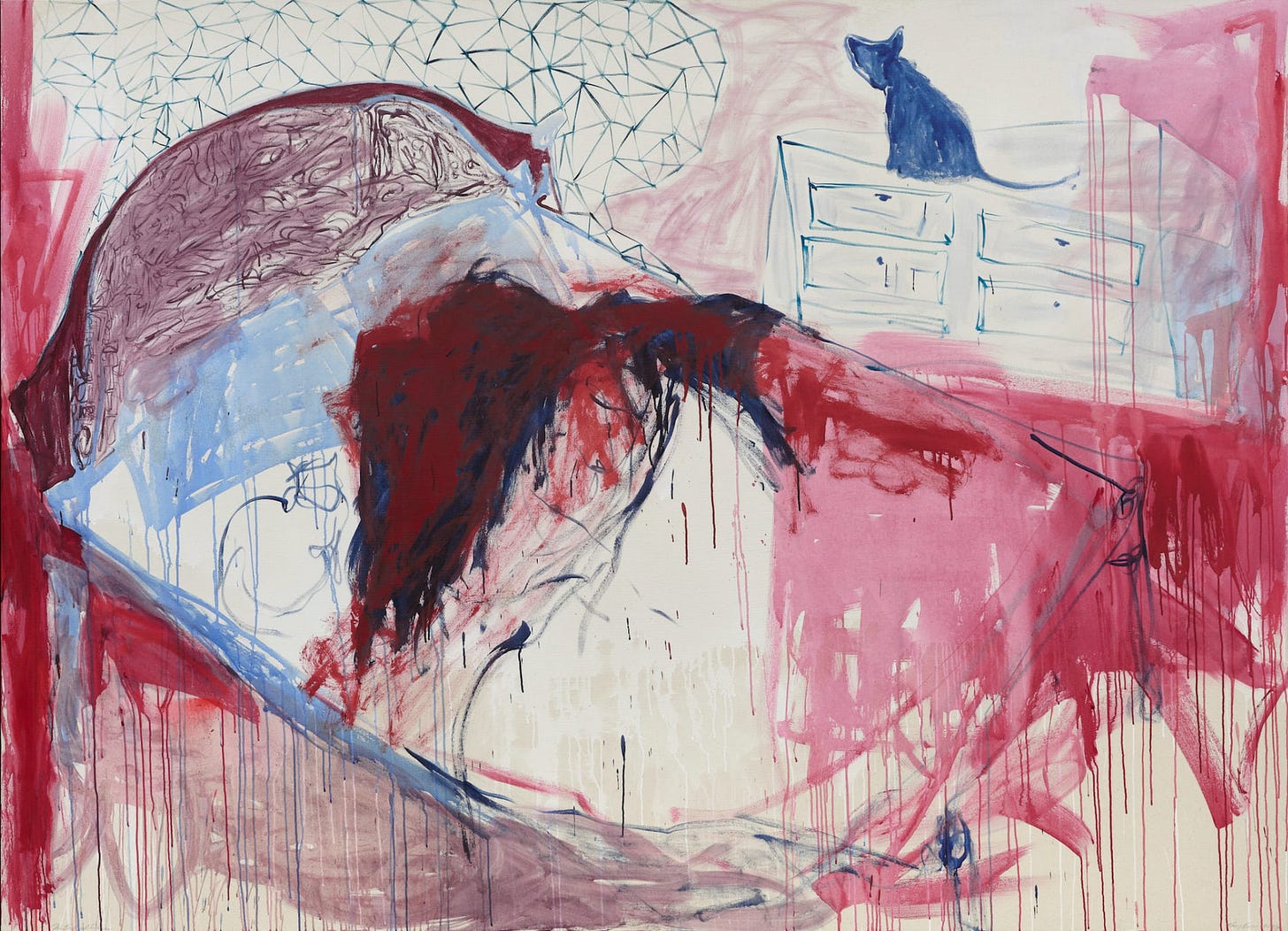
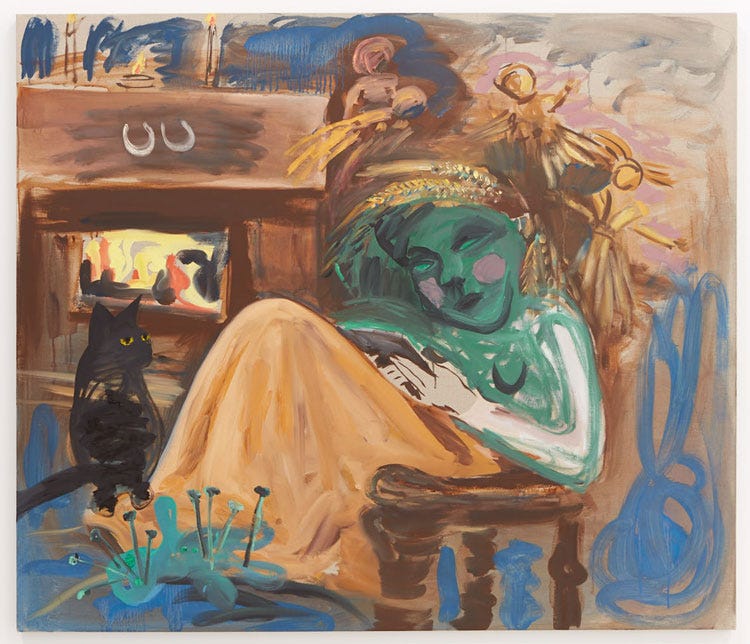
Far from being a 20th-century relic, Kiff’s fluid narratives are increasingly viewed as the foundational DNA of the contemporary figurative boom. His legacy offers a vital cartography of the subconscious for modern artists addressing themes of anxiety, vulnerability, and the search for wholeness in a fractured world. Beyond Tracey Emin, Ken Kiff’s legacy is most visible in a new wave of British figurative painting that prioritises psychological depth, “colour thinking”, and a dreamlike, often vulnerable approach to the human figure, such as Andrew Cranston, whose work often mirrors Kiff’s use of unusual pigments and small-scale, intimate vignettes that feel like fragments of a larger, evolving sequence; or Peter Doig, who shares Kiff’s interest in unsettled figures within a vast, sometimes menacing nature.
Recently, the term “School of Kiff” has been used by critics and galleries (The Fence, 2025) to describe the profound, far-reaching impact of Ken Kiff and the renewed interest in his work among contemporary figurative painters such as Martyn Cross, Lucy Stein, Rob Lyon, Issy Wood and Anthony Cudahy.
The artist’s estate, overseen by Kiff’s daughter Anna Kiff, preserves a substantial archive that serves as a treasure trove of unpublished materials, including intimate sketchbooks and extensive personal writings that illuminate the complexities of his internal creative logic. His letters and journals, such as a significant 1991 letter offering foundational advice on “first art lessons”, explain the developmental stages of his personal iconography, tracing the evolution of figures like the “Little Man” and the “Goddess” from raw impulses to refined motifs.
Future engagement with this archive promises to move beyond mere biography, offering a chance to further decode the grammar of Kiff’s imagination. There might be much to be discovered in his meticulous colour charts and annotated sketches, which could reveal that his "naïve" style was actually the result of rigorous formal planning. Talking about the archive also opens a window into his pedagogical legacy; his notes on teaching at the Royal College of Art could redefine our understanding of how he steered a generation of painters away from cold conceptualism toward a more sensuous and empathetic figurative art.
What remains to be discovered in these journals about the artist who shaped the pedagogical DNA of modern British painting?
Read more: Biggs, I. (2024a) 'Another Modernity? Ken Kiff's Visual Poetics (Part 3)', Iain Biggs: educator / artist / researcher, 7 August (Link) | Biggs, I. (2024b) 'Another Modernity? Ken Kiff's Visual Poetics (Part 5)', Iain Biggs: educator / artist / researcher, 8 August (Link) | Eaves, W. (2019) 'Ken Kiff – The Sequence', Will Eaves, 15 April (originally published in Brixton Review of Books, Issue 5, March 2019) (Link) | Hill, E. M. (2025) 'Ken Kiff: After the Old Masters', Independent Art Fair, 12 June (Link) | Lynton, N. (2001) 'Ken Kiff', The Guardian, 15 February (Link) | Morton, T. (2023) 'The Masculine Vulnerability in Ken Kiff's Daft, Infectious Paintings', ArtReview, 25 January (Link) | Sherwin, S. (2025) 'Plasticine men and giant goddess women: why Ken Kiff's brilliant, bizarre art is getting a second look', The Guardian, 3 April (Link).
Comments
Nothing yet. Say the first thing.
Sign in to join the conversation.