
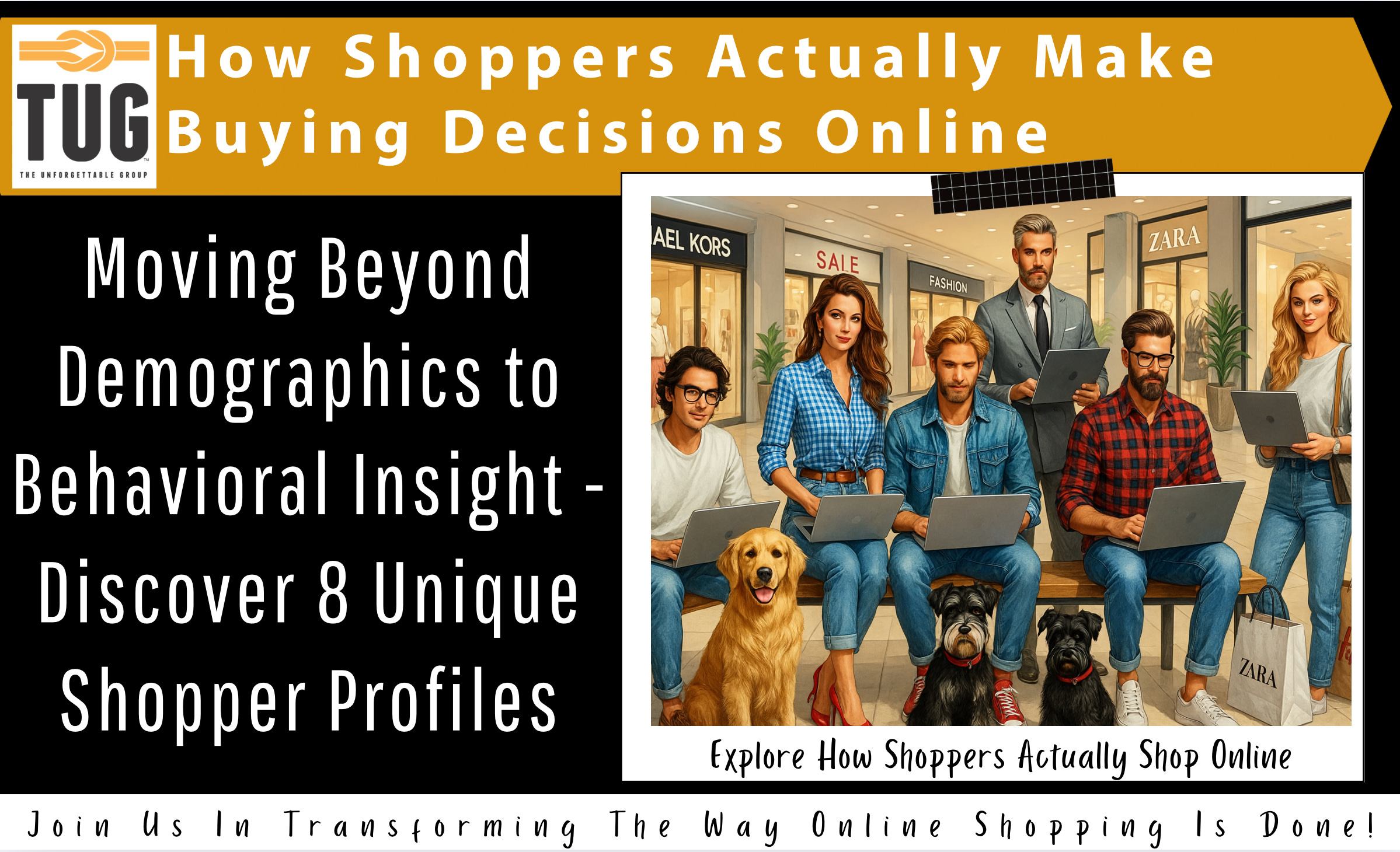
For decades, brands have been taught to understand online shoppers through demographics: age, income, gender, location. While these details are easy to measure, they rarely explain the most important question in commerce:
Why shoppers actually buy.
At The Unforgettable Group (TUG), we took a deep dive into how people actually shop online and identified eight distinct shopper profiles. While these profiles appear across all forms of shopping, they are most clearly revealed in the online shopping environment, where behavior, intent, and decision-making are easier to observe. The key insight is that most shoppers have a dominant profile that guides how they typically approach shopping. However, the profiles are not fixed, allowing shoppers to transition into various shopper profiles depending on the buying situation. A shopper may temporarily shift their behavior when making a major buying decision like a car purchase, grocery shopping, or responding to an unexpected impulse. If a seasoned shopper purchased one of everything while buying groceries, they would not have the room to store it all. Understanding that shoppers are divided into different shopper profiles allows us to rethink the way to ‘speak’ to them online and provide them with the tools they need.
Demographics alone can’t explain that.
Behavior can.
Shopper profiles cross age groups, income brackets, and gender, and are defined by how shoppers approach the shopping process. To help explain how modern shoppers actually navigate online shopping, this article breaks down the eight shopper profiles we identified, how each approaches online shopping, and tips for reaching each type of shopper. We also explore different product categories and show how these profiles influence decision-making, using real-world examples that span everything from everyday essentials to high-consideration purchases, along with practical insights into how brands can market more effectively to reach a broader range of shoppers.
At The Unforgettable Group, we define these Online Shopper Profiles as behavioral mindsets that describe how people think, shop, and decide in the moment, rather than who they are demographically. These profiles apply across industries and product types and offer brands a deeper, more actionable way to understand consumer behavior, improve product alignment, and design shopping experiences that resonate with how people actually shop. It is important to note that retailers welcome in-person shoppers to come in and take a look around, but we often assume that everyone online is only there to make a purchase. When we refer to shopping, it begins with entering the site, taking a look around, and ultimately making a purchase if the shopper finds what they are looking for, just like in-person shopping.
While most brands focus on their target market’s age, income, location, and preferred device, they often overlook something far more important: how shoppers actually approach online shopping, what they need to make their buying decisions, and how can the experience be improved. Traditional demographic data can tell you who the shopper is, but it rarely explains what they need, how they approach a shopping journey, or why they decide to buy or leave it in the shopping cart. To truly understand modern consumers, brands must look beyond static profiles and begin examining the behaviors, motivations, and mindsets that guide shoppers as they move through different categories, occasions, and purchasing decisions.
When we shift our focus to the shopping journey itself, we begin to see what the shopper needs in the moment and how different forms of support from inspiration, reassurance, trust, and aspiration work together to serve a broader range of shopper behaviors. This requires moving away from the transaction-focused mindset and to creating an online shopping experience that provides the right tools, guidance, and experiences to help each shopper make confident buying decisions aligned with how they naturally shop. When we reduce friction, build trust, and support decision-making rather than pressuring the consumer to buy, brands will begin to see more meaningful interactions, transition their e-commerce site to create a shopping experience, and drive purchases that shoppers feel genuinely good about.
As we began our journey to create a better way to shop online, we started with a simple goal: to better understand the online shopper. Why they do what they do, what motivates them, and how they shop. What we discovered were profiles, not labels, that help define the most common and influential online shopping behaviors. The following outlines each of the eight Online Shopper Profiles, provides insight into their shopping behavior, and offers suggestions on how brands can create a better online shopping experience for every shopper, followed by a matrix that represents how different shoppers respond across product categories. To help us present each profile, we borrowed the characters from The Wizard of Oz. To explore more you will enjoy reading Beyond the Yellow Brick Road: Understanding Online Shopping & The Online Shopper that dives deeper into our journey into changing the way online shopping is done.
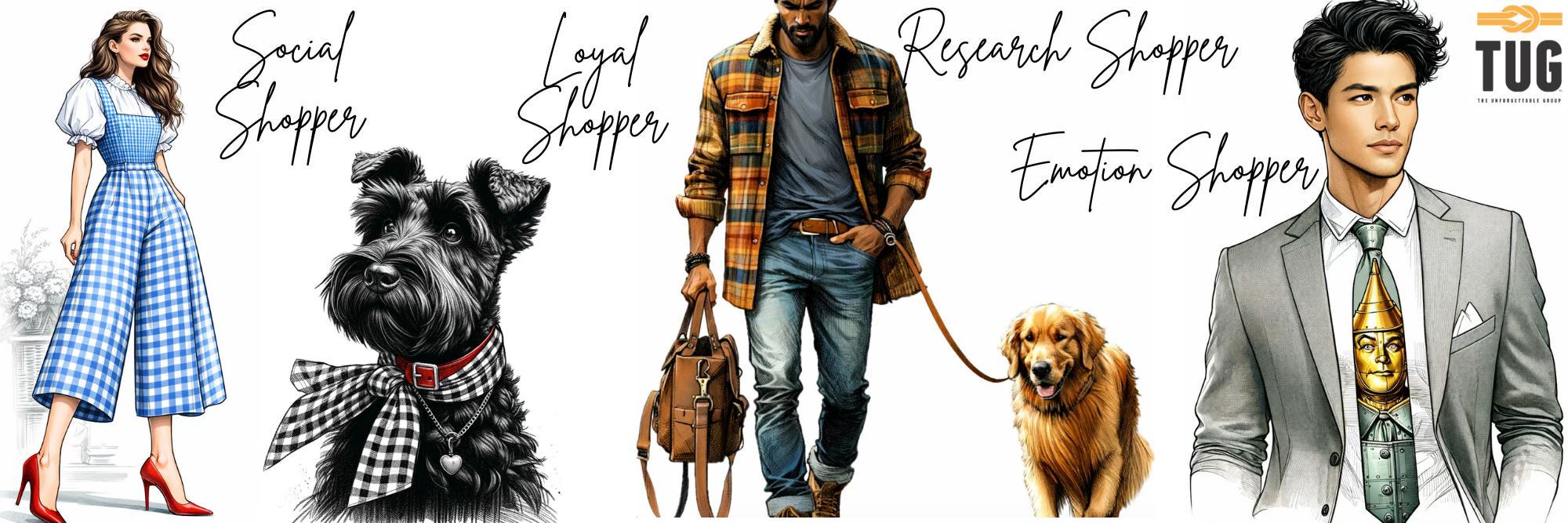
(Shopping as expression, discovery, and connection)
The Social Shopper is best represented by Dorothy, who leads not by having all the answers, but by moving forward with empathy, curiosity, and a willingness to discover alongside others. Like Dorothy, this shopper creates connection through shared experience, making shopping feel human, collaborative, and exciting rather than transactional. They enjoy being in the know, finding what’s new and noteworthy, and naturally guiding friends and family through choices by sharing discoveries, styling ideas, and thoughtful recommendations. Shopping, for them, is an expressive activity rooted in connection, trust, and the joy of discovering something special together.
• Shops to discover and share, not just to purchase
• Influences others through trust, taste, and timing rather than reach
• Values access, early insight, and being part of what’s emerging
• Moves fluidly across platforms, categories, and brands
• Enjoys gifting, styling, and helping others shop with confidence
The Social Shopper turns shopping into a shared journey, shaping trends through connection, curiosity, and trusted recommendations.
Explore More About The Social Shopper
(Shopping with trust, speed, and certainty)
The Loyal Shopper is best represented by Toto, a dog who knows exactly what he wants and is not distracted on the way. Like Toto, this shopper moves with confidence and purpose, focused on what’s familiar, trusted, and proven. They seldom browse for inspiration, shop for multiple items at one time, or get distracted. Shopping is a mission, not an exploration, and efficiency matters. They value reliability, consistency, and the comfort of knowing that the product they’re buying will deliver exactly what it promises, just as it always has.
• Shops with a clear goal and minimal interest in browsing
• Deeply loyal to specific brands and products
• Relies on search, filters, and direct navigation to move quickly
• Values early access, pre-orders, and being first to buy
• Prioritizes reliability and trust over price or trends
The Loyal Shopper knows what they want, trusts what works, and shops with focus, confidence, and unwavering loyalty.
Explore More About The Loyal Shopper
(Shopping with confidence through understanding)
The Research Shopper is best represented by the Scarecrow, whose greatest strength comes from thinking things through, asking questions, and gathering knowledge before taking the next step. Like the Scarecrow, this shopper is not afraid of a rabbit hole and often finds comfort in it. They approach shopping as an investigation, relying on logic, facts, reviews, and expert insight rather than gut instinct or impulse. Even when they believe they know what they want, they feel compelled to confirm it through research, comparison, and validation. For this shopper, the journey of understanding is not a hurdle to overcome, it is a meaningful and satisfying part of the process.
• Approaches shopping as research rather than exploration or impulse
• Relies heavily on reviews, comparisons, expert opinions, and detailed information
• Takes pride in fully understanding features, trade-offs, and use cases
• Researches both high-consideration and everyday purchases with equal care
• Gains confidence from knowledge, not validation from others
The Research Shopper buys with their brain first, finding confidence and satisfaction in making a fully informed decision.
Explore More About The Research Shopper
(Shopping with heart and meaning)
The Emotion Shopper is best represented by the Tin Man, whose journey is guided by heart, empathy, and the desire to feel deeply connected to the world around him. Like the Tin Man, this shopper leads with emotion first and logic second, making purchasing decisions based on how something makes them feel rather than how it compares on paper. They are drawn to stories, causes, and products that signal care, meaning, and contribution, whether that means supporting a rescue, choosing an eco-friendly option, or buying something that feels personal and heartfelt. Shopping, for them, is a way to express values, show love, and feel part of something bigger than themselves.
• Buys based on feeling, meaning, and emotional connection
• Responds strongly to storytelling, purpose, and causes
• Enjoys gifting and attaching a personal story to every purchase
• Is influenced by social cues, movements, and shared values
• Can become deeply loyal once emotional trust is earned
The Emotion Shopper buys from the heart, finding purpose and belonging through purchases that feel meaningful and aligned with their values.
Explore More About The Emotion Shopper
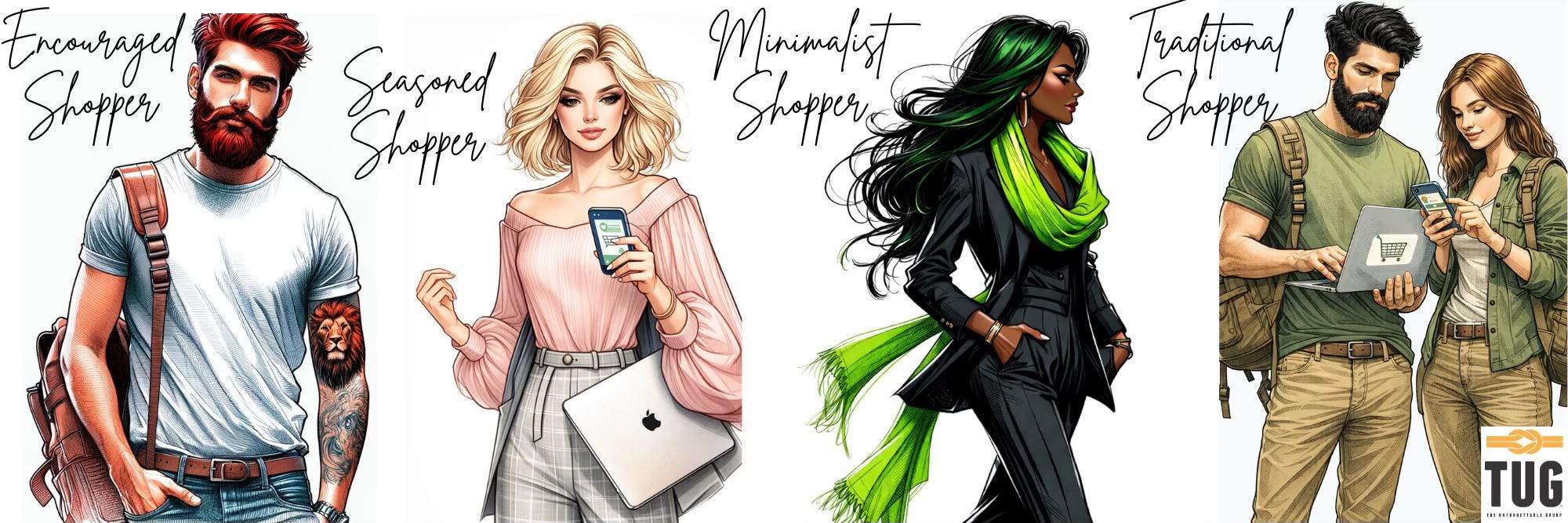
(Shopping when reassured and validated)
The Encouraged Shopper is best represented by the Lion, who has plenty of heart but sometimes needs a little reassurance to find his courage. Like the Lion, this shopper is confident in many areas of life yet hesitant when it comes time to make a purchase, especially when the decision feels personal, unfamiliar, or high-stakes. They don’t want to research endlessly or compare every option; they want someone they trust to say, “This is a good choice.” Shopping feels safest when done with support, guidance, and validation, and once that encouragement is given, they move forward with relief and confidence, grateful to have help along the way.
• Seeks reassurance and validation before making a purchase
• Prefers clear recommendations over too many options
• Relies on trusted experts, peers, or proven voices for guidance
• Avoids deep research and comparison in favor of confidence
• Feels most comfortable shopping with support rather than alone
The Encouraged Shopper just needs a little courage borrowed from others to feel confident saying yes.
Explore More About Encouraged Shoppers
(Shopping with confidence, speed, and enjoyment)
The Seasoned Shopper is best represented by Glinda the Good Witch, who makes everything look effortless, polished, and just a little bit magical. Like Glinda, this shopper knows exactly what they’re doing and genuinely enjoys the act of shopping, not as a chore but as a skill they’ve mastered over time. They shop with confidence, generosity, and decisiveness, often buying everything needed in one sweep to cover all bases for themselves and others. Shopping is a hobby, a form of preparation, and sometimes even therapy, and they value brands that make the experience seamless, elegant, and efficient. When it’s done well, shopping feels less like work and more like a perfectly executed spell.
• Shops in confident, decisive bursts rather than browsing frequently
• Values time, ease, and seamless service over price sensitivity
• Buys complete solutions, collections, or everything “just in case”
• Relies on trusted brands and expects them to perform flawlessly
• Appreciates VIP treatment, quiet perks, and frictionless checkout
The Seasoned Shopper makes shopping look like magic, turning preparation, generosity, and confidence into a perfectly handled experience.
Shopping not for enjoyment, but for necessity
The Minimalist Shopper is best represented by the Wicked Witch of the West, often misunderstood, highly decisive, and unapologetic about wanting the process to be over quickly. While they may brag about ‘hating to shop,’ this shopper doesn’t necessarily hate shopping they don’t care for the pomp and circumstance, the unnecessary friction, and the hassle. While the world celebrates browsing, upgrading, and indulging, the Minimalist Shopper would happily opt out of shopping altogether if that were possible. They buy only what they need, approach every purchase with restraint, and want a seamless, no-nonsense transaction that respects their time and autonomy. Shopping is a task to complete, not an experience to enjoy, and efficiency feels like respect.
• Buys only when necessary and with clear intent
• Prioritizes speed, simplicity, and minimal interaction
• Dislikes browsing, upselling, and unnecessary engagement
• Values quality, durability, and ethical practices over excess
• Prefers guest checkout, anonymity, and no follow-up marketing
The Minimalist Shopper treats shopping as a service, not a pastime, and rewards brands that help them finish quickly and move on.
More About The Minimalist Shopper
(Shopping with balance, aspiration, and practicality)
The Traditional Shopper is represented by the Munchkins and townsfolk of Oz, cheerful, practical, and grounded in the rhythms of everyday life. Like them, these shoppers genuinely enjoy shopping, especially when it feels familiar, organized, and purposeful. They shop with lists, budgets, and real needs in mind, yet they are easily tempted to browse, add items to the cart, and imagine possibilities before ultimately editing their choices down to what makes sense. Shopping is part routine, part everyday living, anchored in taking care of daily life, family needs, and seasonal moments without overextending themselves.
• Shops with lists, budgets, and everyday needs guiding decisions
• Enjoys browsing and discovery but edits purchases before checkout
• Motivated by value, promotions, and practical rewards
• Moves fluidly between online, mobile, and in-store shopping
• Prioritizes necessities while leaving room for small indulgences
The Traditional Shopper enjoys the act of shopping, but finds the greatest satisfaction in buying responsibly, stretching their budget, and checking off what life requires.
Explore More About Traditional Shoppers
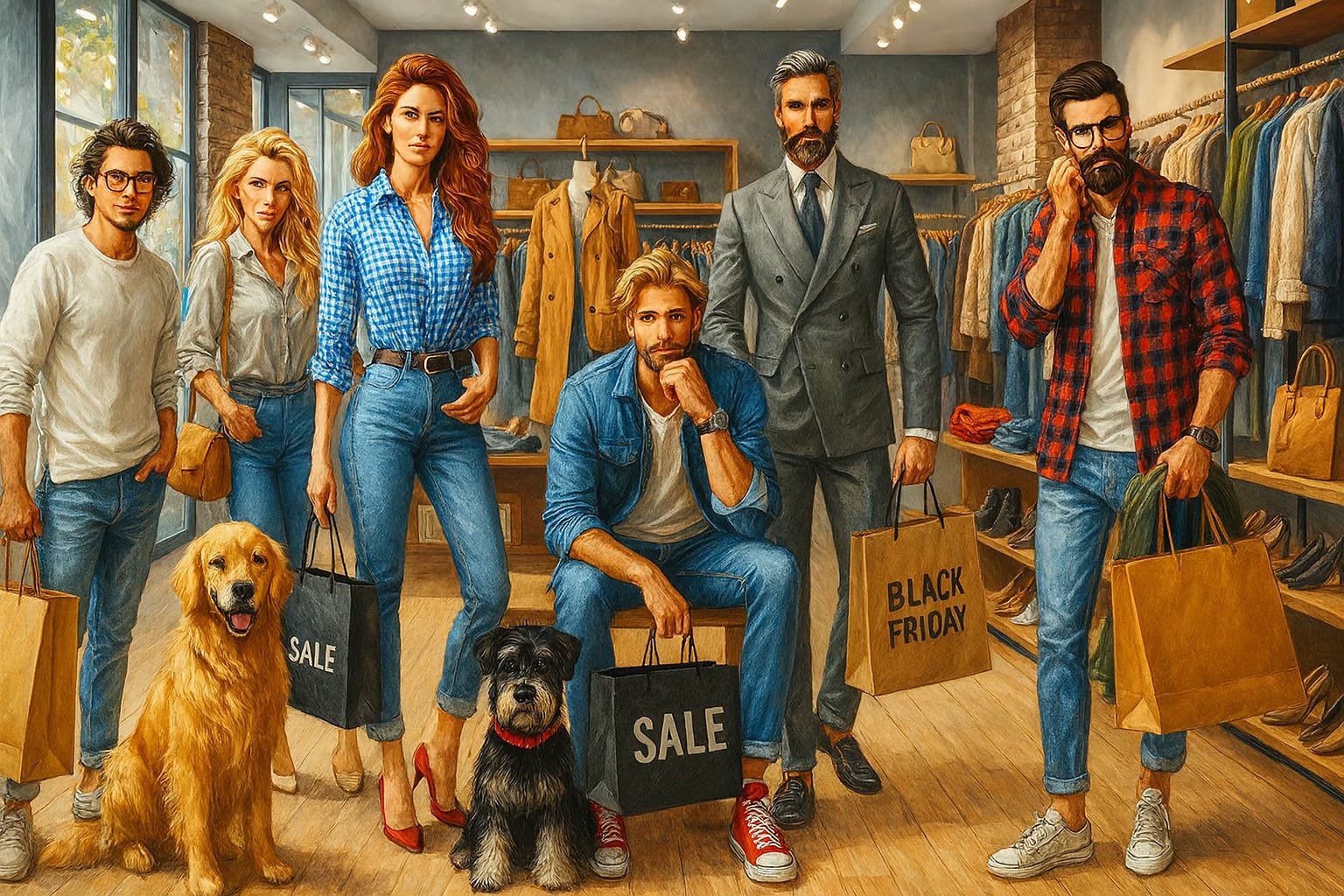
When we shift our focus from who the shopper is to how the shopper shops, what they need, and how to support them, the impact is immediate. Understanding shopper profiles is only the starting point; the real value comes from applying that insight to how an e-commerce site is built and experienced. When brands design their sites to accommodate different shopping behaviors through thoughtful navigation, product organization, communication, and friction reduction, they create environments that serve more shoppers, more effectively. The goal is not to force every shopper into the same journey, but to build flexible experiences that meet shoppers where they are and allow each profile to shop in the way that feels most natural, supportive, and successful.
When brands rely only on demographics, they tend to:
Over-design for one “ideal” customer
Rely on a single or overly narrow market channel
Too many industry assumptions, less focus on reality
Over-message with one tone
Miss opportunities to serve broader market
When brands design with shopper profiles in mind, they:
Build online shopping tools that work across shopper behaviors
Merchandise with intention to enhance the shopping experience for all shoppers
Increase sales by reducing friction instead of adding noise
Increase conversion without manipulation
Present each shopper type with the tools they need to make good buying decisions.
The goal is not to be everything to everyone, but to offer help across all shopper profiles. Thoughtfully adding more information for the research shopper, making sure images are easy to share for the social shopper, and creating bundles for the shopper who plans to buy it all are great examples of how a brand can update their online sites to meet customer needs.
The following Online Shopper Profile Matrix demonstrates a range of product categories and how each shopper profile responds and interacts when shopping online. While many of these behaviors translate to in-person shopping, they are clearly noticed in the online environment:
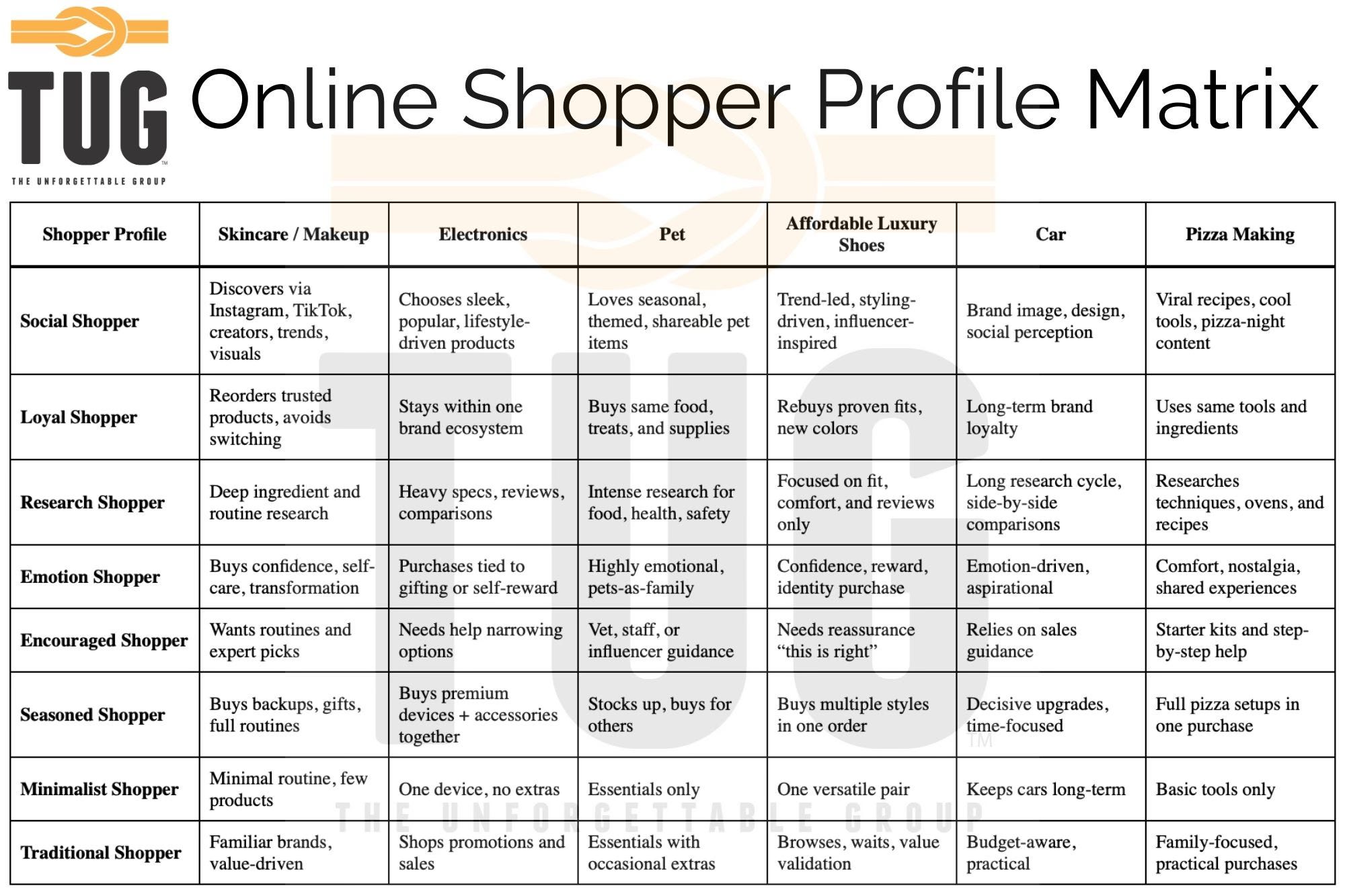
Social Shopper - make images, products and information in an easy to share format and keep this shopper informed about what is new before anyone else. Present curated products with well styled images, cross-merchandised options, and what is new. Treat this shopper as ‘part of the team,’ give them the opportunity to sign up for early access, or create an invitation only special event.
Loyal Shopper - use technology to offer them a way to go directly to their favorite things and provide new product updates ahead of others so those loyal to the brand are already in line. Group branded and support products together to allow shoppers who are there for a particular brand to find it in one place. Offer a brand-loyalty program shoppers who demonstrate loyalty over time, offer exclusively to this shopper branded premium products like a t-shirt or sticker, or invite them to a brand round table where the inventor or experts shed new light.
Research Shopper - use a ‘MORE’ button or provide more detailed, transparent product information, examples, and how to’s on your product cards, a product page, or videos. Offer a questions and answer section that focused on the benefits and usage of the products. Present more technical information when necessary that the research shopper can access or request, invite shoppers to learn more, and present information and products in an organized manner with curated options to help them make the best educated choice.
Emotional Shopper - share how your product is making a difference, highlight the unique aspects of the products, and utilize influencers to help tell the story. Present videos in easy to view formats on website and through social media, to tie the product and the message together. Present the inspiration behind the products that the shopper can relate to, write articles that get to the heart of the story, or tell the stories of actual users and the benefits.
Encourage Shopper - this shopper has the most difficult time making a buying decision and is worried about buyer’s remorse, making the wrong choice, or being misled. Provide easy access to a help line with trained team members designed to walk shoppers walk through the buying process, provide transparent comparisons, focus on guaranteed sale or return policies, or create an online group where others discuss details about the products, answer questions, and help those who are unsure make the right buying decision.
Seasoned Shopper - time is often the biggest limitation for this shopper, but shopping is often a hobby for them. Make the shopping experience enjoyable, remind them that you are here, create shopping bundles that offer a one click purchase option, create curated collections that present everything the shopper needs in one place, and allow this shopper to indicate how they wish to be followed up with.
Minimalist Shopper - while this shopper brags on not liking to shop, shopping is necessary. They don’t need a cheerleader, they want to feel like they are in control, and they never want to feel like big brother is watching. Allow this shopper to shop anonymously, choose how and if they want to be followed up, and provide them with the opportunity to access shopping help that is seamless and helpful.
Traditional Shopper - utilize technology to make everyday shopping easier, point out benefits for buying multiples, bulk, and coupons/sales. Focus on value, benefits, and how the products will help make their lives easier. Present products that are good, better, and best without assuming what this shopping is willing to buy. So often shoppers are pigeon holed into shopping at one price-level and not allowing them to buy based on their need. I.e. this shopper is willing to spend more on a gift, especially when it is someone important and this same shopping is willing to buy generic toilet paper to save a few dollars.
E-commerce from the start was focused on the transaction, assumed demographics, and coercing the shopper to do most of the work. E-Shopping focuses on the shopper, the experience, and merchandising.
E-commerce focuses on the transaction.
E-shopping focuses on the shopper.
To help put these shopper profiles into action, brands can use AI as a strategic support tool rather than encourage shoppers to rely on AI as a stand alone shopping tool. Start by asking ChatGPT or similar AI tools to help evaluate how your site, content, and merchandising serve each of The Unforgettable Group’s Eight Shopper Profiles can uncover gaps, opportunities, and simple improvements. AI can assist in translating shopper behaviors into actionable tasks, from identifying where additional information is needed for the Research Shopper, to ensuring images and collections are easily shareable for the Social Shopper, or confirming that bundles and one-click solutions exist for shoppers who prefer to buy everything at once.
When used thoughtfully, AI becomes a way to pressure-test decisions, clarify priorities, and improve how your brand communicates with different types of shoppers. It can also help align your site structure, language, and content in ways that make it easier for AI-driven discovery tools to understand who your brand serves and how it supports real shopping behavior. The goal is to begin offering meaningful support across all shopper profiles. This can be done by designing experiences that work for people first and using AI to reinforce clarity, structure, and intent, brands can better serve shoppers while also improving how they are found, understood, and matched in an increasingly AI-powered shopping landscape.
Understanding how shoppers actually shop is no longer a nice-to-have, it is essential. Demographics may tell us who someone is, but behavior reveals what they need in the moment, how they make decisions, and what kind of experience helps them move forward with confidence. By recognizing these eight shopper profiles, brands gain a clearer view of the real dynamics happening inside the online shopping journey. The opportunity now is action: designing sites, content, and merchandising that support different shopping behaviors rather than forcing every shopper into the same path. AI can play a meaningful role in this evolution, not by replacing human judgment, but by helping brands interpret behavior, identify friction, and align their experiences more thoughtfully. When used as a tool to ask better questions, clarify intent, and improve shopper support, AI helps bridge the gap between discovery and decision. The future of online shopping belongs to brands that combine behavioral insight, creative merchandising, and intelligent technology to create experiences that feel more human, more helpful, and far more effective.
It’s time to re-imagine what happens when technology and creativity work together shifting the focus from transactions to inspiration. At The Unforgettable Group, we’re building a new way to shop online that’s designed around real human behavior, thoughtful merchandising, and meaningful discovery. We invite you to explore what we’re creating, learn more about our approach to e-shopping, and join us as we change the way online shopping is done for shoppers, brands, and the future of commerce.
We are preparing to launch the Online Shopping District, a shopper-focused digital environment designed around how people actually shop, not how traditional e-commerce expects them to. Built on The Unforgettable Group’s eight Online Shopper Profiles, the Online Shopping District applies our e-shopping techniques across consumer product categories to reduce friction, improve discovery, and support different shopping behaviors in the moment they occur. Instead of forcing every shopper into the same transaction path, the experience adapts to whether someone is browsing, researching, buying with confidence, shopping quickly out of necessity, or purchasing with emotion or intention. By organizing products, brands, and content in ways that reflect real behavior and using AI to help guide, match, and support decisions, the Online Shopping District creates a more intuitive, human, and effective way to shop while giving brands a smarter framework to connect with shoppers naturally and meaningfully.
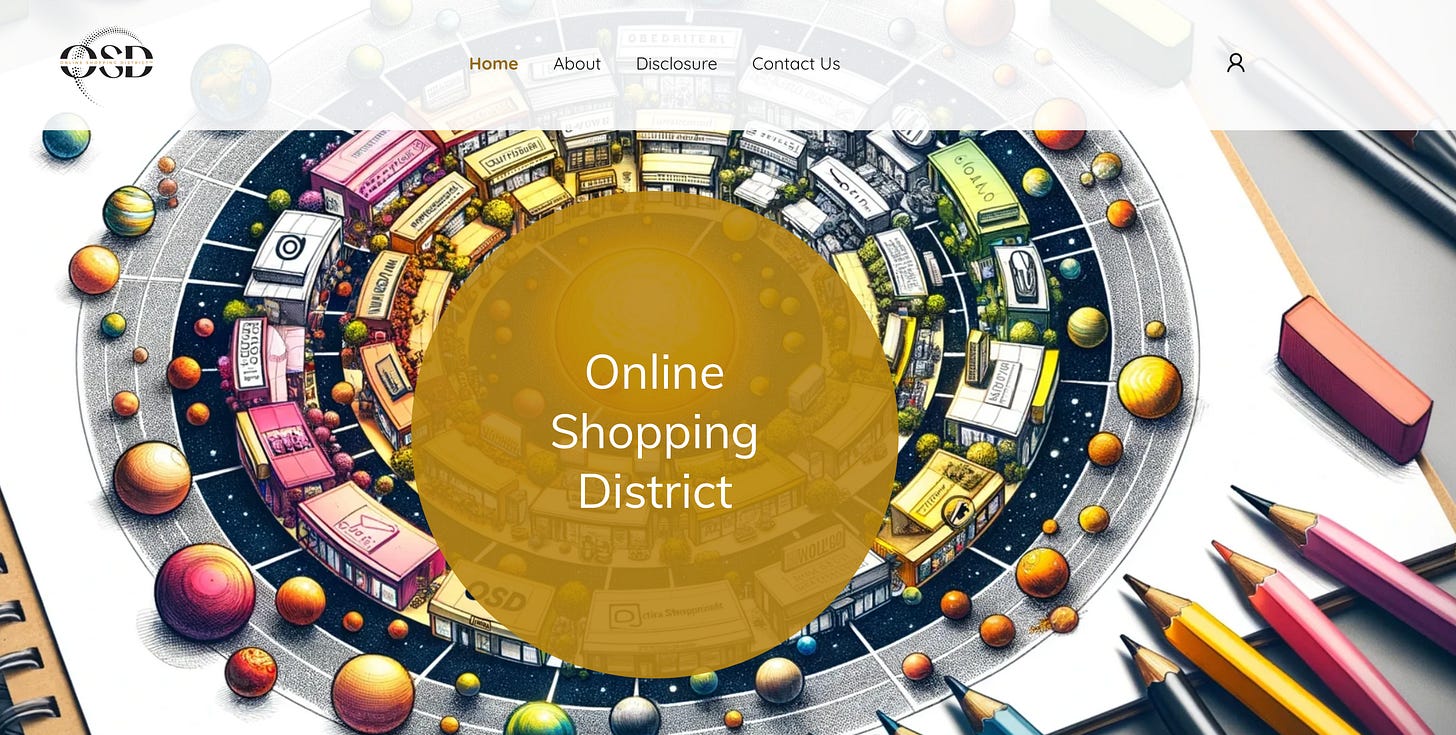
Visit the Online Shopping District
Visit our first e-shopping marketplace, Wild Love Tails, to see how The Unforgettable Group brings the eight Online Shopper Profiles to life across the pet and pet-lover market. Wild Love Tails is designed to support every way people actually shop for pets, from research-driven decisions and quick reorders to emotional gifting and everyday essentials. By organizing products, content, and discovery tools around real shopping behavior and using AI to help guide and match shoppers naturally, Wild Love Tails demonstrates what e-shopping looks like when every shopper profile is considered, supported, and respected—creating a more intuitive, enjoyable, and effective online shopping experience for both pet parents and pet lovers.

We welcome visitors, brands, and the media to join us in transforming the way online shopping is done. Follow this Substack to be part of the journey, gain a deeper understanding of today’s e-commerce landscape, and explore our insights into how modern shoppers actually shop online.
Christine Meier, Co-Founder
The Unforgettable Group (TUG)
cmeier@theunforgettablegroup.com
Comments
Nothing yet. Say the first thing.
Sign in to join the conversation.