
This was a long time ago now, but I still remember it clearly. Up at 7:00 a.m. to open the cafe I worked at, dug in to an eight-hour shift, was then picked up by my bandmate Gibbs in the van, kit already loaded because he was an absolute legend. Then we drive all the way from Sheffield to London, a soundcheck, a gig that paid roughly enough to cover the petrol, and the drive back, getting to bed around 2:00 a.m. It was a common grind but… at least, back then, we didn’t have to shoot content on the way there as well.
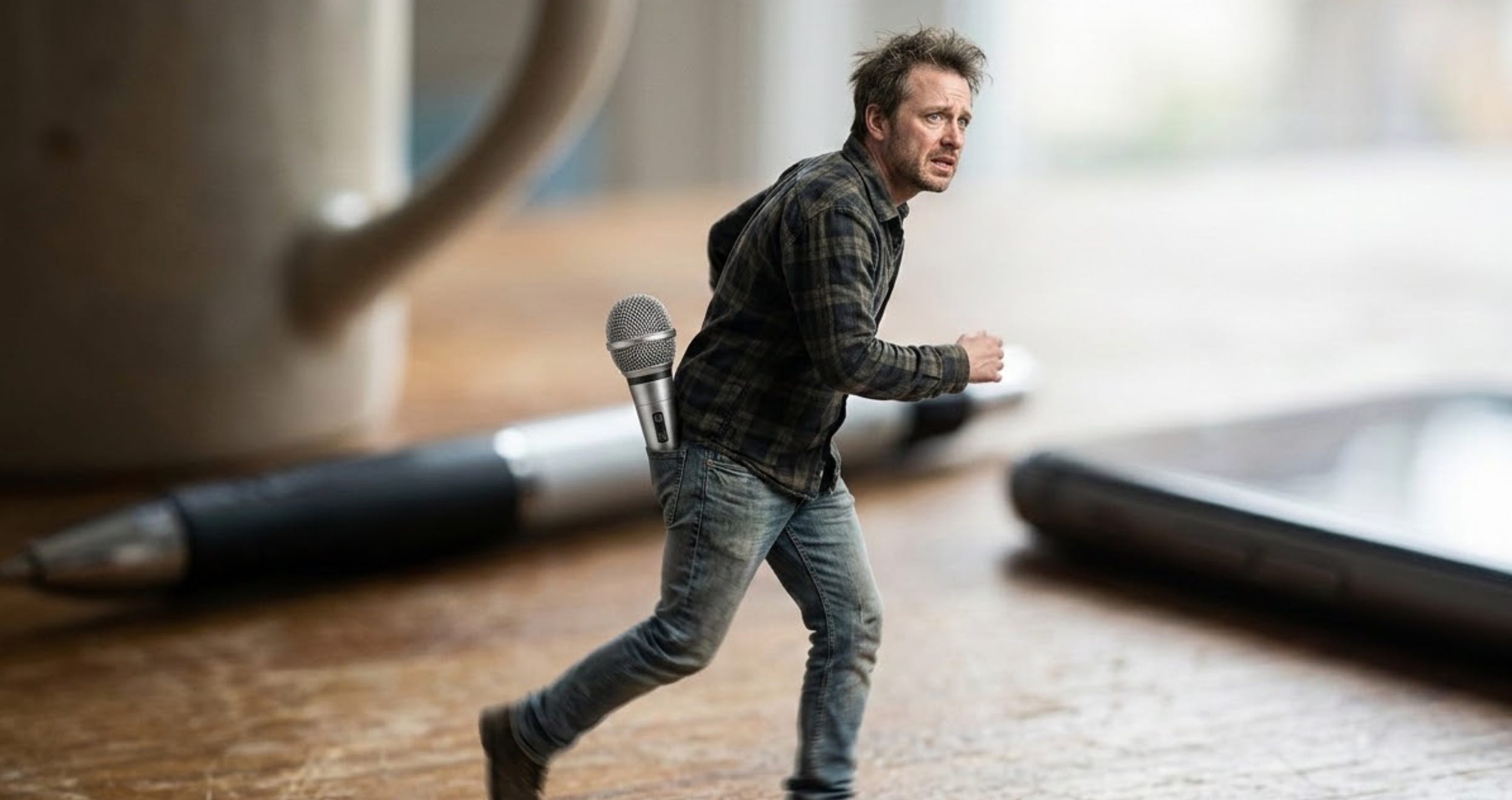
I was an artist for about eight years back in the noughties. Ambitious, hard-working, all in. Even then, the things that burn artists out today were already there, they’ve just gotten a lot worse. Since then I’ve spent fifteen years on the other side of the industry, most recently running artist support at a label, watching hundreds of artist projects up close before I went rogue to start ‘The Team Around You’. The artists that last, and the ones that don’t, split on this exact issue more often than almost anything else.
Burnout isn’t a mood. It’s not “having an off week.” It’s a predictable outcome of a specific set of conditions, which means it can be predicted, caught early, and managed. That’s what this piece is for.
One thing worth being straight about: everything below is aimed at building sustainable long-term habits, not managing a crisis. If you're properly feeling the pinch right now, not just tired but struggling, it's worth reaching out for actual professional support alongside anything you take from this. I've done it myself, and it made a real difference. This article will help you build better practices. It's not a substitute for the right support if you're already past the point where habits alone are going to fix it. Music Minds Matter run support specifically for people in this industry, and they're a solid place to start.
If you’re independent and building an audience, four things are almost always in play. Knowing them means you can see burnout coming before it arrives, rather than diagnosing it after the fact.
Content volume. The expectation now is four to seven posts a week, on top of writing, recording, rehearsing, and gigging. Treated as a hobby, that’s manageable. Treated as a second full-time job, which is what it’s become for most independent artists, it isn’t. If you’re doing it without a team, every post that gets made like its own bespoke creative project is a post that costs you more than it should.
Revenue lag. This is the one people don’t say out loud enough. Streaming royalties, small gigs, the odd merch sale, none of it covers the actual time cost of building an audience in the early years. So most artists are holding down another job on top of a full release and content schedule. That’s a second job that doesn’t pay, running alongside the one that might, one day. It drains you in a different way than the creative work does, and it’s rarely accounted for when people talk about burnout.
Comparison. The algorithm puts you next to people who look further along, constantly. More followers, a bigger-looking release, a life that looks easier. This isn’t just a mood problem, it actively distorts how you judge your own pace and progress, because a highlight reel was never a fair benchmark to measure yourself against. To be clear, I strongly recommend people do compare with other artists, for inspiration, to understand the community they’re part of, and hopefully even to make connections. The problem isn’t comparison itself, it’s comparing yourself to a curated version of someone else’s life and mistaking it for the full picture.
Release cadence. A lot of independent artists try to match the release schedule of a signed act with a full team behind them, while doing the writing, recording, mixing, artwork, and promo entirely alone. Of everything on this list, mismatched cadence is the fastest route to burning out that I see.
None of these four are optional extras of being an independent artist right now, they’re the default operating conditions. Which is exactly why they’re worth naming clearly, rather than absorbing quietly as “just how it is.”
Prediction tells you where the risk sits. Diagnosis is about noticing when you’ve actually crossed from “tired” into something that needs addressing.
A useful test: a bad week responds to rest. You take two days off, you come back with some appetite for the work. Burnout doesn’t respond to rest the same way, you can take the two days off and come back just as flat, because the problem isn’t a deficit of sleep, it’s a deficit of return on the effort you’re putting in.
It’s a spectrum, right. One bad week is still a bad week - things aren’t binary. But bad weeks compounding make for burnout anyway, so taking this stuff seriously long before you hit peak burnout isn’t a nice to have, it’s pretty critical if you’re going to stay on your game.
The signs worth actually paying attention to: content that used to feel creative now feels like admin. You’re posting purely because the schedule says so, hating every minute of it. You’re checking metrics compulsively rather than on any kind of schedule, and every check leaves you worse rather than better informed. The day job, the thing that’s meant to buy you creative freedom, starts to feel like the only place you’re not failing at something. And the music itself, the actual reason you started, has quietly become the thing you have least energy left for by the time you get to it.
That last one is the real tell. Burnout in this industry rarely looks like hating music. It looks like everything around the music consuming so much of you that there’s nothing left for the part that mattered in the first place.
None of this is “self-care” in the vague, Instagram-quote sense. These are operational changes, and they’re the ones I’ve watched hold up across hundreds of artist projects.
Batch your content. One focused session a week, two to four hours, to film everything, then edit and schedule it out. This is the single biggest shift, because it turns content from a daily emotional tax into one contained task. The difference isn’t in how much you make, it’s in how often you have to switch back into “content mode” during a week that’s already full.
Set working hours, and turn notifications off outside them. Being available all the time isn’t the same as being committed to your career. It just erodes the recovery time you actually need, and recovery time is what lets you keep doing this for years instead of eighteen months.
Check your metrics on a schedule, not after every post. Once a week is plenty. Comparison thrives on constant, live exposure to everyone else’s highlight reel, reducing how often you look reduces how much it gets to you, because you stop measuring yourself against a moving target that was never a fair comparison.
Plan your release cadence around your actual capacity. Every five to six weeks is realistic for someone holding a job alongside their music. Slower and consistent beats fast and sporadic every time, because audiences don’t remember how much you posted in March, they remember whether you were still there in October.
Reframe the day job. It’s not a failure signal. It’s the infrastructure that buys you the freedom to make the art you actually want to make, without every song needing to pay the bills immediately. Artists who resent the day job burn out faster than artists who understand what it’s actually funding.
Build in real recovery time. Not content about resting, actual time away from the studio and away from the feed. Most artists underrate this because rest doesn’t look productive on a grid. But it’s the difference between a career and a burst.
There’s a piece of advice going around that deserves to be pulled apart a little. “Just post more” is a common trope, and yes, I think it’s a little less in fashion than it was six months ago, but it’s still there. Also, it’s much more fiendish, populist brother is worse: “If you’re not willing to post X amount of times a day, you just don’t want it enough.” Not only is this bullshit - this framing turns a strategy problem into a character problem! Not good, not helpful, not fair.
The average independent artist spends five to ten hours a week on content and sees almost no measurable return on it, no real bump in streams, tickets, or actual growth. That’s not a “try harder” problem. That’s a strategy problem, and it’s worth being precise about why.
Volume isn’t what builds an audience. Volume can help you learn quicker but consistency is the thing that really builds! Volume often ends up looking like, posting seven times a week for three weeks, then disappearing for two months because you’re exhausted. Consistency is picking a rhythm, even two posts a week, that you can actually hold for a year, two years, five years. The artists who build something real aren’t the ones who posted the most in any given month. They’re the ones who never fully vanished.
If you’ve been grinding on content with nothing to show for it, that’s not on you. It’s the advice that’s wrong, and it’s advice that’s actively producing burnout in the artists who take it most seriously and to heart.
Burnout in this industry isn’t a personal failing, and it isn’t inevitable either. It’s the predictable result of content volume, revenue lag, comparison, and mismatched release cadence stacking on top of each other unmanaged. Once you can see those four triggers clearly, and once you know the difference between a bad week and something that needs actual structural change, the six things above aren’t self-care, they’re the operating model for staying in this for the long run.
The artists who last aren’t the most talented, and they’re rarely the ones who worked the hardest in any single month. They’re the ones who built a pace they could actually sustain.
No posts
Comments
Nothing yet. Say the first thing.
Sign in to join the conversation.