
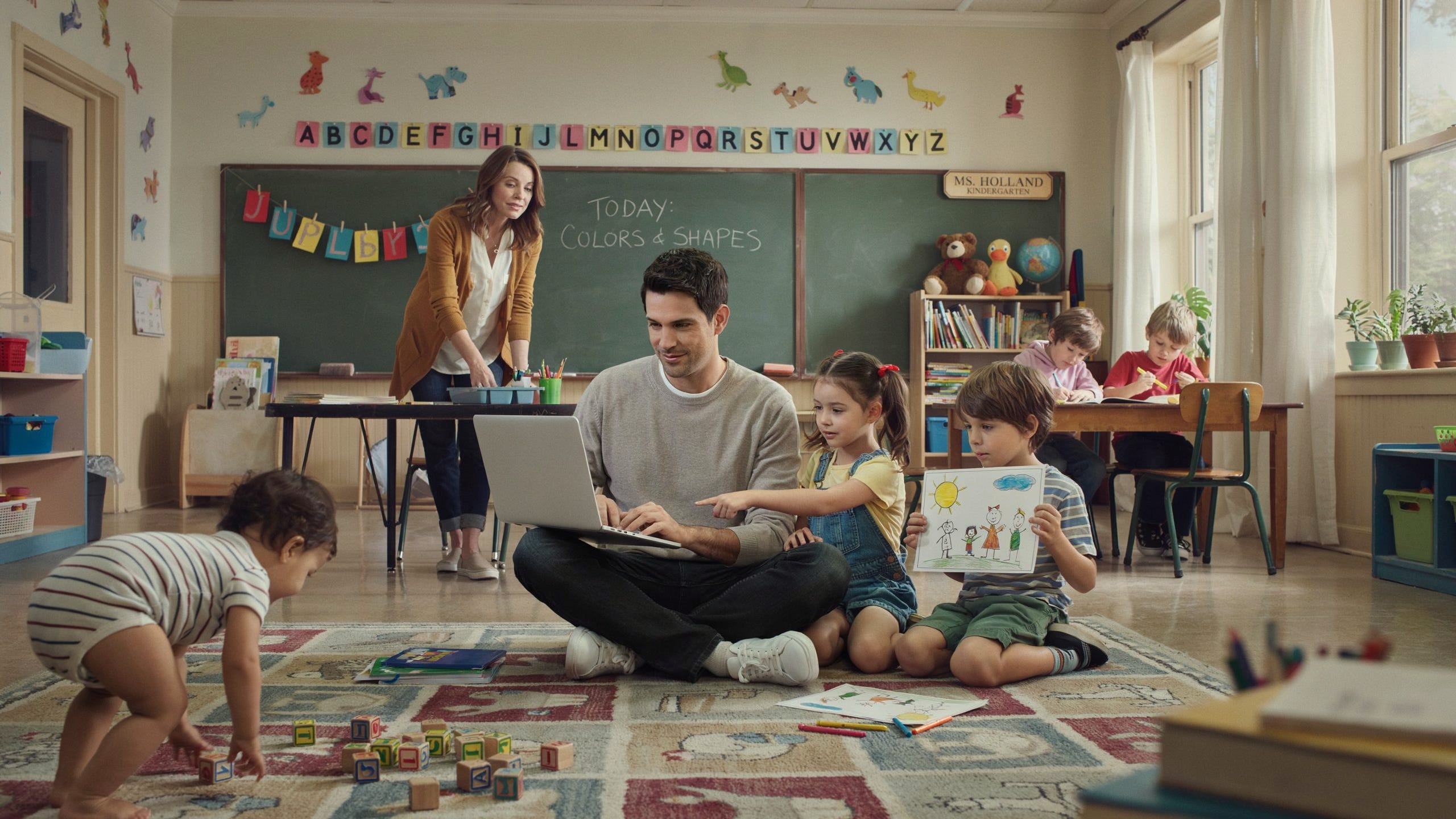
Back in the 1960s, when I was 3 or 4, I have memories of going to school for the morning, the memories mostly consist of a warm, small bottle of milk at around 11 am along with a sandwich. Looking back, those mid-morning breaks taught me more about selling than any course I’ve bought since. During them, we haggled as only a 4-year-old can.
Somebody offered you half their fishpaste sandwich for one of your biscuits, but if it was one of those pink wafer biscuits, you’d want more than half the fishpaste sandwich, everyone loved pink wafer biscuits I made a deal to borrow a pink panther car one time because of them.
Nobody told us to share, it just felt like the right thing to do, if someone offers you something, you offer something back. Nobody sits down and explains reciprocity to a four-year-old, but we understood it.
That understanding has never left any of us, it just got hidden under years of people trying to sell it back to us as a framework with a fancy name. The principle behind it is simple and hasn’t changed, give something away first, and people will want to give something back.
Lesson: Give something away so that you build a feeling of reciprocity
This is the mechanic behind every free giveaway, every lead magnet, every “here, have this” call to action, all dressed up in marketing language until it becomes more complicated than it needs to be.
The other lesson we all learn early is that a story gets listened to and a list of instructions doesn’t.
Tell a five-year-old to tidy their room, and you get a groan.. “ohhhh muuuuuum”.
Tell them a story where the prince tidies his room before he fights the dragon and rescues the princess, and you’ve got them tidying their room.
I know all this but even now I still catch myself reverting back into teaching mode in my articles sometimes, especially on a day where I’m busy and just want to get the article out.
It’s easy to give a list of instructions, do this, click this, here’s why it works etc. It’s useful but at the same time it’s completely forgettable. No one will remember an article based on a list of instructions.
The articles and newsletters that actually get read and earn clicks are the ones where I base them around a story and let the reader discover the point I am trying to make, the same way you were probably tricked into cleaning your room when you were five.
If you want an example, check out Friday's newsletter:
Harold Stole my Pocket Money
·
Aug 7
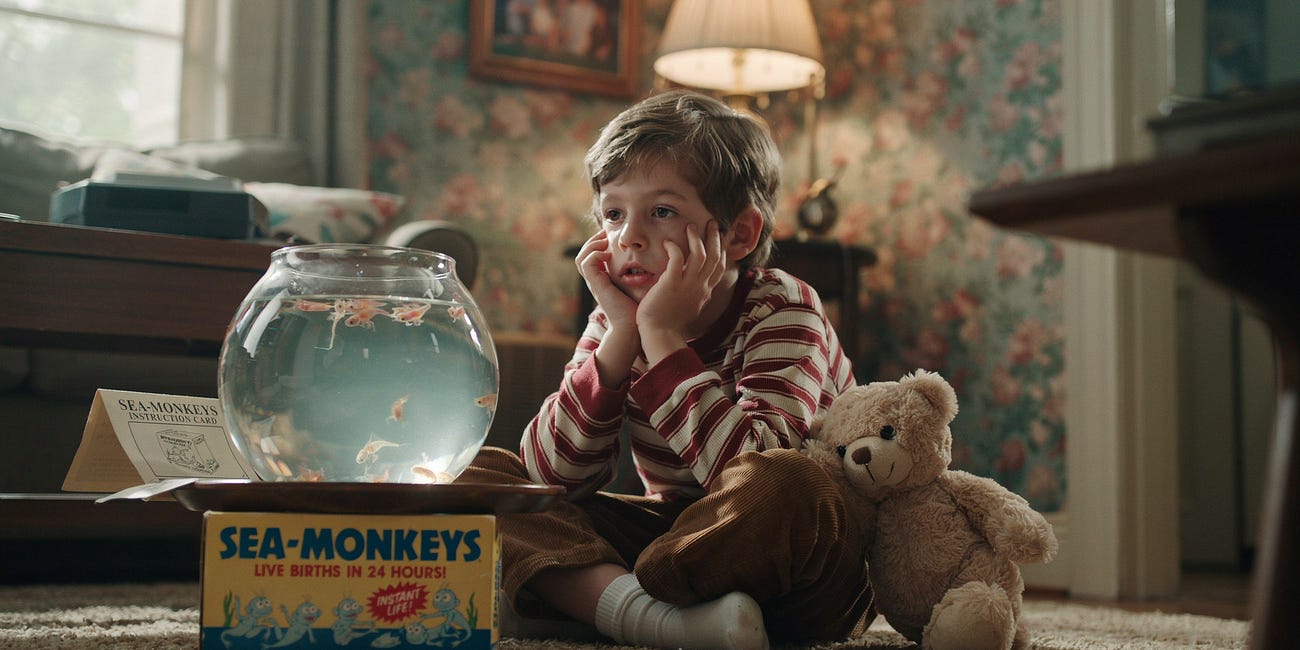
Something a little different for today’s newsletter below is an email I sent in August 2015, it demonstrates everything I’ve been teaching about writing and making sales for the past 10 years.
Most of what gets offered to you as the solution to your problems, the software or the“Ninja Tricks” are usually something you already know, but have forgotten.
The ideas and facts presented to you are just simple persuasion methods someone else has learned from a book, unaware that they already know them.
To get your readers’ attention, you should bring them on a journey and take them inside your world, let them discover the solutions for themselves while being entertained by your content and not lectured to. Unfortunatley It’s not as easy as I make it sound!
Lesson: Wrap your teaching in a story so your audience pays attention to the lesson
I manage to prove this to myself a few years ago when I sat down and personally wrote individual emails to 40 hand-picked subscribers instead of blasting the whole list. Nearly half of them bought a mid-priced offer off the back of it.
A real message from a real person did more work than any clever offer ever could have. I don’t expect you to do this yourself, but think about how you can replicate that idea with your own content.
If you’re doing the Write a Book Challenge I am running over in the community and wondering why your chapters feel flat, this is probably why.
A chapter that just instructs the reader, do this, then this, then this, reads like an Ikea manual. That same chapter built around a story or something that actually happened to you, with the lesson clear to see, is the one a reader will finish and remember.
Go back and look at my opening paragraph of this article, if you happened to go to school in the UK in the 60’s and 70’s, that warm bottle of milk line should have sparked a memory for you… that memory is probably why you’ve got to here…
You already know how to do this. You’ve known since you were four
The next module of Write To Earn focuses on writing content built around stories and ideas that resonate and with your audience. It drops later this month, you can still pick up the course at launch pricing (25 copies left) before that.
Paid subscribers also get access to all my communities, courses, and books.
Comments
Nothing yet. Say the first thing.
Sign in to join the conversation.