
Greetings fellow Earth dwellers,
Before we jump into today’s interview with Giulia Caliò, I would like to share a list I found which I think many of you will find useful!
Julia Cameron, The Artist’s Way
Twyla Tharp, The Creative Habit
Austin Kleon, Steal Like An Artist
Corita Kent, Learning By Heart
Patti Smith, Just Kids
David DuChemin, Start Ugly
Charlie Gilkey, Start Finishing
Todd Henry, The Accidental Creative
Jessie Kwak, From Chaos To Creativity
Jeff Goins, Real Artists Don’t Starve
Steven Pressfield, The War of Art
If you have read any of the above, I’d love to hear your thoughts in the comments, and if you would like to buy of any of the books listed please support your local bookshops! Amazon have plenty of dolla :)
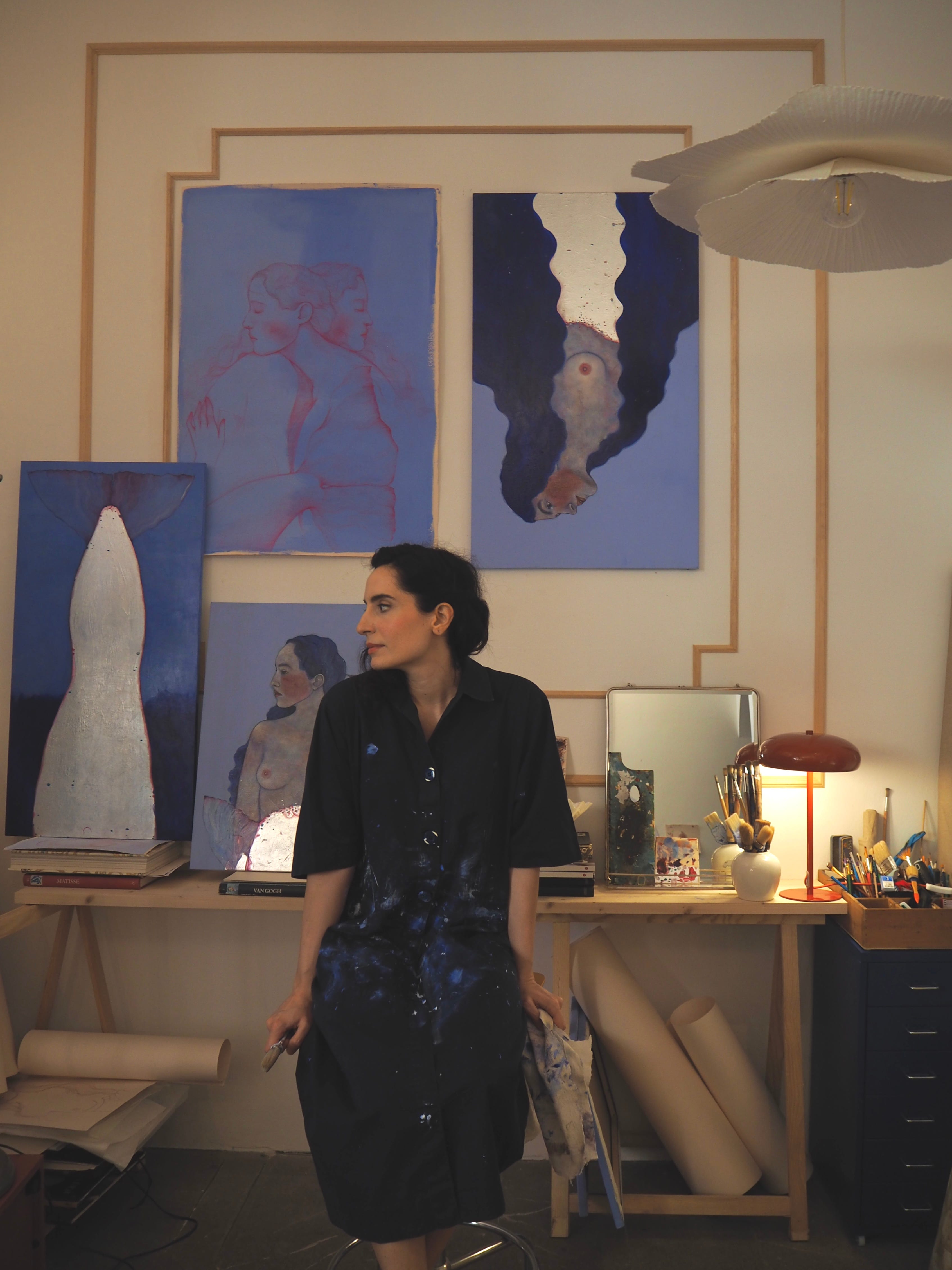
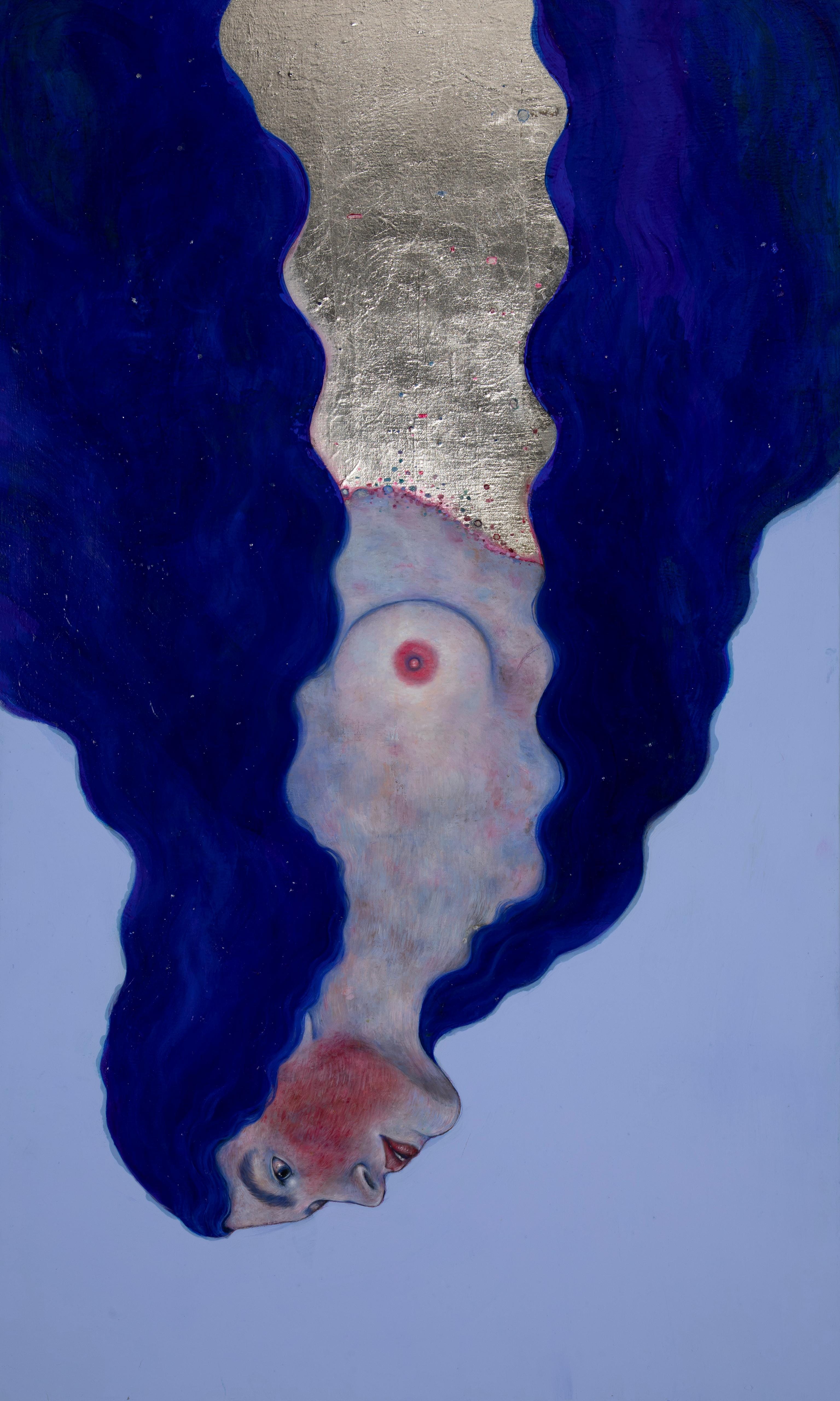
Giulia Caliò was born in Syracuse, Italy, in 1988. She is an illustrator and painter who graduated in Illustration and Comics from the Academy of Fine Arts in Bologna. She lives and works in Bologna, where she founded her own studio, a creative space dedicated to artistic research, imagination, and dialogue. Her work is distinguished by a highly evocative figurative language in which elements of nature and mythical creatures merge into a world suspended between dreams and reality. Recurring themes in her paintings include transformation, mythology, and wonder, often explored through symbolic female figures, mermaids, and intimate inner landscapes. Drawing inspiration from the Viennese Secession, the Pre-Raphaelites, Renaissance masters such as Sandro Botticelli, and the refined aesthetics of Eastern art, Giulia has developed a visual language that blends elegance, symbolism, and emotional storytelling. Through delicate compositions and rich symbolism, her paintings invite viewers into contemplative worlds where beauty becomes a vehicle for introspection and emotion. At the heart of her practice is the desire to create an authentic emotional connection with the viewer.
“express yourself without being afraid of judgment or of what others might think.“
Giulia Caliò‘s inspirations, ranging from the Viennese Secession and the Pre-Raphaelites to more modern art forms, such as Cinema.
How sketchbooks and poetry help inform Caliò’s creative process.
How art provides a space absent of pressure and restrictions offering Caliò a truly valuable space to become more in touch with herself.
The pros and cons of social media and how it impacts artists navigating an online presence.
The advice Caliò would give to aspiring creatives seeking further development in their journey.
Who have been your biggest inspirations?
Inspiration comes to me from many different places. I have been deeply influenced by the Viennese Secession, especially by artists such as Gustav Klimt and Egon Schiele, whose work has had a profound impact on both my artistic language and my creative journey. I am also fascinated by the Pre-Raphaelites and by the Renaissance art of Sandro Botticelli. Beyond painting, I find endless inspiration in Eastern art, from traditional paintings to illustrations. I also draw inspiration from many other forms of art, including cinema, literature, and music. They all create new imaginary worlds in my mind and often become the starting point for new paintings. Ultimately, I find inspiration in everything that moves me deeply and awakens a genuine emotion.
Do you begin working with a clear image in mind, or does the artwork develop as you create?
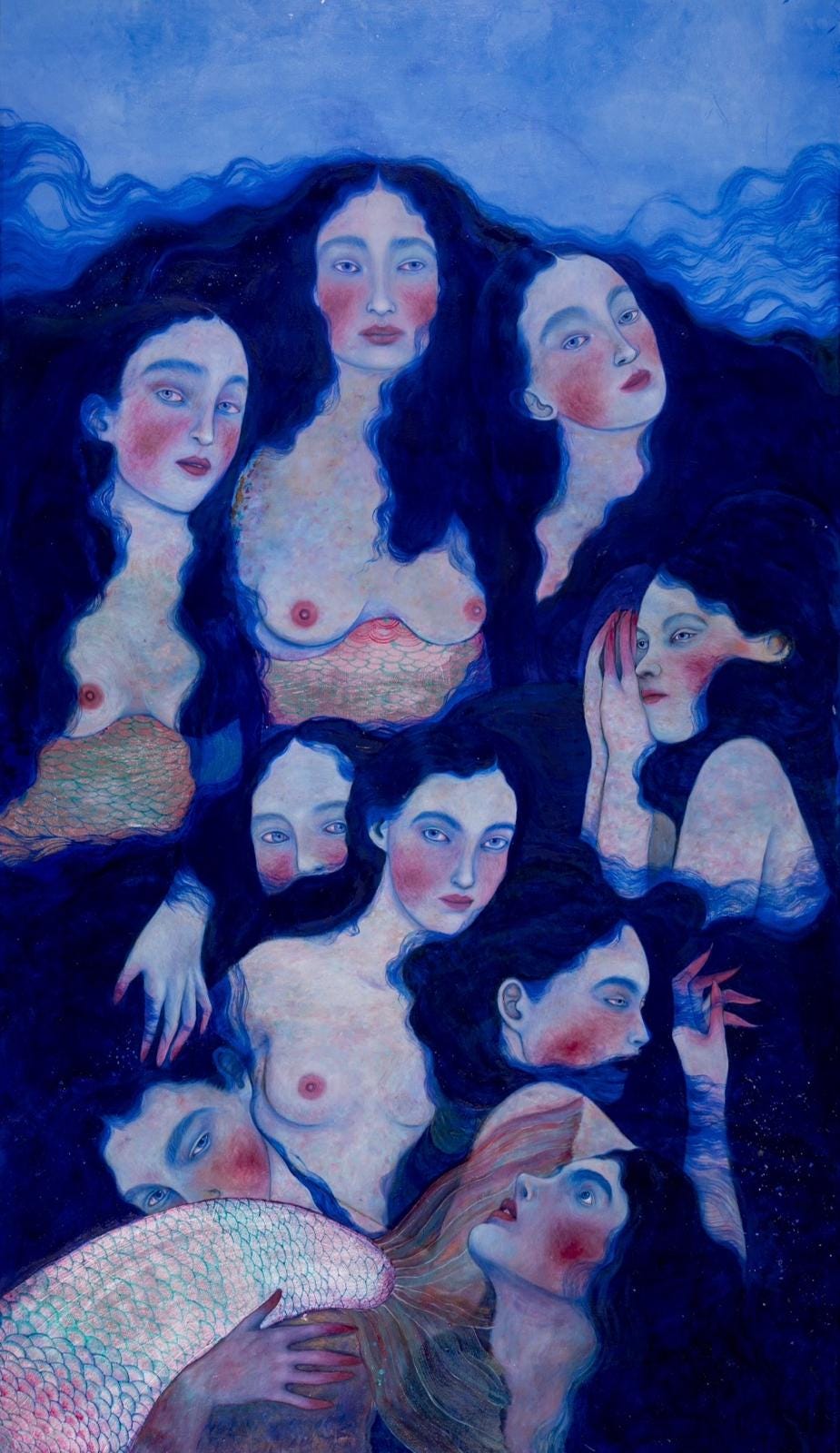
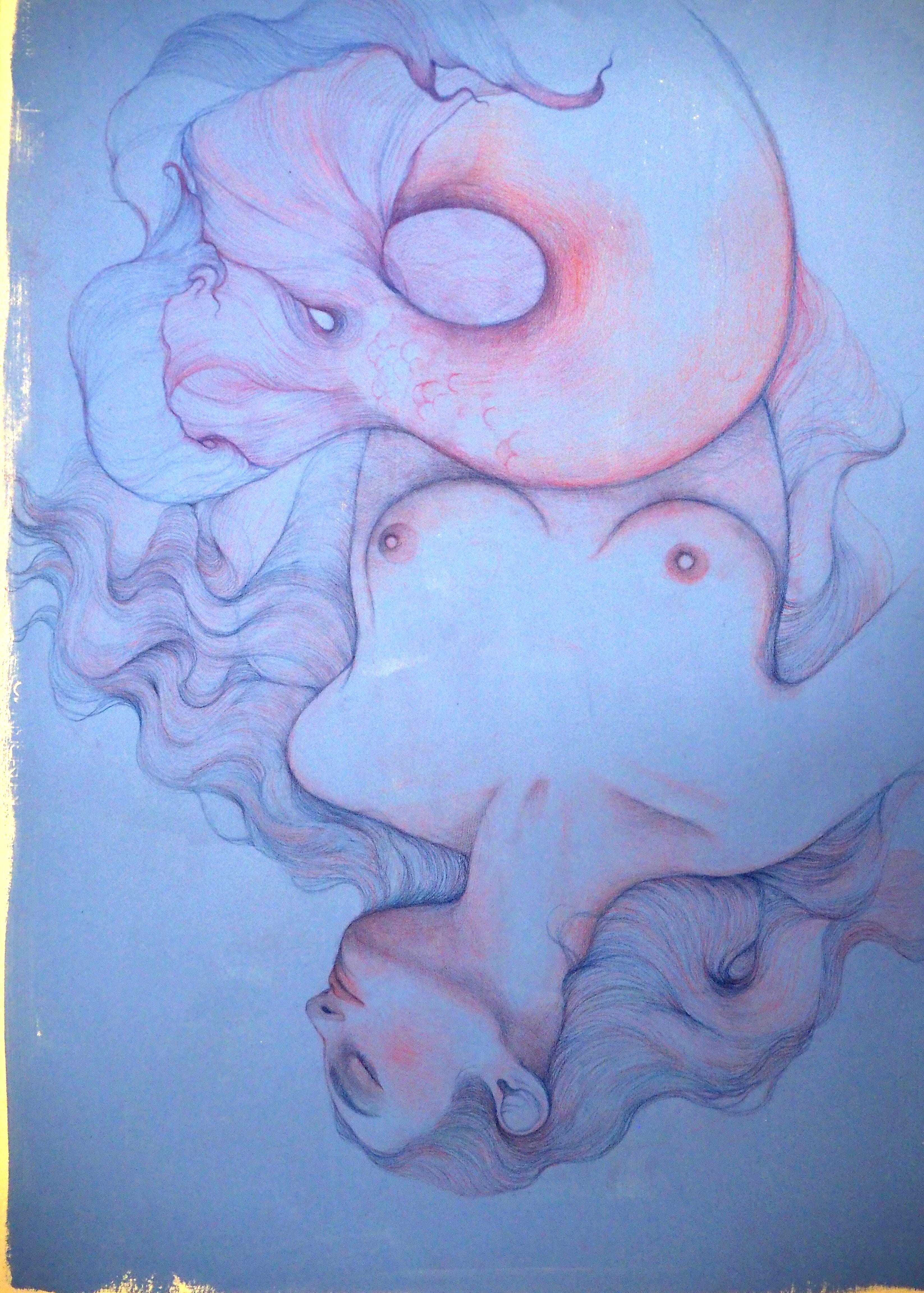
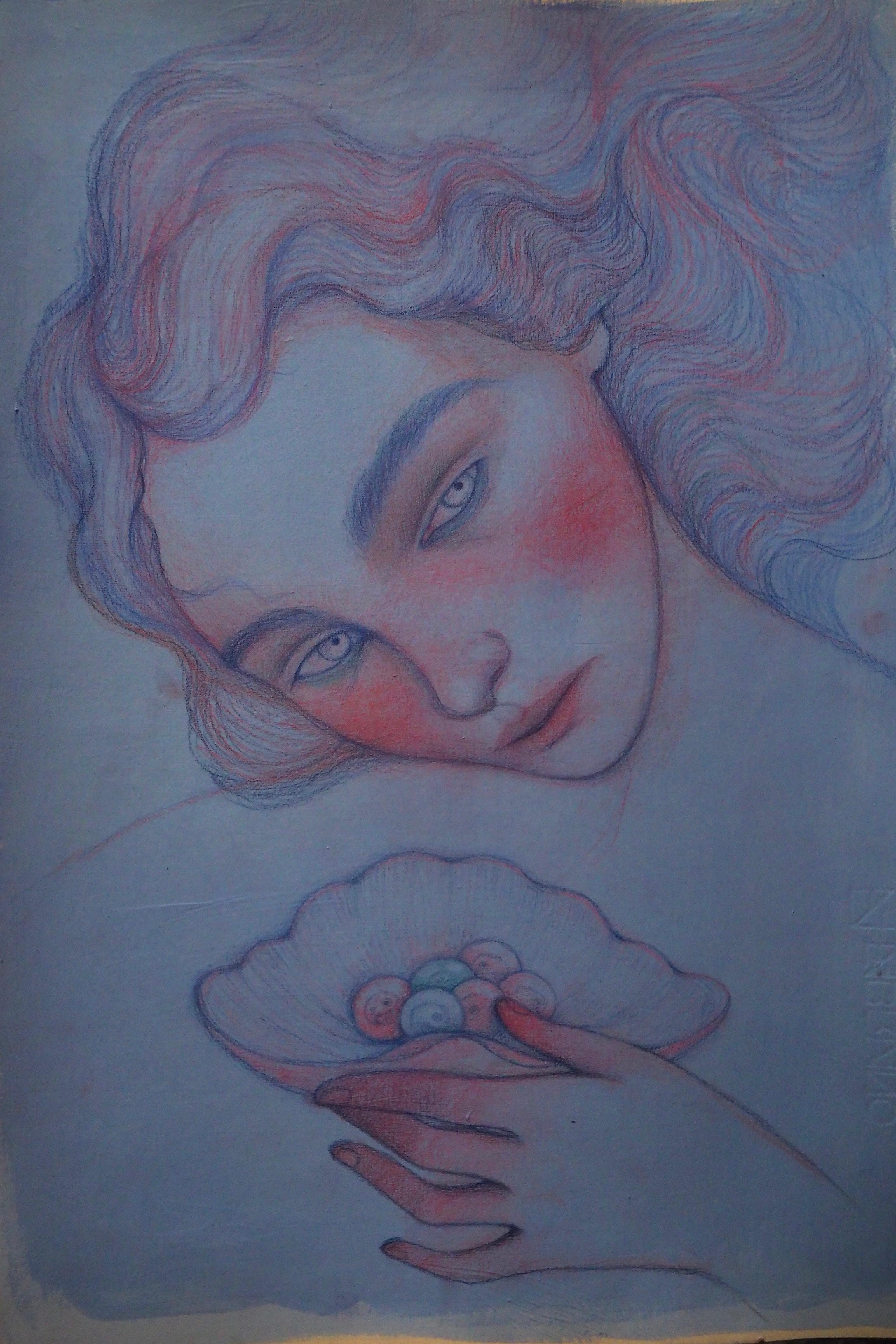
Sometimes I begin with a very clear and well-defined image in my mind, and I’m able to bring it to life on the canvas quite quickly. More often, however, I start with an initial idea, and as the painting develops it gradually takes on a life of its own, moving away from what I had originally imagined. This has happened frequently, especially with my most recent works. One of the tools that helps me the most is a small sketchbook. I make quick, simple sketches to capture the first idea for a new painting, together with the emotion or atmosphere I want to convey. Those rough drawings become a guide that I return to while creating the final work. I also often write short poems in a notebook. They help me visualize the image before I paint it and become the emotional starting point of the piece. This creative process gave birth to works such as Giovanna d’Arco, Eclissi lunare, and Altrove.
What do you hope people feel when they see your work?
The most important thing for me is that people feel something when they look at my work. When that happens, I feel that I have achieved my purpose as an artist. A painting can be technically flawless and visually beautiful, yet leave the viewer completely untouched. On the other hand, a work made with just a few brushstrokes and subtle shades of color can awaken deep emotions in the person observing it. Those emotions may be joyful or painful, comforting or unsettling, but what matters is that they are real. To me, that is the true meaning of art, creating a connection between the artist, the artwork, and the viewer. Art is, above all, an act of sharing. Without that human connection, I believe it loses its deepest purpose.
What does art mean to you personally?
For me, art is a form of escape. It is the place where I can truly be myself, free from expectations, worries, or inhibitions. It is the purest expression of who I am. Art also represents hope. It gives me a sense of peace and allows me to step away from a reality that I don’t always feel connected to. Through painting, I find a place where I can breathe, reflect, and reconnect with myself. At the same time, creating art gives me a profound sense of fulfillment. Whenever I begin a new painting, I become completely immersed in the process, and that feeling of total involvement is deeply rewarding. For me, painting is as essential as eating or sleeping, it’s something I simply couldn’t live without.
What have you learned about yourself through making art?
Through art, I have learned to let go. I used to worry about being judged or misunderstood, and I often wondered whether people would truly appreciate what I was trying to express. Over time, I realized that I couldn’t create honestly if I was constantly thinking about how others might perceive my work. Art has taught me to become more independent, to trust my own instincts, and to believe in my abilities without seeking constant validation. For many years, I painted almost exclusively commissioned works. Although I was grateful for those opportunities, I eventually had a kind of epiphany: I understood that I was creating what others wanted, rather than what truly made me happy. About two years ago, I painted my first mermaid. That painting marked a turning point in my artistic journey. Since then, I haven’t stopped painting them. They have become the most authentic expression of my imagination and of who I am as an artist.
How do you balance creating art with the pressure to constantly create content for social media?
I believe social media is both a great opportunity and a significant source of pressure. On one hand, it allows artists to share their work with people all over the world and connect with an audience they might never have reached otherwise. On the other hand, it creates an expectation of constant productivity that doesn’t reflect the reality of the creative process. Creativity doesn’t follow a fixed schedule. It has its own rhythm and is influenced by countless aspects of an artist’s life. Because of that, I don’t think it’s possible to produce meaningful work at a constant pace. You may be able to create more in terms of quantity, but, in my opinion, quality inevitably suffers—and with it, the true purpose of the artwork. I do my best not to let social media influence the way I create, even though that isn’t always easy. Remaining authentic, both in my art and as a person, is essential to me. Otherwise, I feel I would lose the very reason I create in the first place.
How has your understanding of art changed throughout your career?
At the beginning of my artistic journey, I had a complicated relationship with art. I loved it deeply, yet I never truly felt that I belonged to it. I felt I had so much to express through my work, but it was as if something was holding me back. I couldn’t take that next step that would allow me to paint the works I truly wanted to create. For a long time, I lived with the feeling that I had something important to say, without being able to express it in the way I envisioned. Today, painting my own works feels like a true inner revolution. Over the past two years, I have finally found the freedom to express who I really am. My paintings have become the most honest reflection of my inner world, and for the first time, I truly feel like an artist.
Where do you see your work developing in the future?
I believe I still have a great deal to learn as an artist. Personally, I still feel that I am at the beginning of my journey. For many years, I focused almost exclusively on commissioned work, leaving very little space for my own artistic research and personal voice. Looking back, I sometimes feel that this slowed my growth and delayed the development of my artistic identity. At the same time, I also believe that everything happens when it is meant to. Perhaps my art needed to emerge at this particular moment in my life. Maybe I wasn’t ready before, to fully express myself or to share such a personal part of who I am with others. Looking ahead, I hope my work continues to grow and evolve naturally. More than anything, I hope I never lose the sense of fulfillment, peace, and purpose that painting gives me. Ever since I began painting my mermaids, creating art has become a profound source of happiness, and I hope that feeling will always remain at the heart of my artistic journey.
What is a question you wished more people asked about your work?
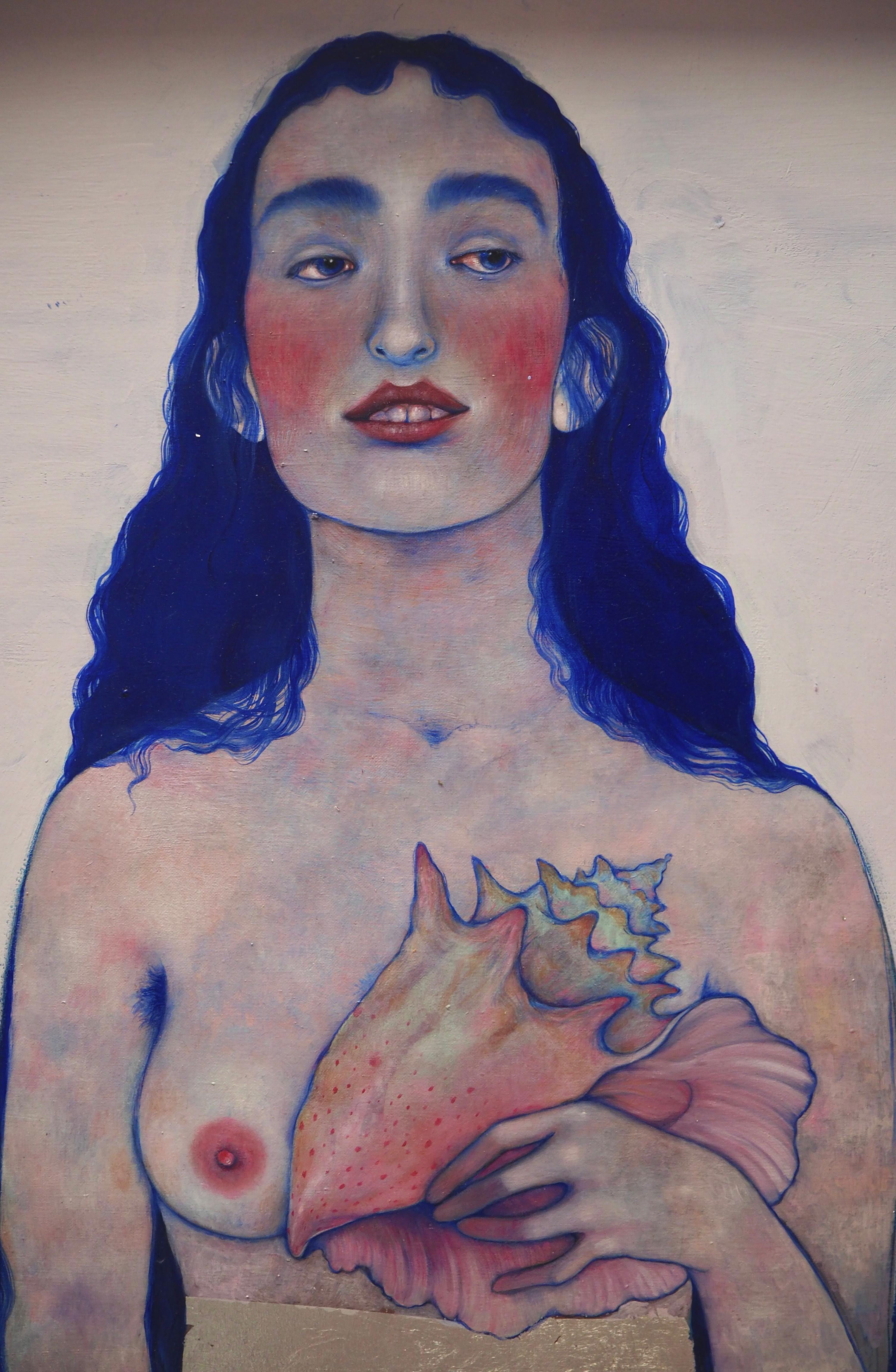
I wish more people would ask me, “What did you learn about yourself while painting this piece?” I believe this is one of the most important questions in the creative process because it helps you understand who you are and what kind of artist you want to become. My greatest hope is that, throughout that journey, you remain authentic—both as a person and as an artist—and that this authenticity is reflected in your work. One question I am asked very often is whether I am the person portrayed in my paintings. It always makes me smile because many people assume the answer is obvious. In reality, I don’t see the mermaids as self-portraits, nor do I think they physically resemble me. What they do reflect, however, is something much deeper: they embody my emotions, my imagination, and parts of my inner world.
What is one piece of advice you would give to aspiring creatives?
Although I still consider myself to be at the beginning of my artistic journey, the advice I would give to anyone who has recently started painting is to remain as authentic as possible. Today, it’s very easy to be distracted by other people’s opinions and influenced by social media. If there’s one thing I’ve learned, it’s that you should express yourself without being afraid of judgment or of what others might think. Trust your own path and allow your work to reflect who you truly are. Another piece of advice I would give is to create consistently. Draw, paint, or sketch every day, even if it’s just a quick drawing in a notebook or on a café napkin. It doesn’t have to be a finished artwork. What matters most is showing up every day, because creativity grows through practice, curiosity, and perseverance.
Thank you to Giulia Caliò for a truly meaningful and informative interview, be sure to check out more of her work and stay tuned for her journey! And thank you to our premium subscribers for keeping this newsletter running!! You guys are the best :)
I hope you have taken something away from today’s article, I know I have! :)
Best
Alex
No posts
Comments
Nothing yet. Say the first thing.
Sign in to join the conversation.