
We’re spotlighting ‘Artists You Should Know’ a collaboration between TheSpottedZebra + NoPlaceArt
To take part:
Comment a photo of your artwork in our pinned reel.
Enter as many pieces as you’d like.
Follow both @noplaceart and @tsz.arts
Share the reel to your story and tag a fellow artist.
Support the community by discovering, liking, and commenting on other artists’ work.
By taking part, you’ll have the chance to be featured in artist spotlights, interviews, weekly highlights, community games, and future opportunities across our platforms.
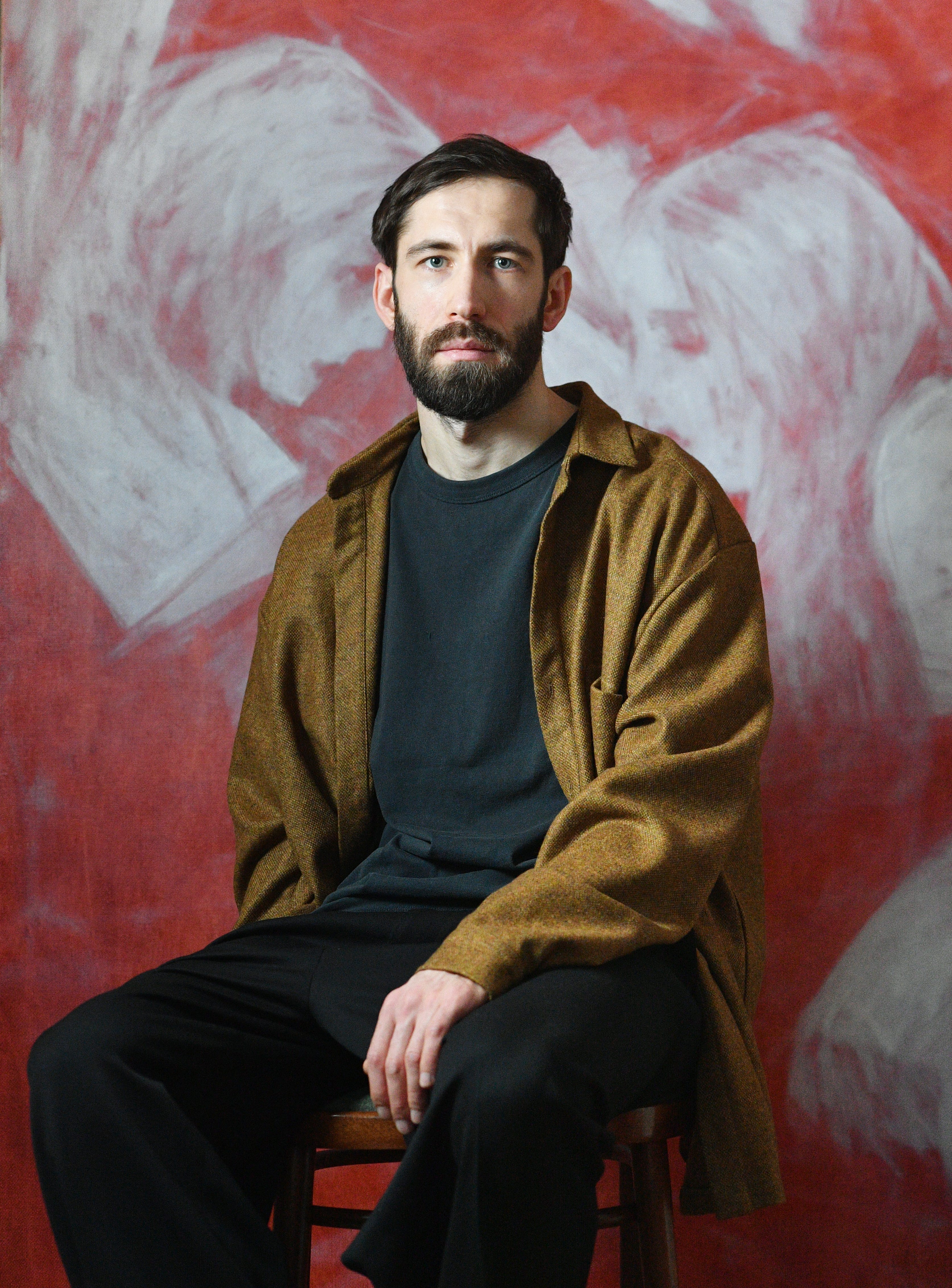
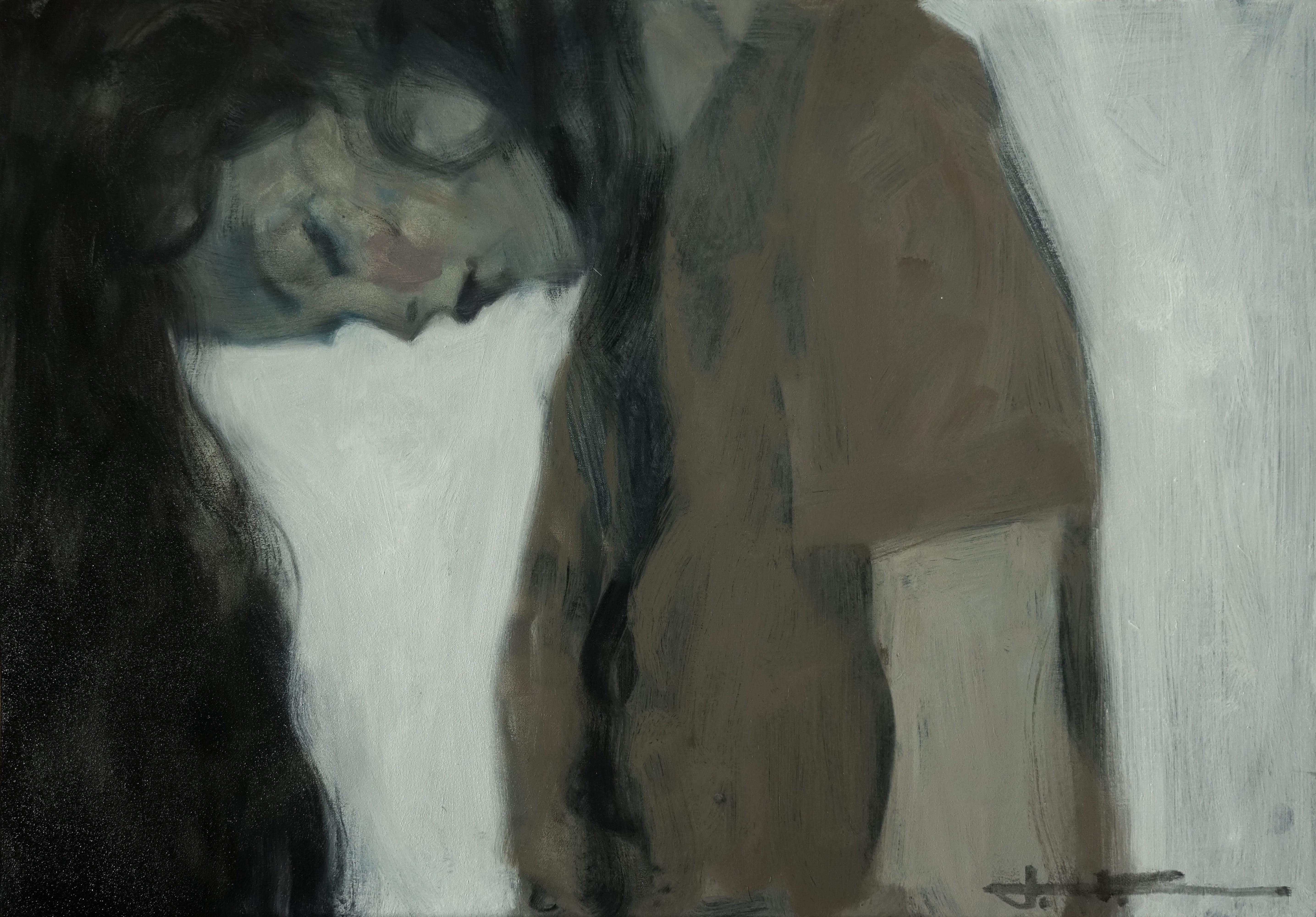
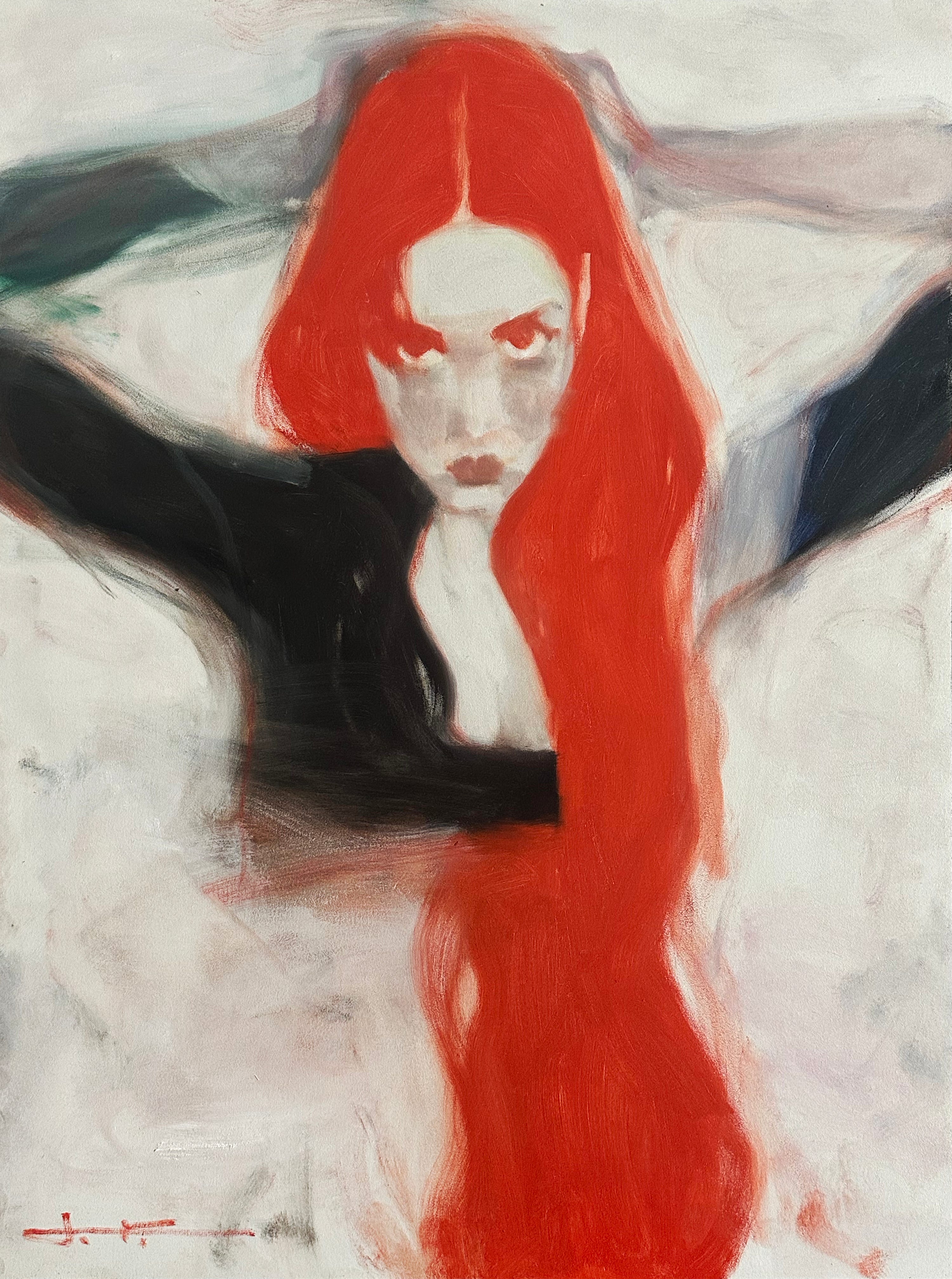
Alisher Kushakov was born in Jizzakh, Republic of Uzbekistan in 1988. Graduated the Saratov art academy named after A. Bogolyubov. In 2010 Alisher moved to Moscow where he enrolled in the Higher British School of Design, program of “Visual communication”. In this period he worked in various design-studios and advertisement agencies. Alisher decided to quit the advertising career in order to pursue the path of a painter.
“For me, painting is about intuition rather than explanation. I’m drawn to composition, rhythm, color, and emotion. I don’t start with a message—I simply follow what feels visually alive, and any meaning emerges naturally.“
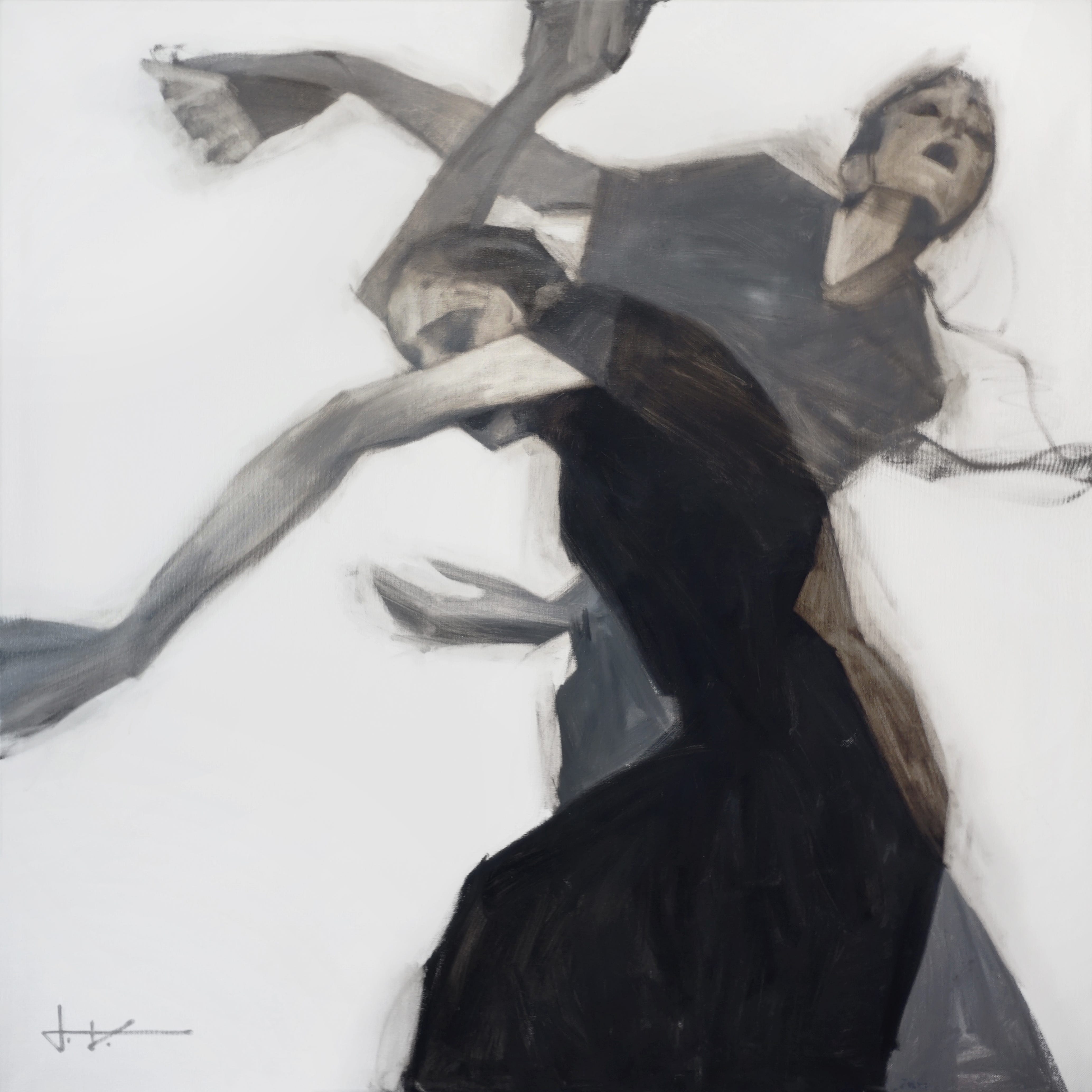
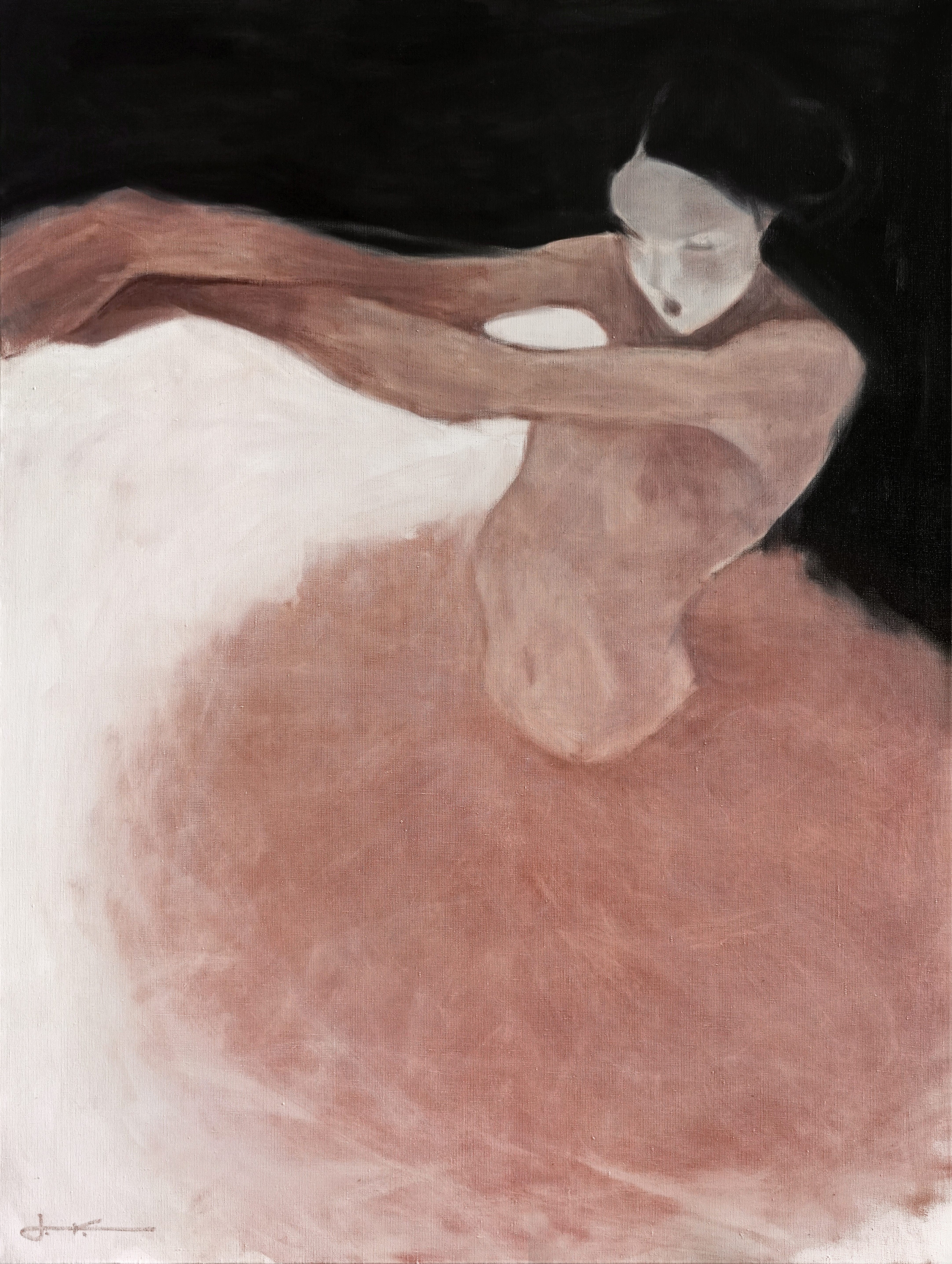
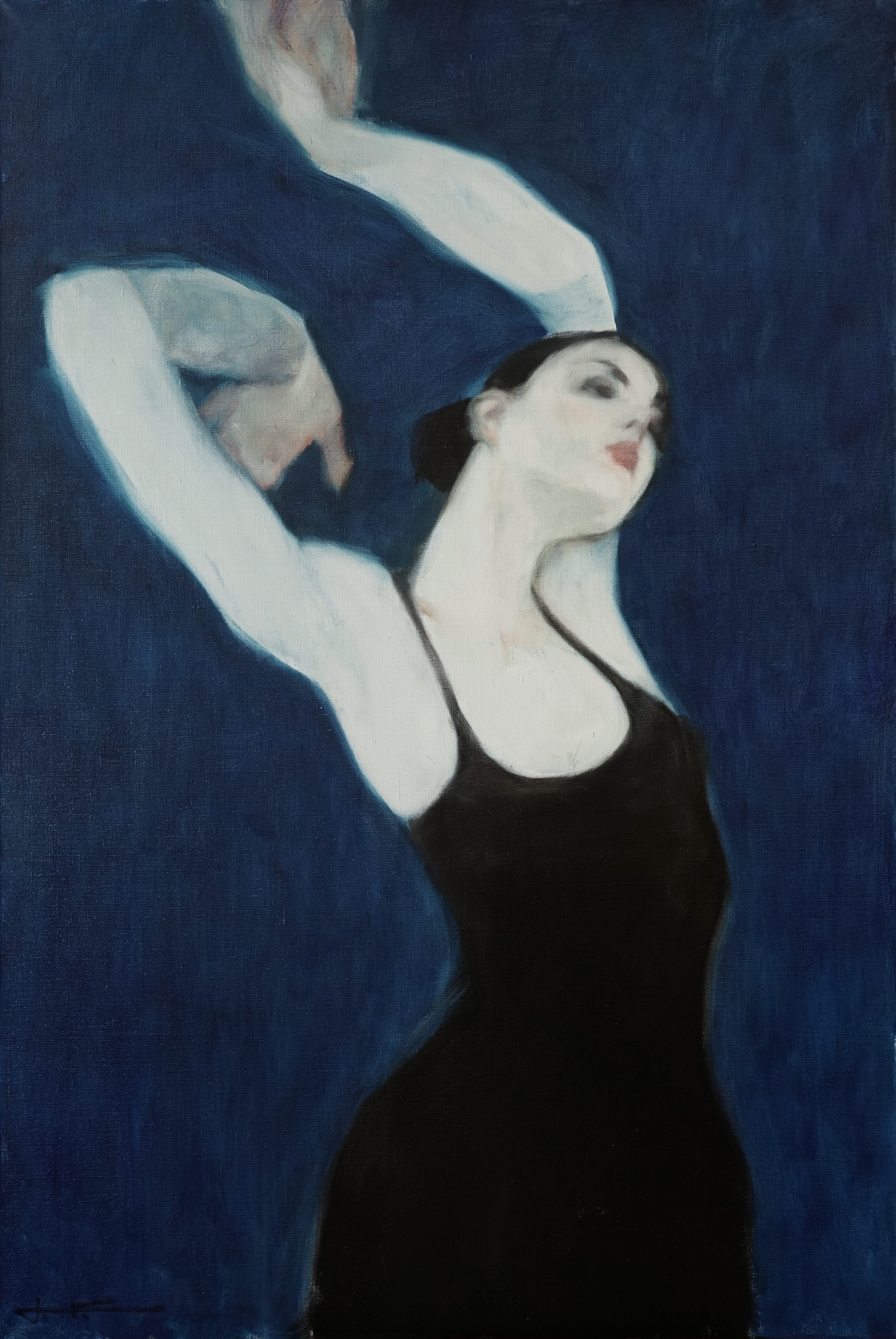
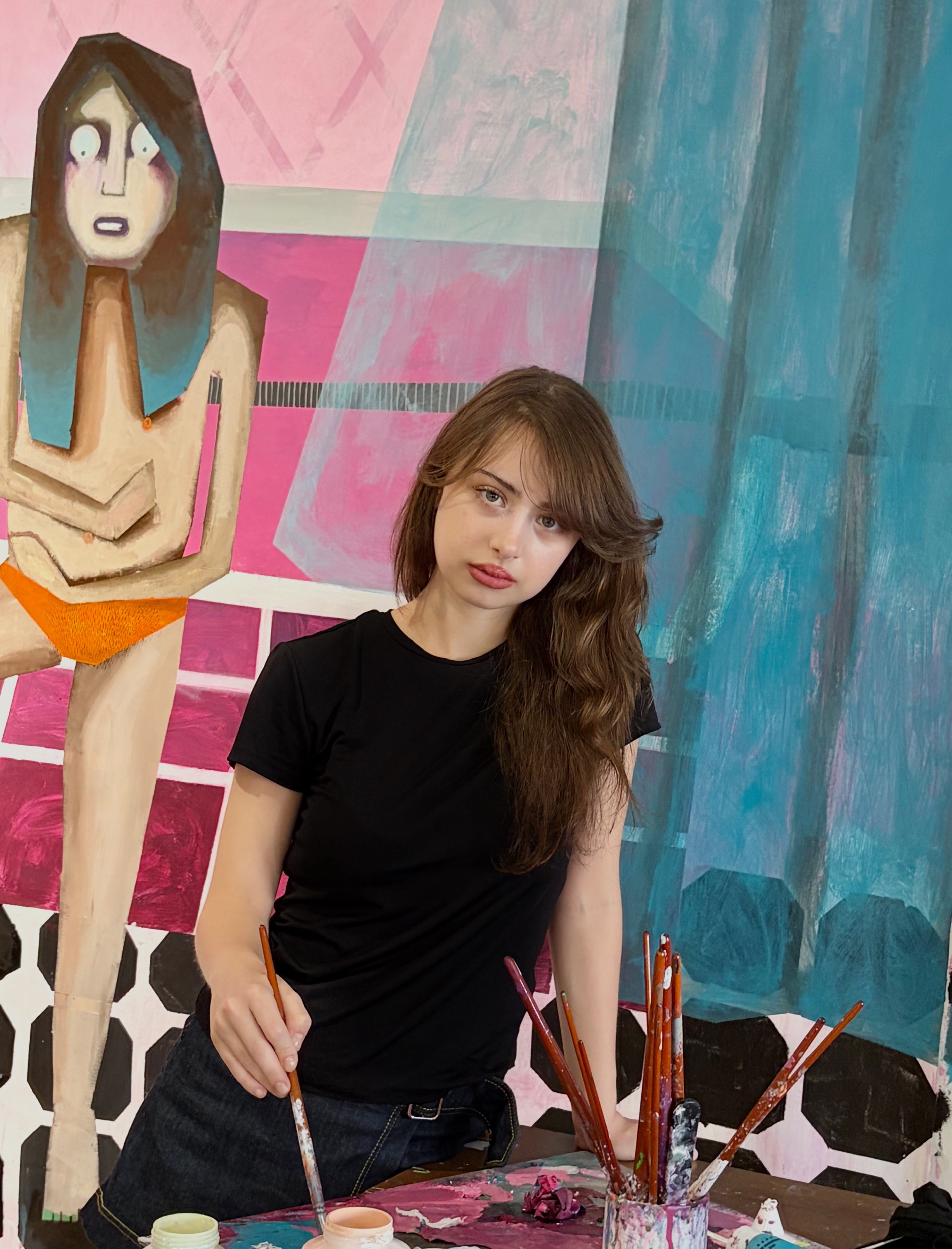
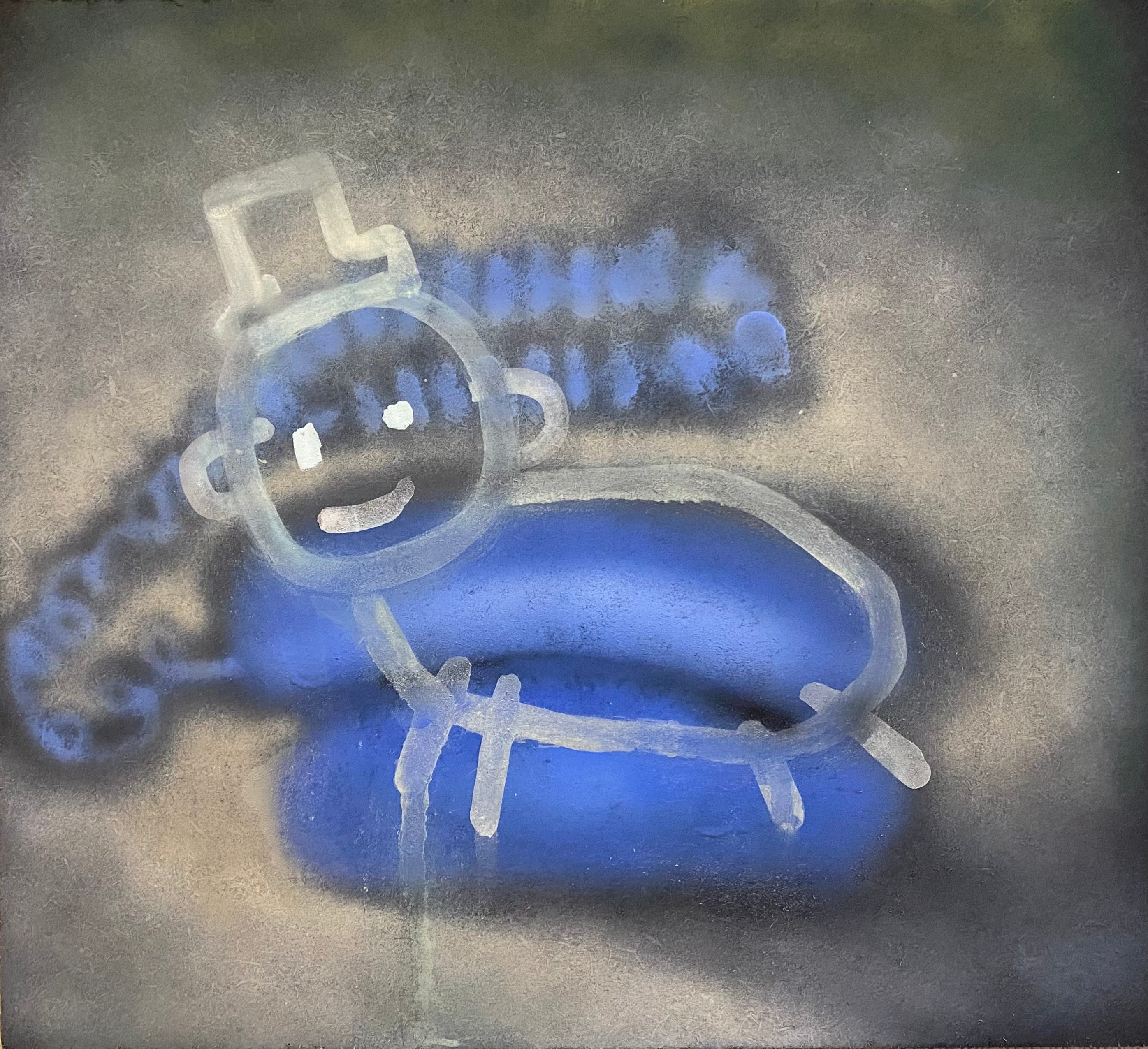
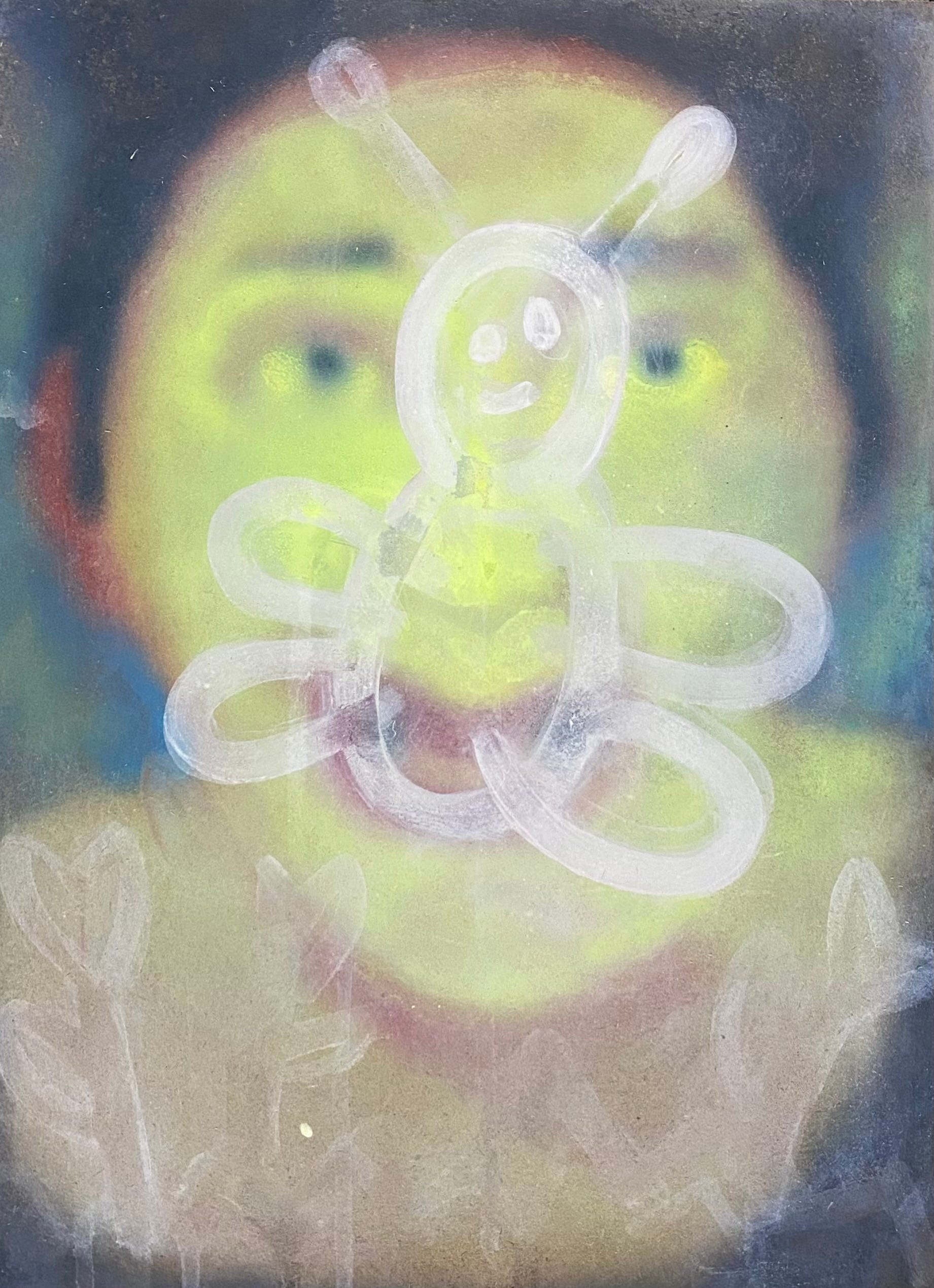
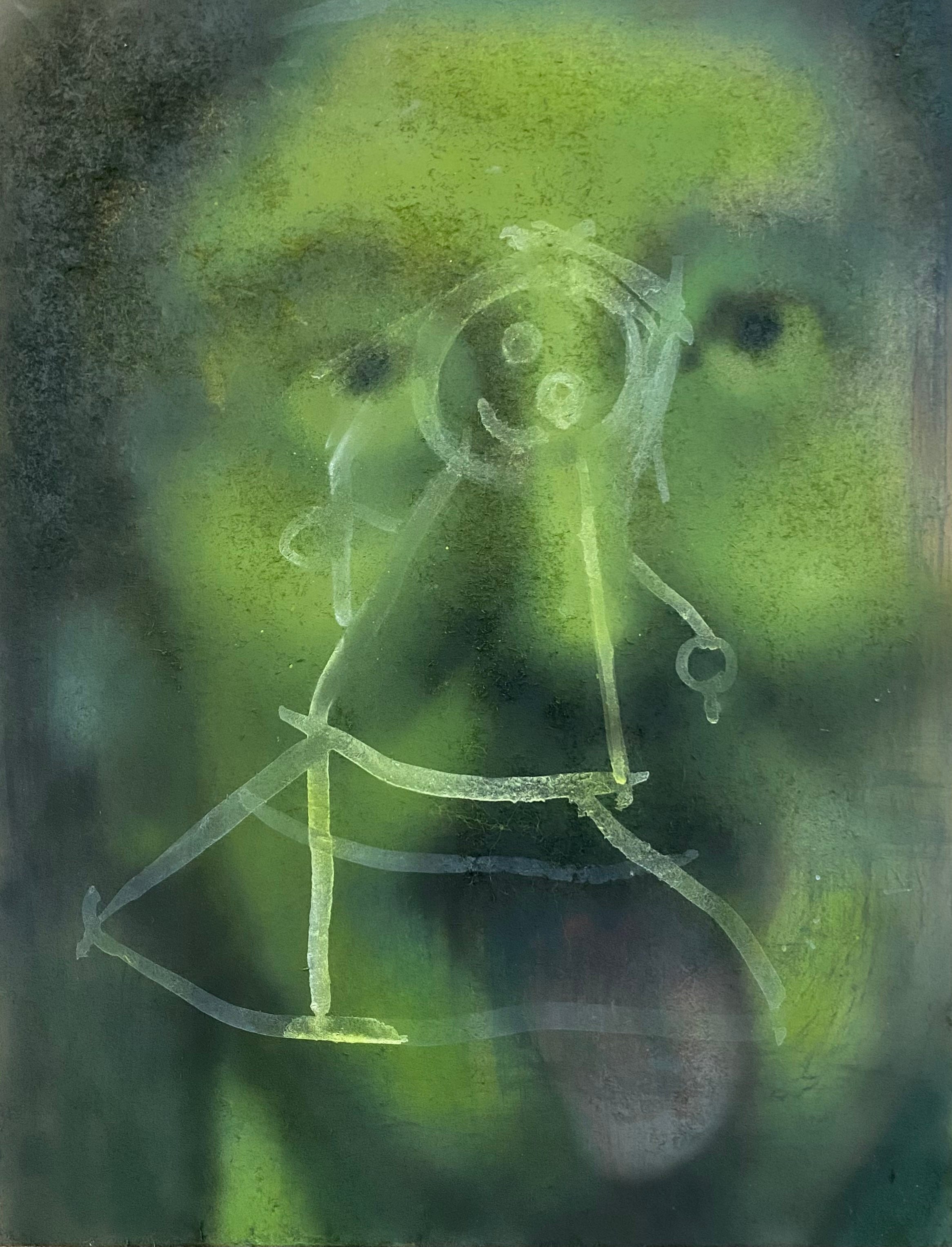
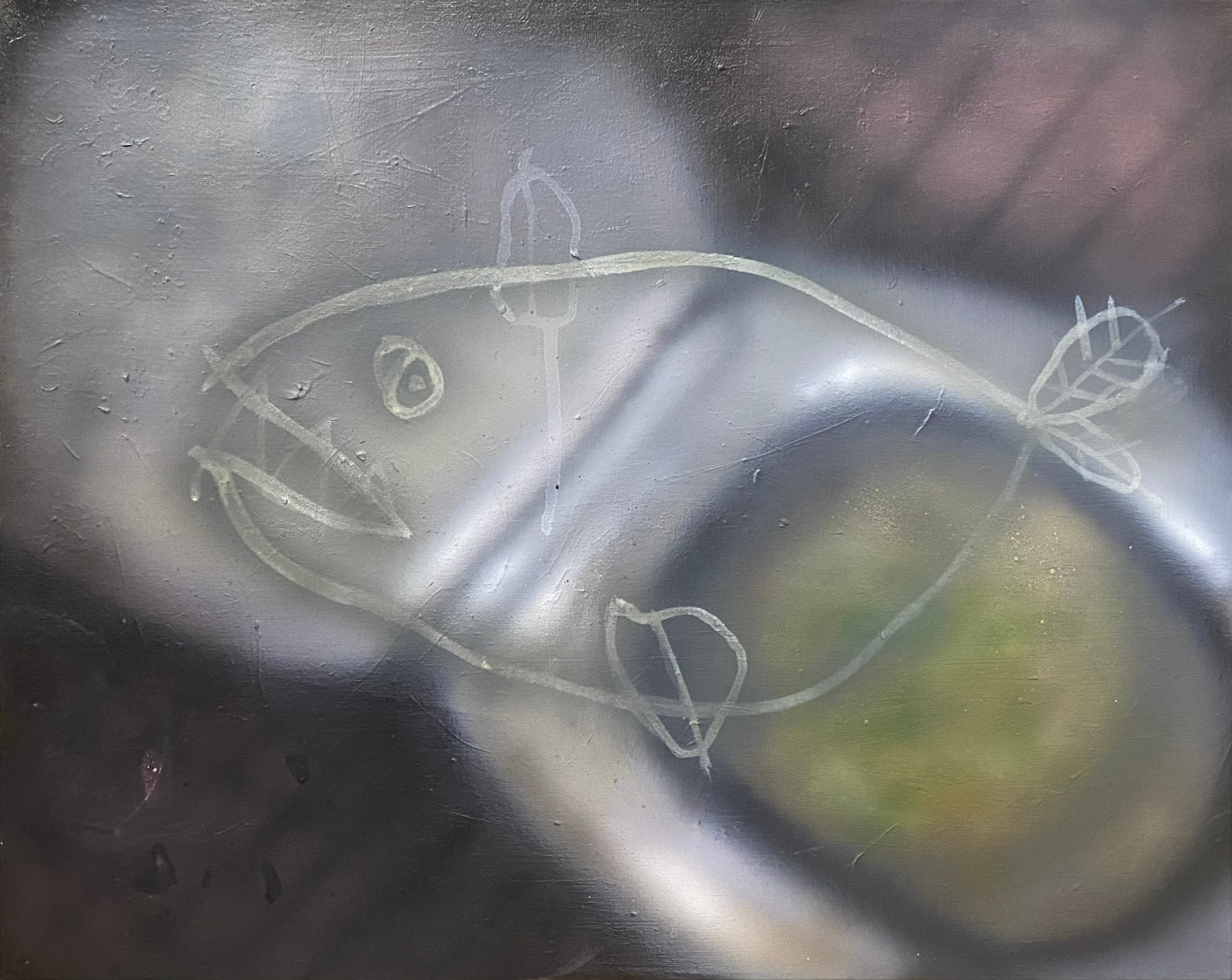
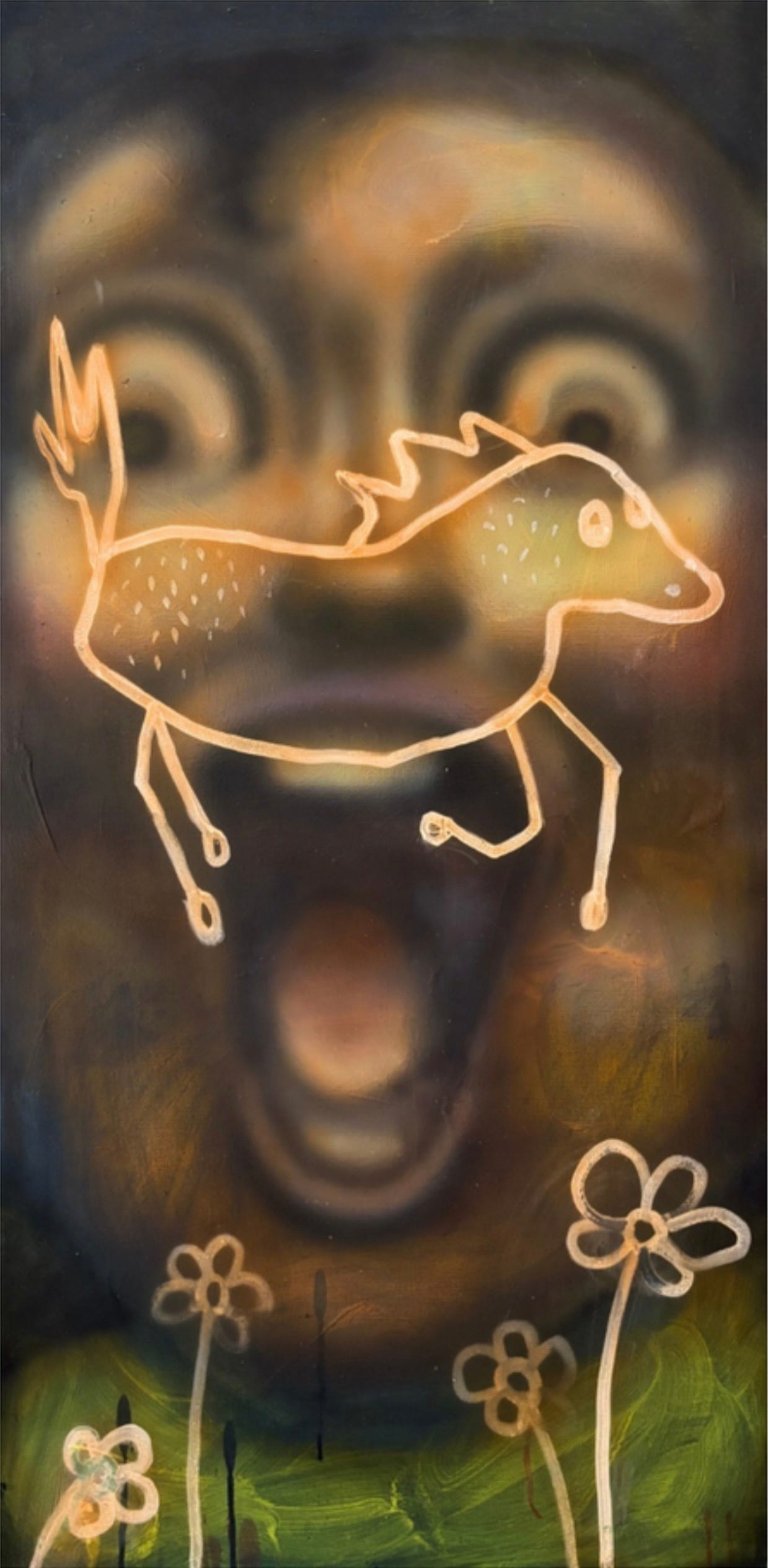
Nini Razmadze is a 21-year-old Georgian artist based in Tbilisi, currently completing her diploma at the Tbilisi State Academy of Arts. Specializing in acrylic paint and airbrush techniques, her work delves into themes of memory, perception, and the brain’s defence mechanisms.
Through layered compositions and dual visuals, her paintings explore how the mind filters, suppresses, and reconstructs experiences. The interplay between the soft, atmospheric airbrushed backgrounds and the expressive acrylic imagery captures the tension between conscious perception and the subconscious. Her artwork invites viewers to question the reliability of memory and the hidden processes that shape our understanding of the world.
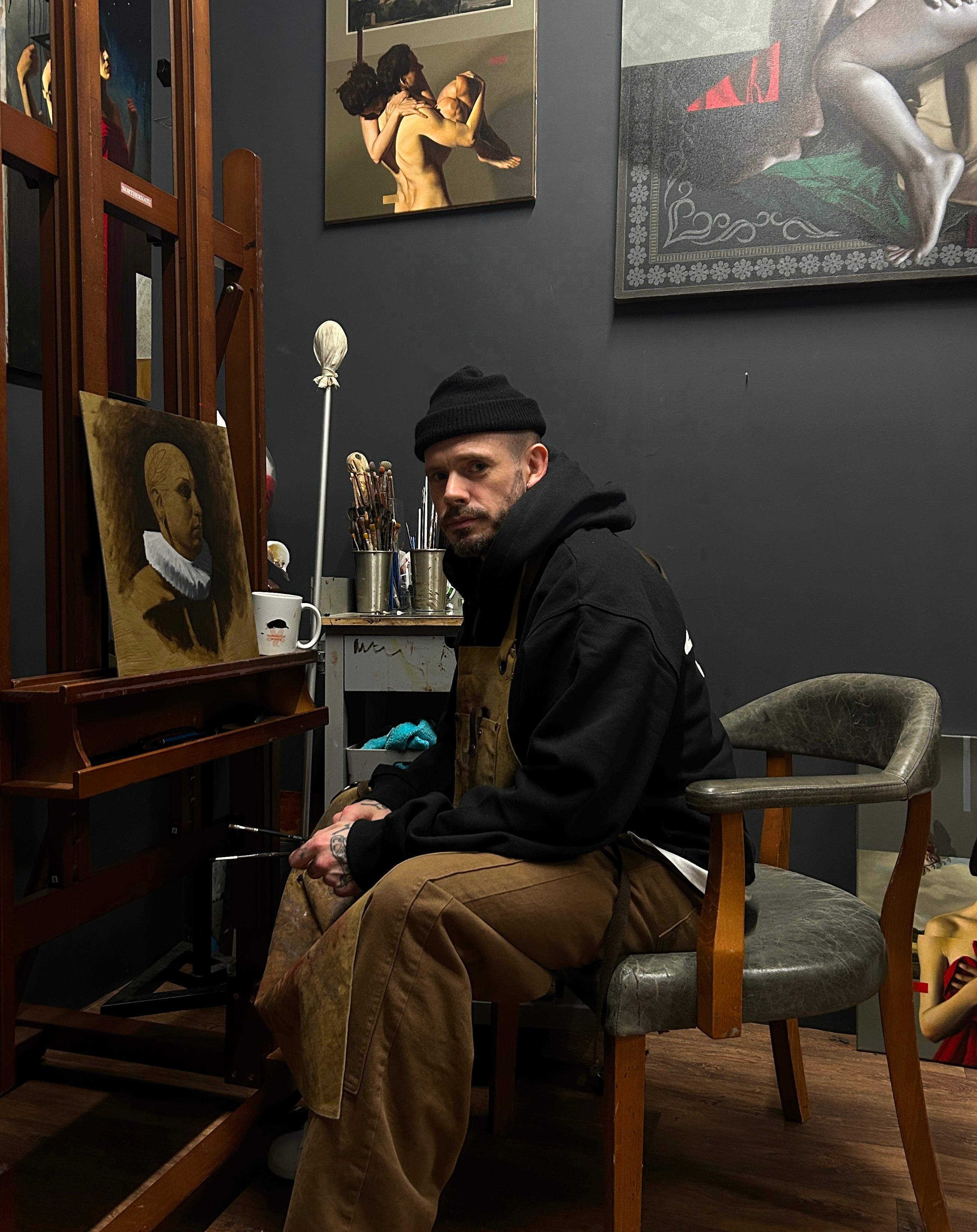
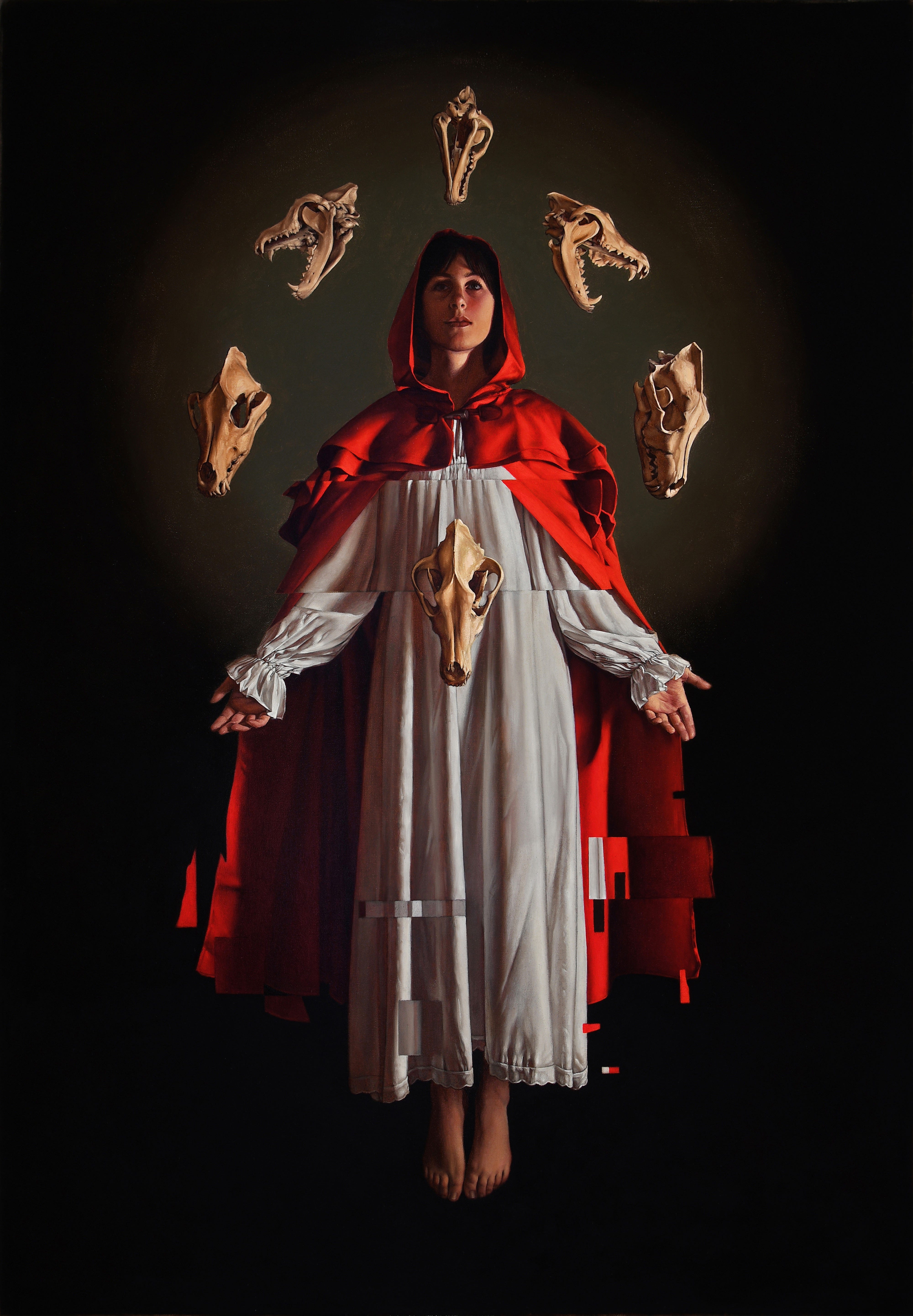
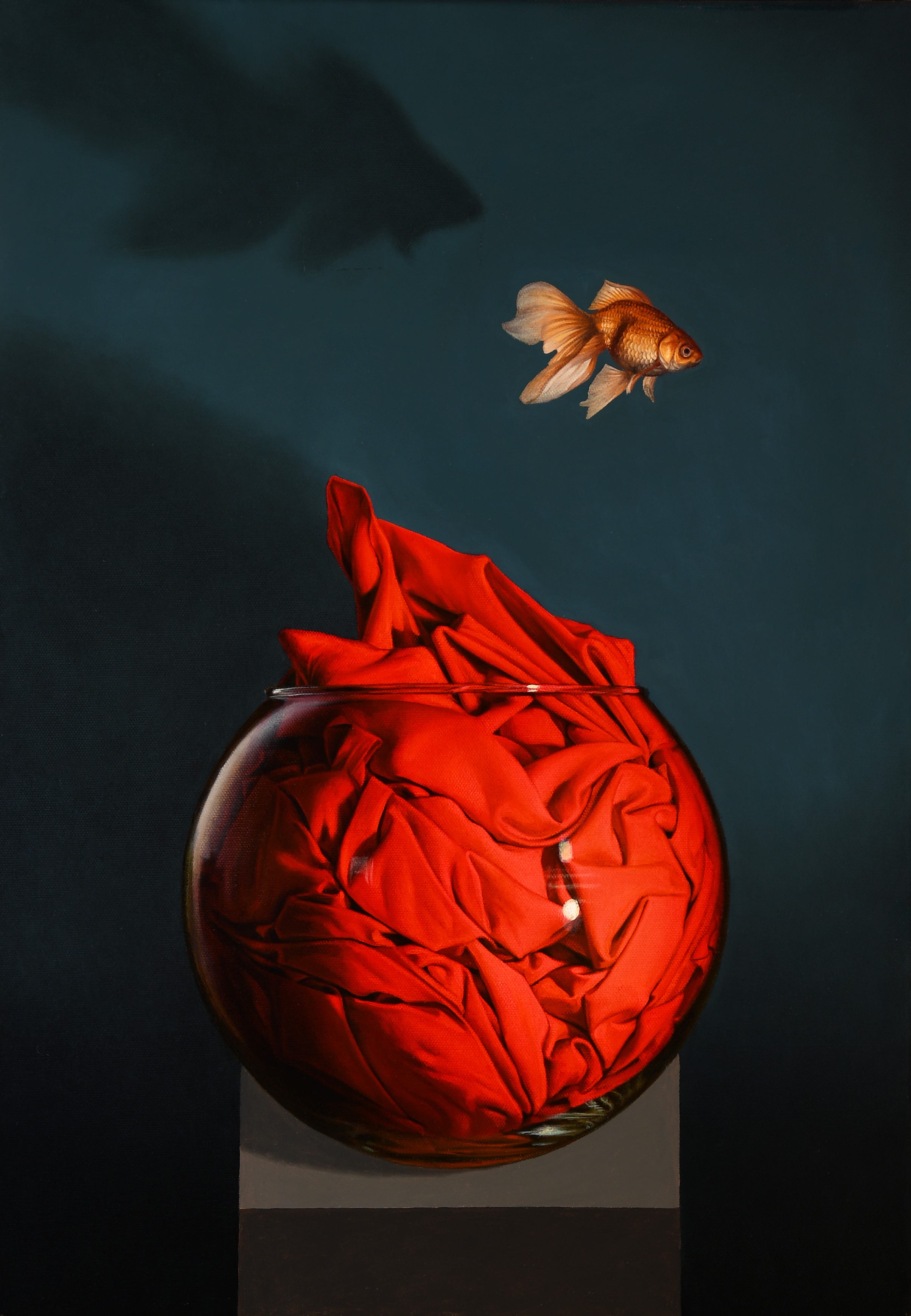
Dylan Lisle is a British artist who studied at Gray’s School of Art in Aberdeen, Scotland and has exhibited extensively in Britain. He has recently shown work at the Royal Society of Portrait Painters and has just won The De Laszlo Foundation Award at the Green and Stone Gallery in London.
Lisle’s oil paintings of figures and animals use a language of symbolism and motifs to explore the shifting psychological relationships between people, cultures and value systems.
The technique of the work is integral to its message. The paintings employ complex layers combinations of indirect painting techniques borrowed from his studies of the old masters. The aesthetic of imprimatura, grisaille and glazing evoke a sense of tradition, history and craftsmanship at odds with the flashy immediacy of the world we now inhabit.
The work is aimed at viewers interested in culture as a system of meaning - particularly those considering how values, empathy, and social understanding are formed and transmitted. It asks whether traditional narrative structures that once carried communal knowledge are being transformed or displaced within digital culture, and what this shift might mean for contemporary experience.
“I believe that artists currently occupy a unique and privileged position. At a time when technology increasingly mediates our experience of the world, art remains one of the few places where human emotion is not merely represented but embodied. What we take in from the world returns through our work as feeling, reflection and empathy. This is the enduring strength of art. It is a reminder of our shared humanity, and I believe that responsibility should remain at the forefront of our thinking whenever we add to our cultural history.”
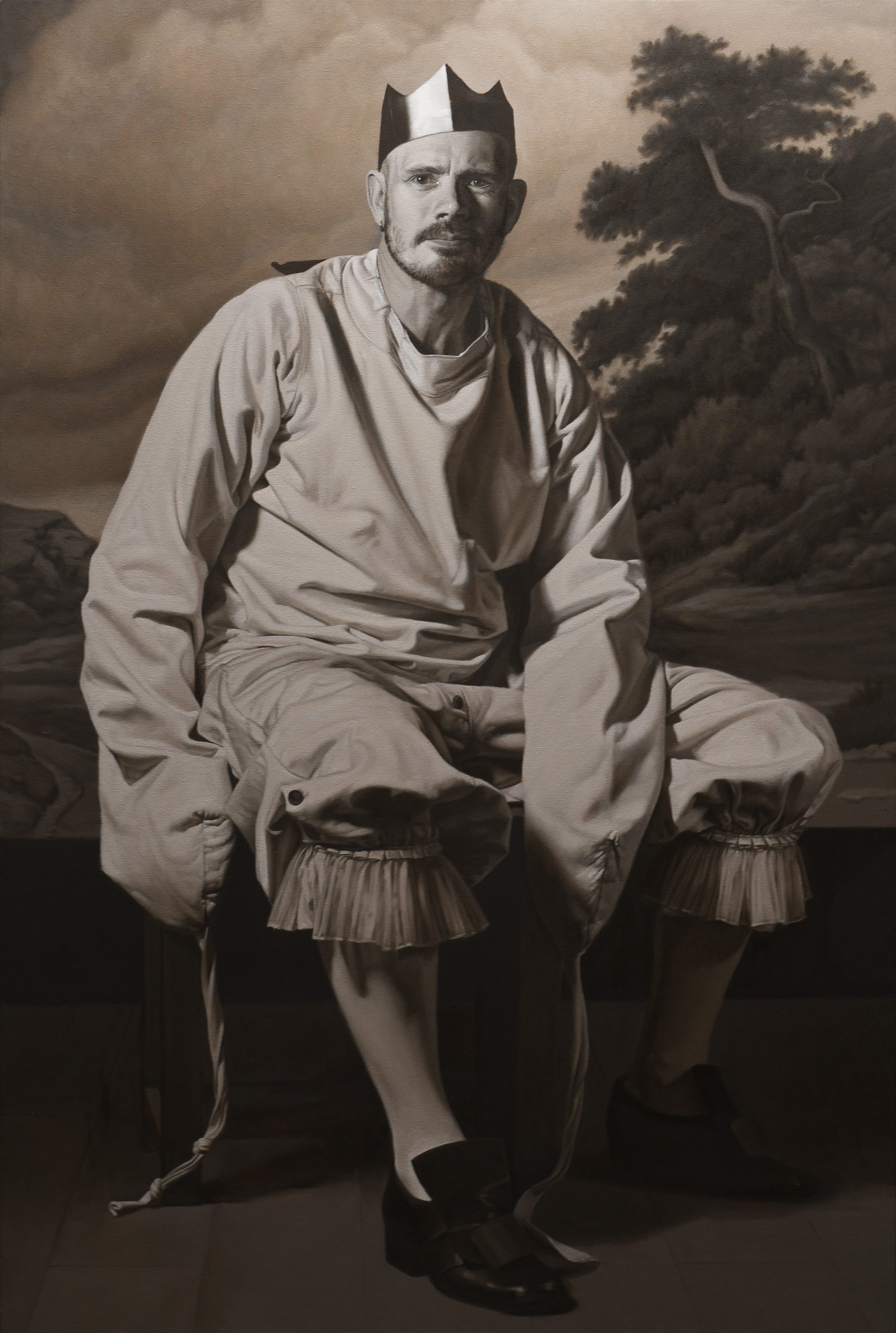
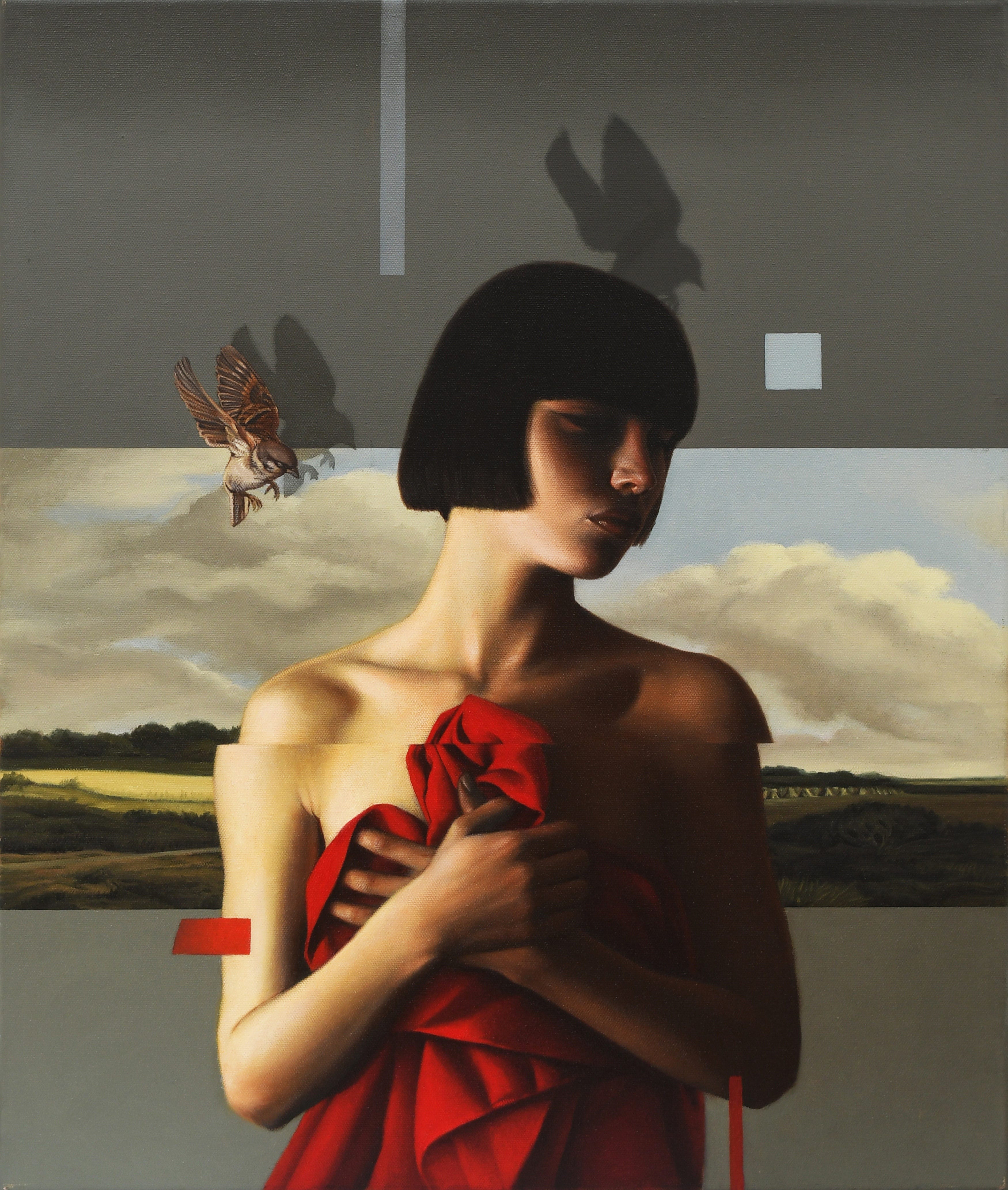
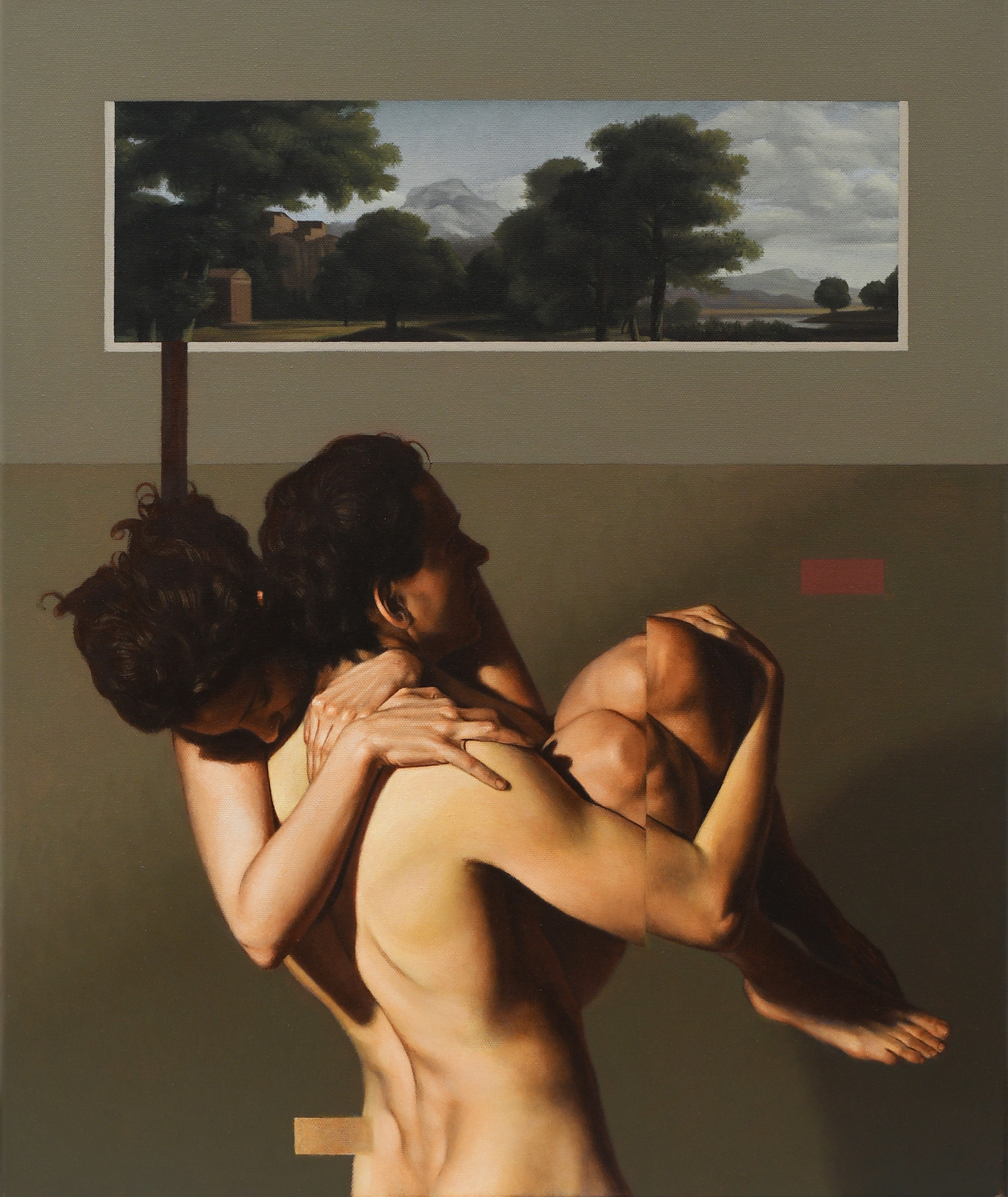
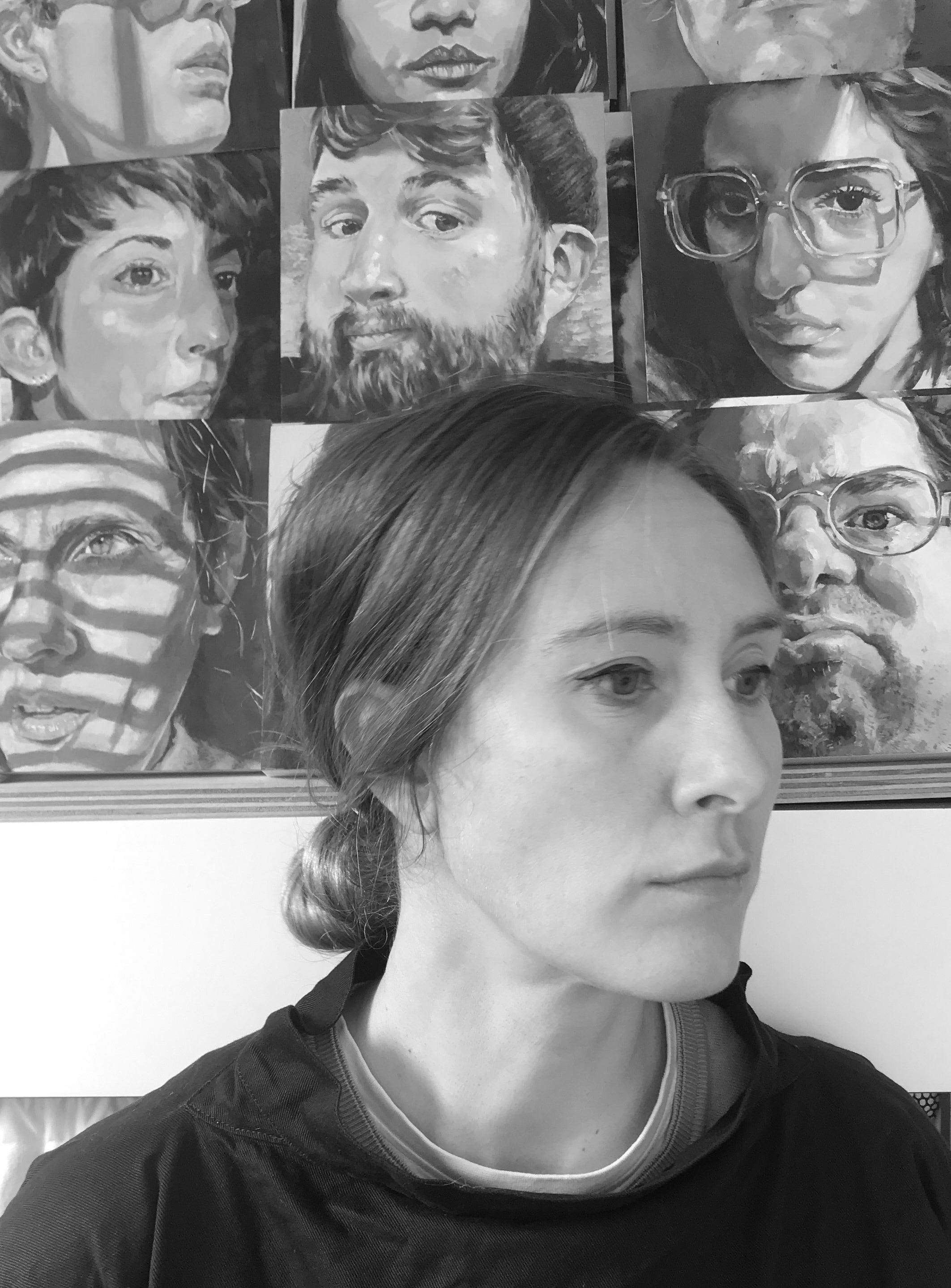
Victoria Sills is a graduate of the University of Brighton and The Other MA. Victoria works across multiple disciplines, primarily with paint, print & drawing using traditional methods to explore contemporary subjects such as mental health in an ever-increasing technological world. Victoria is interested in making contemporary art accessible to wider audiences by using traditional techniques.
She has had a solo show at The Stone Space Gallery, Leytonstone and was selected as a finalist in the D Contemporary Open Call and British Art Prize 2025. Selected group exhibitions include The ING Discerning Eye 2025 and 2024, winning the ING Purchase Prize in 2025, Society of Women Artists 2025, 2024, Britten Pears Summer Contemporary 2025, The Ruth Borchard Self Portrait Prize 2023 and The Royal Institute of Oil Painters 2023, 2022.
“I am interested in making contemporary art accessible to wider audiences through the use of traditional techniques. As a result, I work primarily with oil paint, etching and drawing—mediums that are familiar, readily relatable and carry a strong sense of gravitas. My work consists of oil paintings on canvas, wood and paper. Each portrait begins with digital visual references, which are developed through charcoal drawings on a specially mixed deep red ground before being translated into oil paint. The paintings are underpainted in burnt umber and white, then completed using a limited palette. Through gestural brushwork and observational drawing, I aim to preserve a visible sense of human touch and achieve a loose alla prima quality, minimising layers to avoid an overly polished finish.“
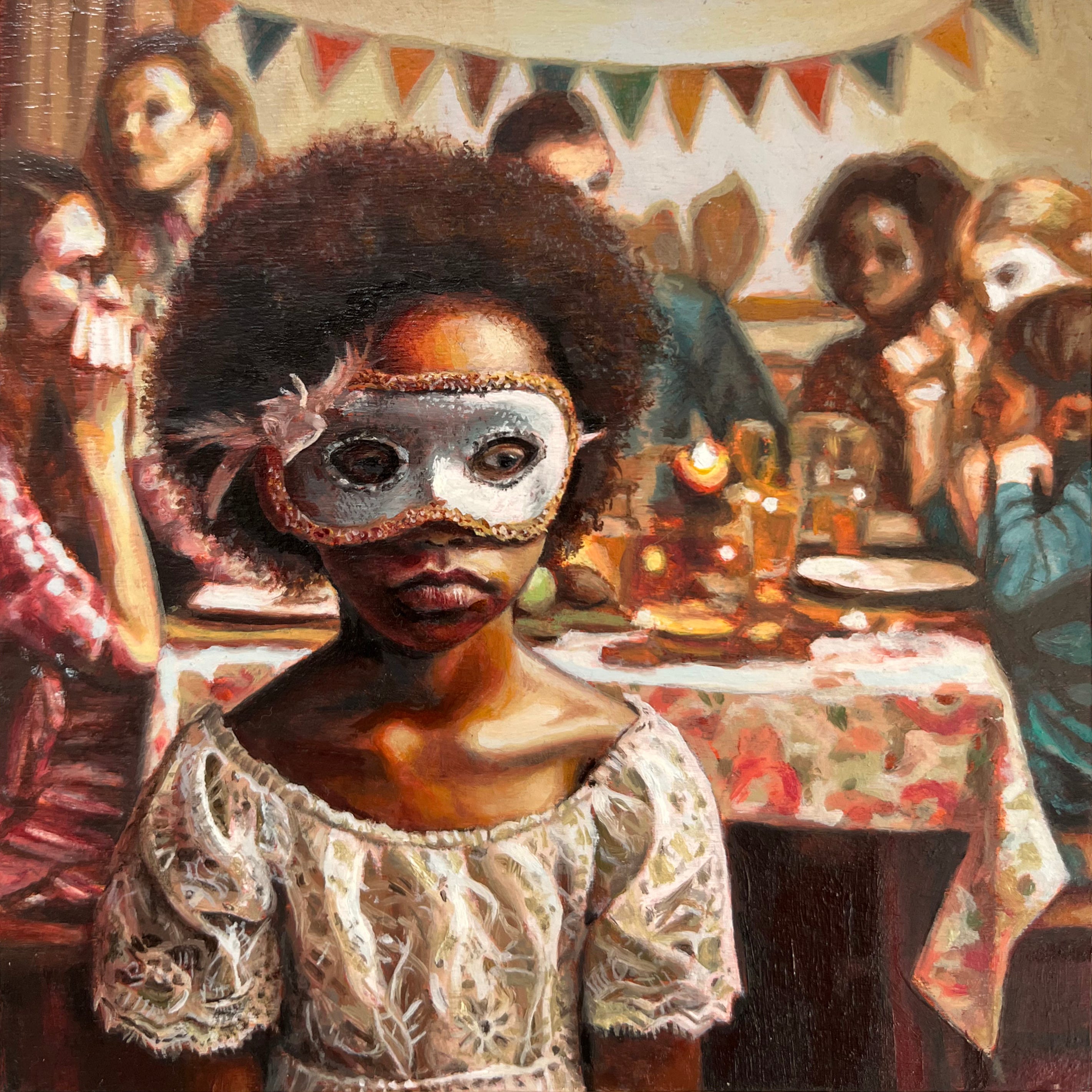
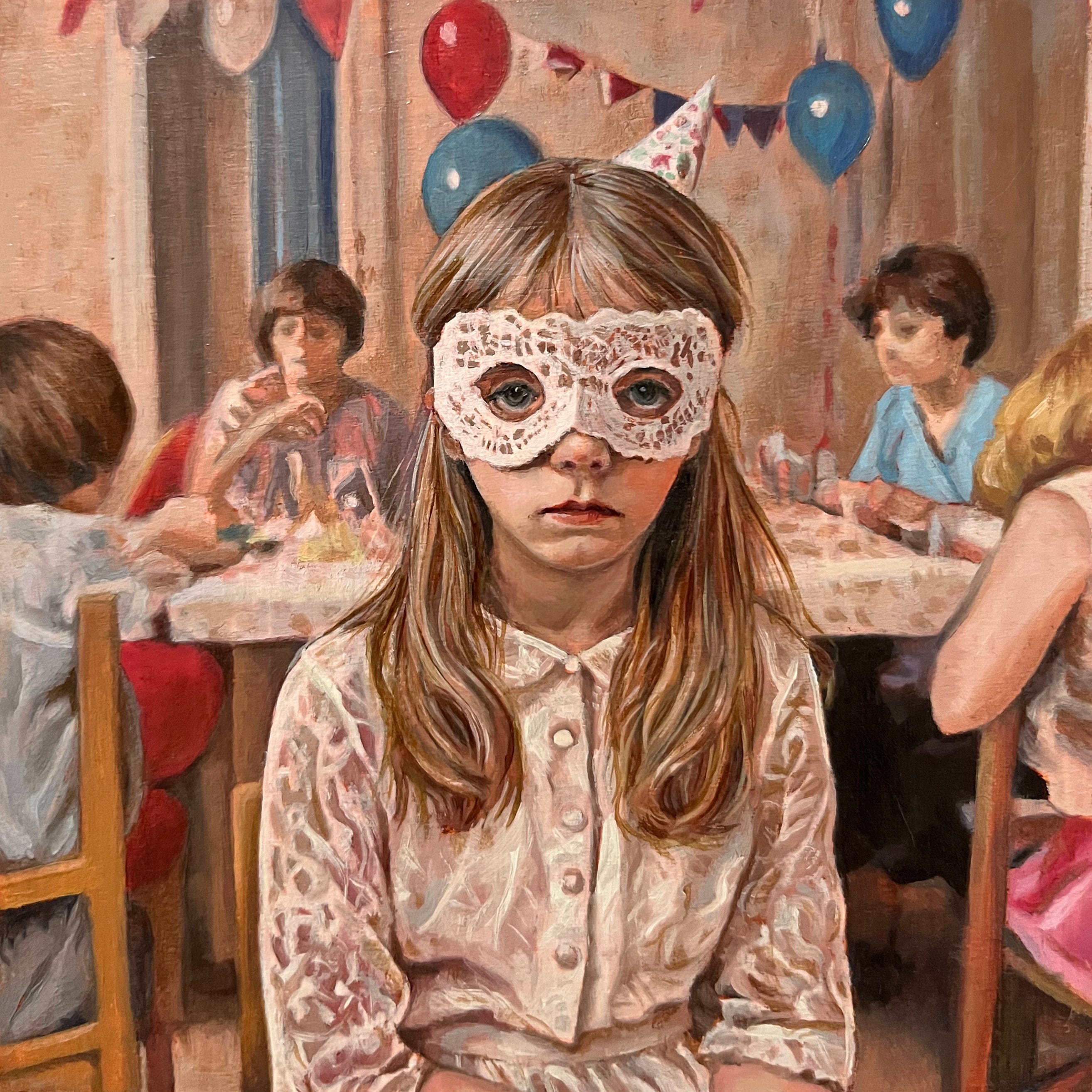
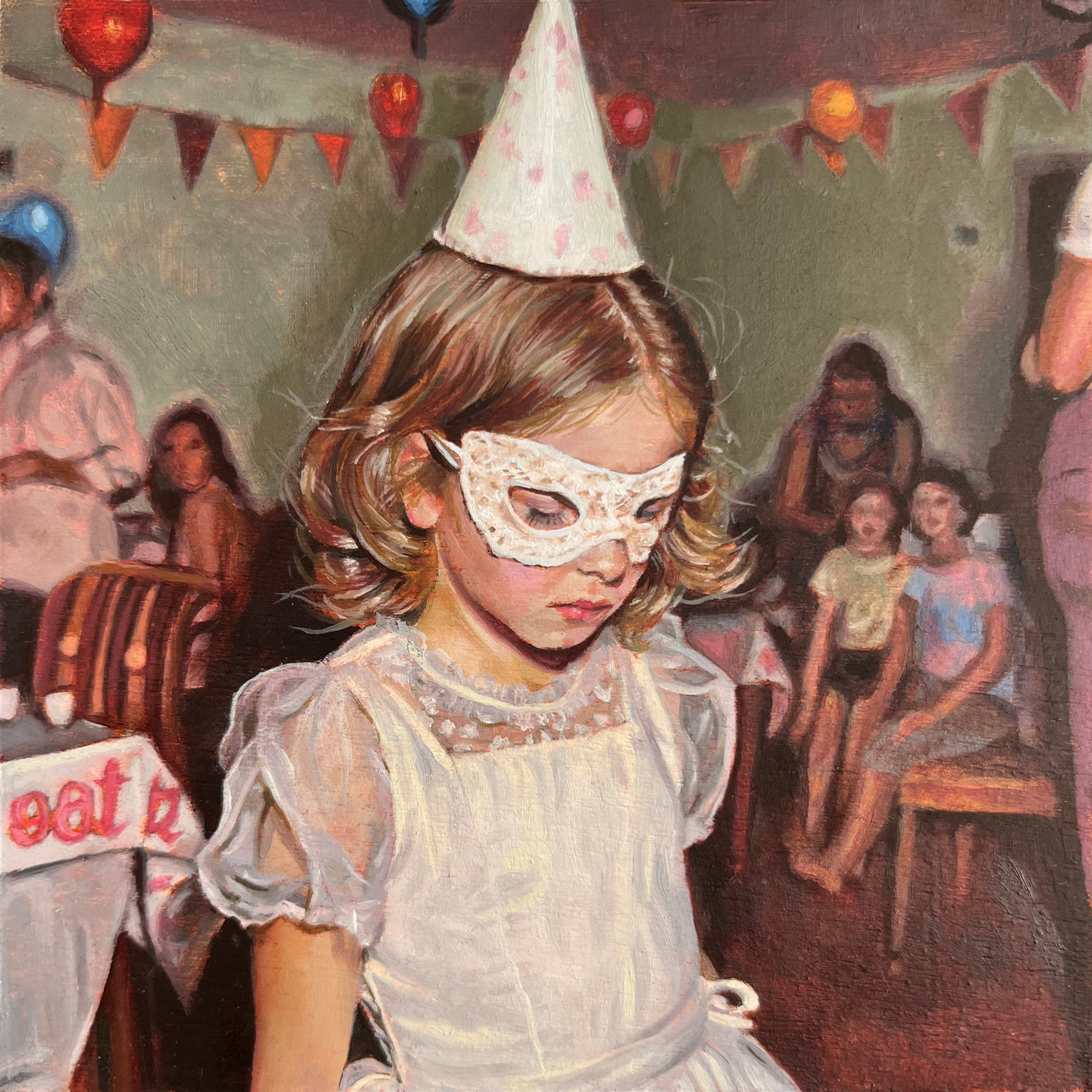
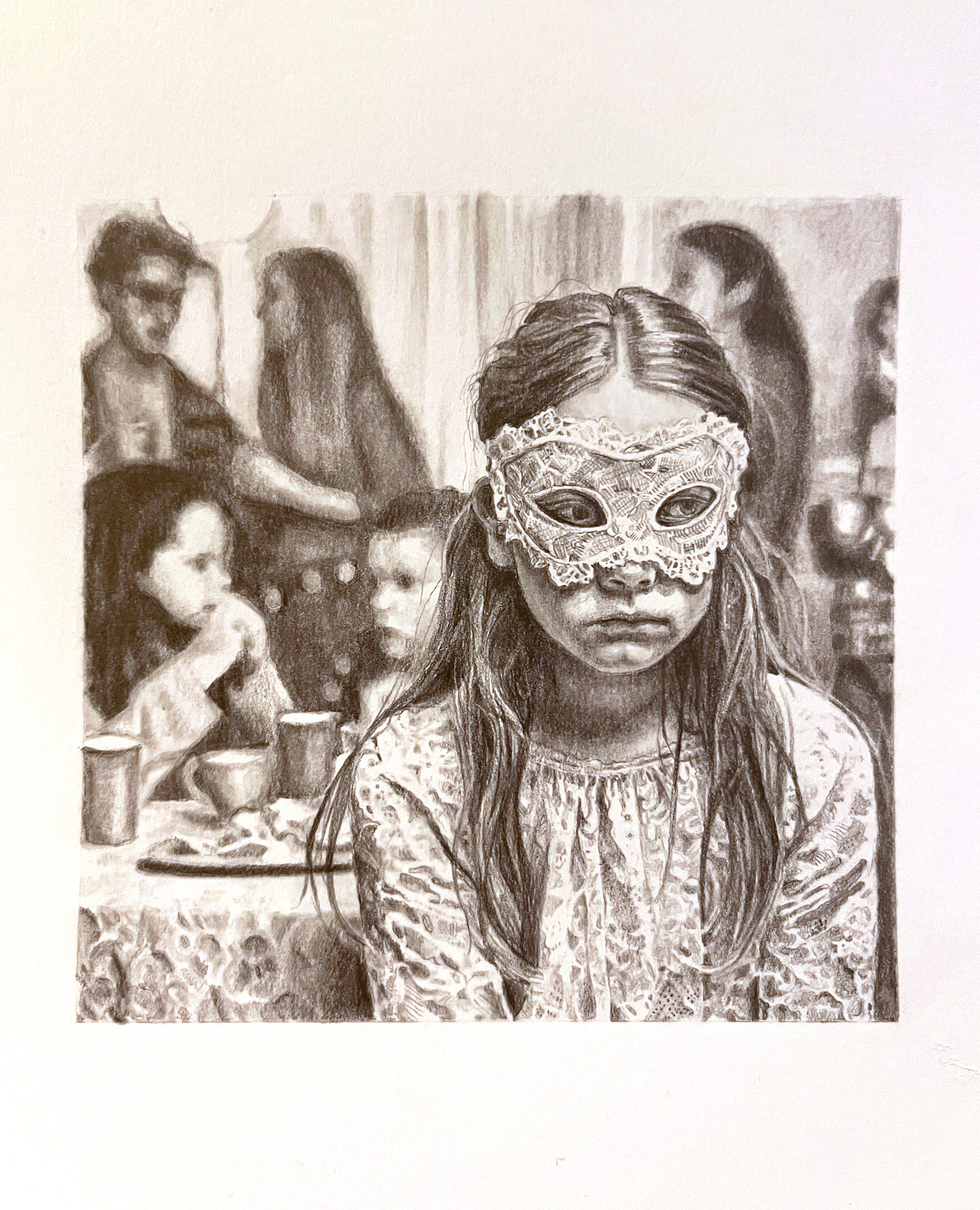
THE MASKING SERIES
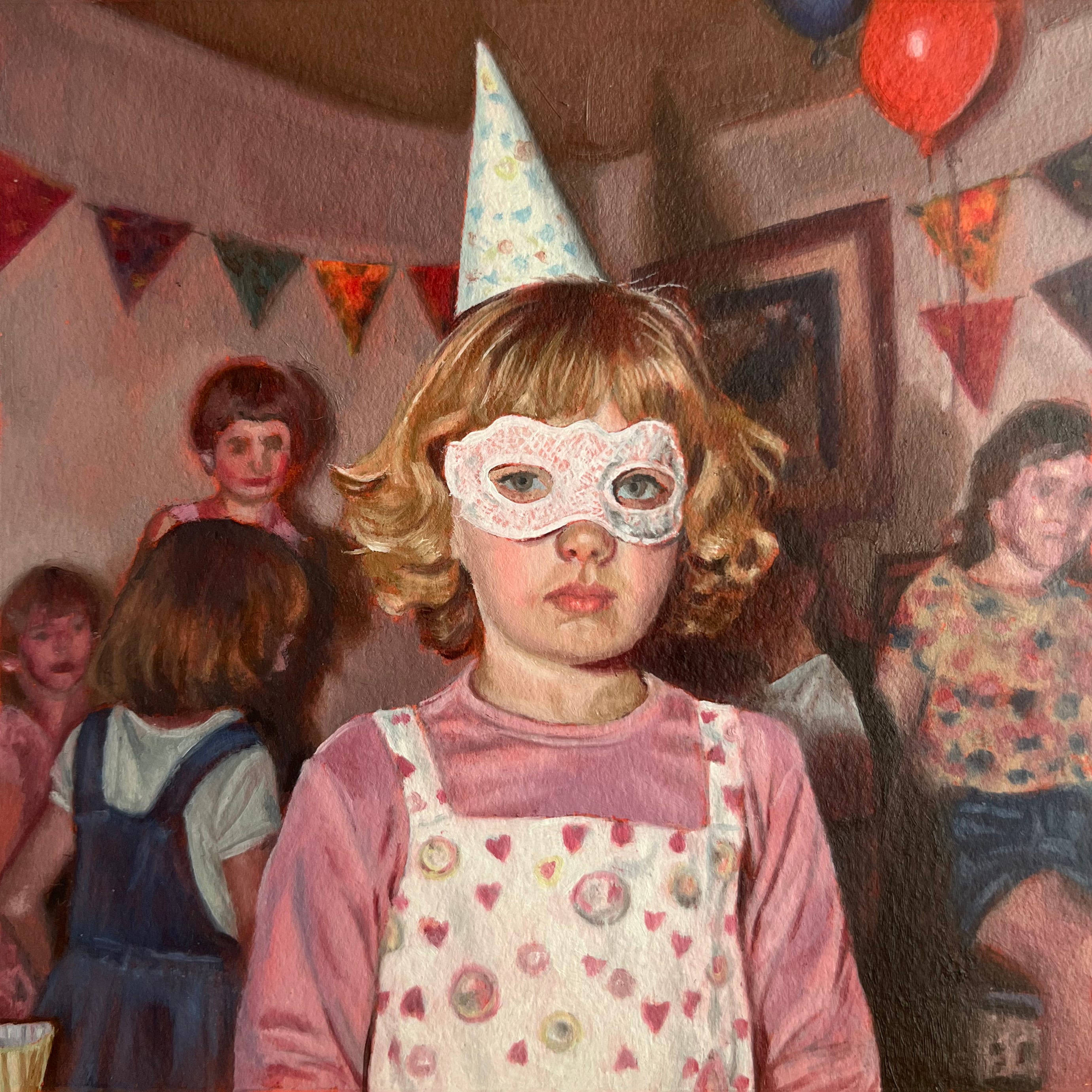
The Masking series of paintings and drawings explores feelings of isolation, anxiety and the ways in which individuals conceal their true emotions. These works function as self-portraits, drawing on personal memories to create a nostalgic yet introspective lens into my own experiences.
In one scene, a girl sits alone at a birthday party while other guests blur into one another in the background - a result of social overwhelm. They take part in familiar party games, seemingly carefree, while she remains detached. In another, a girl sits isolated, wearing a mask. The mask raises questions: does it conceal her true feelings, or does it allow her to become someone more socially acceptable - someone who fits in?
The series also examines masking through a female perspective. Set within a non-specific 1970s-80s era, the work reflects a time when many neurodivergent conditions went unrecognised. Girls, in particular, have often been expected to suppress or alter their natural behaviours to meet social expectations. While masking may offer short-term protection from judgement or exclusion, it can lead to long-term impacts on mental health.
Visual elements such as painted masks and exaggerated hats act as overt symbols of this concealment. The central figure remains separate from her surroundings, emphasising a sense of disconnection - not just from others, but from herself.
Thank you for reading and continuing to support artists! Make sure to follow along with their journey and enter your work to be featured :)
Best
Alex
No posts
Comments
Nothing yet. Say the first thing.
Sign in to join the conversation.