Private Equity Isn’t Buying Sports. It’s Buying the Athlete Pipeline.
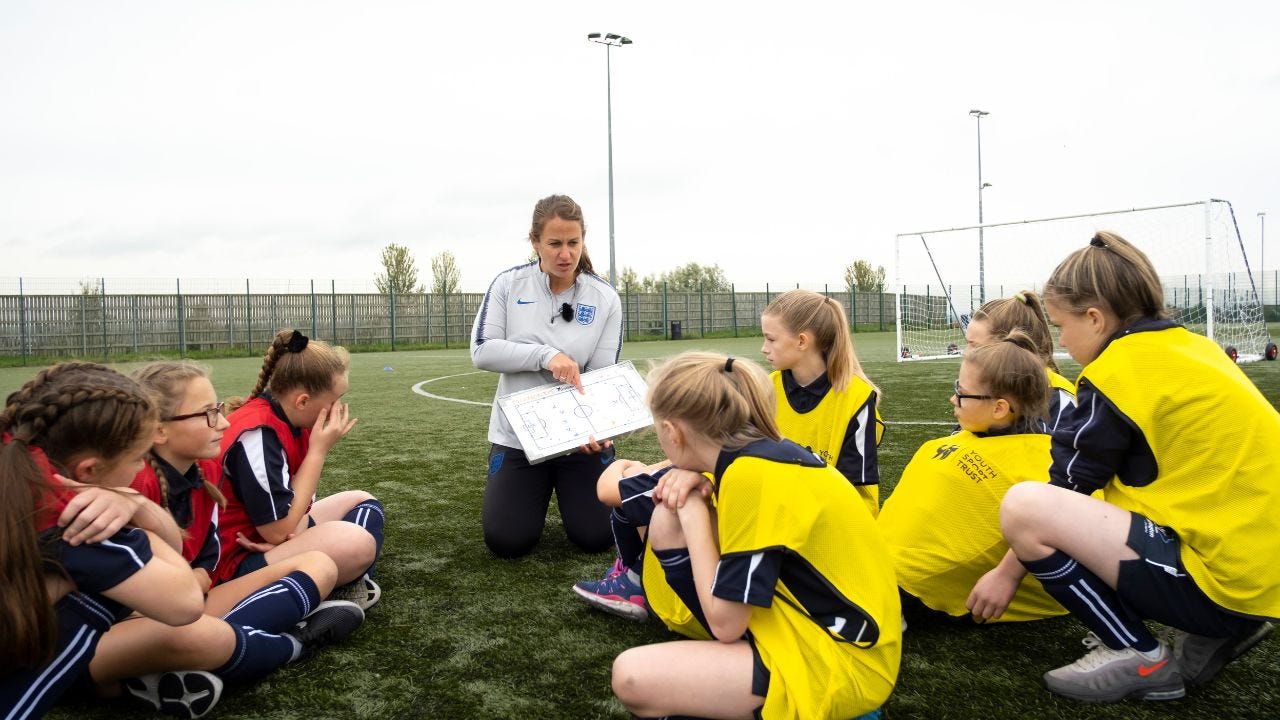
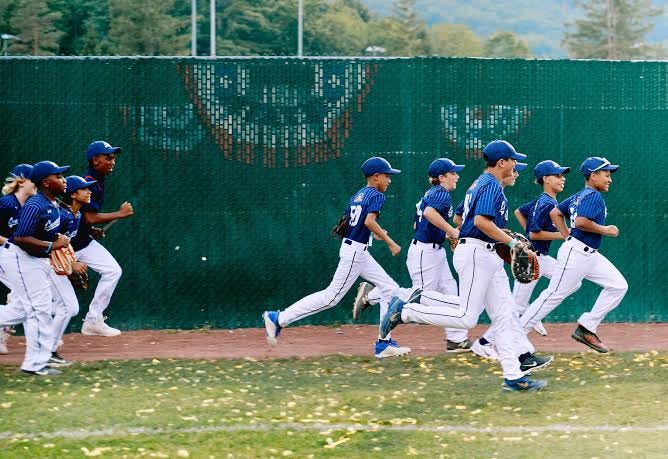
The next big sports investment story may have less to do with professional teams and more to do with the kids playing below them.

Analysis and research from the World Sports Program on the policy, economics, and governance shaping the future of sport.
Live Last read · last published · next check
The next big sports investment story may have less to do with professional teams and more to do with the kids playing below them.
Research Report 01 | 2026
The IOC and Other International Federations Were Built on the Same ‘Concentration-of-Power’ Model
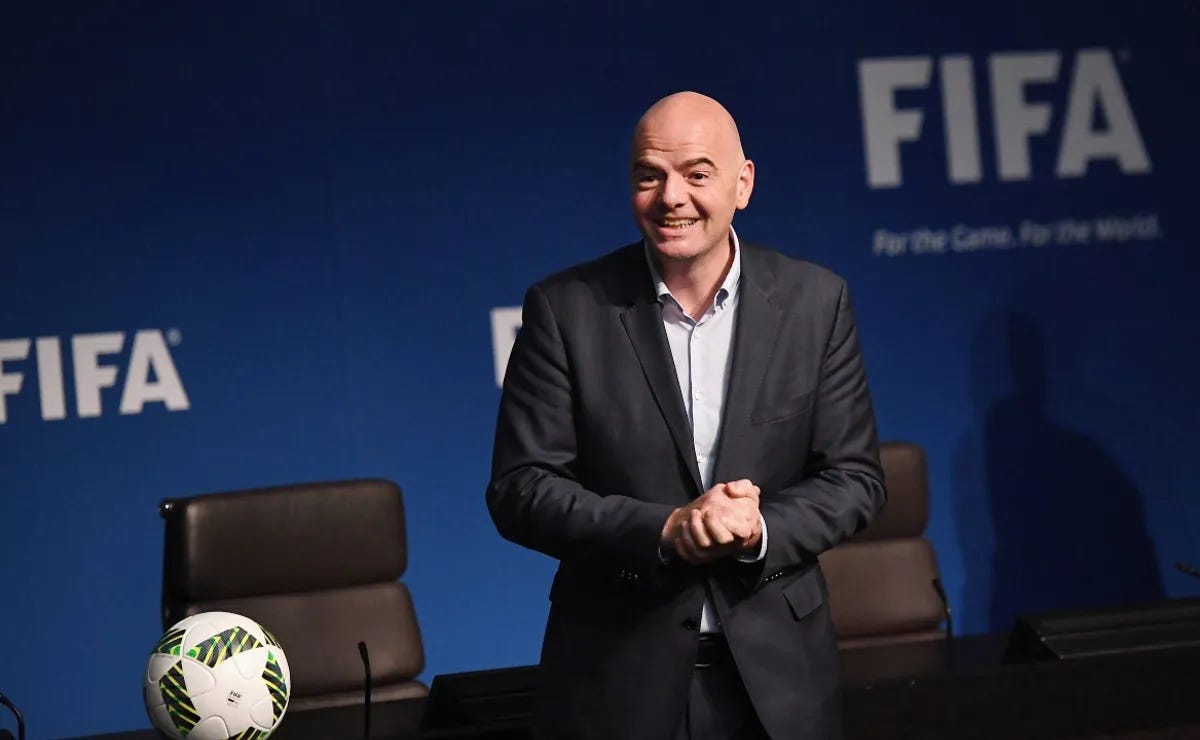
When FIFA proposed a $20 billion commercial spin-off this week, Western headlines called it “selling football’s soul,” but for 150 member associations across the Global South, it represents the largest capital liquidity event in modern sports history.
For anyone working on the ground, whether managing a regional academy, coaching a travel team, or navigating sports policy, a persistent paradox defines modern athletics.
For the past fifty years, the geography of Olympic and elite athletic success has closely mirrored the geography of global wealth.
We are living through an unprecedented structural shift in the global sports ecosystem.
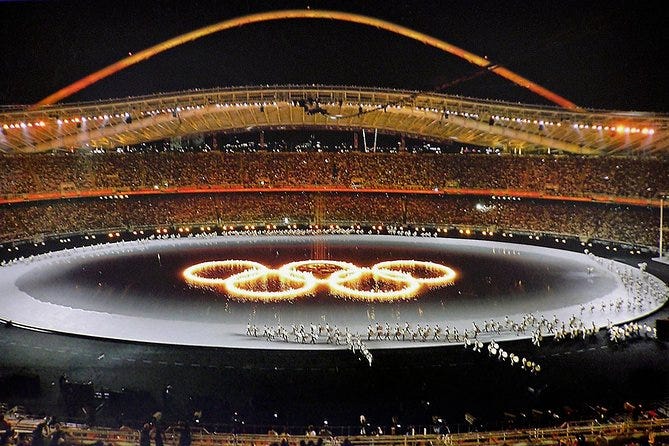
A newly introduced IOC Strategic Dialogue transitional stage will launch in March 2027 to determine the 2036 host city.
The definition of “critical infrastructure” is undergoing a rapid and fundamental expansion.
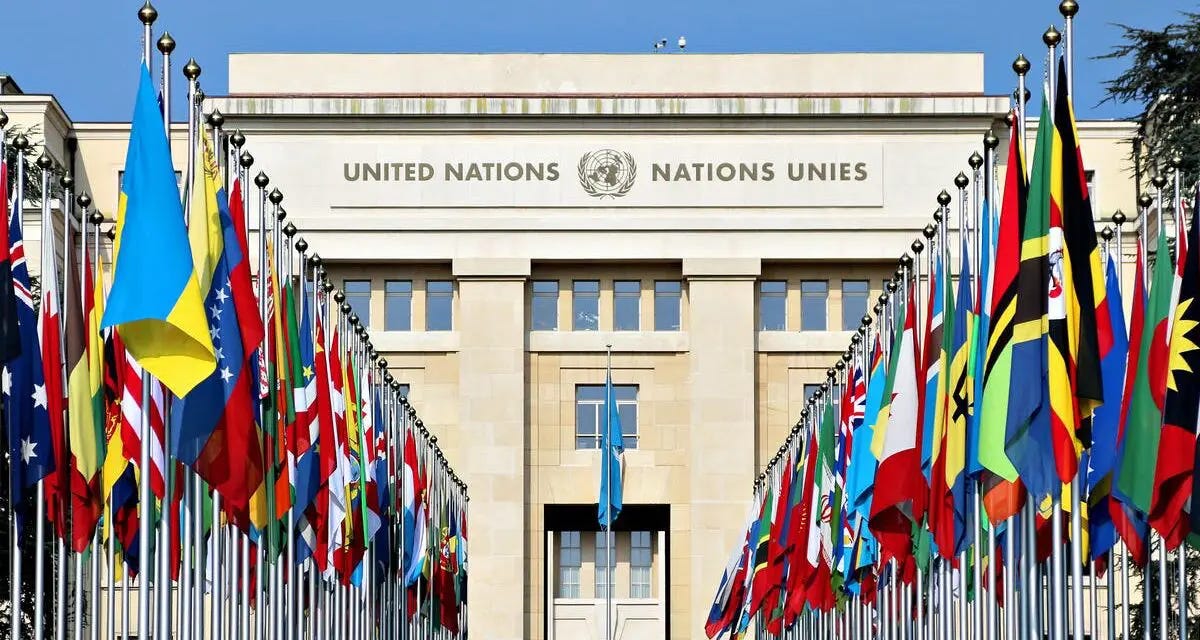
While the public eye is fixed on the pitch for the opening group stages of the 2026 FIFA World Cup, a far more permanent structural framework is quietly being finalized behind the closed doors of the United Nations.