
Back-to-back, Mara Dettmann makes another appearance, and she’s done it again, turning my long yaps and her own insights into practical lessons for everyone. In other, and still the best news ever, have you paid our “Best of Marketing” Index a free visit?
This newsletter is sponsored our friends at Tracksuit, the always-on brand tracker that tells marketers and agencies whether their work is actually building the brand. Get awareness, consideration, competitive position, updated every month. You’ll always have the proof to back your strategy.
Before you go further, Attention is like money – you can waste it or invest it. If you invest it in my paid newsletter, you’ll get dividends for years.
The Social Juice+ (more of what matters)
I’m not interested in decoding the mistakes Nike has made to be in the situation they are in. The chances of you having read someone else’s article on “How to fix Nike” are pretty high, including the fact, that article was probably a waste of time.
What I want to say is Nike’s downfall is almost non-existent. It’s often said… investors only care about data, and there are many stocks, like the AI companies, solely growing their positions through data.
But for Nike, data isn’t enough. Spoiler: Neither is controlling the narrative through marketing.
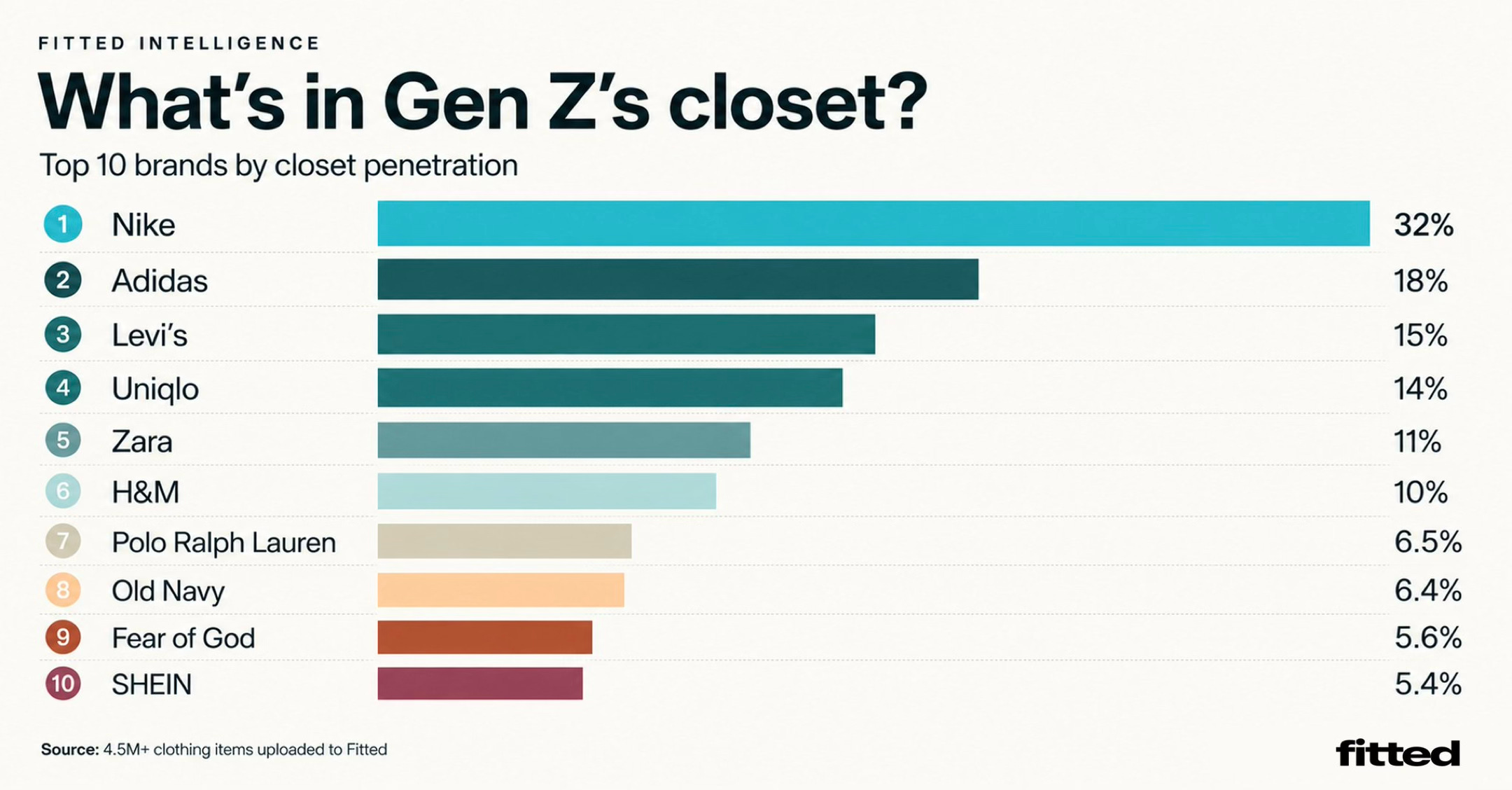
Every month or so, a new consumer report proves that Nike hasn’t left the top brands category for most generations, but that, too, isn’t enough to buy patience from investors, the stock keeps tanking.
What about marketing? Nike had “Why do it?” and the recent Knicks celebration campaign to motivate investors and potential buyers. As a brand, Nike has more connection toward the community and culture than someone like GAP and Crocs.
While, everyone loves GAP for struggling and going back to its ‘90s-2000s playbook. The same strategy didn’t work for them. The revival of legacy campaigns like Jordan’s Unbanned and return of characters like Swooshman changed nothing. It only worked for GAP because enough time had passed that revival of a fallen brand meant something.
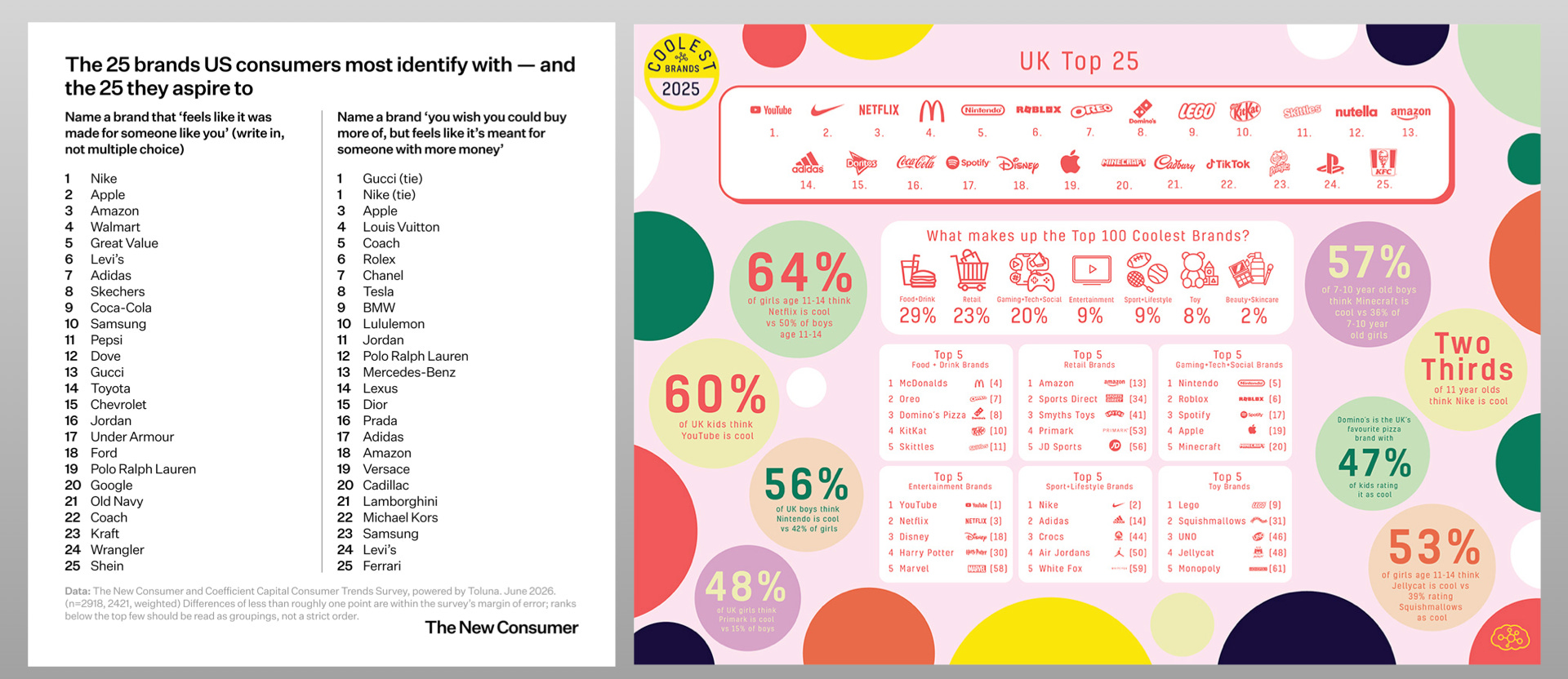
Nike’s story is much different… they are still at the top, all the while everyone wants them to reach even higher ground. The playbook that worked for older brands like GAP and newer brands like Hoka and On isn’t going to work.
I kinda agree with LeBron on what they need to do… start feeding more into the culture and build your roster from the ground up. The future of sports marketing is similar to what David Beckham mentioned about MLS… you have to build campuses where the talent is born, so you don’t have to go chasing athletes somewhere else.
“You’ve got to get back into the roots; you’ve got to get back to being out in the inner city,” James said. “When I was coming up, you had people that were literally out in the communities, talking and asking them what they like, what they don’t like, how they feel about this and how they feel about that.”
Even if they don’t do so… if the downfall continues, they will eventually reach a point where they can use GAP’s nostalgia playbook. Or Crocs’ IP-collaboration playbook, which they are already experimenting with, but with very little room for the IP to take over the conversation, which Crocs often allows the other brand to do.
Hold up, didn’t I say I wasn’t gonna try to fix Nike? My bad. Let’s get back to the problem that concerns everyone in marketing.
In partnership with Tracksuit
Brand investment remains one of the hardest things to defend in a budget meeting. Lucky for you, Tracksuit’s new study, “Return on Awareness,” and its free one-page brand investment plan can help you translate brand for the boardroom.
A much simpler story of Nike is capitalism. The stock market doesn’t care whether Nike is still in every youngster’s closet, it doesn’t care about the good campaigns. Investors bought into the story of infinite growth because that’s what Nike gave them for like decades. And now, they literally don’t have the patience for Nike to figure out its future.
On paper, Nike is making all of the right moves, but the market is still not impressed. And they are not alone. At this point, we all know there is a recession, which is not really a recession because the Wall Street boys are printing the money.
A majority of consumer-focused stocks are struggling, even when their sales are going up. The reason?
If you haven’t heard, there is a new age of investors who are basically gambling, and they pick and choose between data and storytelling. One quarter, they invest against the narrative changing; the next one is about data and profit. So, when companies make obvious pricing and hiring changes to answer their investors, some of them come back and say, hey, we don’t like what they are saying on TikTok, so we’re out.
This also means part of the narrative evaluation for investors is consumer trends and, more importantly, the AI hype train, which some investors specifically use to drown companies until their next announcement is the one about AI, so their stock positions rise to the moon.
In Nike’s case, the brand is still dominant in all spaces, but the panic around its performance has been building for so long that every stock report you read talks about such niche topics as the success of running clubs and Nike not being cool in some random city in the world.
The same market that panicked about Adidas after seeing the marketing spend and couldn’t wait another quarter to see the fruits of the brand-building done during the World Cup is saying, oh, if only Nike were big in running, then the stock would be performing better. Who’s going to tell them that would also take quarters to reflect in the earnings?
Nike’s story is a wake-up call for everyone working in marketing and brand-building. The gaslighting being done by investors, and then later by media think pieces, is probably going to ruin your brand if you actually do what they say. The people in markets and media, including me, will always cater to their own biases and try to decode what went wrong.
Some will blame the decline of cool, others will blame performance marketing, and so on. While the reality is often much different and lamer than expected… just a brand losing its strong position after not one or two, but many internal mistakes made over a decade.
Long story short… the stock market has never been nice to marketers and creatives trying to build a brand. It’s only gotten worse, with even good financial performance not being rewarded, and you already know the story.
In all scenarios, every quarter you are asked to do more with less and listen to people like me on the internet yap about how you fix your brand. All that said, it’s not a sin to give it a listen, but keep your brand and front-facing problems closer than the voices talking about the brand.
Disclaimer: I got so riled up that I didn’t check the 2021 publish date of the article I critiqued for being biased about Nike in 2026, so please keep that mistake in mind as context for what’s below.
As I made the silly mistake of opening Twitter and seeing the Nike discourse, I was introduced to this article titled “Nike’s End of Men,” which is beautifully written but is also a great example of how everyone decodes what went wrong by catering to their own biases.
This write-up primarily focuses on Nike losing its masculine identity, the branding brought to the brand by the likes of Michael Jordan and Kobe Bryant. It compares the Nike of today to the Nike of yesterday while completely ignoring consumer sentiment.
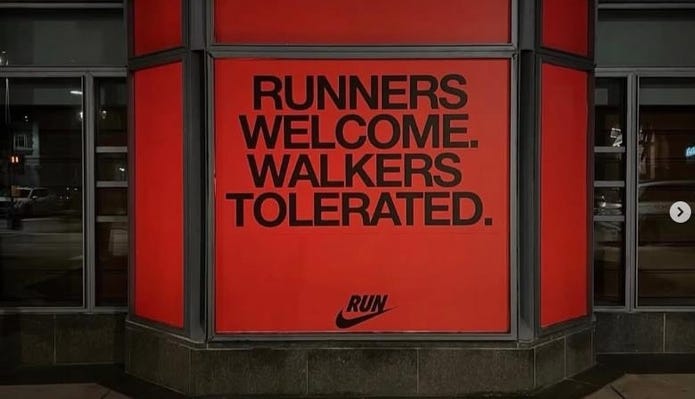
Yes, the Nike ads we see today aren’t as aggressive as they once were, ignoring the fact that people literally boycotted them for being too bold with their copywriting at recent marathons. But who is aggressive? Under Armour literally failed hard with its aggressive football campaign last year, and its latest advert about being relaxed is getting all the love.
On Running is built on a platform of joy, they literally had Elmo as their temporary mascot. ASICS and New Balance have always been non-toxic, with their campaigns focused on mental and physical health. Adidas is doing “You Got This.” The only brand platform close to being toxic or bold is Anthony Edwards’ “Believe That.” Hoka, Bandit, and Salomon are brands built on community.
Literally, who the hell is taking market share from Nike by being too bold and toxic like its old self? A majority of that post ignores not only the market dynamics, but also the cultural reality.
Individualism is at its peak... you can’t just have a single persona to win over everyone.
There is no monocultural star in most sports, and those who are mainstream don’t want a cocky platform like Jordan’s. The media doesn’t leave LeBron alone for just existing, can you imagine if he acted toxic?
Athletes want creative control, and they have it. Nike or Adidas can’t push their roster to behave a certain way in their ads or elsewhere.
Lastly, I would say that, based on the cases and gossip still turning up at Nike, they have enough toxic people at least waiting for the opportunity to switch the brand strategy.
This story is one of biases and fiction. Your brand doesn’t need to struggle to be critiqued and reimagined. The job market is so bad that almost everyone trying to get work on social media is writing about how they would run an XYZ brand. It’s one of the most popular genres of marketing content… creative directors using AI to imagine brand collabs, strategists critiquing brand strategies, and marketers giving away free ideas.
If you happen to work at brands like Nike, Adidas, Rhode, and others, you’ve seen videos of creators putting your brand into their own universe and cooking up random collaborations.
Everyone’s got an idea, no one has the answer to the problem. Because no one is trying to solve one. Most people, including me, are critiquing brands as creators first, to sell our thinking, that’s the bias part. The fictional part is that we have to brainstorm free ideas again and again before finally settling on something relevant to the online audience of that particular brand.
And wooing the audience is easier than solving a problem. You only need to follow the rules of taste slop and turn it into brand collab/strategy slop. As Emily Segal, who coined the term “tasteslop” describes it… “Tasteslop is slop made out of things considered tasteful.”
A majority of fictional ideas and strategies are flawed because they try too hard to be tasteful by focusing on brands that are currently considered to have taste.
An increasing number of collabs feature brands like Rhode, Skims, and Olipop. Or their collaborators are Katseye, Charli XCX, and Hudson Williams. Do we see the pattern here? It doesn’t matter, that’s still not the actual problem with these ideas.
Problem: Brand Fiction often uses the XYZ brand and its collaborators as a mockup and keyword to attract and charm a new audience. It doesn’t try to solve a problem that the brand faces in the current market.
It is a marriage between the token brands considered to be “tasteful” and ideas that defy the rules every creative and strategist has to follow.
Our good friend… Mara Dettmann is back to give you a more concise and less pessimistic take on brand fiction, leaving you with a practical takeaway.
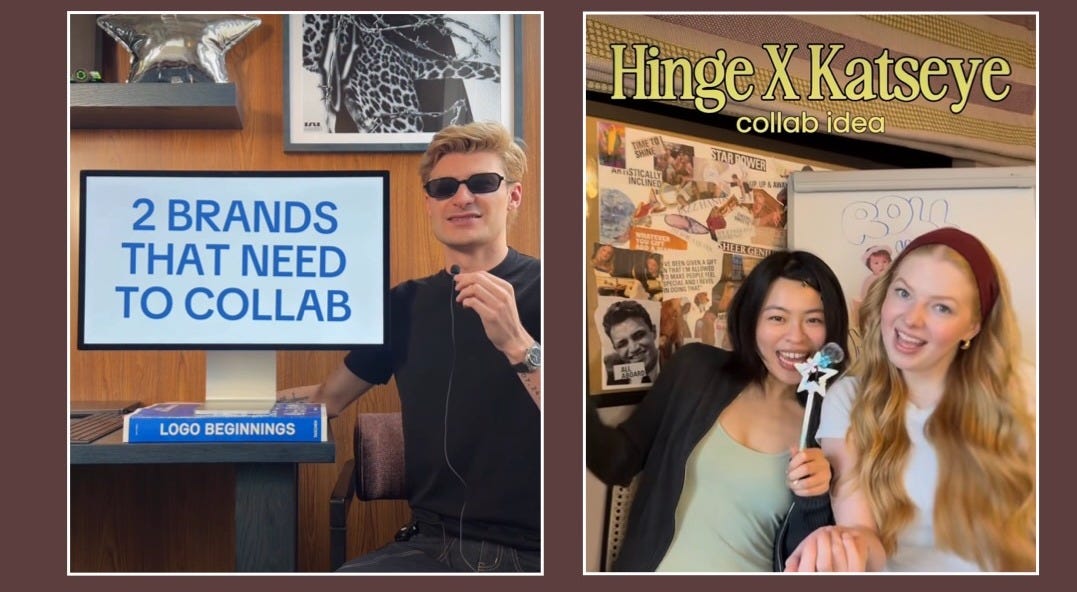
Ultimately, all this content falls into two categories:
Brand fan fiction
Speculative products (including merch), redesigns, campaigns, or stunts
Often with a focus on potential collaborations with other brands
Brand strategy fiction
“Why this [generally globally successful] brand will fail” narratives
Which often lead to “Here’s how I’d fix this brand” strategies
The “why” is easy.
Brand fictions let creators borrow a brand’s existing attention. Since algorithms reward clear stories, “This brand will be DEAD in five years unless it follows my advice” is a lot more gripping than “this brand faces a complicated set of market pressures.”
Despite the rise of reactive wins, real brands still tend to be slow and cautious – while brand fiction lives unburdened by budgets, logistics, legal teams, or commercial objectives.
The “why now” is messier.
Firstly, I blame actual collaboration and “weird brand merch” culture.
Years of real-life unexpected brand partnerships have trained us to accept improbable combinations – Elf x Liquid Death gained attention at least in part because it seemed like an absurd fit in 2024 (but it was such a smash that they went for it again earlier this year); bucket hats that can also hold things of fried chicken were novel in 2019, but have since been surpassed by much more bizarre innovations.
But also: Gen AI.
For brand fan fiction, auteurs’ prospective products and campaigns are just a few prompts away – while the writers of brand strategy fiction can write their diagnostic scripts just as quickly.
And don’t forget: marketing is at a brutal time
Brand fiction allows the auteurs to distinguish themselves as experts. Isn’t it impressive that they’d think of this kind of product? And that they’ve keenly analyzed the brand’s business situation and found a plausible solution?
As for the implications
Brand fiction is, overall, not the worst news for brands – people clearly care enough about them to create this content, and for others to watch it.
The trickier part is that the featured brands are now competing with the imaginary versions of themselves – imaginary versions which can take bigger risks (at speed) and be almost indistinguishable from the real thing to the casual observer.
And the answer isn’t to make viral fake combinations real. Brand fiction is most useful as a signal of the role people want the brand to play – where the cultural imagination is accumulating around your brand.
Basically: it’s free consumer research that tells you what role people want your brand to play.
But that’s also why marketers should be cautious about creating brand fictions themselves. Jasmine Bina recently quoted cognitive scientist Dr. Mark Miller: “We are primarily truth-seeking organisms.” It’s the strategist’s job to find real signals and draw honest connections and conclusions. If we start making up these signals, we undermine what makes brand fiction useful – our job is to find the truth inside brand fictions, not make them harder to separate from the truth.
Alternative takes :/
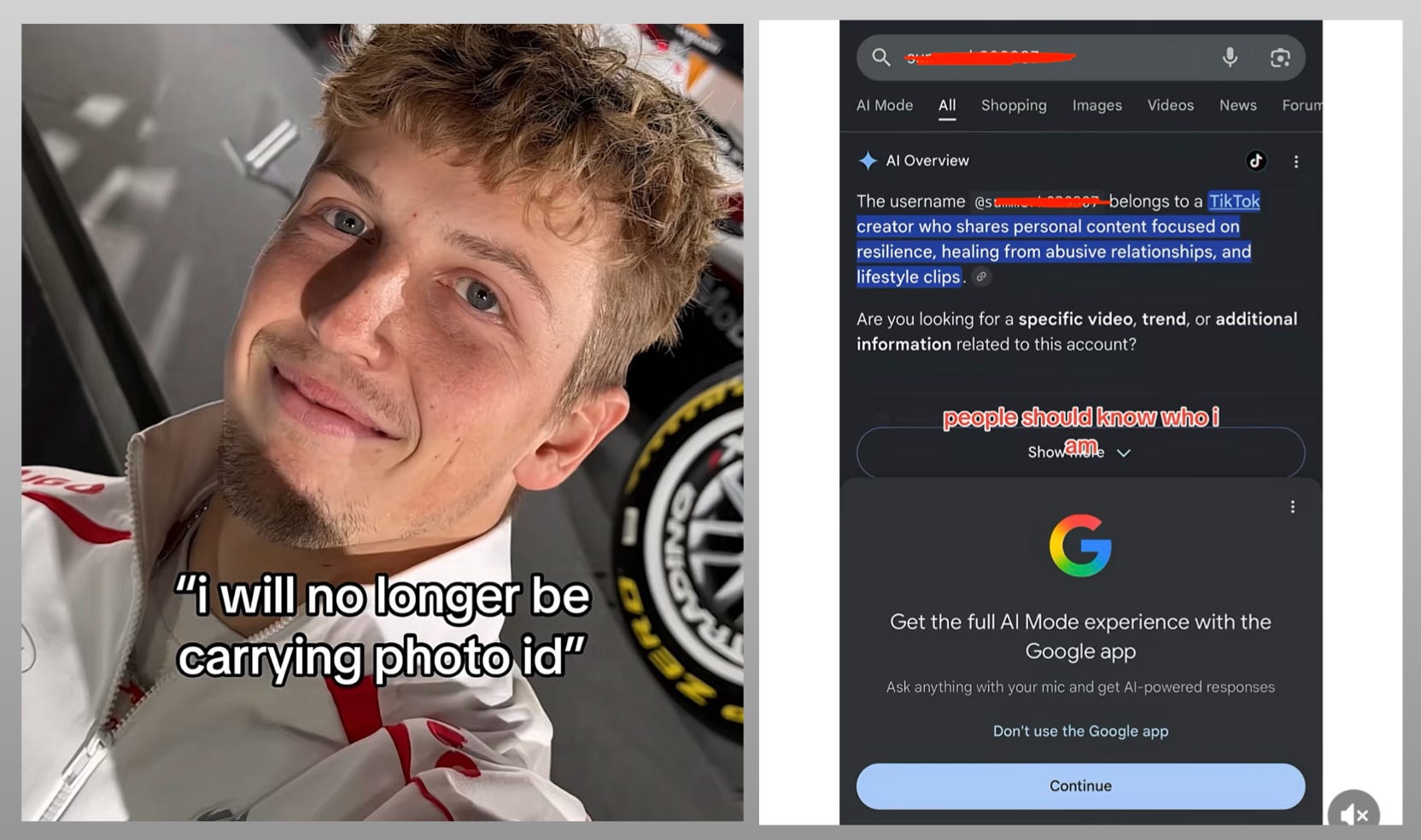
A TikTok trend has given Google’s AI Mode more success than their TV campaigns and fake promises to news publishers. I guess… all they needed was to ask AI to summarize random social media profiles, and 100s would post screenshots endorsing the use of their AI search feature.
Or maybe this is also a paid UGC campaign, as the TikTok trend includes multiple formats… people posting screenshots of their Letterboxd profiles and posts liked by celebrities. Only recently has the trend become about Google’s AI Overviews.
I don’t think y’all get that Vogue USA is literally the perfect example of where brands and marketing are in 2026. That ragebait cover and their past work, in comparison to Vogue Portugal or British, are the strategy for staying relevant and mainstream... because outrage is the only source of appreciation that exists.
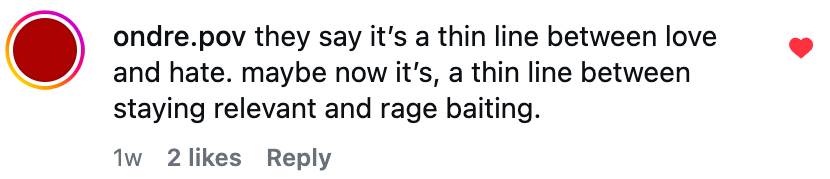
When I posted this take to my Instagram, one of the responses was that ragebait doesn’t convert well for most businesses. And that’s true for some brands, but brands like Vogue have so much distribution and differentiation in how their different departments operate that the attention created by ragebait converts really well.
Similarly, a lot of other major brands that go through layoffs and other scandals often recover pretty well on social media, as most people understand some of the nuances between what goes on Instagram and what happens at the actual company.
P.S. For those unaware, here’s the Vogue’s September cover. It being bland may not look like a major issue, but it surely is, as fashion magazines’ september covers are often considered the most important of the year.
P.P.S. Kinda felt too proud after writing this line… “Outrage is the only source of appreciation that exists.”
Back on Sunday. Until then…
Comments
Nothing yet. Say the first thing.
Sign in to join the conversation.