
Happy Friday, writing friends!
This week was a 📕Books with Hooks🪝segment on the podcast where the hosts discussed an upmarket coming-of-age about a teen questioning purity culture, as well as a speculative romance set in a future matriarchal society. Make sure you check out Tuesday’s edition for the written critiques!
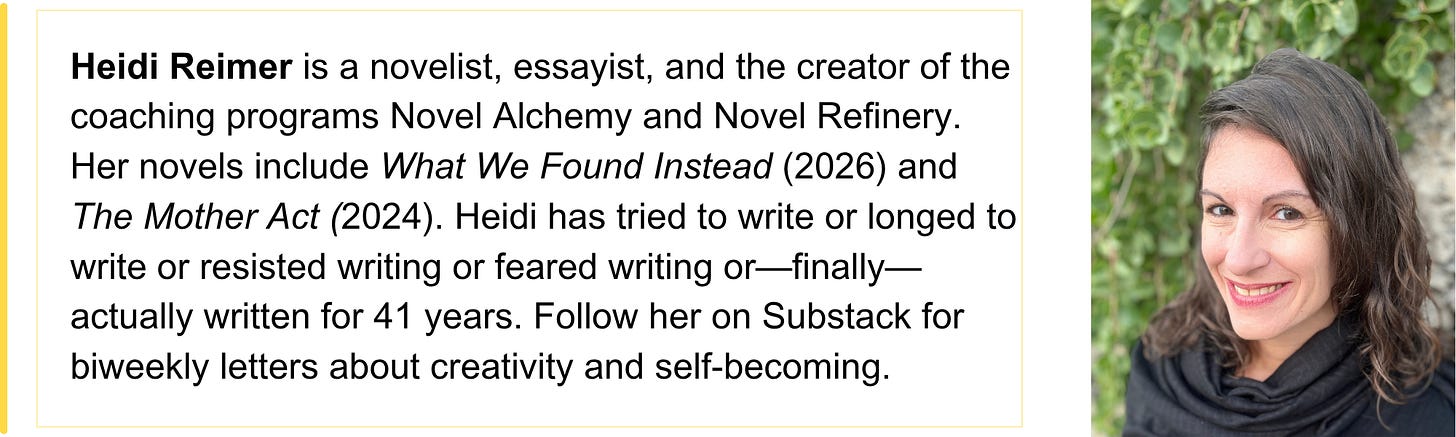
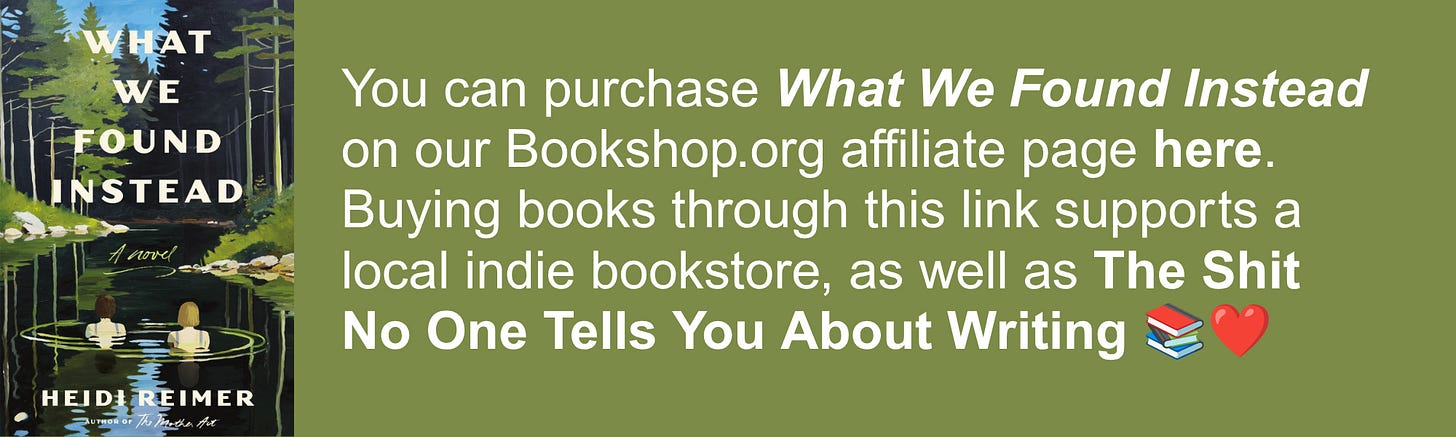
Heidi Reimer, author of What We Found Instead, pens an excellent essay titled Unlikable or Just Honest & Complex? How to Create Flawed, Human Characters:
“An unlikable woman is a woman who doesn’t conform. She has rejected the “shoulds” that hold the status quo in place—and that do so by keeping her small and compliant. She isn’t obeying the feminine directive to play nice, keep the peace, attend to all the needs. Maybe she’s in a process of rewilding herself, discovering who she is underneath a lifetime of conditioning and expectations. This kind of woman makes a lot of us uncomfortable.”
Check out the super interesting and constructive questions Heidi suggests you ask when creating character.
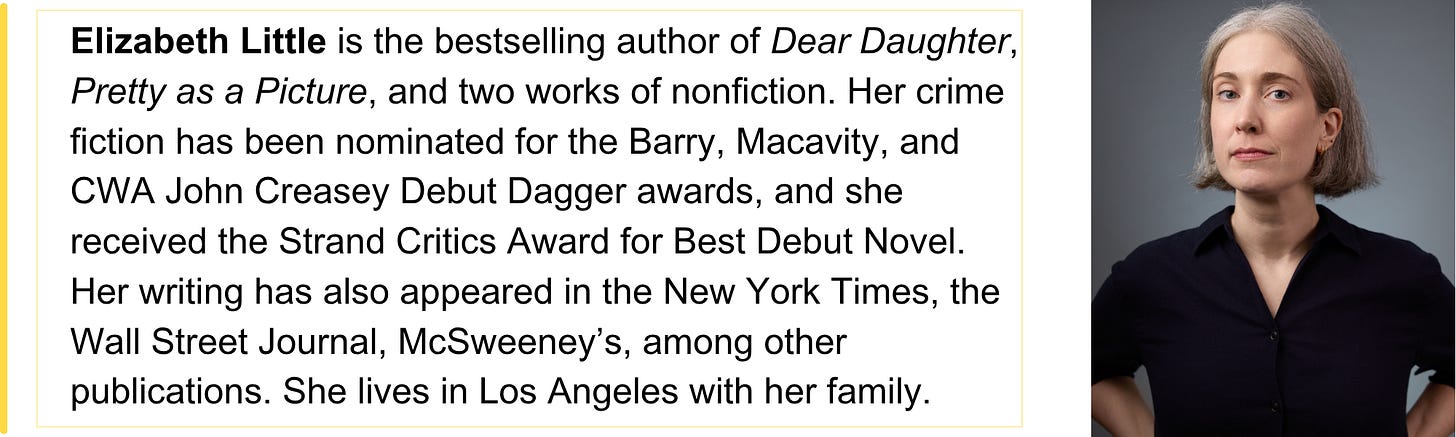
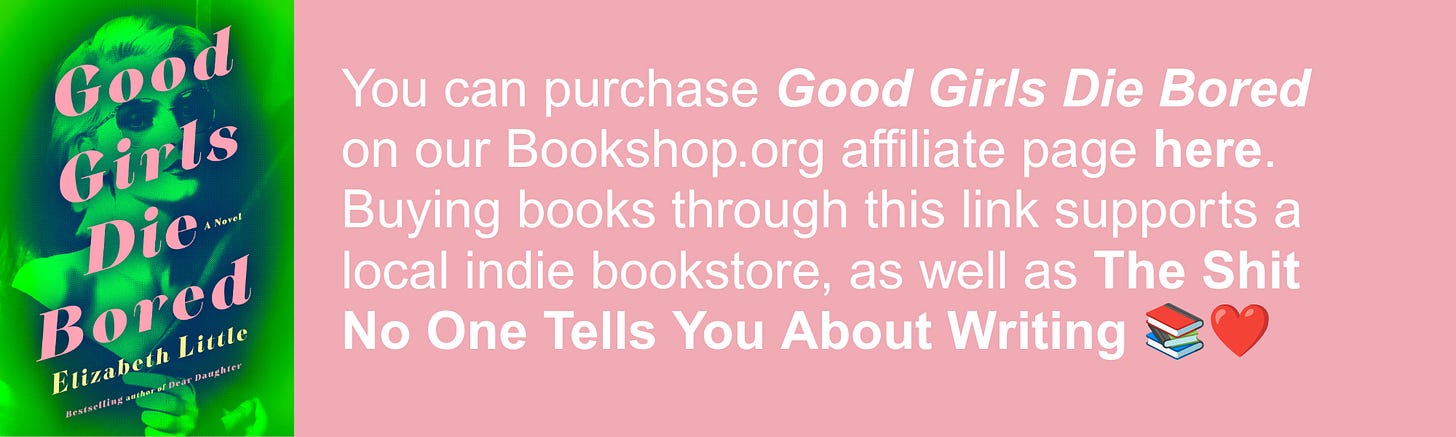
Our Q&A is with Elizabeth Little, author of Good Girls Die Bored:
“I spent years trying to hone in on a singular, optimized writing routine, convinced that one day I’d crack the code and finally become the book-a-year writer my bank account so desperately needed me to be. And for some lucky people, I truly believe that routine is out there! But I’m not one of them. Instead, I’ve had to come to terms with the fact that for my unruly, pain-in-the-ass brain, consistency can be counterproductive. So my writing routine these days is whatever works for me.”
The rest of her answers are incredible too!
Then, Bianca is running another All About Fantasy Virtual Retreat aimed at writers working in the spaces of fantasy, romantasy and dystopian fiction! It’s a 6-week course happening from the 30th of September to the 4th of November, at 7-9pm ET each Wednesday evening.
Keep scrolling to see the amazing line up and awesome presentation topics!
Also, if you’re an agent and would like to be profiled for our Meet Your Dream Agent segment, please email Bianca at theshitaboutwriting@gmail.com.
Finally, don’t forget that the Beta Reader Match Up registrations are open!
That’s all for now. Thanks for reading! ❤️
The Shit No One Tells You About Writing Team
P.S. Still not sure about upgrading to paid? Check out our Tuesday Teaser below to see what you’re missing!
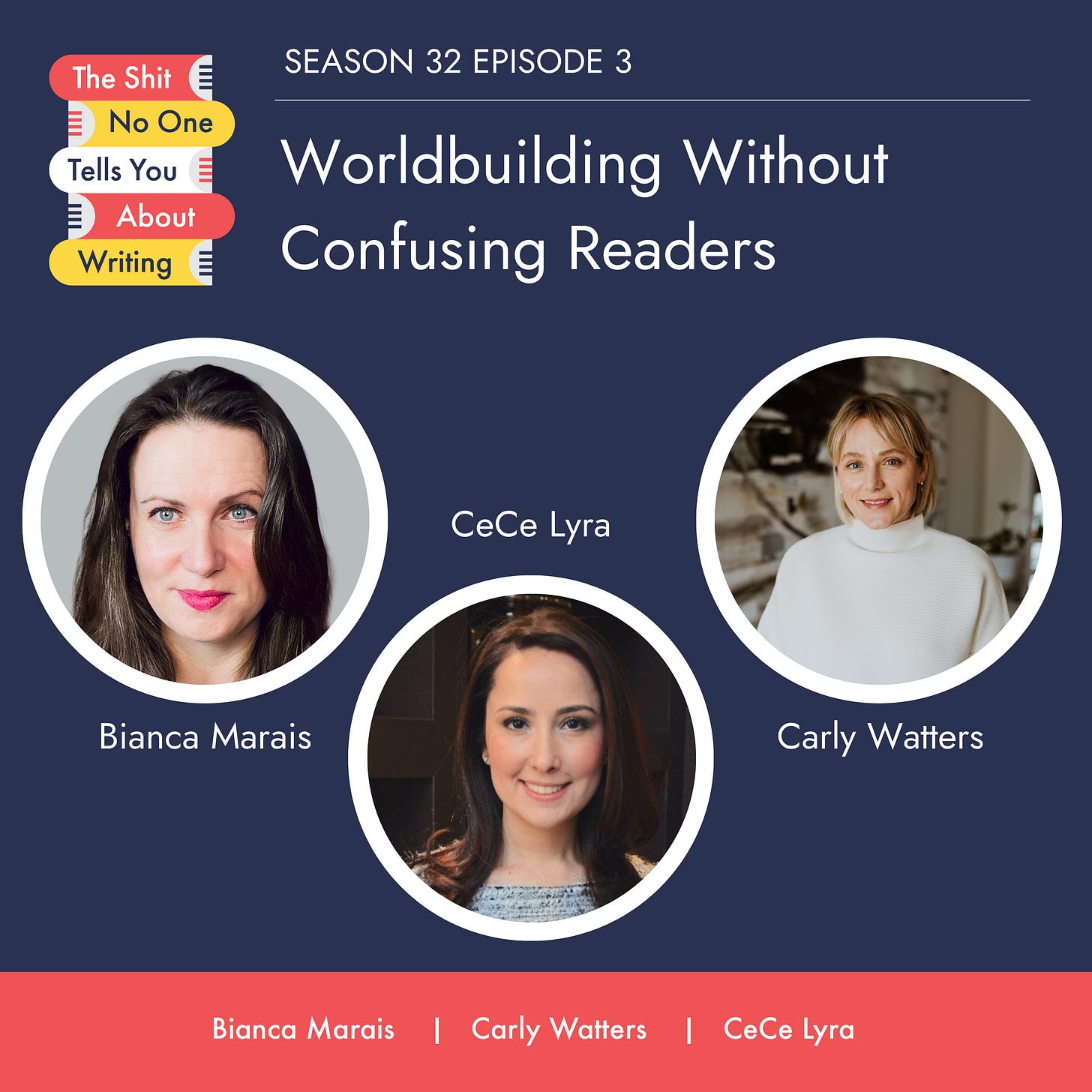
This week on the podcast (listen to it here or watch it on YouTube!), we have another Books with Hooks segment! CeCe, Carly, and Bianca critique two submissions: an upmarket coming-of-age novel about a teen questioning evangelical purity culture and a speculative romance set in a matriarchal future society. The discussion touches on the importance of specificity in query letters, balancing character and plot, choosing the right title, and clearly establishing a protagonist’s place in the world. The hosts also explore the challenges of pitching memoir-inspired fiction, worldbuilding in speculative novels, and how curiosity, tension, and interiority keep readers invested from page one.
“A protagonist that we connect with is a protagonist that feels so real on the page. You are like ‘this as a person that I could run into it in the grocery store’. And that comes from meatiness and frameworks in interiority.”
-CeCe Lyra
There’s a trend in Goodreads and NetGalley reviews of my two novels: A not-inconsequential number of readers want to give my protagonists a good, hard shake. Apparently I’m adept at creating characters who are frustrating. Maddeningly prone to acting against their own best interests. Disturbingly gray in their abundance of nuance and their very real flaws. Even, dare I say—that dreaded death knell for a woman (real or imagined)—unlikable.
I don’t experience any of my characters as unlikable. My deepest goal as a novelist is to get inside a human psyche, to explore what drives this person, what scares them, what made them. Why do they do what they do? Why do they feel how they feel? What is it like to be them?
When I’m writing, likability doesn’t enter into it. I prefer to think in terms of complexity and honesty.
But maybe that does, yes, result at times in some unlikability—especially in female characters.
An unlikable woman is a woman who doesn’t conform. She has rejected the “shoulds” that hold the status quo in place—and that do so by keeping her small and compliant. She isn’t obeying the feminine directive to play nice, keep the peace, attend to all the needs. Maybe she’s in a process of rewilding herself, discovering who she is underneath a lifetime of conditioning and expectations. This kind of woman makes a lot of us uncomfortable.
My second novel, What We Found Instead, came out at the end of July. It’s structured around dual protagonists thrown into a circumstance that initially pits them against one another, and they’re definitely seeing each other’s most unlikable traits: Two women—guarded, critical Eve and impulsive, love-hungry Maggie—discover they’re in a relationship with the same man and are forced to confront the truth together.
They each have their own conflicting version of events, their own very different perceptions of their man and their relationship. Each is grappling with a devastating revelation and acting out of wounds. Which means that Eve is pretty harsh toward Maggie, possessive and judgey, quick to pull up the drawbridge around the fortress of herself. Maggie can be reckless and insecure, and she does some wild shit from that place. She worries she’s too much. She’s looking for love in all the wrong places.
I have been or known both these women—and early readers are telling me that they have too. Maggie and Eve have plenty of good qualities, and they become more grounded and emotionally aware as the story progresses, but they’re also messy. They are, I think, real.
But I don’t experience them as unlikable. I don’t even dislike their mutual cheating boyfriend, though my editor delighted in a passionate hatred of him, leaving me comments in the manuscript that made me laugh out loud, along the lines of “Karl can burn in hell!!” The book has only just been published, so we’ll see what the readership concludes, but even he is a character I was always working to understand and to portray with empathy. After laughing at those “burn in hell” comments, I tried to go deeper with him, too: What’s underneath the behavior? What needs or fears are driving him?
What We Found Instead isn’t my first foray into writing complicated women. In my debut novel, The Mother Act, one of my two main characters abandons her young daughter, among the most unforgivable sins a woman can commit. The challenge I set myself as I wrote was to portray her life experience so clearly—her enculturation, her wounds, her fears, her dreams—that by the time the reader arrives at the page where she physically walks away from her daughter, they are with her in that action. I wanted the experience of empathy to be so immersive that a reader who started out in judgment of this woman might feel, in that moment, that walking away is the only thing she could do—and maybe even a thing they might do, if they were in her shoes.
It was an ambitious goal. Some readers felt deeply seen by her bold stating of the things mothers aren’t supposed to say, by a sympathetic portrayal of a woman who doesn’t want to be a mother and brazenly interrogates motherhood myths and taboos. Others found her unforgivable. In interviews, I was called upon to defend or deride her. One interview with the host of a books podcast—an older white man—became uncomfortable as he pressed me repeatedly: “But do you believe Sadie is redeemable?”
I believed Sadie was human, with a complex past, ambition that felt essential to her very being, a systemic lack of support, an unfair weight and inequitable expectations on her.
“But do you believe Sadie is redeemable?”
In the final cut, that portion of the interview was edited out.
Ultimately, I don’t think the notion of likable/unlikable is useful to us as writers. There are far more interesting and constructive questions we can ask when creating character. Questions like:
Am I telling the truth about this person?
Am I avoiding something about this person because it makes me uncomfortable or hits too close to a truth within myself?
What deeper layers have I not uncovered yet?
If you’re trying to complicate your own characters, here are a few approaches that have helped me:
Work from the inside out.
Knowing your character’s height or favorite food can be a useful starting point if you’re really feeling around in the dark trying to understand this character, but I find that inner drivers, desires, and fears are more fruitful terrain. What does your character want, what do they need, and are those two things in opposition to each other? What deeply embedded misbeliefs are they holding? Why?
In my novel coaching program, I use an exercise I call Main Character Therapy (to be followed, if needed, by Couple’s Therapy or Family Therapy). Imagine you’re a therapist and your character has walked through your door for their first session. What do they say as they sit (slouch? perch? lounge?) on your couch? Why have they come?
You’re not making anything up—they’re already a fully formed person; you just don’t know them yet. Start asking questions, create a safe environment for them to answer, and listen for what they say.
Know your characters’ pasts.
Even if only a small amount of backstory appears in the book, you as the author want to have a full understanding of the forces that made them. The family of origin, the formative childhood experiences, the choices in early adulthood, the core wounds. These have all shaped who they are now, whether they’re conscious of it or not. And the struggle they’re facing in the main plot likely had its start way before the opening page of the novel.
Use a personality typing tool like the Enneagram.
The Enneagram is especially rich for unlocking your characters’ psychology, their motivations, fears, desires, armor, and unconscious patterns. It can tell you how a character might behave in times of stress and what healthy integration might eventually look like. It can help you strengthen and complicate character relationships by showing you the ways each type tends to interact with—or butt up against—other personality types. And the system is so dynamic and multi-dimensional that it doesn’t feel like you’re creating stereotypes.
Understanding my characters’ Enneagram has also informed my plots…like when I realized I had something all wrong not because it wasn’t good plot but because an Enneagram Two would never behave that way.
All of these approaches can help you begin uncovering deeper layers in your people. And soon you, too, can have a novel populated with characters so annoyingly, humanly, gloriously flawed (and yes, perhaps even unlikable) that readers want to shake them!
TSNOTYAW: What is your writing routine? Do you light a scented candle, turn on background music, write in silence, prefer a coffee shop or your writing desk at home? What about your practice works for you and why?
Elizabeth Little: I spent years trying to hone in on a singular, optimized writing routine, convinced that one day I’d crack the code and finally become the book-a-year writer my bank account so desperately needed me to be. And for some lucky people, I truly believe that routine is out there! But I’m not one of them. Instead, I’ve had to come to terms with the fact that for my unruly, pain-in-the-ass brain, consistency can be counterproductive. So my writing routine these days is whatever works for me. Until, of course, it doesn’t.
Sometimes that means I go to a coffee shop with a friend; other times I sit in the dark with my noise-canceling headphones, Dancing on My Own on a loop. I’ve been known to take hour-long thinking showers, to go for walks around the reservoir while dictating notes into my phone, or to break out pen and paper at a food court in a mall while my son’s seeing a movie with his friends.
And when I inevitably start to lose focus, I’ll switch something up. If I’ve been sitting for a while, I’ll get up and move. If the computer’s not doing it for me, I’ll break out my notebook. If I’ve stalled in my office, I’ll head to the kitchen table and turn the TV on in the background. My theory is that adding a new sensory input is kind of like handing a toddler an iPad or lobbing a dog one of those peanut butter-filled plastic things—it gives the distractible part of my brain something new to occupy it so I can get some work done.
(I also suspect that the brain works in slightly different ways depending on whether you’re typing, handwriting, or dictating, but the last time I took biology was in 9th grade, so don’t quote me on that.)
But even when I’m at my most flexible, my most productive, my most creative, I’m nowhere near that book-a-year mark. And that’s something else I’ve had to come to terms with: the gap between my expectations and my abilities. If I can’t set reasonable goals for myself, I’m never going to be satisfied with my routine, no matter how perfect it may seem. This one, admittedly, is still a work in progress. I know I should be kinder to myself, but also ... capitalism? If anyone has any clever fixes lmk!
How do you feed your creativity? Particularly in the face of rejection or difficult feedback?
I read A Room of One’s Own way back in high school, and there’s one line in it I keep coming back to all these years later: “One cannot think well, love well, sleep well, if one has not dined well. The lamp in the spine does not light on beef and prunes.” I think about this all the time: what will light that lamp in my spine? I suppose sometimes it is really is simple as good food, something to really wake up your senses and remind you of the visceral pleasures of being alive or whatever, but for me, I think it’s more about what I’m feeding my brain—books, movies, TV, music, etc. So I’m very deliberate about setting aside time for media that’s weird and wonderful and challenging and delicious. In practice, this means I read at least two hours a day across a variety of genres, listen to new music playlists whenever I’m alone, and occasionally even let my husband—whose favorite director is Ingmar freaking Bergman—pick which movies we watch. And I’ll try any TV show once.
But that’s just day-to-day creative maintenance. When I’m smarting from a bad review or a rejection—which I often am, because no matter how long I’ve been doing this, I still get super sad if I fail to entertain someone—I have other ways to refuel. First, I’ll rewatch or reread a movie or book or show I absolutely adore. (And I don’t mean something that’s merely pleasant, I’m talking real outliers here, something indisputably lovely like The Princess Bride or Paddington 2.) Then, I go online and dig up all their negative reviews.
And I always find them, because no matter how good something is, everything is not for everyone. I find it incredibly reassuring. If a work of actual genius can’t satisfy everyone, who am I to think that I can? On the flip side, just because I failed to reach one reader doesn’t necessarily mean I won’t be able to reach others. (I actually did this just the other day, when I learned that Publishers Weekly was not a fan of my newest book. Did you know there are people out there who think Widow’s Bay is only mediocre??)
What’s your editing strategy? Do you edit drafts in phases, paying attention to specific elements of craft and storytelling with each round of revision, or do you tackle everything at once? Do you still use beta readers during the editing process?
Even though I’ve written five books now, I still find the process to be pretty daunting. So I try to break everything up into chunks—the outline, the draft, the revision. If I ever stand back and look at the whole thing at once, I kind of want to go back to bed and never come out. But if I limit myself to glimpses of discrete, actionable tasks, I can more or less handle it.
I think this is particularly useful when I’m editing, because it lets me focus on one issue at a time. I always start with a round of developmental edits—broad-picture stuff like overall story and pacing. Usually what I do is collate all the feedback from all my trusted readers (or from myself, if I’ve chickened out): I dump everything into a single doc and then sort it all into more manageable categories. So maybe I’ll have one pile of plot holes and another pile of backstory inconsistencies. I’ll probably break those down even further—by storyline or by character, maybe—and by the time I’m done, I’ll have a rough sense of which changes are going to be the most and least difficult. Then, when I start working through it all, I can pick a pile to match my energy levels. If it’s the first thing in the morning and I’m full of enthusiasm, I’ll probably tackle one of the trickier sets. If it’s the late afternoon and I’m flagging, I’ll stick with a couple of quick easy wins. It’s so important to pace yourself when writing a novel. Because it’s neither a marathon nor a sprint. It’s more like some unholy combination of the two.
Once I really feel like I have the plot nailed down, I’ll move on to a line-editing pass. This one I’m usually comfortable doing on my own. Typically, I’ll print out the draft and mark it up in pen, moving through it chronologically, but if there are a ton of changes, I might switch to a tablet. Sometimes I’ll even use different highlighters to identify issues with dialogue, description, action, or emotion, and then I’ll work through each category one by one.
Without fail, at some point during this stage, I will realize that I did not, in fact, have the plot nailed down, and I will have to dip back into developmental edits. But that will happen less and less as I comb through the manuscript, and by the time I get all the way to the end, it’ll finally be ready ...
... for copyediting.
What do you do when your editor, agent, or publishers want to take your book in a new direction? How do you decide when to listen and when to push back?
My feedback philosophy is that every single note tells me something important. If my editor, agent, or publisher wants to take my book in a new direction, that doesn’t necessarily mean we actually need a new direction—it just means the current one isn’t working somehow.
While I’m very lucky to have incredibly talented editorial professionals at my side, no matter how unerring their instincts, they’ll never be able to know the story and characters as well as I do, and their notes just aren’t always going to resonate with me as a result. But whether I agree with it or not, a note is still an indication that the reader is bumping up against *something.* It’s my job to figure out what that something is.
A very simple example: my editor cuts a joke because it isn’t funny. I see it and think, “incorrect, this is hilarious, and I will die on this hill.” Early in my career, I might have just stetted the change and moved on, but now I force myself to pause to diagnose the real problem before settling on a solution. Maybe the joke doesn’t land because the scene is poorly paced. Or the character motivation isn’t clear. Maybe I left out important context, but every time I read the joke back to myself, I was unconsciously filling in the gaps. Ultimately, I might still stet that change—but not without making adjustments around it.
It’s not the note that matters, really. It’s the intention behind the note. If I can just keep that in mind, I’m almost always able to find solutions to editorial quandaries.
What tips do you suggest for differentiating the “voice” of different characters when switching perspectives?
Even though I write in no more than one POV per book, I’m always thinking about voice and perspective, how to better differentiate the ensemble, and how to make sure I’m not writing the same protagonist over and over. The single most useful piece of advice I’ve ever come across on this subject is a tip that Quinta Brunson, the creator of Abbot Elementary, said she learned from Larry Wilmore: if you put a five-dollar bill in the middle of the floor, every character should pick it up differently and do something different with it. So whenever I feel myself losing control of my characters’ distinctions, I run through that exercise (or something similar) with them.
It can also be useful to develop a detailed profile for each of my characters—there are plenty of templates for this kind of thing online, but I don’t think you need a form to do this. Just pick a few categories that resonate with you, like maybe their favorite song or TV show or what their bedroom was like growing up, and fill them out for all your characters. As you go through the lists, you’ll probably find yourself distributing traits to each character in a consistent manner. It’s kind of like putting together an outfit. You may not be able to put your sense of style into words, but when you actually do it, you’ll still have an intuitive sense of which pants go with which shirts.
If, after all this, I’m still finding it hard to really zero on in what makes each character unique, then I’ll look to famous existing ensembles for inspiration—the Star Trek Three, the Sex and the City Four, the Mighty Morphin’ Power Rangers Five. Obviously I’m not looking to replicate those groups exactly, but it usually helps me to deconstruct something successful and then try to apply those lessons to my own characters. TV Tropes is a really great resource for this kind of thing—search up Cast Calculus and then follow the link trail from there.
When you are working on many subsequent drafts of a book, how do you know that the work you are doing is actually serving your book? More broadly, what are some tips for writers who have made it past the first and second draft and have no clue where to go from there?
When I lived in New England, people would always say to me, “If you don’t like the weather, just wait a few minutes.” That’s sort of how I feel about my drafts, except in reverse: “If you think you like your manuscript ... just wait a few minutes.”
I am never satisfied with my work, and I don’t just mean that I’m driven or ambitious. Like, truly, it’s a pathology. Possibly clinical. I don’t think I’ve ever written a sentence I didn’t want to tweak. I probably spend 80% of my time working on the first 20% of my books, and I’m constantly catching myself spending hours laboring over sentences or scenes that I know—I know!!!—I’m probably just going to end up cutting down the line anyway. It’s why I don’t read my books after they’re published: Inevitably, I find something I wish I’d done differently.
So I actually can’t trust myself to know if the work I’m doing is actually serving the book. This is why beta readers are absolutely essential to my process. They have perspective I lack, and I’m brutally honest with them about my own weaknesses. (If you’re like me, I recommend multiple beta readers, because it really helps if you’re outnumbered.) And I truly believe it’s important to get those readers in as early as possible—at the outline stage, ideally, but no later than first drafts, because the longer I’m left to my own devices, the more likely I am to succumb to perfectionism. This kind of feedback structure also forces me to relinquish chunks of pages as I go, which usually keeps me from futzing—or at least it does until I get notes back.
I’d give the same advice to writers who are finished with a draft and don’t know where to go with it—find someone who can read it for you! That said, if you’re not ready to trust another person with your work (and I totally get that, it’s terrifying), there’s also a technique I picked up from computer programmers called “rubber duck debugging.” Basically, you talk out loud through your problems or even through your entire manuscript, except instead of talking to another person, you talk to a rubber duck. Or stuffed animal. Or whatever inanimate object calls to you. The mere act of explaining your work out loud can shift your perspective just enough that you’re able to identify problems you missed the first time through.
In recent years, fantasy and romantasy have made a huge impact on the market. From seven figure deals and self-published sensations to BookTok, the book market has been radically transformed by the huge sales and demand for a genre that whisks us away to a new world with the turn of the page.
But what does this mean for new authors?
Join Bianca Marais (the USA TODAY bestselling author of A Most Puzzling Murder and a cohost on The Shit No One Tells You About Writing) for a 6-week virtual retreat that will answer this question and so many others!
Whether you write YA Fantasy, Romantasy, Adult Fantasy, Epic Fantasy, Dystopian Fiction, or any other variation of the genre, you won’t want to miss out on this amazing 6 weeks of learning dedicated especially to you and those writing in your genre.
The incredible lineup of speakers includes:
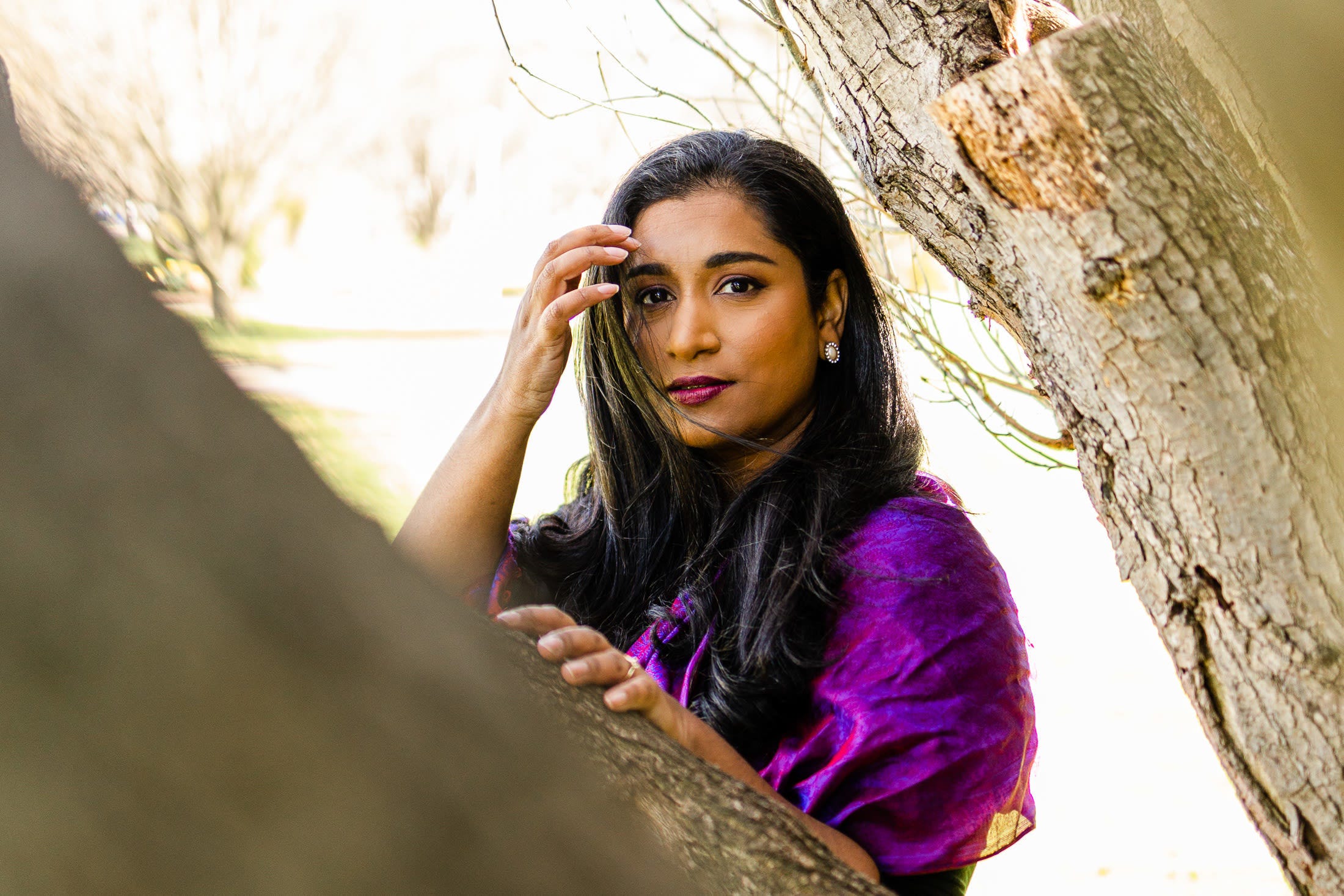
Anuja Varghese (she/her) is an award-winning writer of literary fiction, fantasy, and erotica/romance where women of color get leading roles! In 2023, her short story collection, titled Chrysalis, won the Governor General’s Literary Award for Fiction, and in 2024, was longlisted for the Carol Shields Prize for Fiction, among others. Her debut novel, A Kiss of Crimson Ash, the first in a new medieval India-inspired romantasy trilogy, came out earlier this year, with book two scheduled for release in spring 2027. Anuja lives in Hamilton with her partner, two kids, and two cats.
Anuja's Topic: WRITING SEX & MAGIC: A bit of craft and a bit of courage!
Sex and magic – both awesome, both common elements in most fantasies/romantasies (to some degree), both REALLY challenging to write well. Join award-winning author Anuja Varghese for an interactive discussion around writing romance, building sexual tension (and yes, actually writing the spice!), combined with writing magic systems that feel complex instead of convenient and propel your story forward. In this session, Anuja will guide you through fun, low-pressure writing prompts to play with common fantasy and romance tropes, to get past feeling awkward or silly about writing sex and magic, and to leave with new ways to weave these deeply compelling pieces together in your own work.
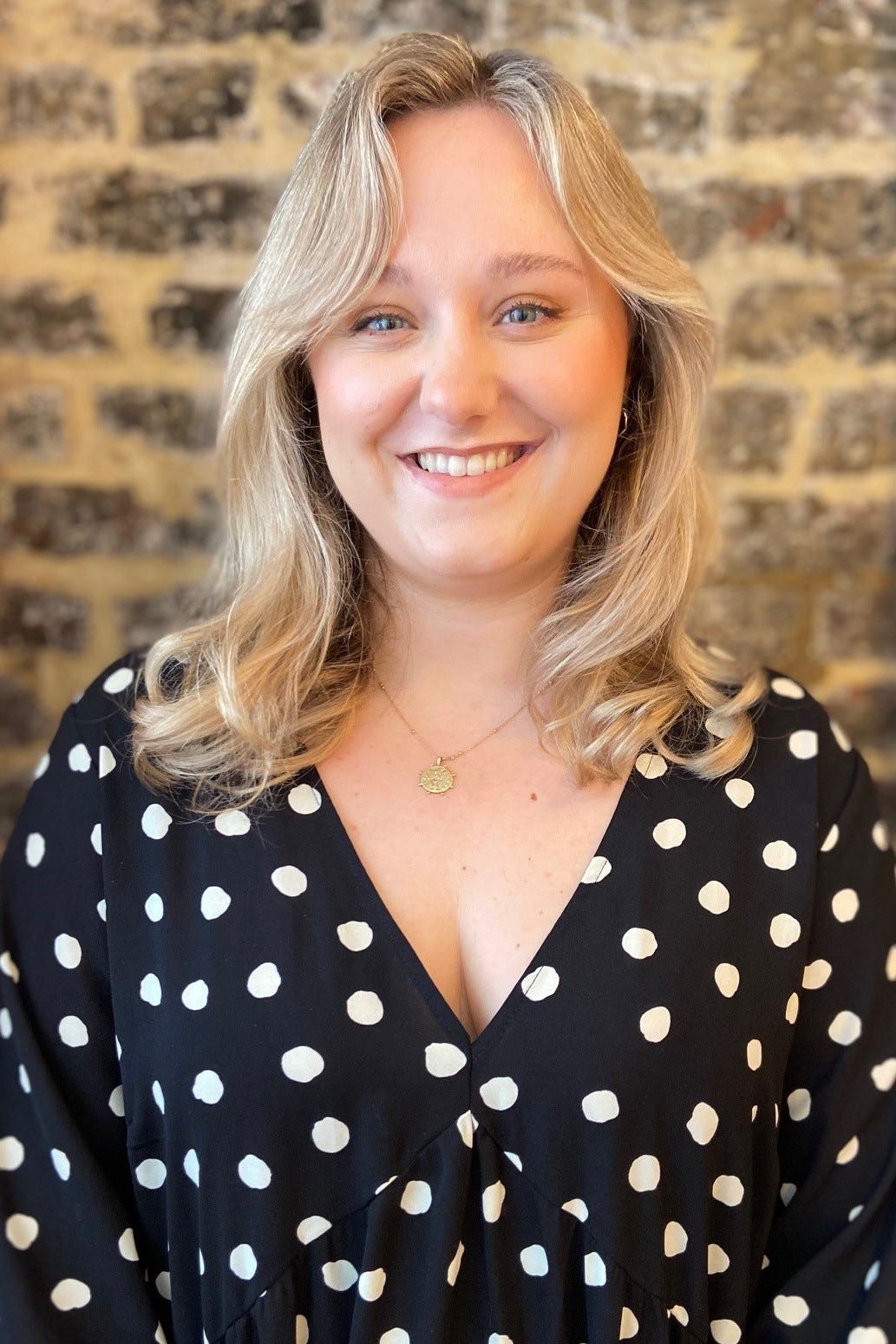
Maddy Belton joined Madeleine Milburn Agency in 2022 to build a list specialising in SFFH and romance. Her list includes bestselling authors Lucy Jane Wood, Alexandra Christo, V.S. Bovalino and No.1 Sunday Times bestselling Maithree Wijesekara and Amanda Connolly. She represents adult and YA fantasy, romantasy, science fiction, horror and romance. She was a Bookseller Rising Star in 2025 and is always on the lookout for books with big feelings, that help us all escape when we need to.
Maddy’s Topic: What Makes an Editor or an Agent Stop in Their Tracks?
In recent years fantasy and romantasy have made a huge impact on the market. From seven figure deals and self-published sensations to BookTok, the book market has been radically transformed by the huge sales and demand for a genre that whisks us away to new world with the turn of the page. But what does this mean for new authors? How can you make your voice stand out in the ever-growing crowd? Using real examples, Maddy Belton speaks to the new era of fantasy publishing, with advice on querying, editing and the publishing experience. This session is for anyone looking to learn more about the fantasy book market in general (and all its niches!), who is looking for exciting ways to pitch their work and showcase what makes their story sing.
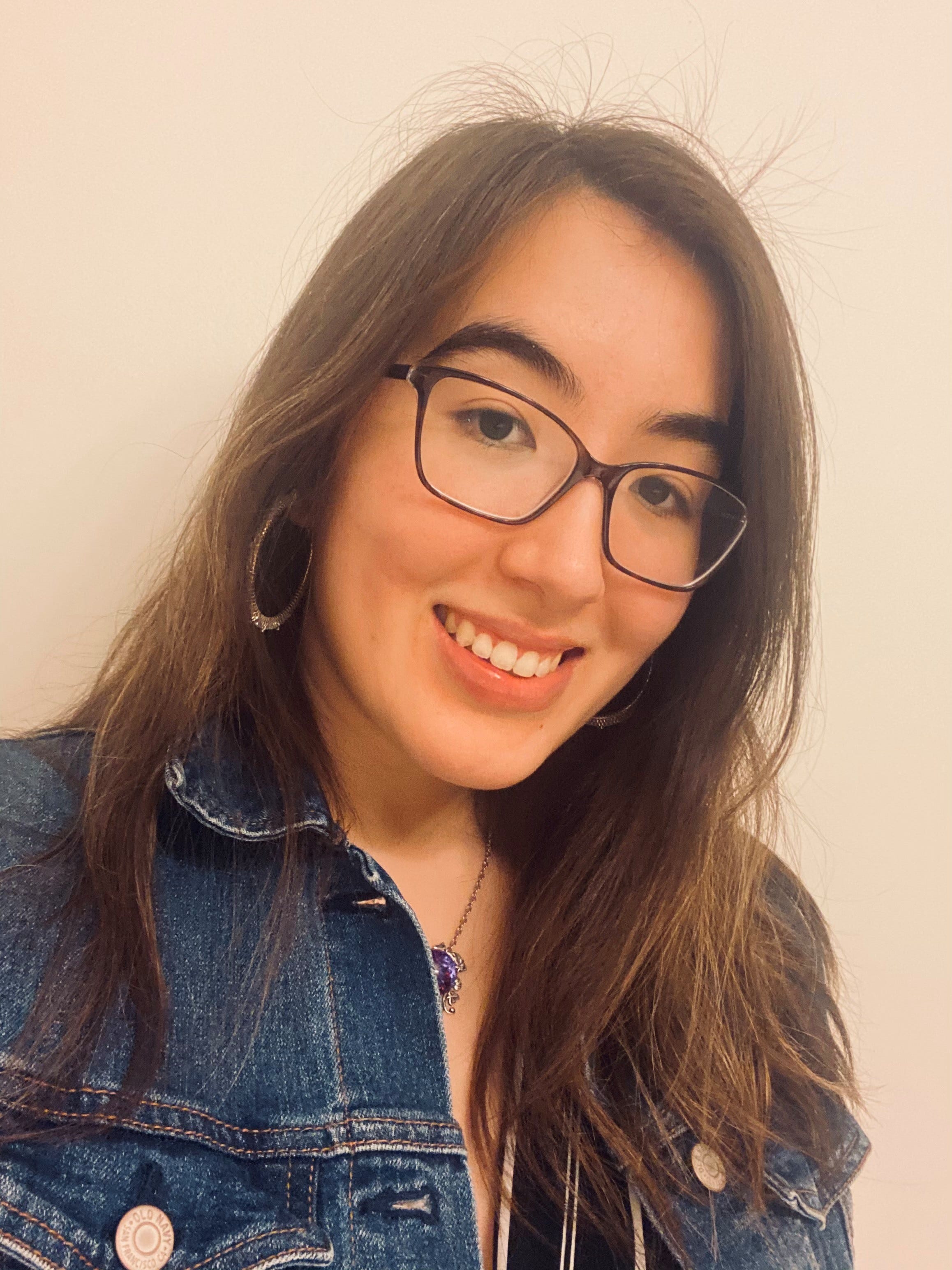
Amanda Ferreira is an editor at Random House Canada. She primarily acquires adult fantasy, romantasy, and contemporary romance, and is drawn to books with an early hook, accessible worldbuilding, and diverse characters that feel true to the communities they’re a part of. In particular, she loves morally grey FMCs, green flag MMCs, and tropes like friends-to-lovers and there’s only one bed. Her list at Random House Canada includes Heavenly Bodies by Imani Erriu, A Dance of Lies by Brittney Arena, Tethered by Elayna R. Gallea, and Morgan Is My Name by Sophie Keetch.
Amanda’s Topic: Fantasy Market Trends
From romantasy to dystopian, dark academia to LitRPG, self-published books to fanfiction, join Random House Canada editor Amanda Ferreira as she pulls back the curtain on what’s in her inbox while she discusses the fantasy subgenres she sees selling at auction, dying on sub, or just beginning to break out.
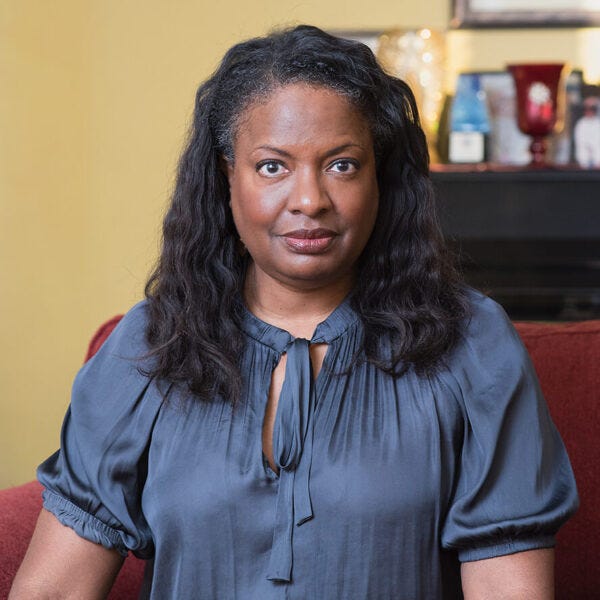
Rachel Howzell Hall is the New York Times, Wall Street Journal and USA Today bestselling author of 17 novels, including the bestselling thrillers, Mist and Malice and Fog and Fury, and the romantasy, The Cruel Dawn, and the Good Morning America Book Club selection, The Last One. She is also the author of bestselling thrillers, including What Fire Brings, What Never Happened and These Toxic Things. She is a two-time finalist of the Los Angeles Times Book Prize for And Now She’s Gone and We Lie Here.
Rachel has been nominated for a number of mystery awards, including the Anthony, Strand and International Thriller Award, the Lefty, Barry and Shamus. She is also the author of the Audible Originals bestseller See How They Run, and the Thriller Award- and Audie Awards-nominated How It Ends, Rachel is a New York Times bestselling author of The Good Sister with James Patterson. She’s also received acclaim for They All Fall Down and for her Detective Elouise Norton series.
Her shorter works have appeared in Ellery Queen Mystery Magazine, Shattering Glass and Unoccupied Earth. “Breakdown in the Right Lane,” was published in Alta Magazine and was selected as a Distinguished Story in Best American Mystery & Suspense for 2023. Her short story, “Clout Chaser,” was a nominee for the British Crime Writers Association’s Short Story Dagger Award.
Rachel is a former member of the board of directors for Mystery Writers of America and was a featured writer on NPR’s acclaimed Crime in the City series and the National Endowment for the Arts weekly podcast; she has also served as a mentor with Sisters in Crime, Pitch Wars and the Association of Writers Programs.
Rachel lives in Los Angeles with her husband and daughter. For more information, visit
www.rachelhowzell.com
Rachel's Topic: Flawed, Fierce, and Unforgettable
What makes a good romantasy? It isn't just the magic or the world-building–it’s the complex, beautifully flawed characters fighting for their lives and their hearts.
Join bestselling author Rachel Howzell Hall for an insightful, practical deep dive into character creation and developmental editing. In this session, you’ll learn how to move beyond basic tropes by layering your heroes and villains with captivating contradictions, raising the stakes to drive narrative momentum, and using dialogue and setting to reveal deep character truths.
Bring your questions for a live Q&A and discover how to craft unforgettable characters readers will passionately root for from page one.
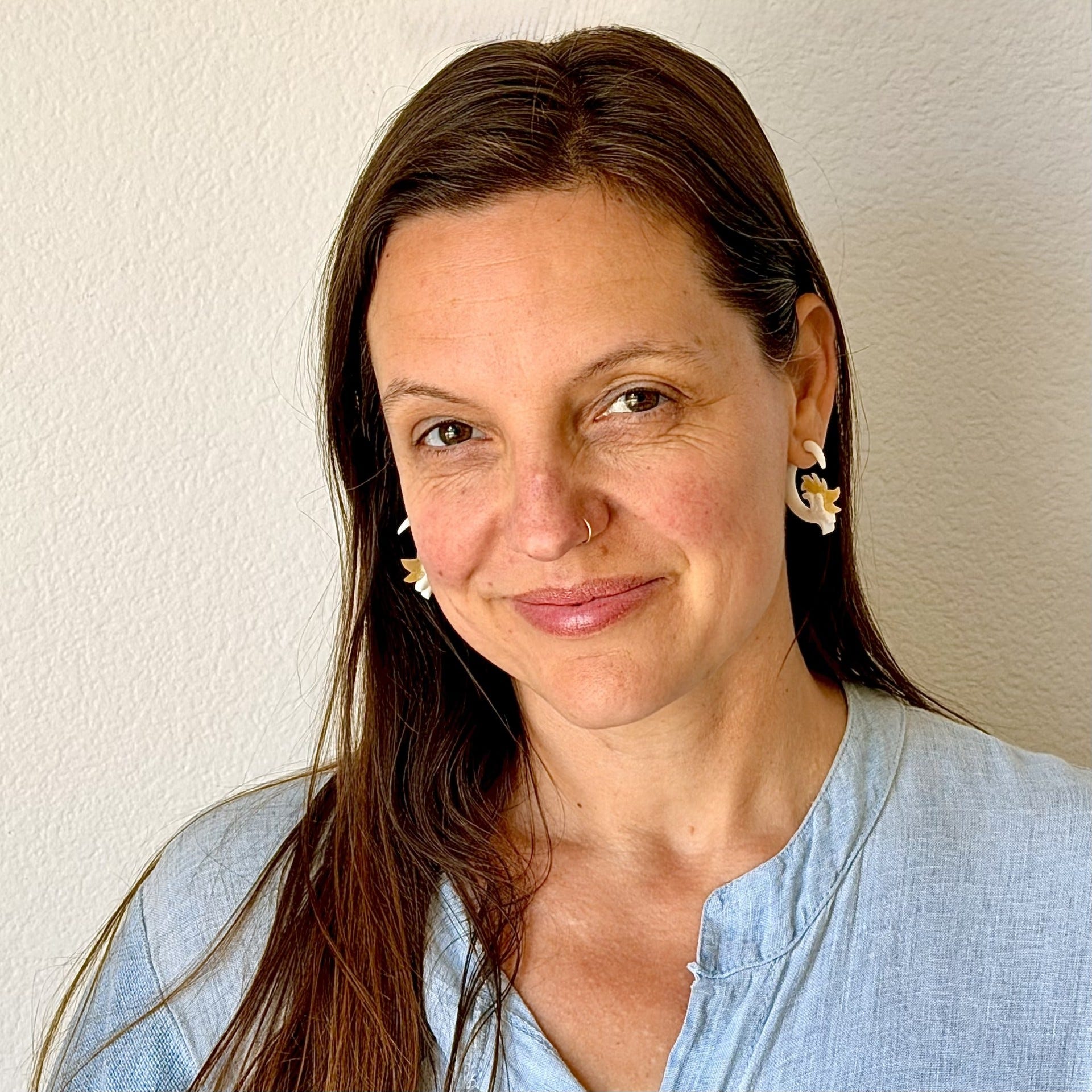
Literary Agent Mary C. Moore has represented the Nebula-nominated The Unbroken by C.L. Clark (Orbit,2021); and Indie Next and Book of the Month pick The Keeper of Night by Kylie Lee Baker (Inkyard, 2021).
Mary’s first career was in field biology, which took her around the world, from Ghana to Costa Rica to Maui, before settling at the San Francisco Zoo. But her love of books proved to be just as strong as her love of animals.
While working at the zoo she earned her MFA in Creative Writing and English at Mills College, Oakland. She worked as a literary agent at Kimberley Cameron & Associates before moving to Aevitas. Mary represents a wide range of fiction as an Aevitas agent based in the Bay Area.
Mary's Topic: Queries with Mary
Mary will do a live critique of 3-4 query letters submitted by delegates ahead of the retreat to help ensure they’re as good as they can possibly be ahead of delegates querying their dream agents.
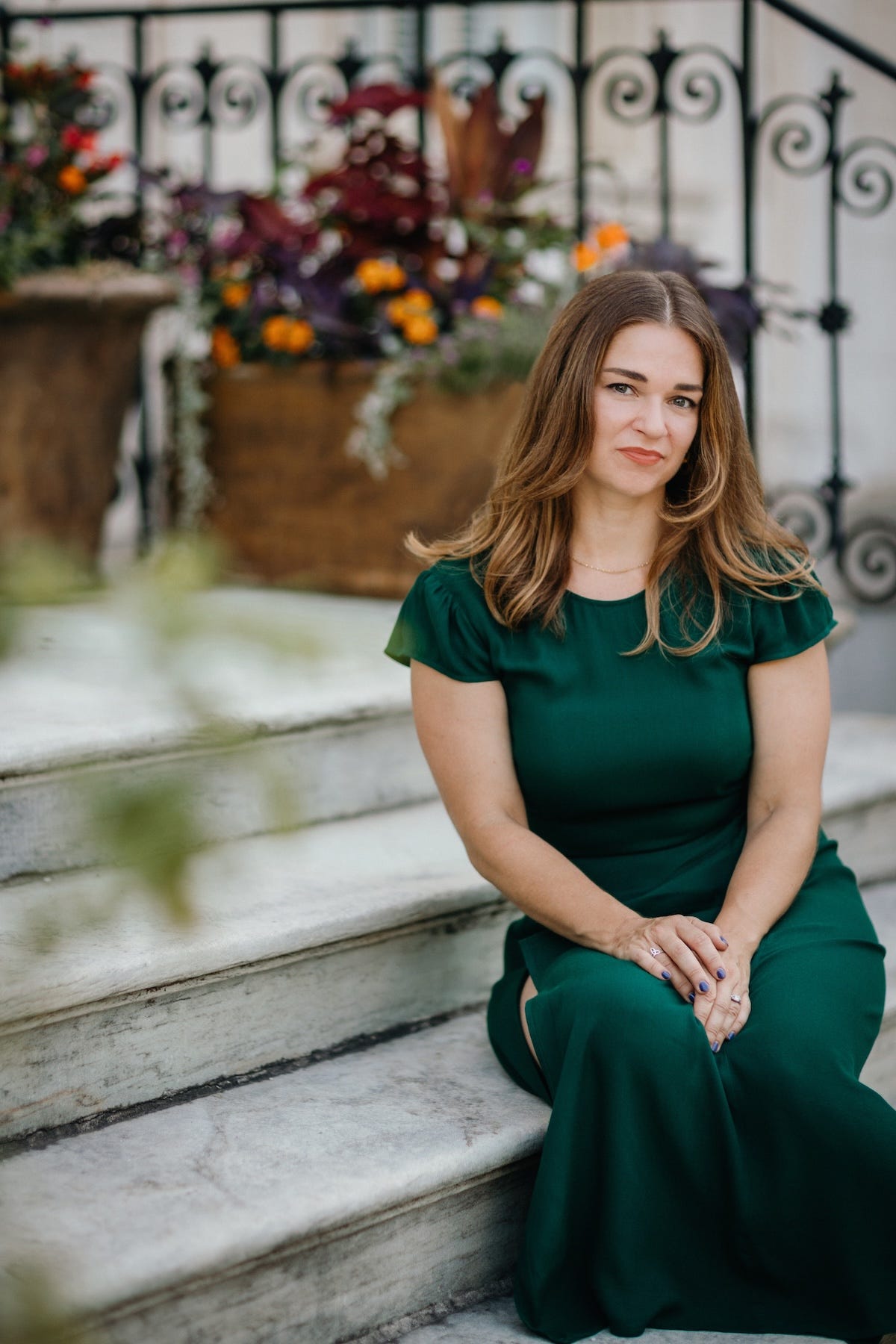
Jennifer Michelle Herrera was born in northwest Ohio and has lived in Missouri, California, Michigan, New York, and Pennsylvania. She studied philosophy in graduate school before moving to New York City, where she became literary agent.
She went on to represent New York Times bestsellers, IndieBound bestsellers, and winners of multiple prestigious awards.
Jennifer lives in Philadelphia (go Birds!) with her husband, children, and two rambunctious kittens. She loves karaoke, making outlandish assumptions based on people’s charts, and, of course, taking care of her many plants.
Her latest novel is Siren Says.
Jennifer's Topic: TBD
The cost for the six-week course is $229.00
Paid members will find Carly and CeCe’s written critiques of the 📕Books with Hooks🪝 queries discussed on this week’s podcast in next Tuesday’s newsletter, along with…
Tuesday’s essay by Stacey Yu, author of Kitten, is titled Creating Content That Teaches Your Audience How to Read You.
“There is a difference between having a platform and creating content. While a platform might look powerful on paper, it can fail to translate into an engaged readership without good, effective content. I think about how the New York Times must still evolve its content to retain relevance (see the popularity of the 100 Best Books of the Century Interactive, a highly engaging piece of content, over traditional reviews). So, whether you’re publishing a book or just starting to write one, building a familiarity with content creation—not mere audience growth—can be helpful in the endless journey of advocating for your work.”
Our Meet Your Dream Agent profile is of Amy Collins from Talcott Notch Literary Services. We love what she had to say about her favourite part of the job:
“The hunt. I love looking for editors who will be a good fit for a project I love. I adore the research and setting up the Zoom meetings to get to know them. And I have built my client base by “hunting” for them. (Not as creepy as it sounds...) 6 years ago I was IN LOVE with Stacey McEwan’s TikTok videos and she mentioned she was writing a book. I reached out to her, begged her to let me read it. She sent it over with the note that she was self publishing it in 2 weeks. I loved it. I called her and asked her to please give me 5 weeks. Just 5 weeks to find it a home. We did it in 4. A Forsaken Prophecy (she is now with Saga) came out this week. It is the second in a trilogy and she is hitting the bestseller lists like it was child’s play. I have spent the remaining years repeating that process with authors like Jaysea Lynn, Momma Cusses, Devrie Brynn Donalson... I LOVE the hunt and the matchmaking that comes after.”
Amy’s profile is one our most informative yet - we promise you’ll want to study it!
Then, Tuesday’s Q&A is with Laura Moriarty, author of Sunlight Finds You:
“When I “know” I want to go all in on a particular idea, I feel like I’m falling in love: I can’t stop thinking about the idea, and my rational brain (”will readers find this interesting? would a character really do that? can I do the research the idea requires without spinning my wheels for years?”) is on board as well. I put “know” in quotes because sometimes, especially when I have time to write (like a semester off teaching) but no good idea, a bad idea masquerading like a good idea can seduce me. In this way, it’s like falling in love as well. People who say ‘when you know you know’ regarding love didn’t know me in my twenties, when I grew highly skilled at ignoring red flags, ‘creatively’ coming up with narratives that obscured reality, etc. I now know that, well, any port in a storm, meaning my creative brain can take over and start spinning narratives (”I can make it work!”) that didn’t serve me romantically and won’t serve me in my creative decisions.”
You’ll also want to hear what Laura has to say about POVs!
Not yet a member? For just $10 USD a month or $120 USD a year you get:
an exclusive newsletter on Tuesdays featuring bonus author Q&As and other exclusive content from industry experts
access to Carly Watters and CeCe Lyra’s written notes on queries from the podcast’s Books With Hooks feature
monthly bonus podcast episodes, AND
regular Ask Me Anythings / Q&As with Carly, CeCe, and Bianca Marais.
If that doesn’t kickstart your writing journey, we don’t know what will!
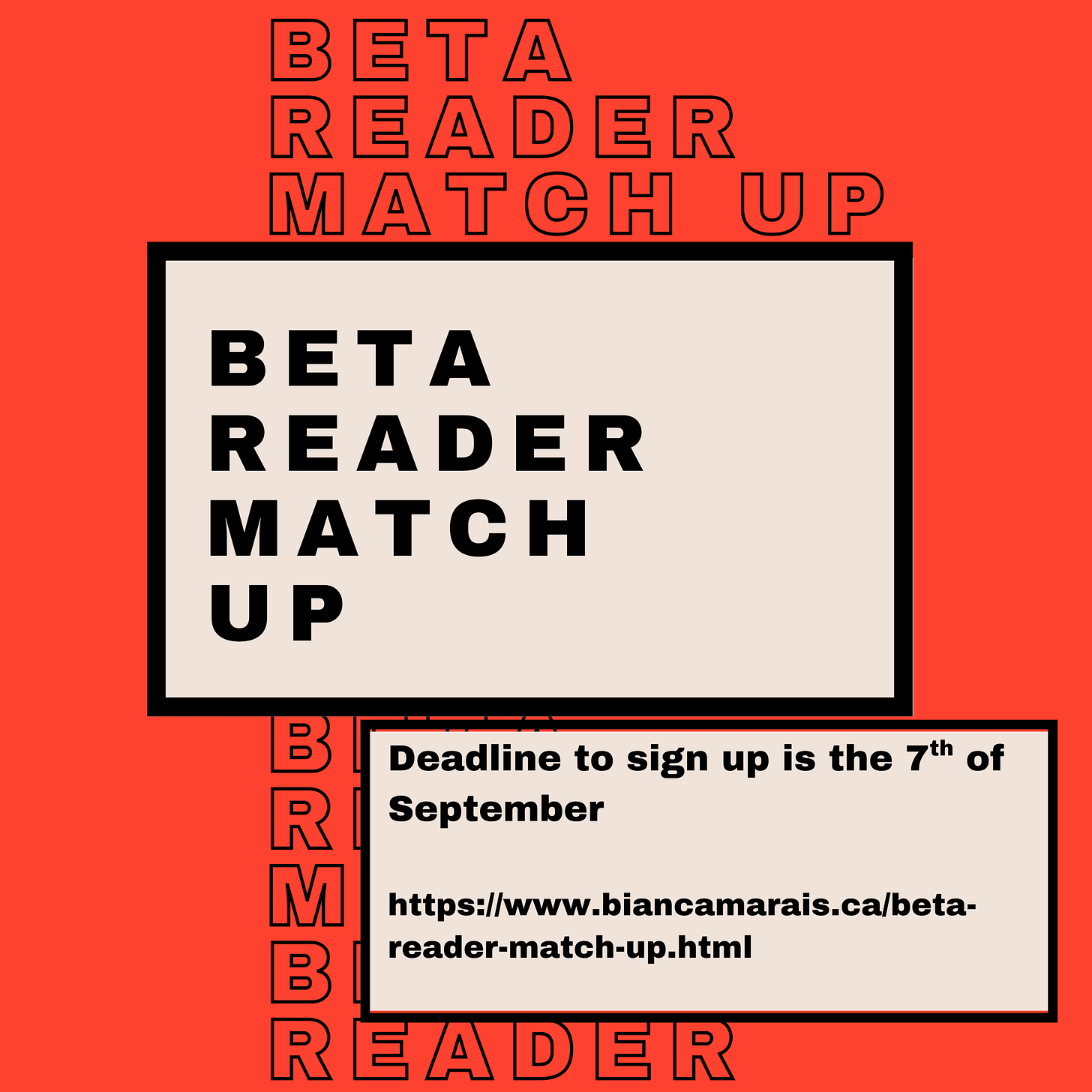
Are you looking for beta readers, some of whom might potentially become writing group members down the line? Are you wanting to be matched up with those writing in a similar genre and/or time zone, so they can critique your work as you critique theirs at the same time?
Your manuscript doesn’t have to be complete to sign up!
On the 8th of September, Bianca will match you up with between 2-6 other writers in similar genres and/or time zones depending on how many writers sign up. After that, it’s up to you to set up a date when you’ll either all meet up virtually to discuss your work or just send each other your written critiques. Whatever works best for you!
Important Instructions:
Submit 3000 words in a Word document before midnight ET on 7 September. If they aren’t opening chapters, you need to provide a summary so your beta readers have context for the submission. You may ask 2-5 specific questions within the same document for your beta readers to address.
The summary and questions don’t form part of the 3000 words.
Cost: US $25
Please note: NO AI whatsoever may be used to critique each other’s work!
More about the match up here!
That’s all for this week’s news! If you enjoyed it, why not share the love? 🥰
Share The Shit No One Tells You About Writing
Tune in again next week for more invaluable wisdom from our wonderful hosts! Until then, happy writing! 😍
❤️ The Shit No One Tells You About Writing Team
Our work takes place on land now known as Toronto and Ottawa and we acknowledge that these are the traditional territories of the Mississaugas of the Credit, the Anishnabeg, the Chippewa, the Haudenosaunee, and the Wendat Peoples as well as the unceded, unsurrendered territory of the Anishinaabe Algonquin Nation. Toronto is covered under Treaty 13 and the Williams Treaties. We respect and affirm the inherent and Treaty Rights of all Indigenous Peoples across this land and acknowledge the historical oppression of lands, cultures, languages, and the original Peoples in what we now know as Canada. We invite you to learn more about the land you inhabit, the history of that land, and how to actively be part of a better future going forward together at Native Land or Whose Land.
Cece Lyra is a literary agent at Wendy Sherman Associates. If you’d like to query CeCe, please refer to the submission guidelines at www.wsherman.com. Carly Watters is a literary agent at P.S. Literary Agency, but her work on this podcast is not affiliated with the agency, and the views expressed by Carly on this podcast are solely that of her as a podcast co-host and do not necessarily reflect the views, opinions, policies, or position of P.S. Literary Agency.
Comments
Nothing yet. Say the first thing.
Sign in to join the conversation.