

Take the time to read through this entire article. It is long and will take you at least 30 minutes or more, but you will be glad you did so.
I bet many of you will come away ready to serve Wyoming (or your State) as one of its US House members under Article the Second of The Second Bill of Rights (SBOR_At2), and that is the VERY point—YOU and your actual neighbors can’t help but do us all a vastly better job of national governance than the 435 in DC the past 100+ years . . . and you know it.
Before we dive into the action and fun, let’s remind ourselves of what Article the Second of The Second Bill of Rights (SBOR_At2) accomplishes.
Just as I set out in the first article in this series back in October 2025, SBOR_At2 says the following summarized in a few plain-English sentences:
Bigger, Local Representation. Shrink Congressional districts and cap each Representative to a community of about 30,000 people. It’s about faces you recognize—your neighbors and you, not distant strangers in suits. Gerrymandering and endless squabbles over redistricting disappear permanently. You’d actually have a shot at meeting (and firing or becoming) your local elected Representative.
Awesome! So simple and elegant. Let’s do this!
If you want to read that article, here is the link to it. I don’t think you need to unless you really, really want to do so. The process for effectuating districting under SBOR_At2 changed slightly during this process described below, so save your time and don’t bother with the October 2025 preview article.
Real Life Application of SBOR_At2 Part 1
If you want some basic refreshers on The Second Bill of Rights itself (always a wise move!), start with these two past articles and the SBOR’s website too!
Article the First and Article the Fourth of The Second Bill of Rights are very important to the overall effectuation of Article the Second, so give them both extra attention. Article the Fifth and Article the Sixth are next most important to how Article the Second becomes so empowering to YOU, a US Citizen of voting age—the Ninth Amendment is powerful again!
Nailing The Second Bill of Rights
The Second Bill of Rights website
Action time for real now!
Wyoming had 576,851 population per Census 2020.
The first step we undertake is to divide that total by 30,000 and round UP—it has to work that way, otherwise there would be at least one district in the State that exceeds the 30,000 population maximum. Doing that here results in Wyoming having TWENTY (20) SBOR_At2 Congressional House members & districts, each with approximately 28,843 individuals. That checks against our master table—excellent!
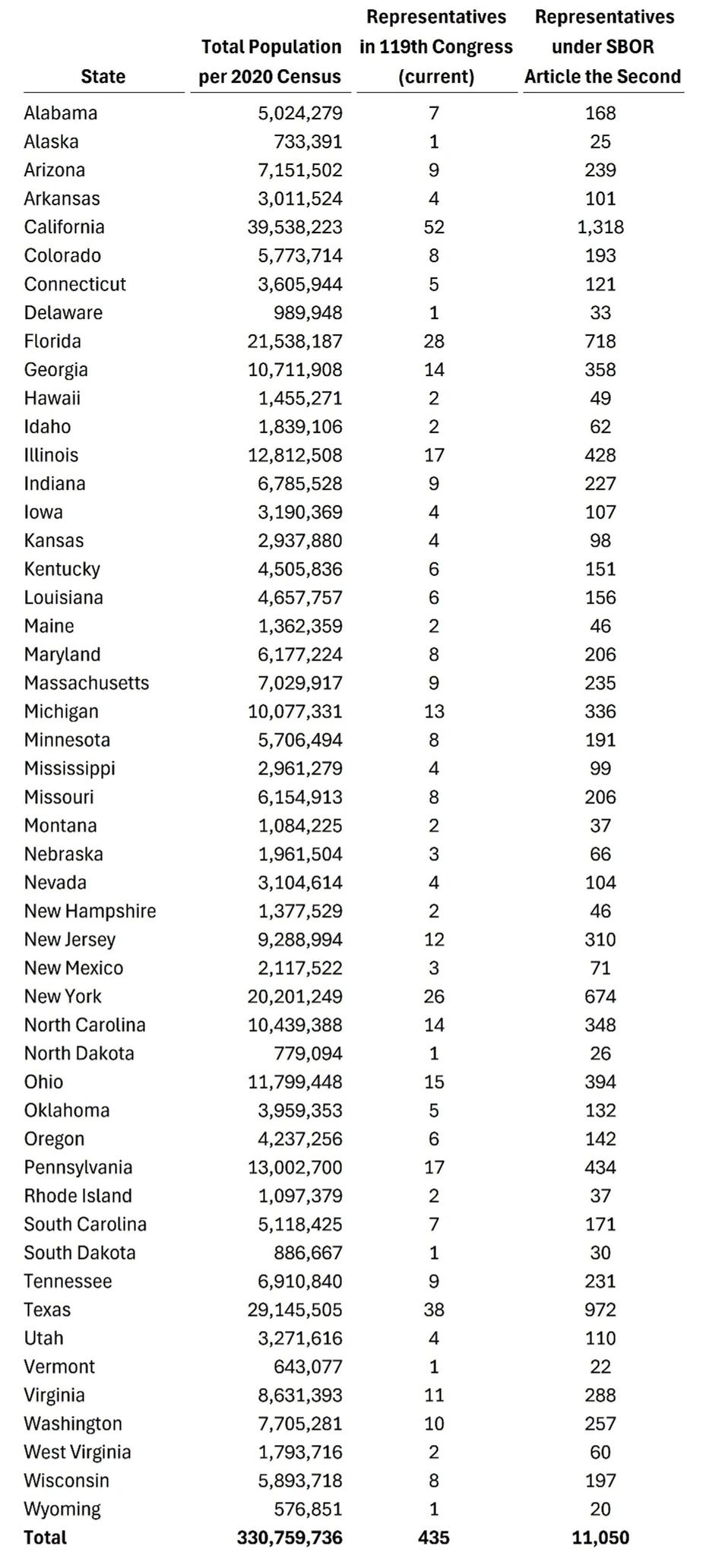
As we all know the 2020 Census “counted” people and not US Citizens—look for a separate mini-series on how tying US House seats solely to US Citizens (like our Constitution actually calls for) starting in about a week. I have two other different analyses on US House seat apportionment and redistricting to walk us all through after that, and then I will bring them all together in a comprehensive analysis after that, so stay tuned!

The whole The Four Furtherances concept also began in October 2025 and this first real-life application of SBOR_At2 is Pillar #1. The first part of each of the other three of its Pillars will be rolling out in the next few weeks, so here is the link to that grand plan! Ha!
Now, let’s pull out our magnifying glasses and start clumping together voting blocks in Wyoming!

Wyoming (along with each of Alaska, Delaware, North Dakota, South Dakota, and Vermont) is only apportioned one (1) US House district and member under the Reapportionment Act of 1929 (2 U.S.C. § 2a), also known as the Permanent Apportionment Act of 1929.
We have been divvying up the same 435 House seats for 115 years now, and just look at the nightmare and colossal waste of time, money, and effort that has happened and will continue to happen until The Second Bill of Rights is ratified. It has to end, and end permanently this time—as we all know since we’ve been talking about this here on the SBOR’s Substack channel since at least August 2025 and far too much in the news. (I’m sure you’re sick of it all just like I am, so let’s end it for good.)
Wyoming’s one House seat is currently occupied by Harriet Maxine Hageman since the 2022 Elections. She is a Republican, as we all would expect given we are talking about Wyoming here, and in 2024, she was re-elected with 184,680 total votes for her or 70.6% of the votes cast for all candidates. It looks like she spent $2,461,851 to get re-elected, which calculates out to $13.33 per vote she received. USA Today & Ballotpedia
Both of those figures just seem ridiculous to me. I just don’t think it should cost so much to get elected to the US House of Representatives. We will circle back on this at the end of this Wyoming article.
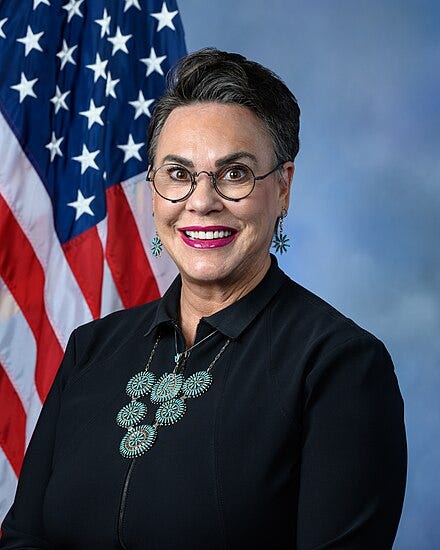
In a March 2025 town hall, she apparently told her constituents: “It’s so bizarre to me how obsessed you are with federal government . . . I’m sorry, your hysteria is just really over the top.” YouTube Maybe a Wyoming US citizen can tell us all what statewide sentiment is about her and that kind of statement.
What do you think she might think of her monopoly on Wyoming US House representation being split into 20 vastly more local and responsive districts?
Also, for those of you actually living and voting in Wyoming, when was the last time you actually saw her in normal everyday life at the Post Office or in the grocery store or anywhere for that matter? When? I thought so . . .
In the 2024 Presidential Election, Wyoming voted 72% for President Trump and 26% for Vice President Kamala Harris. That makes the whole State of Wyoming a Trump+46 State and House district. We will see below what our new SBOR_At2 districts look like on these metrics for comparison.
The Second Bill of Rights’ work runs on reader support. Become a Paid Subscriber or Early Founding Member today to keep it growing.
If you can’t support today, share this article with two people who care about the Constitution—that helps just as much. Thank you.
Donate to The Second Bill of Rights
Now, back to the action!
Next, we do a little preliminary work on the general placement of those 20 districts within Wyoming’s state borders initially based on its county lines.
We use our block-level data for Wyoming from IPUMS Center for Data Integration's National Historical Geographic Information System (NHGIS)—Dataset: 2020 Census: P.L. 94-171 Redistricting Data Summary File, NHGIS code: 2020_PL94171, NHGIS ID: ds248 again. (Full citation that they require is again set forth at the very end of this article. I still think that satisfies their citation requirements.)
Wyoming has 53,769 blocks in it. Can you now see just how precise we are going to be able to get? That’s 10-11 people per block—there is no need or even plausible way to gerrymander districts at this level of precision. None!
And, Wyoming has 23 counties that I ordered from largest to smallest by population in this table. The table has additional work on it that we are going to walk through next, so be patient. This is going to be fun!
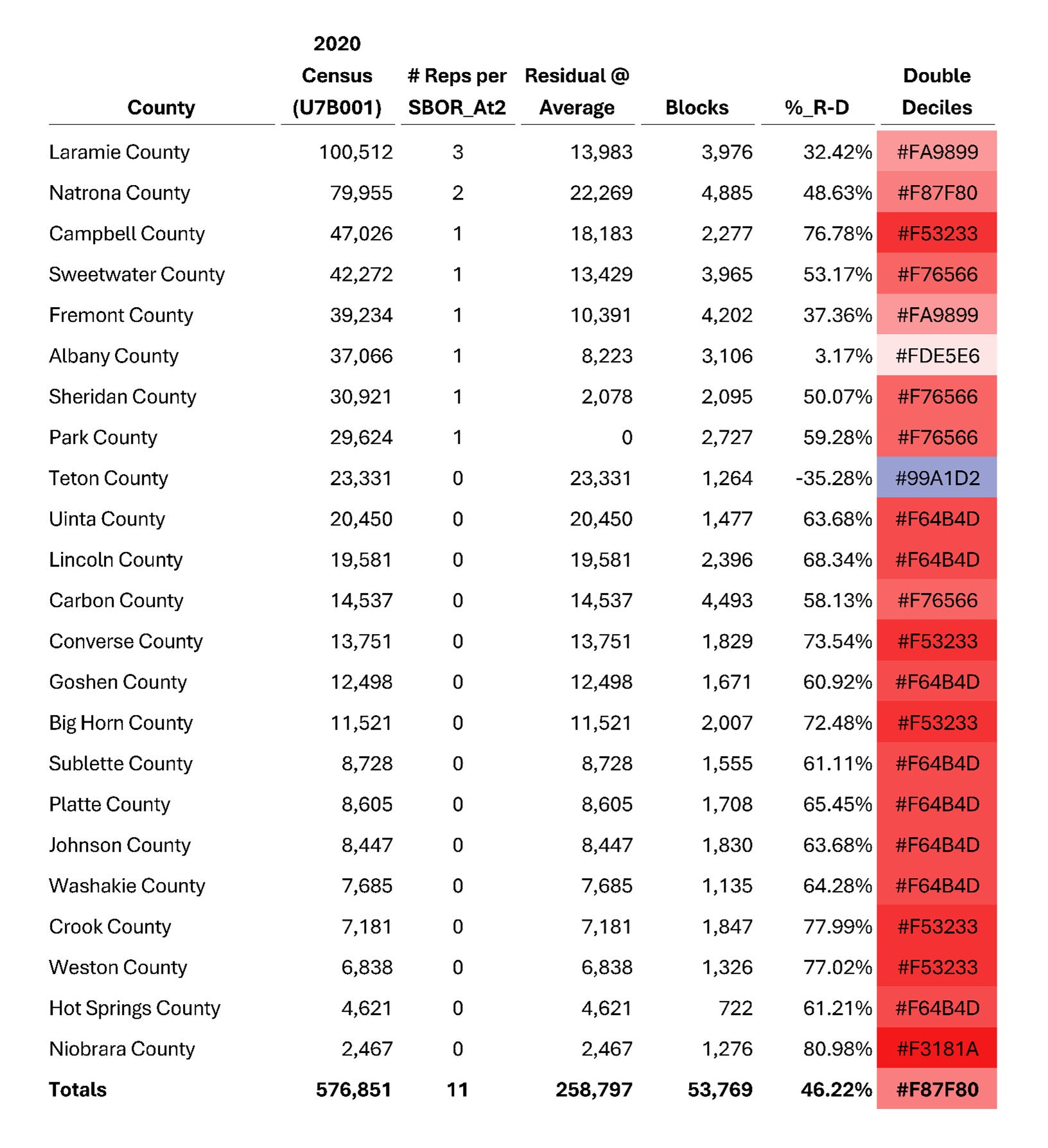
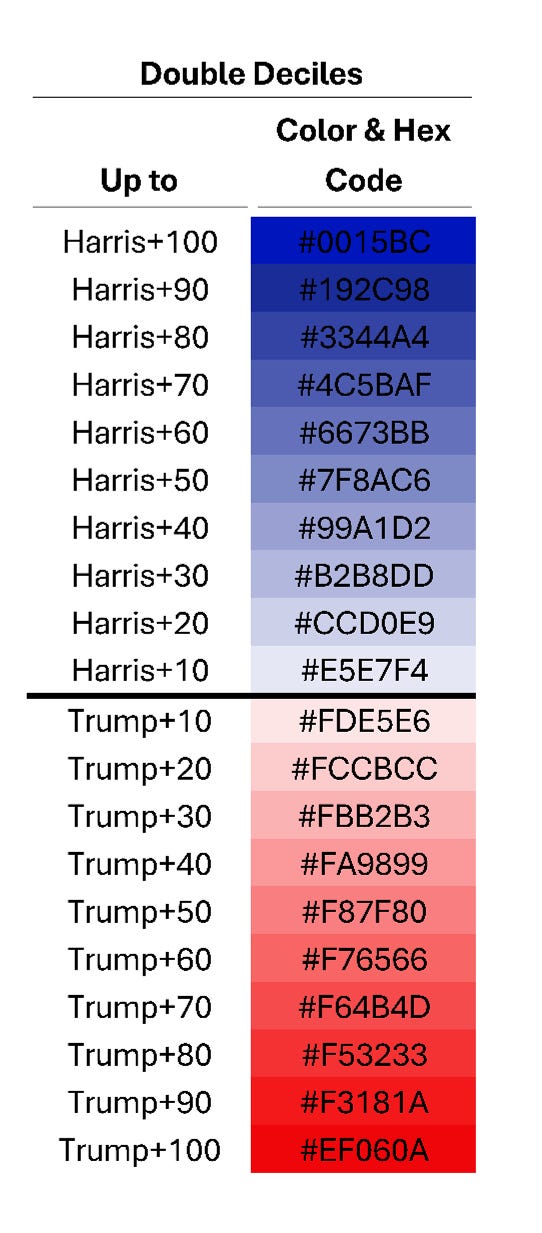
(The double deciles scale and legend is at the end of this article.)
Next, we look at the population of each of the 23 counties, and it is crystal clear that:
Laramie County (Cheyenne, as would be expected) gets 3 full representatives all to itself, and Natrona County (Casper) gets 2 full counties representatives all to itself—all we are doing here is coming up with the number and size of super blocks in each larger county that we will subdivide somehow soon enough;
The 6 next largest counties (Campbell County, Sweetwater County, Fremont County, Albany County, Sheridan County, and Park County) will each get 1 dedicated representative; and
The remaining 15 counties (Teton County, Uinta County, Lincoln County, Carbon County, Converse County, Goshen County, Big Horn County, Sublette County, Platte County, Johnson County, Washakie County, Crook County, Weston County, Hot Springs County, and Niobrara County) are each too small to support even one dedicated representative, so we will figure out how to divide all them up along with the leftover parts of the 8 larger counties at the very end.
Does all this make super simple sense? It should!
Now, it’s time to start clumping together blocks into our initial district. But, where should we begin? Easy!
We start with Park County (Cody / Yellowstone National Park in the northwest corner of the State) because it is almost exactly at the average for each district and is still slightly under the 30,000 head count maximum at 29,624 people. Wikipedia It would make absolutely no sense to screw around with this perfection—all of the blocks in Park County with every single one of those 29,624 people is our initial district.
It’s that simple and intuitive, right?
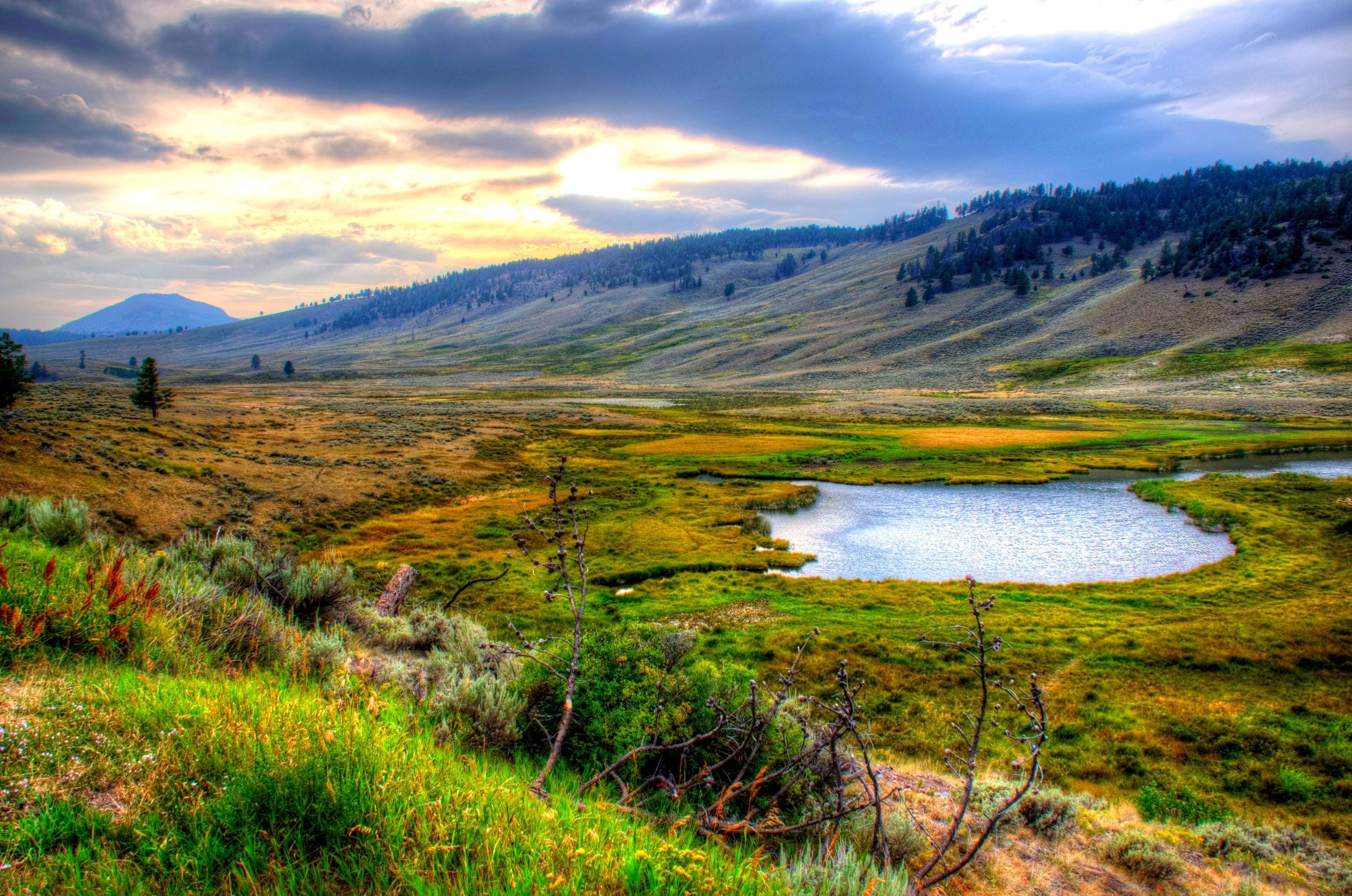
Park County and its 2,727 blocks total up to 29,624 people, so we are under the 30,000-person maximum required by SBOR_At2. In 2024, Park County voted 79% for President Trump and 20% for Vice President Kamala Harris. That makes our initial SBOR_At2 district for Park County, Wyoming a Trump+59 House district—that’s 13 more percentage points for Trump than the statewide figures. Interesting, quite red, but what we likely would expect.
We are going to call this district WY0001.
So, now the Wyoming Tally is 1-0 Republican—same as it is under the 1913/1929 racket still in place currently.
On a relevant side note, if we take the SBOR_At2 district population and assume 22.5% of that population are under 18 years old and can’t vote, and 100% voter turnout, that would mean Trump would have received slightly over 23,250 votes in 2024—he actually received only 13,084 votes for a 56.26% voter participation figure.
Fine, what we really want to do is take that 13,084 figure and multiply it by the $13.33 per vote received calculation that we did for current Representative Hageman in her 2024 re-election. That totals just under $175,000 . . . round it up to $200,000 or even $250,000 . . . and that’s the very, high maximum amount the winning candidate from this new SBOR_At2 district would have needed to have spent in 2024 to win that race. Representative Hageman spent just under $2.5 million in her 2024 re-election effort.
The action in Park County would be in the Republican primary, obviously, but my point here is that crowd funding $20,000 every two years is 14-15 times at a minimum easier than trying to raise $2.5 million like Representative Hagemen has to do every two years. Pretty much anybody decently well known in Cody, Wyoming ought not to have much problem finding say 400 unique in-district residents / US Citizens willing to donate $500 each on average. Excellent news! Ready folks there to get running for office?
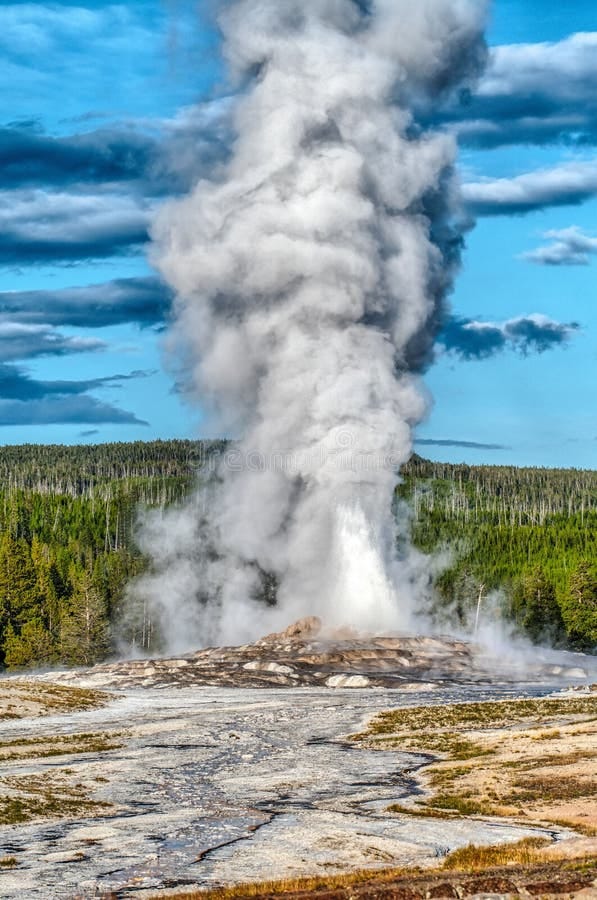
Let’s give big shout outs to: Park County Commission Chairperson Dossie Overfield; Park County Sheriff Darrell Steward; State District Court Judge William L. Simpson; State Circuit Court Judge S. Joseph Darrah; and Cody Mayor Lee Ann Reiter.
Going first out of 3,142 counties nationwide counts big time, so shoutouts are what happens! hahahaha—too much fun!
Back to the business of building districts.
Now, I think it’s best to just keep working up the table until we finish out all the “urban” cores within each county with population greater than 30,000. So, here we come, Sheridan County (Sheridan).
Sheridan County had Census 2020 population of 30,921—that’s just a bit over our maximum allowable population. So, a portion of the county’s people are going to have to not be included in this second district. The mean for all the districts is 28,843, but I don’t think it makes much sense to slice ~2,000 out of the cohesive county House district when slicing ~1,000 will suffice. And, since we are looking to slice away blocks totaling between 1,000 and 2,000 people, it will invariably make the most sense to slice away blocks along the perimeter of Sheridan County. The county has 2,095 blocks . . . which ones to slice away though?
There will be some subjectivity in this, but for our first attempt at all of this and given my complete lack of detailed knowledge about the differences in the blocks that are on the perimeter of the county, this will suffice. When time comes to do this for real (or more for real than what I’m doing right now, other factors like income level, relative cohesion with neighboring blocks, local knowledge, etc. can easily be factored in. Whomever does this the next time will also be using a much more powerful computer to do it on than my little laptop. That makes optimizing for multiple variables possible. I can’t do that with this HP laptop.
Well, when we get to the last part of this redistricting exercise where we have to divvy up all the blocks in counties that couldn’t support a single SBOR_At2 representative, those will be the lower population counties—it makes sense to me to quickly check to see if any of the remaining larger counties adjoin Sheridan County and where they don’t, then the Sheridan County blocks along that county perimeter are likely the most optimal ones to slice away from this district.
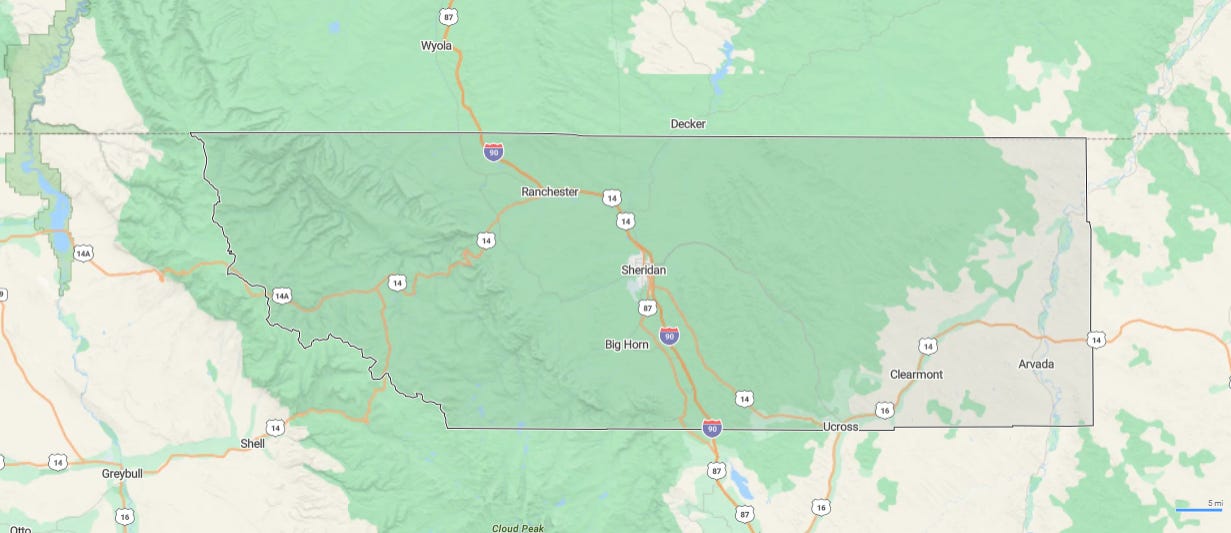
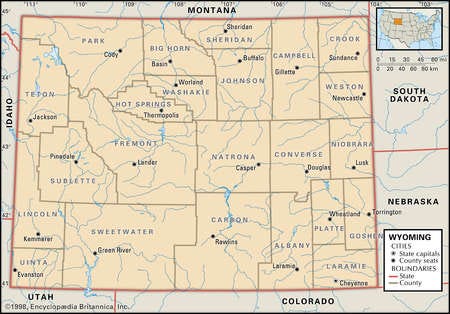
So, let’s take that quick look . . . Sheridan County is contiguous with Campbell County, Johnson County, and Big Horn County going clockwise from the Montana border.
Campbell County to the east is the third most populous county in Wyoming with 47,026 people, so the eastern edge Sheridan County blocks might work. Looking at the map above, the eastern side of Sheridan County looks like it might have some commonalities with the northern half of Campbell County—just thinking ahead a bit, when we district up Campbell County, we could work from the Montana border south picking up 1,000 to 2,000 people in the blocks on the eastern side of Sheridan County. Need to see where there are blocks with population in them. Let’s keep this option in mind though.
Johnson County to the south only has 8,447 people total, so maybe, but that seems like it’s a distant second to the Campbell County option.
Big Horn County to the west has 11,521 people total, but look at the geography in the image above—the western side of Sheridan County looks to be mountainous. We need to see where there are even blocks on that side of the county with any population in them. This just feels like it isn’t going to work, but we will still check.
OK, so my assessment of this step a week or so since I did it is that it was pretty straightforward and easy once the blasted QGIS software is nominally understood. (FYI—I started this article in October 2025, so it contains asides like this throughout to show the process and thinking along the way.) Looking at the block-by-block data itself, my suspicions up above were spot on: no people on the west side of the county due to the mountainous geography, a fair amount of the ~2,000 people that had to be sliced away on the east side of the county along in Arvada and Clearmont with the rest of them on the eastern side of the southern edge of the county in Ucross extending a bit northward towards the City of Sheridan itself along Ulm Road. The boundary I selected along all there was pretty obvious and I think it has something to do with the extended city limits of Sheridan. Not sure, but it was quite easy to pick out.
Got all that micro-detail about Sheridan County, Wyoming? Great. There will be a test later. Ha!
Population of our new SBOR_At2 District WY0002 is 29,197—perfect!
Let’s do shout-outs to The Ucross Foundation, a 20,000-acre ranch for “individual creative work, reflection, innovation, and dreaming,” and its Chairman of the Board, Jesse Marion, and President & Executive Director, Caitlin Addlesperger. Sorry, new friends, you’re not in WY0002, but you’ll be well represented in WY0020 at the very end of this example.
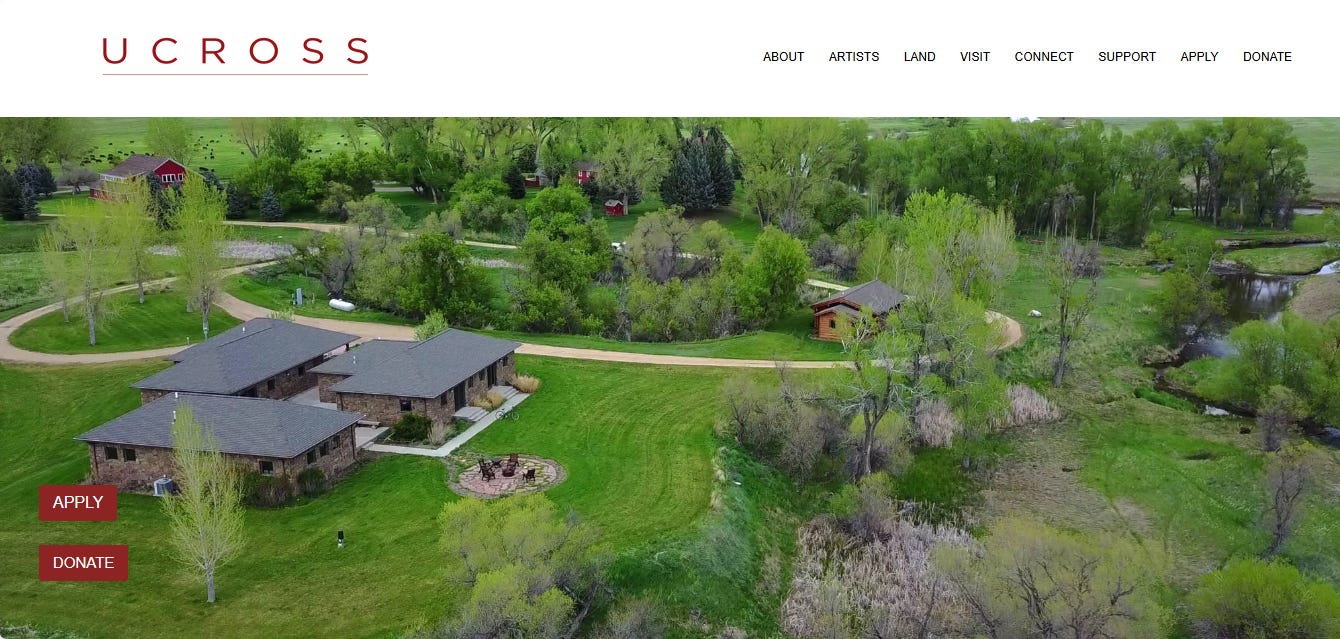
Just look at that beautiful place! If you’re feeling generous and inclined to do so, consider donating something to them. It’s bound to raise some eyebrows given how extra random this will end up being, but it will bring smiles to a lot of faces, for sure! Check them out and let me know what you think and do!
Donate to The Ucross Foundation
Next!
Next up going up the table is Albany County with Census 2020 telling us that it has population of 37,066—that’s 8,000 people over our maximum allowable population. So, sliced away from this third district. The easiest way to determine which blocks to slice away is based on basic geography—can’t gerrymander or really manipulate that!
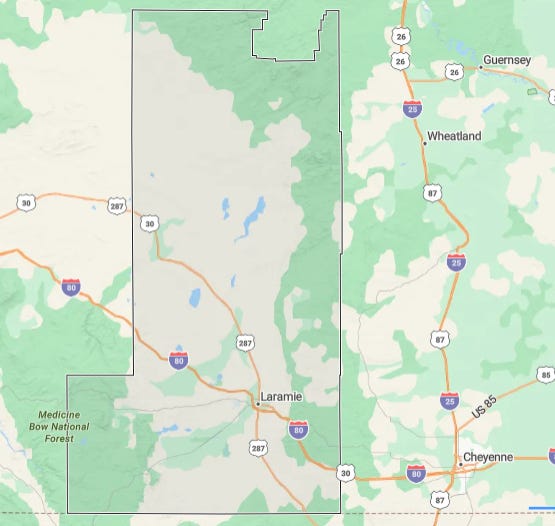
The southeast corner of the state is where all the people are, so this will be our first potentially slightly tricky district to generate. Let’s see what happens.
We have Colorado to the south so that is very helpful in figuring this out. And, we have Laramie County (Cheyenne) to the east where there will be three districts alone. I’m going to go dive into the block data as usual now, but slicing from the top of the county southward is how I bet it plays out. BRB!
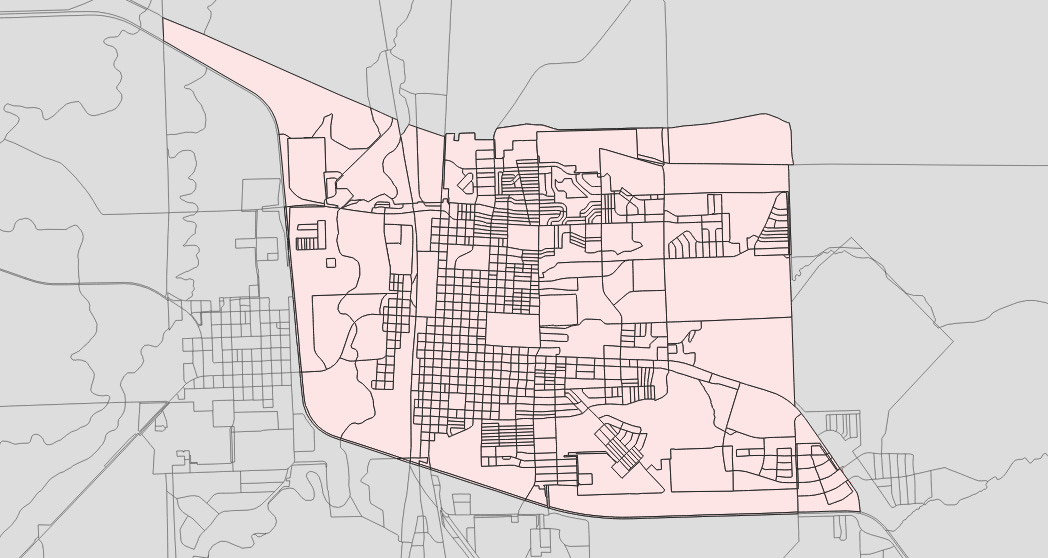
OK, so more than two weeks just passed there because of a bunch of you don’t want to know what. That being said, look at new district WY0003—the city of Laramie, Wyoming! Pretty neat, if I do say so myself! Total population from the 2020 Census of 27,335—perfect!
Now, I have no idea if those boundaries make sense locally, but they did for purposes of this initial exercise. I thought using I-80 as the western and southern borders was super clear and precise—sorry folks living west of I-80 at the State Highway 230 exit and south of I-80 at the S. 3rd Street exit—I had to make the cut somewhere, and I-80 made it easy.
See you around either of the Coal Creek Coffee locations or maybe even Turtle Rock Coffee to knock around the merits of these boundaries!
That was essentially my first effort at creating a compact “urban” district. More like that coming up next!
It’s a week later now—the Saturday before Thanksgiving—I’m going to knockout these real quick now—if anything new or different arises with them, I will report back:
WY0004—Fremont County: Pretty simple and much like WY0003, just spread across all the little towns there in the middle of the county.
WY0005 & WY0006—Sweetwater County: A new situation! The county has two distinct population centers, Green River and Rock Springs, only 15 miles apart. There’s no way to treat them together like we did with WY0003 & WY0004, so the county is getting split up the middle with WY0005 on the westside based out of Green River and WY0006 on the eastside based out of Rock Springs. As luck would turn out, WY0006 is right in the sweet spot for a single district at 29,606 population, so it is done. Since WY0005 is well below the mean, we will have to add on contiguous blocks later on essentially in the reverse fashion of what we are going to also do later with the residual blocks from WY0002.
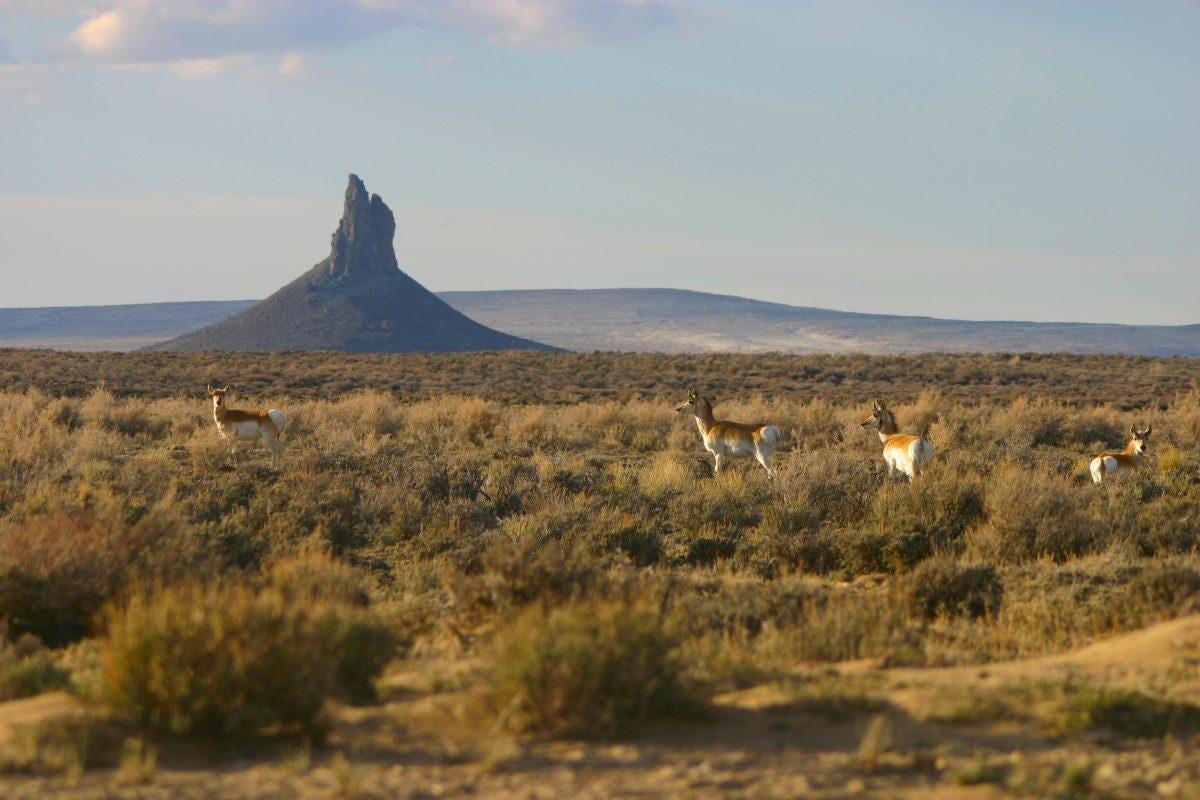
WY0007—Campbell County: Just like WY0003 situated around Gillette.
The software learning curve is behind me now, I think and hope. Doing those four districts only took just under 6 hours to figure out and half of that was spent just handling WY0004.
Let’s now see what it’s like to handle our first multi-district county—Natrona County and the City of Casper.
Our first true multi-district county—79,955 people across 4,885 blocks. And, Casper itself apparently has 59,038 of them. This sounds like it’s going to be a pair of partial full city core districts to start. BRB . . .
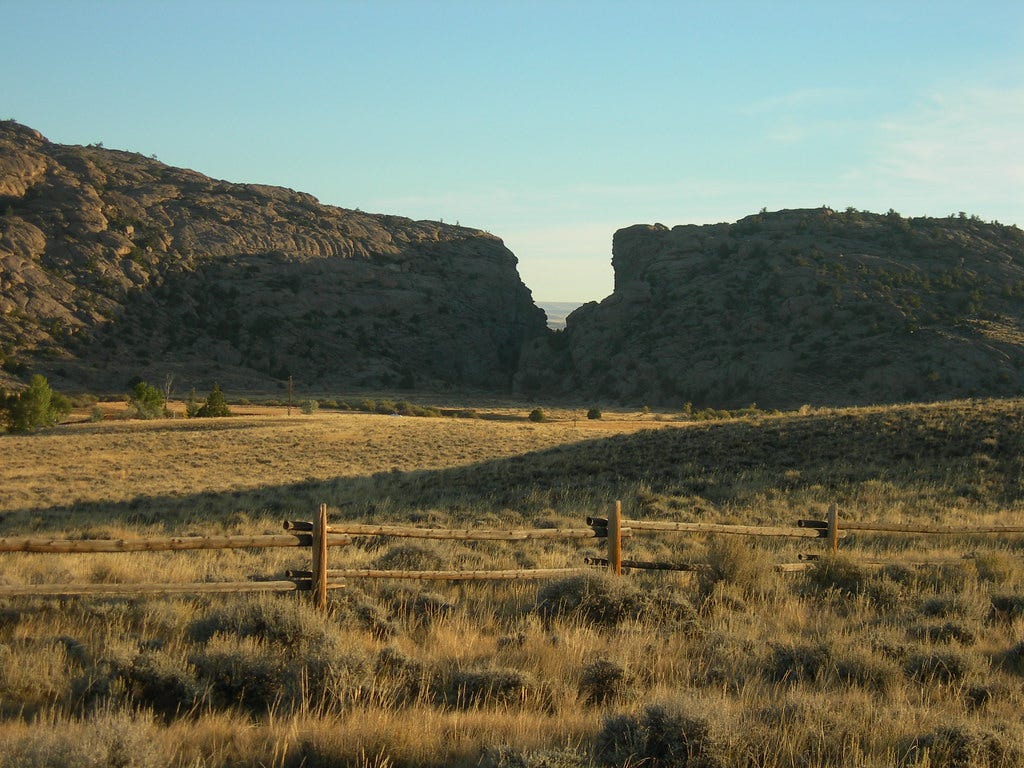
Just under 4 hours later and WY0008 and WY0009 are done. Nothing really special to report. Just lots of slicing to get the two districts combined to just below 60,000, and then splitting those blocks in half by population.
West Casper is WY0008 with 29,425 people across 1,118 blocks, and East Casper is WY0009 with 29,785 people across 1,076 blocks. Beats me why all that took almost 4 hours to do.
Let’s keep moving.
This ought to be much like Natrona County and Casper, just with three districts instead of two. BRB . . .
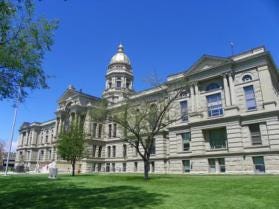
Right at 3.5 hours later and WY0010, WY0011 and WY0012 are done. Again, nothing really special to report.
West and South Cheyenne are WY0010 with 28,343 people across 878 blocks, the city center is WY0011 with 28,546 people across 995 blocks, and North and East Cheyenne are WY0012 with 29,536 people across 723 blocks.
Want to see Wyoming so far?
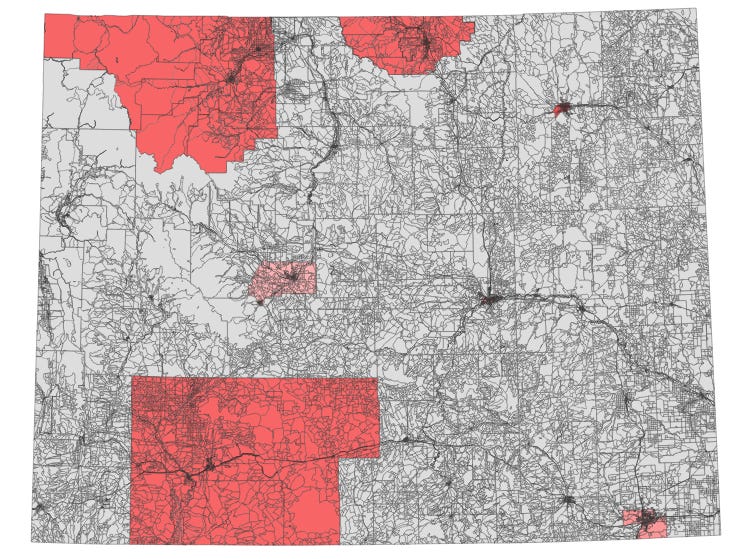
Some of the compact city core districts you can’t even see at this scale, but they are there. The district coloring reflects how each county voted in the 2024 election with a little tinkering by me that I will explain either at the end of the article or more likely when I go back to the top of the article to sum up the whole experiment. All that’s left to do is to fill in the gaps around these 12 districts!
I’m enjoying this! That’s it for today. More soon and I don’t think that will take very long at all.
Teton County had 23,331 people in it per the 2020 Census, so I will add on to it blocks from Lincoln County to the south that are mountainous like Teton County is and if those run out, I will add on mountainous blocks from Sublette County to the southwest and Fremont County to the east until we get up and around the residual mean left for gap districts like this of 28,222 people.
Note: this is the ONLY blue district in Wyoming, and it’s REALLY blue—it went Harris+35 if you can believe it—next closest in Wyoming was Albany County that only went Trump+4. Incredible! BRB . . .
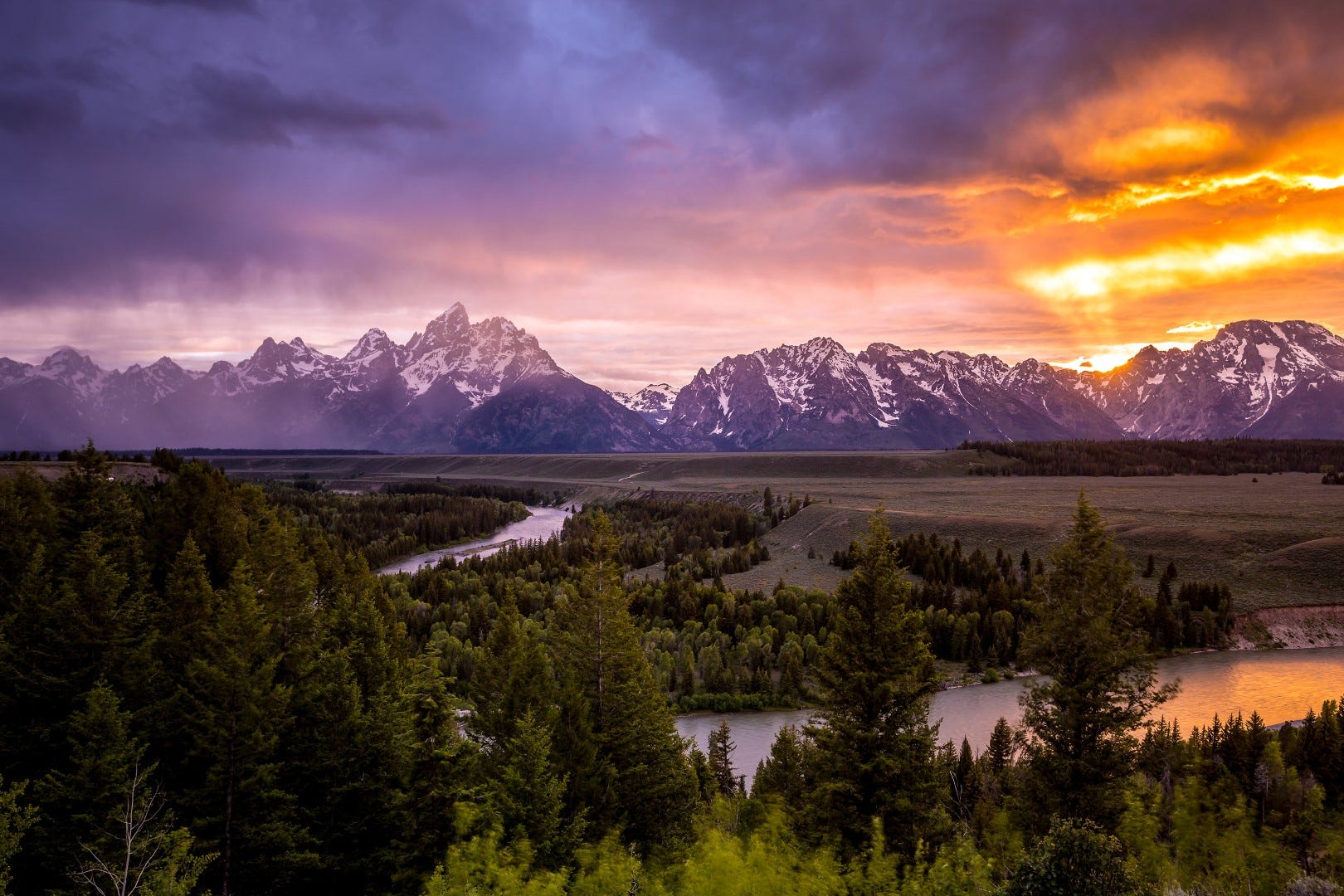
OK, that took a while because the way northern Lincoln County’s population is so clustered in those little mountain towns that it made no sense to just add downwards from the Teton County line until the mark was hit—way too random and not right, in my opinion. So, I had to backtrack a bit and add on a decent number of blocks in northwest Sublette County and then add back in a few more from Lincoln County.
Just over two hours later and WY0013 is done. It has 28,586 people across 1,844 blocks—it looks pretty nice, if I do say so myself. I hope the folks living up there in northern Lincoln County and northwestern Sublette County can handle being thrown in with the leftists in Teton County. Next!
Uinta County—the Shelby County, Tennessee (where I grew up) of Wyoming—when you’re bad, they put you in the corner! Ha!
Uinta County has 20,450 people in it per the 2020 Census, so it will be a good bit like Teton County was—just have to add in about 8,000 people from . . . uh oh! Southern Lincoln County should be fine, but western Sweetwater County already has 12,666 people in it in WY0005, remember? Let me see how best to handle all this because that corner of the state will be finished when this is done and we might have to rope in remaining parts of western and southern Sublette County to make WY0005 and WY0014 work. BRB . . .
That took hours and ended up with me finishing up WY0005 as well. I’m not happy with the outcome, but it will do for now. I may go back and make some changes to WY0005 and WY0014 before I publish this article and the map. I now think I know how to handle some of these corner situations. We will see . . .
Carbon County with population of only 14,537 is directly west of Albany County where Laramie and WY0003 are situated. The residual in Albany County is 7,535. So, adding those two together for the bulk of WY0015 works fine. That will leave me with another ~5,800 people to add to it. There are so many options for these gap filling districts . . . I could add on people from the southern parts of Natrona and/or Converse Counties . . . I could add on some of the residual from Laramie County . . . I could split the residuals of Albany and Laramie Counties giving the southern half of both to WY0015. I also have to be very mindful from here on about not going too much above the mean of the remaining population for the remaining districts—that figure is now below 28,000 because I was not being so diligent early on and created too many >29,000 population districts when the statewide mean for 20 districts was only 28,843. Next time, I will be a lot more mindful of that. BRB . . .
That’s now done and like three more weeks passed too . . . WY0015 has all of Carbon County in it plus the remaining portion of Albany County and the western side of Laramie County for a total district population of 27,690 across a whopping 7,326 districts. Pretty neat!
I cleaned up a few things next including re-doing WY0005 & WY0014 so that they look a lot better and make more sense (I hope). So now, it’s time to finish up with districts WY0016 through WY0020.
Loading up all the areas around the corners and making the map look nice! Platte County had 8,605 people, Goshen County had 12,498 people— they’re both directly north of Laramie County, so this district makes some good sense. BRB . . .
It turned out to be the remaining portion of Laramie County plus most of Platte County and Goshen County—27,966 total people across 2,932 blocks.
As we close in on the last few districts, we better deal with the one remaining corner up in the northeast part of the state where Crook County is. Crook County had 7,181 people in it under the 2020 Census, so let’s aggregate it with Weston County just to the south and its 6,838 people, and see how many of the remaining people in Campbell County to their west we can add in. BRB . . .
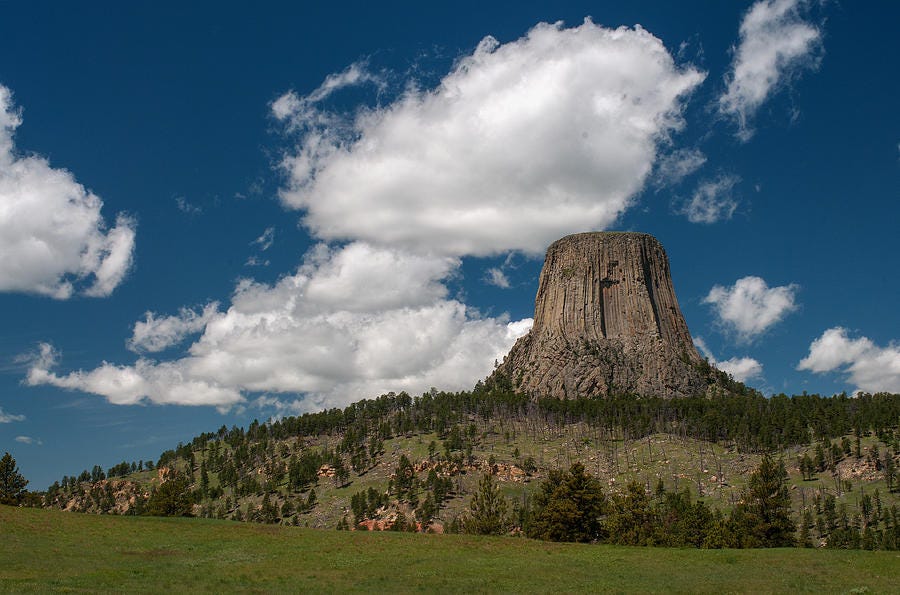
Almost all of Campbell County’s remaining population went into WY0017—about 3,000 had to be sliced away and I elected to do so with the people in the southwest corner of Campbell County. Next!
Now, let’s fill in the space from the eastern state line with South Dakota and Nebraska between districts WY0017 to the north and WY0016 to the south. On the eastern edge is Niobrara County, the least populous county in the state with its 2,467 people. To the west of there is Converse County with its 13,751 people. We will pull in the remaining people form the northern parts of Platte and Goshen Counties and see where we are after that. BRB . . .
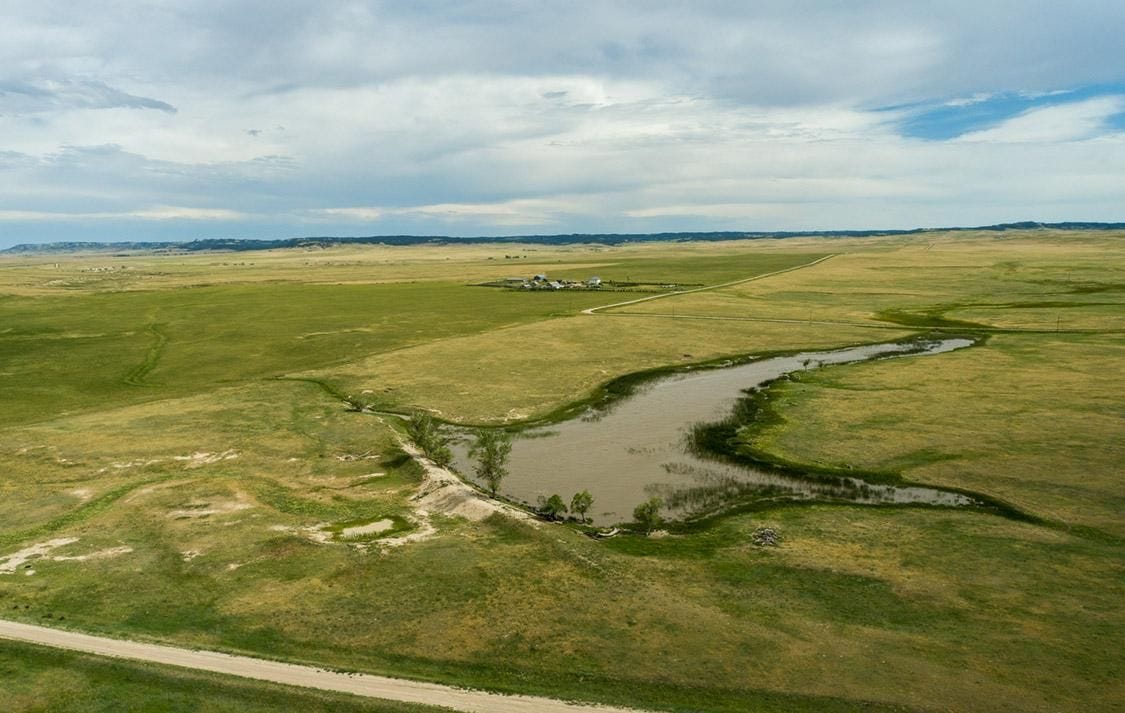
All that plus the remaining people from the southwest corner of Campbell County only get us to 22,964 people—so, let’s start to add in the remaining people in Natrona County to the west who are on the east side of Casper. BRB . . .
OK, that’s all nicely done. WY0018 came out to be 27,764 people across 5,764 blocks.
Now, it’s just clean up time!
(I had that planned all along, friends and countrymen!)
Wow, did this district just fall into place perfectly . . . less than 45 minutes of just making sure not to mess up any of the borders . . . 28,336 people across 5,178 blocks. Bam!
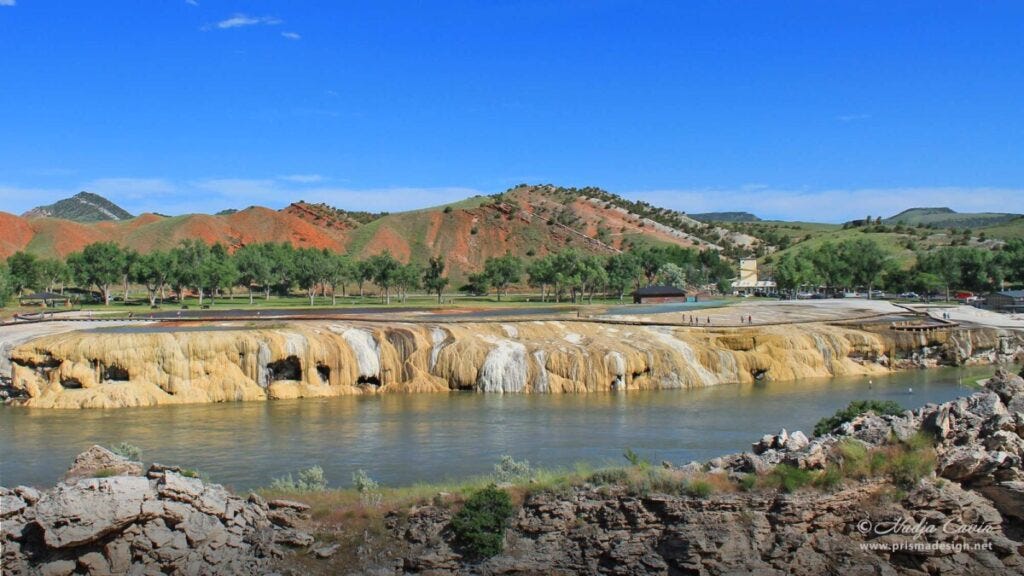
Now, just everything left over!
That’s all that is left, so all that goes into our final new Wyoming district under Article the Second of The Second Bill of Rights. WY0020 comes out with 29,377 people across 5,279 blocks.
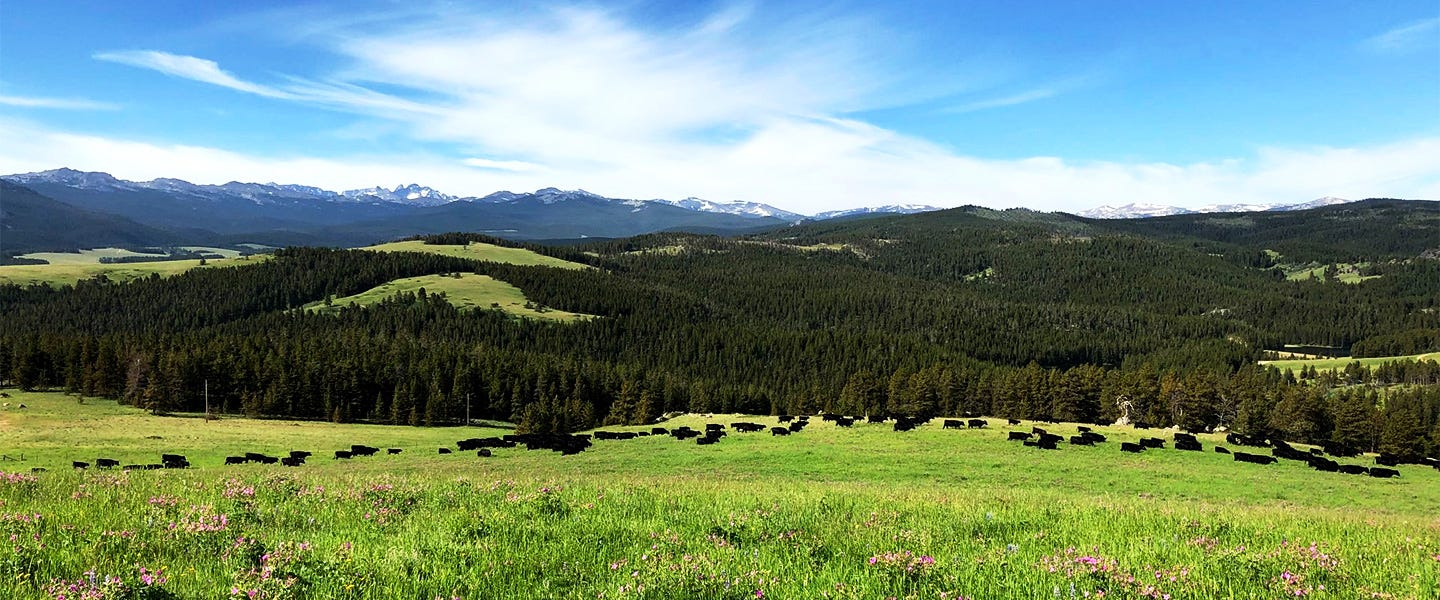
I was very patient and thorough with this initial attempt at applying SBOR_At2 to a real-life situation. I think me working my way up the learning curve with the software generated some very small errors that I just spent an hour trying to root out—namely there are somehow 7 blocks out of the 53,769 total blocks for the state with 82 people out of the 576,851 people in the state that slipped away somewhere and somehow. I just can’t find them—a 99.9870% accuracy rate on blocks and a 99.9858% accuracy rate for people is just going to have to suffice—that’s only 5.612 sigmas for all you Six-Sigma nerds out there—which I think is better than could have been expected for what this was.

While getting all that perfect, I found all the hiding districts and people in them—now at 100% accuracy everywhere. Six Sigmas is ok, but 100% is best!
Borders and labels all done. Now it’s finally time for . . .
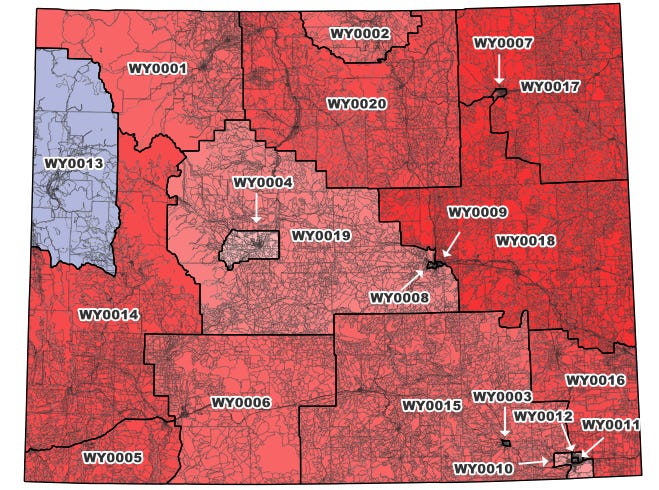
I’m happy enough with this.
If anyone wants a close-up image of a part of the map, just ask and I’ll post one in the comments.
You’re welcome to renumber the districts as you see fit. I’m not going to do that, but I bet that when this process is played out in the future for real that doing so according to some logical and consistent rules would make sense. I can see the merit in having adjoining districts be numbered somewhat close to each other.
Beyond that, I tried mightily to not have WY0014 be shaped like it is to try to respect the geography differences between the western, mountainous edge versus the more flat areas to the east and in that vertical portion into Fremont County, but the population in WY0014 and WY0005 is just not in places where I could divide it up easily or sensibly.
I struggled as well with WY0010 on the west and southern sides of Cheyenne—there are just no people in the blocks to the southwest of the city, so we ended up with that “dumbbell” shaped district.
The exact district lines for some districts could be different, sure, but that would take more time than I have for this project (and it took three months to actually do) and respecting county lines, block lines, rivers, mountains, roads and so on are going to restrict that quite a bit—you get the intent though. With districts under 30,000 people, there just isn’t much latitude to game things. Goodbye gerrymandering—it won’t accomplish much of anything—and, that’s a part of the whole idea here.
No need for commissions or independence much even . . . heck, each state might even benefit greatly by having someone clueless about local politics and demographics make the district maps. Use me for example . . . I’ve never been to Wyoming and knew some basics about it before I started this project. I know a lot more about it now. Every ten years, I could find someone like me to undertake this initial effort and there’d be no need for worry—how am I going to have a clue about the racial make-up or historical voting trends or other demographics of anywhere across more than a few places I’ve lived in my life. There ought to be ZERO voting history information and racial demographics factored into this process . . . even if someone tried to integrate that into the process, it would show up really easily in district shape. So, this likely works quite well.
I see a new business line coming to my Golden Griffon company—reapportionment districting in accordance with Article the Second of The Second Bill of Rights! Nice!

Let’s get The Second Bill of Rights ratified and sign some contracts! Ha!
Unlike how the current 435 House districts vary in population for the past 112 years, the 11,050 SBOR-At2 House districts will hardly vary in population at all.
Here’s the data for Wyoming:
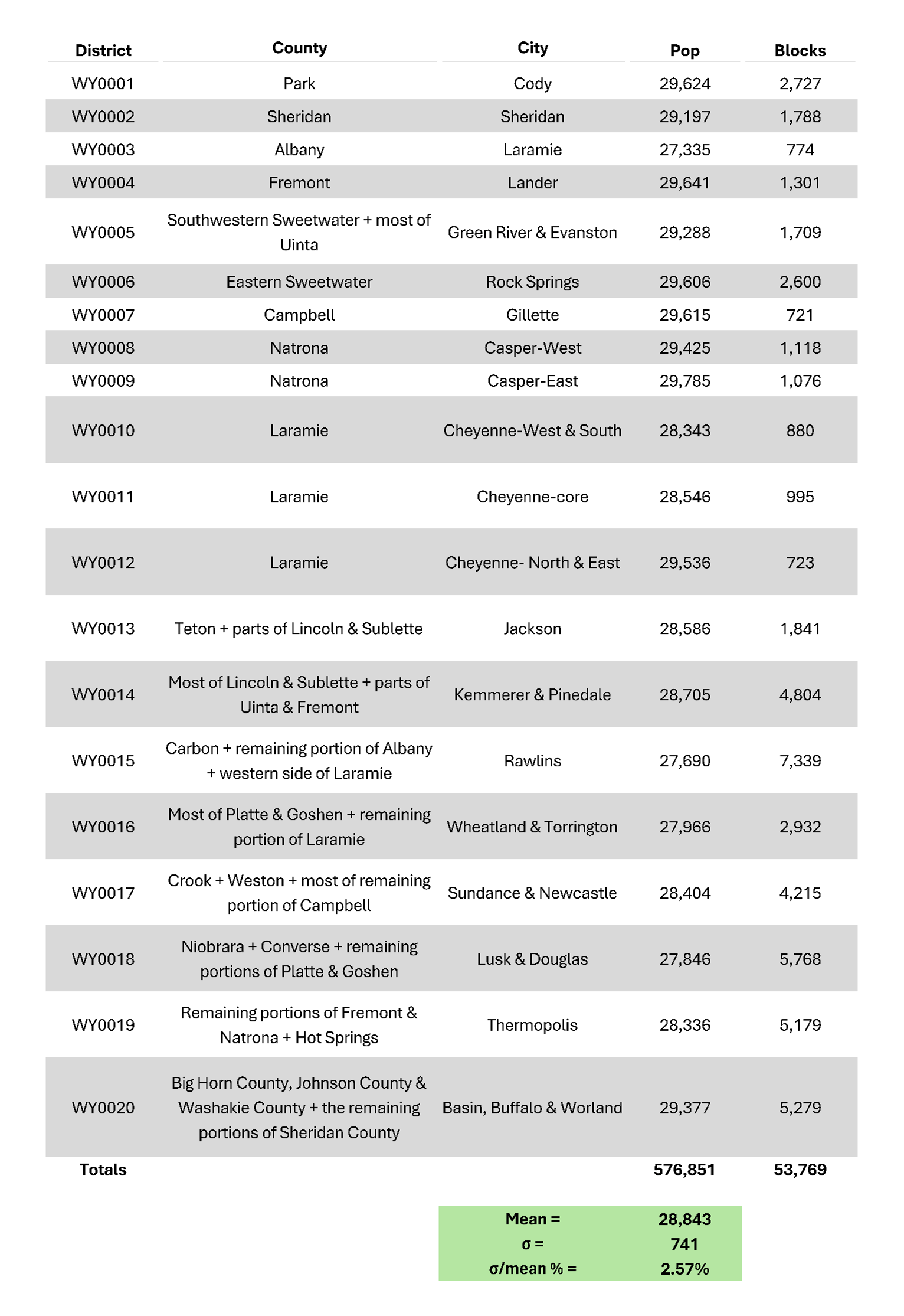
Just look at that Coefficient of Variation (CV) = Standard Deviation / Mean = 2.57%!
A CV that low means the data is extremely tightly clustered (very low variation).
Grok says “[my] 20 Wyoming districts are remarkably uniform—excellent compactness/equality metric for a redistricting plan. Well done.” I’m putting that on my fridge for my cat to see since my mom isn’t around anymore to do so. :(
I used my “double deciles” palette for this exercise. It colors each district based on how pro-Trump or pro-Harris the counties (or blended counties) were in the 2024 Presidential election. Here’s that scale for you to see:
As I mentioned at the beginning of this article, Wyoming’s one House seat is currently occupied by Harriet Maxine Hageman since the 2022 Elections. She is a Republican, as we all would expect, and in 2024, she was re-elected with 184,680 total votes for her or 70.6% of the votes cast for all candidates. It looks like she spent $2,461,851 to get re-elected, which calculates out to $13.33 per vote she received. USA Today & Ballotpedia

It ought not to cost over $100,000 per two-year term election cycle to get elected to the US House of Representatives and especially not across most of Wyoming. If current Wyoming Representative Hageman’s 2024 re-election expenditure were to be split up across her functional equivalent twenty (20) Representatives under SBOR_At2, it would equal a touch over $123,000 per seat/district—that is just nuts. But there is a lot of influencing and notoriety/power that appears to come with being 1-out-of-only-435 that will be a LOT lower under the whole suite of ten Amendments that comprise The Second Bill of Rights. So, we will have to see what that might look like on average over time one day . . .
With districts sized just under 30,000 people, also expect voter turnout to go up. In the 2024 House seat election I mentioned above only 271,123 cast votes. The total population of Wyoming was tabulated at 576,851 per Census 2020, but that includes illegal aliens, legal aliens and children. (FYI again: The mini-series on US Citizens-only counting for reapportionment and redistricting will begin very soon.)
For this article I’m going to use that 271k/577k ratio to apply to our new SBOR_At2 districts . . . that’s a percentage dead on 47% . . . so, with a mean district size in Wyoming of 28,843 people that would result in under 14,000 votes being cast in a general election for these new SBOR_At2 House seats . . . that’s ridiculous and I’m not going to use such a low number for this calculation . . . I’m going to push it to 20,000 votes just to be on the high side.
At 20,000 votes being cast, the winner will need 10,001 votes in his or her favor. But Wyoming is very red . . . statewide it was Trump+46 in the 2024 election . . . the most red state of them all. So, let’s just expect the winners in each new Wyoming SBOR_At2 district to get 70% of the vote . . . that means they’d garner 14,000 votes in their favor. Now, let’s apply more toned down $/vote levels to that . . . not the crazy $13.33/vote that Rep. Hageman spent in 2024 . . . how about we cut that in half?
At $6.67/vote in favor of the winner in a SBOR_At2 world, it would cost each elected Representative just over $93,000 to get elected each cycle. I still think that is a good bit higher than it will play out, but so be it. I’ve left out primary costs and the data I could source for 2024 was general election only. Ruby red states and SBOR_At2 districts like these (other than blue outlier WY0013 over in the Jackson Hole mountains) will see the costly action in the primary and not the general election. I will have to model out all that another time.
Well, that’s it for this example. I will start to work on the next one soon. It will be New Hampshire with its 46 SBOR_At2 House seats and districts. New Hampshire has more than twice as many SBOR_At2 districts than Wyoming packed into a state less than 10% as big. That should prove to be interesting.
After that comes the Commonwealth of Virginia because it is the most polarized State in the Union—it has the most bright-red and dark-blue counties virtually right next to each other. And, as we all remember from our American history, Virginia is always Ground Zero in our national conflicts . . . and so it will be again for a third time.
If you’d like to commission or sponsor something reasonable for me to model out after that, let me know and we can determine if that is possible. Donations and paid subscribing is critical, folks. So please help financially if you can.
If you value a Madisonian Republic, help fund the thing that you’re going to use to restore it. The Second Bill of Rights operates lean—research, writing, charts, maps, legal/editorial review—and every dollar currently goes straight into the monthly burn.
Paid Subscriber — just $6/month or $60/year gets you access to the handful of paywalled content on here so far—there will be more of that in 2026.
Early Founding Member — only $120/year through the end of 2025 will get you specials including a 20-page primer on the actual SBOR book itself and other things that I’m developing.
Back it “bit by bit” — one-off gifts to:
Underwrite a map or chart (DPI/ASPI updates in 2026 as the last of the 2024 and the first of the 2025 data is finally published; your county or state blocked up into districts under SBOR-At2)
Sponsor a research block (let’s collaborate on an idea and I will do my usual over-done job! hahahaha—this is a lot of fun for me)
Help fund the SBOR 501(c)(3) setup so we can scale the team and then begin to perform civic and educational outreach and endeavors—we need the aggregate SBOR donation balance for the past 30 days to surpass $8,000 to start that work—HELP!
Why now? I’ve already written and published over 200,000 words here on the SBOR Substack with a further 20,000–40,000 words/month coming out for the next 12-24 months easily. Plus, there’s the 112,000 words of the SBOR book itself that is being tended to, cleaned up, and soon enough updated for actual publication next year. That’s going to be over 500,000 words by July 4, 2026—that’s a LOT! Incrementally increasing, predictable support lets me keep: writing; building the SBOR Library; networking for new teammates, publicity, and speaking opportunities; and materially accelerate the launch and build out of the nonprofit structure.
Upgrade to Paid Subscriber or Early Founding Member
Share this post with two people who care about constitutional restoration
Reply with one line on what you want prioritized next (it shapes the queue)
If you or someone you know would like to make a seed donation of $1,000 or more, message me so we can discuss the details of that and what my then-current plans are for the short- and medium-term. And, we will arrange for that gift to happen directly and not give 3% of it to the billionaire payment processor.
Seed donors are so critical at this point and stage of enterprises like this, as you can imagine. The Second Bill of Rights’ Hall of Fame is set aside for those wonderful people.
If you want our Republic restored to what it was originally intended to be, help fund the work that does exactly that.
Join The Second Bill of Rights Team today, and let’s keep the lights extra brilliant in the center of the arena.

IPUMS NHGIS data sourced from:
Jonathan Schroeder, David Van Riper, Steven Manson, Katherine Knowles, Tracy Kugler, Finn Roberts, and Steven Ruggles. IPUMS National Historical Geographic Information System: Version 20.0 2020, Census: P.L. 94-171 Redistricting Data Summary File, NHGIS code: 2020_PL94171, NHGIS ID: ds248. Minneapolis, MN: IPUMS. 2025. Http://doi.org/10.18128/D050.V20.0
IPUMS NHGIS, University of Minnesota, www.nhgis.org
Many, many thanks to all of you there at IPUMS NHGIS / University of Minnesota for making all of that incredible work so easy to access, use, and analyze. Steven
7,178 words
No posts
Comments
Nothing yet. Say the first thing.
Sign in to join the conversation.