
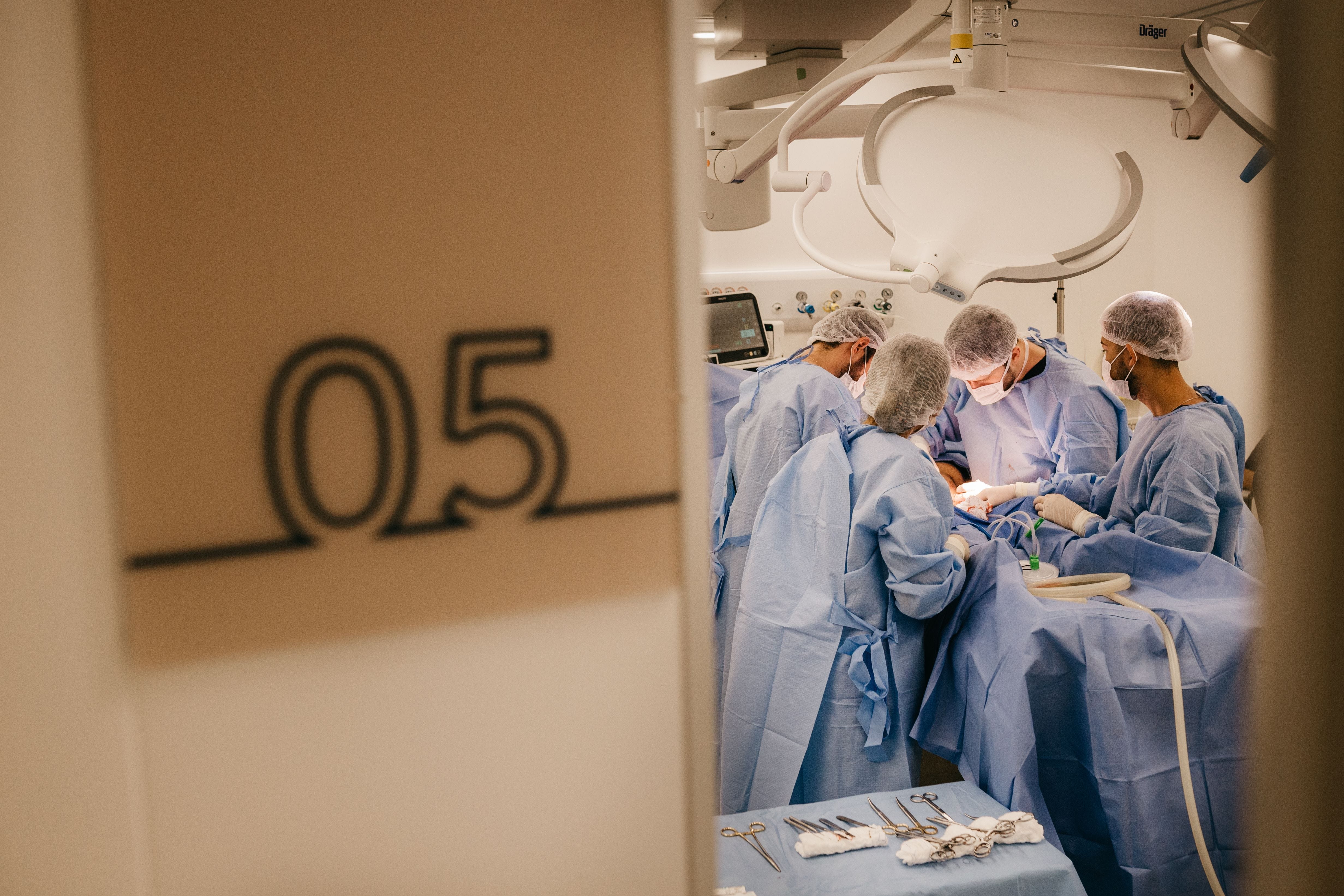
A medical student on a general surgery sub-internship recently described an unsettling pattern on Reddit. Residents were working close to 80 hours a week, sometimes more, but much of the day seemed to be spent managing the floor. The student saw junior residents getting relatively little operative experience, with major cases appearing to go mostly to PGY-4s and PGY-5s. Residents responding to the post weren’t particularly surprised by the hours. They were surprised by how little operating the student described.
Long weeks were the least surprising part
The ACGME limits clinical and educational work to **80 hours per week, averaged over four weeks**. In the thread, residents described schedules around 70 to 80 hours, depending on the rotation, with some recalling individual weeks above 100. These are anonymous accounts, not national workload data, but there was little disagreement among commenters that surgery can push close to the limit.
The disagreement started when the student described what filled those hours. A 14-hour day could include only a fraction of that time in the OR, with junior residents handling notes, orders, consults, postoperative issues and the other work of running a surgical service.
Waiting until PGY-4 to operate is not the expectation
Several residents said they had started operating much earlier. One recalled performing a laparoscopic appendectomy as a PGY-1. Others described regular operating by PGY-2. An intern said they had already scrubbed roughly 40 cases in their first month. None of these accounts can establish what happens at the average program, but the response to the student’s experience was remarkably consistent: the hours sounded familiar; the lack of cases did not.
American Board of Surgery requirements offer a more useful reference point. Residents must accumulate **at least 250 operations by the beginning of PGY-3**, including cases logged as surgeon or first assistant. By graduation, they must have performed at least **850 operations as surgeon**.
Those are case requirements, not measures of independence. A resident can log a case without performing every critical portion of it. Still, a training model in which meaningful operative exposure is largely postponed until the fourth year would be difficult to square with the progression the ABS requirements are designed to measure.
Residents spend months of training in the EHR
There are data behind the complaint about time away from the OR. Researchers studying objective EHR activity among general surgery residents estimated **2,512 hours of EHR use over five years of training**. At an 80-hour workweek, that amounts to **31.4 weeks, or nearly eight work-months**.
Junior residents carried more of the burden. EHR activity declined as postgraduate year increased, a pattern that resembles what residents described in the thread: interns and junior residents spend more time running the floor while senior residents spend more time in the OR.
Some of that work is surgery. Following a postoperative patient, reviewing imaging, managing complications and deciding when someone needs to return to the OR are not administrative distractions from becoming a surgeon. Documentation, order entry and other service requirements are harder to categorize, particularly when they consume time that might otherwise be spent operating.
One senior resident in the thread said they sometimes stayed after their scheduled hours to scrub late cases because floor duties had limited their OR time. They said nobody required them to stay. A couple of times a month, they simply wanted the additional cases.
The same 80 hours can produce very different training
The thread included residents who reported operating from internship and others who described heavy floor responsibilities. Some commenters pointed to programs with advanced practice providers handling more routine service work. Others described academic centers where fellows compete with residents for cases. Program structure, staffing, case mix and seniority all change what a resident’s week looks like.
That makes the 80-hour number less informative than it first appears. Two residents can log the same number of hours while getting very different exposure to the OR.
The medical student went into the rotation expecting surgery residency to demand long hours. What caught them off guard was something else: **how few of those hours appeared to involve operating.** The residents replying to the thread largely agreed that this, rather than the number on the timesheet, was the part worth questioning.
Sources: Reddit r/Residency thread on general surgery residency (self-reported, anonymized accounts, not independently verified). Duty hours: ACGME common program requirements. EHR burden: “Surgery Residents Spend Nearly 8 Months of Their 5-Year Training on the Electronic Health Record,” Journal of Surgical Education, PubMed 32654998. Case requirements: American Board of Surgery (250 operations before PGY-3; 850 total as surgeon). Program-variation and duty-hour context: surgical duty-hour and case-log literature.
No posts
Comments
Nothing yet. Say the first thing.
Sign in to join the conversation.