
Bonjour! Today’s newsletter is your ultimate cheat sheet to art in Paris. Museums, hidden-gem galleries, design houses, and the off-the-map stops you’d only hear about from a friend who knows. I pulled together my master list - and tapped 14 tastemakers to share theirs. 🥐Plus, an interview with Matisse’s great-grandson.
Last month, I packed my tote, tied a little French bandana around my neck, and (bon voyage!) headed to Paris. The agenda: a magical wedding, our Alex Mill FA26 campaign, and all of the art I could fit in between.
Since I published my NYC art guide, you’ve been asking for more cities - this trip was the perfect excuse. So I got to work: I took careful notes, texted locals, and exhausted my Google Maps to - voilà! - create THE ultimate guide to Paris art.
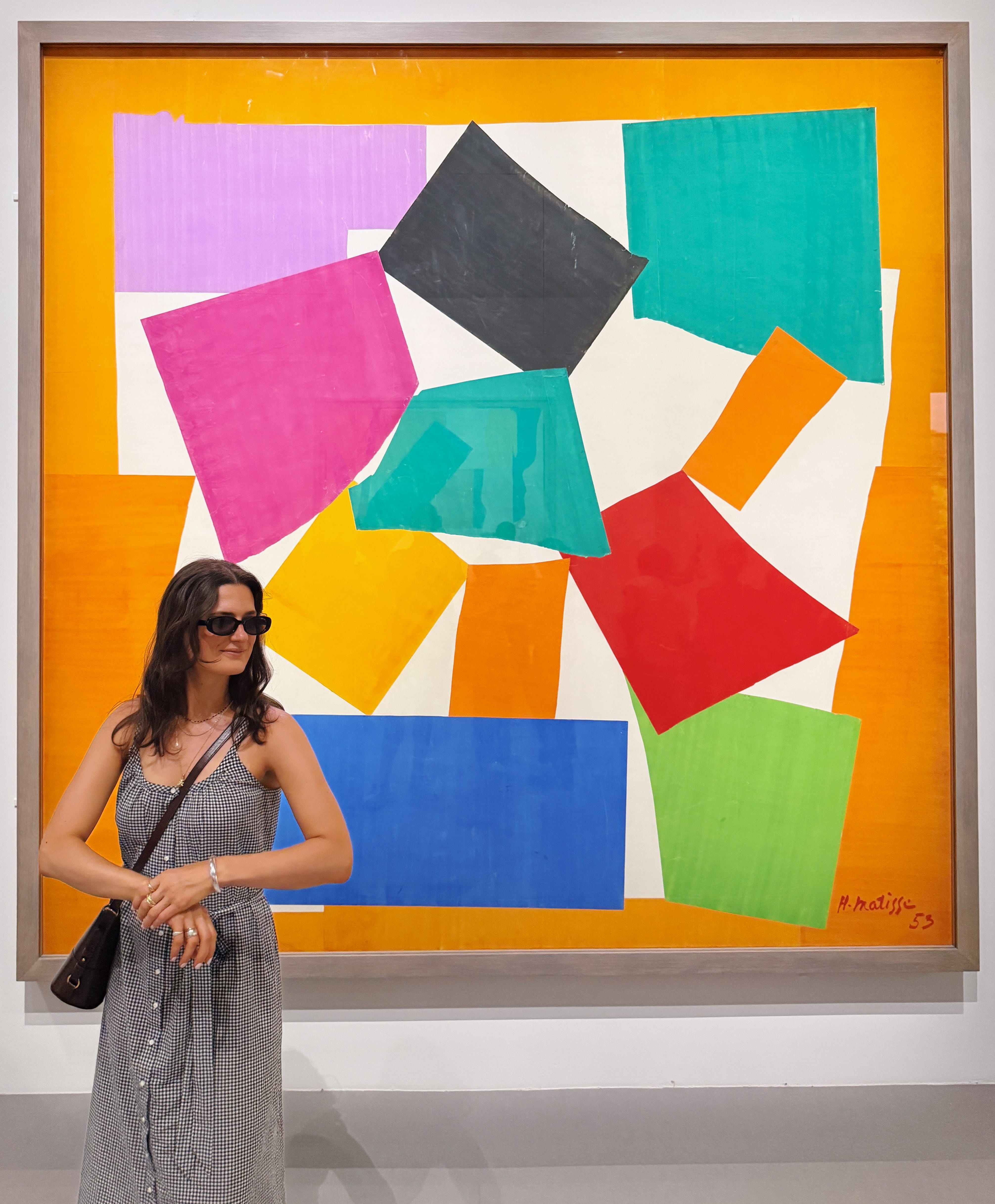
What follows is THE ultimate guide to where to see art in Paris, curated by me and très chic insiders who know their stuff:
Yolanda Edwards, Melanie Masarin, Frosso, SOUVENIR Magazine, Kelsey Rose, Laurença d’Orey, Monica Mendal, Kelsey Rose, Elie, Sonia GD, Joyce Lee, Irene Kim (김애린), Noora Raj Brown and somsack sikhounmuong
Save it. Share it with your friends. Plan all your art trips. Take pics and send them to me.
P.S. stay ‘til the end for an interview with Alex Matisse, Matisse’s great-grandson & founder of East Fork.
Editor’s note: as I was writing this, I realized there are almost NO museums dedicated in full to women artists. Any investors reading this who want to take over a mansion and start a big project with me?!!?
Paris is full of art, and choosing what to see can be overwhelming. Not anymore - here’s my best edit (plus little-known facts about each one).
Yes - you know them by name. Yes - there will be lines. Yes! You need to go anyway! There’s a reason they hold some of the most famous art on earth.
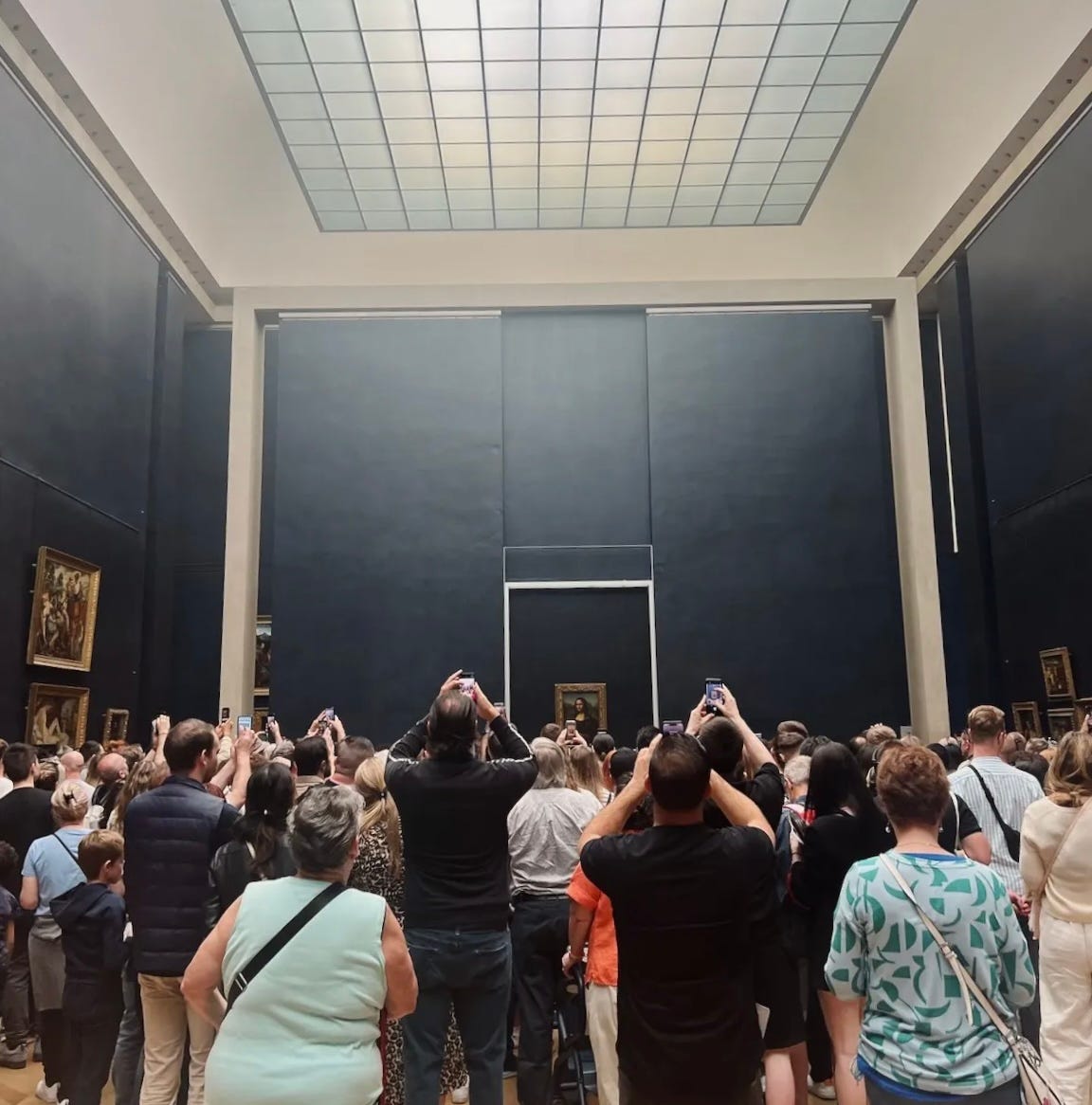
The Louvre (1st arrondissement) - the OGs of OGs. Started as a royal palace and became a public museum during the French Revolution in 1793. Home of Mona Lisa for 229 years.
You can’t just “pop in” to the Louvre - it once took me half an hour to find the entrance! The pro tip: get a highlights tour on Viator & accept that you’ll have to come back.
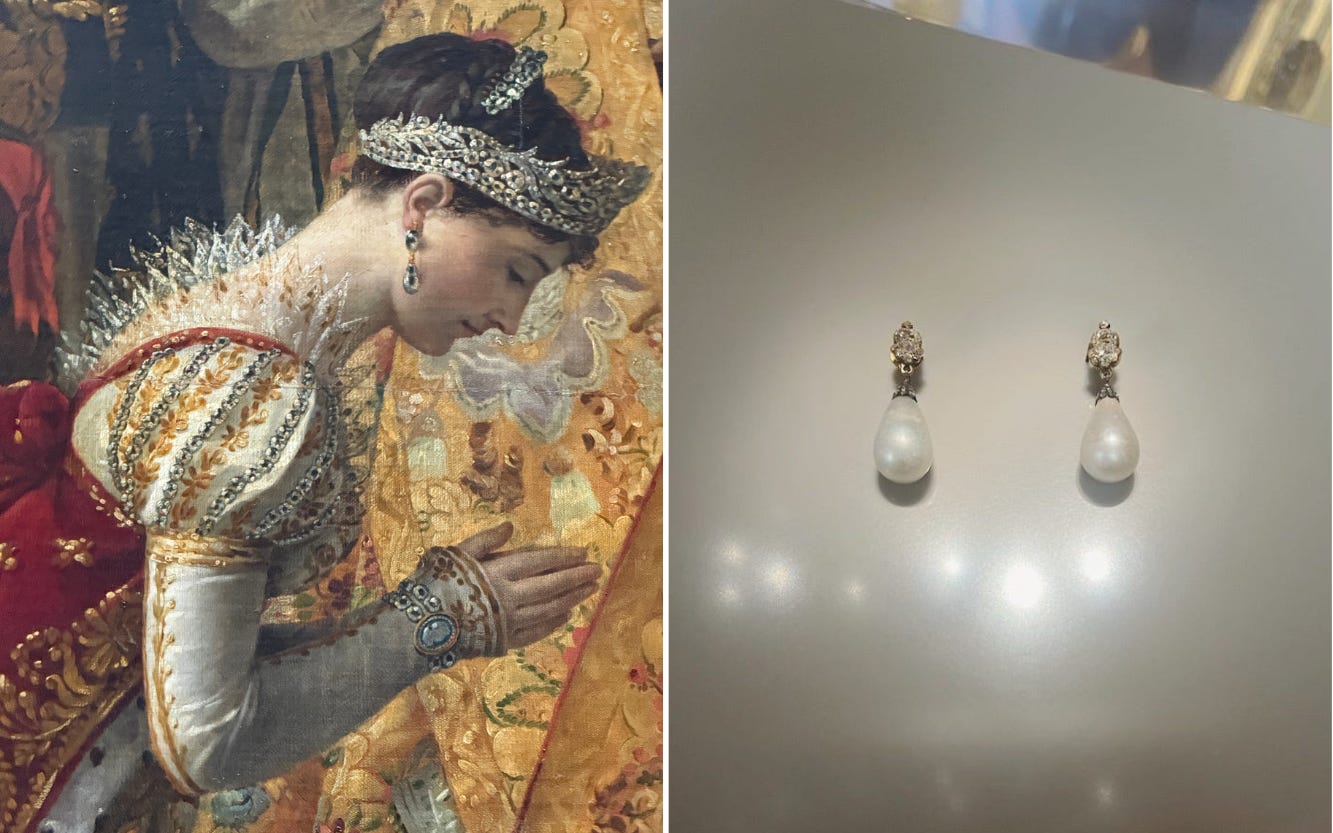
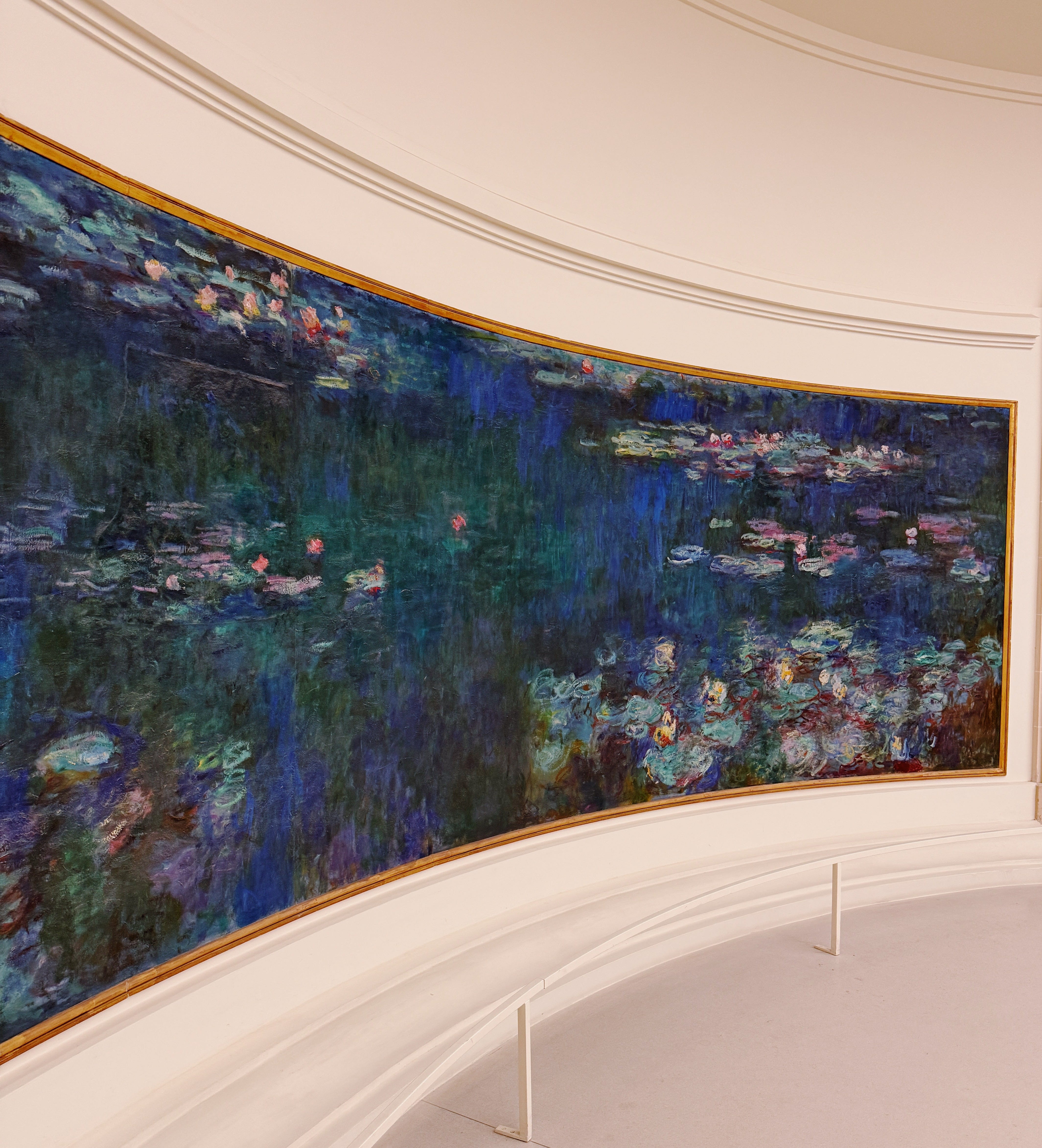
Musée de l’Orangerie (1st) - aka Monet’s Water Lilies museum. Built in 1852 as a winter shelter for the Tuileries’ orange trees. Became a museum in 1927 when Water Lilies were installed.
P.S. it’s not just Monet - don’t sleep on the rest of the modern art collection. I saw the Henri Rousseau show there in June.
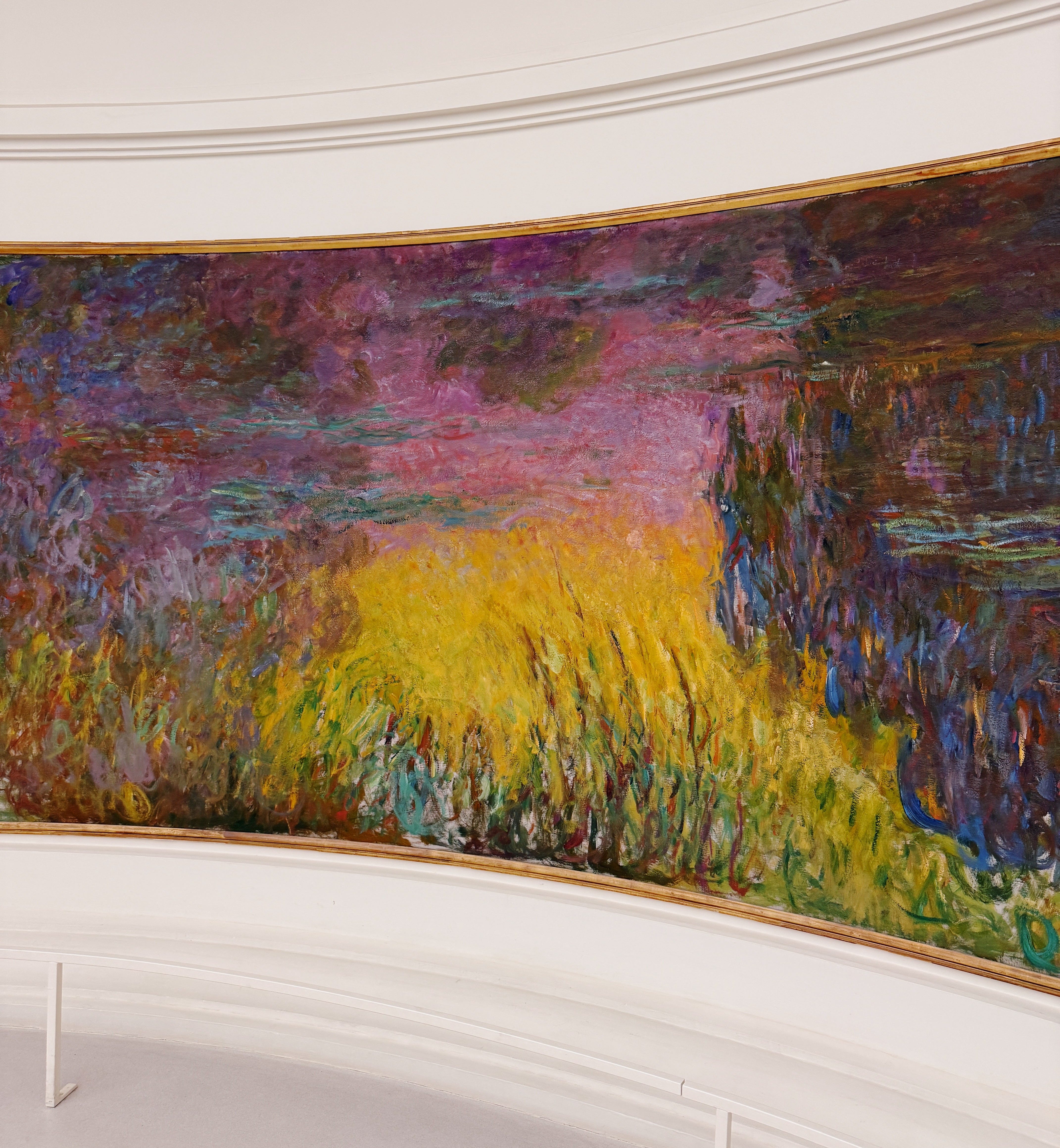
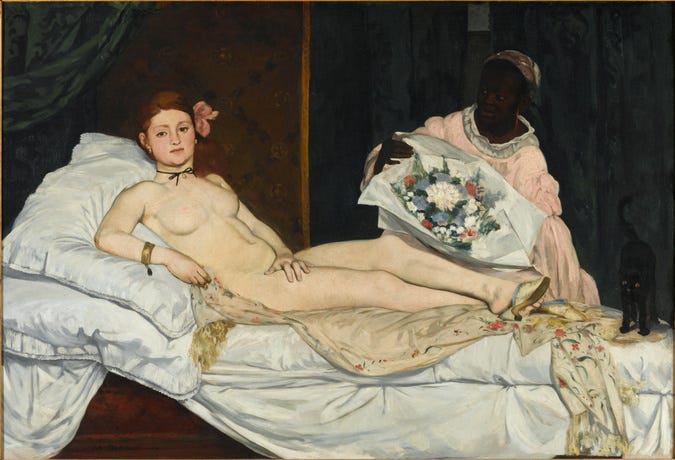
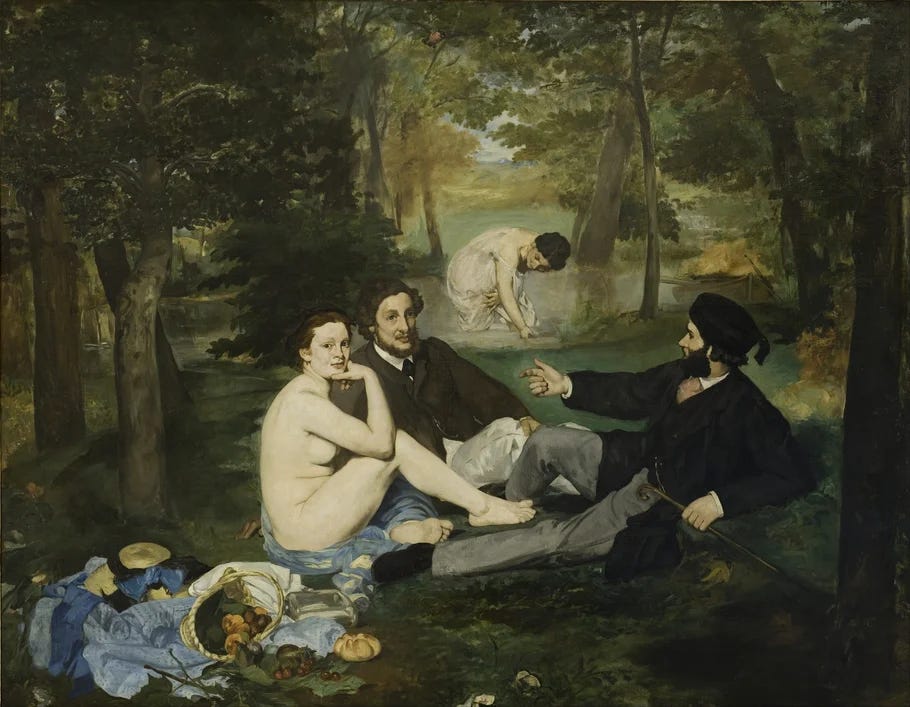
Musée d’Orsay (7th) - oh la la, Impressionism's greatest hits - inside an old train station built for the 1900s World’s Fair.
Don’t miss Manet’s scandalous double act Olympia and Le Déjeuner sur l’herbe:
Centre Pompidou (4th) - think: Paris’s “inside-out” modern art museum with its colorful pipes and escalators exposed on the exterior.
It’s closed for renovation until 2030, but its collection is popping up in off-site Constellation shows. I got to see two fab ones at Le Grand Palais:
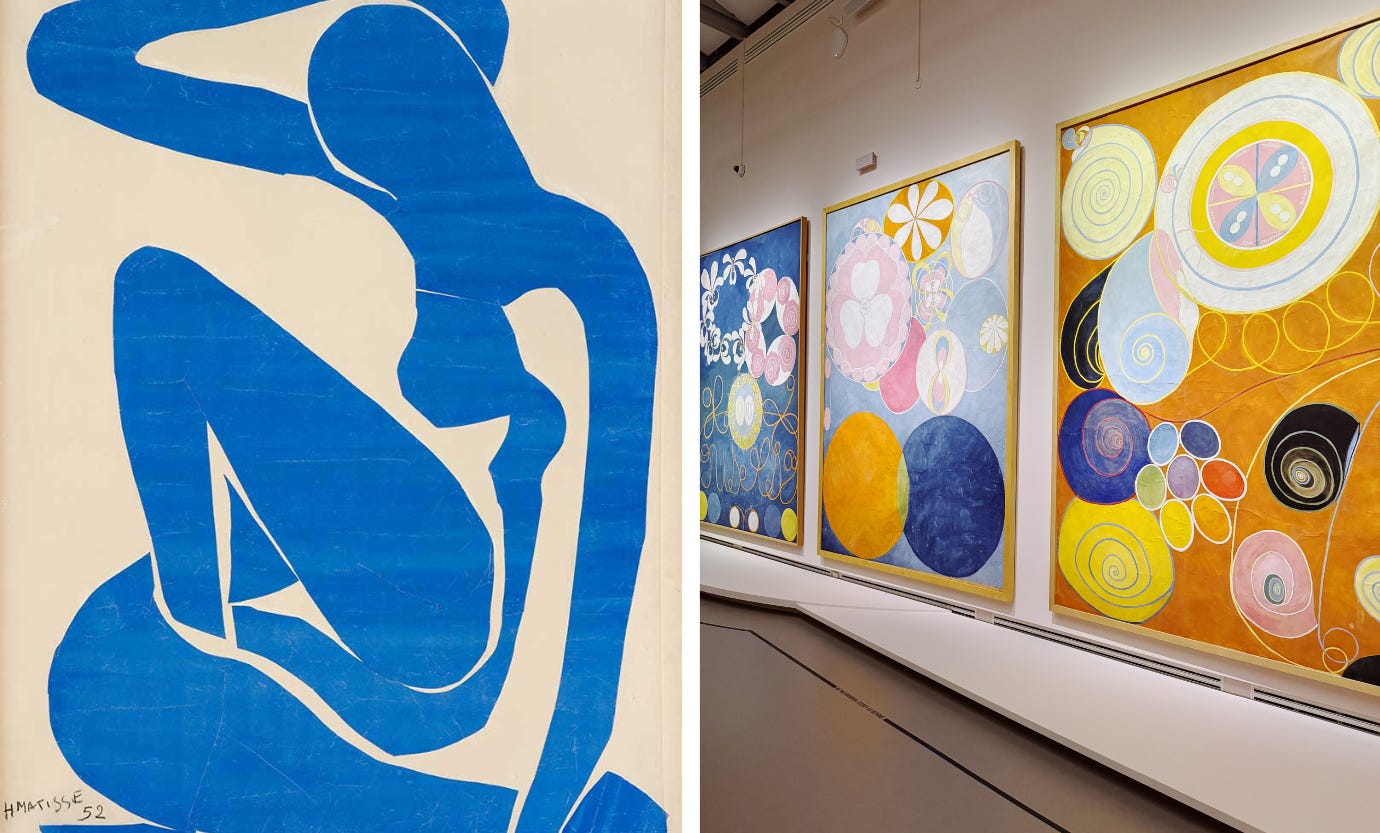
The ones your art world friends name-drop.
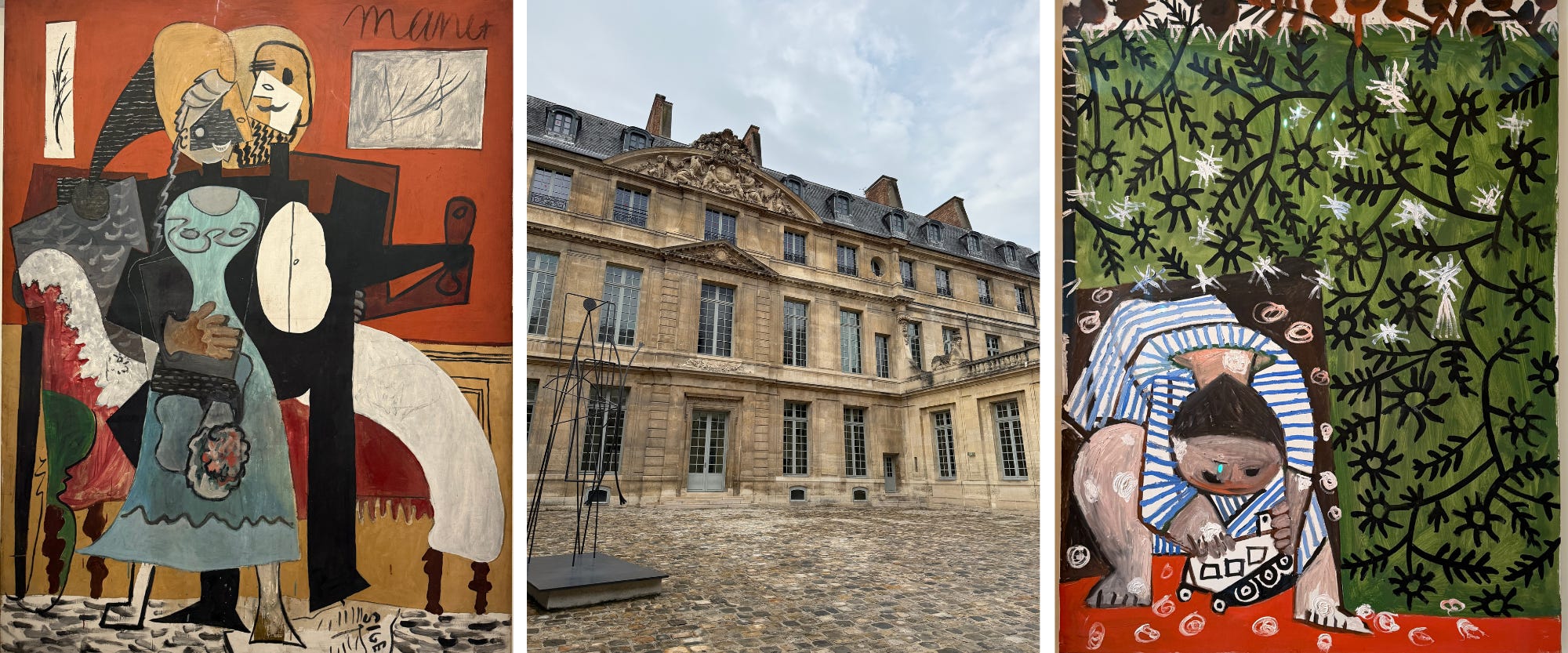
Musée Picasso (3rd arrondissement) - home to the world’s largest Picasso collection. After his death, his heirs paid part of their inheritance tax in art - très French! France turned those works into a museum - inside a grand 17th-century mansion.
Musée de la Chasse et de la Nature (3rd) - a very wonderful & strange mix of taxidermy, old paintings, and surreal rooms inside two grand mansions.
Melanie Masarin, the founder of Ghia and author of Night Shade loves it: “Our mini version of the Natural History Museum, right in the center of Paris, with curiosity cabinets and a ceiling covered in feathers. Really good with kids and super easy, you can do it in maybe 20 minutes. It's not far from the Picasso Museum (which is one of my favorites but already very well known) and a nice break from the chaos of the Marais.”
Musée Cognacq-Jay (3rd) - a jewel box of an 18th-century art collection built by the founders of La Samaritaine department store
MEP - Maison Européenne de la Photographie (4th) - Paris’s photography museum as recommended by Kelsey Rose
Musée du Luxembourg (6th) - this gem of a museum is hiding inside the Luxembourg Gardens. No permanent collection aka there’s always a new fab exhibition to see.
Local Parisian Sonia GD - the founder of Verdoie agrees “most people don’t actually know it’s in the jardin!”. She just saw Leonora Carrington there.
Deyrolle (7th) - a taxidermy museum since 1831 (!!!) that’s basically a life-size cabinet of curiosities. Sounds strange I know but somsack sikhounmuong and Yolanda Edwards both recommended it so you know it is good!
My travel muse Yolanda Edwards swears that she “heads here every time I’m in town, and I always pick up one of their beautiful notebooks when I’m there.”
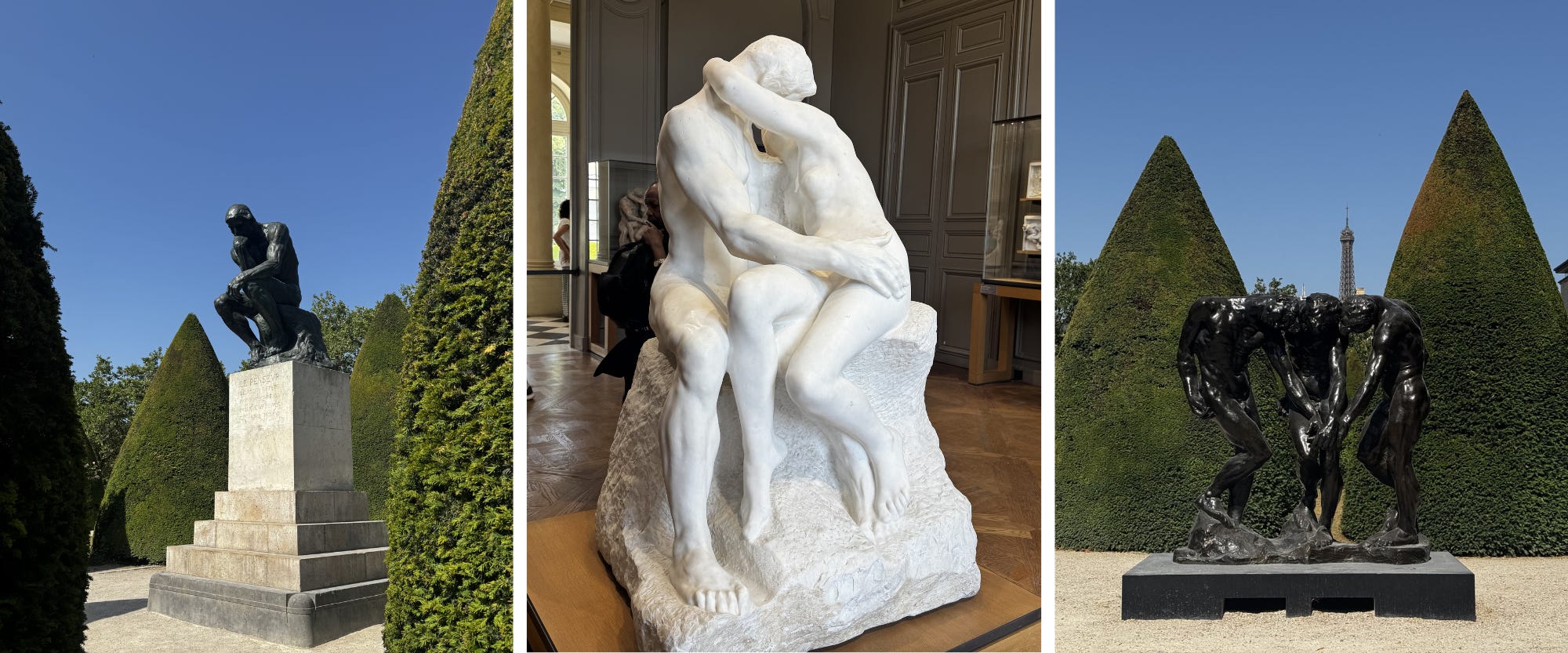
Musée Rodin (7th) - a grand 18th-century mansion where Rodin once lived and worked. He later donated his entire collection to France on the condition that the building become a museum. Come to see The Thinker and The Kiss.
My new Paris guide Frosso & author of Stylé - The Paris Edit weighs in: “An 18th-century hôtel particulier drenched in that dreamy Parisian light that makes Rodin’s sensual sculptures look almost otherworldly (no wonder Dior keeps bringing its Haute Couture shows here).”
Our newly minted Parisian style writer Irene Kim (김애린) gives us a hot tip: “I’ve paid the price of admission to the Musée Rodin for a few hours of peace in its gardens.”
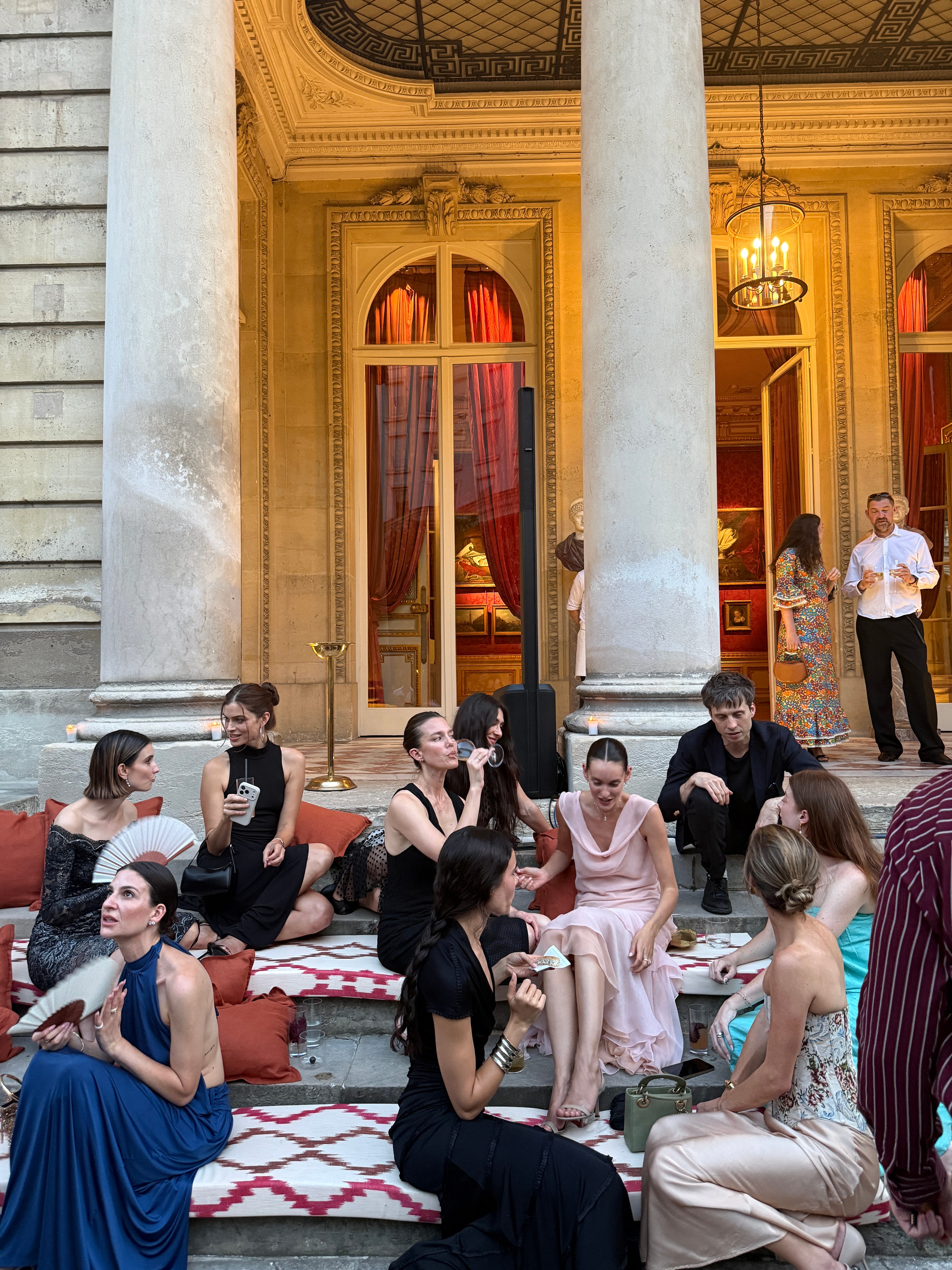
Hôtel de la Marine (8th) - don’t be fooled by its name - no, it is not a hotel - yes, it is an insanely ornate 18th-century palace w/ a huge private art collection thanks to a member of Qatar’s royal family.
Yolanda Edwards has the background: “I’ve come here twice since it opened in 2021, and each time I had it almost to myself. It’s the former home of the royal Garde-Meuble - the office who handled the furnishing of all the royal properties - and it’s been restored to its 18th century glory.”
Sonia GD says the audio tour is a must: “You’re given a wireless headset for free when you come in, and it uses indoor location tracking so it knows which room you’re in. The narration starts automatically so you can really focus on viewing the pieces.”
Musée Jacquemart-André (8th) - majorly underrated - a banking heir’s private mansion - filled with Italian Renaissance masterpieces and Tiepolo ceiling frescoes.
Fondation Giacometti (14th) - an intimate museum devoted to Giacometti’s iconic skinny sculptures.
Paris local Noora Raj Brown sums it up: “it has a recreation of his studio, in a beautiful Art Nouveau home that used to be the showroom of Paul Follot. On Sundays, they do a wonderful kids tour where children learn to sketch Giacometti’s figures.”
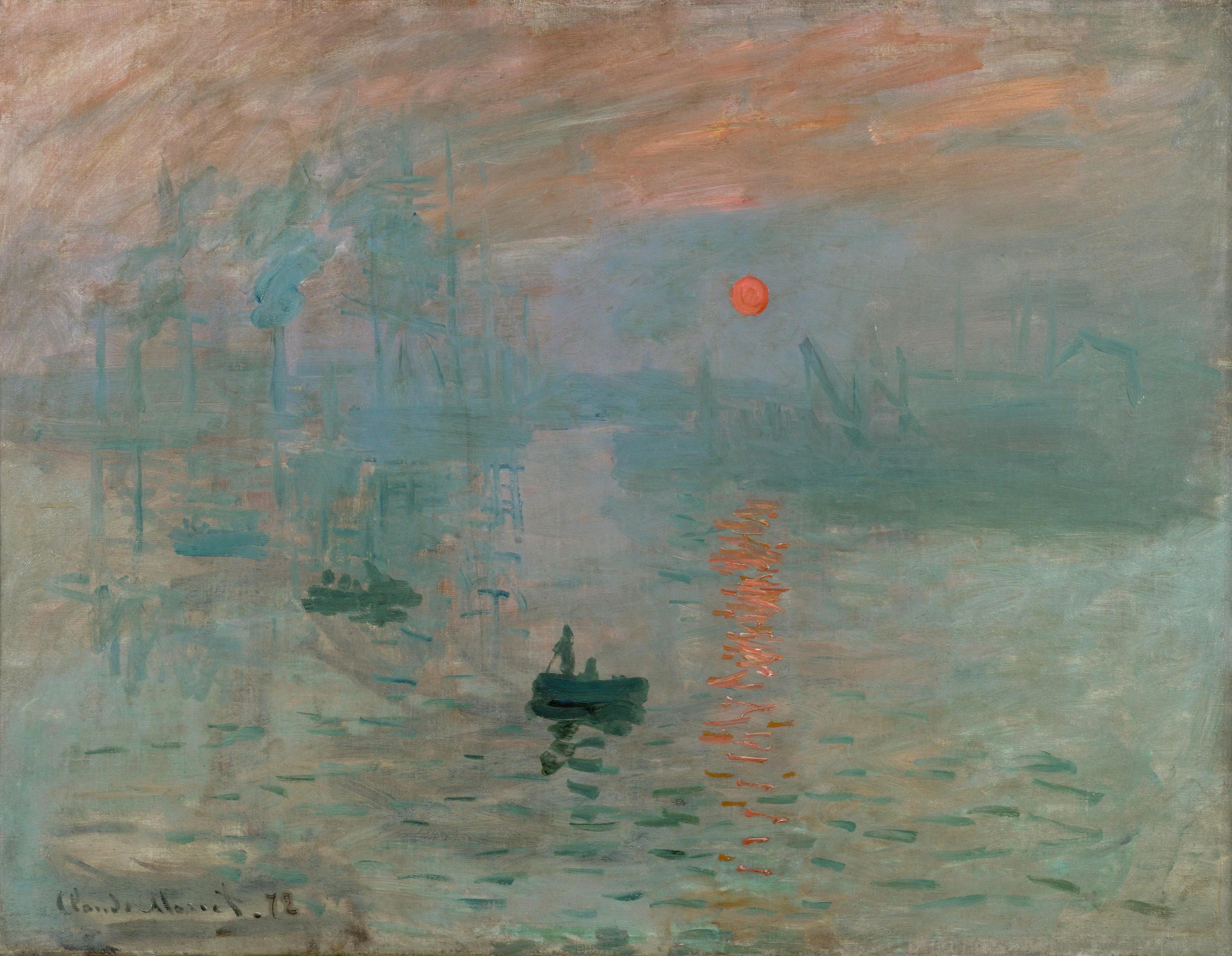
Musée Marmottan Monet (16th) - a former hunting lodge holding more Monets than the Orsay and Orangerie combined - over 100 paintings - like Impression, Sunrise, the actual painting that gave Impressionism its name.
Noora Raj Brown has the inside view “Everyone knows Musee de L'orangerie, but I think seeing the Monet's, including works from the famous water lilies series, is even better at Musee Marmottan. Has some of Monet’s most notable works, it's never crowded and you can stroll to lunch at one of the area's beautiful restaurants after. For a very French experience, I'd walk the seven minutes to La Rotunde de la Muette, a cozy bistro popular with well-heeled locals with a bar reminiscent of the Boom Boom Room (both were designed by Roman & Williams).”
Thank GOD you can also see the largest public collection of the iconic Impressionist Berthe Morisot’s work here.
Palais de Tokyo (16th) - Europe’s largest contemporary art space: no permanent collection, always something weird and buzzy, AND open until midnight.
Musée d’Art Moderne de Paris (16th) - free museum, anyone? Paris’s own modern-art museum has a totally free permanent collection filled with Matisse, Modigliani, and the Delaunays.
The temp exhibitions are worth checking out too (but you’ll have to pay for a ticket).
Palais Galliera (16th) - oh, just three centuries of Paris fashion - we’re talking from powdered wigs and corsets to couture and Comme de Garçons.
The collection isn’t permanently on view, so check what is showing before you go.
Musée de Montmartre (18th) - the museum of how Montmartre became Montmartre (aka Paris’s bohemian wonderland of artists/cabarets/characters from the 1870s through the early 1900s).
The REAL highlight? The recreated studio of Suzanne Valadon - a former artist’s model who became one of the neighborhood’s (and France’s) most important painters.
It’s a fave of France based Kelsey Rose: “It used to house the studios and homes of artists, including Renoir, Dufy, and Suzanne Valadon. Despite being in a pretty touristy zone of the 18th, it has a really peaceful private garden and café that I totally recommend spending lots of time in.”
My reader Cynthia Hartwig recommended the BEST guide for this museum here - she does tours all over Paris - a little spendy but SO worth it.
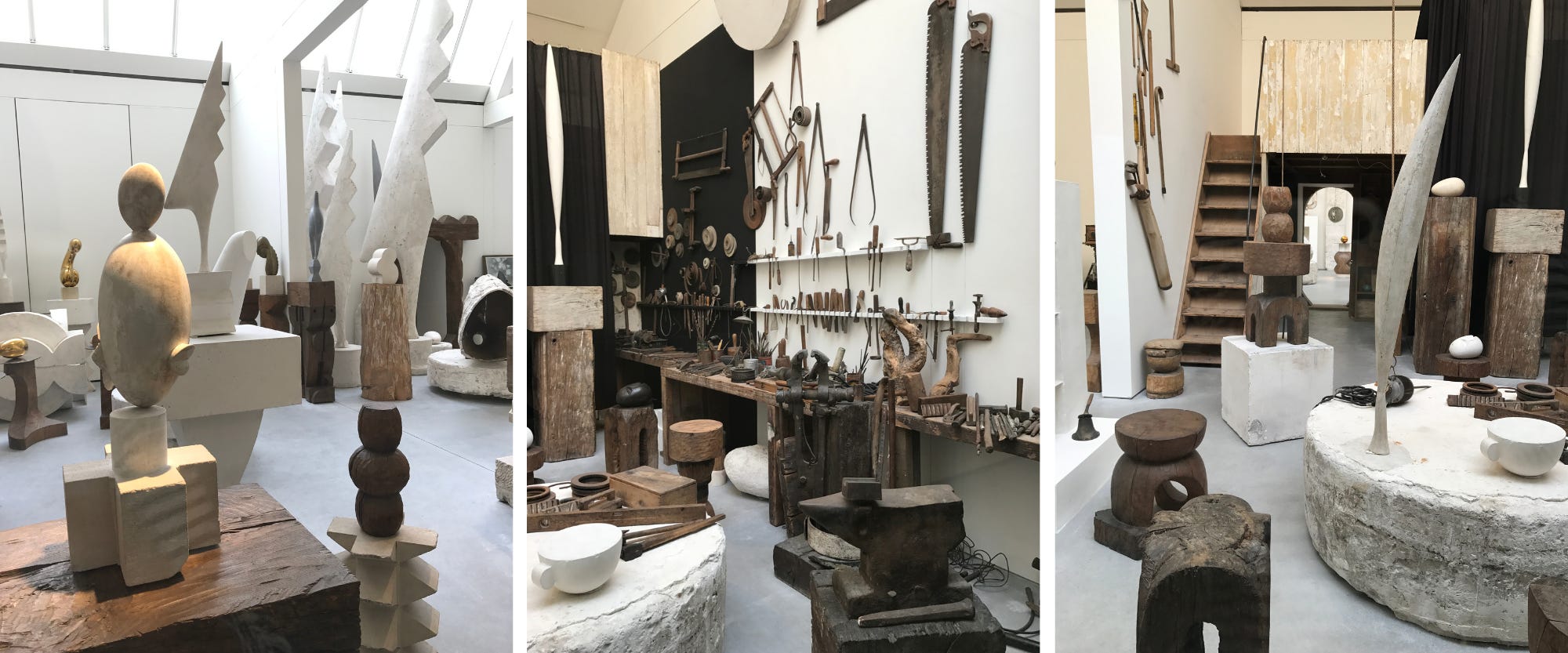
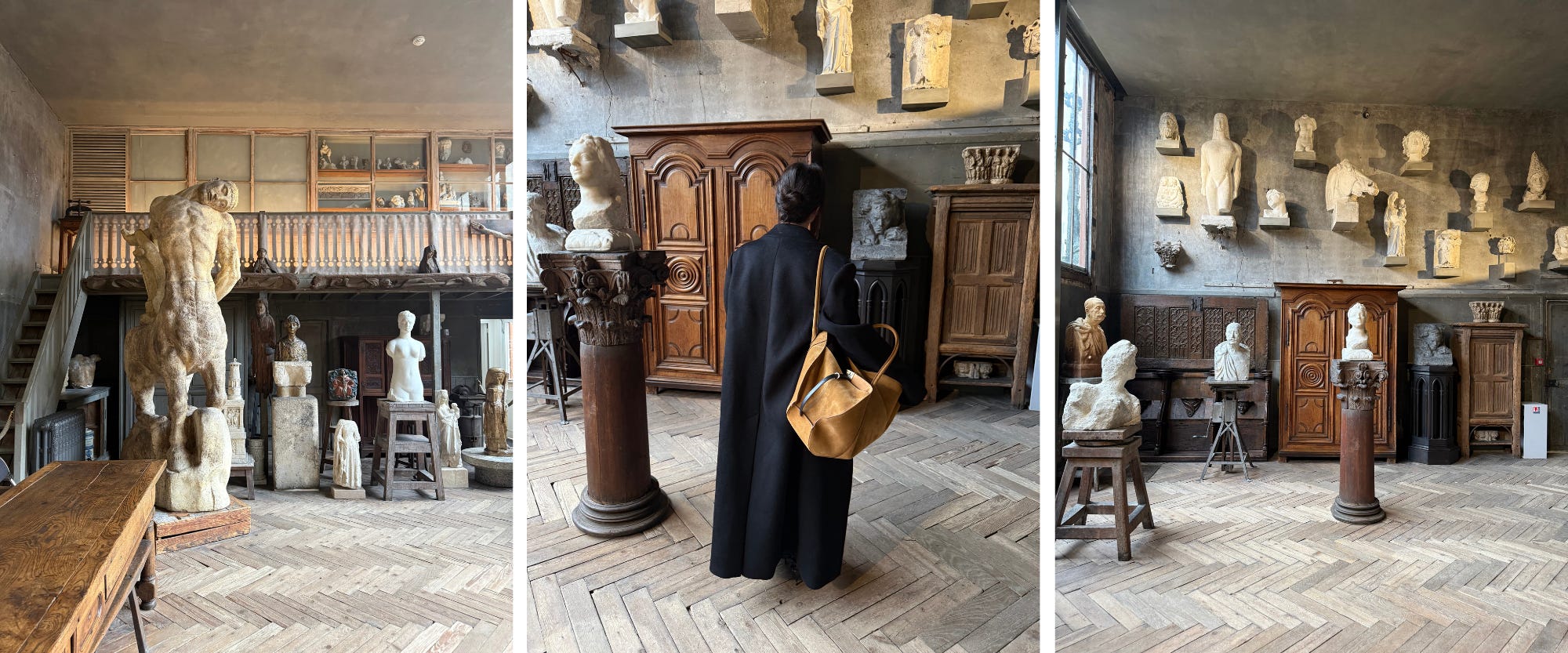
Atelier Brancusi (4th arrondissement) - Brancusi’s studio that’s closed for reno through 2030 (his studio is traveling to NYC’s MoMA in October!).
When Joyce Lee gives me a rec, I listen: “My favourite art spot in Paris is Brancusi’s studio, tucked away in a pretty, unassuming building facing the Centre Pompidou. Brancusi requested that his studio be recreated exactly as he left it, and walking through it feels like stepping into his creative process.”
Maison de Victor Hugo (4th) - come visit the apartment where Les Misérables author lived with his fam.
Hugo wasn’t just a writer - he also made art, collected, and designed crazy furniture.
Musée Zadkine (6th) - a quiet little museum devoted to sculptor Ossip Zadkine - known for his bold (almost Cubist) figures. His old studio spills into a dreamy garden filled with his sculptures.
Melanie Masarin turned me onto it: “A lesser-known museum that I really love. It’s a sculpture museum in Zadkine’s old studio, with a little garden that is so beautiful. One of my favorite spots in Paris!”
Musée Delacroix (6th) - the final home and studio of the artist behind Liberty Leading the People (yes, there’s a secret garden).
Maison Gainsbourg (7th) - the Paris home of Serge Gainsbourg France’s rebellious singer-songwriter, style icon, and Jane Birkin’s ex. The house has been preserved almost exactly as he left it. Two of our contributors love it:
Melanie Masarin: “Serge Gainsbourg’s house, notoriously graffitied and generally a place of pilgrimage for my father. It’s actually the first place he took me when we visited Paris when I was 10. It’s now open to the public as a museum”
Monica Mendal: “Nearly everything has been preserved exactly as Gainsbourg left it - from overflowing bookshelves and handwritten notes to ashtrays, art, and personal mementos. Very cool.”
Musée Gustave Moreau (9th) - 19th-century painter Gustave Moreau turned his own home into a museum before he died, packing it with thousands of his dreamy, jewel-toned paintings. It has one of Paris’s best spiral staircases.
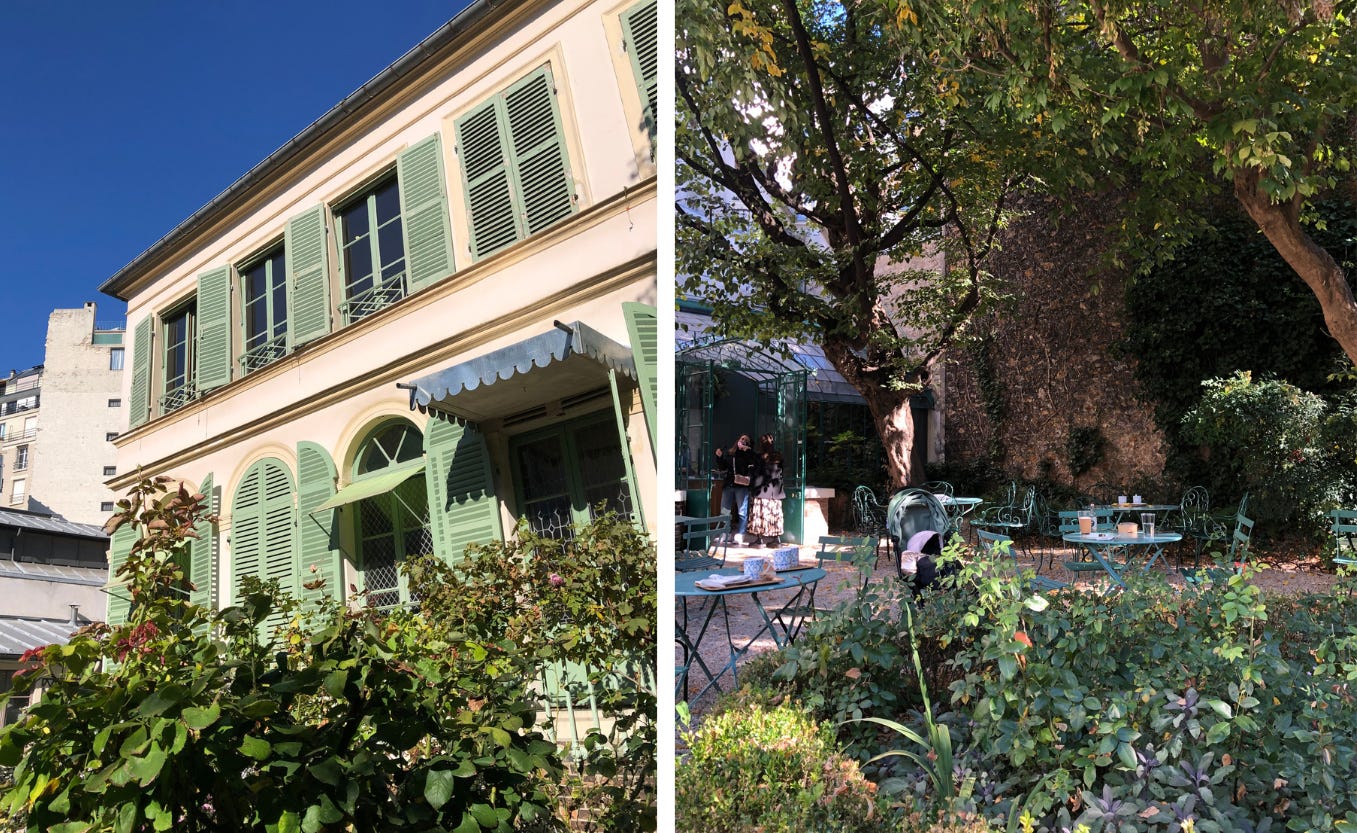
Musée de la Vie Romantique (9th) - a pink-and-green mansion at the foot of Montmartre - the former home to painter Ary Scheffer, whose Friday salons drew Chopin, Delacroix, and Liszt. Free museum since 1987.
It’s on the list of Parisian it-girl spotter Frosso: “A little time capsule of 19th-century Parisian salon culture, where you can imagine stepping à la Midnight in Paris into a soirée with George Sand, Eugène Delacroix, Charles Dickens, and other Romantic-era artists exchanging life-altering one-liners, while Frédéric Chopin himself plays at the piano (you can even find a cast of his hand!). Entrance is free, and I love coming here to journal over tea and cake in the rose-filled garden café, almost forgetting I’m actually in one of Paris’s liveliest neighborhoods.”
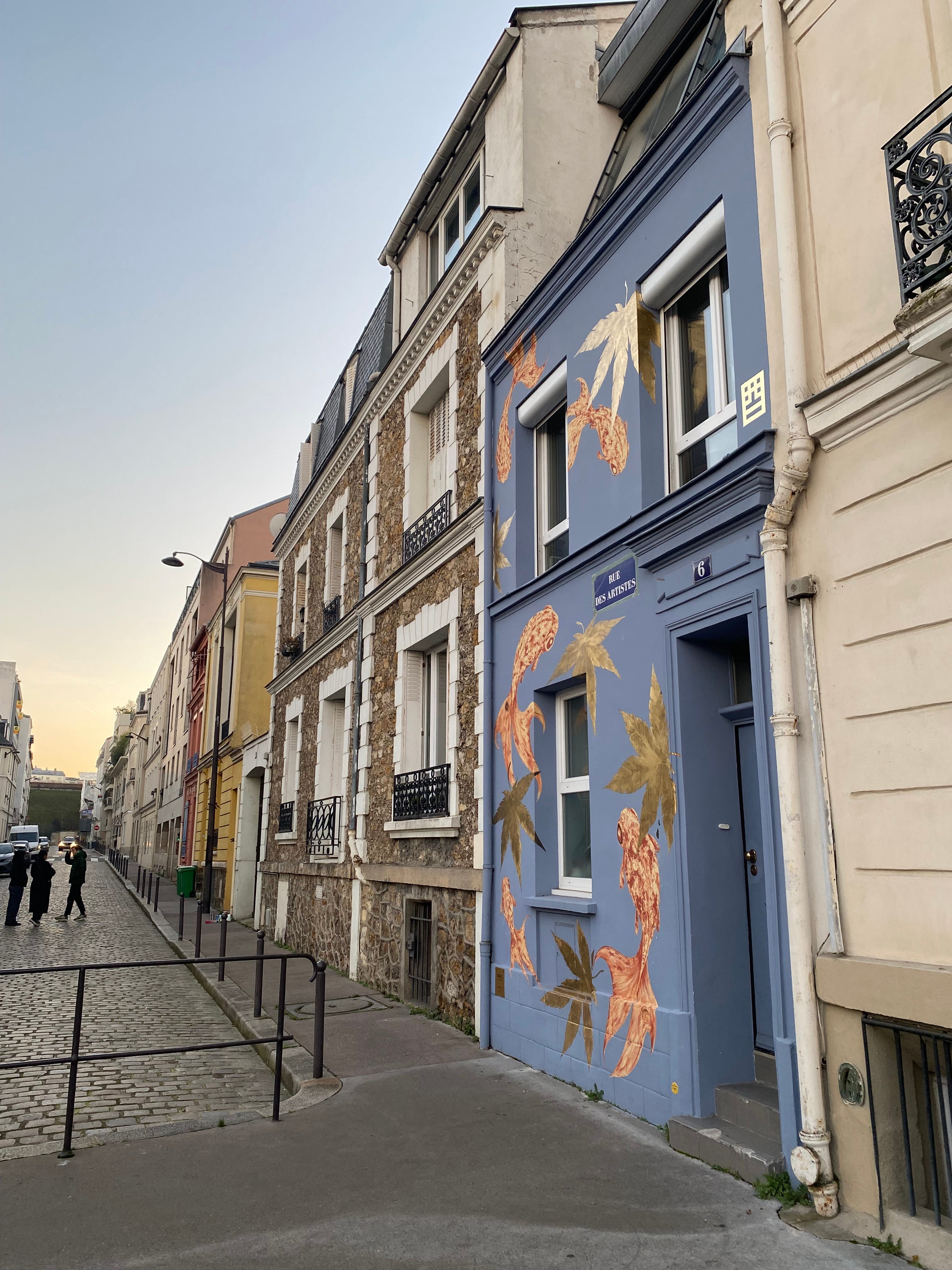
The Artists’ Studios of Montsouris (14th) - a dreamy DIY walking tour in a quiet corner of the 14th where artists built some of Paris’s most exciting homes/studios in the 1930s.
The main event is Villa Seurat - a tiny private street designed as an artists’ colony by architect André Lurçat. Residents included Chaïm Soutine, Salvador Dalí, Antonin Artaud, and Henry Miller.
Most houses are private, but you can visit sculptor Chana Orloff’s preserved home and studio - and continue on to Le Corbusier’s nearby Maison Ozenfant.
Frosso gives us the tea: “Hidden in plain sight, this is one of those IYKYK places that even a local might never discover. Begin at the cul-de-sac of 101 Rue de la Tombe-Issoire and let yourself wander through Rue de l’Aude, Rue des Artistes, Villa Seurat, and Rue Saint-Yves, where artists’ houses from the modernist era have transformed the streets into a true architectural wonderland. Look out for Le Corbusier’s Maison Ozenfant, André Lurçat’s Maison Double, and the Atelier-Musée Chana Orloff for a rare glimpse inside the preserved studio of a lesser-known but still iconic École de Paris artist.
Ateliers-Musée Chana Orloff (14th) - step inside the preserved home and studio of Chana Orloff, a very major 20th-century sculptor who ran with the Montparnasse art crowd. 200 sculptures in a gorge light-soaked room. J’adore!
Montparnasse was basically Paris’s next big artist neighborhood after Montmartre - the 1920s hangout for an international crowd of painters, sculptors, and writers like Orloff, Chagall and Giacometti.
Musée Bourdelle (15th) - the home-studio of sculptor Antoine Bourdelle, who spent 15 years as Rodin’s assistant before making it on his own. Major hidden gem with almost no tourists.
Of course, my Parisian native friend & fashion writer Elie was the one who told me about it: “it always feels so peaceful, no matter how busy Paris gets.”
Rue Mallet-Stevens (16th) - add this unusual stop on your walking tour, per Irene Kim (김애린): “on a small cul-de-sac in the 16th, you’ll find an unexpected row of modernist homes designed by architect Robert Mallet-Stevens in the 1920s.”
Fondation Cartier (1st) - Cartier’s contemporary art foundation, which just relocated to a Jean Nouvel-redesigned building on Place du Palais-Royal, right across from the Louvre.
Bourse de Commerce (1st) - former commodities exchange transformed into a modern/contemporary art museum to house the Pinault Collection - private collection of the French billionaire François Pinault.
As Kelsey Rose puts it, it’s one of the city’s “grandest art experiences.”
Fondation Azzedine Alaïa (4th) - the late couturier’s foundation, showing his work alongside his own art and furniture collection.
somsack sikhounmuong went on our last trip: “Azzedine Alaia is a master and there is no other place do you feel and see that than his small museum in the Marais. Much has been written of how much of a technician he was and at that museum you can literally be 2 “away from the way he finished a seam or created a pleat IN LEATHER!”
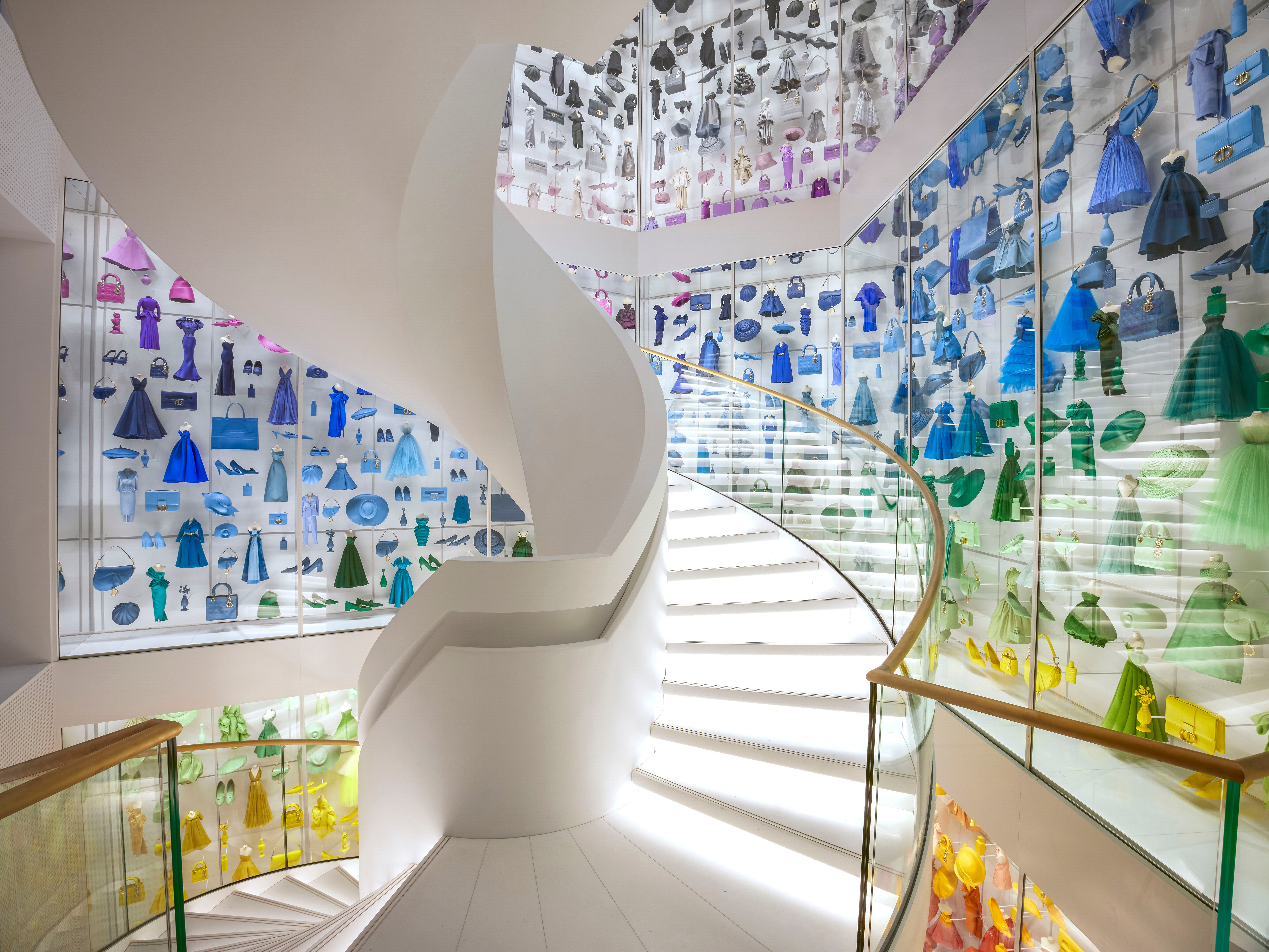
La Galerie Dior (8th) - Dior’s in-house museum tracing the house’s history - opened recently in 2022 - with a very Instagram-famous dress archive.
Fondation Jérôme Seydoux-Pathé (13th) - a small Renzo Piano-designed building devoted to early cinema history - for all you architecture lovers out there.
Maison du Brésil (Cité Internationale Universitaire de Paris, 14th) - a modernist dorm designed by Le Corbusier with Lucio Costa.
My very chic Parisian friend Laurenca tells all: “Designed by Le Corbusier in collaboration with Lucio Costa, it shares many of the same modernist principles as the Cité Radieuse. I’m obsessed with mid-century modern architecture and Brutalism, so this is a must for me. The Cité Universitaire is also worth wandering around, as each building is a different country’s pavilion with its own unique architectural style.
Musée Yves Saint Laurent Paris (16th) - where YSL worked for almost 30 years! It’s closed for reno but reopening in 2027.
somsack sikhounmuong has the scoop: “In addition to the very specific shows they put on (the Flowers of St Laurent, Sheer, Gold) the fact that you can see the actual studio where Yves worked in is pretty surreal- right down to colour pencils he sketched with.”
Fondation Le Corbusier / Villa La Roche (16th) - Le Corbusier’s own house - now a small museum of his work.
Espace Niemeyer (19th) - one of Paris’s wildest interiors - built between 1969 and 1980 as the headquarters of the French Communist Party by Brazilian modernist Oscar Niemeyer.
Irene Kim (김애린) explains: “it’s a striking building in the 19th featuring a dome from which hangs thousands of aluminum blades deflecting light and softening sound. Formerly the historic headquarters of the French Communist Party, and protected as a monument historique since 2007, it’s now a space that opens for exhibitions, events, and even fashion shows, like the Cordera FW26 presentation and Willy Chavarria SS27.”
Free! Rarely crowded! One of the best ways to see what the art world is talking about right now. Just check what’s showing first.
Gagosian (1st and 8th arrondissements) - the global art-world behemoth, with museum-level exhibitions and blockbuster names you’d normally see at a museum.
Perrotin (3rd) - the contemporary art megagallery that still knows how to have fun. Come for the buzzy shows but stay for the fab art book shop (gift alert!).
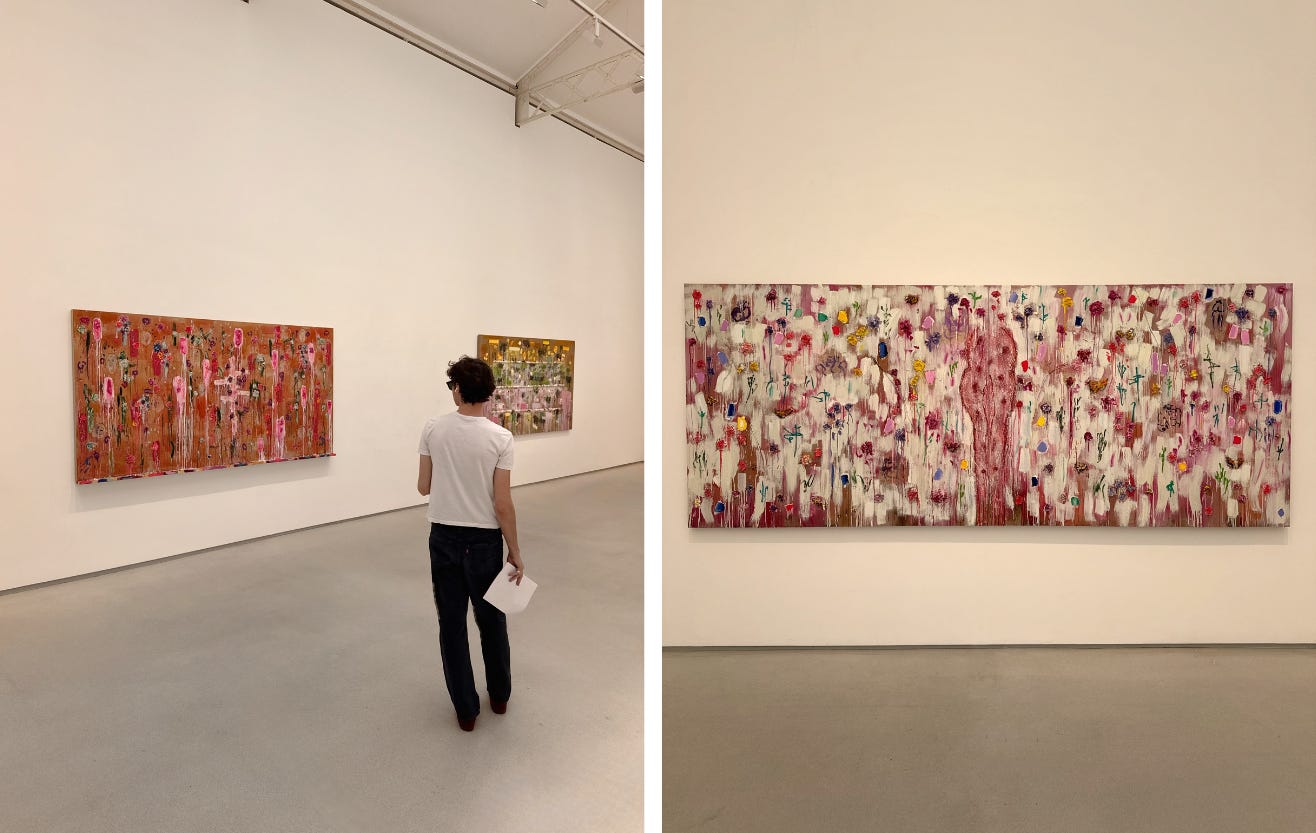
Thaddaeus Ropac (3rd) - crazy museum-level contemporary art in the middle of the Marais, with major names like Anselm Kiefer, Georg Baselitz, Alex Katz and Elizabeth Peyton.
Elie has an eye: “where I go when I’m in the mood for ambitious contemporary art. The beautiful Marais gallery unfolds across four floors and consistently presents exceptionally strong exhibitions. The last time I visited, I caught Earthsongs, Joan Snyder’s first solo exhibition in France.”
Templon (3rd) - contemporary art legend Daniel Templon opened his gallery at just 21 in 1966 and helped introduce artists like Andy Warhol, Frank Stella and Willem de Kooning to French audiences. Oui!
Galerie Chantal Crousel (3rd) - less flashy, more ~cerebral~ and a serious art world fave. Roster includes: Mona Hatoum, Pierre Huyghe, and Wolfgang Tillmans.
Galerie Woolworth (6th arrondissement) - a three-generation, mother-to-daughter treasure box of antique and artist-made jewelry, recommended by Monica Mendal.
Mennour (6th and 8th) - a modern and contemporary mix: think Louise Bourgeois and Joan Mitchell alongside Anish Kapoor, Camille Henrot and Ugo Rondinone.
Galerie Lelong & Co. (8th) - its roster of women artists steals the show: Etel Adnan, Simone Fattal, Alison Saar, Kiki Smith, Nancy Spero and Mildred Thompson - plus heavy hitters like Miró and David Hockney.
High Art (9th arrondissement) - a cool contemporary gallery set inside an elegant old Paris apartment, showing rising artists you may not know yet.
Bonus: Georges Bizet reportedly wrote Carmen in the building.
While you’re in the Marais: make a gallery crawl of Balice Hertling, Sultana and Mendes Wood DM - smaller, cooler spaces where you’ll probs discover a name before it reaches museum level.
Carpenters Workshop Gallery (4th arrondissement) - collectible furniture that looks more like sculpture than something you’d actually sit on.
Laffanour Galerie Downtown (6th) - the modern furniture here has an insane résumé: Charlotte Perriand, Jean Prouvé, Pierre Jeanneret and Le Corbusier.
Galerie Chastel-Maréchal (6th) - how romantique! A mecca of iconic French design - from Line Vautrin mirrors to Jean Royère furniture.
Galerie Scène Ouverte (6th) - one-of-a-kind furniture, ceramics and objects.
Galerie Jacques Lacoste (6th and 8th) - a treasure trove of 20th-century French design - like Jean Royère’s playful furniture AND pieces by the Giacomettis.
Galerie May (7th) - the COLORS are worth it alone. Glam French furniture with insane craftsmanship and a kind of ’70s feel.
Galerie Patrick Seguin (11th) - a Jean Nouvel-designed gallery filled with modern icons like Jean Prouvé, Charlotte Perriand and Le Corbusier.
Bibliothèque Mazarine (6th): an enchanting library that Noora Raj Brown dubs as the most stunning in the world: “The reading room, with its gargantuan ceilings lined with books and gorgeous paneling, is one of my favorite places in all of Paris.”
POUSH (Aubervilliers, just outside the 19th) - not exactly a gallery, but something even better. Laurenca has the insiders view: “A huge former industrial campus turned into artists’ studios and exhibition spaces. It’s one of the best places to discover the contemporary Paris art scene, with free exhibitions and the chance to see artists at work. It feels much more like stepping into the city’s creative ecosystem than visiting a traditional museum.”
Some of Paris’s best art isn’t inside a museum: we’re talking the incredible outdoor spaces that have a history of their own - all completely free.
Palais-Royal (1st) - a very grand historic courtyard home to artist Daniel Buren’s famous black-and-white striped columns
Tuileries and Carrousel Gardens (1st) - Paris’s most glam shortcut, linking the Louvre to Place de la Concorde. Fountains, clipped hedges, and sculptures hiding in plain sight. - treat the walk like a free open-air museum!
Stravinsky Fountain (4th) - the colorful, kooky fountain next to the Centre Pompidou, created by artists Niki de Saint Phalle and Jean Tinguely
Musée de la Sculpture en plein air (5th) - Paris’s secret sculpture garden, with modern artworks hiding among the trees and stone steps along the Seine.
Luxembourg Gardens and the Medici Fountain (6th) - THE Paris park fantasy - manicured trees, palace gardens, sculptures, sailboats and those famous green chairs.
The co-founder of SOUVENIR Magazine Augusta Sagnelli says it’s THE best place for people watching: “The late-afternoon light on the Medici Fountain is gorgeous. It’s a great place to read, people-watch or wait for friends - and the whole place makes you feel like you’re IN Paris. Dozens of little cafes and carts are tucked around the park for a citronade in the summer or a hot chocolate in the winter. Watch folks play tennis or chess or pétanque. So much life happens here in this park every day.”
Coulée Verte René-Dumont (12th) - an elevated garden path built along an abandoned railway. Sonia GD let me in on its secret: “it actually inspired the Highline in NYC! A fab place to see Paris’s Hausseman buildings [editor’s note: those are the classic cream-stone buildings the city is known for]”.
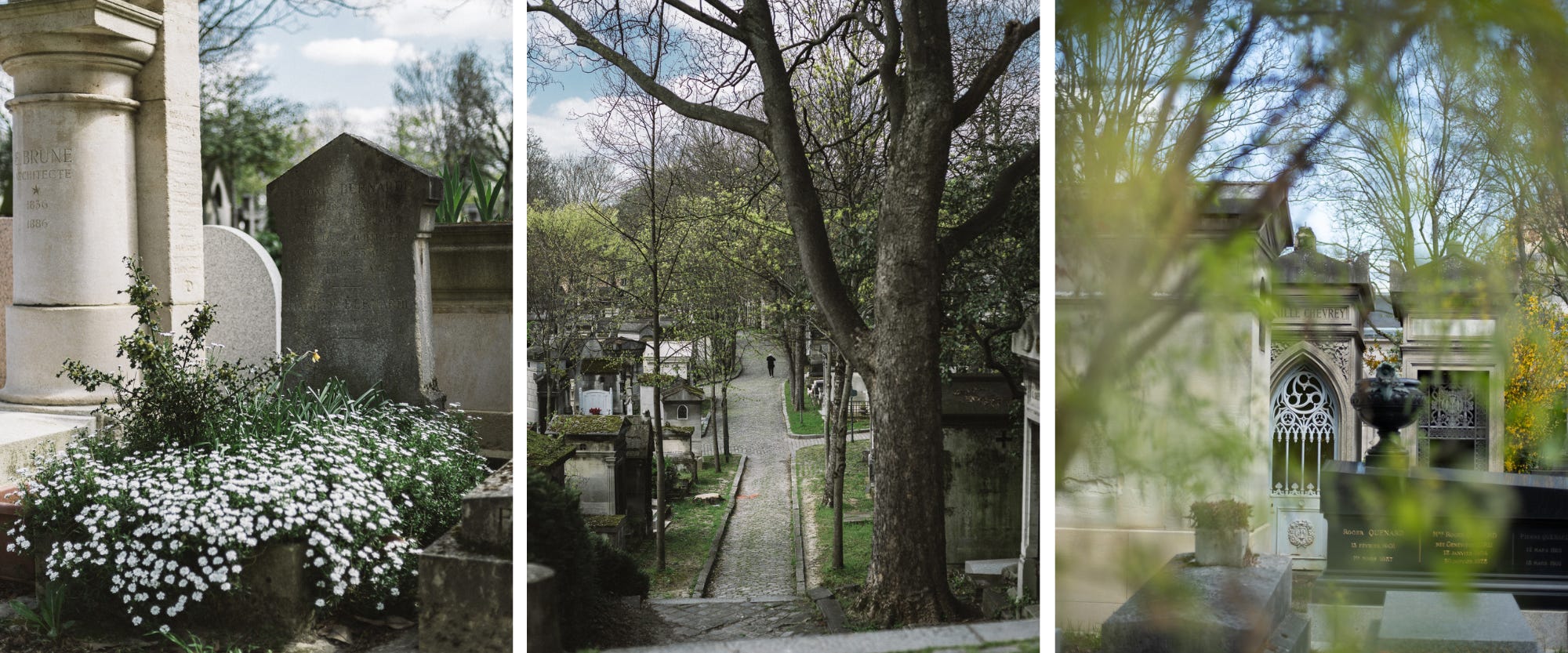
Père-Lachaise Cemetery (20th) - nope, not spooky - this historic cemetery doubles as a sculpture garden - wander among extravagant tombs, stained glass, and the graves of names like Gertrude Stein, Oscar Wilde, Jim Morrison and Édith Piaf.
The co-founder of SOUVENIR Magazine Augusta Sagnelli calls it her favorite place to walk: “the Pere Lachaise cemetery is a stunning labyrinth of history, sculpture, and nature. Not only is it a bird sanctuary and nature preserve, it also houses many mysterious cats and thousands of trees. Every time I visit I see something new, as if the ghosts rearrange the monuments in the night. Of course some of the heavy hitters have been laid to rest there, Gertude, Jim, Oscar, Edith, to name only a few.”
Pro tip: Augusta from SOUVENIR Magazine says Les Nautes in the 4th is her fave place to meet up after work - it’s a casual riverside bar that’s perf for sunset drinks or a picnic: “It’s central, near a few Métro lines and has a great view of the bend in the river. Even when the riverfront is packed at sunset, you can still find a space to set up a picnic.”
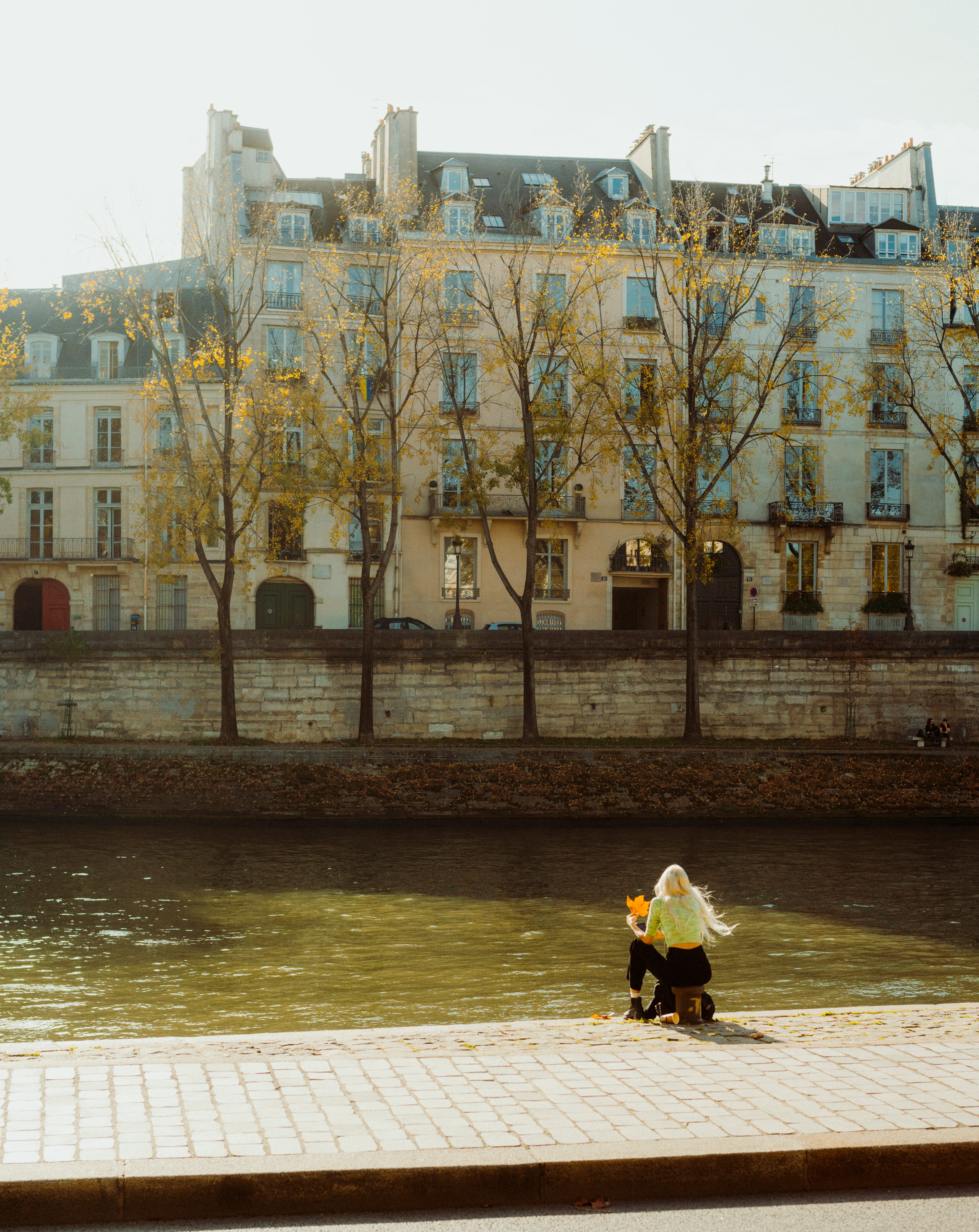
A quick list of art shops for the best souvenir (or insider gift).
Astier de Villatte (1st and 6th) - handmade in France white ceramics, illustrated stationery, incense and other objects dripping with charm - a splurge!
Yvon Lambert (3rd) - an art gallery meets dream bookstore - art books, posters, rare finds and small editions you can take home.
Perrotin Store (3rd) - the gallery’s shoppable side - artist posters, books, totes, puzzles and small-batch pieces from names like Sophie Calle and JR.
Marin Montagut (6th) - a cabinet of curiosities filled with the illustrator’s hand-painted glasses, porcelain, stationery and little love letters to Paris.
Galerie Maeght (7th) - my fave. OG prints, posters and vintage art books with a big cult following.
Like most good things in the world somsack sikhounmuong brought me here: “Galerie Maeght is legendary! The outpost at 42 rue du Bac is a filled with beautiful posters of past exhibitions and hard to find show catalogues- Think Chagall , Miro , Calder, Kandinsky- great place for gifts , self gifts or just a fun place to browse thru history.”
Yolanda Edwards knows a good gift shop when she sees one: “Galerie Maeght represents modern and contemporary artists, but I go there mostly to stock up on their totes, which are great gifts—not expensive and big impact.”
7L (7th) - Karl Lagerfeld’s art & fashion bookstore.
Artazart (10th) - a bright orange book shop right off Canal Saint Martin - full of affordable prints by artists you’re probs following on IG.
Le Tampographe Sardon (20th) - rubber stamps galore! Handmade ones with unhinged French insults, iykyk sayings, and other things you can’t find anywhere else. Usually only open on Saturdays.
Lavrut (2nd) - a VERY old school art shop selling the most beautiful supplies since 1922
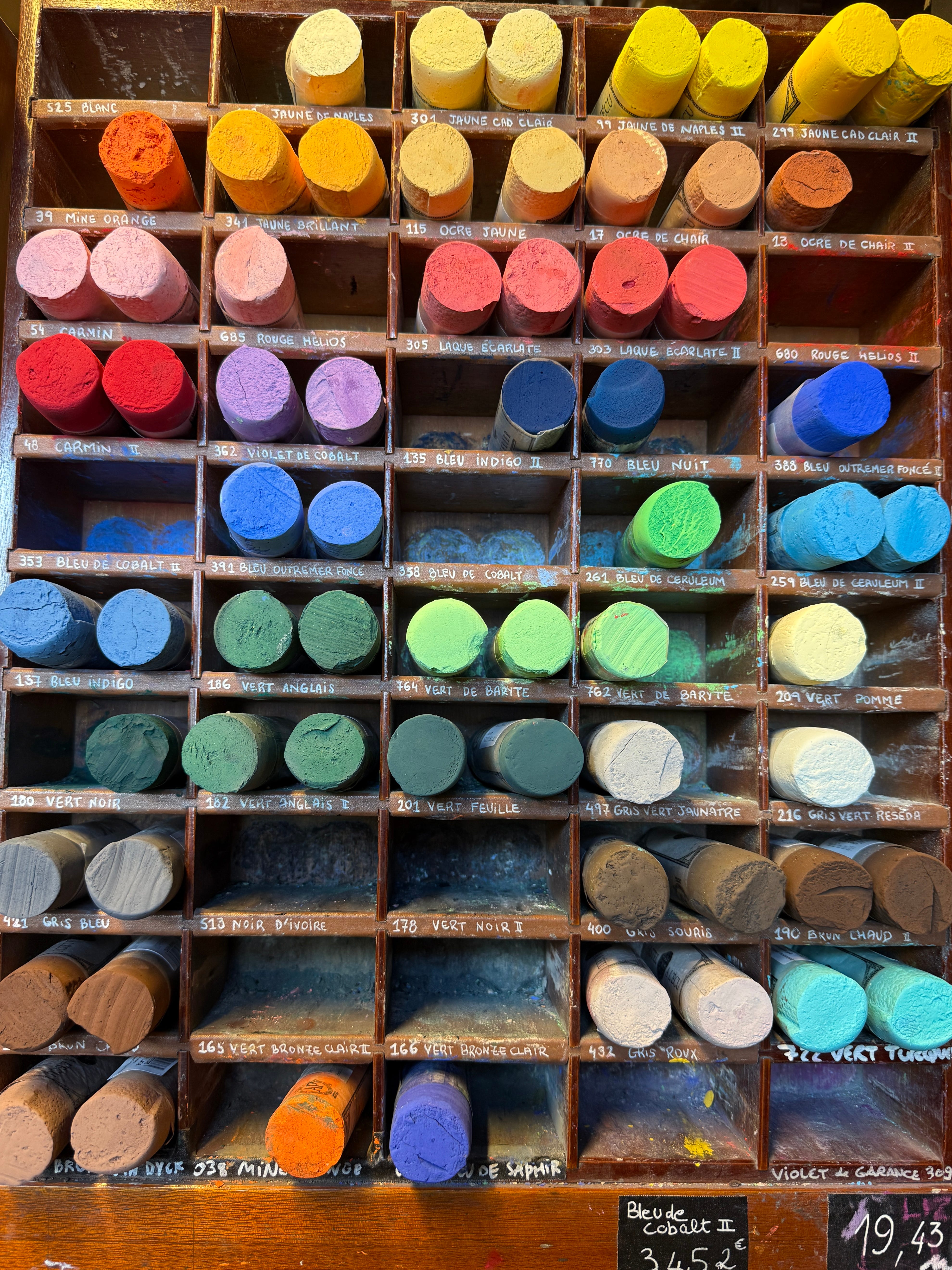
La Maison du Pastel (3rd) - open since 1719 - the world’s oldest pastel maker with over 2,000 colors still made by hand. It is a true artist pilgrimage. Only open Thurs. afternoons.
Sennelier (7th) - the art supply shop where Picasso was a regular - its iconic oil pastels were originally designed for him.
Adam Montmartre (18th) - a neighborhood art-supply institution serving Montmartre’s painters since 1947.
On every budget.
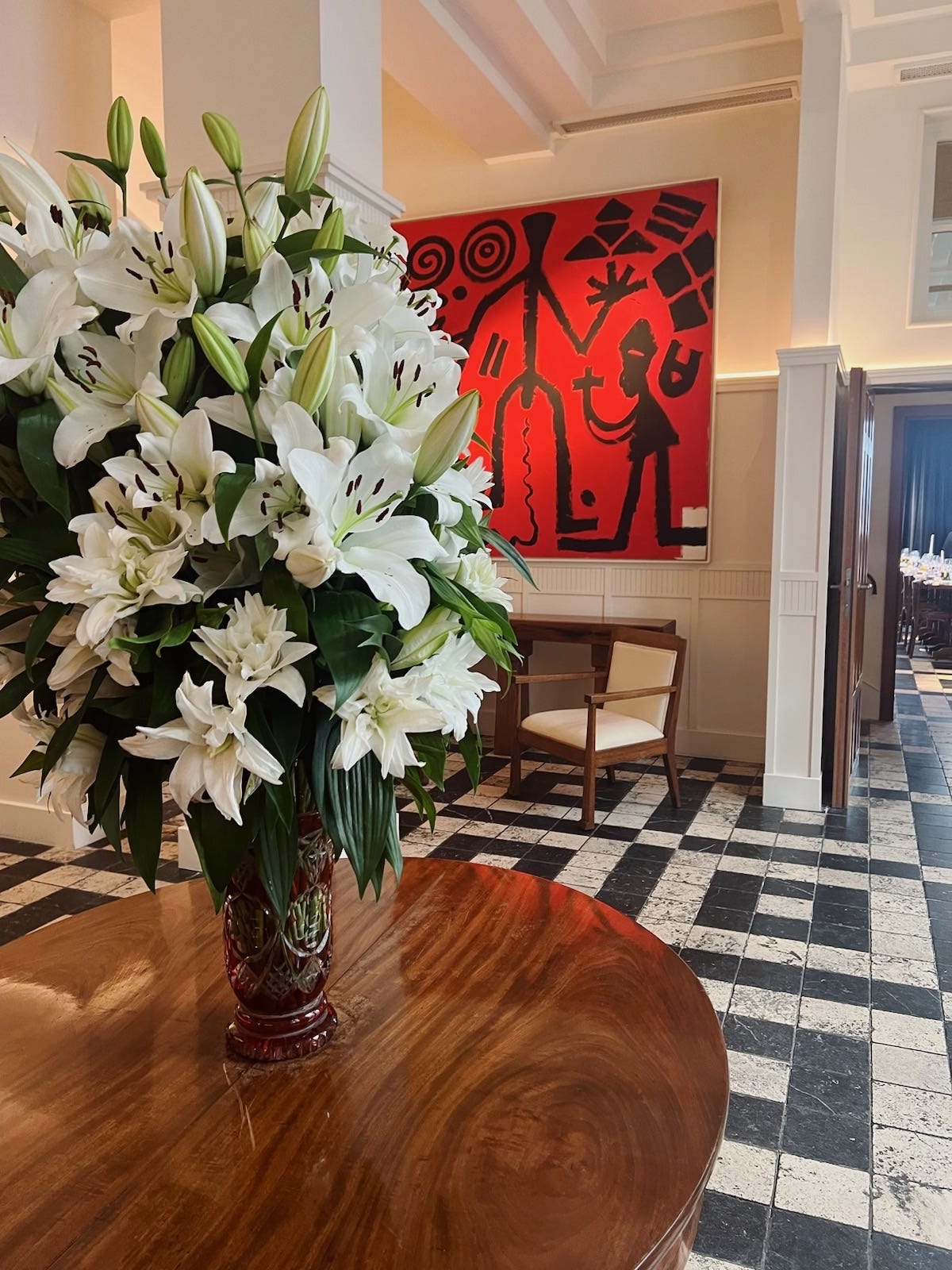
New Hotel Group - $ (various): 6 locations and some have been freshly renovated! Recommended by my local friend Alice Bucaille
The Hoxton - $$ (2nd arrondissement): everything you could want, oversized rooms for paris & great vibe
Hotel du Petit Moulin - $$ (4th): not too teeny and great location. I left with the best soap I still use.
Chateau Voltaire - $$$ (1st): if you want to be a little fancy, stay here. you immediately feel luxe walking in. great art. great art. get strawberries and cream and a crème brûlée for dessert. somsack sikhounmuong loves it.
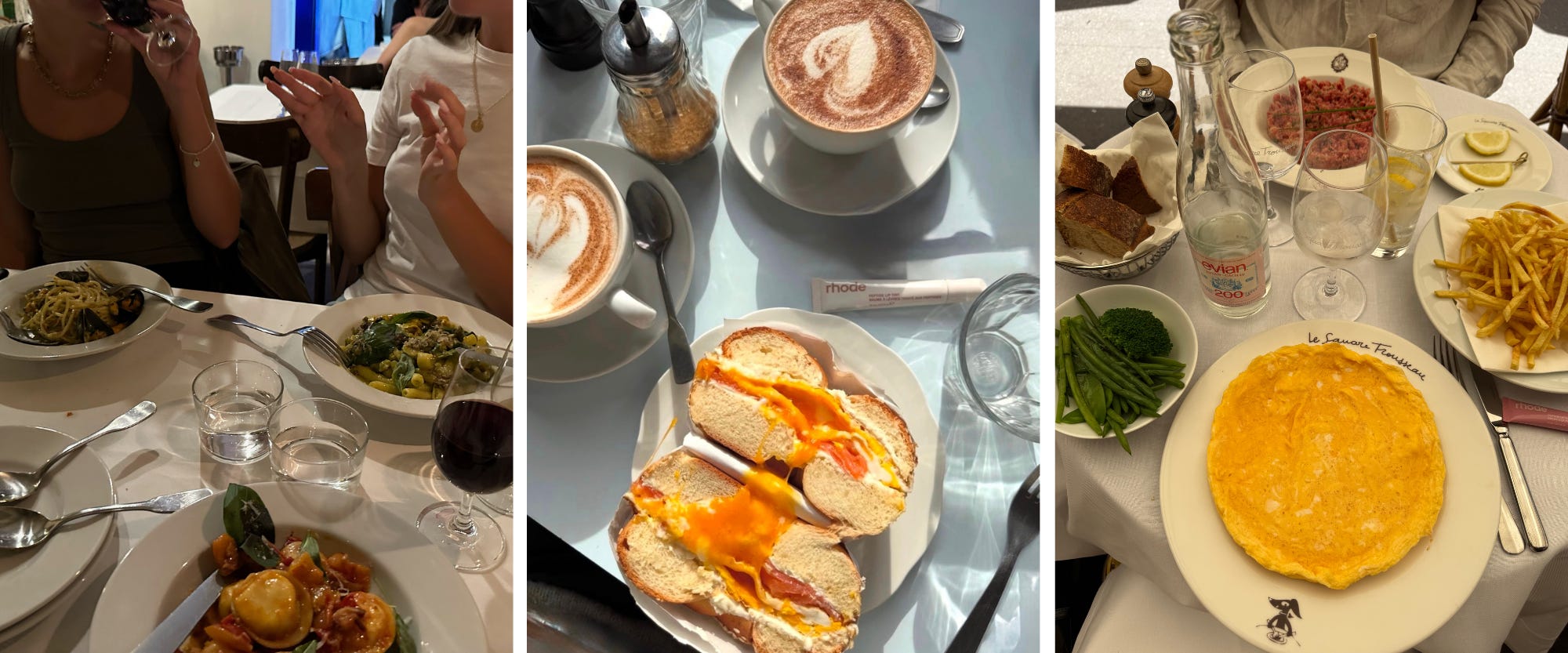
My Parisian friend Elie curated a list of IYKYK food recs especially for us<3 Her words:
Racines (2nd): For a dinner date: my most kept secret. Love the southern italian cuisine with a cool Parisian twist
Billie (2nd): For a festive dinner: Just go and thank me later
Laize (3rd): For great coffee
Benchy (6th): For a nice lunch: Japanese-inspired spot with street food influences
Il Camino (10th): For a fancy dinner: cozy chic Italian spot focused on traditional dishes.
Rori pizza (11th): If you want to indulge: modern pizza parlor serving NYC style pizza. Pro tip: always sit at the bar to witness everything getting prepped and talk with the staff, you’ll have the best experience!
Passager (11th): best breakfast in the city
Le square Trousseau (12th): For a nice French bistro: charming bistro and traditional dishes. The best fries in all Paris
Boot Café (3rd) - For coffee. Go for the homemade milks.
Breizh Café (3rd) - For crêpes.
Chez Janou (3rd) - For a classic Paris moment. I go here every time I’m in Paris. There’s a guy slicing baguettes into a drawer and bowls and bowls of olives. Bon appétit!
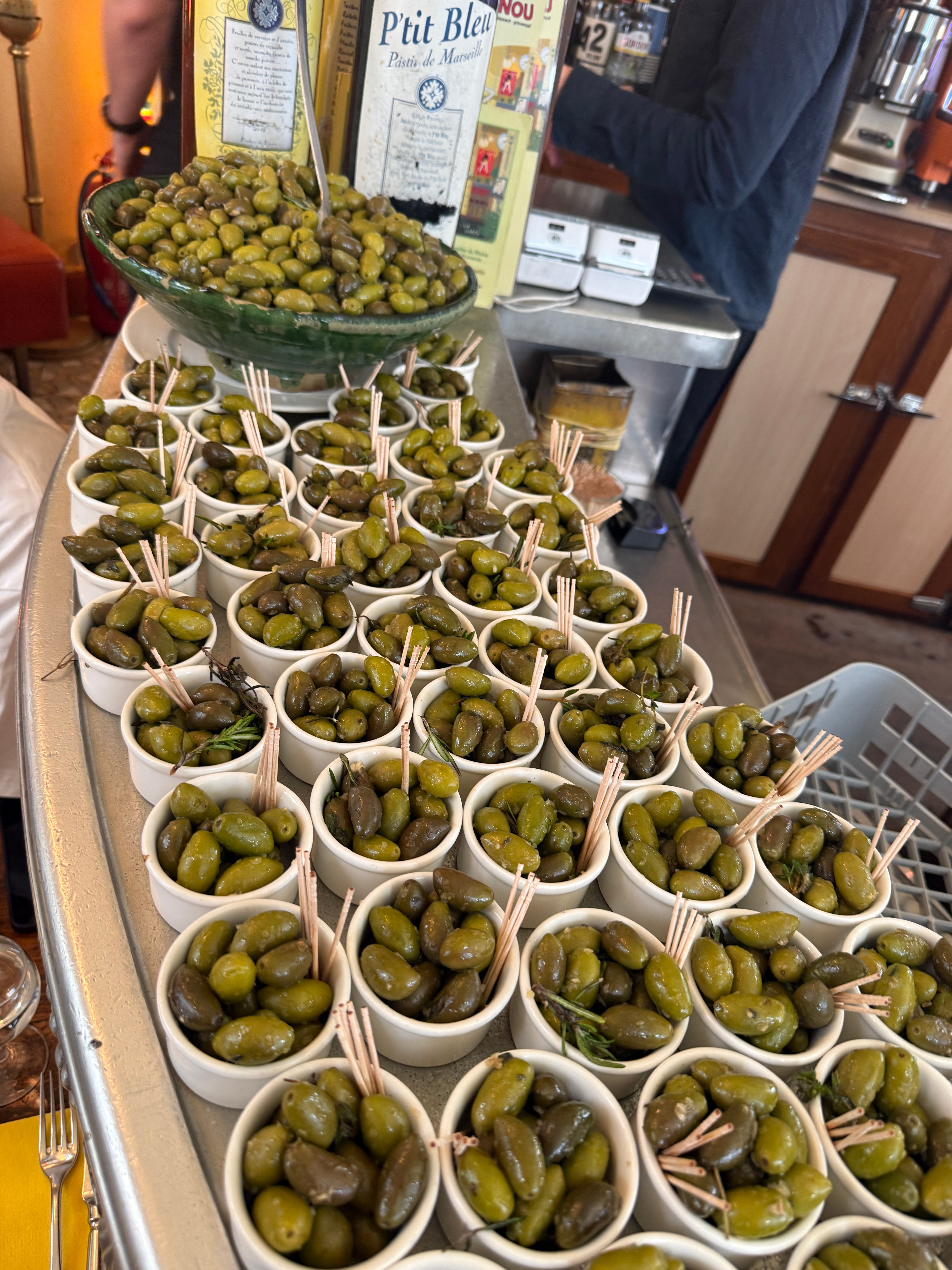
L’Ami Jean (7th) - For a serious lunch. somsack sikhounmuong always gets its rice pudding.
Le Verre Volé (10th) - Always feels like a very local scene.
Du Pain et des Idées (10th) - bakery. Get the escargot pastry or the Pain des Amis.
Clamato (11th) - For seafood.
Le Cornichon (11th) - Neighborhood bar alert.
A quick list of everything I’m into right now with a Parisian twist. Oui! That’s The Rosé Period to YOU.
OBSESSED WITH:
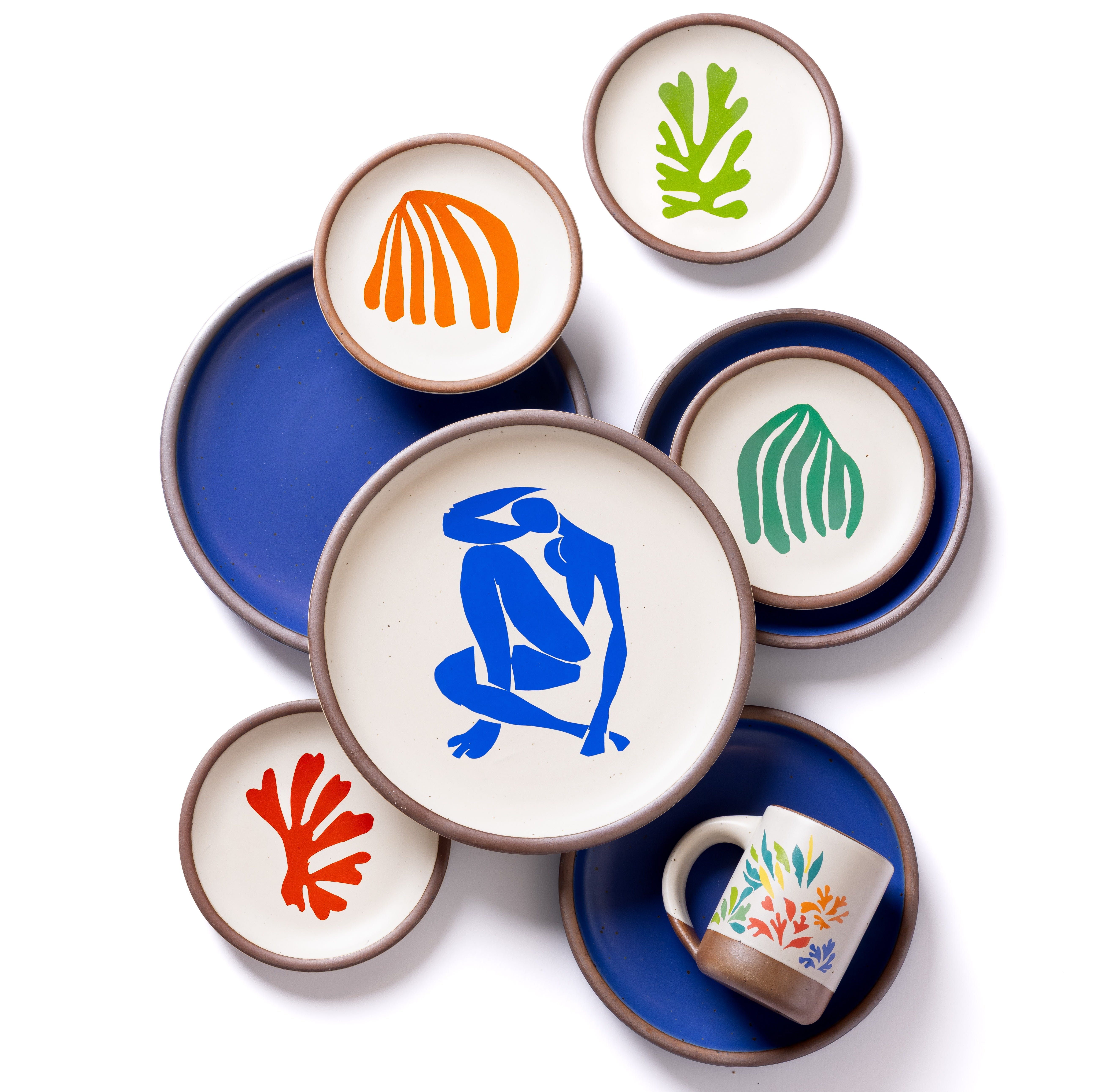
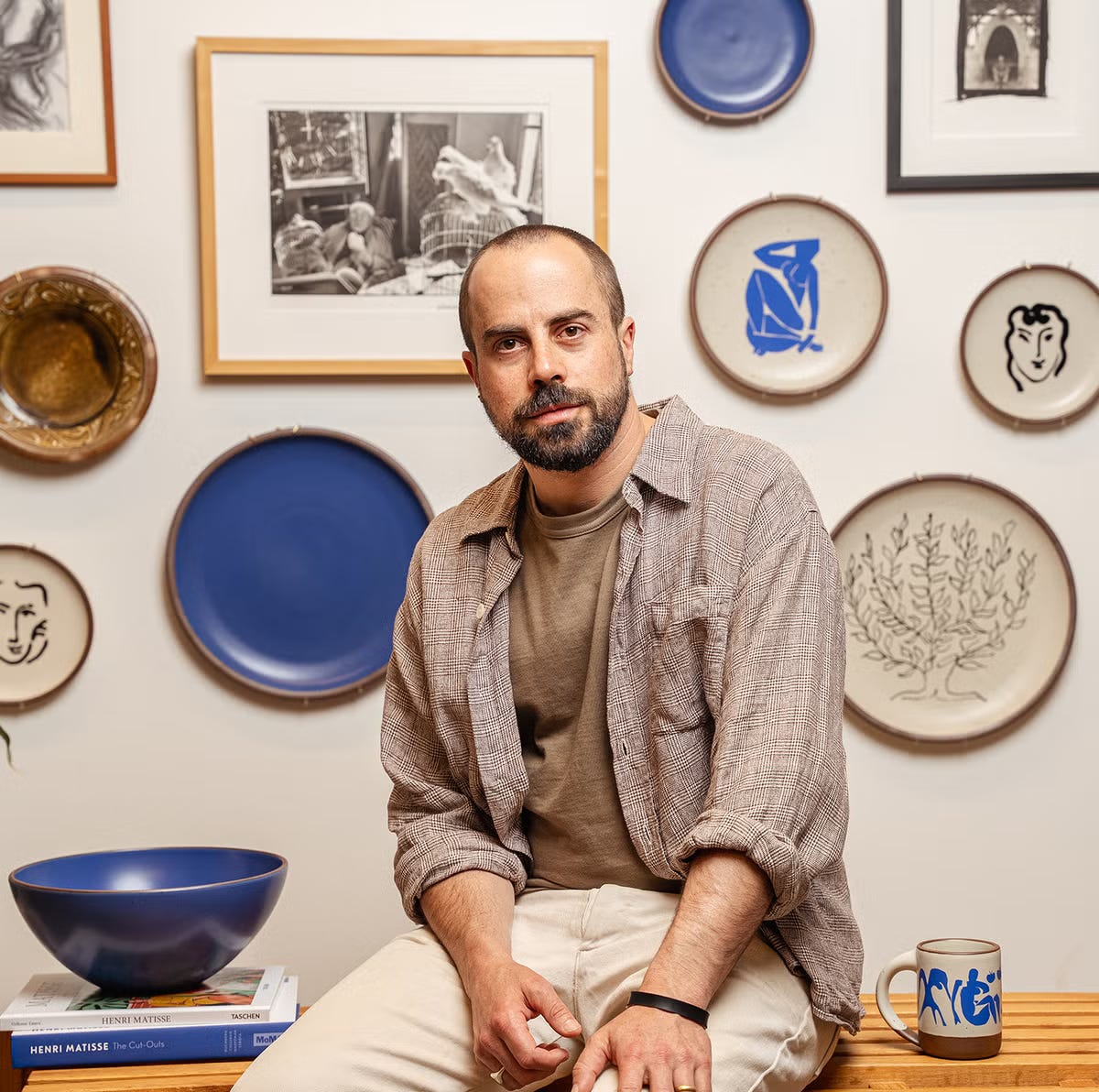
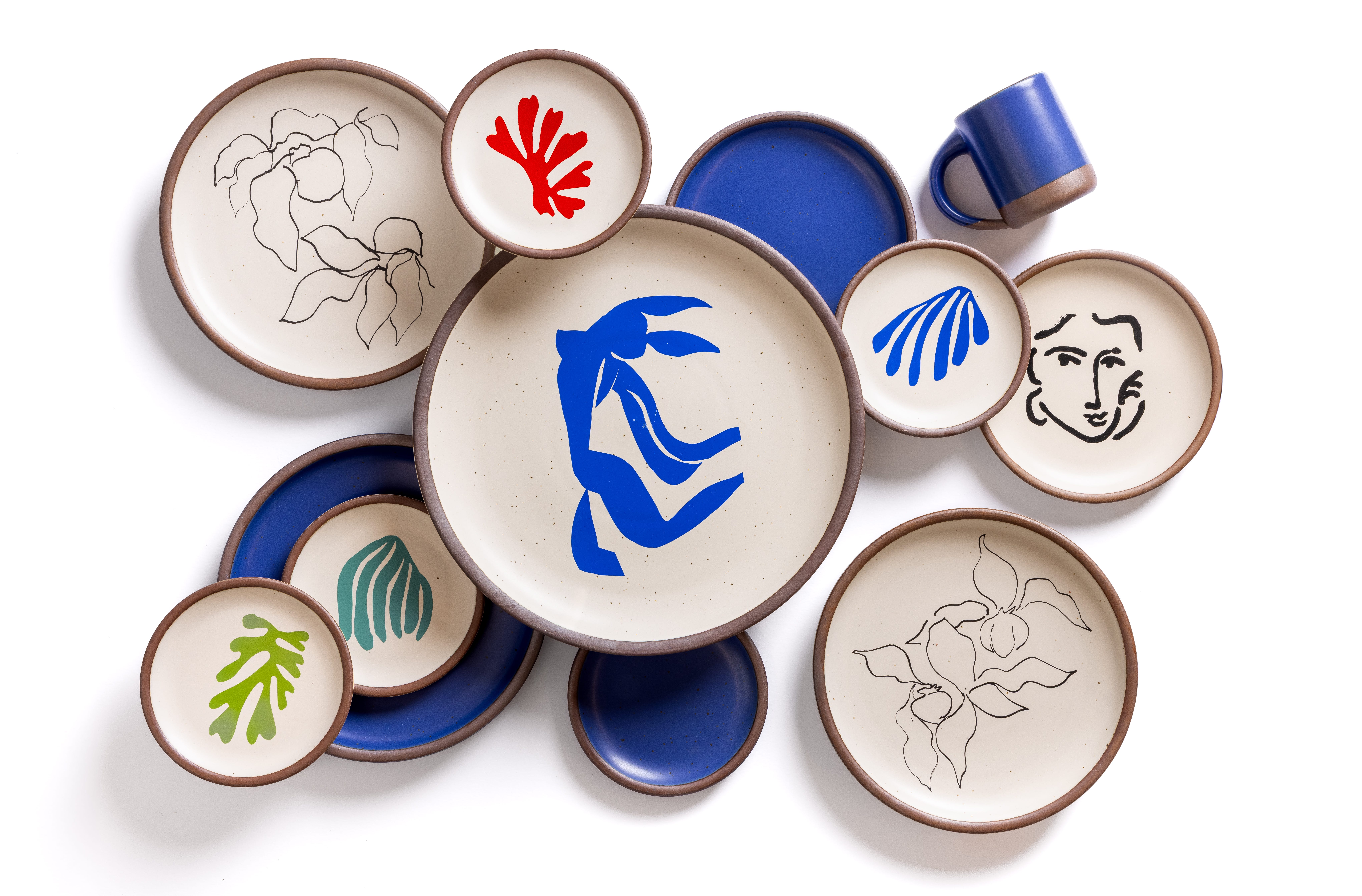
East Fork’s handmade Matisse collection. One of the highlights of my Paris trip was seeing Matisse’s cutouts. His Blue Nudes at MoMA in 2015 were actually what made me fall in love with modern art in the first place. So naturally I was soooo excited to learn my fave ceramics brand, East Fork - which was founded by Matisse’s great-grandson, Alex Matisse - just brought back its sold-out Matisse Collection in another small-batch (PLUS new designs!). Think East Fork’s handmade pottery covered in some of Matisse’s most iconic artwork. J’adore!
I got the chance to interview Alex about the collection, building East Fork, and what it was like growing up in the family of such a prolific legend. Keep scrolling for the details!
USING:
When I was shooting in Paris during the heatwave, the most magical part of my day was…the shower. I brought mini versions of Soft Services’ Buffing Bar and let me just say: it did wonders. Now I refuse to shower without it!!!
This Ayond serum is my new go-to - I use it daily for hyperpigmentation along with the Ziip (my 68-year-old friend Cheryl turned me onto it for anti aging - and let me just tell you SHE’S THE MUSE).
OK can we please have a moment for Crown Affair’s shampoo & conditioner? My hair is PICKY and it feels like I had a salon-quality blow out after using it. Dianna Cohen is a genius!
GIFTING:
Recently bringing Graza everywhere with me as the perfect summer hosting gift - just do yourself a favor and stock UP
READING:
Lit Girl sent me The Plunge by Lila Raicek and I read it cover to cover in a day.
OVERHEARD:
You know those vintage J.Crew catalogues you see all over Pinterest? My friend Gayle was the head stylist behind them - and now she helps us with our Alex Mill shoots. I always leave set with a million IYKYK references to look up.
At the last shoot, she casually mentioned that in the ’90s, every girl was obsessed with Clinique’s Black Honey. Obvi I ordered immediately - it has a cult following for a reason.
WEARING:
Alex Mill’s new August Collection, which we shot in PARIS (oui!) on my friends Alice Pilate and Jeanne Ducourau!! How parfait. Here are my favorite things:
For the femmes:
The Scout Set - parfait for le plane
The Lucia Top - named after my sweet sis
Eastport rollneck in this lovely butter yellow
The Made in Italy ballet flats obvi
For the hommes:
The Carter popover - this usually sells out every year so hurry!
Cableknit cashmere crew - Alex Mill cashmere quality is NUTS. Our design team literally just uses MORE cashmere than other sweaters you’ll find. It’s 2-ply, 7-gauge, and Grade A (aka the gooood stuff)
HANGING:
My NYC friend Maddie just got married in (our mutual hometown) Minnesota, and every single detail was so completely her - I’ve never been to a wedding that felt SO much like the bride. A custom dress made in Rome. 19th-century silk shoes. Produce centerpieces instead of florals. La Veste–like tablecloths. Handmade ribbons. Future brides, take note!
I chatted with Alex Matisse, the founder of East Fork Pottery and the great-grandson of Henri Matisse, on building East Fork, growing up with art history’s legendary name, and bringing his great-grandfather’s work to the table (literally - their handmade Matisse collection is back with new designs!!!).
P.S. make sure you’re following Alex on Instagram!
1. You spent years building East Fork as its own world. What made this feel like the right moment to bring your great-grandfather’s work into it?
It was really two things that came together and lined up that made it happen. First, I understood that East Fork had to reach a point where it could stand on its own with some scale before I could even contemplate the idea. Connie and I had talked about it in the past, but it never felt right; it felt like a distraction. We were so focused on building our brand and building the factory that we just didn’t have the organizational depth to tackle something as large as this.
The second thing that happened was that the copyright for a lot of Matisse’s works ended, which meant that a lot of the revenue that was generated from that copyright to fund the operations of Les Heritiers Matisse (the office that my brother George runs, which controls the copyright, helps museums with exhibitions, and authenticates work) was at risk.
Versions of Matisse works would flood the market, and the careful protection and stewardship that my brother brought to bear in his work would be at risk as the work entered the public domain. We wanted to release something with a lot of integrity to the original artwork, and set the tone for what a high-quality licensing project should look like.
2. When you look at what East Fork has become, what are you most proud of?
I’m proud of a lot of things: how much genuine joy our pottery brings to people’s lives, how much work in our community we have been able to fund and support over the years through our Quarterly Community Partnership and 1% for Community programs, but the thing I always come back to is our role as employer and manufacturer in an industry that has nearly disappeared from the US.
3. What inspired this collection? How did you go about translating Matisse’s work into objects people could use every day?
I’ve always thought of a dinner plate (or any flat ceramic surface) as a canvas, either for surface decoration or the food that is plated on it, so it was a very natural transition to take Matisse’s work and transpose it onto the surface of the pots.
4. Do you remember the first time you really understood, “Oh my God - that’s my great-grandfather”? How did growing up with his legacy shape you?
I don’t have a specific moment in my memory, but more of an accumulation of small realizations.
I remember going to shows as a family, being welcomed by the museum at openings and having fancy dinners, and I remember when kids at school would say things. For much of my early childhood, I did not like the attention or “otherness” that the name brought with it; it felt like this shadow that followed me around everywhere, and I could see how other family members struggled to find their voice in the world in that shadow.
For some, it was very hard, including my father, who was an amazing artist and inventor and engineer in his own right. I was taught that it was never something to talk about or use to my advantage. There was this quietness I felt like I had to move through the world with, and it was really East Fork’s growth and expansion that ultimately released me from that.
5. Was there a Matisse artwork you saw so often growing up that you almost forgot it was famous? Is any of that represented in the collection?
We had some drawings and lithographs around the house growing up, and these are still some of my favorite works. As we were designing the newest additions to the collection, I stumbled across Figure endormie sur fond moucharabieh and fell instantly in love with it.
I had wanted to do something that stretched across the whole surface of a serving platter, and I knew instantly we had found it. I love everything about this piece: the simplicity and peace in her sleeping face, the intricate patterned interior details on the screen behind her, and the drape and flow of the sheet on her lap.
6. We just launched The Rose Period Guide to Paris - one of the highlights was the Matisse show I just saw. What are your favorite places to see art in the city?
I have a little shame in admitting this, but over the last 15 years I have been so single-mindedly focused on building East Fork that I haven’t visited France since probably 2010 or 2011. I haven’t even taken my wife and our two girls!
When I was little, we used to go every summer to visit my grandmother who lived just south of Paris. What I remember enjoying most from those visits was visiting the Centre Pompidou (which is closed now for a large renovation) and in the woods outside of the Fontainebleau forest, the colossal sculpture Le Cyclop, which was made by Jean Tinguely in collaboration with his wife Niki de Saint Phalle. I don’t know if you can still climb up into it, but I remember that as a child.
Okay bon voyage! That’s it for now. What other cities should I do an art guide for next?!!?! Cities, want me to come to you!? Reach out at roseflorenceanderson@gmail.com and follow me on Instagram @roseflorenceanderson
In the meantime…
The Rose Period Guide to New York Art
·
September 28, 2025
Today’s newsletter is your ultimate cheat sheet to art in New York City & State. Museums, hidden-gem galleries, design houses, and the kind of off-the-map stops you’d only hear about from a friend who knows. I pulled together my master list - and tapped 14 tastemakers to share theirs.
Current obsession✨art that feels like magic
·
Jul 5
This week's post is a deeper dive into my Current Obsession series - a place for the art I can't stop thinking about. Today's edition is dedicated to a particular category of obsession: art that feel like magic throughout art history✨✨✨Plus, guest edits from some people with excellent taste.
Secret history of color: pink
·
May 24
Pink used to be the color of kings. When did it become the color of girls? Pink has a reputation problem. And in today’s newsletter, we’re setting the record straight - from the 18th-century pigment of power to Elsa Schiaparelli’s invention that changed fashion history. In partnership with
No posts
Comments
Nothing yet. Say the first thing.
Sign in to join the conversation.