
Dear mental health advocate,
If you grew up in an unstable home, or you experienced trauma as a child, it is likely you are suffering from wounds you have internalized. Being insecure, not knowing how to cope, defense mechanisms, substance abuse, self-doubts, the list can go on and on. One of the biggest challenges with this is that as an adult, these childhood wounds won’t be healed through someone coming to save you. The work, well, you have to do it yourself. In therapy, there is a concept of learning how to reparent yourself. So, in today’s free edition of The Present Psychologist Paper I will explain how reparenting yourself works in practice. Keep on reading!
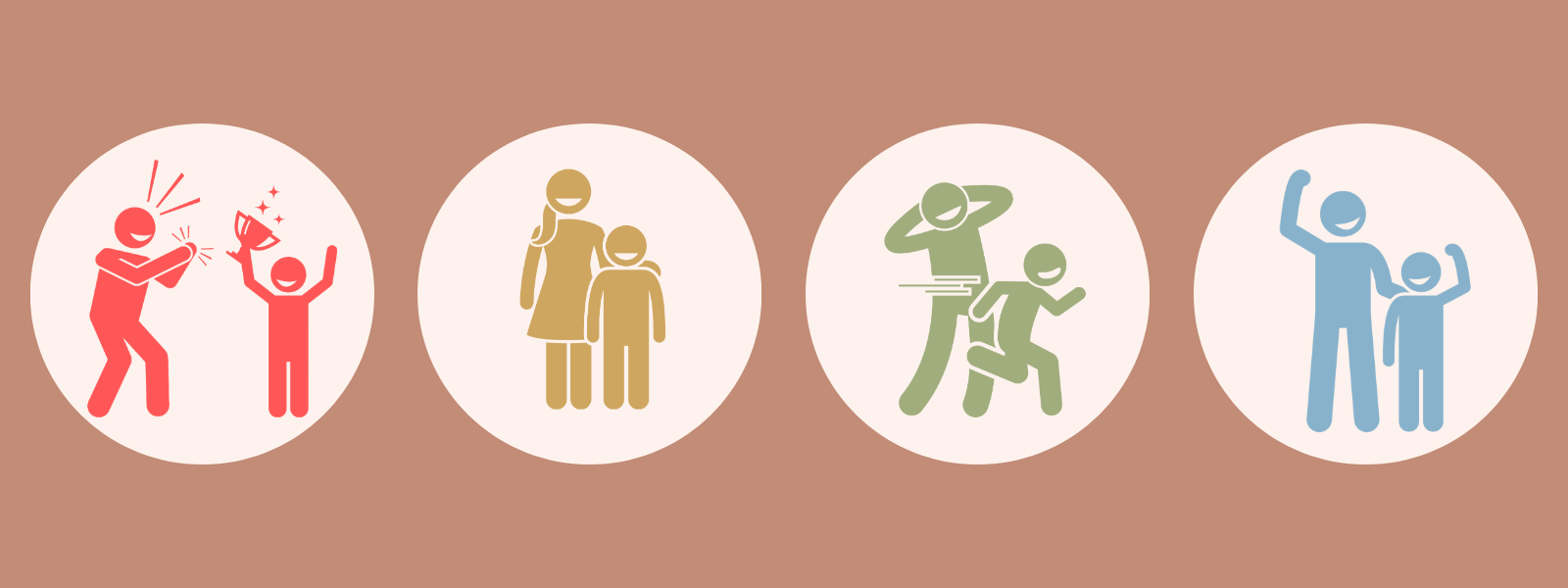
As children, we do not have the same agency, autonomy, or mental capacity to understand the world and reality in the way we do as adults. Our brains are still developing, and we depend heavily on our caregivers for emotional regulation, safety, and survival. Especially in our early childhood! During these formative years, caregivers act as a child’s primary model for how to experience our own emotions and how to respond to stress. It ultimately results in the way we relate to both ourselves and others.
Because of this dependency, the way caregivers attune to a child’s needs can have a tremendous impact on many different things. Think about our personality development, our nervous system regulation, our self-esteem, and even long-term behavior. When caregivers are inconsistent or unavailable, children may experience distress that exceeds their capacity to cope. The same goes for emotionally unsafe and overwhelming situations. In some cases, these experiences are significant enough to be traumatic. Since children lack the cognitive tools and control that adults possess, they often have no choice but to adapt internally rather than change their circumstances. Similarly, children often do not have language to express their needs properly.
Young minds are still forming VERY crucial neural connections. Relational and emotional pathways are being wired through lived experience. Our cognitive brain is not where it will be. When adversity occurs during this period, the brain often responds by developing coping strategies meant to preserve safety and connection. While these adaptations may be protective during childhood, they can become much more rigid or self-sabotaging later in life. There’s a long list of survival strategies adults apply, think about: people-pleasing, emotional suppression, hypervigilance, avoidance, or harsh inner criticism.
Unfortunately, there are situations in which caregivers are either the source of the trauma or simply not equipped emotionally to help a child process pain in a healthy way. As a result, a child may internalize feelings of shame, guilt, fear, or anger, often concluding that something is inherently wrong with them. Over time, these beliefs can crystallize into an inner narrative that shapes both adult relationships and your emotional regulation. This is what is often referred to as a ‘wounded inner child’.
When early emotional needs are repeatedly unmet, individuals may grow into adulthood carrying unresolved wounds. This often presents itself as an insecure attachment style and being chronically dysregulated. In therapy, psychologists and mental health practitioners often help clients identify these early dynamics and offer corrective emotional experiences so you can do the work. One powerful framework for this healing process is reparenting. Reparenting basically means learning to provide for yourself all the things you were missing during childhood like the validation you didn’t get or the lack of emotional care.
It is very important to recognize that reparenting yourself is not a quick fix or a purely intellectual exercise. It is a gradual, emotionally engaged process that requires a lot of repetition and self-compassion. You need to be patient. While therapists can support this journey, the internal work must ultimately be practiced by the individual (you yourself!). Below are several ways reparenting can begin to take shape.
Actively acknowledging your accomplishments helps counter deeply ingrained feelings of inadequacy or worthlessness. Make a conscious effort to list challenges you have overcome, skills you have developed, and moments where you showed resilience. Even small achievements count. This practice reinforces a sense of competence and self-trust that may not have been adequately mirrored in childhood.
Emotions often arise automatically, especially when they are linked to earlier experiences. While emotions should not be suppressed or dismissed, adults can learn to influence their emotional environment. This includes choosing various types of inputs (this list is not exhaustive) such as music, interacting with your friends, enjoying media, or simply putting yourself in environments that support stability rather than intensify the distress you are experiencing. Emotional regulation is not about control, but instead about guidance and responsiveness. Much like a caring parent would provide!
Many adults associate play with irresponsibility, yet play is fundamental to emotional health. Play supports your creativity through nervous system regulation and ultimately leads to joy. Reintroducing playfulness is essential! Whether this is through hobbies or something else like movement or just a healthy dose of humor, this will help you to reconnect with parts of the self that may have been prematurely forced into adulthood. Play communicates safety to the nervous system and allows the inner child to feel seen.
The internal dialogue often reflects caretaking voices from the past. If those voices were critical to us and dismissive of our experience they may live on internally. Reparenting involves consciously replacing harsh self-talk with language that is much more supportive and encouraging of yourself. This does not mean the same as toxic positivity; it means responding to mistakes and struggles with being understanding rather than punishment.
Nurturing the inner child can be done through visualization of what you needed and writing this down by journaling. This nourishment can also be done through somatic practices. Imagine offering your younger self the comfort they needed at the time to protect them and reassure of their safety. That it is okay to feel. This process helps rewrite your internal schemas and creates new emotional experiences that can coexist alongside old memories.
Children depend on caregivers to recognize and meet their needs. As adults, learning to identify and honor those needs is a vital part of reparenting. This requires introspection and honesty about all your emotional and relational needs. And don’t forget your physical demands (sleep, nourishment, exercise).Meeting your own needs reinforces the belief that you matter and that your well-being is worthy of care.
Intuition often reflects unconscious wisdom shaped by experience. For individuals with early boundary violations your intuition may have been ignored or overwritten. Reparenting involves rebuilding trust in these internal signals. Paying attention to the discomfort you feel internally and the resistance that is triggered can help establish healthier boundaries and decision-making.
Validation does not mean endorsing every impulse or reaction. It means acknowledging that emotions exist for a reason and deserve your attention. When emotions are validated, they can be processed rather than suppressed. This mirrors what a responsive caregiver does: recognizes the feeling first and then helps the child understand and regulate it. So, if you become aware of how you feel in a certain situation, then accept that that is what is happening.
In the end, reparenting yourself is at its core, an act of reclaiming agency and self-compassion. It allows adults to move away from survival-based adaptations and toward more intentional value-driven living. While the process can stir grief and discomfort, it also offers the possibility of profound healing and self-connection. Over time, the internal relationship one builds through reparenting can become a stable source of safety and resilience. Emotionally nourishing yourself can lead to great healing.
Whether you are new to The Present Psychologist Paper or not, I’d like to let you know that on this platform I send out editions with articles about psychology and mental health every month. I send out a free version, but also a paid version. The free one consists of one article, the paid one means getting extra articles sent. It’s the price of a cheap takeaway coffee each month, cancellable when you want and you would support me as a freelancer.

I have an exciting update! Some of you have reached out to me on various channels asking if some of my designs are available in poster format. These are very useful to decorate your classroom, private practice, your office or any other room. I believe spreading awareness is vital to improve mental health, especially when it comes to students, colleagues, family and friends. Previously, I already provided digital copies online, but now I am thrilled to announce I have partnered with Printify to sell high-quality physical posters of my designs. They come in sizes 18 x 24 inch (45.72 x 60.96 cm) and 24 x 32 inch (60.96 x 81.28 cm). Three different materials are available: fine art, semi-glossy and matte. If there is any design you are missing from my Instagram, let me know and I will add it to the assortment.
No posts
Comments
Nothing yet. Say the first thing.
Sign in to join the conversation.