
Dear mental health advocate,
Hope you are having a great week so far! Readers have reached out to me that they really enjoy the more practical advice parts of my Substack so far. I’ve decided to change it up a little, by providing to my paying subscribers more practical workbooks. These can be very useful when you are struggling with your mental health, or just to increase your mental fitness. In today’s paid edition of The Present Psychologist Paper, I will focus on a workbook for emotional regulation. When you deal with difficult situations, it is useful to understand your emotions and regulate them.
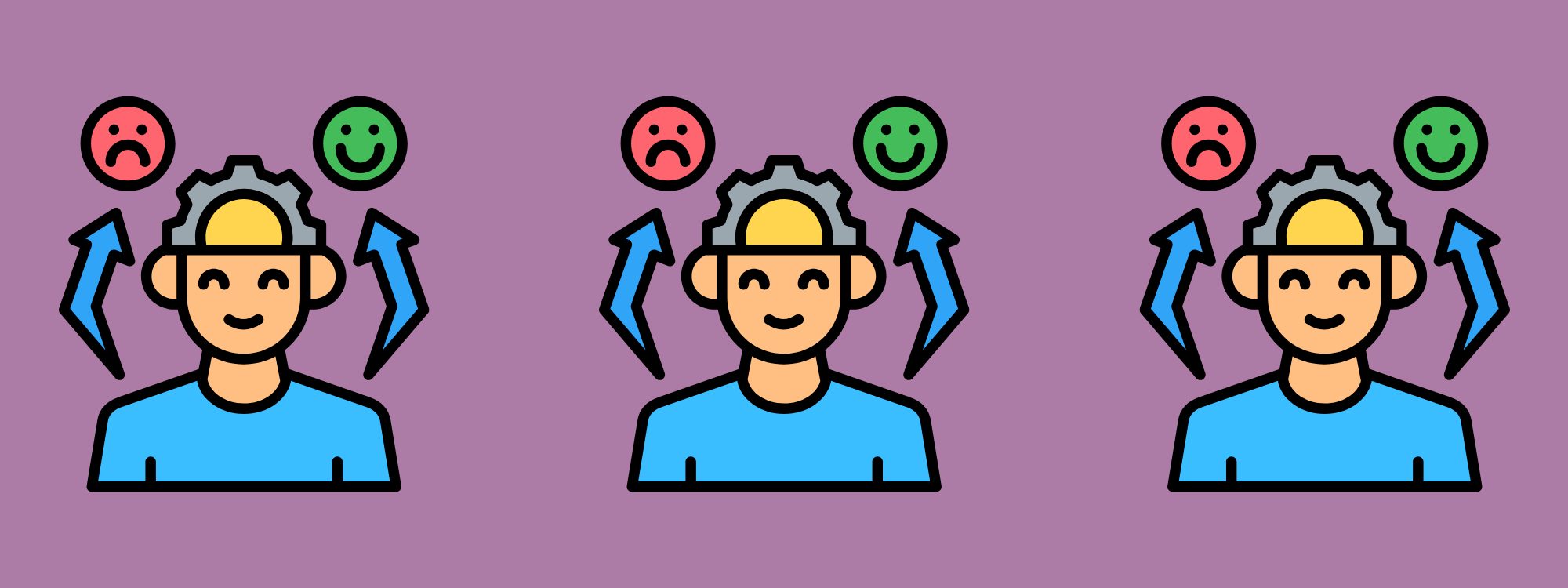
Most of us were never taught how to properly manage our emotions. In most cases we simply learned to just cope with them. Does it sound familiar to you? That we shut down? We explode? Or we avoid, we overthink and simply disconnect from ourselves entirely. Emotional regulation isn’t about controlling what you feel. It’s about understanding your internal signals your body and brain are sending to you and guiding your nervous system back to a grounded state. Especially when situations in your life just pull you away from it.
This month, I’d like to focus on exactly that: learning how your emotional system works, recognizing your early warning signs, and practicing a few simple techniques that help you return to some much-needed mental clarity. By the end of this workbook, you will have a few useful tools like your own personal regulation map and a set of real‑time tools you can use during difficult moments. It will give you a chance to achieve a deeper sense of how to support yourself from the inside out.
Don’t forget: emotional regulation is a skill. And like any skill it gets easier with the time passing! Hopefully it will make your brain move faster becomes and more natural with practice (I know from my own experience it can take some work). Try to avoid beating up yourself if you struggle with it, it takes time.
Psychologists have worked hard to define how we, as humans, regulate our emotions. They came up with the concept of the window of tolerance, with three states your body shifts between throughout the day, often without your awareness. These zones are not abstract theories; they are your biological states that are shaped by evolution, stress, safety, and past experiences. Here are they:
1. Hyperarousal (Acceleration State): This is the moment when your system speeds up with symptoms like racing thoughts, tightening muscles and your attention narrowing. It is the classic fight‑or‑flight response: your body believes something needs to be handled right in that moment. Even when nothing objectively dangerous is happening physical memory can trigger this state. Symptoms look like:
• restlessness
• racing thoughts
• irritability
• impulsive reactions
2. The Window of Tolerance (Grounded State): This your psychological home base. In the window of tolerance you can think clearly and feel without being overwhelmed. You respond rather than react. It does not have to be perfect calm, instead it is more usable calm. You can feel anger or sadness but still remain connected to yourself. Symptoms look like the following:
• clear thinking
• steady focus
• present in your body
• able to pause before responding
3. Hypoarousal (Shutdown State): When stress becomes too much, the nervous system doesn’t only speed up as it can also shut down. This is the freeze response which is a protective withdrawal. Mentally it feels like a foggy numbness or an inability to access your own energy. Physically, it might show up as heaviness or tiredness. Symptoms:
• feeling blank
• low motivation
• mental fog
• checking out or withdrawing
I want you to give an exercise to let you think about and become more aware of how you generally deal with triggering situations. For example, how do you deal with a colleague giving you feedback at work? What if your partner becomes angry for something you have done? What if your friend does not reply to your text message?
Use a journal or notes app to write down the answers. I want you to think about situations and which direction you shift into when you feel overwhelmed. Answer the following questions and be as concise or elaborate as you want:
Comments
Nothing yet. Say the first thing.
Sign in to join the conversation.