

Welcome back to THE RADAR, The Prep Club’s fortnightly mini-magazine keeping you in the loop of what’s hip in the sphere of collegiate threads. You can attend last week’s meeting here for a love letter to the pleated chino.
Here’s what’s on the radar this week:
— Meermin Shell Cordovan Loafers are made in China, just how good are they?
— We use the term “Holy Grail” too much, here are some real ones.
— Some vintage pleated chino recommendations.
— We’re experimenting all wrong.
Products featured in this article were provided by Meermin, opinions are my own and they retain no editorial control over content.
I’ve said before, on record, that I really don’t think you can buy a truly great pair of loafers new for less than about five-hundred pounds here in the UK. Anything below that figure and I’d expect there to have been some sort of sacrifice made. Often it’s possible to get great craftsmanship, but at the cost of lesser materials.
If you want the sweet end-all be-all, the one to rule them all: shell cordovan, from any well-known maker: Rancourt, Alden, Crockett and Jones, Yuketen, you’ll find yourself hurtling towards, and at times far exceeding, the thousand mark on the price tag. Which is why I was truly fascinated by this pair of shell loafers sat comfortably under that five-hundred mark.
Meermin design their shoes in Mallorca and produce them in a private factory in China. Chinese manufacturing, of course, comes with a certain amount of stigma, but— also obviously— that criticism is not always applicable. Great handiwork can be done in any part of the world. Nonetheless, I’m still left wondering: just how good can made in China Shell Cordovan Loafers, for three-hunrded-and-seventy-five dollars, actually be?
The pair I’ve got to hand are the 501040 model in Burgundy Shell Cordovan, and they are incredibly well appointed. Along with the things you’d expect: Goodyear Welted, rubber heel tap— they are still three-hunrded-and-seventy-five dollars after all, they have a closed channel sole with bevelled edges and a gentleman’s notch cut out of the heel, details which I’d challenge you to find on any other shoe in this price bracket, hell it’s something you’d be hard pressed to get out of any of those big name makers I mentioned earlier.
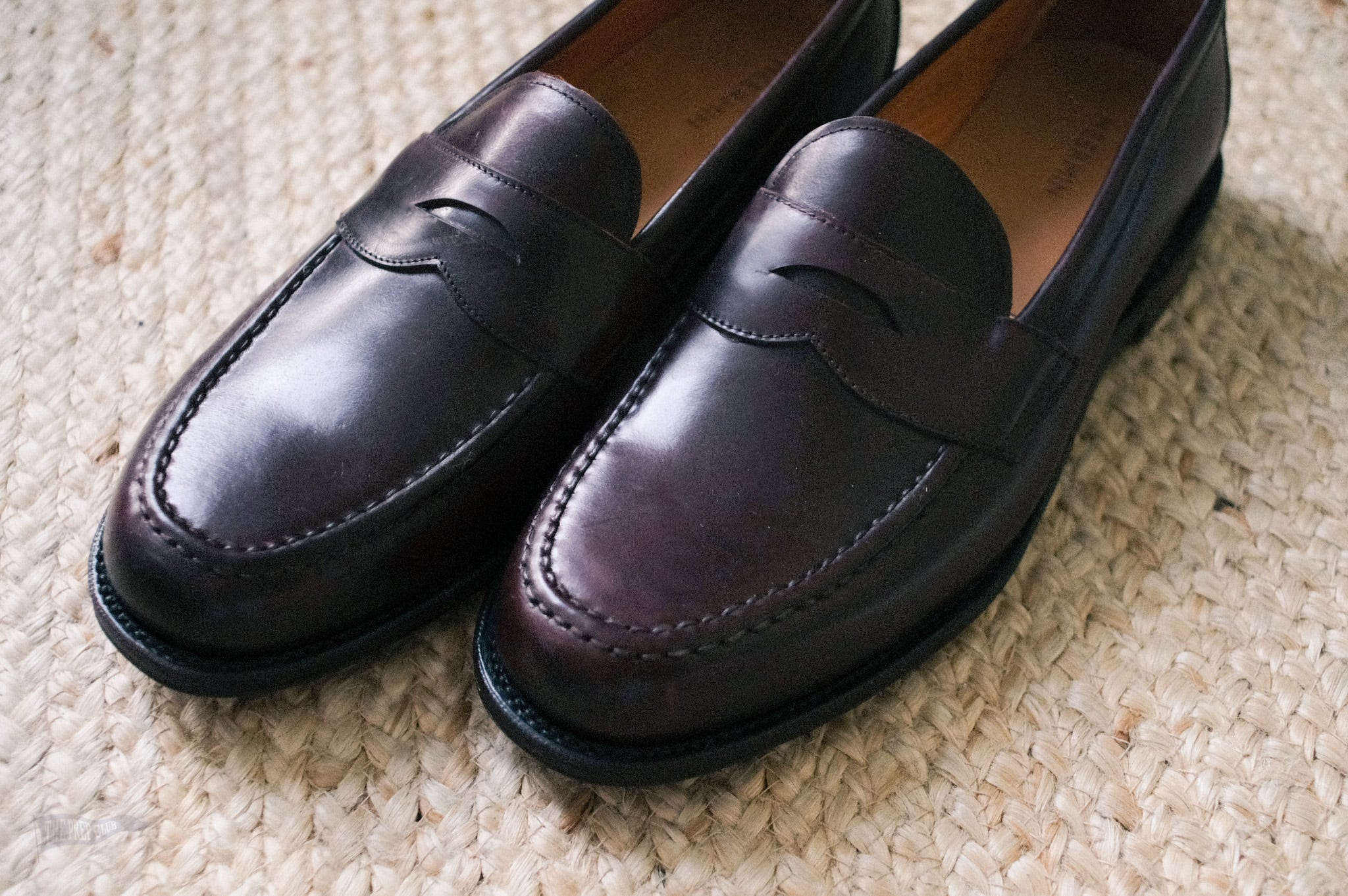
The Cordovan is present and correct, if a bit patchy, Meermin say this particular hide is tanned specially for them, but don’t announce by whom exactly. Their website lists Horween and Shinki as tanneries, but it’s hard to see either of them being responsible for this material. Besides, one can only imagine Meermin would be quicker to announce who tanned it if it was one of those. This particular burgundy finish is being quite possibly an ode to a very famous cordo colour. It leans more red though overall, whereas the finish you and I know has that sort of indescribable purplish hue. The design work is certainly heavily inspired by New England loafers, they’re happy to say as much, this particularly style has a wider toe-box which feels old-fashioned, maybe even a little clunky. That said they’ve undoubtedly got the classic Ivy League thing going on, and I can dig that in a sort of dorkish-on-purpose way.
They are also some of the most bafflingly and poorly constructed shoes I’ve ever seen. The stitching on the upper veers from its course, at times it comes perilously close to the edge of the leather, and there are sudden changes in the stitch density.
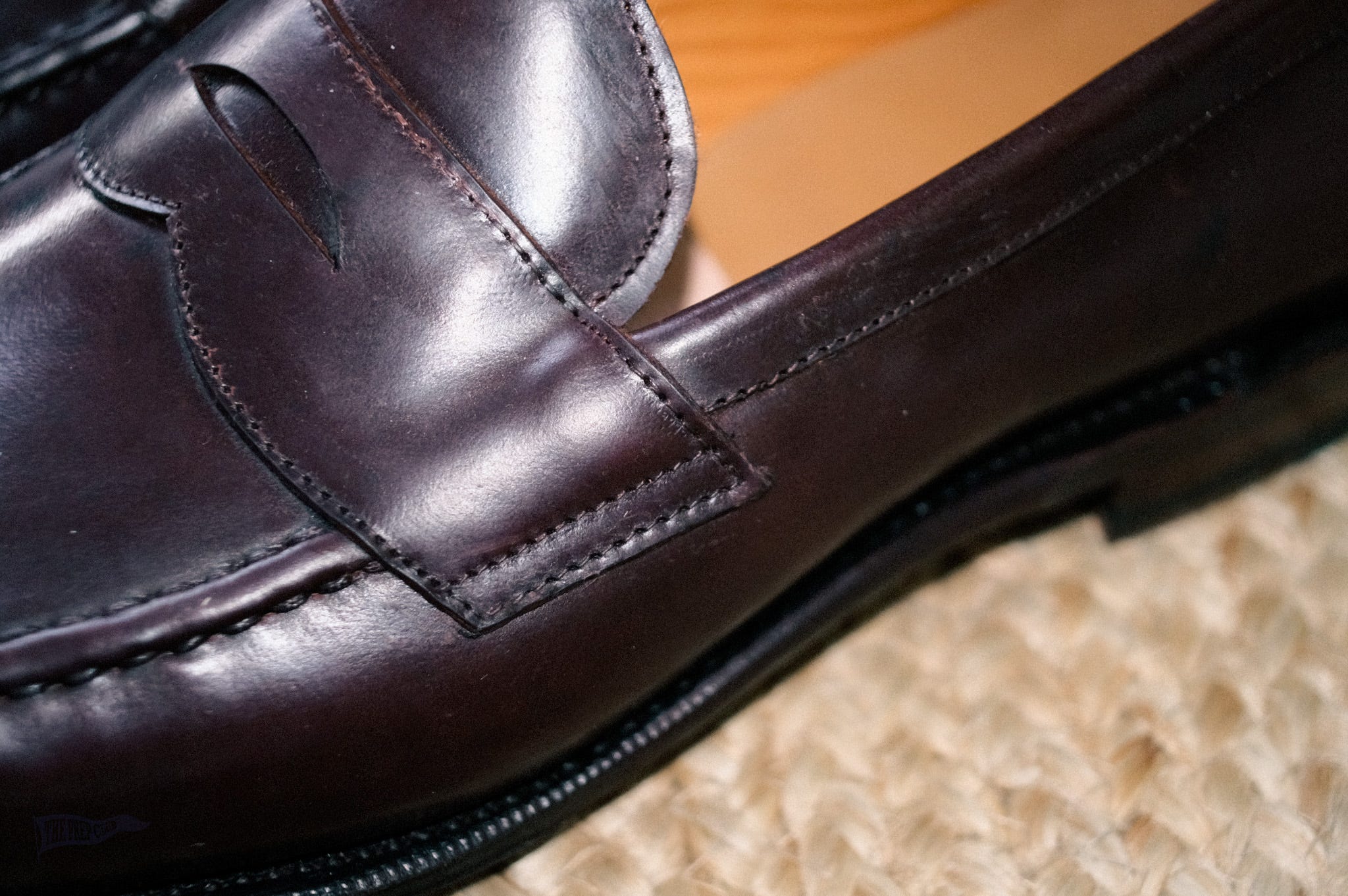
The application of that aforementioned gentleman’s notch on the left shoe has resulted in a chunk being taken out of the heel and the bevelling on the sole begins in two completely different places between left and right. It seems like this shopping list of high-end specifications were handed to a manufacturing operation unable to achieve them. Look, no handmade shoe is going to be absolutely perfect— hell, the quarters of my Aldens are two completely different heights— and most of these little hiccups are unlikely to impact the longevity of the shoe, but it speaks to a larger deficit in quality control— my Aldens were factory seconds. Besides, no-one asked for all the bells and whistles here, they could have had an open channel, un-bevelled sole, they didn’t need a gentleman’s notch, I’d have preferred the extra time taken in production was spent on getting the soles to both be the same shape, which they are not.
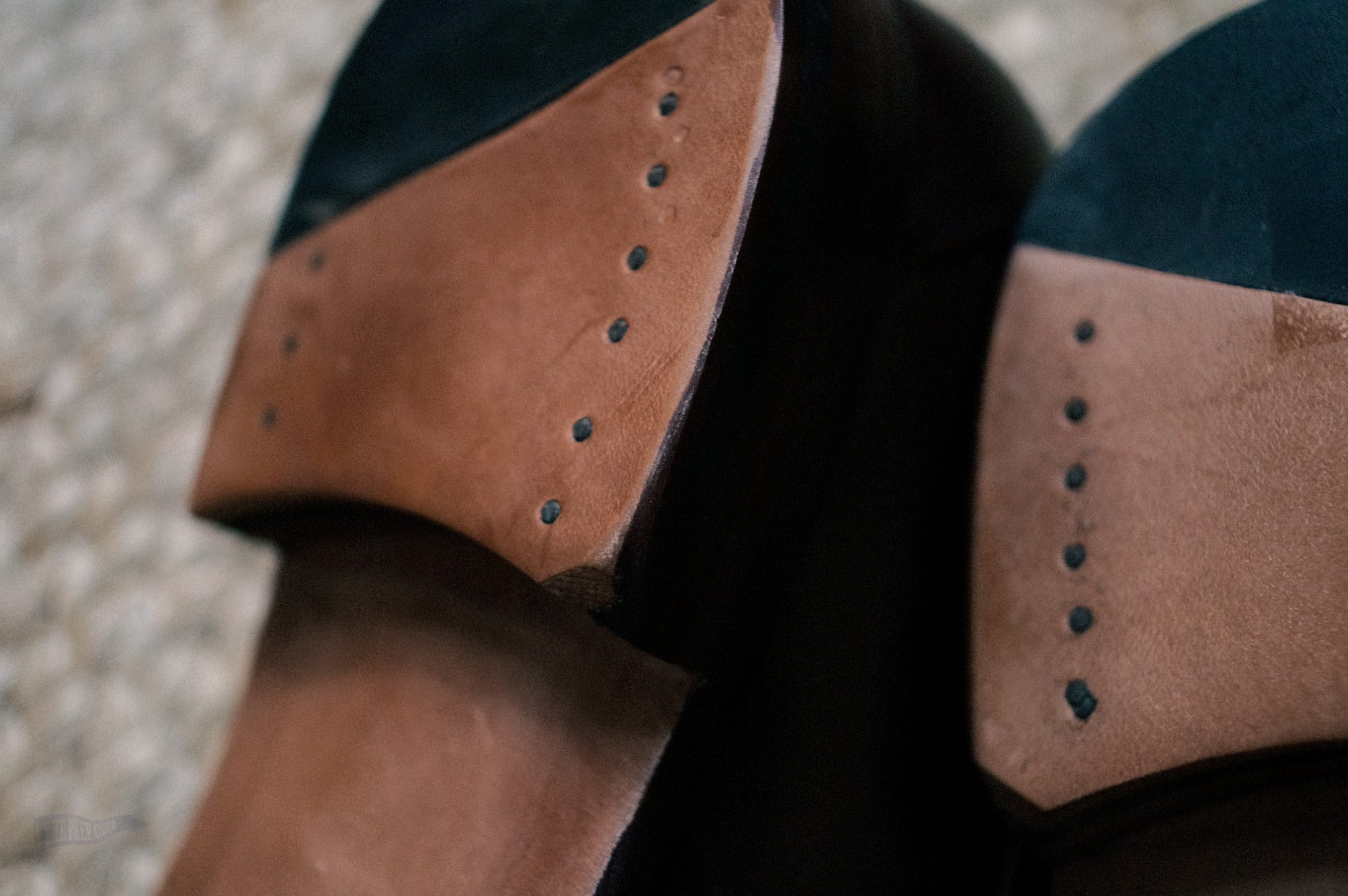
It remains very interesting to see the other side of the coin, to see what happens when a brand goes all out on materials, sacrificing construction. Ultimately, these shoes remain a part of the conversation, despite the manufacturing. They were comfortable for an all-day wear with no noticeable break-in, and they’re shell cordovan at the end of the day, even if it’s of mysterious origins. At the same time, I find it hard to call these a “budget” option, they’re still a lot of money and I wonder if many folks unburdened by the need for cordo would be happier taking their money elsewhere, some of the stitching is perhaps inexcusable. At the end of it I think my original point stands, with loafers and most other welted shoes it’s a tripartite system of price, materials, and craftsmanship, from which you get to pick two options.
Small Favour: If you wouldn’t mind, please share this post, or the club as a whole, with a friend who you think might be interested, it would mean a whole lot. Please also subscribe if you haven’t yet, again, it makes a big difference.
I see the term “holy grail” bounded about quite a lot, and I’ve found it to be common among all hobbyist communities not just menswear. That said, I would posit that we are especially liberal with the idea. I think there is such thing, but in order to be considered a true “holy grail” a given garment ought to meet a few criteria, a number of ways by which it is prohibitive to own.
Naturally we ought to perhaps first consider cost, usually the one and only criteria used in the decision of grail status. If we are considering things which are hard to come by, expense is an expectation, and what exactly counts as “expensive” depends on what kind of garment we’re talking about. However, anything that looks more like a rent payment than a clothing splash-out is probably hitting the mark. To that end, I would like to motion to exclude anything that is available cheaper on the secondhand market than new.
It’s not likely that I’d consider anything available new for graildom anyhow, since the other criteria is rarity. I think there must be some sort of ordeal undertaken to secure a garment for it to be rightfully considered a grail, a trip to Japan or at the very least some serious proxy work. It should take a long while for the right one to arrive in the right size, colour, and condition; there ought really to be a serious sense of catharsis in the acquisition of such a piece, as there would be a journey to find the actual Holy Grail.
As for my own grails, I’ve found myself enamoured letely with US Army Denim working blue trousers, the ones with with the fatigue style pockets (the M35 or M1937), and USN dungarees with the big patch pockets.
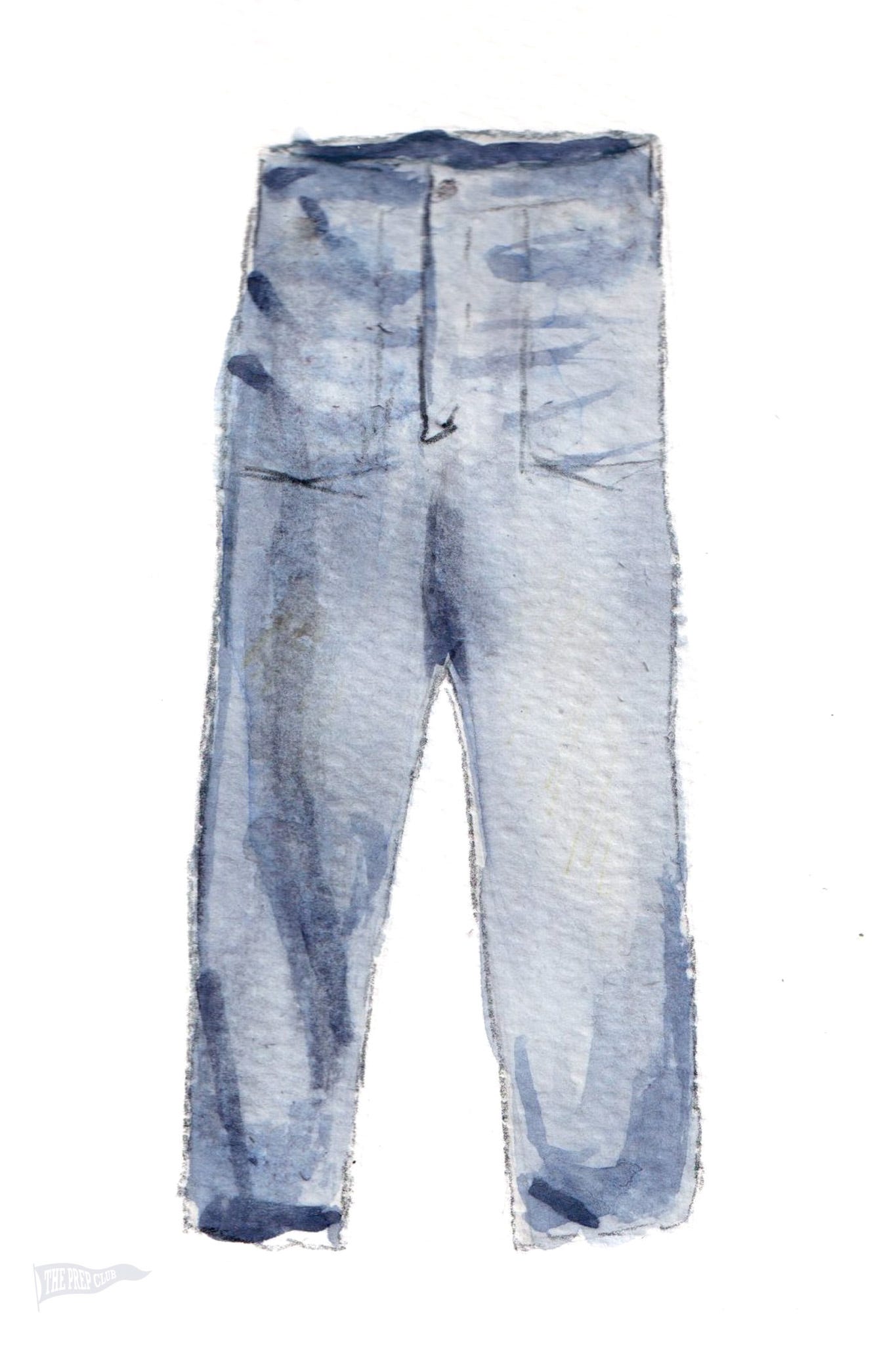
Vintage examples of these pants, properly faded ones, maybe with a patch or two, have this undeniable charm to me. They’re sort of nautical, even the army ones. They fly under the radar as not-so-obviously military, which I appreciate, and I love the way that the whiskering in the fades forms across the patch pockets. Coming by a pair of 30s/40s denim utilities in a size like mine (28W/31L) is a near impossibility, and regardless of finding them they’re all fetching a cool four figures these days.
From about the same time there’s also two-tone sweatshirts, some of the earliest examples from the the thirties and forties. Faded out sweats of any kind from this era are already fetching wild sums, the two tone variations are— to use a favourite phrase of my Dad’s, and a very British one at that— like rocking horse shit, but they’re just so damned cool.
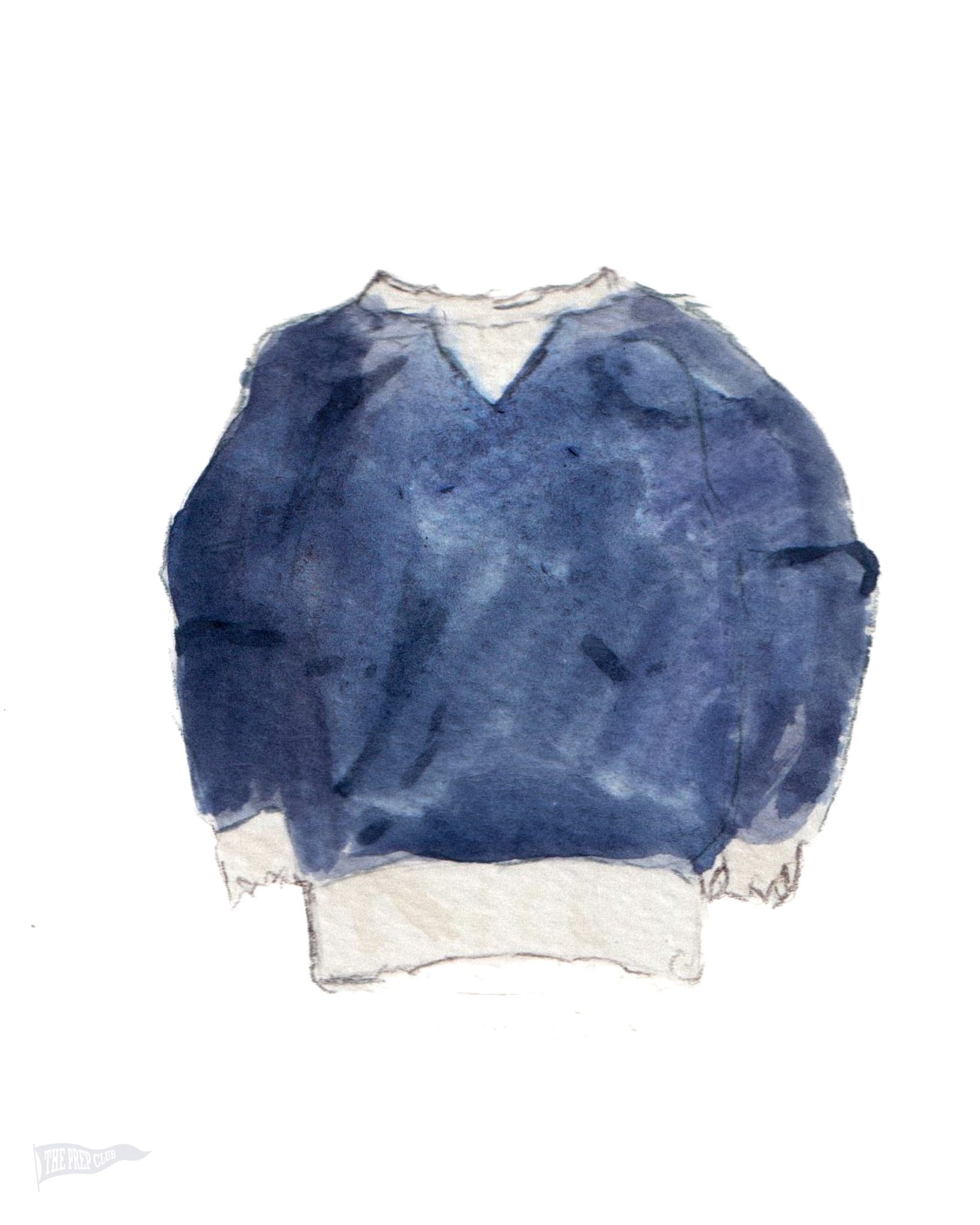
There’s a step further here, one which pushes these further into graildom, there’s the matter of finding one that fits, but that is also in not one but two colours that you dig. I’d want blue with either navy or white for the ribbing.
Moving a little more modern, into the Sixties, the Renoma Multipoche, which you might know as the Andy Warhol or Photographer’s jacket. These have a true icon status, but with limited examples preserved or exhibited by sellers. Most of the ones I’ve seen available have been through Vieux et Nouveau.
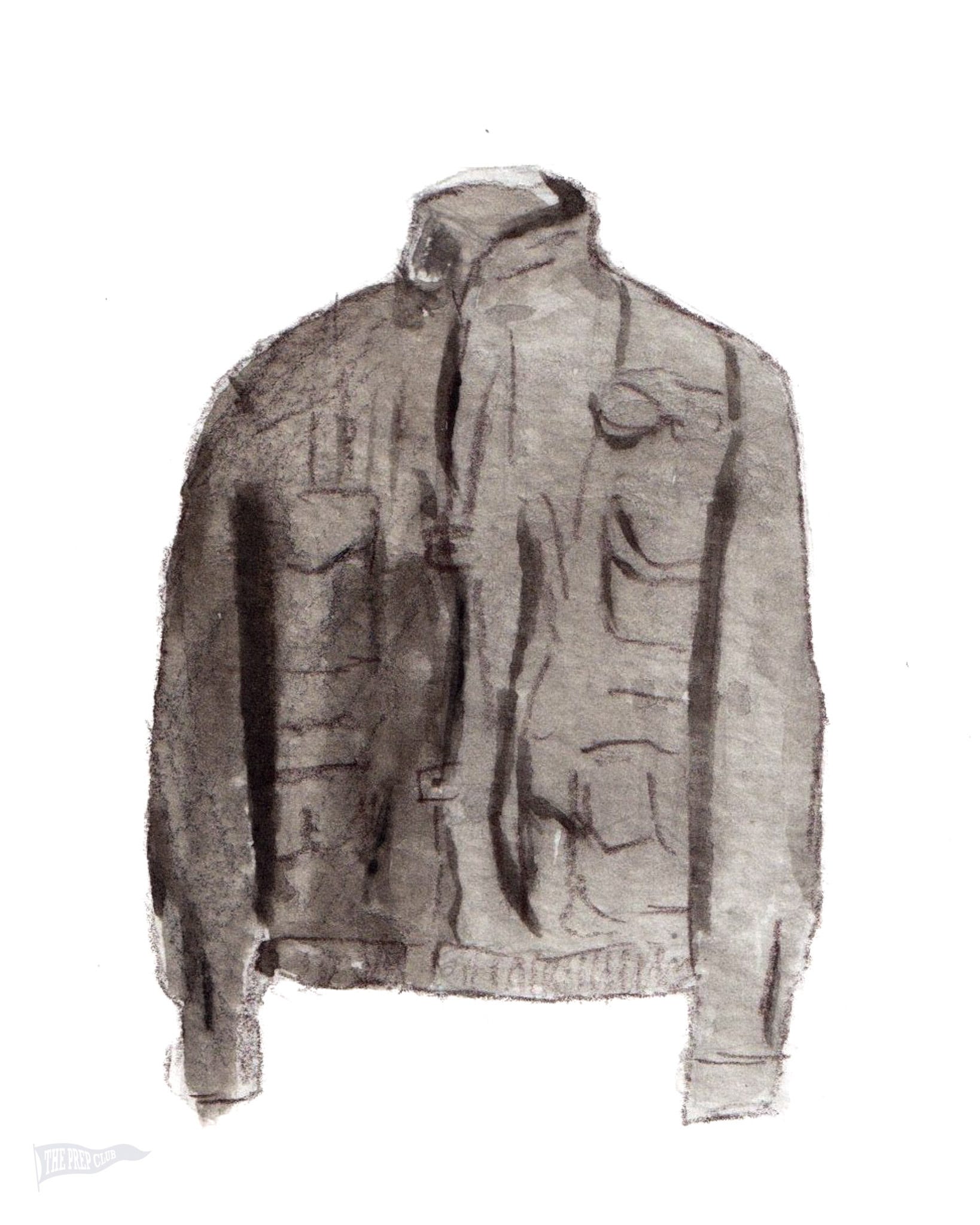
Then, there’s what I believe to be the greatest military jacket in the world. Amongst a sea of M65s and jungle jackets, it’s really quite something to be rocking a US Army Mountain Jacket, I mean c’mon the thing has a fuckin’ built in backpack. It toes a perfect line to me between something we’re very used to seeing, an olive drab field jacket, and something completely unique and special, which almost no-one else has.
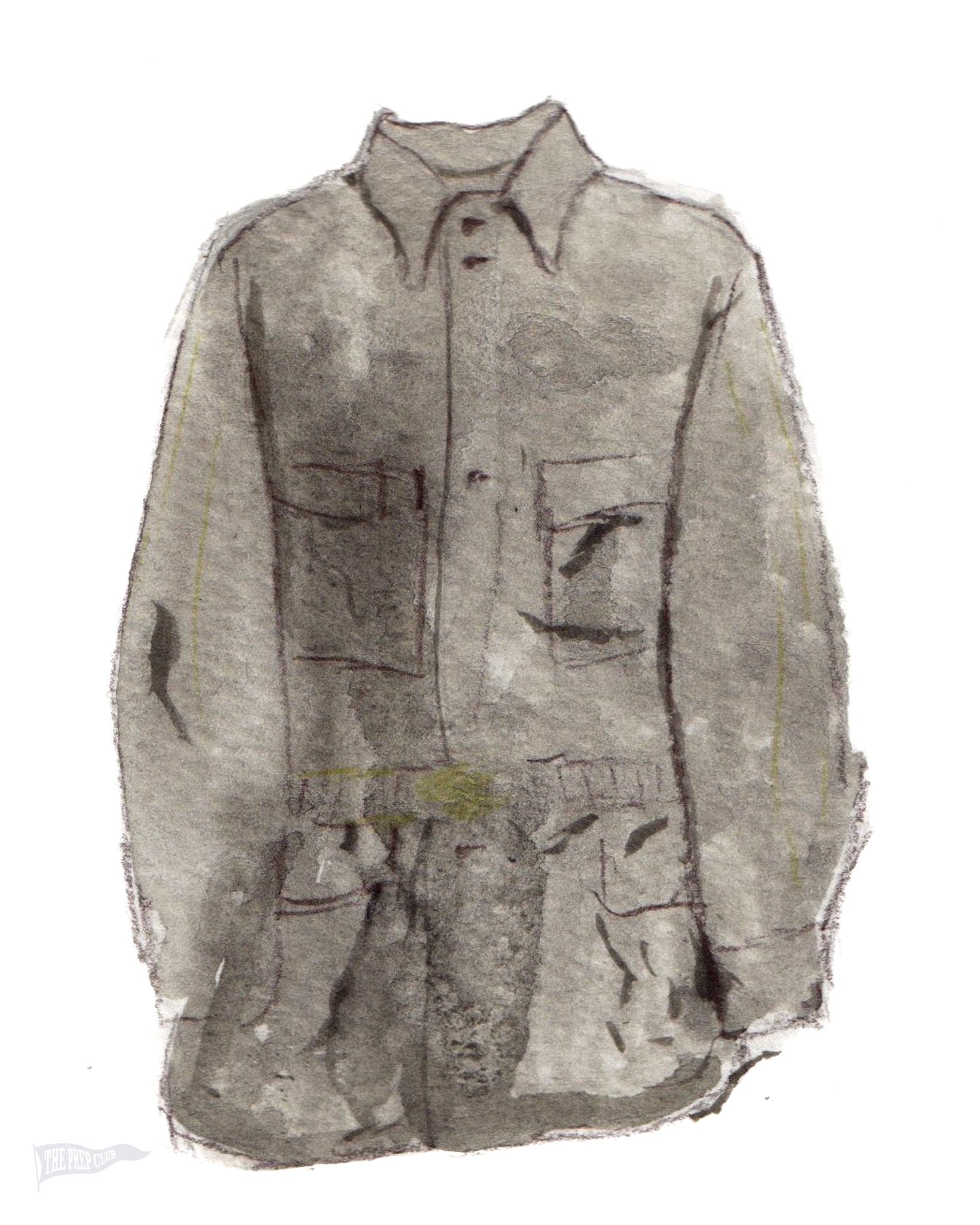
At the end of the day, snobby as it may be, I think that’s what a grail ought to be. The great thing about it being prohibitive to own is that you have to choose that one over others, you can’t own them all, will never own them all, and so it’s a chance to let the true colours come out.
These sorts of products are a true justification for vintage reproduction, where making a perfect replica with incredible craftsmanship works out more affordable than acquiring an original example.
To round out, for those above, I may own one, maybe two, or with a bit of luck perhaps all across the course of my life, but for a truer than true grail, one I will almost certainly never own. It would be a Cartier Tortue Monopoussoir, not a twenties one but a CPCP with the 045 MC calibre by Techniques Horlogères Appliquées, co-designed by FP Journe, one from two-thousand and three, a birth year watch (to engage in just a smidge of watch nerdery). If there were ever a pie in the sky, besides the sailboat on which I am determined to spend my retirement, it would be that watch.
I didn’t get around to any actual recommendations during last week’s winding monologue regarding pleated chinos [link], so I’ve included them here for you instead. I needn’t sing their praises any more, I think I’ve more than made my case, so I’m happy to take a close look at the material goods straight away.
That is, with one caveat, I’d like to argue for owning both forward and reverse pleats in a collection. There isn’t much to this argument, I simply hope you’ll believe me when I say it makes a noticeable difference to the appearance of the trouser, as significant as having a different fit, almost as significant as them being a different colour.
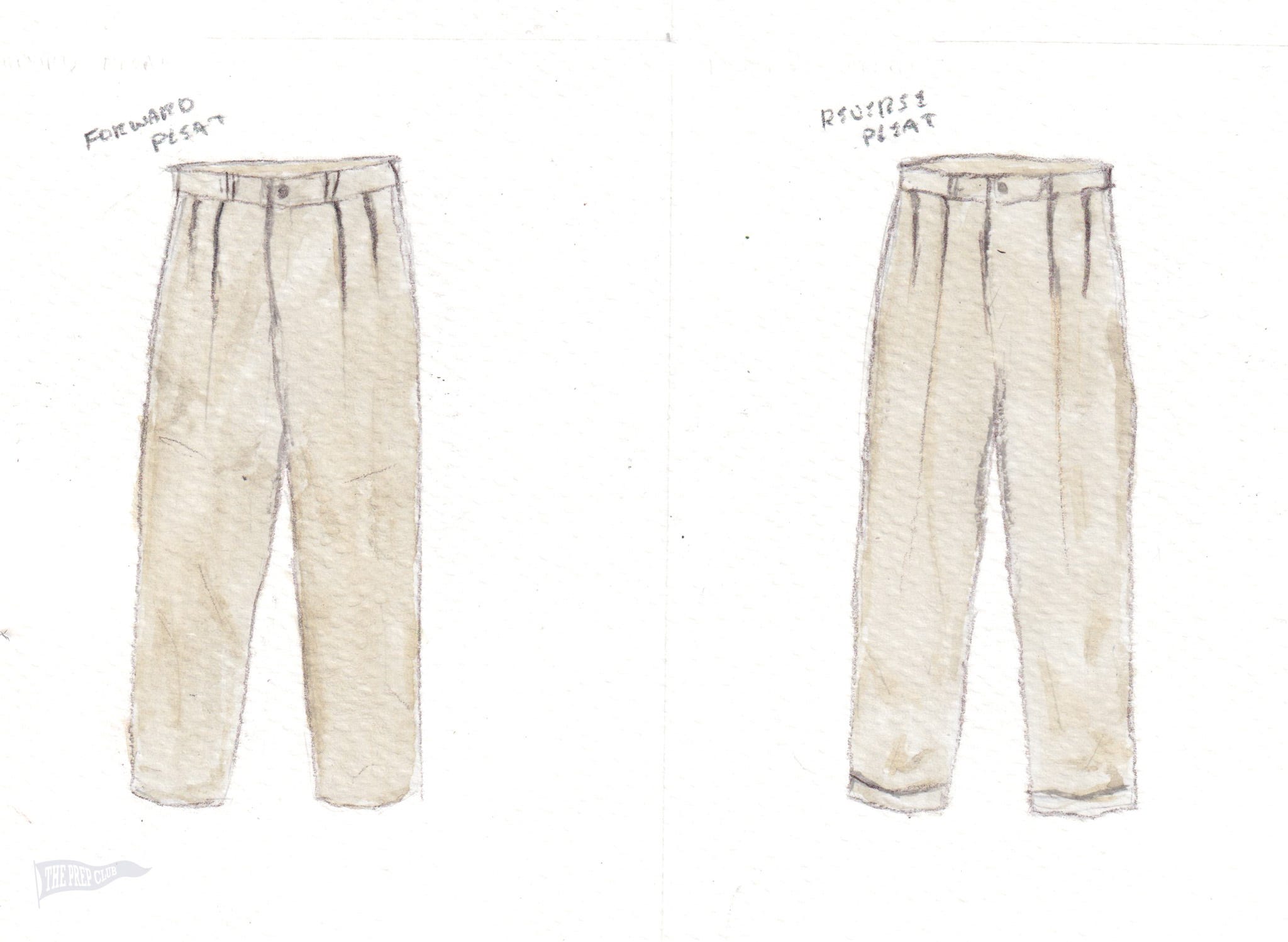
That’s all, here are some recs:
Comments
Nothing yet. Say the first thing.
Sign in to join the conversation.