

There’s a simple question at the heart of this: why exactly does it matter? Why write about fashion and not any other part of culture, that is? My framing for writing about fashion is through the lens of my somewhat gung-ho understanding of cultural theory, why stay on clothing, why not go in search of the bigger picture?
The Prep Club is in session, check last week’s issue of THE RADAR (our fortnightly magazine) here for a review of Meermin Loafers. Also, make use of The Directory, the alphabetised, as-comprehensive-as-possible guide to niche and vintage menswear:
THE DIRECTORY
March 12, 2024

Please find below The Prep Club’s Directory, an as-comprehensive-as-possible, alphabetised guide to retailers and labels
Small Favour: If you wouldn’t mind, please share this post, or the club as a whole, with a friend who you think might be interested, it would mean a whole lot. Please also subscribe if you haven’t yet, again, it makes a big difference.
I.
We’ve built for ourselves, or perhaps have had built for us, a culture which relies upon some amount of ownership to define identity. There are certain things that are ours, and that do not belong to others, culturally, or at times physically. We build collections of spiritual and actual possessions, which become the stage from which we perform our identities.
Now, one needn’t be Marx or Bordieu to recognise that a perception of identity as founded in property is perhaps symptomatic of a lifestyle which revolves around property. From there it would be possible to extrapolate that this has grown to be more intense in the West as we’ve haemorrhaged the communal aspects of our lives, lost social policies and national services to austerity and trickle-down economics, and instead rely on commerce for all aspects of our life. The thing is we actually own far less now, especially when it comes to cultural artefacts. We have systems which facilitate consumption without necessitating possession, we do not need record or home video collections because we are able to stream, we rent our homes and they may already be furnished, we lease our cars. Really, the only cultural artefact, the only aspect of our lives with noticeable ebbs and flows, with prevailing trends, that we must all own— in order to engage with it culturally but also because it is a basic necessity— is our clothing. There’s no longer a guarantee that any one person will have a record collection or a self-furnished apartment to demonstrate who they are, but they will have a wardrobe, full of clothes which they own, and which they will likely own for most of the lifespan of those clothes. Even if we do own our homes or cars, we’re often indentured to resale value, and thus are reluctant to engage in true demonstrations of identity for fear of losing value to contentiousness. Ergo, we end up with ~80% of cars in America being greyscale, or houses painted all white. With clothing, outside of certain hype circles (which I’d consider to sit more within a “hobbyist” category as opposed to cultural consumption), there’s a general understanding that, even if we do engage in reselling, that we’ll probably lose money, and that re-sale value ought not to take precedent over our personal taste when it comes to choosing our clothes.
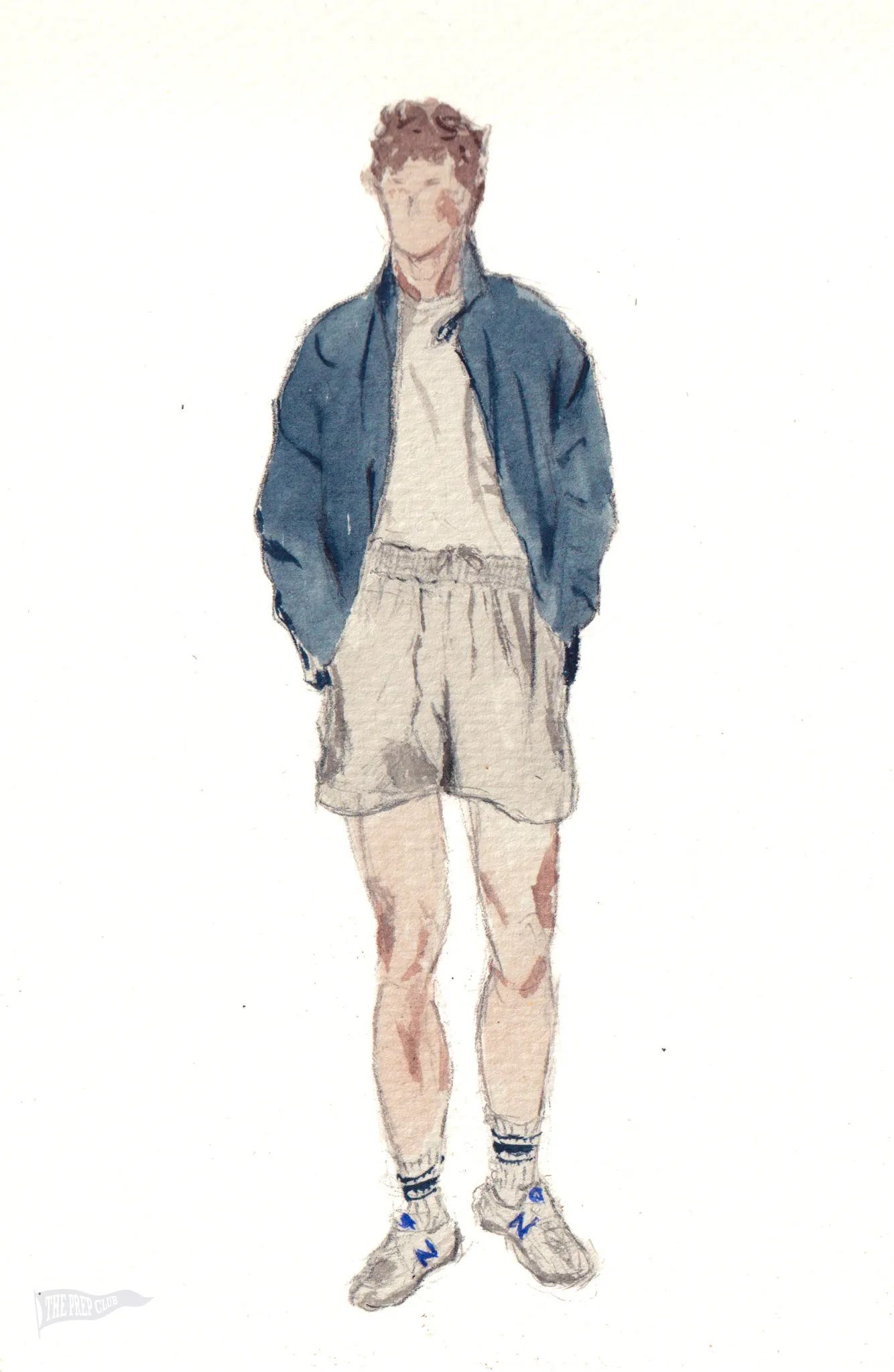
To be clear, the point here is not that we don’t have aspects of culture with which we can define ourselves but that we do not own them or have autonomy over how we are able to consume them. You could wake up tomorrow and your favourite album could have disappeared from every streaming service available due to a licensing dispute, or simply because either the record label or the streaming company felt like it. Our culture is essentially being held hostage, companies know this and use art as leverage to extract more money from us year on year, whilst returning very little of it to the artists themselves. It seems especially ironic that this should happen in the age of the internet, information is free for all to access and none but a few to own. Plus, it’s made only more pressing by the advent of generative AI, when the ownership of the art, the idea itself, as opposed to a reproduction of it, is being violated repeatedly, also.
This is essentially the end point of the shrinking of the space owned by the proletariat. Where at one point one might have owned a patch of land, then only a house, then only the possessions within the house, and now we really only own and are able to decorate our bodies. Even then that’s the perspective of a man living in the UK, for many bodily autonomy, privacy, and ownership have been violated for decades if not centuries, and the progress we’ve made to leave that behind is being reverted.
Look, fashion is not totally immune here, there are still aspects of enshittification which have woven themselves into the industry such that our sense of ownership is impacted. Between fast fashion garments unlikely to last more than a few years and pay-later schemes, even when we appear to own things they may in some way not truly be ours. Though the former of those two makes a lot of sense against the backdrop of all our other possessions being consumables, able to be used-up: food, cosmetics, lithium ion batteries which degrade over time. It wouldn’t be an unreasonable leap to assume there’s an interest in having clothing be consumable also. For this reason I also find the practice of buying clothes for an occasion, and then returning them afterwards to be deplorable behaviour. I can appreciate that this is at least in part a fiscal decision, but to deprive oneself of the ownership, and to focus so absolutely on having a brand new outfit as opposed to a reliable piece of occasion-wear worn regularly, feels so empty to me. The onus put onto people to avoid “outfit repeating” is just another attack on our ownership.
Conc.
It’s a quiet rebellion for certain, but it is resistance nonetheless, to engage in sustainable consumption, to acquire meaningful cultural assets, to possess them throughout your life, to build cultural wealth. We’ve created structures of cultural identity which depend on ownership and are now deprived of the ownership needed to define who we are within those structures. So we fall back on the one thing we still own, our clothes, it’s the only thing we all possess to demonstrate our identities on common ground.

How good can Made in China Shell Cordovan be?
·
Aug 14
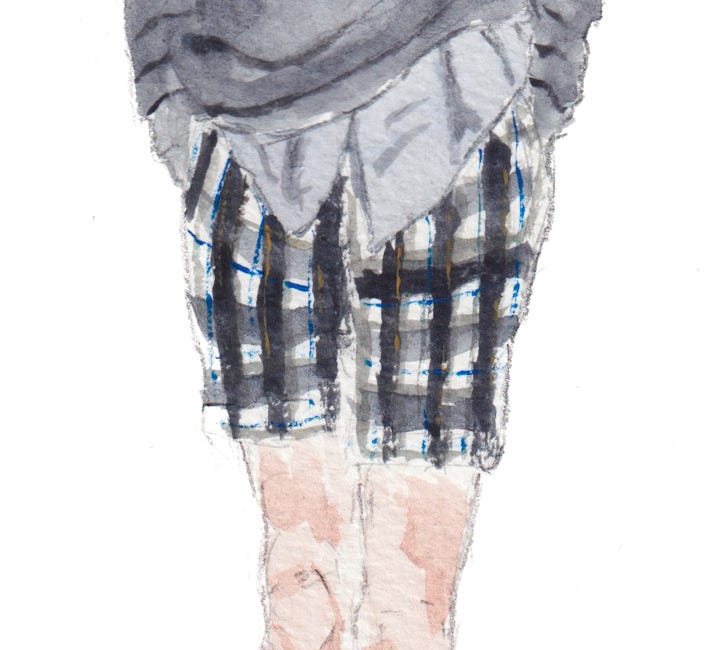
Welcome back to THE RADAR, The Prep Club’s fortnightly mini-magazine keeping you in the loop of what’s hip in the sphere of collegiate threads. You can attend last week’s meeting here for a love letter to the pleated chino.
Comments
Nothing yet. Say the first thing.
Sign in to join the conversation.