
**Trigger warning, this essay speaks about suicide, suicidal ideation, death and violence.
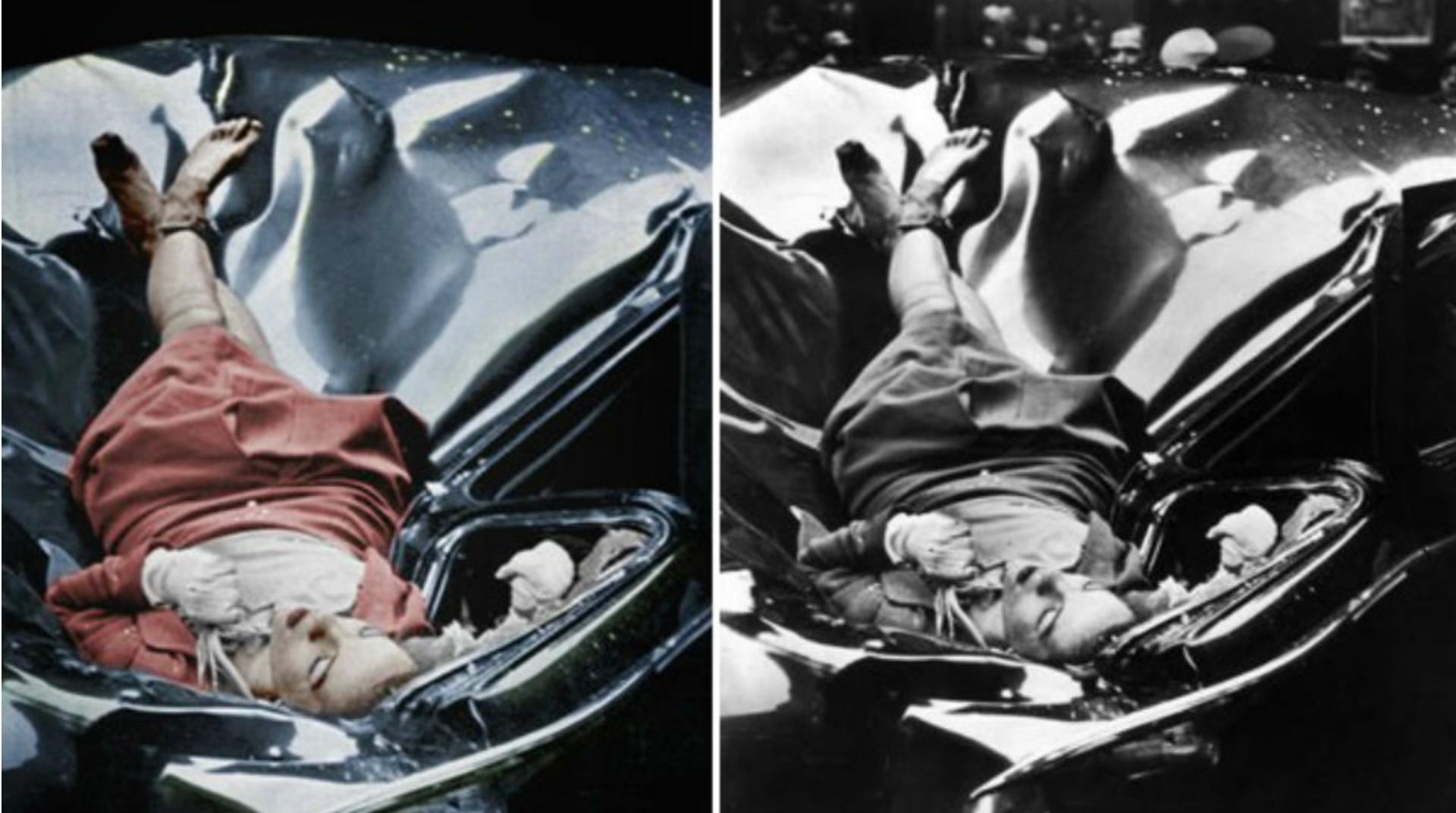
When I was a young girl, I saw a photograph of a dead woman in a magazine. The red words printed beside the image said: “A beautiful death.”
The image was seductive in a strange way- it was a contradiction, a curiosity- how could a corpse be beautiful?
Why was she in a magazine?
What had happened to her?
Although over the years I forgot the details of the image, the words a beautiful death would erupt into my consciousness at certain periods, usually when I was depressed. Death seemed romantic and alluring; it was quiet. It was eternal.
It was beautiful.
I was of course ill when I thought such things, very ill. But if only an ill person longs for death, or finds it oddly romantic, why as a society do we worship pretty dead girls?
Is society ill too?
In my twenties, I came across the photo again, now, the woman became more than just her image. She was Evelyn McHale.
Evelyn was 23 when she jumped off the Empire State building in New York to her death. She fell onto a car. Robert Wiles, photographed her body and the image was printed in Life Magazine. The photo has been praised for its beauty, for its depth and technical excellence ever since.
We know very little about her life. We do know that she wanted to be erased in some sense, made invisible. The cruel and tragic truth is that in her death she has become more visible than she ever could have wanted or dreamed of. She stated in her suicide note;
” I don’t want anyone in or out of my family to see any part of me. Could you destroy my body by cremation? I beg of you and my family – don’t have any service for me or remembrance for me. My fiance asked me to marry him in June. I don’t think I would make a good wife for anybody. He is much better off without me. Tell my father, I have too many of my mother’s tendencies.”
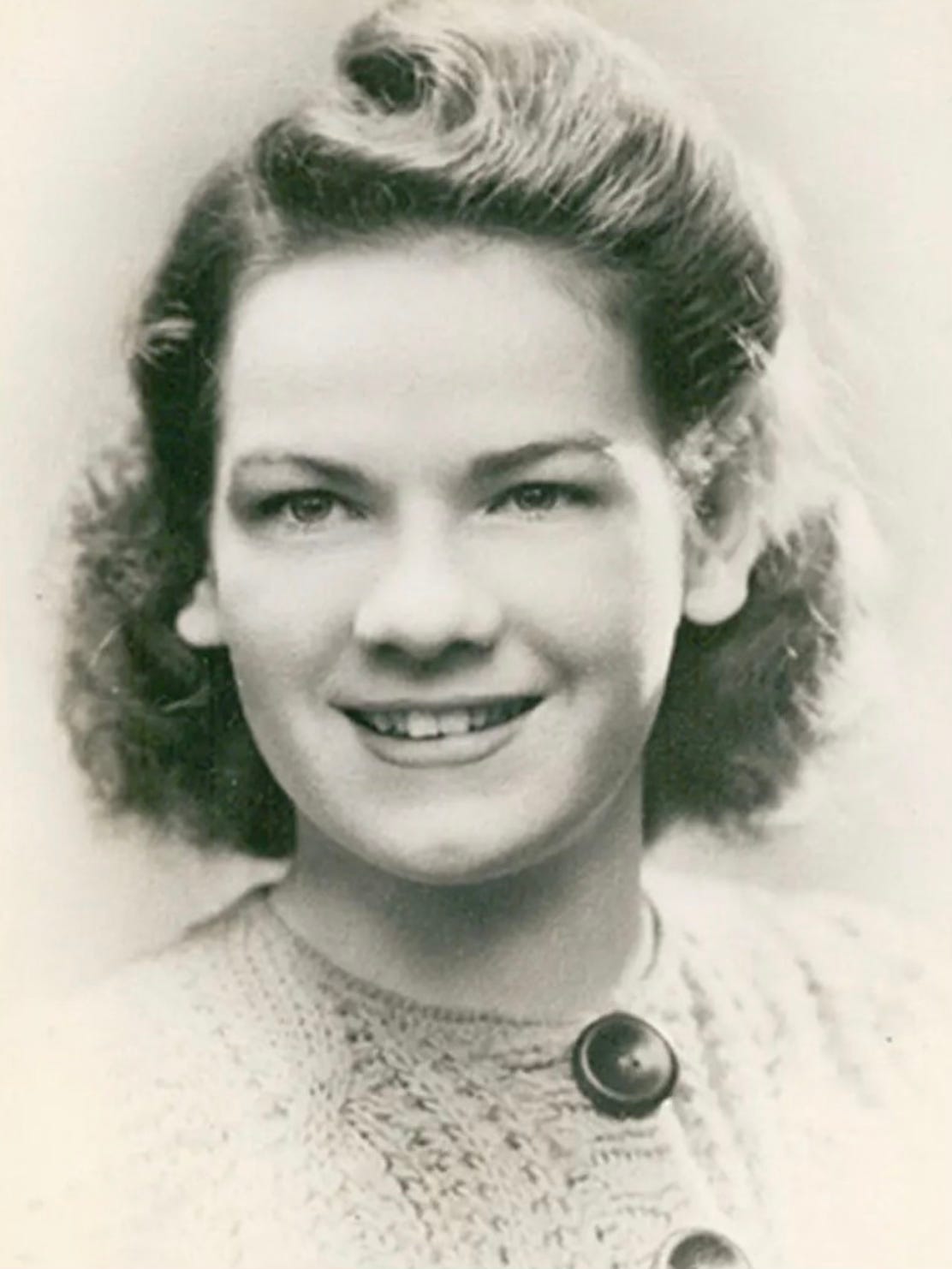
Evelyn McHale
“The death of a beautiful woman is, unquestionably, the most poetical topic in the world.”
— Edgar Allan Poe
The beautiful dead girl has become one of the most enduring and troubling figures in popular culture. She appears everywhere: in literature, art, film, true crime, television.
The idea is older than Poe, and older still than Shakespeare’s Ophelia. Folklore is filled with dead or dying women: maidens betrayed by lovers, drowned girls, women transformed into ghosts, demons, sirens, lamias.
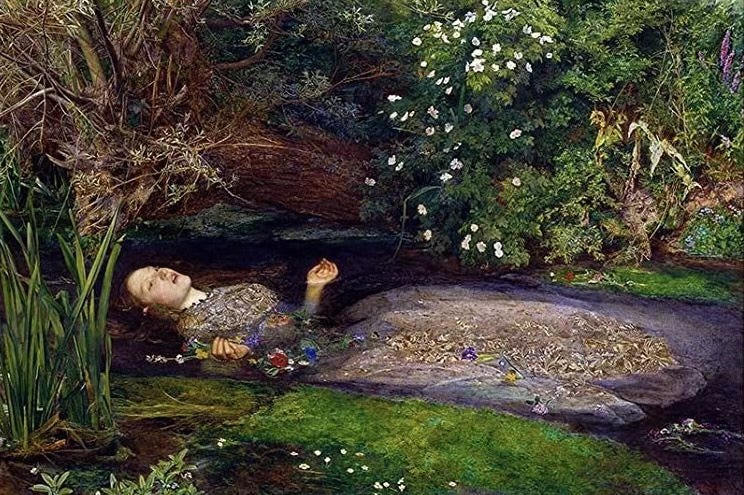
Ophelia by John Everett Millais
A corpse, generally elicits disgust or fear. And yet, when the corpse is that of a young and pretty woman, things become more complicated. We pause- they are tragic, beautiful, forever frozen in time. They are the quintessential sacrificial or folkloric maiden. We hold them in our minds somewhere between horror and worship.
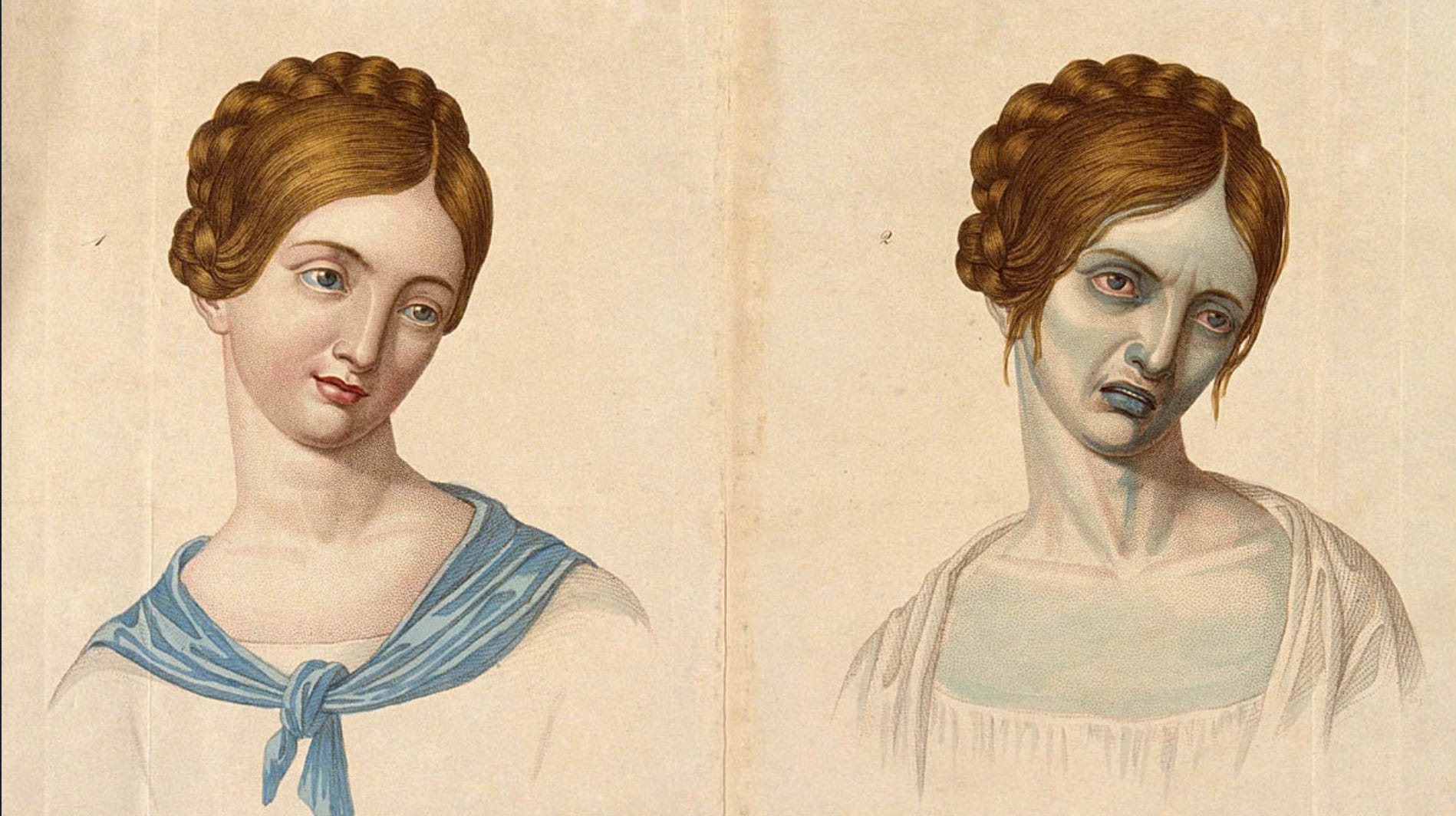
Portrait of a woman before and after tuberculosis 1831 (The Welcome Collection)
The corpse, seen without God and outside of science, is the utmost of abjection. It is death infecting life. Abject. It is something rejected from which one does not part, from which one does not protect oneself as from an object. Imaginary uncanniness and real threat, it beckons to us and ends up engulfing us.- Julia Kristeva
There is something uncanny about the beautiful dead girl because she exists in the space between beauty and horror. She is lovely and desired, but she is also silent, rotting and uncanny. She reminds us that the body is fragile, that beauty is temporary, that death is inevitable.
What we know instinctively I think, is that death is far from pretty. As someone that has seen death closely, it is strange and empty. The body that is left is shell-like, the wrong colour, the corpse is uncanny. And yet by focusing on images of the still living dead person or a very fresh corpse, we can ignore the cruel and disturbing reality of it. The Victorians famously aestheticised death and tuberculosis victims, turning pale, feverish women into objects of beauty. This past weekend I asked a good friend, a person who specialises in the management of TB if there was any truth that tuberculosis made a person beautiful. She said that no it doesn't. Once it takes a hold, it makes you very thin and waste away until you die.
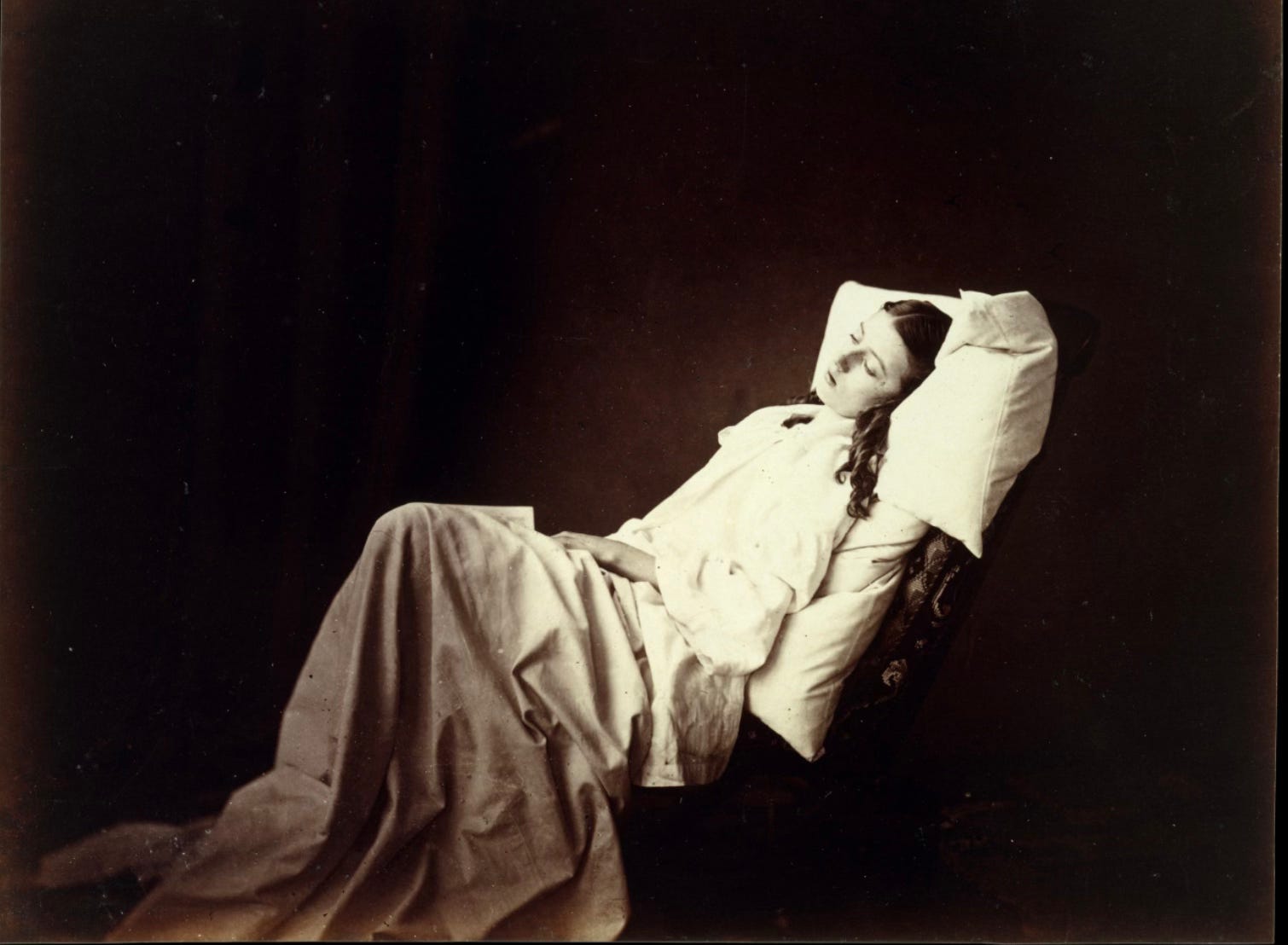
Henry Peach Robinson, She Never Told Her Love, 1857.
“We would rather see girls stopped dead—stuck in a constant childhood that never decays—than let them grow into women who can pursue their desires.”- Jude Ellison Doyle
One of the cruellest aspects of the beautiful dead girl trope is that their deaths overshadow their lives. We are drawn towards the transgression that has befallen her, we are curious about her but we cannot ask her questions, or for her consent to gaze upon her. We can simply project our fears, our hopes and assumptions onto her.
Perhaps the most famous example is Ophelia from Hamlet. Ophelia is remembered less for her life than for her death. She has been immortalised in paintings as a beautiful body floating peacefully in water, flowers tangled in her hair, her face serene. The violence of her despair is softened into something dreamlike. We do not remember her as a girl driven to madness. We remember her as an image. In some respects her image has become more recognisable than her character in the play.
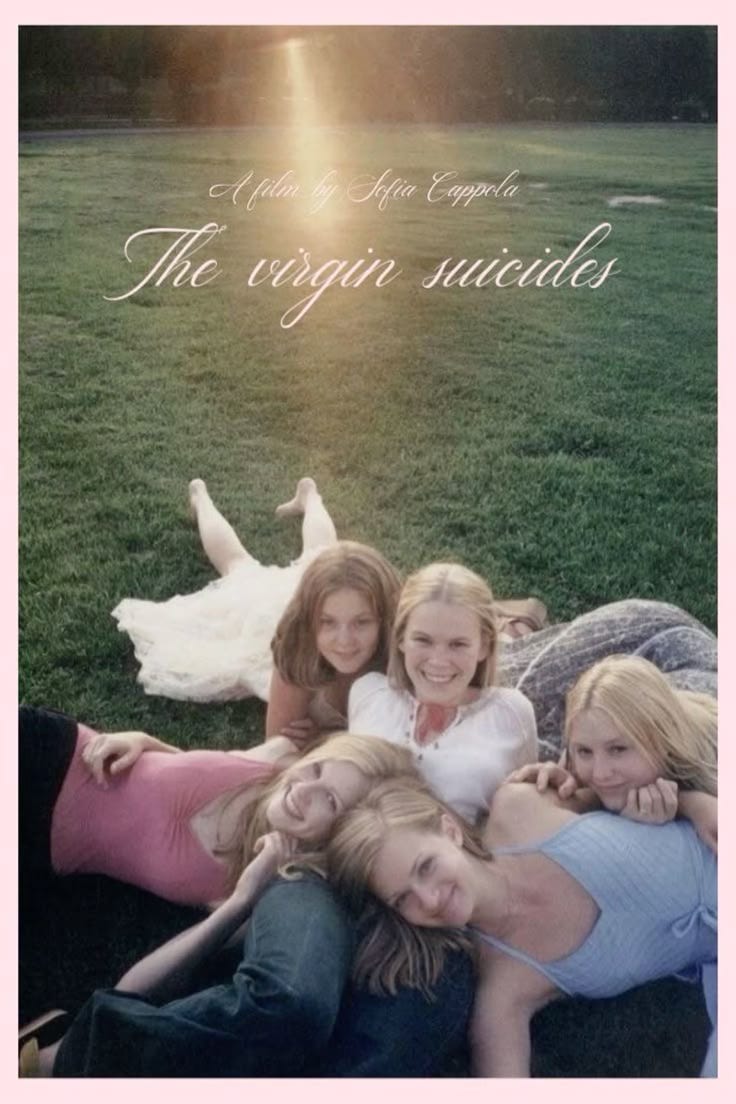
The same is true of the Lisbon sisters in The Virgin Suicides (1999) are remembered in a similar way. They are not seen as real girls with individual fears, desires, and personalities, but as symbols of innocence, beauty, and tragedy. The neighbourhood boys spend years trying to reconstruct them through memories. The girls become more meaningful to the world once they are dead than they ever were while alive.
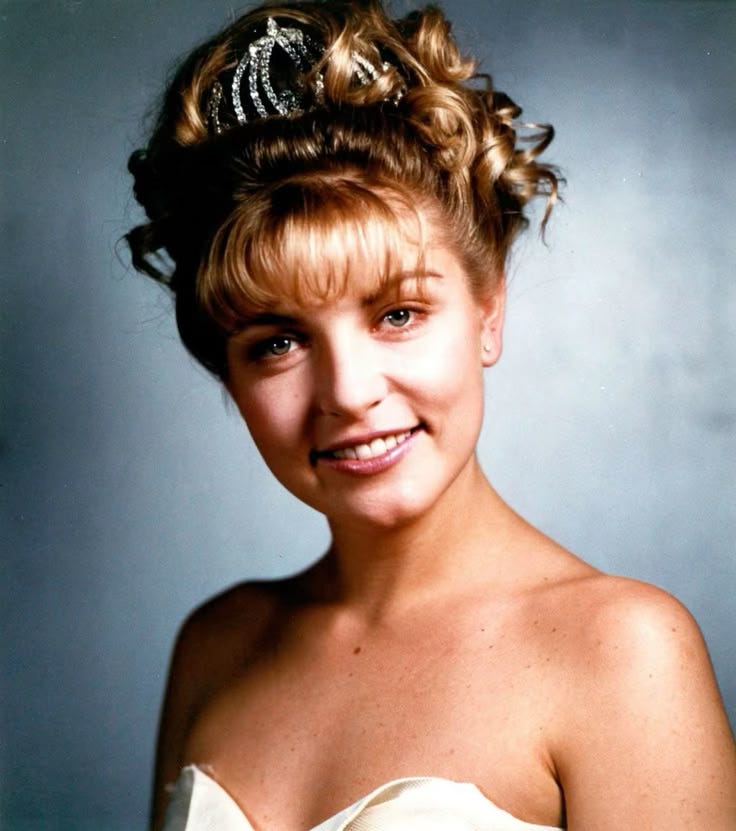
In David Lynches groundbreaking show Twin Peaks (1990), he explores the life and death of Laura Palmer, a beautiful blonde teenage girl found “wrapped in plastic”. Before we know who she was, we know what was done to her. She becomes a mystery, an icon, an obsession. But as the series unfolds, we learn that Laura was traumatised, exploited, and deeply unhappy. Her death was as grim and violent as her life.

The tropes we see in film and literature mirror what happens in real life. Even in true crime, beauty shapes the way female victims are remembered. The more attractive, photogenic and socially acceptable the victim, the more attention she often receives. Beauty becomes a form of currency, even in death.
One does not have to look far to understand that white, fair-haired women and girls are considered the most rare and beautiful among us in the West. I don’t agree that they are and yet, the pattern persists. There is particular cultural attention paid to blonde, blue-eyed victims in tragic cases. JonBenét Ramsey (1990-1996) is one of the clearest examples. Her image has been circulated endlessly: the pageant dresses, the curled hair, the lipstick, the smile. We know almost nothing about who she actually was. Occasionally we see a candid photograph of her without makeup, looking like any other little girl, and for a moment she becomes human again.
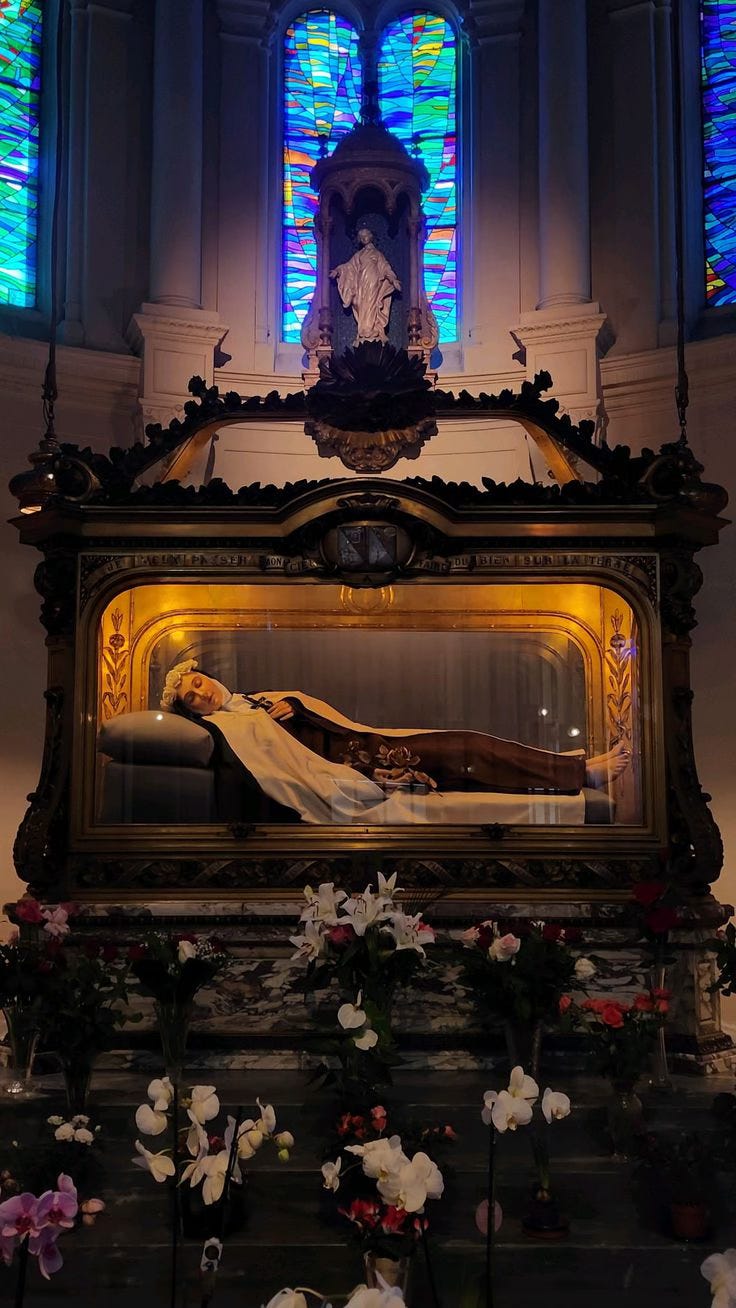
The incorruptible corpse of Thérèse of Lisieux
I have always understood a certain truth, and as I age it becomes clearer, more absurd and abhorrent- society is much more comfortable with the tragic dead girl than the tragic living girl. In this way, perhaps society is ill.
The dead girl is so much easier to love. She is silent, perfect, youthful. The persistence of one kind of dead girl being worshipped above the rest points too to our preference for a certain kind of beauty and a particular kind of victim. It also shows us rather starkly those we care less about as a collective and that is a sad truth.
In death, pretty dead girls, those perfect victims become iconic. Their photographs are circulated endlessly, their beauty emphasised, their suffering transformed into something beautiful, aesthetic and uncomplicated. We listen to true crime podcasts. We pore over the details of murders. We pray for change, but we also consume these women again and again. The become martyrs, perfect and uncomplicated. Pristine.
Perhaps those girls become a kind of cultural sacrifice: offered up so that the rest of us can turn fear, violence and female suffering into something beautiful enough to bear.
https://www.culturedmag.com/article/2023/01/31/tuberculosis-art-movement-aesthetic-history/
https://www.thecollector.com/tuberculosis-art/
Powers of Horror (1980), Julia Kristeva
Dead Blondes and Bad Mothers (2019) Jude Ellison Doyle
Unlikeable Female Characters (2023) Anna Bogutskaya
Comments
Nothing yet. Say the first thing.
Sign in to join the conversation.