
No one should have been surprised by the episodes we saw this week, the asymmetric upside risk was undeniable with every passing day without any news from the front, and with every ship making the cross weakening the only leverage Iran has left.
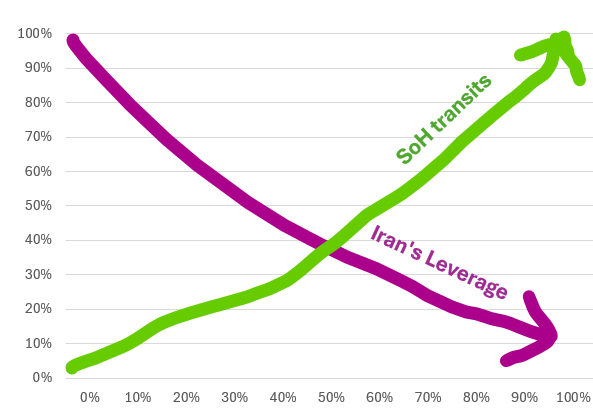
As the world was moving on, shifting its attention back to Ukraine and Russia, Iran made sure to bring the issue back into focus the way it knows best, dangling the bait and inviting Trump to overreact and start mumbling about it.
Ok, maybe here is where I misread Iran’s intentions. I thought that with sanctions being lifted and some outstanding money finally going to their pockets, they would stop causing trouble because they finally had something to lose. The reality, however, is that the waiver allowing to sell oil freely did not accomplish much. The only rumors were that Indian Mittal’s refinery (HMEL), had bought a few cargoes through intermediaries, but not much beyond that. In fact, even China isn’t buying any Iranian crude, and as for the money promised, according to Trump it is only meant to buy US soybeans. Why would Iran need soybeans?? The reality is they still have nothing to lose, so why not poking the bear one more time..
What does Iran actually want? Now I believe they genuinely think they have the right to control the Strait, is not just an dilutional wedge to stir negotiations. They sold this idea domestically and now have to abide. Also think this last message was not only directed at Trump, it was also aimed at Xi, who once again reaffirmed the principle of freedom of navigation.
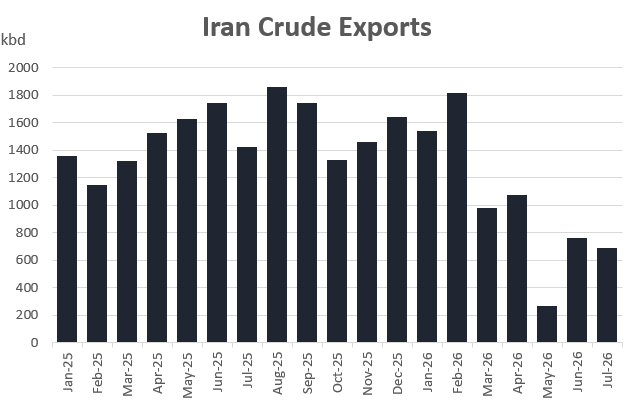
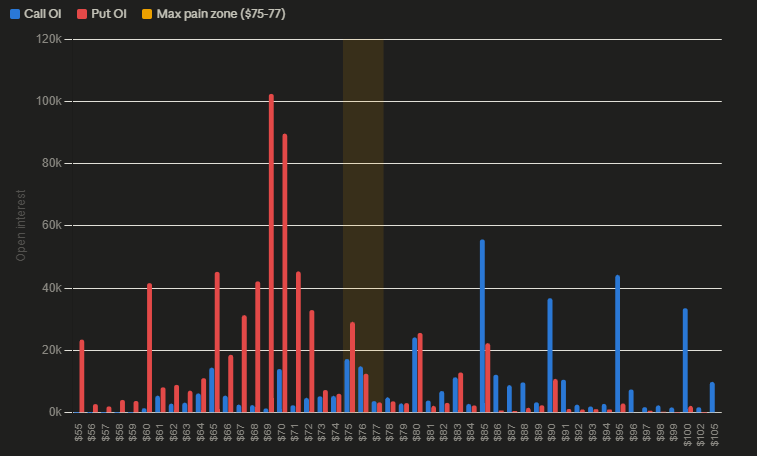
Now the market learned the difference between a MoU and an accord, Brent went from 71 to 80 and back to 76, all within the span of a single week. Convincing the Iranians to stop interfering with the Strait will not be easy, so this is probably not the lend of it.
The price action was driven more by short covering than by any real reassessment of damage or genuine concern over future flows through the Strait. Brent, which concentrates the deepest liquidity, slightly detached itself from the other benchmarks, causing some chaos in arbs. It’s also to note that this week recorded the second highest volume in futures and options since all of this began.
That said, claiming this rebound was purely a paper market story is also an oversimplification. The reality is that ever since the MoU was signed, the risk premium was immediately wiped out of crude prices. However, if tankers are any guide, the implied risk premium never really disappeared and remained consistently between $5 and $8/bbl, measured as the freight difference between loading inside the Persian Gulf and loading in the Gulf of Oman/Yanbu. This week simply served as a reminder that it is still too early to let our guard down. 76 is alright
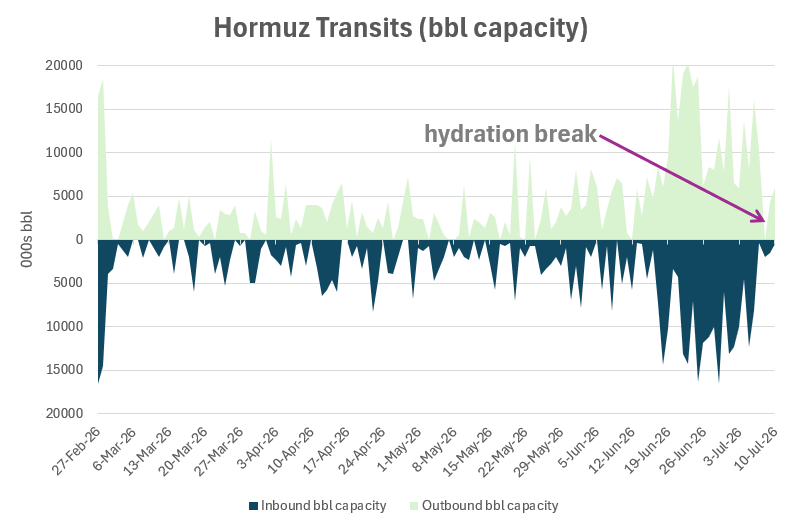
The immediate impact on the physical market was limited to a few days during which both visible and non visible transit came to a halt, mainly because insurers carried out a new risk assessment. The Additional War Risk Premium had fallen to around 2% of the vessel’s value last weeks, but quickly moved back to between 3% and 4%, changing the economics meaningfully, roughly from a $2.5 million lumpsum to $5 million for seven days of coverage. There were two fixtures that failed, but as hostilities gradually began to ease, the “usual suspects” returned to business as usual. ADNOC continues to offer barrels through tenders, Kuwait and Saudi Arabia continue loading inside the Persian Gulf without deviating from the original plan as they are using their own tonnage mostly.
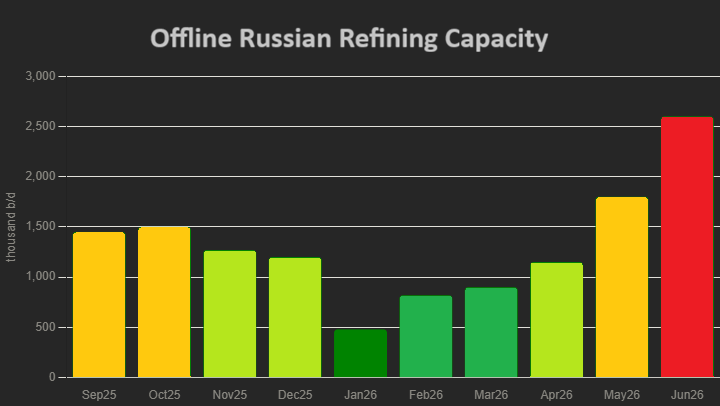
Speaking of flare ups, perhaps the most important development was the confirmation of something that had been discussed for weeks, a Russian ban on distillate exports. Russia has repeatedly banned gasoline exports over the past three years, but this is the first time they have done so for diesel. It would not be surprising if they begin importing diesel over the coming weeks as they have been approaching their most loyal customers asking for ideas of a oil for products swap.
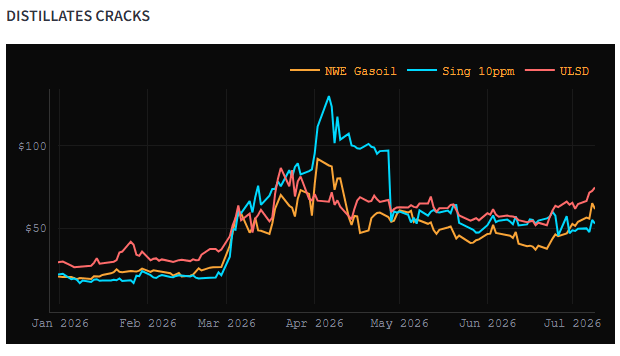
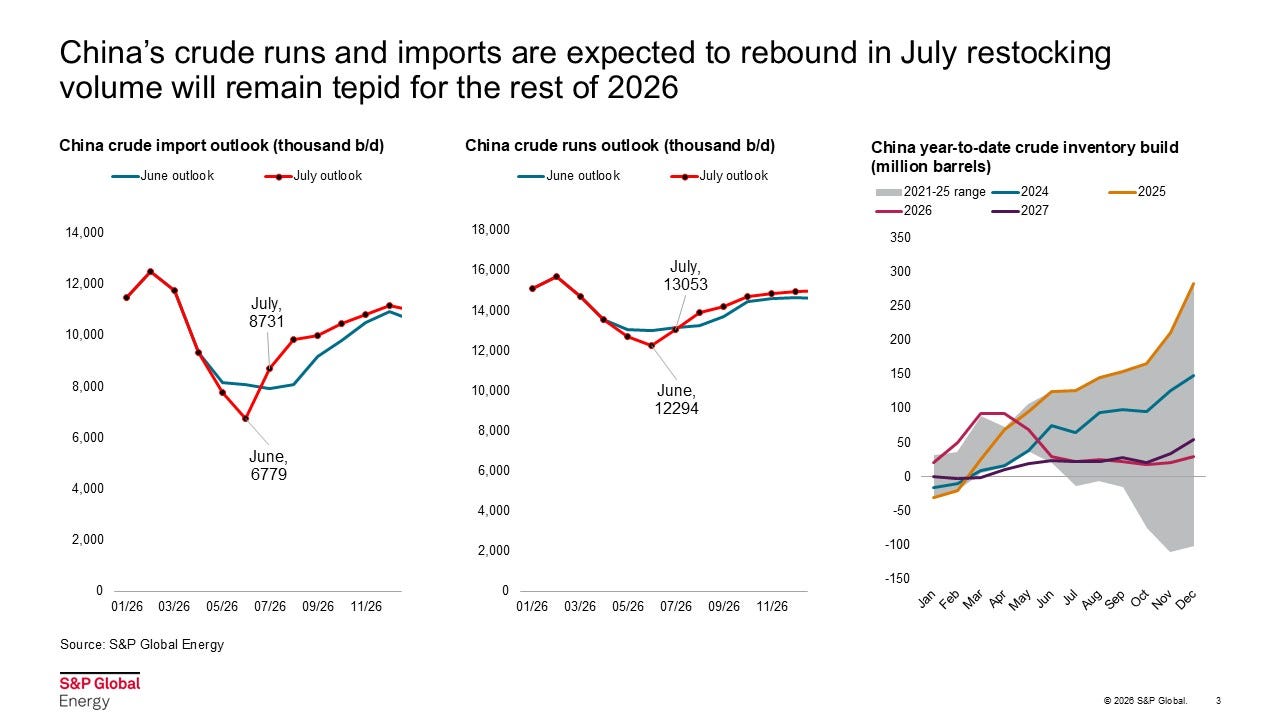
The entire distillate complex tightened once again, highlighting the structural shortage of refining capacity. This has two opposing effects. On one hand it depresses underlying crude demand, in Asia through weak product demand, and in Russia by creating an export surplus that cannot be processed domestically. Most of the world’s spare refining capacity is unfortunately located in China, and for now it is not expected to come to the rescue in the short term. Although restrictions preventing private refiners from exporting have been lifted, the rumors say the move was intended to help Russia with gasoline imports. The reality looks much simpler, it is about reducing inventories because domestic demand has yet to recover despite lower prices. This time the excuse is heavy rains and a typhoon, but judging by what China is currently buying for September and October processing, there is simply not enough incremental crude to justify a meaningful increase in run rates.
The outlook for crude is unlikely to change materially. We will continue to see the occasional “fireworks” whenever one of the participants feels it is giving up too much ground, but in the meantime “talks” will continue. The real focus is shifting toward refined products, where the recovery is moving at a much slower pace than crude production, while inventories have been almost completely drawn down over the past three months, and still drawing.
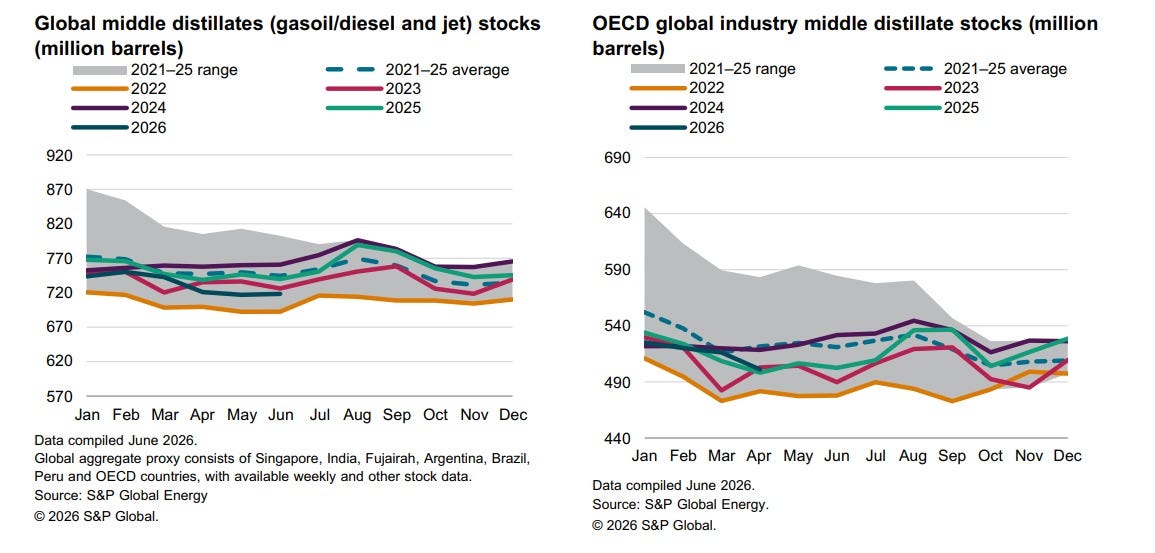
If we add the structural damage in Russia to a Western refining landscape that is already showing signs of reaching its limits, winter could prove challenging, even assuming not all of the deferred or permanently lost demand (~2 Mnbpd) returns before year end.
Can we have a weak crude market alongside a tight refined products market? Absolutely. That was the market we had throughout 2024 and 2025, when everyone complained there was not enough global refining capacity while distys demand was growing steadily. Since then, Dangote, Dos Bocas, and several Latin American refineries are operating much closer to their nameplate capacity, but almost all of that incremental capacity is geared toward gasoline production. In just a month’s time we will begin trading winter specs diesel, and only a handful of refineries have significant capability to produce it, Reliance and the major refineries in the Persian Gulf and as this week reminded us, nothing is guaranteed.
Comments
Nothing yet. Say the first thing.
Sign in to join the conversation.