
New Whole Earth Reference Library · Thinkers
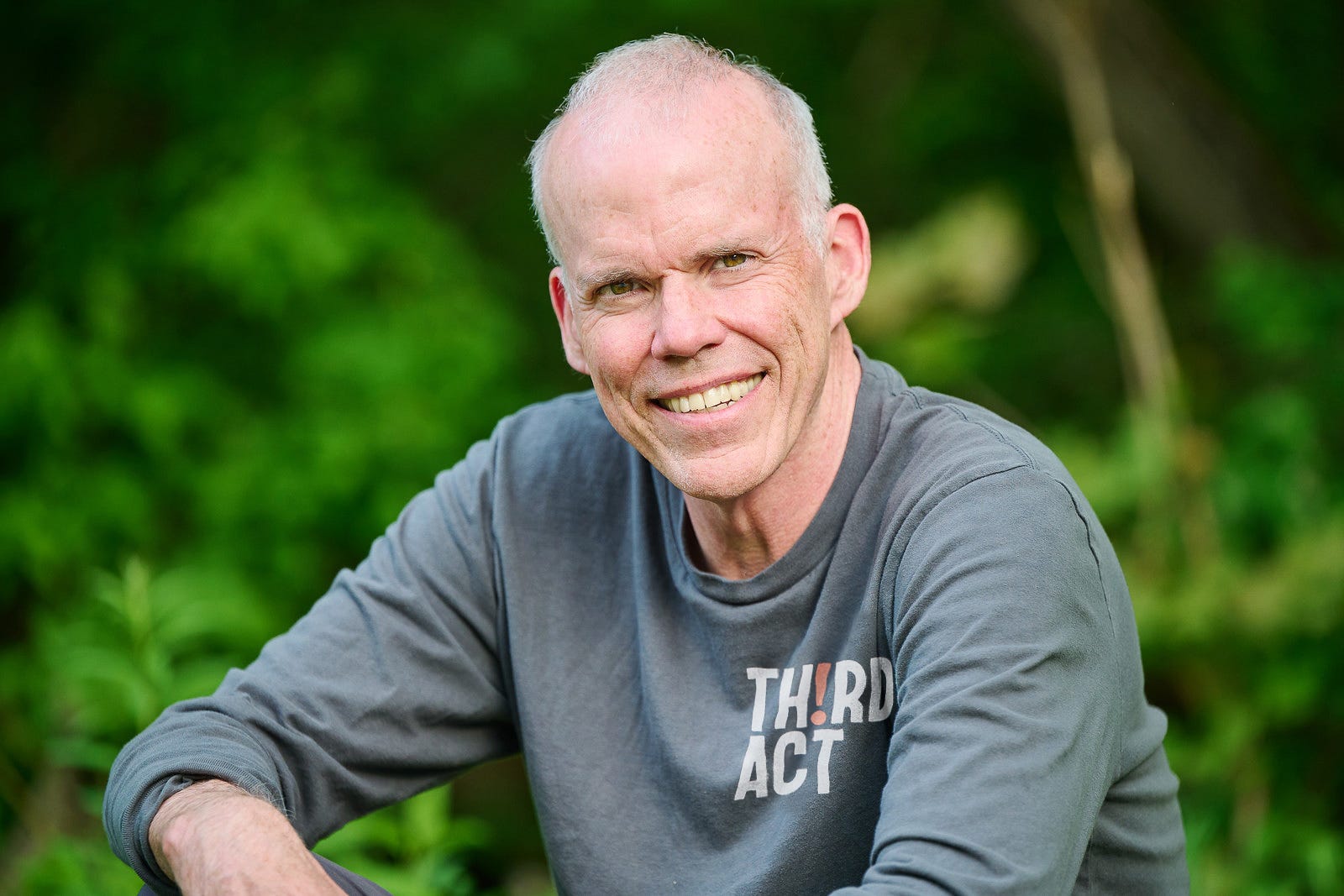
Bio: Bill McKibben is widely regarded as one of the world’s most influential climate activists. His 1989 book The End of Nature was the first book to introduce climate change to a general readership; he’s published more than twenty books since. In 2008 he co-founded 350.org, the first planet-wide grassroots climate movement — its October 2009 day of action, with over 5,200 demonstrations in 181 countries, was called the most widespread day of political action in the planet’s history, and the movement it built helped stall the Keystone XL pipeline and launch the fossil fuel divestment campaign. In 2021 he co-founded Third Act, organizing people over 60 for climate and democracy action. His honors include the Right Livelihood Award (2014) and the Gandhi Peace Award (2013). He teaches at Middlebury College and writes the newsletter The Crucial Years.
Link: BillMcKibben.com
Works: (most recent first)
TED Talk: “Our Last, Best Chance to Cool the Earth”, TED, 2026 — On living through oil wars, wildfire smoke, and extreme weather driven by a warming planet, and why the pace of the clean energy transition is still the thing that matters most.
Here Comes the Sun: A Last Chance for the Climate and a Fresh Chance for Civilization (2025): Solar power as political hope — Argues that cheap, fast-spreading solar and wind energy is a genuine chance to outrun the climate crisis, if the pace of adoption can keep accelerating against fossil fuel resistance.
The Flag, the Cross, and the Station Wagon: A Graying American Looks Back at His Suburban Boyhood and Wonders What the Hell Happened (2022): A memoir of what went wrong — Traces his suburban boyhood alongside the rise of the religious right and growing racial and economic inequality, asking what happened to the postwar promise he grew up believing.
Falter: Has the Human Game Begun to Play Itself Out? (2019): The stakes, three decades later — A reckoning with how much has changed since The End of Nature, and whether human civilization itself is now at risk.
Eaarth: Making a Life on a Tough New Planet (2010): A changed planet, not a future threat — Argues the planet has already changed enough to deserve a new name, and asks what living well on it actually requires.
Deep Economy: The Wealth of Communities and the Durable Future (2007): Questioning growth as the measure of success — Makes the case for local economies over unlimited growth, years before “post-growth” became a common term.
The End of Nature (1989): The first climate change book for general readers — Introduced global warming to a mainstream audience decades before it was common knowledge, and remains foundational to how the topic gets discussed.
The Crucial Years (newsletter): Free dispatches on winning the climate fight — Over 125,000 subscribers; tracks climate news, organizing, and fossil fuel industry resistance in real time.
Interview: “Bill McKibben on Climate Activism in the Age of Trump 2.0”, Yale E360, 2025 — On rethinking protest, the global push on clean energy, and reasons for hope amid political setbacks.
Some links go to Bookshop.org, where New Whole Earth earns a small commission if you buy. Bookshop supports independent bookstores.
Search the Reference Library: New resources are added regularly. If this library is useful to you, consider a paid subscription. It helps us keep building it—more tools, more resources, and more practical knowledge every day.
Comments
Nothing yet. Say the first thing.
Sign in to join the conversation.