
🍵 If life’s been feeling a bit heavy lately, I invite you to make a cuppa and step inside my virtual garden gate. Join me as I share one of the secrets I’ve discovered for growing a resilient garden without the work + tips for growing food in August.
Brief summary:
🌱 Why your garden's volunteer seedlings outperform the rest
🔥 August tips for Northern Hemisphere gardeners
🌏 August tips for Southern Hemisphere gardeners
☀ Subtropical gardening in my SE QLD climate [Printable Download]
🔍 Dig into my Notes for inspiration and tips you may have missed
One of the key things I’ve learned about growing a productive garden is to work with Nature’s timing. Raising plants from seed is vital for gardening sustainably (especially when you save your own). But seed packets don’t always get it right with the best time for sowing! They’re just a ‘guide.’
In the past couple of weeks, hundreds of ‘volunteer’ tomato, nasturtium, lettuce, coriander, spinach, zinnia, cosmos, salvia and marigold seedlings have made an unannounced appearance. They arrived without fanfare - in the lawn, garden beds, concrete cracks and pots! Their impressive debut performance caught my attention.
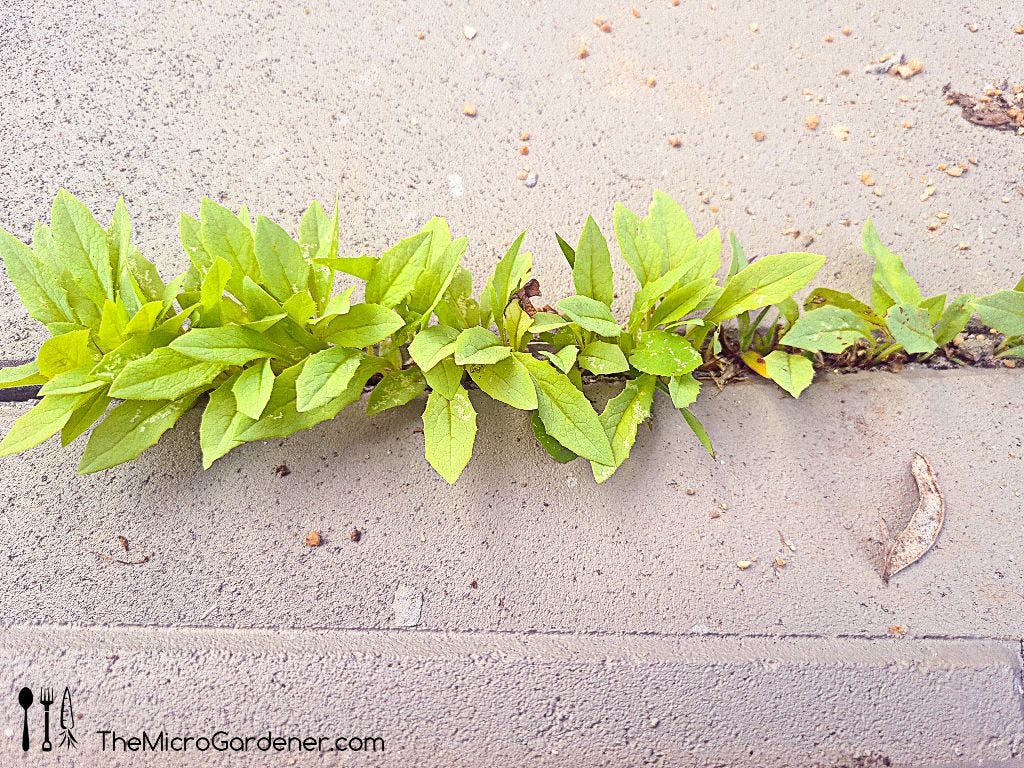
🌱 It got me thinking. They effectively all ‘auditioned for roles’ in my spring garden! Perhaps you have uninvited self-sown arrivals in your garden too?
These freebie ring-ins have earned their right to join the cast of vegetables, flowers and herbs already on stage in my garden beds and pots.
I firmly believe a seed knows when to germinate better than we do! A seed packet may say to plant: “after last frost” or “spring and summer.”
But a self-sown tomato seed sitting in the soil all winter is responding to the actual microclimate - soil temperature, moisture fluctuations, day length - and will ‘wake up’ at the precise optimal moment. This is Nature telling us it knows better than our planting chart!
Why do these plucky achievers deserve a time to shine in my garden?
✅ They’ve already revealed their ability to germinate without help.
✅ They are resilient and adapted to self-sowing in grass, cracks in the pavers and unimproved soil. So they’re highly likely to thrive when transplanted into my mineral-rich soil or potting mix.
✅ These annual species are at least second-generation and maybe third! They have demonstrated a past season of genetics adapted to my subtropical microclimates. This season, they’ll be even more resilient to my growing conditions. You don’t get that kind of customised adaptation from a seed packet. Only from breeding your own plants. Volunteer seedlings are incredibly valuable.
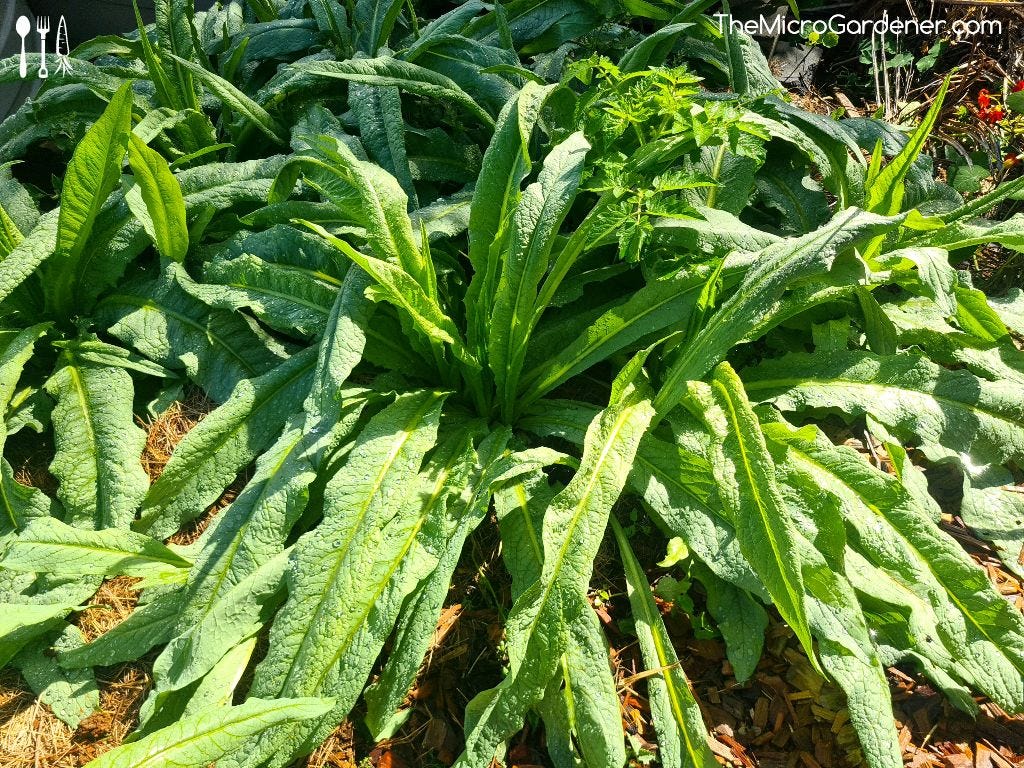
✅ They save me time, money and effort raising seeds. I didn’t have to ‘mother’ them for weeks. They’ve turned up ready to grow. I put a high value on my time, and they deserve a thank you for their gift of service!
✅ No root disruption or transplant shock. They’re already acclimatised to the outdoor conditions.
✅ Drought-tolerance. I’ve watched volunteer cherry tomatoes in a gravel driveway outproduce pampered raised-bed plants during dry spells. Probably because they established deep root systems early on.
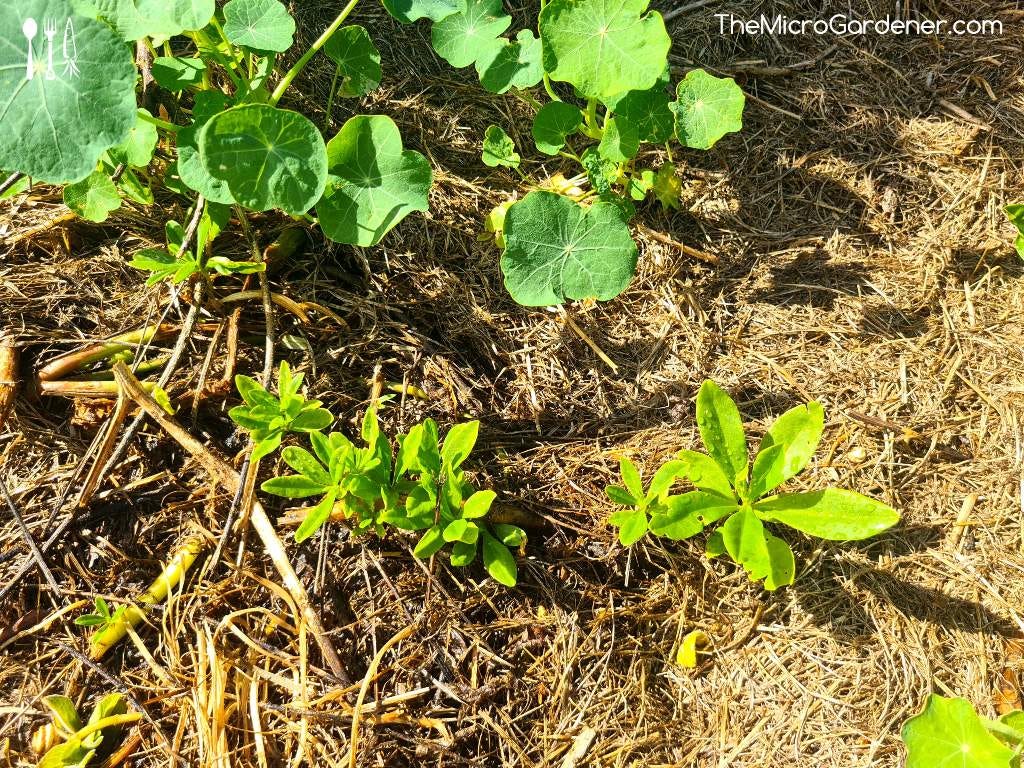
✅ From experience, these ‘walk-in' extras have always been star performers. They’ve proven themselves in the past and will be valuable cast members. Nasturtiums self-sow year after year (every flower drops 2-3 seeds), depositing a free ‘seed bank’ in situ - ready to wake up when the time is right.
✅ Volunteers are often tougher in the cold than their parent plants. Why? When you save seeds from a plant that shrugged off an early frost or really cold winter, you’re already selecting for cold-hardiness. But volunteers have to survive your winter conditions, in the soil, with no help from you. After an unusually cold winter, the seeds that emerge in spring are the ones that could take it. The children of survivors - they carry and pass down that epigenetic stress memory to the next generation.
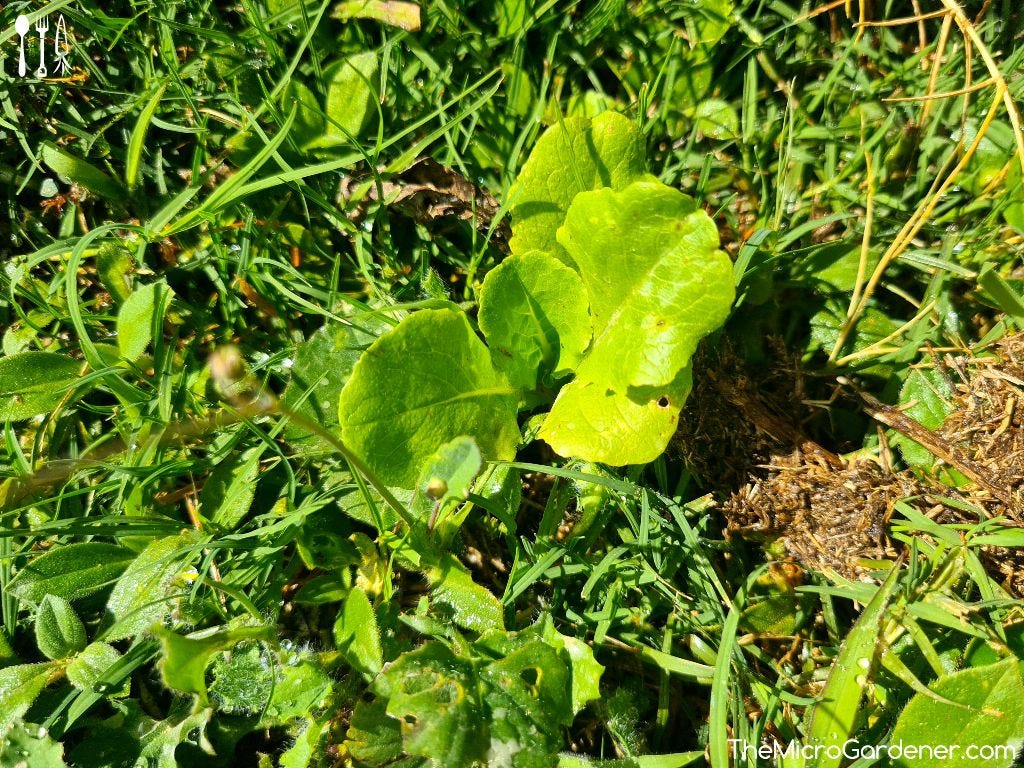
✅ These early arrivals help me tell the time and signal the change of season. A valuable clue that the soil is moist and warm enough to start sowing spring plants. It’s the cue for seeds to germinate and make their grand entrance.
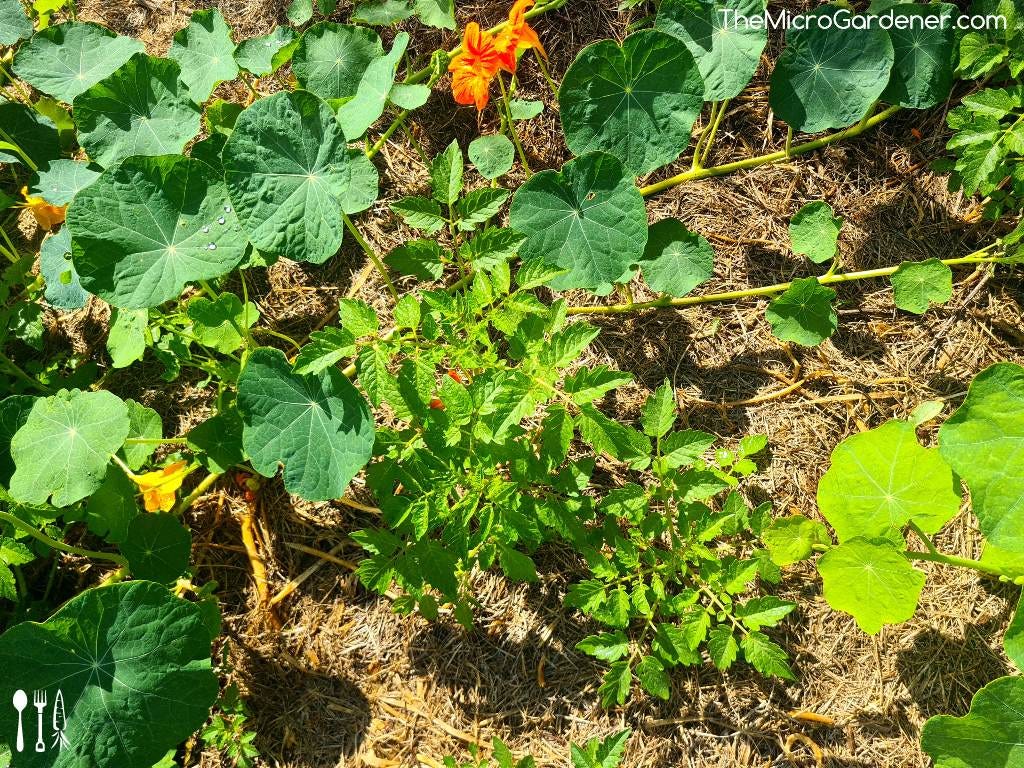
✅ Lastly, the lettuce, tomatoes, coriander and nasturtiums that stepped onto the stage so early are giving me my first harvests and early blooms. These plants will propagate this ‘early harvest’ gene in their seeds for generations to come.
I’m keen to hear: who are the self-sown arrivals that grace your garden?
I know when a plant self-sows in my specific soil microbiome, it has truly adapted to the unique rainfall patterns, light conditions, pests and fungal diseases here.
This is essentially unintentional landrace gardening happening on autopilot. Landrace gardening is the practice of growing genetically diverse, locally-adapted plant populations by letting nature do the selecting in our home gardens, rather than maintaining isolated, uniform varieties like commercial seed companies.
“Landraces are loved for producing stable yields under changing growing conditions. Landrace crops arise by survival of the fittest and farmer preference for reliability in tough conditions. Plants that don’t survive long enough to make seeds die out. The strongest plants survive.
The arrival of new pests, diseases, or changes in cultural practices, or in the environment may harm some individuals in a landrace population. With the high diversity, many plant families do well, regardless of changing conditions.” - Joseph Lofthouse, author, Landrace Gardening: Food Security through Biodiversity and Promiscuous Pollination (I highly recommend his book) 🫘
If you’re curious about landrace gardening, Joseph has an interesting video:
Volunteer seedlings place themselves where they want to grow - and often, they’re right! A self-sown cosmos bravely rooted itself in a crack of our rock wall. Tomato plants weave through our hedge, and dill towers unexpectedly among the beans.
It’s not always convenient, but secretly, I admire their resilience, strength and survival - often in less-than-ideal locations.
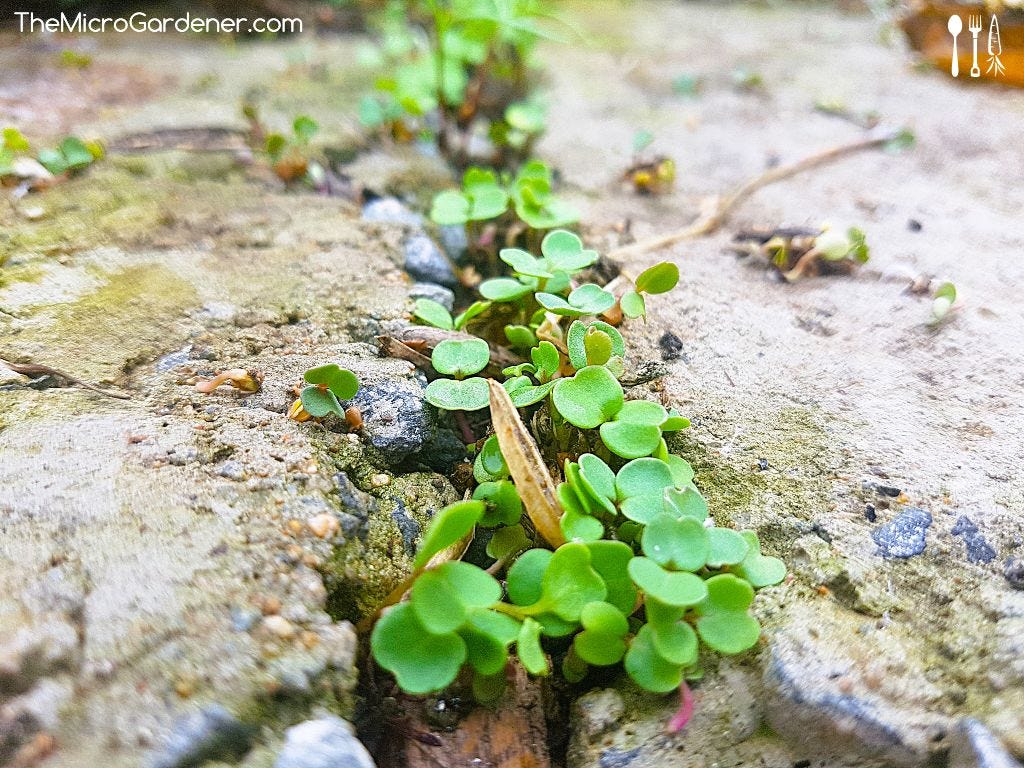
These are the unexpected moments that make my garden feel like it’s co-created rather than arranged. Maybe you feel the same?
🌻 A garden where every plant is exactly where you put it makes us feel in control, but often plants show me where they prefer to grow.
Isn’t that part of their magic? To gift us lessons and educate without a word … just their presence, sharing their journey through life with us. ✨
Volunteers introduce the element of surprise - a collaboration with natural processes rather than my domination over them. They don’t get their way all the time, though!
I thank these volunteers for their impromptu arrival, but often discuss their inconvenient choice of position - and then negotiate a suitable alternative! Some transplanted seedlings protest at this enforced relocation and show me who’s boss.
Nasturtiums, dill and pawpaws are notorious for having an outright tantrum when I move them. 🙄 They require bundling up with their previous soil blanket and being tucked into upgraded accommodation (nutrient-rich, moist soil with a seaweed tonic) to ‘get over the stress of being moved’! Talk about high maintenance. 🤔
They’ll often wilt, have leaf die-off, and pretend to quit before recovering a few days later - secretly admitting they like their new abode. So many drama queens in my garden! Coriander and lettuce are far more easy-going. They never complain after moving house - just settle in and get on with life. 🥬
❓I’m curious to hear who your plant divas are and those that are low-maintenance.
❌ Volunteers from F1 hybrids won’t breed true-to-type. Whilst a ‘Sungold’ cherry tomato volunteer might produce something interesting, it won’t be Sungold. If you want reliable volunteers, grow open-pollinated varieties. This is essential if you want to save seeds intentionally too. Learn how in the guide below:
❌ Some species have weed potential (depending on your preferences). Cherry tomatoes are the undisputed champions - notorious for popping up anywhere they grew previously, with pumpkins a close second. Once you have nasturtiums, you have them forever. I think that’s a gift. 🎁🌸 At least these potentially ‘weedy’ volunteers offer you free medicine, food or compost ingredients.
Wind-borne seeds with tiny parachutes (like lettuce) and those with exploding seed packets (like rocket) will often create an unexpected green carpet. You can have too much of a good thing! However, you can turn this into a positive. Snip all those tiny seedlings as microgreens if you have too many. ✂️
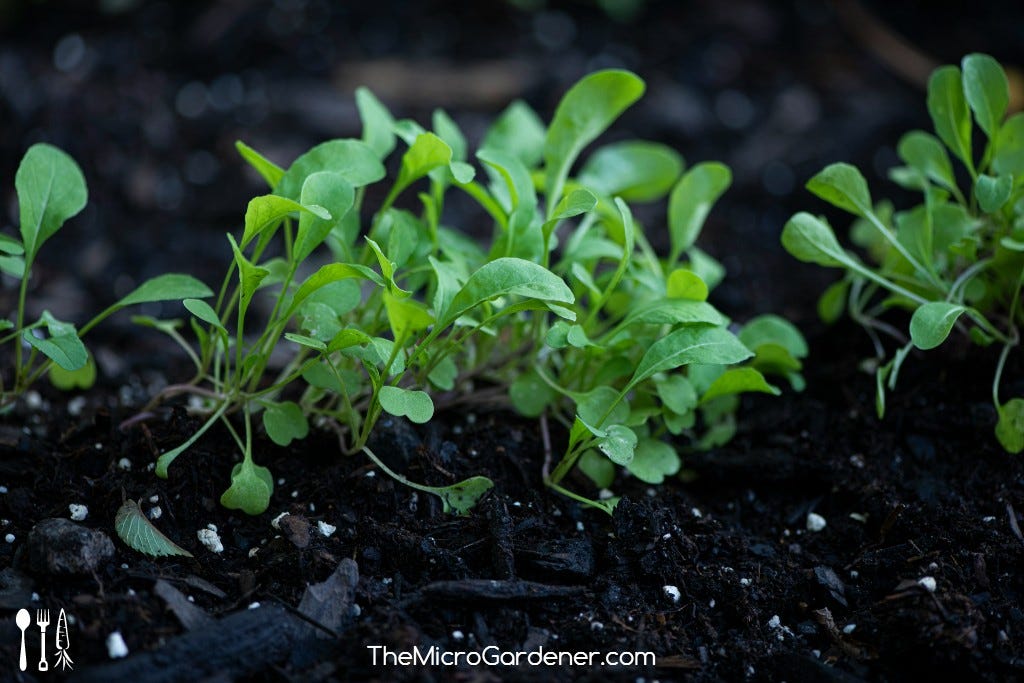
If you want to prevent some varieties from self-sowing, be sure to save seed before these independent seed heads blow away or shatter, heading off on their own adventures! Depending on your climate, some varieties will test your patience. Know which volunteers to welcome and which to murder without remorse.
❌ Soil contamination. If you live in an old industrial area, volunteers popping up near painted fences (lead) or in treated timber garden beds may be accumulating heavy metals in their tissues. Leafy greens and root crops are the worst offenders. If you're gardening on urban land with unknown history, soil testing is cheap insurance - especially if volunteers make up a significant portion of what you're eating.
Avoid deadheading everything. 🫘 Allow at least a few plants to go to seed. Calendula, dill, parsley, mustard, coriander, lettuce, rocket, and basil can create a future cast of thousands.
Learn seedling ID. 🔎 Avoid accidentally weeding volunteers out! Invest time identifying what vegetable, herb and flower seedlings look like at the cotyledon stage. Looking at our lawn, I can visually pick out my regular cast of volunteers quickly by their leaf shape. I grab a fork from the cutlery drawer and rescue any seedlings before hubby mows the lawn.
Transplant volunteers when needed. 🍅 Just because a tomato seeded itself in the garlic bed doesn’t mean it has to stay there. Move volunteers when they’re small, late in the day. They generally transplant well because they haven’t been rootbound. Except if they’re one of my plant divas.
Select from your best performers. 🌟 If a particular plant was disease-free, productive, and delicious, that’s the one you let go to seed. Every year you do this, your garden grows more resilient and productive. That’s a win-win. 🫱🏻🫲🏻
Volunteers remind us that the most resilient, productive, and beautiful ecosystems are often the ones we interfere with least.
Let some plants go to seed this year. See what comes back. Nature’s been doing this longer than your favourite seed company has.

Check your climate zone. Discover what to plant and when + tips below. 👇🏼
For many gardeners, it's been a rough summer. Heat domes, smoke drifting in from fires, and dry spells that cause even the most hardy plants to wither by lunchtime. My heart goes out to you. If you're gardening on a balcony, a patio, or a sliver of suburban yard, I’m sure you've had challenges to deal with.
Having experienced similar harsh conditions over many years, I’ve found four things help. Group, insulate, mulch … and get up earlier.
🪴 1. Cluster your pots
Spread-out sun-exposed containers bake. Push them together to shade pot sides. The plants share humidity through their leaves, creating a cooler microclimate.
🪣 2. Double-pot dark containers
Black and dark-glazed pots can cook roots. Slip them inside a bigger, light-coloured container. The air gap insulates. No spare pot? Wrap the outside in an old light-coloured cloth before the afternoon heat hits. Roots tend to stay much cooler.
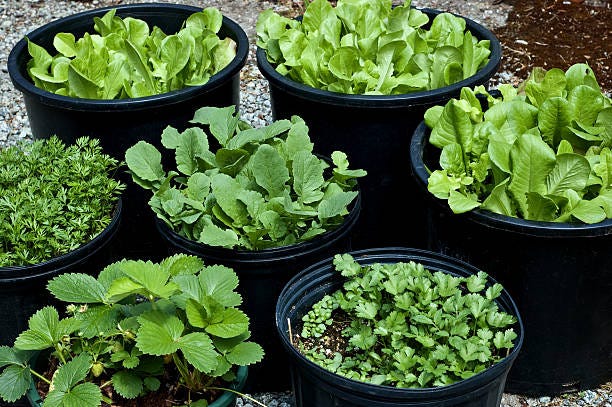
💧 3. Mulch every surface
Two inches of hay, shredded leaves, or wood chips on top of every container. An MSU Extension study found organic mulch regulates soil temperature by as much as 18°F at midday while dramatically slowing moisture loss. Mulch also stops the soil surface from crusting over so water soaks in instead of beading off and rolling down the sides. One bale of hay should cover a whole balcony garden for the season.
⏰ 4. Water before 8 a.m.
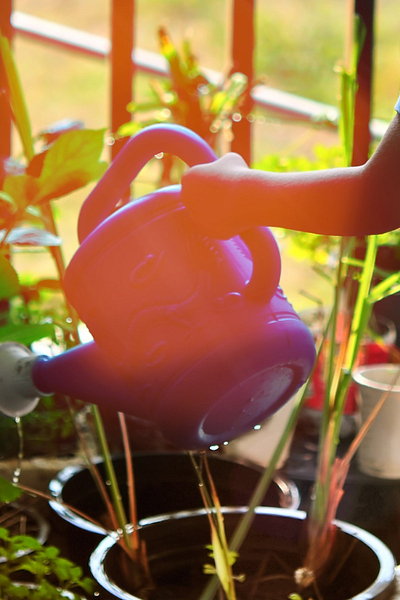
You may not be an early riser like me, but 4-8 a.m. is the best time to water so it soaks deep into the root zone before it evaporates. Plants take up water most actively in the early morning as stomata open and transpiration ramps up. You’re watering when they’re actually drinking. Foliage dries by sunset so you’re not rolling out the welcome mat for fungal diseases. Wet foliage at night practically guarantees a disease invite! My tip: fill your watering can the night before and leave it by the door, so early morning watering is less of a chore. [See references if you want to dig deeper]
If you’re local to SE Queensland, Australia, download my free guide for this month. 👇🏼
What to do in your garden this month, weather conditions, key garden tasks to tackle, common pests and helpful resources to dig into.
The Subtropical Planting Guide is designed for our five seasons: what to plant, seasonal garden tasks and common pests. A practical tool to use year after year.
Whilst my subtropical climate is transitioning to spring, we can still enjoy winter. The pests are still sleeping, there’s plenty to sow and prepare for new season growth.
🌱 1. Start sowing climate-suitable seeds now
Tomatoes, capsicum, chilli, eggplant, basil - all your fav’s. Get them into small pots on a sunny windowsill for a head start as your climate warms up.
🥔 2. Chit your seed potatoes
Buy certified seed potatoes now, spread them in an egg carton somewhere cool and bright, and let them sprout short green shoots for 4–6 weeks. In warmer regions you can plant them by late August instead of September. Chitting gives you a several-week head start and stronger plants.
🪓 3. Feed soil and mulch before spring growth
August is your last chance to prepare before everything explodes. Clear weeds, work in compost and aged manure, and layer mulch. The mulch moderates soil temperature if you’re susceptible to frosts, suppresses the weeds that are about to wake up, and breaks down just in time to feed your spring planting.
Well, that’s a wrap from my garden to yours. Keep scrolling down for more resources.
🎁 My articles here are all free - my way of helping you grow good health. I’d be deeply grateful for your support on Ko-fi. Click the heart 💚, share with a restack 🔄, or leave me a comment. 💬 This helps more gardeners see this newsletter – like leaning over the fence to swap tips. Thanks so much. x

Smart gardeners improve their soil and weed control with organic mulch
‘Water Wise Gardening’ - Cornell Cooperative Extension of Rockland County

Thanks for reading. I look forward to sharing more ways to grow good health soon. Happy planting this month, Anne🌱

Available for iOS and Android
✳ P.S. If your email provider truncates this post, click on “View entire message” or “…” at the end so you don’t miss out on the tips, resources and pics.
Disclaimer: This information is educational material only and is not a substitute for professional medical advice, diagnosis, or treatment. Consult a qualified healthcare provider for any health concerns. The author is not responsible for how you use this material or any resulting medical outcomes.
Comments
Nothing yet. Say the first thing.
Sign in to join the conversation.