
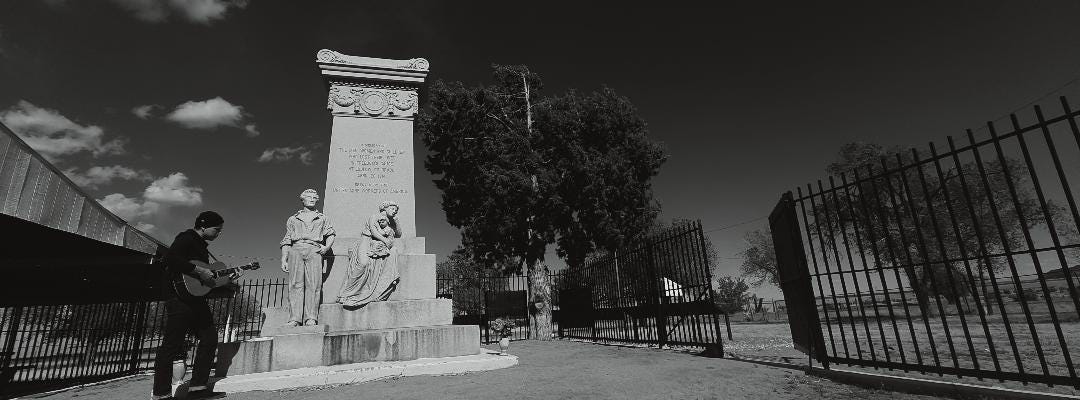
I visited the Ludlow Massacre Monument on April 23rd 2026. Trinidad, Colorado is home to one of most horrific acts of violence against workers and their families. Over 100 years later, the Ludlow Massacre is often described as a “calculated military operation against a civilian population whose only crime was the refusal to be exploited.” As I’ve shared this experience with a few friends, it has become evident that Ludlow has slipped from the mind of many workers, disappearing from our collective consciousness like so many other American working class stories. This piece is dedicated to preserving that long memory.
I am not a historian, nor is this essay an attempt at an exhaustive account of the Ludlow Massacre. It is however an introductory telling of the events and my experience visiting the site. For a deeper dive, there are plenty of resources, including books, documentaries and podcasts like Working Class History available.
A decade before the Ludlow Massacre, Southeastern Colorado was the site of a series of labor disputes posthumously referred to as the Colorado Labor Wars. A series of violent altercations between miners and mine owners, these conflicts saw the Colorado National Guard battling unionists, private security agencies fighting union organizers, and community members on opposing sides of the labor debate taking up arms against each other.
In 1913, workers at the Colorado Fuel and Iron Company (CF&I) owned by John D. Rockefeller, America’s richest man, were ready to strike. A few years prior, the eight-hour movement swept across the workforce, with battles breaking out between workers and bosses in cities like Chicago, New York, Milwaukee and San Francisco. As a result, eight-hour legislation was passed in some states, and was beginning to be adopted by various industries. Although the eight-hour workday wouldn’t be enshrined into national law until 1916 with the Adamson Act, the rally cry of “Eight hours work, eight hours recreation, eight hours rest” was permeating cities and work camps from coast to coast.
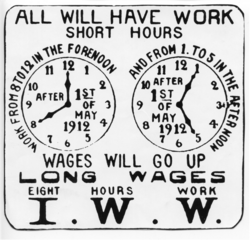
CF&I refused to honor the eight-hour workday. Rockefeller and company also wouldn’t negotiate with or even recognize the United Mine Workers of America (UMWA). Mining in Ludlow was a dangerous job, pay was low, and working conditions were hazardous at best. Without a collective union, workers were unable to secure basic dignity on the job.
It is estimated that more than two dozen different languages were spoken amongst the miners. The battle for labor rights was (and still is) the battle for immigrant rights. Coming from Greece, Italy, Slovenia, Serbia, and Croatia, European immigrants worked side by side with those from Mexico and Russia. Mine owners regularly hired diverse workforces as it was generally assumed that language barriers and cultural tensions would prevent organizing. However, inhumane labor conditions have a way breaking language barriers, and in September of 1913, 10,000-12,000 miners walked off the job.
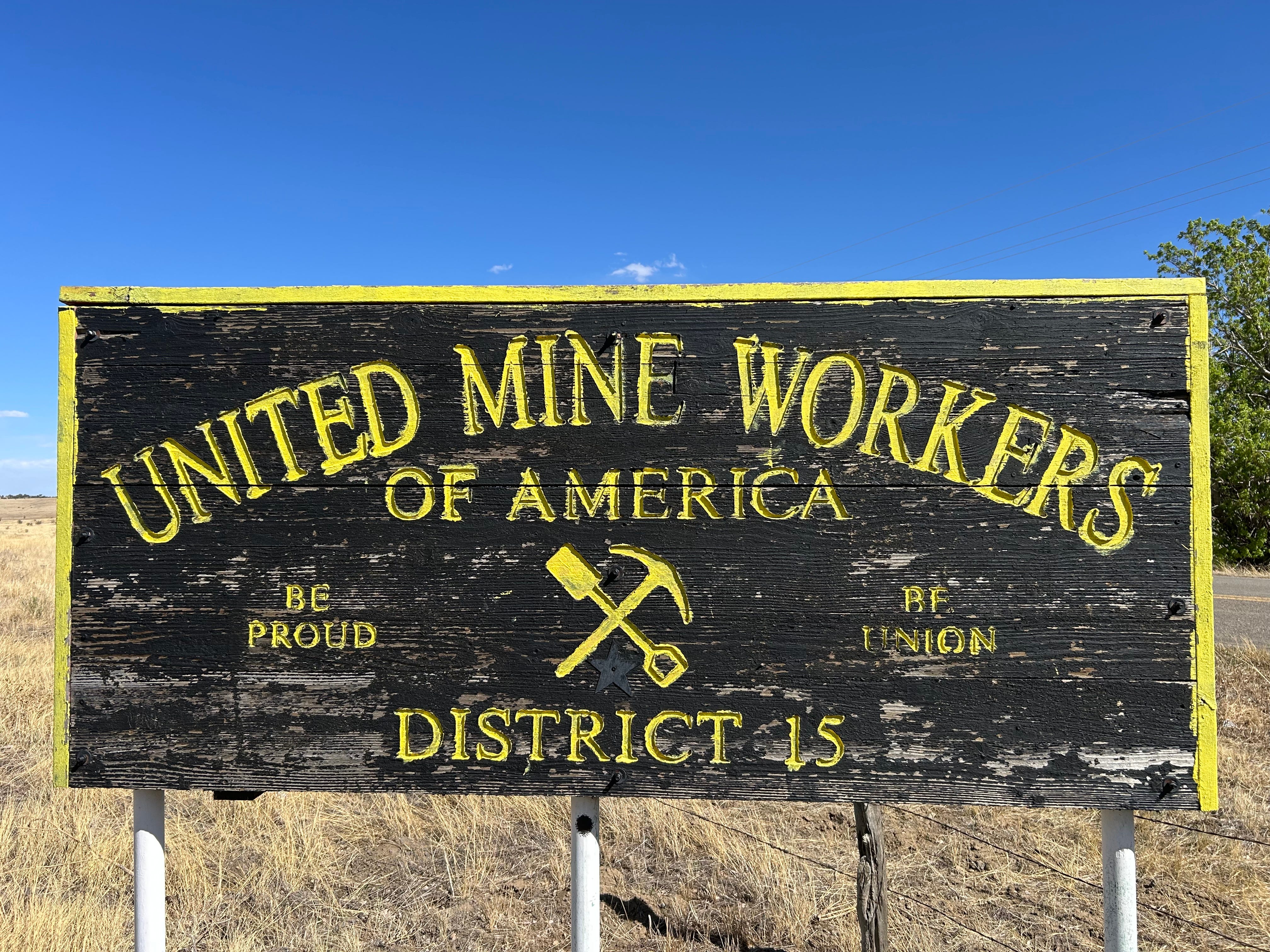
In response, mine owners hired more than three hundred Baldwin-Felts private detectives to break the strike and Governor Elias M. Ammons deployed the Colorado National Guard on behest of the bosses.
Ludlow was a company town. Most miners lived in company housing with their families, and were paid in script, a form of company currency only good at the company store. Cue the Tennessee Ernie Ford and 16 tons. Company stores were notorious for price gouging, leaving workers with little more than room and board for their labor. In light of the strike, CF&I kicked the miners and their families out of the company-owned housing. More than 1,200 workers ended up living with their families in the tent colonies.
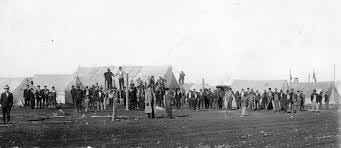
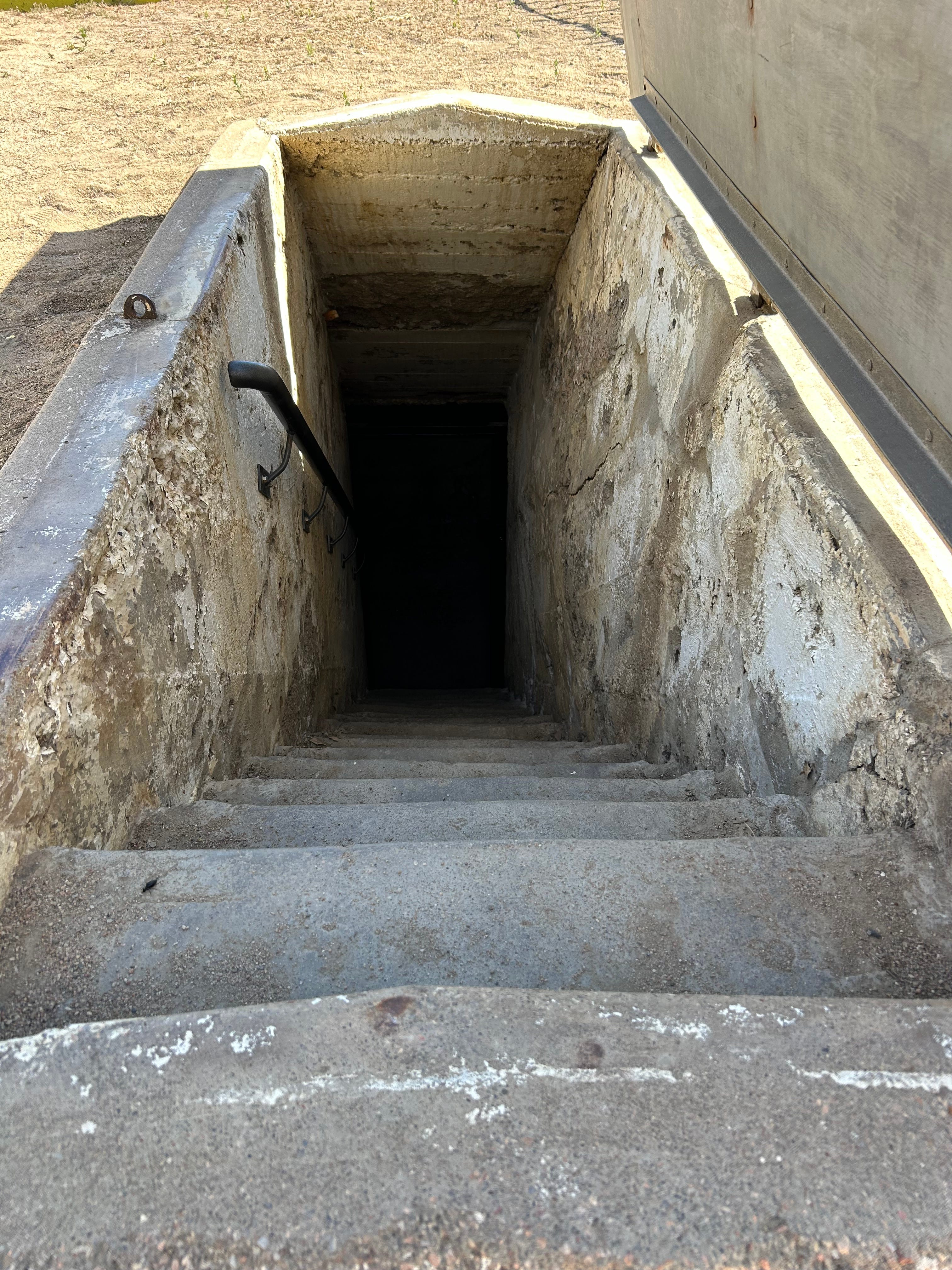
It was called the machine-gun massacre. On April 20, 1914, the Colorado National Guard armed with machine guns, along with private security militias raided the tent colony, demanding the surrender of the strikers. Armed with the “Death Special”, a sedan outfitted with a machine gun, Baldwin-Felts agents regularly patrolled the tent colony, with widespread reports that they would shoot indiscriminately into the huddled crowds. To avoid gunfire, women and children fled into underground cellars to hide. On April 20th, things escalated, resulting in a 10-hour battle between workers, the CO National Guard and Baldwin-Felts agents.
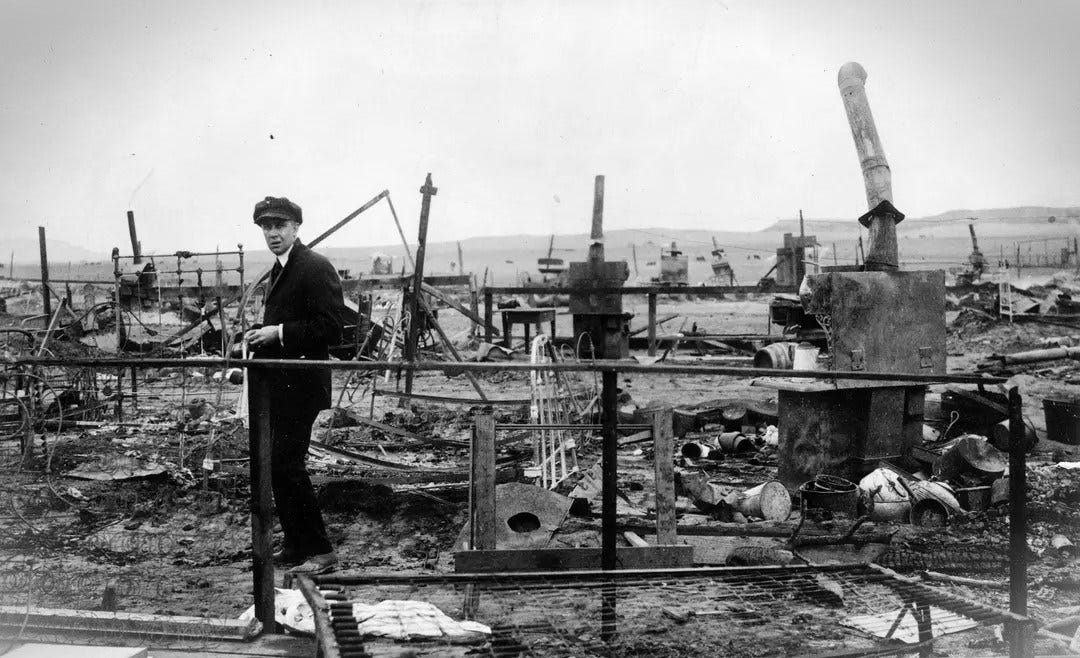
That evening, The National Guard soaked the colony in kerosine, lighting it on fire, burning women and children alive in their underground bunkers. Reports vary, but at least twenty-five people were killed, eleven of which being children. Some sources say upwards of 50 deaths were reported, with workers not being allowed to collect their dead from the fields. At least three strikers were executed by guardsmen, with one being shot in the back at close range.
One of the “death pits’ as they are known was preserved. Today at the Ludlow Monument, you can open the hatch and enter a cellar, at the bottom is a small room and makeshift alter in memory of those who died at Ludlow.
After the massacre, what ensured would become known as the ten day war. Armed miners began striking back at mines in the area, killing guards and setting fire to company-owned buildings. The UMWA distributed arms to striking miners. Despite their efforts, the war, like the strike, would come to an end. The UMWA wasn’t officially recognized by Rockefeller and many striking miners were arrested or replaced.
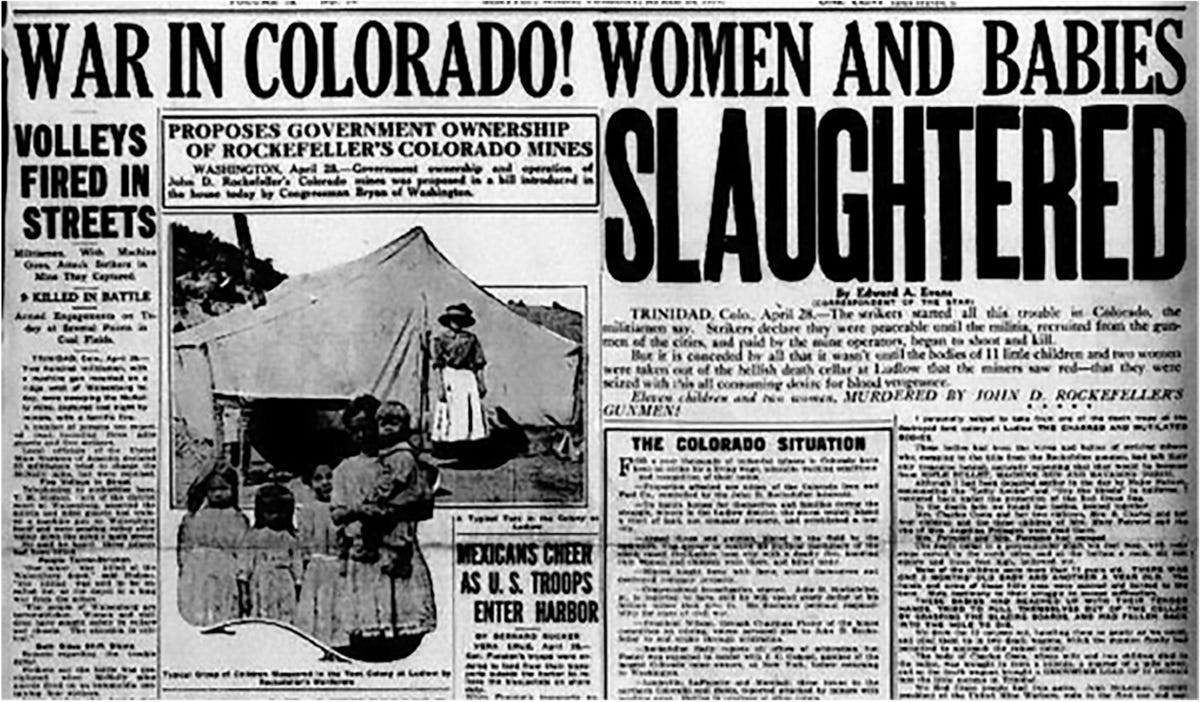
The story of the massacre and Coalfield War quickly became national news, with Mother Jones traveling the country to tell the horrors of Ludlow. Eventually she even testified before Congress. Much like the performative hearings of the ultra-wealthy today, John D. Rockefeller was brought before a national committee on May 20, 1914. He was quoted as saying, “There was no Ludlow massacre.” Instead, Rockefeller described the battle as a “Desperate fight for life” saying, “While this loss of life is profoundly to be regretted, it is unjust in the extreme to lay it at the door of the defenders of law and property, who were in no slightest way responsible for it.”
The defenders of “law and property” were all acquitted of any wrong doing. Not a single member of the Colorado National Guard nor the Baldwin-Felts Detective Agency were ever charged with a crime. However, over 400 miners were arrested, with some 300 being indicted for murder.
The following year, Rockefeller attempted to bridge the divide with workers stating, “We are all partners in a way. Capital can't get along without you men, and you men can't get along without capital. When anybody comes along and tells you that capital and labor can't get along together that man is your worst enemy.”
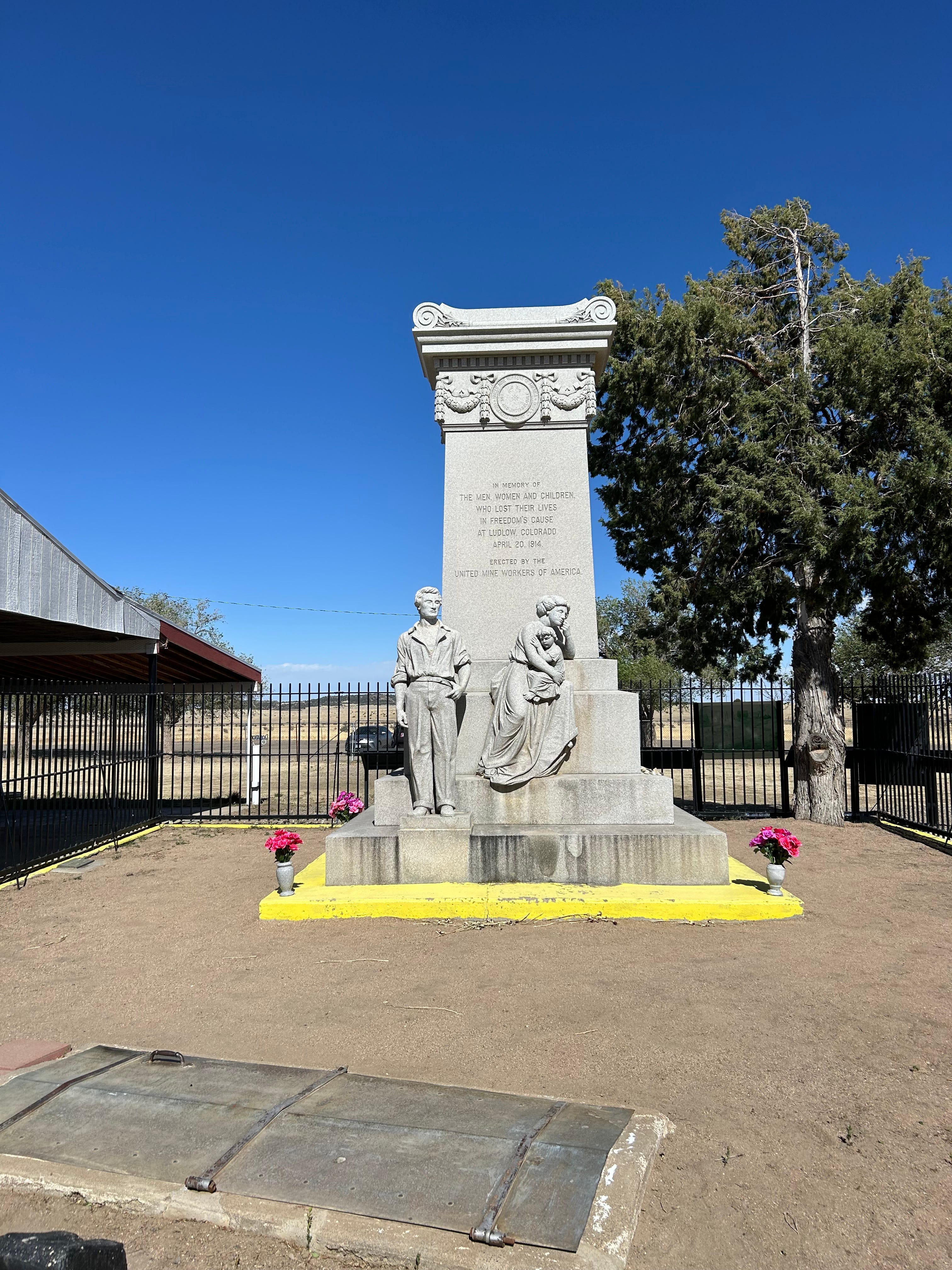
To his credit, Rockefeller did state one truth, “Capital cannot get along without you men.” It is as true today as it was in 1914. Ludlow continues to be a stark reminder of the perpetual battle between labor and capital, the never-ending fight for dignity on the job and the long held American belief that economic liberty in the most valuable liberty of all.
In 1931, Florence Reece, the wife of a Harlan County coal miner, wrote Which Side Are You On, declaring without reservation that you can “Either be a union man or a thug.” The song, encapsulated the bloody battle between militia strikebreakers, unions, and robber barons in Appalachia. On my visit to Ludlow, it is the song I couldn’t stop thinking about.
My favorite verse of Reece’s masterpiece states, “Workers can you stand it, tell me how you can, will you be a lousy scab or will you be a man?”
I played that song at the monument. It isn’t the finest vocal performance nor the most spotless rendition of my career. However it was an overwhelming moment for me and one I am glad to have documented. At the end of the first verse a wind picked up from the west that sent a chill down my spine.
Somebody wrote that if you are silent long enough at the monument you will hear the voices of those who were slaughtered. In my experience, if you sing at the monument, you will hear those same voices in perfect harmony, urging us, like Mother Jones said, to “Strike and stay with it.. stand together, never surrender. Look things in the face” and most of all, “don’t fear anybody.”
Solidarity Forever.
No posts
Comments
Nothing yet. Say the first thing.
Sign in to join the conversation.