
Gotta love a topical bedtime chat. The other night, sitting beside my daughter as she downloaded a dayful of thoughts to prolong those last few minutes before sleep, we got onto the subject of Good and Evil. It would seem those ever-present binary forces are more relevant than ever right now, in culture and current affairs alike.
And so, to soothe her sleepy worries (also my own news-frayed nerves) I relayed all the clichés: Light is stronger than Darkness, I said. Love will out, as my own mum always said. The only thing more powerful than hate is love (thanks Bad Bunny) and if it’s not a happy ending then it’s not the ending after all. (Unless it’s the Night Manager Season 2 which, by the way, I am livid about...)
Then, by way of further explanation, I switched off the lights.
A tiny smattering of glow-in-the-dark stars on the wall was to be the physical proof we both needed that the cliché is indeed true. Thanks to that little glow we could actually still see quite a lot. It doesn’t work the other way round - much much harder to dim a light space with a shadow. I rested my case. She rested her head on her pillow. Exhales all round.
Steady light, even a few tiny stars, does so much to offset the dark. And – we all could use reminding right now – this is where hope lies.
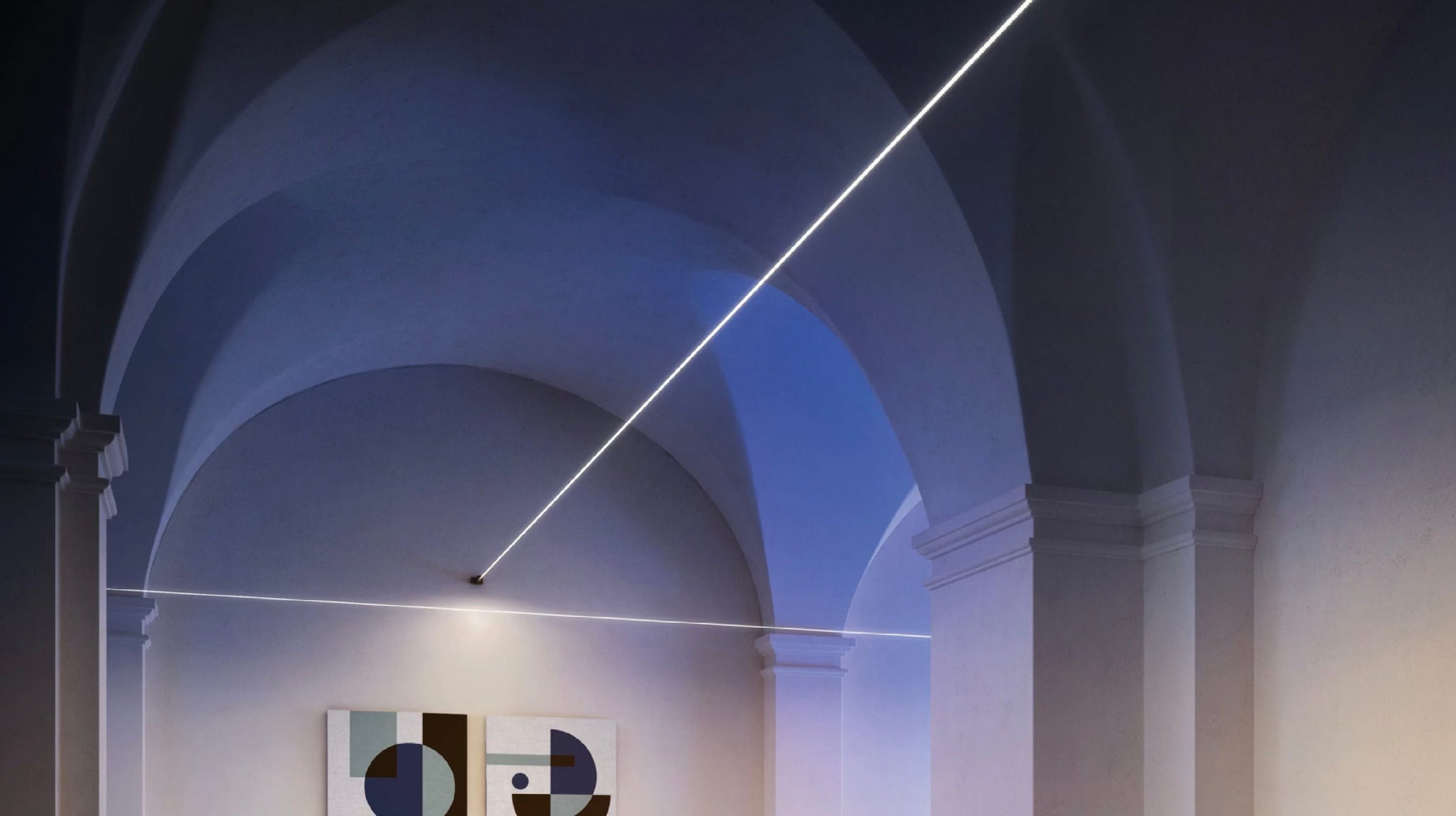
When the world looks dark, the nervous system narrows. Vision tightens and breathing is shallow and fast. Perspective compresses into a singular focus. It’s that fight or flight state, but made all the worse by not being able to see the enemy or escape route clearly. Scale is distorted and everything feels immense and insurmountable.
Right now, however, we are living through a period saturated with exposure. Scandals, leaks, footage, revelations. The language of culture right now is steeped in illumination: transparency, accountability, shedding light, bringing things into view.
So why is it that, despite this constant unveiling, many of us feel more disoriented than ever?
This is because sudden spotlights do not do the same thing to our psyche as steady illumination. Relentless flashes of exposure from different directions confuse us and flood the nervous system. Headlines that amplify urgency and social feeds that fuel outrage lead to one physiological result: stress. Physically, we contract.
Human beings regulate through visibility - light allows our brains to map our surroundings, which reduces uncertainty, which in turn lowers stress. We orient and reorient ourselves constantly as our eyes scan for light, horizon lines, doorways and windows.
In dim, ambiguous and unnaturally lit environments, we are instinctively more vigilant as our bodies subconsciously prepare for what we cannot fully perceive. Visibility allows and fosters more presence, minimising rumination, while clear, natural light settles and soothes.
Everything will be better in the morning – another cliché because it’s true. Morning daylight stabilises circadian rhythm and signals safety. Exposure to natural light supports cognitive clarity and even in the smallest amounts has a huge influence on wellbeing, alertness and mood. Just like the universe abhors a vacuum, doomscrolling abhors an open window and a blue sky.
The metaphor of illumination carries so much weight across cultures. It’s probably the earliest metaphor ever made: Let there be light, said God, reportedly, on the first day of creation. The Statue of Liberty lifts her torch steadily and outward — Liberty Enlightening the World. In Star Wars, the lightsaber weaponises it, glowing with contained energy. Light shaped into discipline and action, its power depends on focus and alignment.
There are billions more examples, of course, and these images endure because they express a visceral bodily truth: steady light creates orientation. We can only move, and act, when we can see where we are.
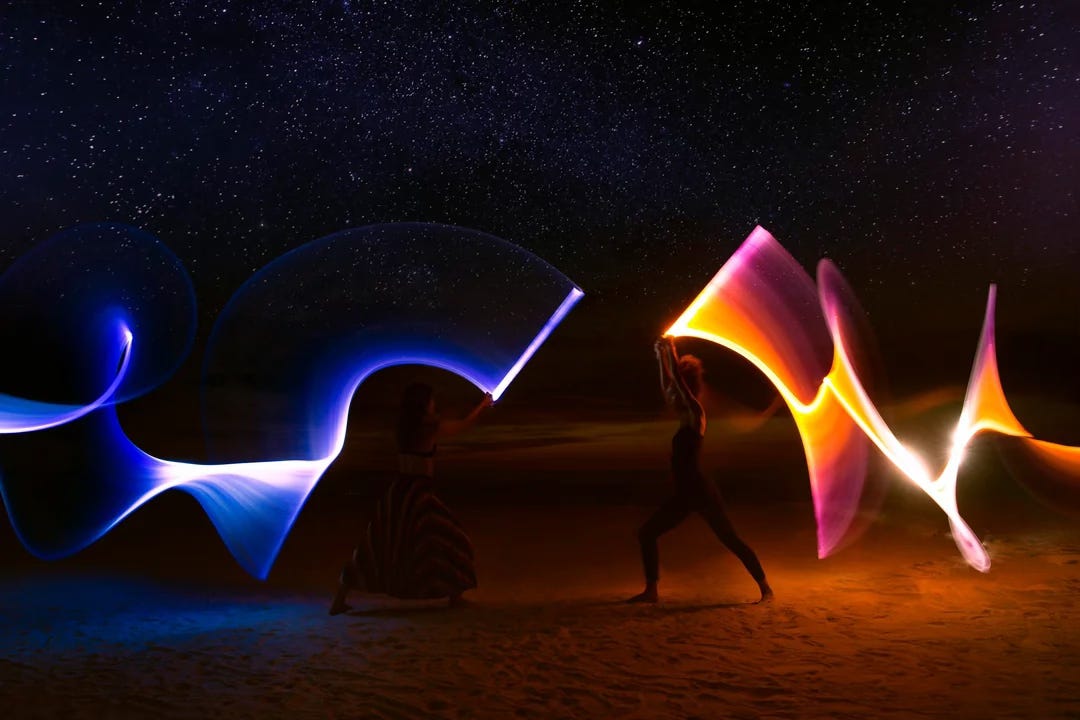
Wellness culture often leans toward soft lighting: cosy, womblike spaces, candles, muted palettes, low glows with the intention of creating a restful and soothing atmosphere.
This is changing, for the better, as more wellness spaces are being constructed above ground and given the prominence, and with it the access to natural light and space, they deserve.
Deeper wellbeing, we know, depends on daylight and real reference points.
Cultural conversations about “bringing things to light” often unfold at scale - governments, corporations, institutions. Whistleblowers, journalists, investigations. These moments of exposure matter enormously.
But steady illumination is all of our responsibility.
At a time when many feel powerless, we are in fact anything but. The tiny torches we can shine include choosing reliable sources of information, reading beyond headlines, pausing before sharing, holding conversations that clarify, and asking careful questions instead of performing certainty.
Steady light, in civic terms, is sustained attention without hysteria, and these actions are how we will maintain it.
The nervous system responds to rhythm and consistency. Just as a lamp switched on at the same time each evening or a workspace positioned in natural light becomes a reliable cue that reduces stress, so too does measured, consistent truth-telling in public life. Investigative journalism and dialogue that persists. Facts that remain visible.
Hope grounded in physiology feels so much truer than mindless optimism. It rests on observable fact: small light reorganises darkness. The effect is immediate and measurable.
And when enough small, steady sources remain lit, we’ll be in a much much brighter place.
Right now, we are behaving a little like moths to the flames of chaotic revelation. The brighter and hotter it burns, the more compulsively we circle it. But flames can consume, dazzle, distort and exhaust us. We need – and quickly – to get to a place of steady illumination. Then we can negotiate this space. Then we can move.
And movement, however modest, is how we find our way through. So tend the small lights. In journalism, in conversation, in our homes and in our own internal landscapes.
Our own points of illumination do not need to individually overwhelm the darkness like Bad Bunny at the Super Bowl (though that was indeed magnificent). They just need to exist — constant and true. Every small light expands perception, many small lights transform the whole world.
I didn’t say all this to my child, of course. We just giggled in the actually-not-very-dark and she eventually drifted off to sleep.
No posts
Comments
Nothing yet. Say the first thing.
Sign in to join the conversation.