
I wouldn’t have predicted this – at least not with a deck of cards – but here we are: Tarot is having a moment – on the catwalk, on social feeds, on Netflix, in art fairs – it’s like all the ancient symbolism everywhere all at once, and I love it.
Let’s lay it all out on the table because this read is personal, it’s professional, and it’s economical. Friends – even those I’d have described as rational, sensible and healthily sceptical – are suddenly pulling cards and recommending readers. At the same time, a new generation of tarot influencers – young, visually fluent, aesthetically impeccable – are magicking the algorithm to build large audiences online. Design-led decks are flashing across the social feeds: stylised, editorial, often sold out.
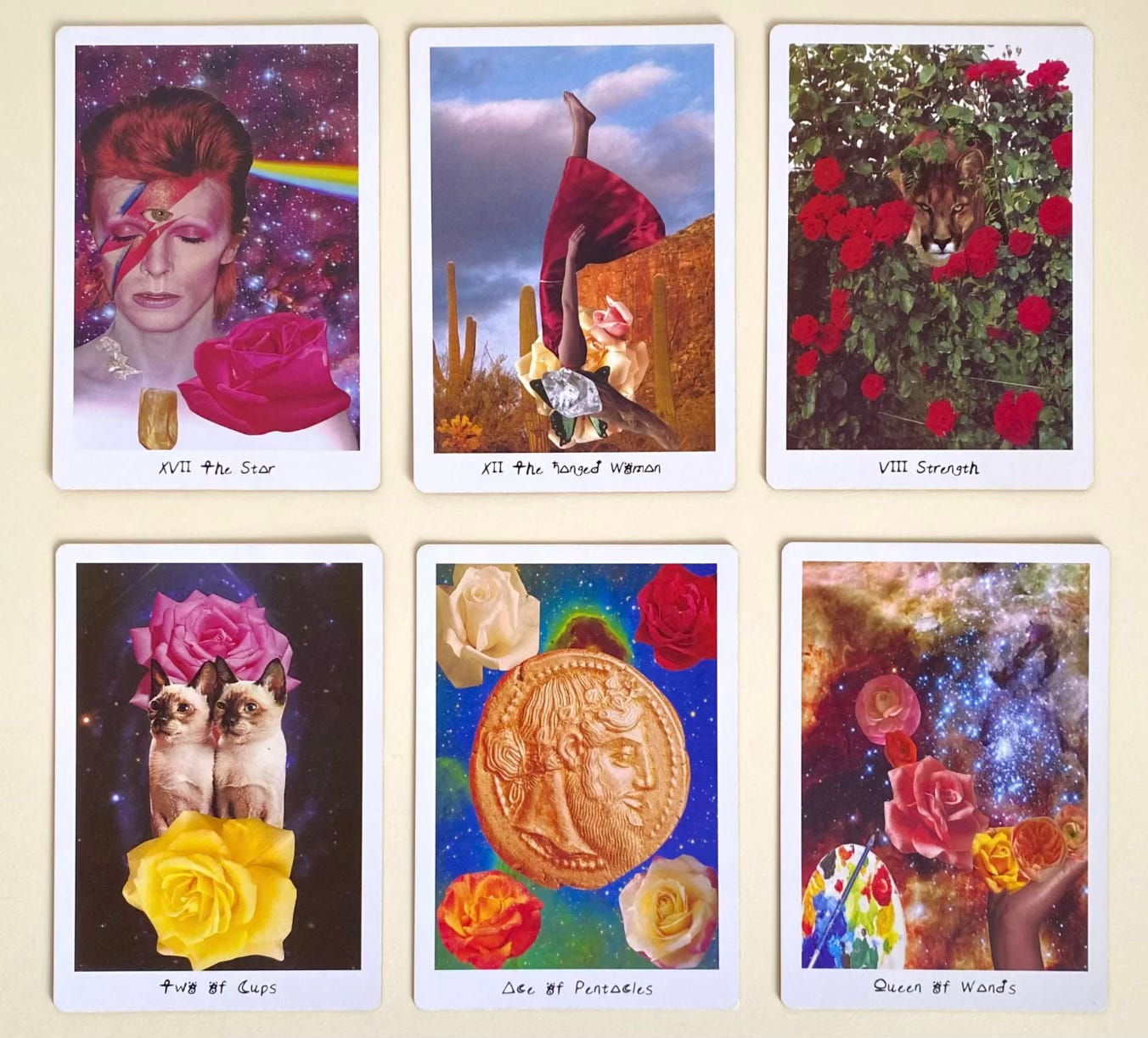
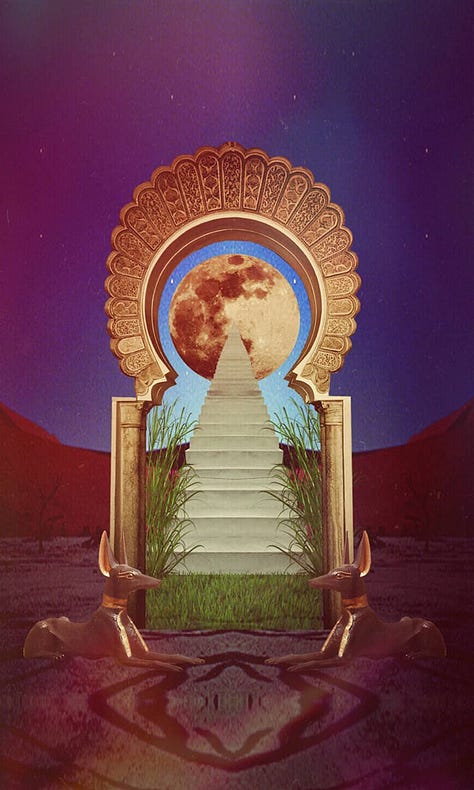
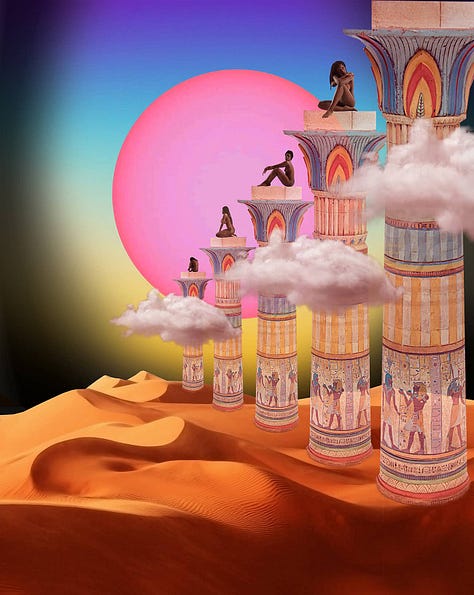
A visual system ready-made for reinvention, part of tarot’s appeal, particularly to creatives, lies in its structure. A complete symbolic system of archetypes, narratives, characters, hierarchies, it’s also far more intricate than it first appears. Each card operates as a self-contained world. Not just The Fool or The Lovers, but the landscape around them, the objects they carry, the figures that appear and disappear in the background, the direction of a gaze, the use of colour, the suggestion of movement. Meaning accumulates, so single card can be read in multiple ways, depending on what you notice and when.For creatives, this is very fertile ground. Tarot invites reinterpretation. It is inherently adaptable, designed to be redrawn, recast, reimagined. While artists have been drawn to tarot for decades - Salvador Dalí famously designed an elaborate deck, while houses such as Hermès have explored tarot as a motif and object too.
The connection between symbolic systems and visual culture runs deep. Contemporary artists such as Alejandra Luisa León and Devany Amber Wolfe have embraced this, creating decks and works that retain the underlying archetypes while shifting their aesthetic and cultural framing. Cat Pierce’s Wandering Star Tarot leans into a more intuitive visual world highly attuned to a new kind of Instagram-addicted audience.
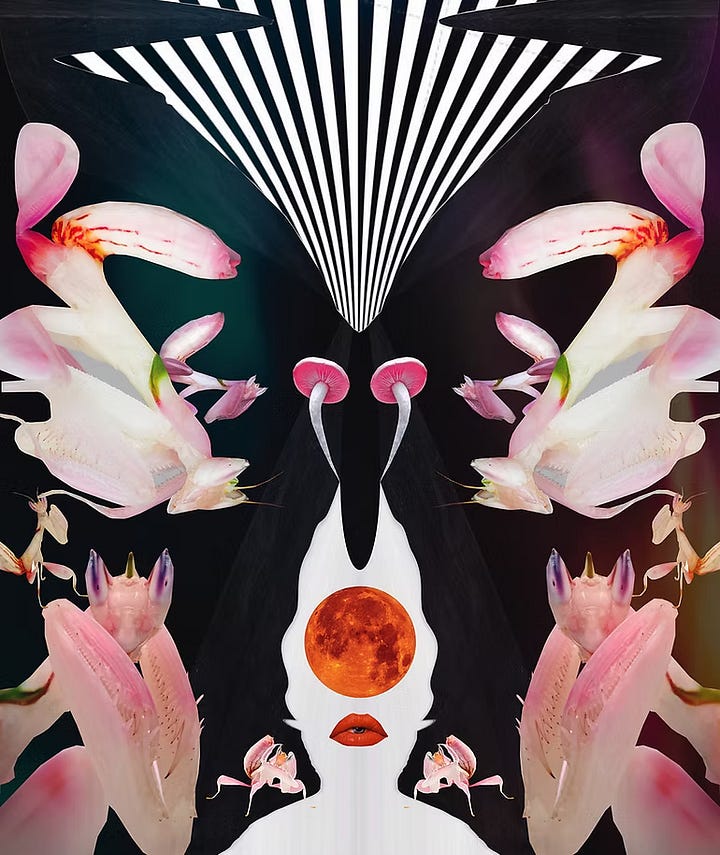
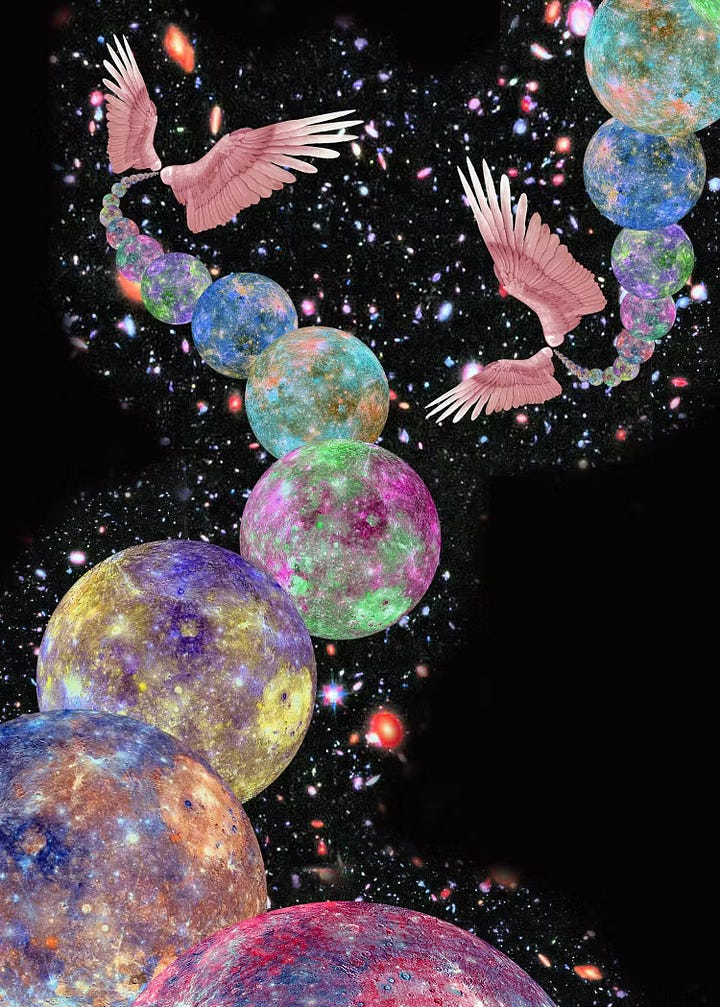
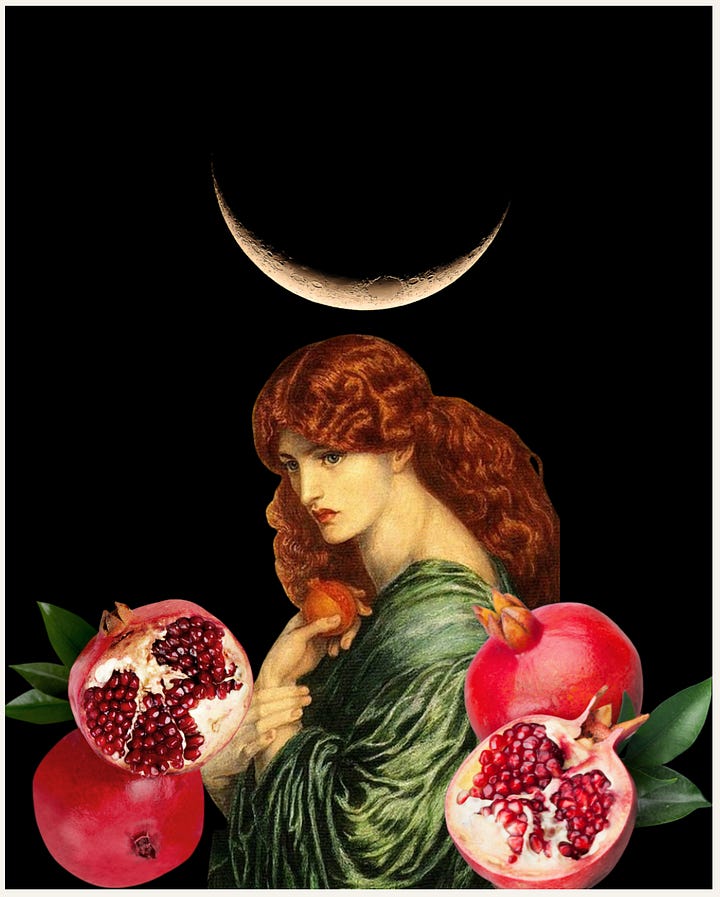
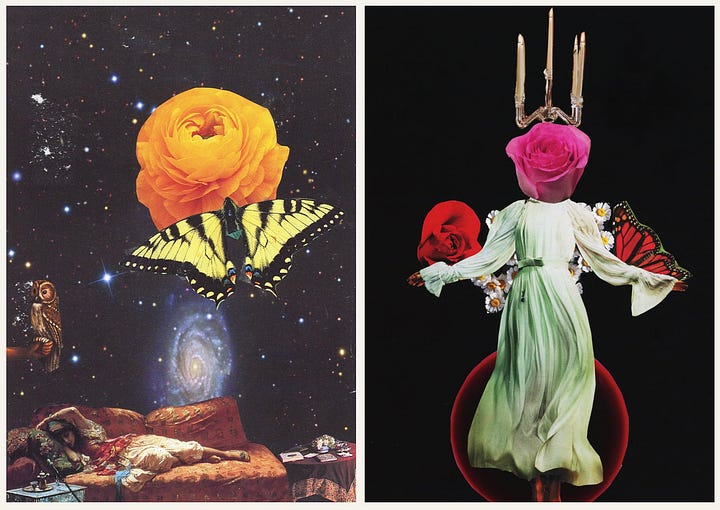
This flexibility is precisely what makes tarot so compelling for brands. In a crowded attention economy, symbolism carries weight. It allows brands to communicate quickly, with emotional depth and visual clarity.
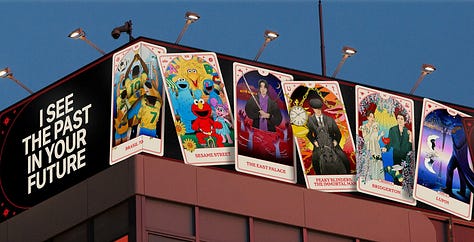
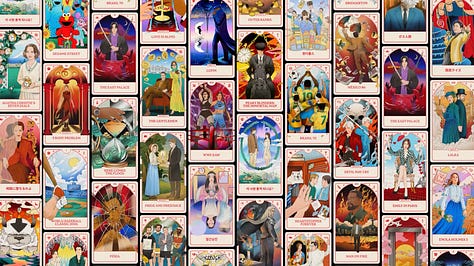
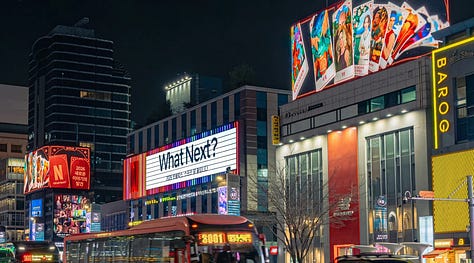
Recently creative agency Los York built a tarot-inspired visual universe for one of Netflix’s largest global campaigns, it wasn’t about mysticism but storytelling at scale. Tarot offered a ready-made narrative device: instantly recognisable, rich with meaning and highly adaptable across markets and formats. The campaign, featuring work by artist María Jesús Contreras, translated archetypes into a contemporary visual language that is bold, graphic and highly shareable.
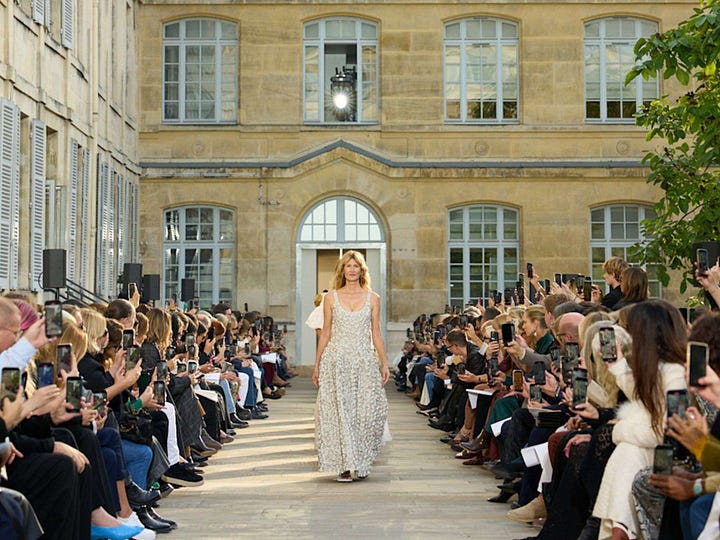
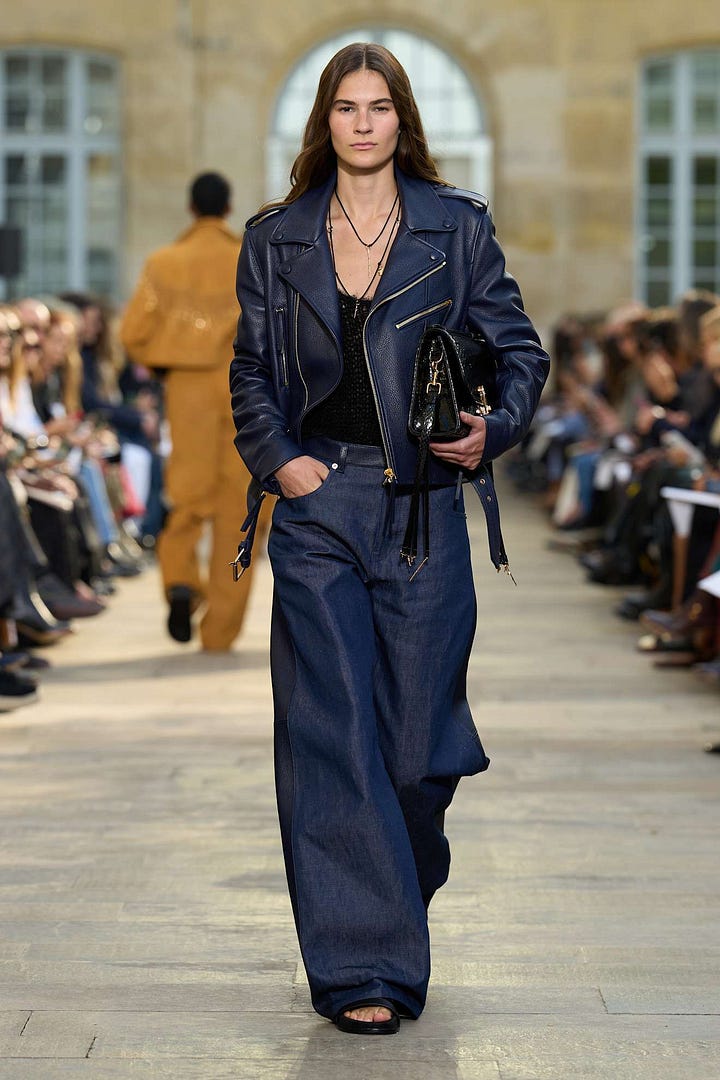
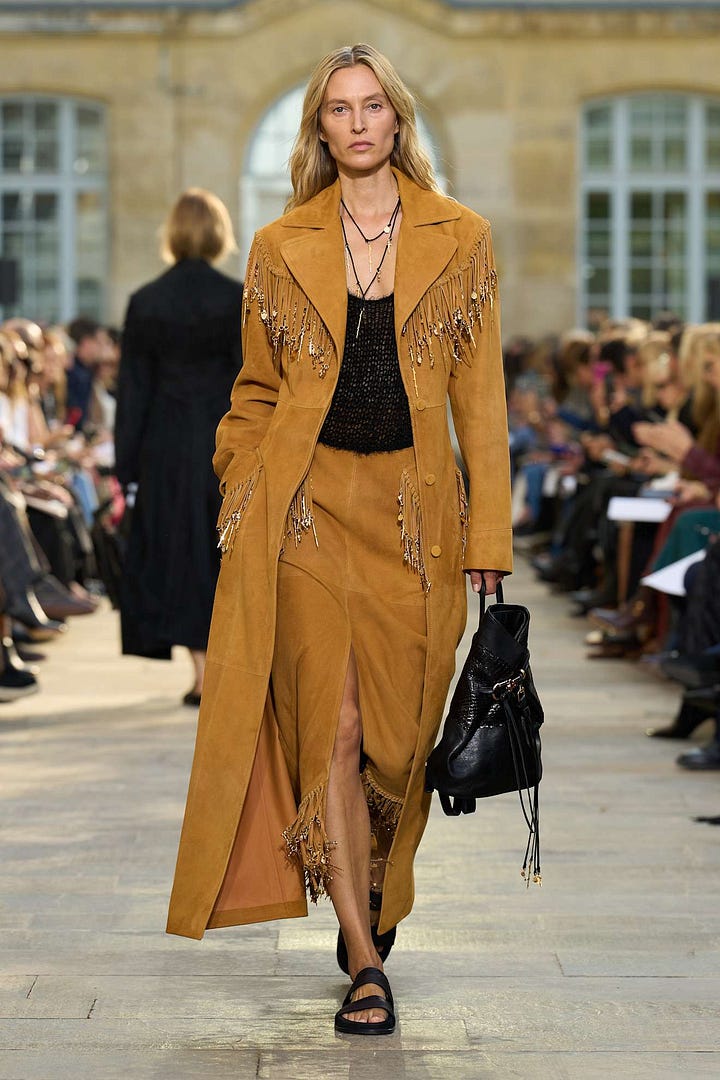
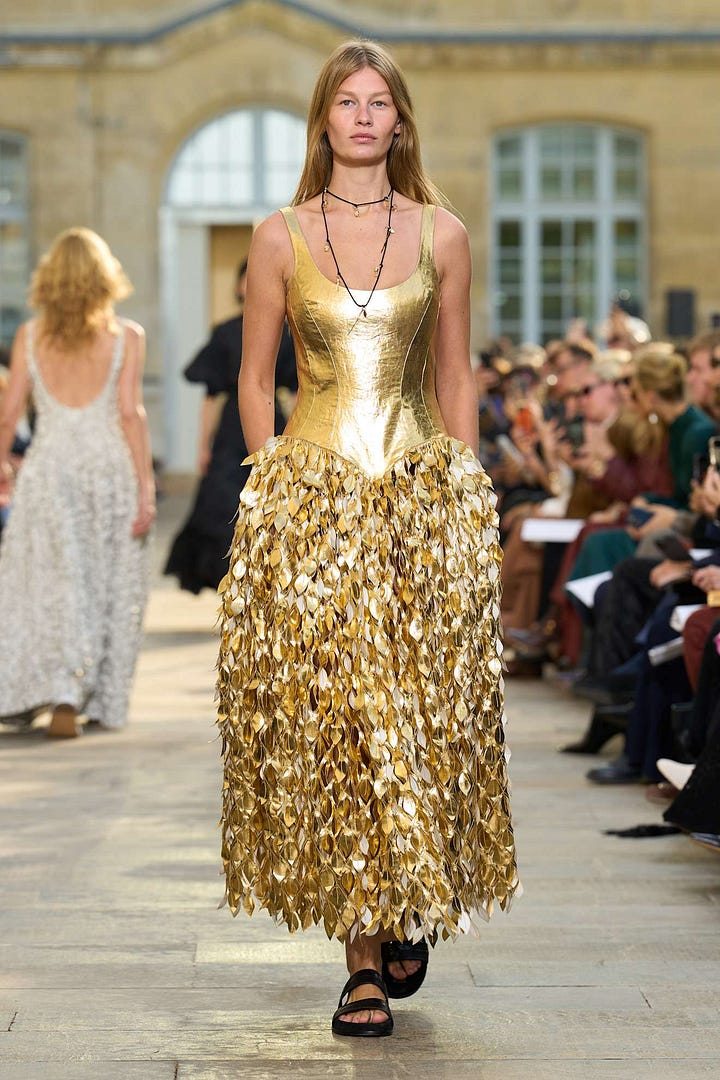
Fashion has also long circled tarot’s visual language, but the current moment feels more embedded. Gabriela Hearst has built an entire Spring/Summer 2026 collection around the Major Arcana, translating cards into garments that carry narrative and symbolic weight – The Empress rendered in thousands of hand-crafted flowers, for example.
At Dior, tarot has become part of the house vocabulary under Maria Grazia Chiuri, appearing repeatedly across collections as a way of embedding mythology and feminine symbolism into couture.
More broadly, fashion’s fascination with tarot is becoming increasingly visible across the industry, with designers and creatives turning to the cards as a source of inspiration and narrative depth.
Tarot is also being absorbed into the broader landscape of wellness and self-reflection. Many people are engaging with it as a tool for interpretation – a way of externalising internal questions and creating space for intuition.
This lies happily within a wider cultural focus on mental health, personal development, and emotional awareness. Tarot’s open-ended nature invites reflection. Each card becomes a prompt, an invitation to tap into your own intuition: a language for thinking, if you will.
I like to think there might also be a gendered dimension to tarot’s resurgence.
Long associated with feminine knowledge systems – intuition, emotional intelligence, non-linear thinking – tarot has historically existed on the margins of accepted authority. Its current visibility aligns with a broader cultural acceptance and perceived value of these forms of knowledge. Once dismissed as witchy, these ancient worlds of woo are being reconsidered and reframed as the patriarchy crumbles. (Is it actually crumbling yet? Can someone pull a card on this for us please?)
What makes tarot particularly relevant now is its visual strength. It is image-led, symbol-rich and narratively dense. It communicates quickly, while allowing for depth and interpretation.
It’s also being actively discussed in the design media landscape. The current World of Interiors issue, in Emily Tobin’s editor’s letter, frames tarot within a wider appetite for layered, storied interiors - spaces and objects that hold meaning, symbolism, and a sense of narrative continuity. Where there is a wider appetite for meaning, for reflection and systems that allow for ambiguity, tarot is a perfectly packaged language that now feels newly cool.
The future unfolds. Tarot is moving beyond decks and readings into a wider visual and conceptual language that can be applied across fashion, interiors, branding and publishing. A symbolic shorthand for a generation interested in self-exploration and highly attuned to image, it’s less about belief in a literal sense or any idea of occult practices, and more about engagement and interpretation. The act of looking, the art of seeing.
Perhaps it was quite predictable after all.
No posts
Comments
Nothing yet. Say the first thing.
Sign in to join the conversation.